
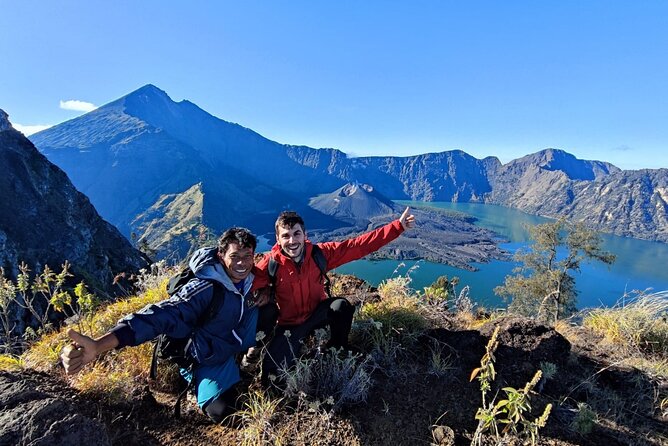
Reviewed · MOUNT RINJANI TREKS
3D-2N Explore Mount Rinjani – Summit -Lake and Hotspring
Climbing Mount Rinjani is interesting because it turns a volcanic hike into a tight 3-day circuit, with a very early summit push and big alpine-style rewards. I especially like the way this plan bases you in Senaru on both nights, so you get to sleep with less gear stress than the classic “sleep out in the wild” style.
Two other things I really like: you hike with a mountain guide and porter, so you are not stuck carrying cooking equipment or your own water. The main drawback to weigh is that organization and pacing can feel less personal if your group is combined with others during busier periods, so go in with a clear expectation of how you will be managed on the trail.
Key things to know before you climb Mount Rinjani
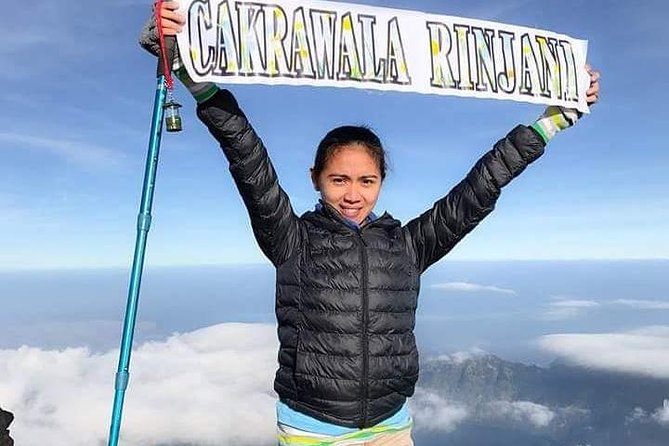
- Senaru sleeps, 2 nights: camping setup is included, so you can travel lighter for the toughest days
- Summit timing is sharp: you aim for the top around 6:00 am for sunrise (after an early wake-up)
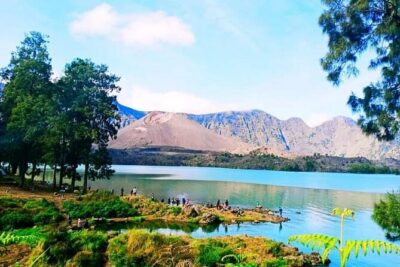
- Lake Segara Anak and crater views: expect time around the volcanic caldera area during the 3-day circuit
- Guide plus porter support: you should not be carrying cooking gear or water yourself
- Small-group cap (10 max): this tour is private with small groups welcome
Why this Mount Rinjani 3D-2N plan feels more manageable
Mount Rinjani does not do gentle. Even when everything is well run, you are still climbing at altitude, with steep steps, cold air, and a demanding schedule. What makes this specific 3D-2N format more doable is that it is built around support and logistics, not around you figuring everything out on the fly.
You start from Senaru, then work the trek route that links key Rinjani zones into one compact trip: Sembalun, crater rim area, the summit, and the return down to Senaru. The key value is that the trip is organized end to end, including permits and insurance in the cost. That matters because Rinjani trekking is not just a hike, it is a managed environment.
And you get the big Rinjani moments on a schedule that is realistic for most people who can handle a long, early day: a summit approach that begins around 2:00 am, a target summit around 6:00 am, and then time to descend safely back toward Senaru each day.
One more practical note: the itinerary notes admission tickets are not included. At the same time, it also says permits are covered. That usually means you should confirm exactly what, if anything, you pay on arrival, so you do not get surprised.
More Rinjani treks:
- Mount Rinjani 2 Days 1 Night Senaru Crater Rim
★ 5.0 · 131 reviews - Mount Rinjani Trek 3D-2N To Summit – Lake – Hotspring
★ 4.7 · 111 reviews - Rinjani trekking 2D 1N RIM
★ 5.0 · 94 reviews
Where the trip starts, and how the day gets going
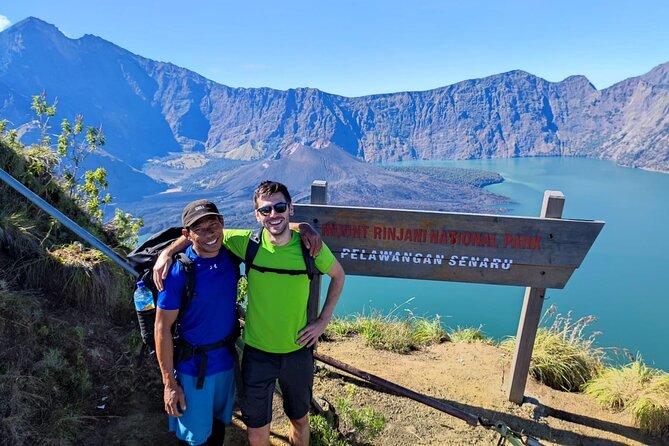
The tour meeting point is at the Cakrawala Rinjani Trekking office on Jl. Pariwisata, Senaru. The start time is 7:00 am, and the activity ends back at that same meeting point.
Pickup is offered, which is a relief if you do not want to wrestle with local transport before a summit push. Still, because pickup details are not spelled out here, I recommend you verify pickup timing relative to the 7:00 am start. If you have to arrive early, being late on day one can mess with everything that follows.
This matters because the schedule tightens later. Day 2 effectively begins before most people are awake, with a hot drink and light breakfast before heading for the summit. If you are already tired on day one, that early wake-up will feel harder.
Day 1: settling into the national park circuit, then back to Senaru
Day 1 is a long trekking day, about 7 hours, working within Mount Rinjani National Park. The route starts from Sembalun and moves toward the crater rim area, with the general circuit designed to connect to the summit and onward.
The biggest Day 1 value is that it acts like a warm-up in “hard mode.” Even if you feel okay at the start, you will notice the altitude and the rhythm of steady climbing. This is the day where the body learns what the trek demands, and it sets your pace for the summit attempt.
Another important part of Day 1 is the comfort factor. The tour description emphasizes that you stay in Senaru on both nights, and camping equipment is provided. That means you are not expected to haul a full overnight setup up the mountain. You can focus on the hike, not on keeping your tent functional in wind and cold.
What you might not realize until you are there: the crater rim area often feels remote and exposed, and temperatures can change quickly. Even if the day is not brutally cold, you will appreciate bringing warm layers and protecting your hands. Your comfort can make or break your ability to sleep well that first night.
Day 2: the 2:00 am wake-up and the 6:00 am sunrise summit
Day 2 is the signature day. It runs about 9 hours and includes the summit push. You wake around 2:00 am under the cover of darkness. You get a hot drink and a light breakfast, then you start heading toward the top.
The plan targets the summit at 6:00 am, at an altitude of 3,726 m, with sunrise as the payoff. This is where you earn the story you will keep telling.
A summit hike at this hour is not just about athletic effort. It is about teamwork and steady movement. With a guide and porter supporting you, you should be able to keep your energy for the steep sections instead of spending time on logistics like hauling gear or stopping to manage water and cooking supplies.
Here is the honest part: even with support, the early hours can feel rough. You will want to be mentally ready to move in darkness, with no daylight cues. I strongly suggest you treat that early wake-up like an event, meaning sleep as well as you can on night one, keep your layers organized, and avoid burning energy chatting or wandering off pace before the sunrise push.
If you are the kind of person who gets nervous before a big climb, focus on your breathing and your cadence. The goal is not speed. The goal is control.
Something different for the next Lombok day:
- Tetebatu Walking Tour – Rice Terraces, Waterfall & Monkey Forest
★ 5.0 · 349 reviews - Gili Island Snorkeling Trip – Gili Trawangan, Gili Meno, & Gili Air, From Lombok
★ 5.0 · 285 reviews - Anggrek Putih Lombok Cooking Class
★ 5.0 · 253 reviews - Lombok: Exclusive Sendang Gile, Tiu Kelep & Selong Hill Tour
★ 4.8 · 225 reviews
Lake Segara Anak and crater area: where the volcano shows its personality
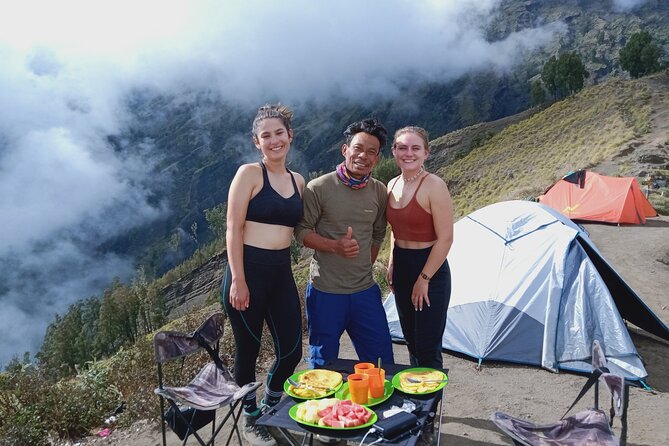
The tour is built around the iconic Rinjani experience: time near Lake Segara Anak and the volcanic crater areas connected to the route. While the exact minute-by-minute timing is not spelled out here, the overall circuit clearly links Sembalun, the crater rim, the summit, and the return through the mountain zones that bring you to the lake area.
What I love about this portion is that it feels different from the summit, in a good way. The summit is height and momentum. The lake and crater area feel more like scale and stillness, with volcanic textures everywhere you look. You get a chance to see why Rinjani is famous beyond the word “summit.”
Practically, expect changing weather. Even when the sky looks clear in the day, conditions near volcanic terrain can shift. Bring a way to stay warm and dry, especially if you get mist. Also plan on a slower pace when the ground is uneven around crater edges. Rinjani terrain can be demanding underfoot.
Hot spring time: how to think about it in this package
The tour name includes hot spring time, but the day-by-day details provided here focus most clearly on summit and the return trek to Senaru through rainforest. So here is the useful way to handle it:
Before your hike, ask your guide when and where hot spring time fits into your specific schedule. If it is included on your route that day, it will likely be one of those practical rewards after cold hiking. If conditions change, you might trade “soaking” time for safer hiking priorities.
This is one of those moments where preparation beats guesswork. Even if hot spring time is a highlight, treat it as a bonus, not a guarantee.
Day 3: rainforest descent, possible black monkey sightings, then back to Senaru
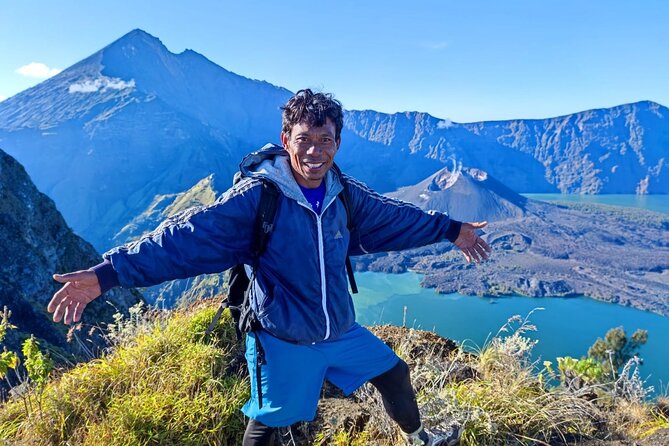
Day 3 is about 6 hours and is all about coming down. After a sunrise breakfast, you descend to Senaru village through rainforest. If you are lucky, you can see the rare black monkey during the descent.
The rainforest part is a real change in feel. You will probably notice different humidity and vegetation, plus the ground can be slick or muddy depending on recent weather. Going down is still hard on the body, especially knees and ankles. This is not the day to “push it” for extra speed. Move carefully and let your guide set safe footing.
This day also includes lunch along the way, with the schedule indicating around 5 hours of descent before the lunch point. When that meal finally happens, you will understand why trekking guides treat food like an essential part of the hike, not just a comfort.
The monkey sighting is not something you can control, but I like that it is mentioned as a possibility. It encourages you to slow down and look up while you descend. You might spot movement in the canopy instead of focusing only on the next step.
Camping equipment, water strategy, and what you do not have to carry
One of the biggest reasons this tour earns such high ratings is the “less to carry” approach. The plan provides camping equipment, and you do not need to carry your cooking equipment or water because you hike with a guide and porter team.
That sounds small on paper, but on Rinjani it is huge. Porters and guides absorb part of the logistical burden, so you are not adding extra weight right when your legs are already dealing with altitude fatigue.
Here is what you should still plan to bring yourself, since it is not described here: warm layers, rain protection, and hiking basics for long trekking hours. Even with support, you are outside for sunrise and exposed volcanic terrain time. If you run cold, pack for it.
If you want the simplest gear philosophy: pack like you are going from cool morning to colder summit air to warmer rainforest descent, and do not forget that humidity and sweat do not mix well with cotton. Keep layers breathable and quick-drying.
Guides, permits, insurance, and staying safe on the volcano
A good guide is not just about finding the route. It is about pace, weather decisions, and keeping you moving safely on changing terrain.
This tour includes a mountain guide and porter, and it states permits and insurance are covered by the cost. That is meaningful because Rinjani trekking is regulated, and risk management matters at altitude.
You also get the advantage of a maximum of 10 travelers, so the team should stay organized. Still, with the private tour concept, the experience depends on how your group is handled. One consideration to keep in mind is that in busier periods, participants can be grouped across operators. If you strongly value a tightly managed, one-crew feel, ask your operator how your group will be treated on the trail.
If the guide quality is a make-or-break factor for you, do not be shy about communicating expectations beforehand: pace preferences, whether you want more time for views, and how you want to handle slower moments.
Price and value: is $235 a good deal for this itinerary?
At $235 per person, this is not a budget hike, but it is also not priced like a luxury expedition. The value is in what is included, especially the support level and the practical costs that would be annoying to arrange yourself.
You are paying for:
- a guide and porter team
- camping equipment
- permits and insurance
- a structured 3-day route that includes a summit sunrise schedule
- a return back down to Senaru each day, instead of more complex overnight logistics
That bundle is what makes the price feel reasonable. If you tried to assemble the same staffing, permits, and multi-day routing independently, the time and uncertainty would likely eat into your savings.
The main “value check” for you is the note that admission tickets are not included. Since permits are covered, that likely refers to something specific. Still, it is worth confirming the exact meaning before you pay the rest of any required fees.
Also, this tour is typically booked about 33 days in advance on average. That signals demand. If you are traveling in a busy window, the earlier you book, the fewer compromises you make on schedule.
Who this Mount Rinjani trek is best for
This tour fits best if you want the classic Rinjani experience: summit sunrise timing, volcanic crater and lake scenery, and a return route that keeps you grounded in Senaru on both nights.
It is described as suitable for people with at least moderate physical fitness. If you are comfortable with steep hikes and long days, you will have a better time. If you only occasionally walk and have never done elevation climbs, this might feel like too much, especially with the early wake-up on day two.
You will also enjoy it if you like structured itineraries. You get a clear rhythm: wake, hike, sunrise summit, return. If you prefer total freedom to wander and stop whenever you want, you may feel more constrained, because the schedule is built for sunrise timing and safe descent.
Should you book this 3D-2N Explore Mount Rinjani trek?
Book it if you:
- want Senaru-based nights with camping equipment handled
- care about a supported summit day with a guide and porter team
- want a route that includes Lake Segara Anak and the crater area, not just one highlight
- are willing to commit to early morning hiking and long trek hours
Skip it or ask tough questions first if:
- you worry about disorganization or mismatched pacing, especially during busy periods
- you want a very small, tightly managed group that never mixes with others
- you are sensitive to cold and early starts, since the summit day begins around 2:00 am and targets sunrise around 6:00 am
My practical takeaway: this is a strong choice if you want the Rinjani essentials delivered with real logistical support. Just confirm the few unknowns that matter most to you, especially the hot spring timing and any costs related to admission tickets.
FAQ
How long is the Mount Rinjani 3D-2N trek?
The trek runs for about 3 days (3D-2N), with two nights included.
Where does the tour start and when?
It starts at the Cakrawala Rinjani Trekking office in Senaru, and the start time is 7:00 am.
Is pickup available?
Pickup is offered.
What is included for sleeping and trekking support?
You stay safely in Senaru on both nights, and camping equipment is provided. You also hike with a mountain guide and porter.
Do I have to carry cooking equipment or water?
No. The tour is set up so you do not need to carry cooking equipment or your own water.
Are permits and insurance covered?
Yes. The cost includes permits and insurance.
How fit do I need to be?
The tour says you should have moderate physical fitness.
What group size should I expect?
This activity has a maximum of 10 travelers.
What if the weather is bad?
This experience requires good weather. If it is canceled due to poor weather, you will be offered a different date or a full refund.
Newest reviews out of Lombok
- Lombok: Waterfall Benang Kelambu & River Rafting Trip★ 4.9 · 41 reviews
- Pink Beach and Southeast Gili Islands Full Day Private Tour★ 4.5 · 42 reviews
- Mount Rinjani 2 Days and 1 Night to Senaru Crater Rim★ 5.0 · 42 reviews
- Trekking Rinjani Mountain Summit 2 Days 1 Night – Em Adventure★ 5.0 · 42 reviews
- Trekking Rinjani Volcano To Crater Rim Senaru 2D-1N Private – Syam Trekker★ 5.0 · 45 reviews
- Lombok: Pink Beach, Snorkeling, & Tanjung Ringgit Tour★ 4.7 · 47 reviews
- Hiking Rinjani 3 days 2 nights summit – Lake★ 5.0 · 48 reviews
- 2 Days Hike to Summit with full view of Sunrise and Sunset★ 5.0 · 49 reviews
Mount Rinjani Treks, compared.
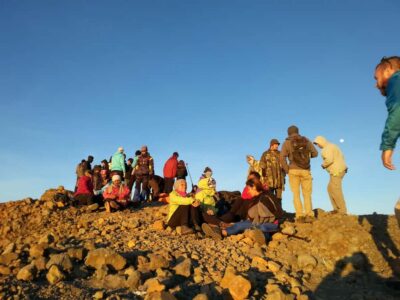
Mount Rinjani Trek 3D-2N To Summit – Lake – Hotspring
Read our review →
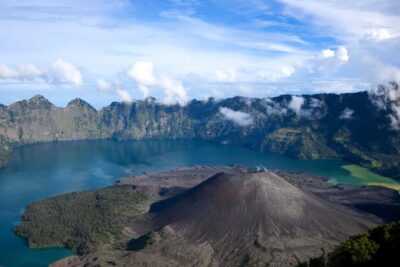
3D/2N Rinjani trekking summit,lake and hot springs.
Read our review →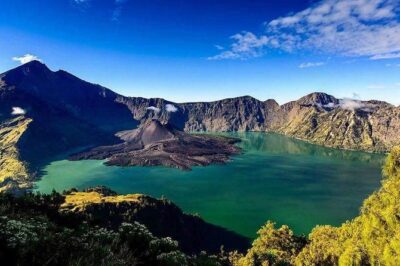
Mt Rinjani Trekking 2 Days 1 Night (Senaru Crater Rim)
Read our review →
Rinjani Trekking 3 Days 2 Nights (Sembalun – Senaru)
Read our review →
Browse the lists this tour appears in