
Reviewed · WORKSHOPS
Ubud: Traditional Balinese Music Lesson
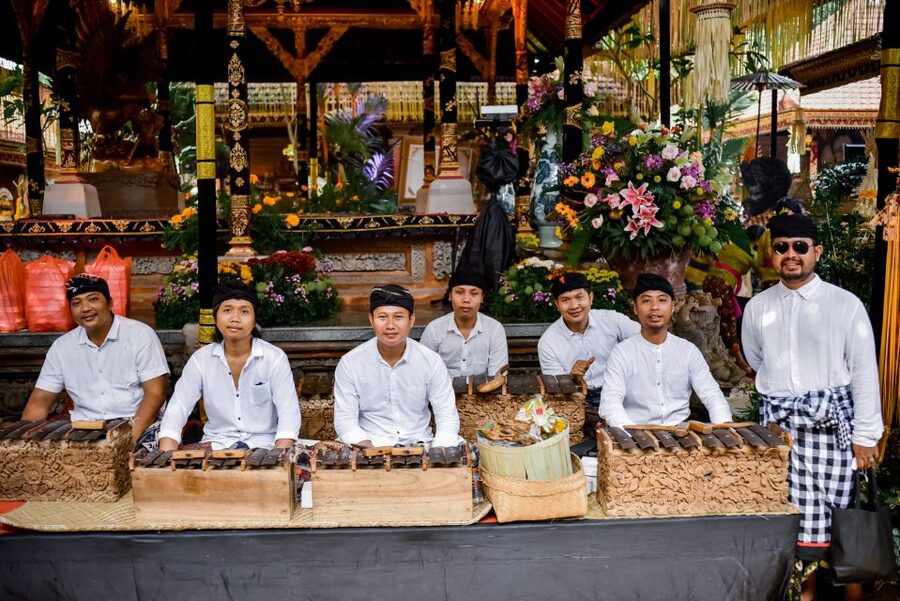
This Ubud workshop is interesting because it swaps passive sightseeing for a real music lesson, focused on gamelan selonding. You start with context, then you move to the instruments and play as a group.
I love how the class goes in order, starting with the history of Balinese gamelan and then turning into practical technique. I also love the pacing in a small group of up to 6, which makes it easier to get personal corrections.
One consideration: two hours is just enough time to get started and sound better quickly, but it is not long enough to master multiple parts like a seasoned player.
Key points to know before you go
- Gamelan history first, then technique, so the music makes sense while you play
- Hands-on practice for the full session, not just listening
- Small group (max 6), so you get feedback instead of being ignored
- English and Indonesian instruction, with guidance you can follow without musical background
- Taught by Putu, a Bali musician who has been teaching around 16 years
- No alcohol or drugs during the class, keeping the lesson respectful and focused
Ubud Gamelan Lesson With Putu: What the Class Really Gives You
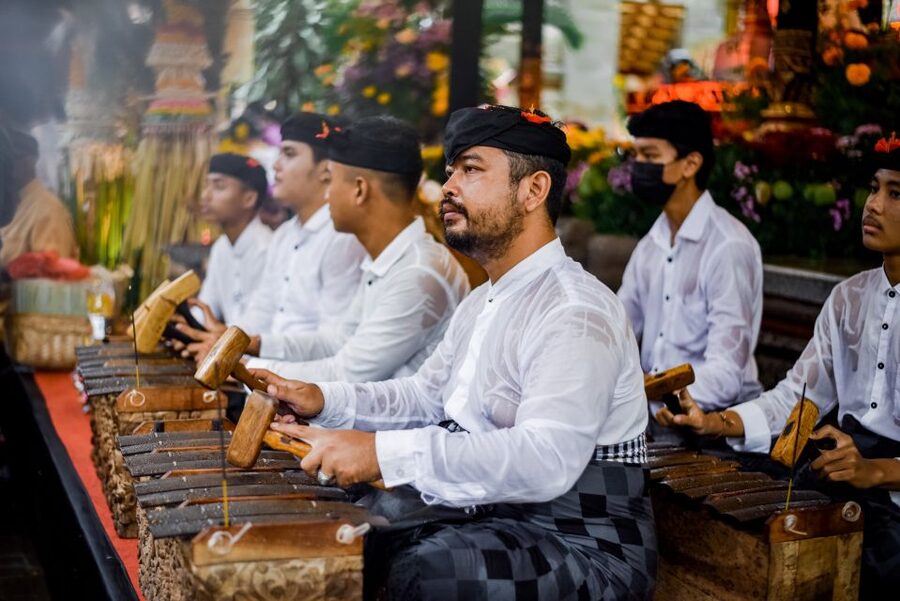
In Ubud, it is easy to end up in “Bali-themed” activities that look good for photos but feel shallow. This is different. The center of gravity is music, and you spend the time learning how to create the Balinese gamelan sound with your own hands.
The class also has a smart structure. You are not thrown straight onto an instrument. You begin with explanation, including the history of Balinese gamelan, and then you build technique step by step. Finally, you practice together so the rhythm and timing click.
If you are the type who likes to understand what you are hearing, you will probably enjoy how the instructor connects musical ideas to the culture around them. If you are more practical, you still get plenty of hands-on playing time to make it feel like progress, not homework.
Where You Meet: Pondok Permata Homestay, Then Right Into Music
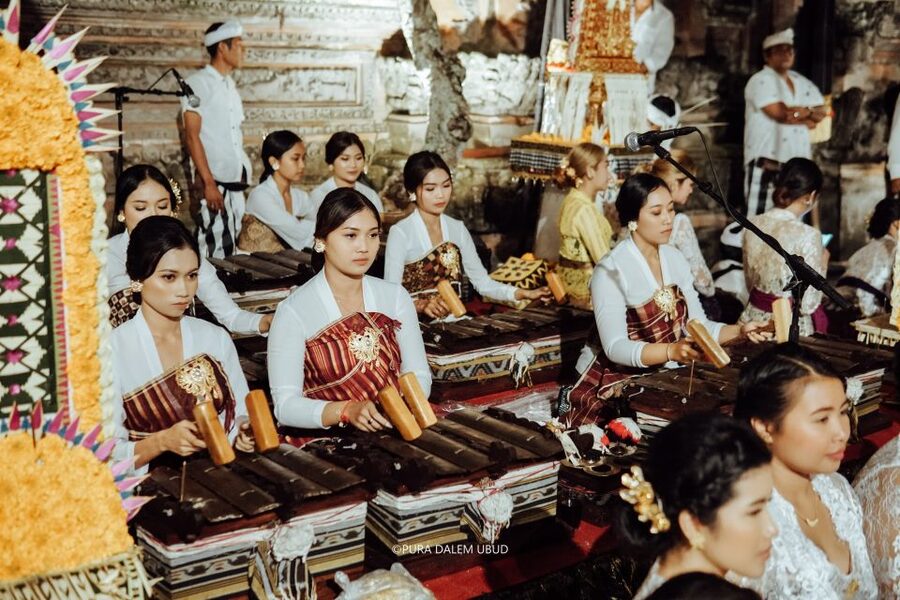
Your session starts at Pondok permata homestay, and the music lesson is done on-site at the homestay. The activity ends back at the meeting point, so you do not have to figure out transport after your hands are already full of instruments.
The location matters more than you might think. A homestay setting tends to keep the lesson grounded and calm, and it also makes it easier for a small group to focus. One review also described the setting as rural, which can help the experience feel less like a staged show and more like a real lesson.
Plan to arrive a bit early so you can settle in before the music starts. In a small group, starting on time helps everyone get their chance at instruction and practice.
Booked alongside this on Ubud itineraries:
- All-Inclusive Ubud Private Tour
★ 5.0 · 14,344 reviews - Best of Ubud Full-Day Tour with Jungle Swing
★ 5.0 · 8,571 reviews - Ubud: Monkey Forest, Jungle Swing, Rice Terrace, and Water Temple
★ 5.0 · 7,160 reviews
What Happens in the First Phase: History of Balinese Gamelan
The lesson begins with an overview of the history of Balinese gamelan. That may sound like a lecture, but in this format, history functions like a tuning fork. It sets your expectations for what you will hear and how you will play.
Why this part is worth your time: gamelan is not just “pretty percussion.” It is a way of organizing sound, working in interlocking parts, and expressing cultural meaning through rhythm. When you learn the background first, your ear starts catching details that you would otherwise miss.
You also get cultural context that links music to other Balinese performing arts. In one account, the instructor connected the lesson to discussions about dance performances you might see in Ubud, which is a useful reminder: in Bali, music and movement often share the same musical logic.
If you like your cultural experiences grounded in craft, this opening is a strong start.
Learning the Technique: How to Play Balinese Gamelan Without Guessing
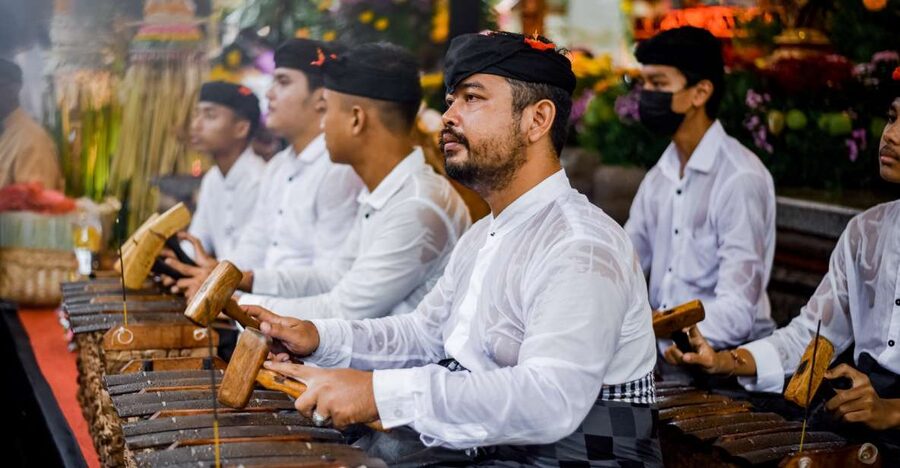
After the background comes technique. This is the part that usually makes or breaks a music workshop for non-musicians, and this one is designed to avoid the common problem of “watch me, good luck.”
You learn how to play the Balinese gamelan instruments through instruction from the teacher, Putu. He is described as teaching for about 16 years, and he also studied traditional Balinese music at an art university in Bali. That combination shows in how the class is structured: it is not only enthusiasm, it is method.
Expect the instructor to emphasize the mechanics that matter most for producing the right sound and timing. In gamelan, technique is not only about hitting the right instrument. It is about how your part locks with everyone else, so the group sound works.
This is also where you start to see the difference between Western listening habits and Balinese musical thinking. A couple of write-ups mention that the instructor discussed tonal differences, which makes the lesson feel more like learning a language than copying rhythms.
The Main Event: Practice With Gamelan Selonding
Then comes the part you came for: practice. The class focuses on gamelan selonding, and you use what you learned to play along in a group setting.
You do not just passively try a few notes and call it done. The practice time is long enough for you to gain confidence. Several accounts describe ending the session playing a complete theme with the instructor, which tells me the workshop is built to produce a real payoff, not just a sample.
Also, pay attention to group dynamics. One strongly positive theme in the feedback is that the instructor emphasized playing together with focus and encouragement. In gamelan, the ensemble is the point. Even if your part feels simple, it matters because it helps the whole pattern move.
One participant mentioned learning a song and that it was taught without written scores. That is very common in traditional teaching settings, and it is a big advantage here. You are not forced to read music to participate. You learn by listening, repeating, and adjusting with guidance.
By the end, you should walk away with more than a memory. You should have a small internal map of how to keep rhythm with others, which is the real skill.
Something different for the next Ubud day:
- Ubud: Waterfalls, Water Temple & Rice Terraces Private Tour
★ 5.0 · 5,484 reviews - Ubud: All-Inclusive Tour with Optional Lunch
★ 4.9 · 5,438 reviews - Ubud: Guided ATV Quad Bike Jungle Adventure with Lunch
★ 4.8 · 4,881 reviews - Best of Ubud 1-Day Private Tour
★ 5.0 · 4,451 reviews
Instructor Energy: Putu’s Teaching Style (And Why People Trust It)
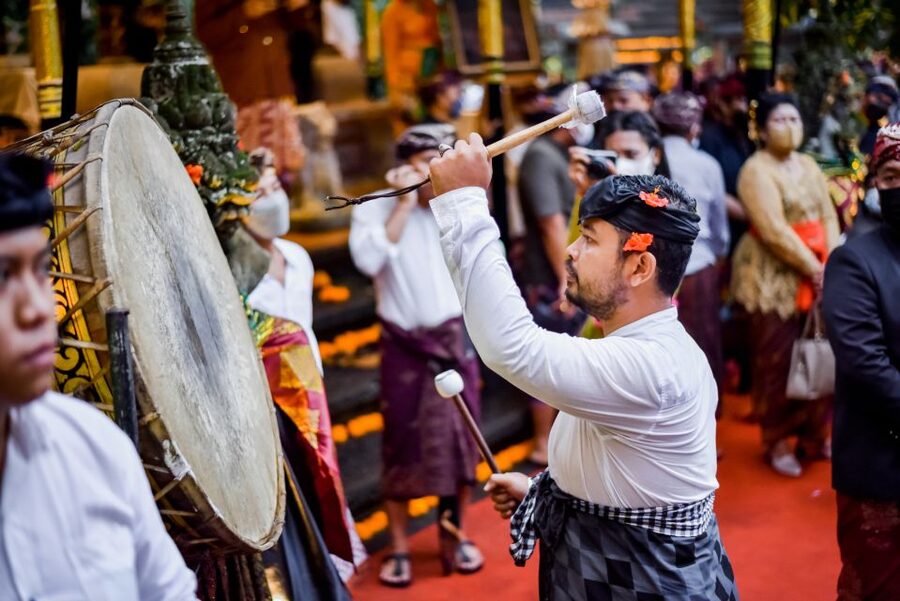
A big reason this class earns strong marks is the teacher connection. Putu is the name attached to the experience, and the training background described is serious: traditional music study in Bali, plus years of teaching local students and visitors.
What stands out is patience and clarity. Multiple accounts stress that the instructor explains techniques step by step, then helps you improve while you are actually playing. That is crucial. Many music workshops fail because participants get stuck at the moment they need feedback most.
One review even highlighted the teacher’s ability to connect technical music points, since the instructor knows both traditional material passed down from elders and also what was learned through university study. Whether you are a professional musician or a complete beginner, having both craft and explanation is a rare combo.
If you want to ask questions, this class seems to handle that well. People specifically mention discussing tonalities and differences between Balinese and Western musical approaches.
Group Size and Timing: Up to 6 People in 2 Hours
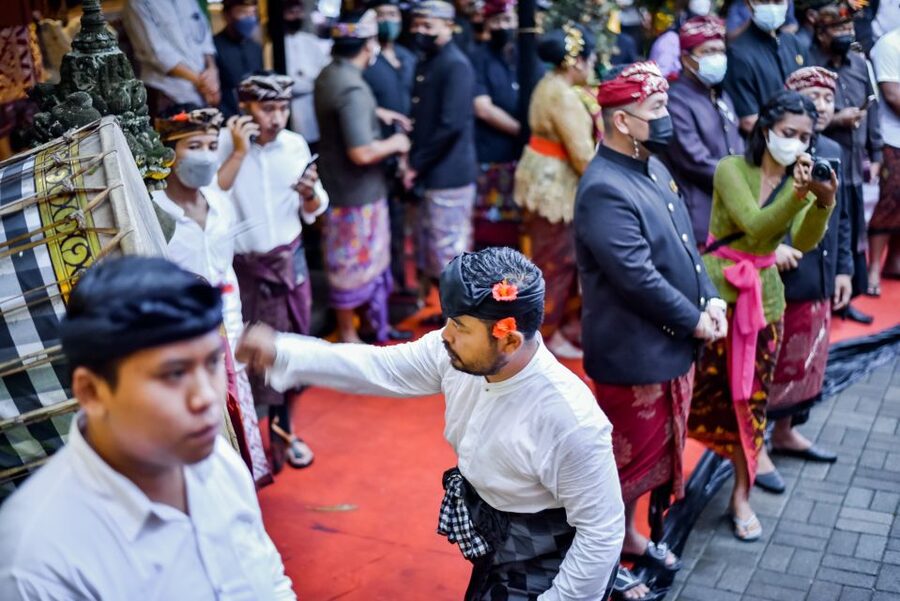
The class is a small group limited to 6 participants. In practice, that means you are more likely to get correction and encouragement instead of being left to figure things out on your own.
The duration is 2 hours. That length is a sweet spot for a first-time experience. You have enough time to learn basics, practice with others, and leave with something you can point to later when you remember the sound of Balinese music.
You should also accept the reality of time. If you expect a performance-level mastery, two hours will feel short. But if your goal is learning how gamelan works and getting a real taste of playing, the timing is exactly right.
Price and Value: Is $22 Reasonable for This Much Playing?
At $22 per person for a two-hour hands-on lesson, this is positioned as good value, especially because so many of the components you normally pay extra for are included in one session: history, instrument technique, and ensemble practice.
Here is how I think about value for this type of experience.
- You are not watching. You are playing, with instruction in the moment.
- You get small-group attention, not just a generic demo.
- You get cultural context, not only muscle memory.
If you are comparing it to a one-hour show or a bus tour that happens to include a quick performance, this is a different category. This is an active skill-based class. Even if you leave with only a short “theme” you can recognize, the ability to play along is a memorable kind of souvenir.
If $22 is tight, consider this: the class is also ideal for solo travelers because it feels personal. One participant described it as like a private music lesson when they were the only person, which tells you the experience scales well even when attendance is low.
Rules and Real-World Expectations (So You Don’t Get Surprised)
Two practical points are explicitly stated.
- No alcohol and drugs are allowed.
- Instruction languages are English and Indonesian.
Beyond that, treat the lesson like a focused workshop. Bring curiosity, and expect to listen closely. If you are someone who struggles to sit still through explanations, you will probably still be okay because the class keeps moving from history to technique to playing.
Also, since the class happens at Pondok permata homestay, you should expect a home-base environment rather than a formal concert hall. That is not a drawback. It is part of the charm and the practicality.
Who Should Book This Gamelan Class (And Who Might Not)
You will probably love this class if you:
- want a real hands-on intro to Balinese music
- enjoy learning about music history in a practical way
- like small-group formats where your questions matter
- are curious about how Balinese tonal thinking differs from Western music
You might not love it if you:
- need a long, multi-day progression to feel satisfied
- want a purely visual experience with no participation
- are expecting a polished concert performance rather than a beginner-friendly lesson
If you are unsure whether you are musical, relax. The teaching style described is friendly toward non-musicians, and the session is structured to get you playing together fairly quickly.
Should You Book? My Take
Book it if your Bali plans include other arts, like dance or theater, and you want a soundtrack you understand. This class gives you the rhythm logic behind the performances, and you leave with more than a photo.
Also book it if you value small-group attention and clear instruction. The consistent praise for patience, structure, and encouragement suggests you will get support rather than being left behind.
Skip it only if you already feel fully fluent in gamelan and are chasing advanced repertoire. At two hours and with an intro focus, it is best seen as the starting line.
If you want a memorable Ubud moment that is active, cultural, and genuinely fun, this Balinese music lesson with Putu is one of the strongest ways to spend your time.
FAQ
How long is the Balinese music lesson in Ubud?
The lesson is 2 hours.
Where does the class meet?
The experience starts at Pondok permata homestay.
Is this lesson small-group or private?
It is a small group, limited to 6 participants.
What language will the instructor use?
The instructor teaches in English and Indonesian.
What will I learn during the 2 hours?
You’ll learn about the history of Balinese gamelan, the technique for playing the instruments, and you’ll practice playing gamelan selonding.
Is the lesson focused on one type of gamelan?
Yes, the class specifically mentions traditional music called gamelan selonding.
Can I pay later instead of paying right away?
Yes. The listing offers reserve now & pay later.
Is alcohol allowed during the lesson?
No. Alcohol and drugs are not allowed.
Newest reviews out of Ubud
- Ubud Silver Class: Forge Your Personal Silver Keepsake★ 4.9 · 39 reviews
- Amazing Kuber ATV Quad Bike Experience in Bali and Tunnel★ 5.0 · 39 reviews
- Lempuyang Tour : Heaven gate, Tirta Gangga, Goa Raja waterfall★ 5.0 · 39 reviews
- Make Traditional Bali Coconut Oil with a Balinese Family★ 5.0 · 39 reviews
- Private Tour : Bromo Ijen Tour From Bali★ 5.0 · 39 reviews
- Bali Private Car Charter Tour with English Speaking Driver★ 5.0 · 39 reviews
- Ayung Rafting Ubud (Include Lunch & Return Transportation)★ 4.5 · 40 reviews
- Private Bali Tour: The Most Scenic Places★ 5.0 · 40 reviews
Workshops, compared.
Hands-On Silver Jewelry Making Near Ubud’s Monkey Forest
Read our review →

Legian Beach, Bali: Beginner or Intermediate Surf Lessons
Read our review →
Canggu Jewelry Making Class with Creative Studio Vibes
Read our review →
Browse the lists this tour appears in