
Reviewed · 3-HOUR EXPERIENCES
Ubud: 3-Hour Wood Carving Master Class
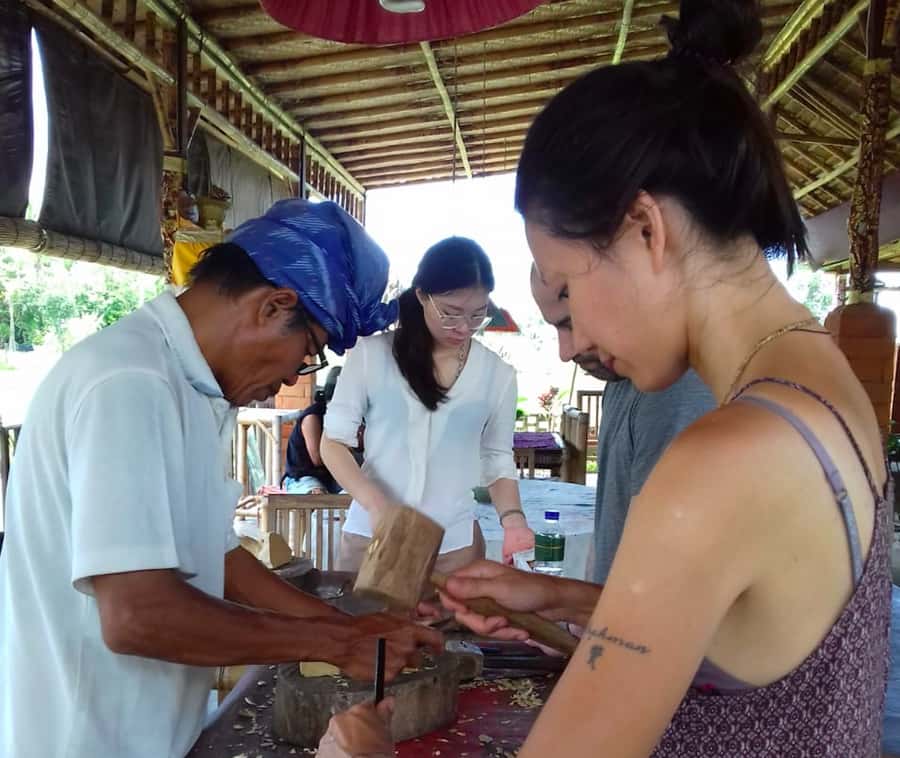
A 3-hour wood carving master class in Ubud turns a block of timber into a mask, animal, or shape you can hold in your hands. You work step by step with the teacher, guided on how to reveal the design that is already inside the wood.
I love how hands-on it is, you are not just watching. I also love the cultural layer, with instruction that connects the carving choices to the Balinese ideas behind the art, not only the cutting steps. Names like Bapa Raja and Wayan pop up in the praise, both described as patient and warm.
One consideration: wood carving can be harder than it looks. If you choose a very detailed design, expect the teacher to help more on the tricky parts, and your timing can drift a bit depending on the piece size.
Key things I’d plan around before you carve
- Small group size, limited to 7 participants, so you get real coaching instead of waiting your turn.
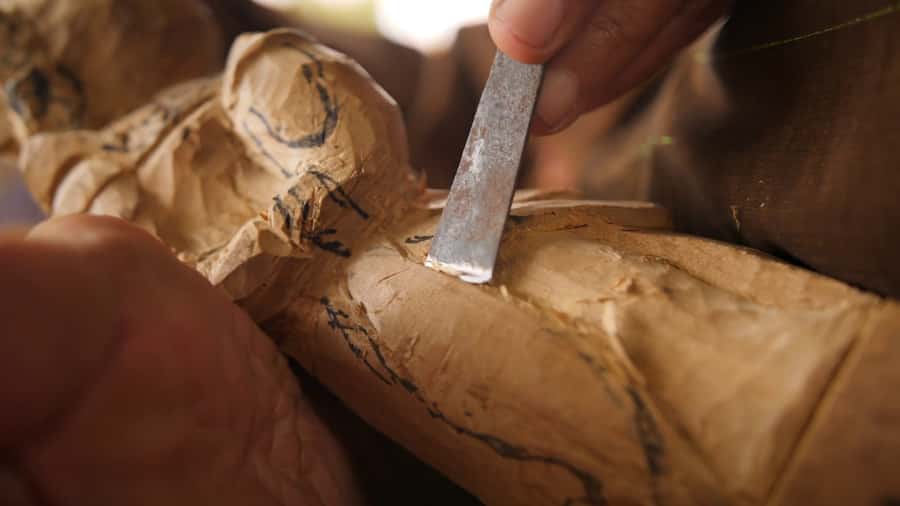
- Master instruction up close, with teachers demonstrating and then letting you try the cuts yourself.
- Choice of design, masks, animals, or shapes, which matters for how fast you can finish.
- Tools and materials included, so you can show up with just a camera.
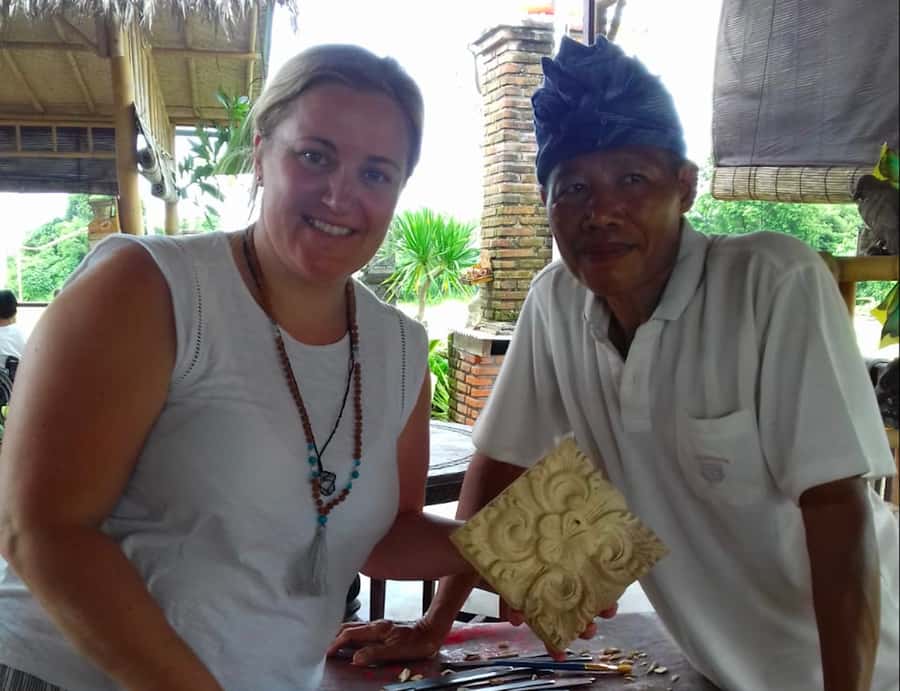
- A take-home piece that feels personal, not like a mass-made souvenir.
- Rice-field calm at the studio, plus snacks and a welcome drink to keep the afternoon easy.
What Makes This Ubud Class Feel More Cultural Than Craft-Store
This workshop is interesting because it treats carving like a living tradition, not a one-time activity. Bali’s carvers are known for intricate, nuanced wooden pieces you spot around the island, and the skill is passed down through families over generations.
What you do here is the opposite of passive tourism. You learn to approach the wood the way a carver does, looking for the “hidden” form inside the block before you start removing material. Then you follow the process with guidance at the bench, so it feels like a real craft lesson.
The biggest charm for me is that the end result is tangible. Even if your hands are new to tools, you leave with a piece you shaped, not just a photo memory.
Booked alongside this on Bali itineraries:
- Bali: Sunrise Mount Batur Guided Hike with Breakfast
★ 4.8 · 9,660 reviews - Bali: Mount Batur Sunrise Guided Hike and Natural Hot Spring
★ 4.8 · 9,284 reviews - Bali: Full-Day Instagram Highlights Tour
★ 4.8 · 7,817 reviews
WS Art Studio and How the Afternoon Gets Going
You meet at WS ART STUDIO on Jl. Raya Silungan, Lodtunduh, Ubud, at the plus code area C7X4+JFP. The setting is calm enough that it reads as a real workshop, and several people mention the studio feels charming and homey.
You should also know how the class connects to your hotel. Return transfers are available only from the Ubud center, so if you’re staying outside that area, you’ll want to plan your own ride to the studio.
Most important for your timing: the class is 3 hours, and it’s built around completing a single carving project in that window. If you have a later reservation right after, keep a little buffer.
Choosing Your Mask or Animal, and Why That Choice Matters
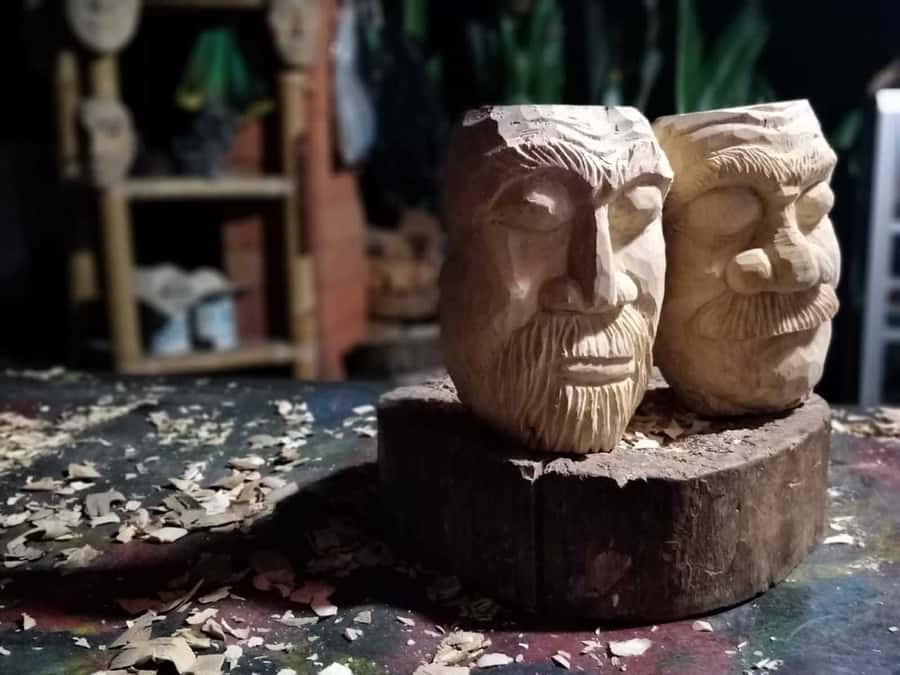
The heart of the experience is your design decision. You’ll be able to pick what to carve, commonly masks, animals, or a shape based on templates. The teacher will help you get started in a way that makes the design feel doable.
This is where you should be strategic. One of the most consistent themes in the experience is that the carving difficulty depends on the design and how ambitious it is. Some carvings may be finished with more of your own work, while more intricate choices can require the teacher to step in more.
If you’re a first-timer, aim for something that fits the size and time expectations of a 3-hour class. A smaller, simpler plan often means you get to do more of the actual cutting yourself, and you spend less time watching the teacher take over.
How the Master Carver Teaches You to See the Shape Inside the Wood
A good carving lesson is really two lessons. One is technique. The other is learning how to think about the wood before you remove anything. That second part is what this workshop emphasizes.
In plain terms, the instructor guides you to find what is “hiding” inside the block. You don’t start by randomly carving lines. Instead, you learn to translate your chosen design into the wood’s form, so each cut makes the image clearer.
Then you practice with the tools provided. In the stories people share afterward, they highlight that the instructor stays patient, shows the tool use, and corrects issues as you go. Many also describe the teacher improving the piece near the end, spending focused time refining details and fixing mistakes so the final souvenir looks clean and complete.
Something different for the next Bali day:
- Bali/Nusa Penida: East & West Highlights Full-Day Tour
★ 4.7 · 6,263 reviews - Ubud: Waterfall, Rice Terraces & Monkey Forest Private Tour
★ 4.9 · 4,894 reviews - Bali: Ubud Gorilla Face ATV and Ayung Rafting Trip with Meal
★ 4.8 · 4,765 reviews - Bali/Mount Batur: Private Sunrise Jeep Tour & Hot Spring
★ 4.8 · 3,528 reviews
The Philosophy Thread Behind Balinese Carvings
This class doesn’t treat carving as pure DIY decor. It includes the “philosophies” behind the many carvings in Bali, which you can feel in how the teacher talks about the process.
You’ll get context on how Balinese wood carving has been inherited and practiced over generations. That matters because the carvings you make are part of a cultural world where craft is respected and careful technique is passed down.
If you like understanding why something matters, you’ll appreciate that the instruction goes beyond how to hold a tool. People specifically praise instructors like Bapa Raja for sharing wisdom alongside the hands-on guidance, including the idea that carving can connect you with your own playful side and patience.
A Real Hands-On Rhythm, With Snacks and Breathing Space
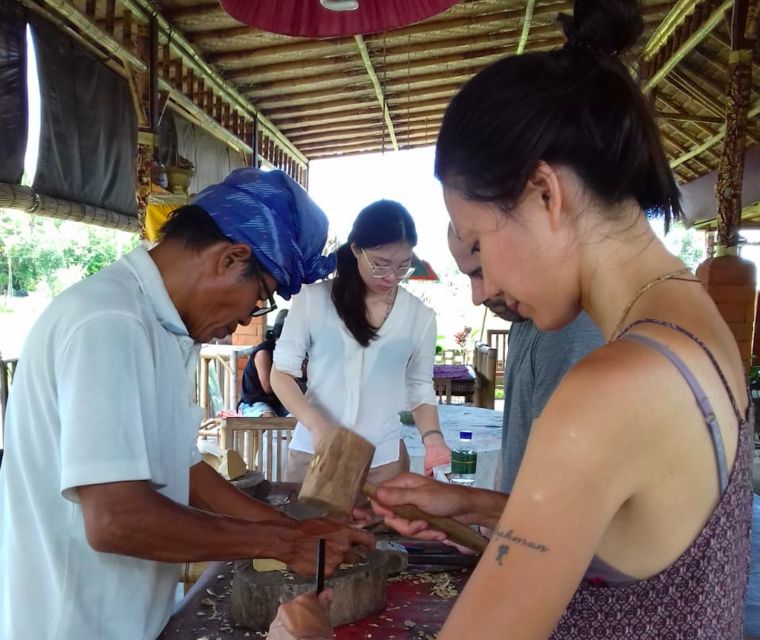
The class runs for 3 hours, and it’s paced as a workshop, not a performance. You usually move between listening, watching a demonstration, trying your cut, and then getting corrected. The instructor’s job is to keep you moving toward something finished, even if you start from zero.
Included in the break is a welcome drink, either coffee, tea, or water. You also get small snacks: Balinese fried pineapple and fried banana with palm sugar. It’s a simple touch, but it helps keep the afternoon comfortable, especially if you’re working with focus while your muscles get a workout.
Alcohol is not included, though it’s available for purchase.
What Tools Are Like Here, and How Much You’ll Actually Carve
You don’t need experience. The class is designed for beginners, and you get all tools and materials. That’s a big deal for value, because most “craft experiences” either provide minimal tools or treat materials as an extra cost later.
Also, the coaching style matters. A lot of people mention the teacher being very patient and helpful, including stepping in to handle the hardest cuts and then letting you do the parts you can manage. In other words, the final piece is not purely self-made, but it also isn’t a blank check where the instructor does everything.
A practical tip based on the pattern of outcomes: if you want maximum personal contribution, tell the teacher you’re new and ask for help before you feel stuck. The best results usually come when you carve consistently, even if the teacher takes over for certain fine details.
English and Indonesian Instruction, and How to Communicate
The class uses English and Indonesian. In practice, that means you should be able to follow the steps and get corrections without guessing.
If your questions are simple, you’re in good shape. Ask for clarification when the teacher changes technique, or when they recommend adjusting your angle, depth, or pacing. That’s typically where people gain the most confidence quickly.
Accessibility, Family-Friendly Setup, and Group Size
This workshop is wheelchair accessible. That’s worth noting, since carving experiences can be awkward if access is limited, and here the setup is designed to be usable.
It’s also family-friendly. Kids are welcome, and people describe doing it with a son, a partner, or even younger learners, with instruction tailored to different comfort levels. The class certificate is another nice family touch, especially if you want proof you did something real together.
Group size is small, limited to 7 participants. That matters more than it sounds. Smaller groups mean the instructor can check your work, correct issues earlier, and keep you from sitting idle while waiting for the next step.
Price and Value: Why $24 Can Beat a Souvenir Stop
At $24 per person for a 3-hour hands-on class, you are paying for four things in one: instruction, tools and materials, snack and drink, and the finished souvenir you take home.
A lot of activities in Bali are either short and photo-based, or they cost more once you add materials. Here, the basic bundle is clear. You don’t need to buy supplies to start, and you leave with a piece tied to your own carving choice.
The certificate also nudges it toward “learning experience” rather than “activity pass.” And the small group size gives you more attention per person than the typical crowded studio model.
The One Practical Risk: Timing Depends on Your Design
Even though the class is scheduled for 3 hours, carving time can vary by the piece. People mention designs that feel doable within the timeframe, and others that take longer, especially when the chosen carving is more intricate or more detailed.
So treat the 3-hour plan as a guideline for how big and complex your final should be. If you’re unsure, ask the instructor to steer you toward a choice that fits the session length, so you end the class with a result you feel proud to take home.
Camera, What to Bring, and Simple Setup Notes
Bring a camera. You’ll want photos of your progress and the final piece, especially because the carving process is hard to recreate later.
Other supplies are already handled. You do not have to bring tools or wood. That keeps the experience low-friction, which is exactly what you want on a vacation afternoon.
Should You Book This Ubud Wood Carving Master Class?
Book it if you want a hands-on cultural workshop where you leave with a real souvenir. This is a great fit if you like learning a traditional craft in a small setting, with an instructor who can correct your technique and keep you moving toward a finished piece.
I’d also book it if you’re traveling with family. The pace and the encouragement make it work for different ages and skill levels, and the “take home what you make” payoff is hard to beat.
Skip or adjust your expectations if you only want a quick look at carving, or if you’re set on a very complex, highly detailed design that will likely need extra time. For most people, the smart move is choosing something that matches the 3-hour window, then letting the teacher refine the final.
If you’re planning your Ubud itinerary and you want one afternoon that’s practical, creative, and actually memorable, this class is a strong choice.
Newest reviews out of Bali
- Bali: Mount Batur Sunrise Hike Including Transfer & All Cost★ 4.8 · 39 reviews
- North Bali: Ulun Danu, Waterfalls, Swing and Monkey Forest★ 5.0 · 39 reviews
- Ubud: Traditional Balinese Painting Class★ 4.2 · 40 reviews
- Bali: Canyon Tubing Adventure★ 4.8 · 40 reviews
- Bali: Jatiluwih Rice Terraces 1 Hour Electric Bike Tour★ 4.7 · 41 reviews
- Bali: 3-Day Private Gili Islands Snorkel Tour with Hotel★ 4.2 · 44 reviews
- Bali: Penglipuran Village, Rice Terrace & Waterfall Tour★ 5.0 · 46 reviews
- Ubud: Kanto Lampo Waterfall, Art Market, Cretya & Tanah Lot★ 4.8 · 47 reviews
3-Hour Experiences, compared.



3-hour Prambanan Tour Include Pickup & Entry Fee
Read our review →Browse the lists this tour appears in