
Reviewed · BATIK CLASSES
Ubud: 3-Hour Batik Making Class
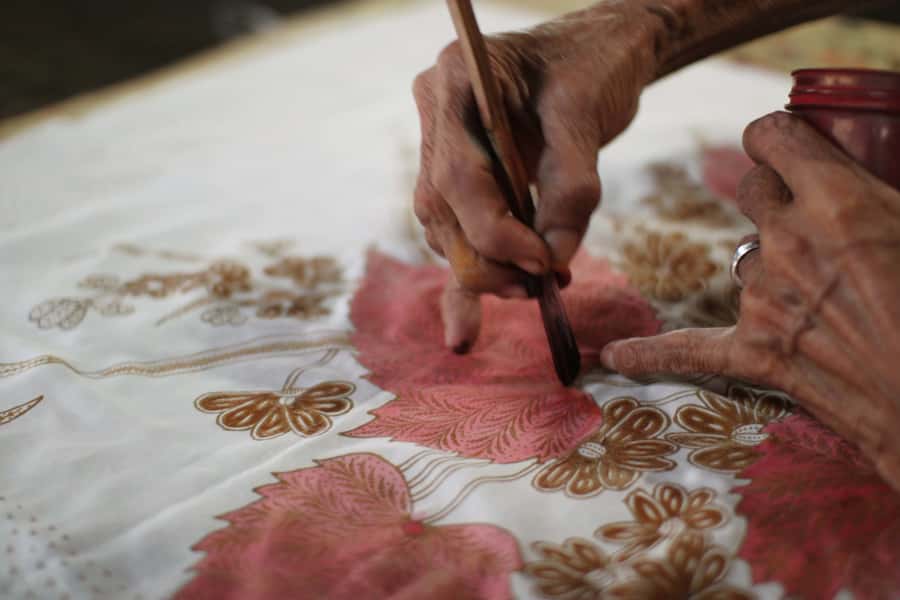
Batik-making in Ubud is a creative class where you watch old techniques turn into something personal, fast. I like that the process is taught step by step, with hot wax resist and dyeing done in a calm studio setting. I also like the value here: for $23 you get hands-on instruction, all materials, and snacks plus coffee or tea.
The biggest thing to plan for is timing. Even though it’s listed as 3 hours, the work itself can run long depending on how your wax lines and dye layers turn out, and you may want extra buffer time around your visit.
Key Points Worth Noting Before You Go
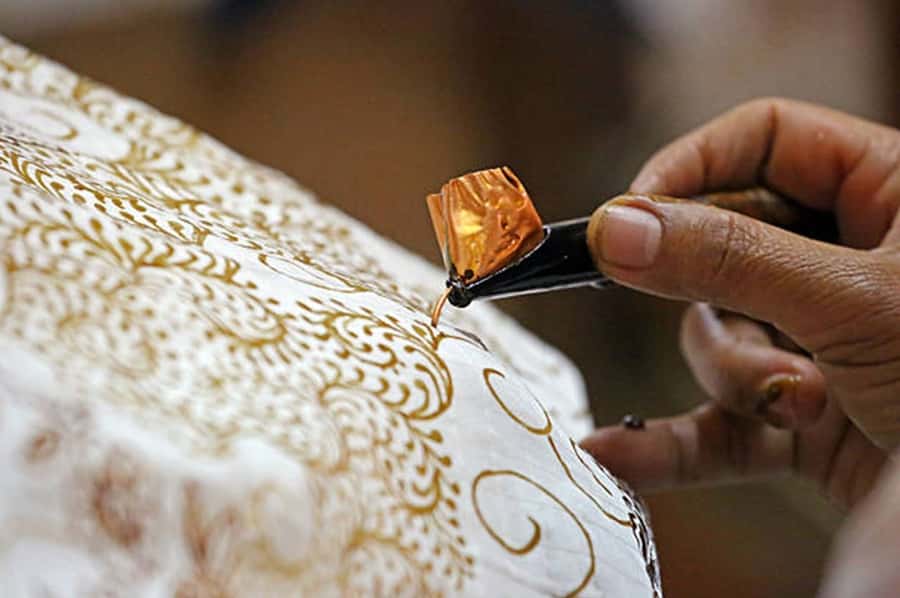
- Hot-wax resist is the heart of the class, so your final design depends on how carefully you apply the wax
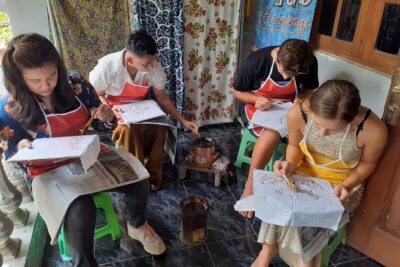
- Small group size (max 8) means you get real help without feeling herded along
- Organic dyes and stenciled or template-based designs give you a path even if you are not “artsy”
- Patient, encouraging teachers are a big theme, with names like Wah Agung, Wa, and Ayu showing up in reviews
- A peaceful, family-run studio includes a relaxed vibe and often the company of studio animals like dogs and a cat
- Snack and coffee are part of the experience, not an afterthought (fried pineapple and banana with palm sugar)
Why This 3-Hour Batik Class Feels Like More Than a Souvenir Stop
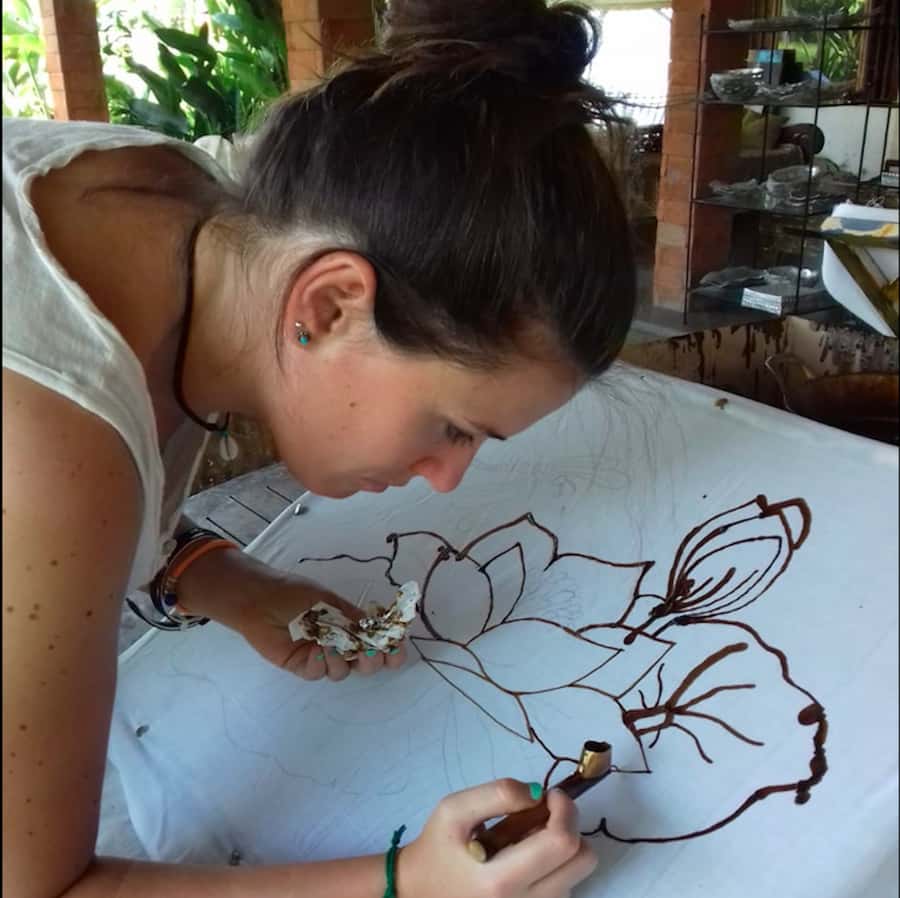
This is not a paint-by-numbers workshop. Batik is a resist-dye technique, which means the wax you apply controls where the color can and cannot go. That one fact makes the class satisfying, because you can see your decisions become patterns right in front of you.
What I like is how traditional technique meets an easy pace. You start with applying hot wax to a design, then you add colors over it, and the results are usually pretty rewarding even if you are a beginner. If you have ever worried that you will mess up an art project, this approach helps, because the teacher guides you through the steps rather than leaving you to guess.
One more plus: the class is small. With only up to 8 participants, you are more likely to get hands-on attention when you need it, instead of standing in the back trying to interpret a demonstration from far away.
More Batik Classes in Bali:
- Yogyakarta: 2-hour Batik Making Course with Souvenir
★ 4.9 · 304 reviews - 3 Hours Batik Making Classes in Ubud
★ 5.0 · 203 reviews - Crafting Heritage Batik Painting Workshops
★ 5.0 · 164 reviews
WS Art Studio: The Calm Setup That Helps You Focus
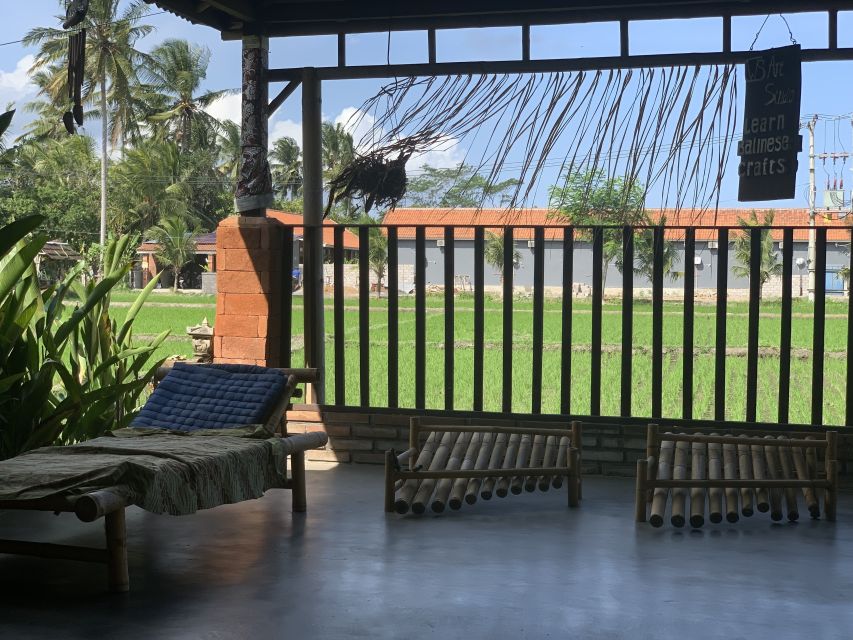
The meeting point is WS ART STUDIO on Jl. Raya Silungan in Lodtunduh, Ubud. Reviews describe the place as family-run and quiet, more countryside feel than busy tourist circuit. That matters, because batik takes concentration, and a calmer room makes the process easier to enjoy.
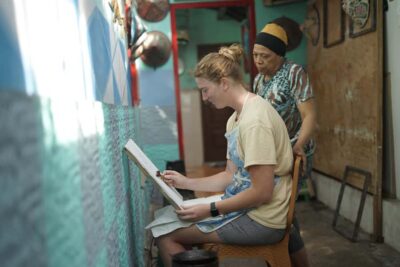
A recurring detail is that the studio atmosphere is relaxed and welcoming. People mention a “calm” or “peaceful” vibe and teachers who do not rush you. Some of the charm comes from the animals around the studio too, including dogs and a cat named Echa in at least one review, plus other animals mentioned in passing.
Practical note: you should plan how you will get there. One review explicitly says there is no pickup option and it is not Uber-friendly, and another mentions it being about 15 to 30 minutes from central Ubud. If you do not have your own scooter, budget for a taxi or private driver.
The Real Process: How You Make Batik in 3 Hours
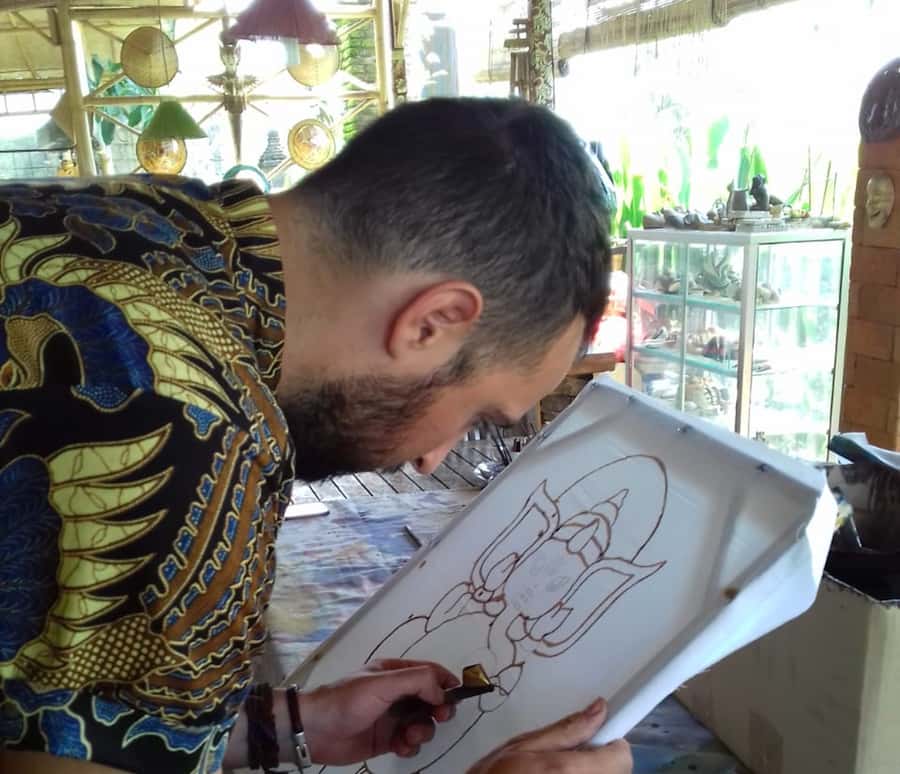
The class follows the classic batik flow, and you get taught in the order that actually works with wax and dyes. Expect to start with a stenciled or templated design on your fabric canvas, then add wax, then dye.
Step 1: Design, Templates, and Pattern Choices
You begin with a prepared design approach. Some people trace templates, and you can also draw something on your own if you want. Several reviews mention that templates are available and that the instructor will help adjust your drawing if needed.
This is where it helps to arrive with at least a rough idea, even if it is simple. If you try to plan a complicated design while your hands are already dealing with wax, you might feel stressed. On the other hand, keeping it simple often leads to cleaner lines and less frustration.
Something different for the next Bali day:
- Bali: Sunrise Mount Batur Guided Hike with Breakfast
★ 4.8 · 9,660 reviews - Bali: Mount Batur Sunrise Guided Hike and Natural Hot Spring
★ 4.8 · 9,284 reviews - Bali: Full-Day Instagram Highlights Tour
★ 4.8 · 7,817 reviews - Bali/Nusa Penida: East & West Highlights Full-Day Tour
★ 4.7 · 6,263 reviews
Step 2: Applying Hot Wax (This Is the Skill Check)
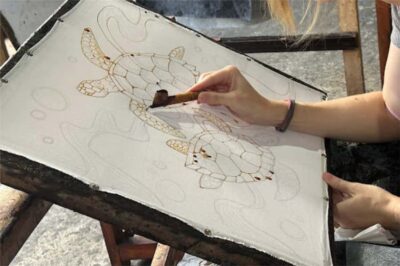
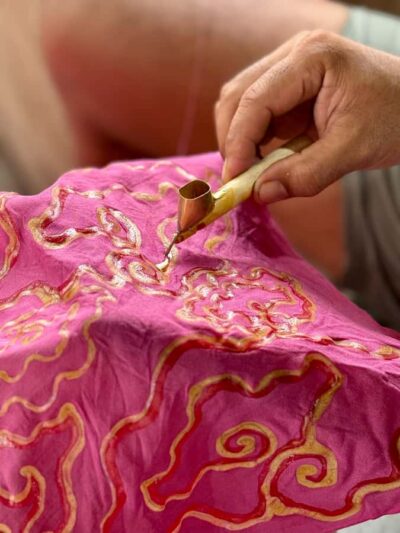
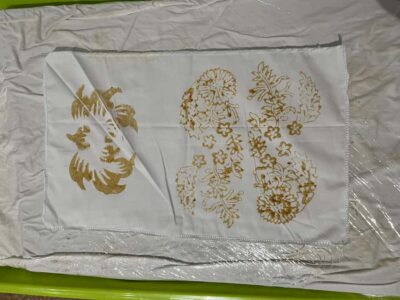
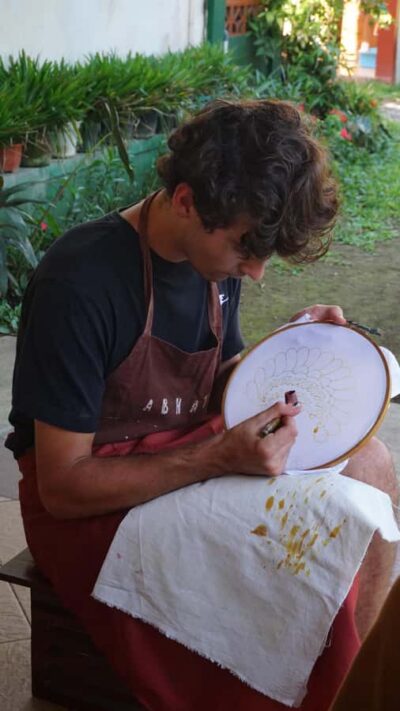
Next comes the wax. You apply hot wax to your patterned fabric, typically following the design lines. The wax acts like a barrier, so if it bleeds or spreads too much, your final pattern can blur.
Reviews commonly highlight patient teachers who explain each step clearly, including how to handle the wax linework. Still, a few learners mention issues like wax bleeding or wax behavior feeling tricky, especially if they freehanded without templates. If your goal is crisp geometric shapes, using templates may be the easiest path.
Step 3: Dying and Seeing the Design Appear
After wax is applied, you color the fabric. The class description emphasizes using organic dyes, and you are guided through applying colors to the patterned fabric. This is the part where you start to get that batik magic moment, because the wax-resist effect shapes where color stays and where it does not.
Several reviews mention that the class feels mindful, and a big reason is that dyeing turns the work into a slow, visual process. You watch color develop, then you move carefully to the next step.
Step 4: Drying and Final Reveal
Timing depends on your steps and the day’s pace. People report that the experience can take longer than the scheduled 3 hours, especially when wax and dye need time to set. When you finish, you get to take your finished batik home as a souvenir you made yourself.
Teachers, Language, and the Hands-On Kind of Help
Instruction is in English, and the teacher is very present throughout the class. Reviews repeatedly praise patience, encouragement, and gentle guidance. Names that show up include Wah Agung, Wa, and Ayu, and multiple people mention humor or kindness as part of the teaching style.
A key detail: the best reviews do not describe a teacher hovering every second. Instead, they describe teachers demonstrating each step, then stepping back so you can work. You still have help available, but you are not stuck waiting for someone to fix everything.
If you are traveling with kids or you are an absolute beginner, this setup is usually a good fit. One review specifically says it works well for adults and children, and that the instructor can explain the process clearly while letting students do the work.
What You Actually Take Home, and Why It’s Better Than a Store-Bought Craft
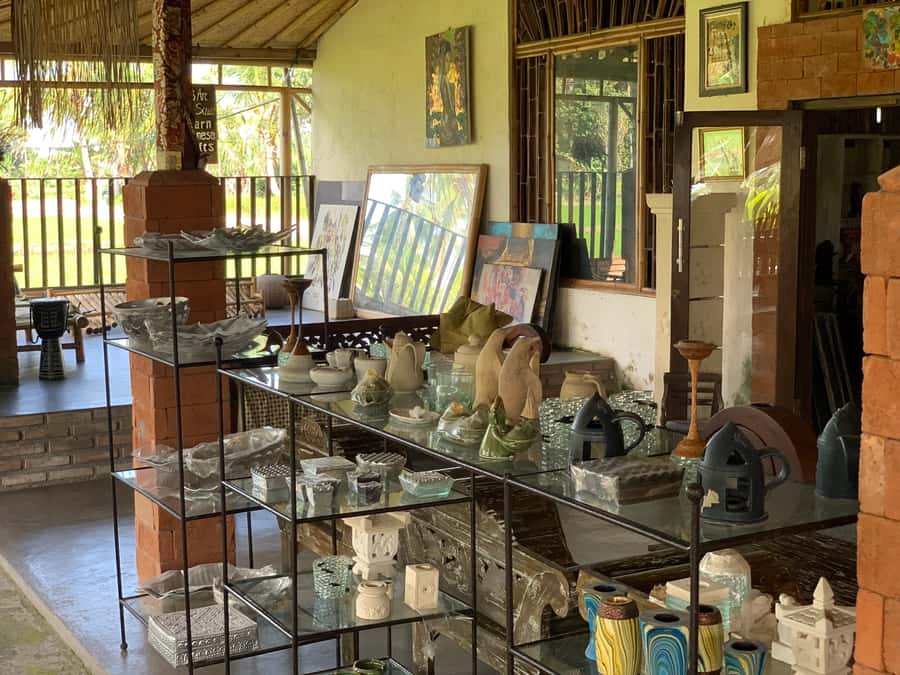
You should plan on leaving with a finished batik piece you can keep. The class description says you create a traditional work of art that you can take home, and multiple reviews mention taking a completed batik home as a wall-worthy keepsake.
A small group class also means your final piece is more likely to match your effort. If your lines are not perfect, you still walk away with something you understand, because you watched the wax resist and dye steps happen with your own hands. That makes it more meaningful than many crafts where you only assemble parts.
There is also a class certificate included. It is not what makes batik special, but it is a nice extra touch if you like having proof of what you did.
Snacks and Coffee: A Real Break in the Middle of the Work
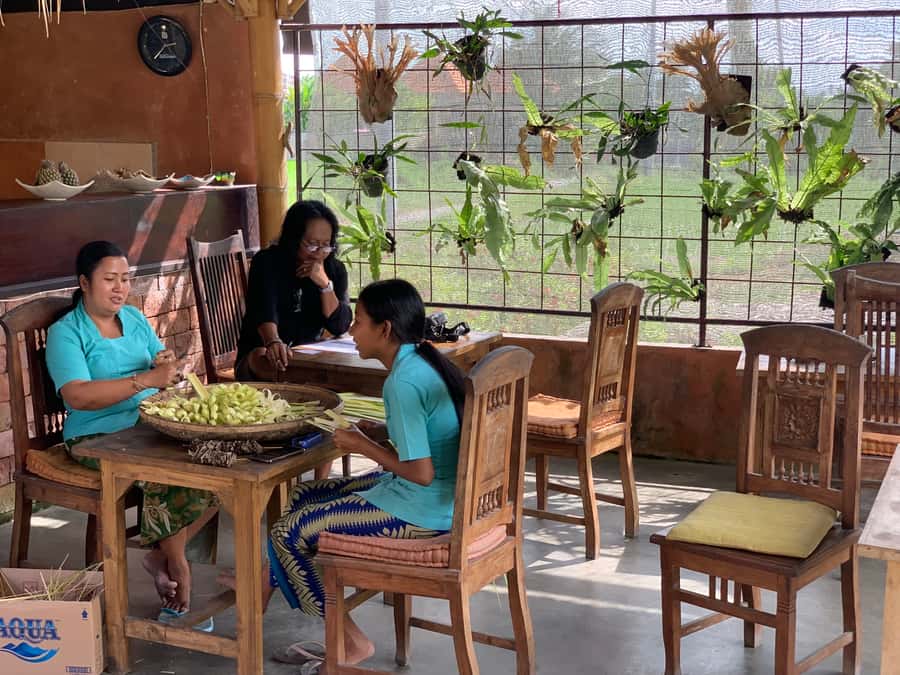
This class includes snacks and drinks. You get Balinese fried pineapple and fried banana with palm sugar, plus coffee, tea, and water. Several reviews call out the banana treat (often recognized as pisang goreng), and a few mention the food as a pleasant part of the relaxed pace.
This matters because batik takes attention. A snack mid-session keeps your energy steady when your hands are busy and you are waiting for steps to set.
Price and Value: Is $23 Fair for What You Get?
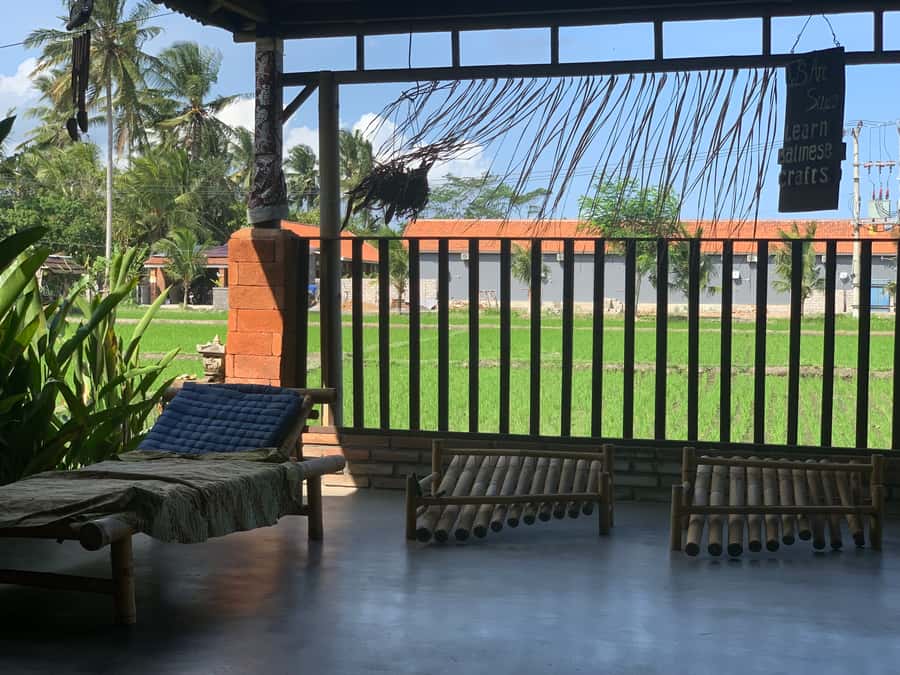
At $23 per person for a 3-hour class, the value is strong on paper and in practice. You get all tools and materials, plus drinks and snacks. You also get guided instruction in English and a certificate.
The strongest value angle is the combination of small group size and a hands-on process. Many tours in Bali offer craft experiences, but the quality usually depends on whether you can get help while you work. With a group limited to 8, you are less likely to feel ignored.
The main “cost” is not money, it is your time. Because the process can run longer than the posted 3 hours, you should avoid booking a tight schedule right after class. If you do, you might end up spending the rest of your day in rush mode instead of enjoying Ubud.
Who This Batik Class Suits Best
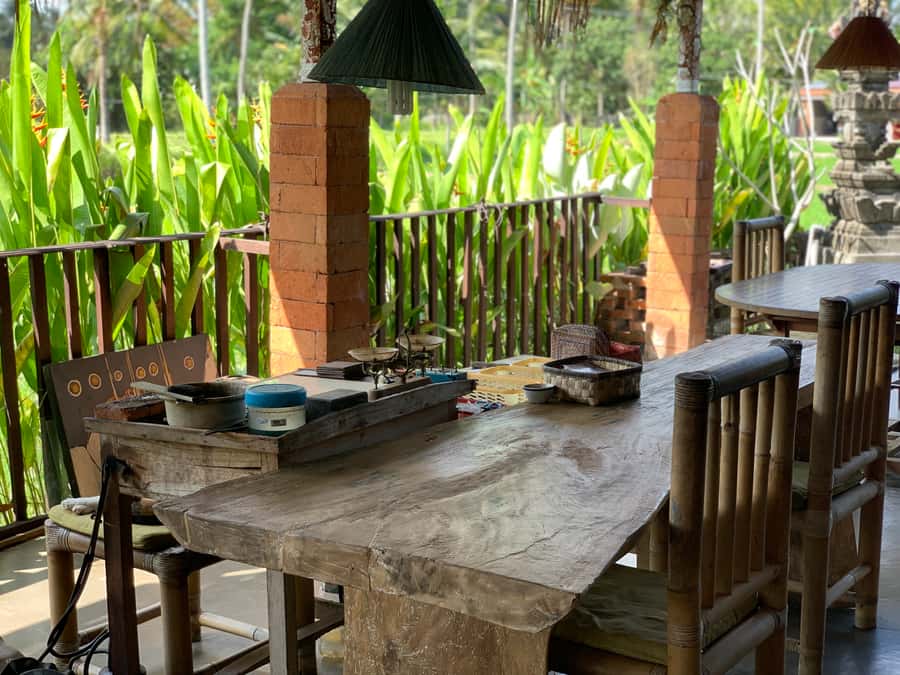
This is a great fit if you want a creative activity that feels culturally grounded but still beginner-friendly. It is also ideal if you like quiet, slow-paced work, because a calm studio helps you stay focused.
You will likely enjoy it if:
- you want to learn a real technique, not just make a quick craft
- you appreciate traditional pattern thinking and how design connects to meaning
- you like getting help when needed, but still want freedom to create your own design
If you are the kind of person who hates uncertainty and wants a perfectly predictable, same-minute timeline, you might find the wax and dye timing a little variable. Build in buffer time, and you will feel better about the process.
Quick Tips So Your Wax Lines Go Easier
- Bring a simple design idea, even if you just sketch it as circles, zigzags, or geometric shapes
- Use the templates if you are aiming for clean lines, especially if you are new to wax resist
- Do not rush the wax step. If your wax lines are rushed, you may end up with bleeding or uneven results
- Wear or bring clothes you are okay getting stained. Wax and dye can be messy by nature, even when everything is handled carefully
- Plan transport in advance since pickup is not indicated, and the area may be harder to reach than the center of Ubud
Should You Book This Ubud Batik Class?
Yes, if you want a hands-on, calm creative session with real cultural technique and supportive teaching. For $23, you get a complete experience: materials, instruction, snacks and drinks, and a finished batik piece you can take home. The small group size and the repeated praise for patience, including teachers like Wah Agung, Wa, and Ayu, are exactly what you want when you are learning something new.
If your schedule is extremely tight, book it when you can afford a little extra time. Otherwise, this is the kind of activity that turns an afternoon in Ubud into something you will remember every time you look at your own pattern.
FAQ
How long is the batik-making class in Ubud?
The class runs for 3 hours.
How much does it cost per person?
The price is $23 per person.
Where do I meet for the class?
Meet at WS ART STUDIO, Jl. Raya Silungan, Lodtunduh, Ubud.
Is the instructor’s language English?
Yes, the instructor speaks English.
What is included in the price?
All tools and materials are included, along with snacks (Balinese fried pineapple and fried banana with palm sugar), coffee, tea, and water, plus a class certificate.
Are alcoholic beverages included?
No. Alcoholic beverages are available to purchase, but they are not included.
How big is the group?
It is a small group limited to 8 participants.
Is the class wheelchair accessible?
Yes, wheelchair accessibility is listed.
Can I cancel for a refund?
Yes. Free cancellation is available up to 24 hours in advance for a full refund.
Is pickup provided?
Pickup is not indicated. The meeting point is WS ART STUDIO, so plan to get there yourself.
Newest reviews out of Bali
- Bali: Mount Batur Sunrise Hike Including Transfer & All Cost★ 4.8 · 39 reviews
- North Bali: Ulun Danu, Waterfalls, Swing and Monkey Forest★ 5.0 · 39 reviews
- Ubud: Traditional Balinese Painting Class★ 4.2 · 40 reviews
- Bali: Canyon Tubing Adventure★ 4.8 · 40 reviews
- Bali: Jatiluwih Rice Terraces 1 Hour Electric Bike Tour★ 4.7 · 41 reviews
- Bali: 3-Day Private Gili Islands Snorkel Tour with Hotel★ 4.2 · 44 reviews
- Bali: Penglipuran Village, Rice Terrace & Waterfall Tour★ 5.0 · 46 reviews
- Ubud: Kanto Lampo Waterfall, Art Market, Cretya & Tanah Lot★ 4.8 · 47 reviews
Batik Classes, compared.
Browse the lists this tour appears in