
Reviewed · BATIK CLASSES
Yogyakarta: Contemporary Batik Workshop with Natural Dyeing
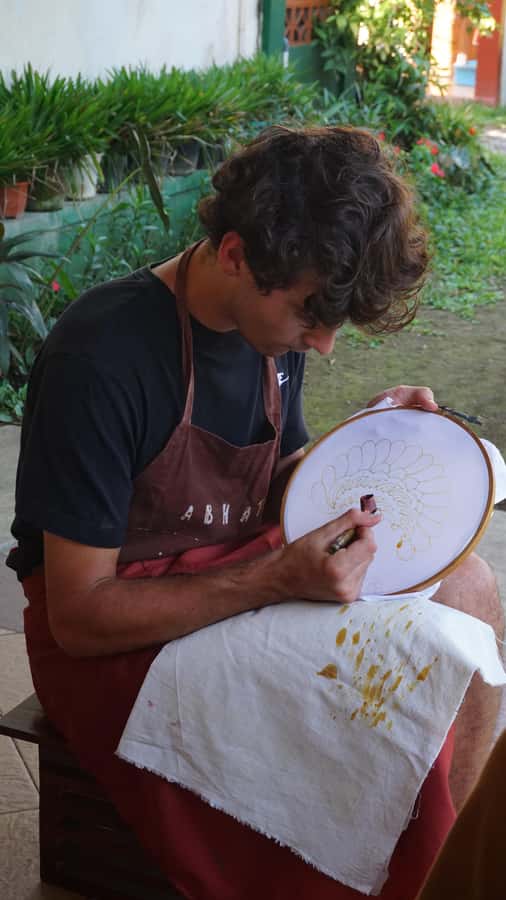
Making batik in Yogyakarta is interesting because you are not just looking at patterns, you are making one step by step, with your hands in the process. I especially like the natural dyeing component and the small group feel that keeps things calm and personal.
What you should consider is that you will get messy. Wear clothes you can stain, and expect a studio in a small alley, with a short walk if you arrive by car or taxi.
Key reasons this batik workshop feels worth your time
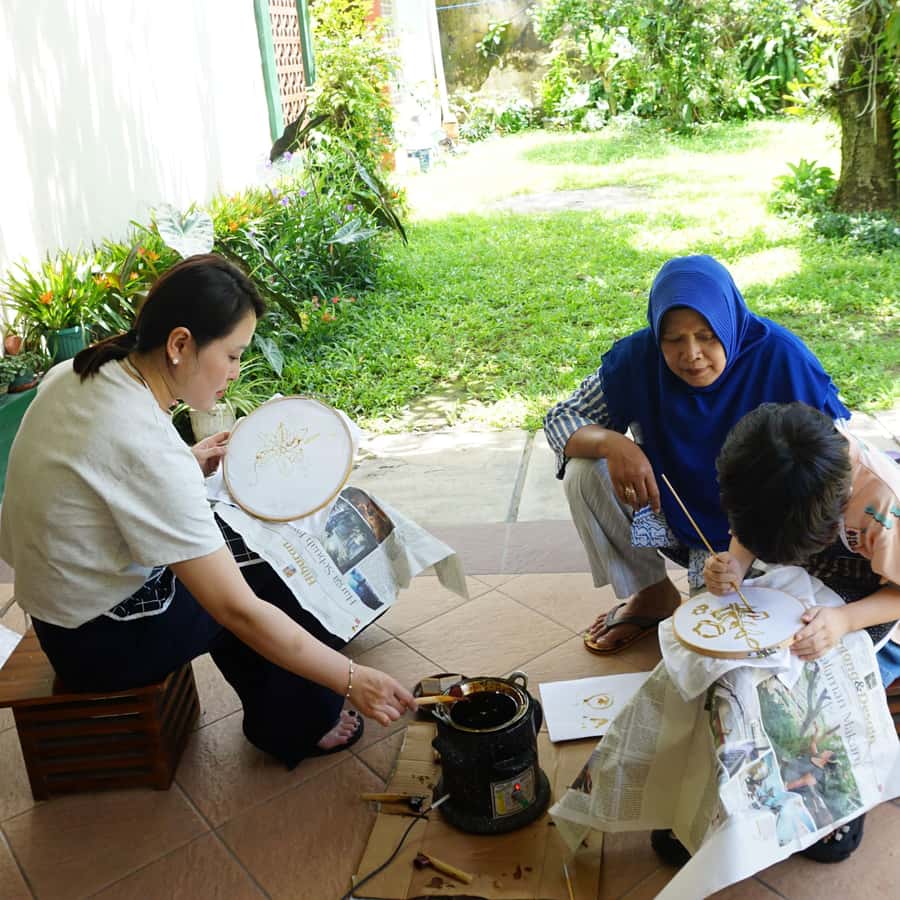
- Wax-resist batik basics with clear, step-by-step guidance so you can actually finish something you are proud to take home
- Natural dyeing that connects the work to ingredients from the environment, not just a quick chemical shortcut
- Small group limit of 10 means more attention when you need help
- A home-studio setting with lush greenery, which makes the whole session feel relaxed, not rushed
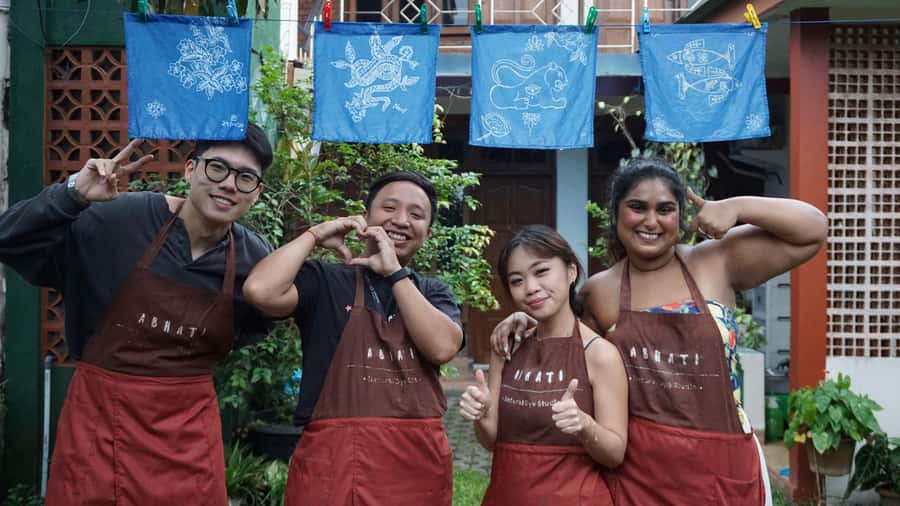
- You get a ready-to-use cotton square (25 x 25 cm) plus tools and materials, so you start immediately and leave with a finished souvenir
- Photo documentation so you have proof and memories, even if you are not the most confident photographer
A Calm Batik Lesson in a Yogyakarta Home Studio
This workshop is set up like a friendly visit, not a factory tour. You head to a studio in the heart of Yogyakarta, about a 15-minute drive from Malioboro Street and roughly 10 minutes from heritage areas in Kotagede. The setting matters because batik is not a speed contest. You need time to practice placing patterns, learning the wax-resist method, and watching colors develop.
The studio is also close to the action without being right on top of it. If you are spending time around Malioboro, you get an easy way to swap crowds for something quieter. And if you are planning a Kotagede stop, this can be a nice break between old-city exploring and dinner.
One practical note: the studio sits in a small alley. If you arrive by motorbike, you can drop or park directly in front. If you come by car or taxi, you park in a designated lot and walk about 140 meters. It is not far, but it is something to plan for if you are carrying bags or traveling with heavy luggage.
More Batik Classes in Yogyakarta:
- Yogyakarta: 2-hour Batik Making Course with Souvenir
★ 4.9 · 304 reviews - Batik Master Class with Full Process
★ 5.0 · 103 reviews - Yogyakarta: Batik Painting Workshop
★ 4.9 · 72 reviews
Wax-Resist Batik Basics: What You Actually Learn
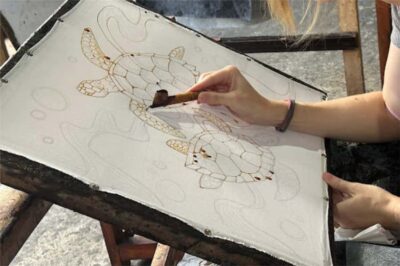
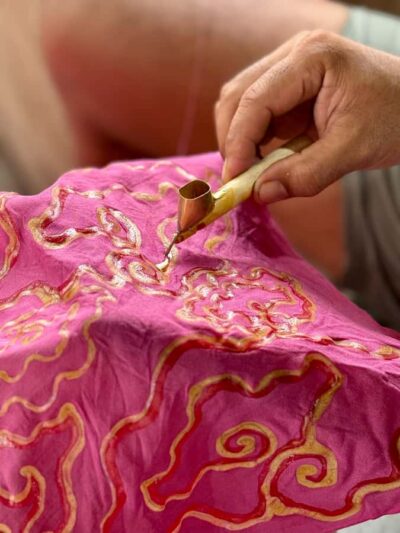
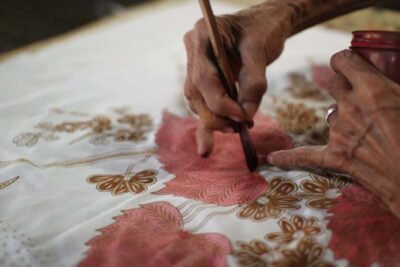
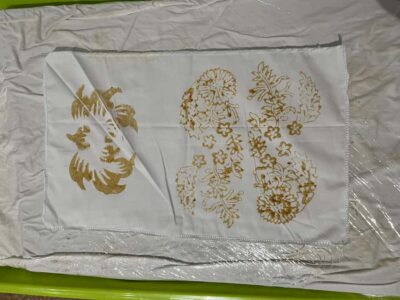
Batik is famous for its wax-resist technique. The core idea is simple: wax acts like a barrier, helping keep areas uncolored while dye stains the rest. Then you remove the wax and reveal your pattern. In this workshop, you learn the basics of that process and apply it to your own design.
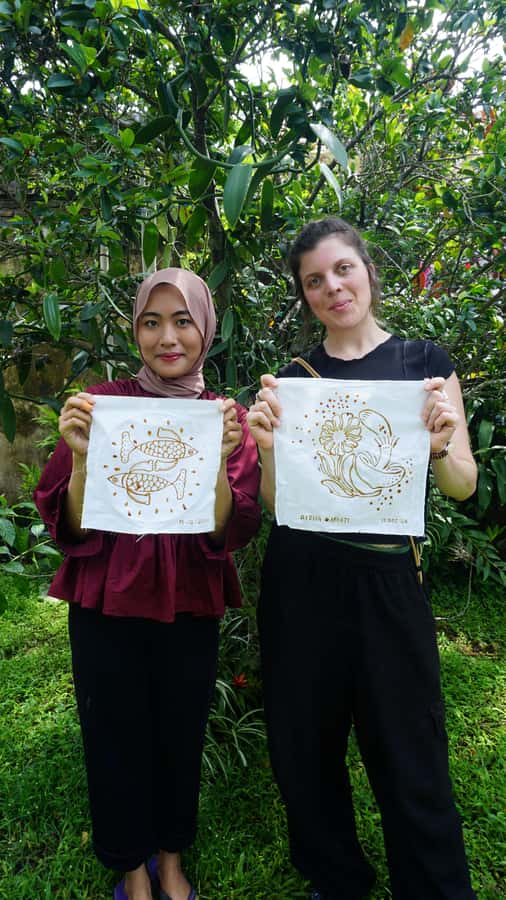
You will be given a piece of cotton fabric sized for a satisfying, wearable souvenir outcome: 25 x 25 cm. That size is small enough to be manageable in a 2 to 3 hour session, but large enough to create something that feels intentional. You are not starting with a random scrap. You get tools, materials, and guidance, so you can focus on design choices instead of hunting down supplies.
Design time is one of the best parts. You can choose from classic and contemporary batik designs, or you can make your own. I like that flexibility because not everyone wants to invent from scratch after a long travel day. If you want structure, pick a design to follow. If you want freedom, make your own and let the pattern be a little imperfect and very you.
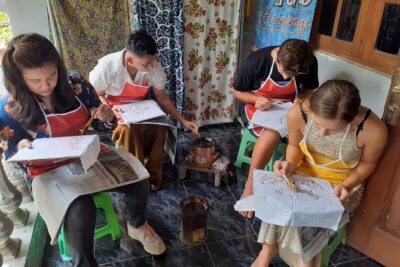
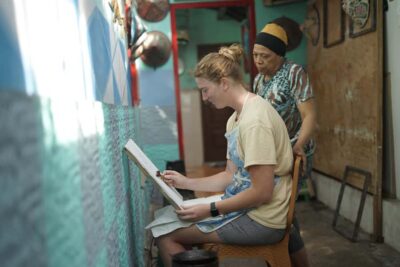
The teaching style is hands-on and supportive. In a few standout sessions, the workshop has been taught by Belinda along with her mom, and even a friendly neighbor has joined in to help. That family-run vibe shows in how they explain what you are doing and why. The result is that you are not just copying a pattern, you understand the logic of wax-resist and how choices affect the final look.
Natural Dyeing That Lets You Think Slower and See More
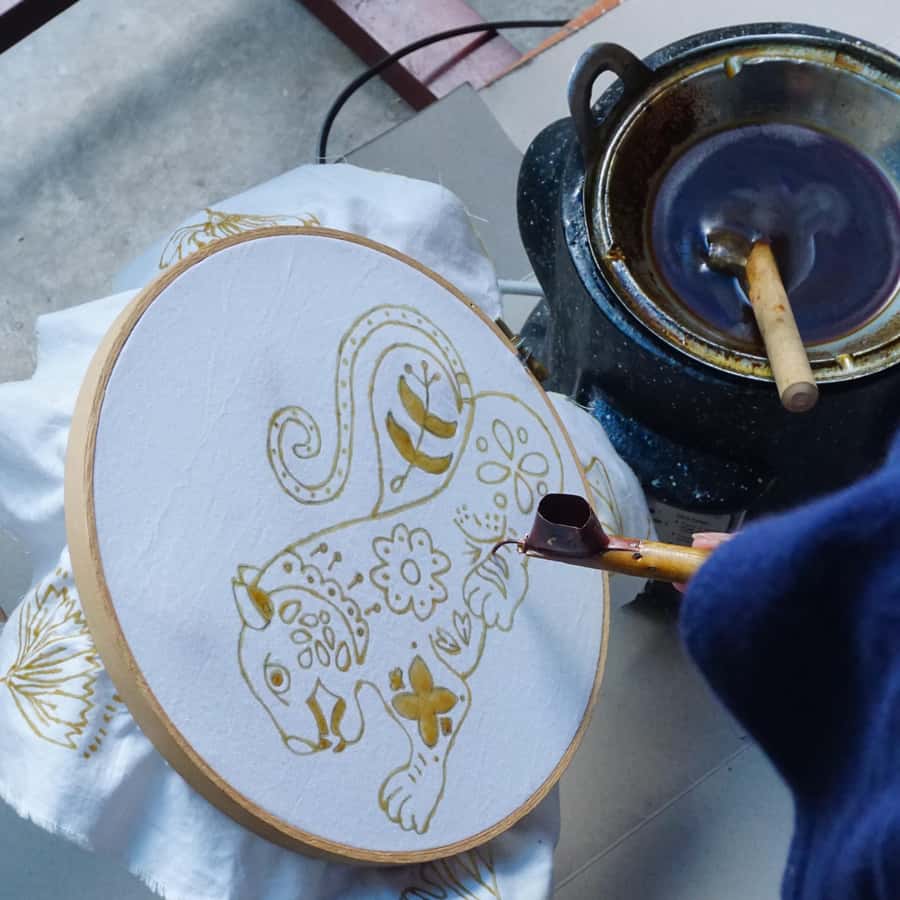
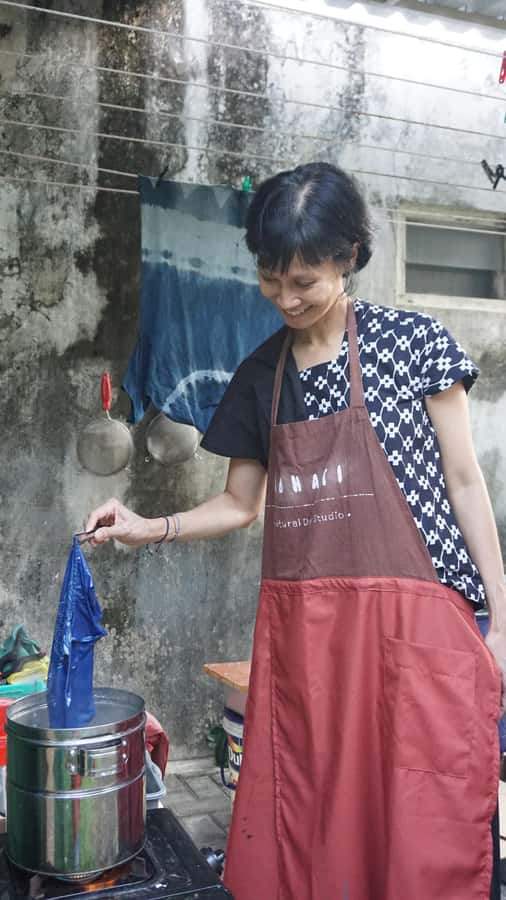
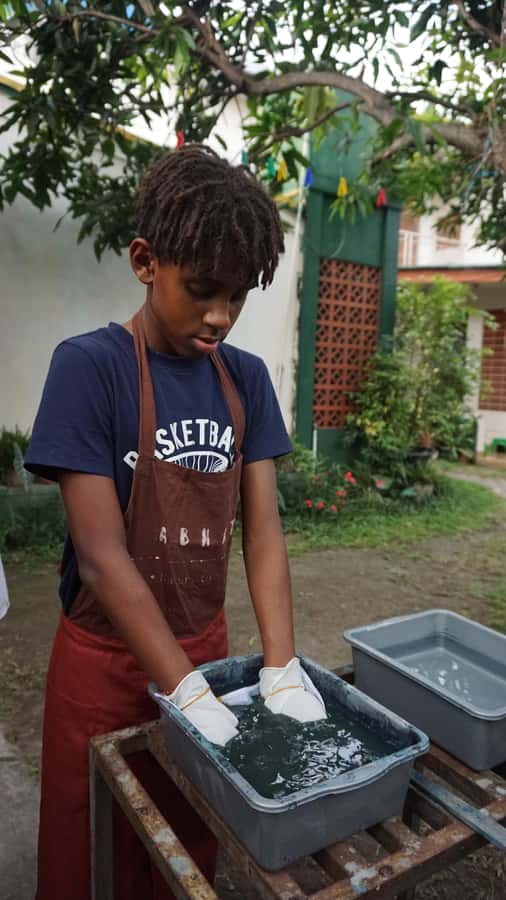
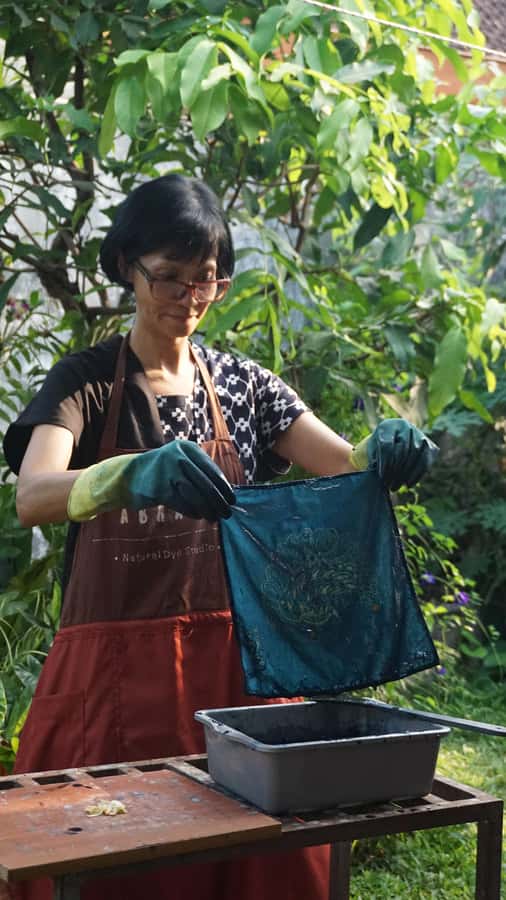
The batik process here is paired with natural dyeing, and that changes the feel of the workshop. Natural dyes behave differently than many synthetic dyes. Color can shift as it takes hold, and the timing matters more than you might expect. You get hands-on experience with this connection to nature, and that is the point, not a marketing line.
You can treat natural dyeing like a lesson in patience. Instead of chasing a perfectly instant result, you watch how the dye interacts with the fabric and waxed areas. That makes the finished piece more meaningful because you remember the moment the color started to show.
Also, the studio itself leans into that nature theme. People talk about being welcomed into a home studio surrounded by lush greenery, and it makes sense. When the environment is calm, you have less pressure and you pay attention better. Batik is tactile work, and you do not need to be an artist. You just need to be willing to slow down for a couple of hours.
What Happens During the 2 to 3 Hours (And Why the Pace Works)
The workshop runs about 2 to 3 hours, and that timing is practical. Batik can be multi-step, but this version is structured so you finish your fabric piece within your booking window. That matters because you want a souvenir, not a craft project you start and abandon.
Here is what the flow is like in real life, based on how the experience is set up:
- You arrive, get a welcome drink, and settle in.
- You receive cotton fabric, tools, and the materials you need.
- You go through the wax-resist batik method and start laying down your pattern, using either a provided design or your own.
- You move into the natural dyeing portion, where the wax-resist concept becomes visible through color.
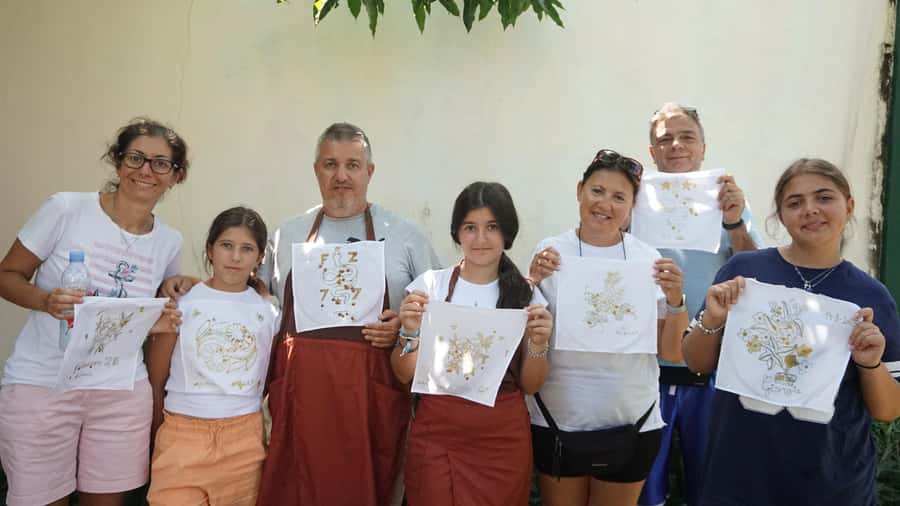
- You wrap up with your finished batik piece and photo documentation you can keep for later.
The “home studio” pacing is a big reason people enjoy it. There is time to ask questions, and the group stays small enough that you are not stuck watching someone else work while you wait your turn. That is also why the workshop is limited to 10 participants, and why it feels more personal than a big classroom setting.
Something different for the next Yogyakarta day:
- Yogyakarta: Borobudur sunrise(guarantee climb up)& Prambanan
★ 4.9 · 1,545 reviews - Borobudur Sunrise from setumbu Hill , Merapi Volcano & Prambanan Full Day Tour
★ 5.0 · 1,030 reviews - Yogyakarta: Jomblang Cave and Pindul Cave all inclusive Trip
★ 4.9 · 854 reviews - Yogyakarta: Borobudur and Prambanan Temples Guided Tour
★ 4.9 · 828 reviews
Price and Value: Why $13 Can Make Sense in Yogya
At $13 per person for a 2 to 3 hour workshop, the value comes from what you leave with and what is included. This is not pay-to-watch entertainment.
You get:
- a welcome drink
- the cotton fabric (25 x 25 cm)
- all necessary tools and materials
- classic and contemporary design options
- your own batik masterpiece to take home
- photo documentation
When you compare that to the cost of buying a small batik item on a shopping street, the math often looks better because you are paying for instruction and materials plus a handmade result. You also avoid the common souvenir problem, where you like the object but do not feel connected to it. Here, the connection is built in because you made it.
What is not included is transportation to and from the studio and meals. The session does include a welcome drink. Some people have also described tasting traditional snacks and fruit during their workshop. That is not listed as a guaranteed meal, so plan on having full food plans separately. But if you are the type who enjoys small extras, it is a pleasant bonus when it shows up.
Logistics Made Simple, If You Plan for the Alley
This is easy to fit into a day because it is in central Yogyakarta. But the location has one quirk: the studio is down a small alley.
If you are on a motorbike, you can park or drop right in front. If you are in a car or taxi, park where they tell you and walk about 140 meters. That is a good heads-up for anyone with mobility concerns in terms of distance, even though the workshop itself is listed as wheelchair accessible.
You also want to plan your outfit. The workshop specifically advises comfortable clothes and clothes that can get dirty. Batik and dye work can stain, even if you are careful. Bring what you do not mind wearing home afterward, or wear a shirt you treat like a craft apron.
In terms of suitability, it is not for children under 5. For older kids, it might work, but this is mainly designed as a small-group adult craft experience with hands-on instruction and materials that can get messy.
Who This Workshop Is Best For (And Who Might Skip It)
I think this works best for you if:
- you want a Yogyakarta craft that feels hands-on and personal
- you like learning by doing, not just watching
- you want a souvenir that is truly yours, made with a technique people respect
- you enjoy slower activities with a peaceful vibe, not a crowded schedule
It is also a strong choice if you are pairing this with sightseeing around Malioboro and Kotagede. The location is close enough that you can slot it in between temples, markets, and cafés.
You might skip it if you are not comfortable with getting dye on your clothes, or if you prefer activities with no mess at all. Also, if you are the kind of traveler who hates any downtime, you should know this is a craft session where time and attention matter.
Should You Book Abhati Studio Batik With Natural Dyeing?
Yes, I would book it if you want a meaningful Yogyakarta souvenir and you like the idea of learning wax-resist batik basics with natural dyeing in a calm, small-group setting. The biggest selling point is the combination of instruction plus materials plus a finished piece you take home. At $13, you are paying for the experience, not just a product.
If you are deciding between several activities, this one wins when you want something different from temples, street food, and shopping. And if you are traveling with a mindset of learning a craft and leaving with a tangible memory, this is the kind of workshop that tends to feel special long after you get back home.
FAQ
How long does the Yogyakarta batik workshop take?
The workshop lasts 2 to 3 hours. You can check available starting times when you reserve.
What is included in the price?
The price includes a welcome drink, a cotton fabric square (25 x 25 cm), all necessary tools and materials, design options, your finished batik piece to take home, and photo documentation.
Do I get to choose my design?
Yes. You can choose from classic and contemporary batik designs, or you can make your own.
What should I wear or bring?
Wear comfortable clothes. You should also wear clothes that can get dirty, since dyeing and batik tools can leave stains.
Where is the studio, and how do I handle parking?
The studio is in the heart of Yogyakarta in a small alley. If you arrive by motorbike, you can drop or park in front. If you arrive by car or taxi, you park in the designated parking area and walk about 140 meters.
What languages are used during the workshop?
The instructor speaks Indonesian and English. The group is limited to a small size, up to 10 participants.
Newest reviews out of Yogyakarta
- Ramayana Ballet Performance In Prambanan Temple With Dinner★ 5.0 · 41 reviews
- Yogyakarta: Ramayana Ballet Performance with Optional Dinner★ 4.4 · 42 reviews
- Yogyakarta: Batik Making Class with Expert★ 4.7 · 45 reviews
- From Yogyakarta: Borobudur and Prambanan Temples in 1 Day★ 5.0 · 45 reviews
- Yogyakarta: Borobudur Sunset Climb Up Shared Guided Tour★ 4.7 · 46 reviews
- Prambanan Temple Afternoon Tour★ 4.9 · 48 reviews
- Jomblang Cave, Pindul Cave and Oyo River Tour★ 5.0 · 50 reviews
- Yogyakarta: The Jomblang Cave adventure all inclusive tour★ 4.9 · 50 reviews
Batik Classes, compared.
Browse the lists this tour appears in