
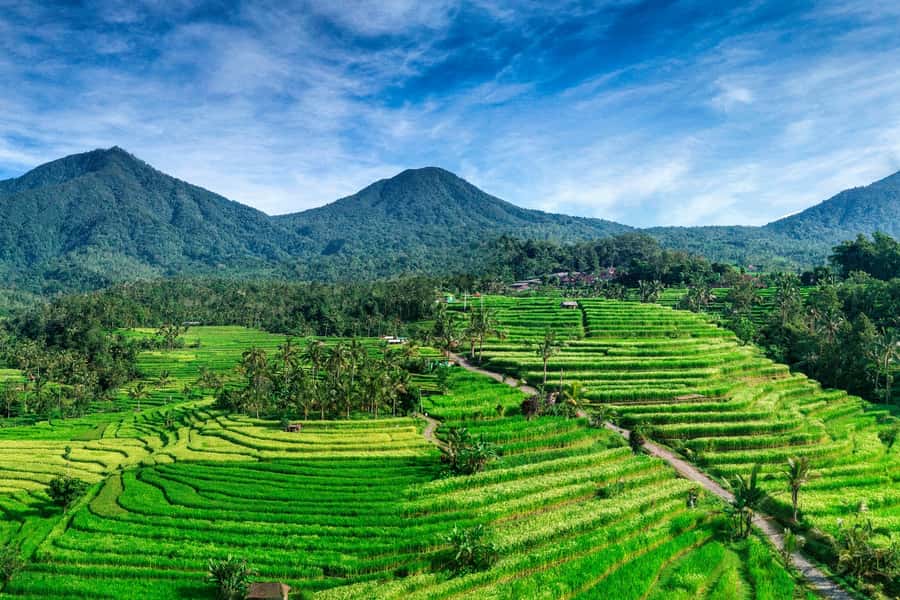
Reviewed · JATILUWIH RICE TERRACES
Jatiluwih (UNESCO Site) 2-Hour E-Bike Cycling Tour
Jatiluwih by e-bike is interesting because you get to cover real distance while still soaking in the big views of UNESCO rice terraces. I love how the ride is built around Jatiluwih’s green sea of paddies, not just a quick photo stop, and I also like that you roll through jungle, bamboo, and villages instead of sticking to one tidy viewpoint.
The only real caution is equipment and safety consistency. You’re told helmets are provided, but I’d still do a quick bike check before leaving the pool area, and if anything feels off, ask for a different bike right away.
Key things to know before you go
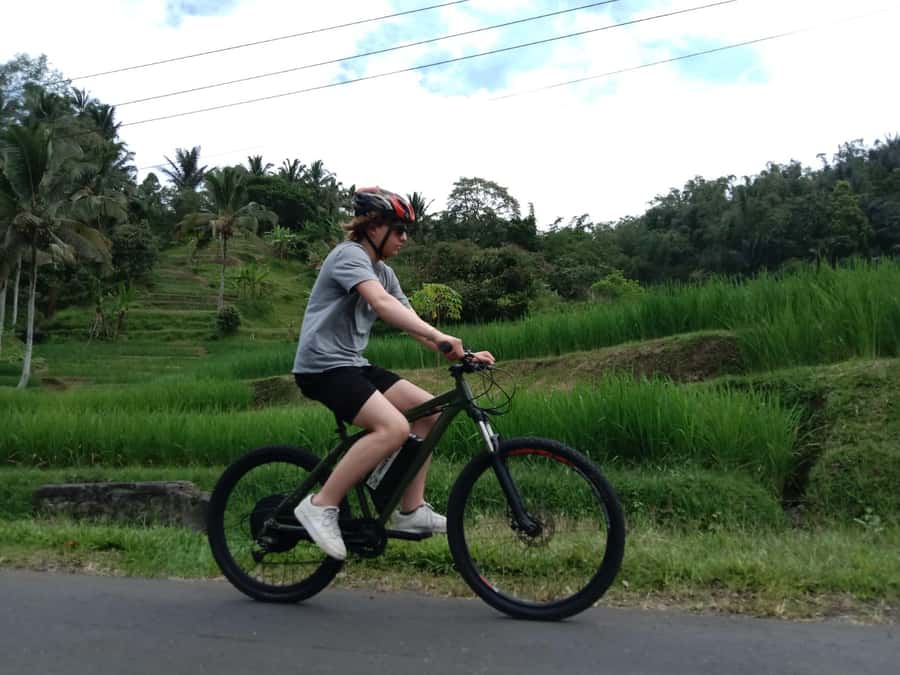
- UNESCO Jatiluwih coverage: You ride into the heart of the site, not just the edge.
- 4-extinct-volcano valley setting: The views come with big geologic context.
- Jungle and giant bamboo: The route moves through more than rice terraces.
- Subak irrigation talk: The guide’s explanations are a big part of why this works.
- Indonesian lunch afterward: You eat in nature, with coffee and tea included.
- Small group size: Limited to 12 participants, which keeps things calmer on a narrow route.
Jatiluwih by E-Bike in 2 Hours: the practical pitch
This is a focused, 2-hour e-bike cycling tour in Bali, with the official UNESCO site of Jatiluwih as the main event. You’re not signing up for a full day of exertion, yet you still get a ride that feels like more than a scenic shuttle.
At $69 per person, the value depends on how you like to experience places. If you want rice terraces but also want motion, fresh air, and guided context, this price can make sense. If you only care about a couple of viewpoint photos and don’t mind slow walking, a cheaper option might be enough. Here, you’re paying for bikes, guide time, admission to Jatiluwih, and lunch.
The tour is led by a professional local cycling guide, with English commentary and insurance included. It’s also a small group, capped at 12, so you can usually manage your own pace instead of feeling like part of a marching band.
More of Jatiluwih:
- Bali: Tanah Lot, Jatiluwih Terrace, & Ulundanu Beratan Tour
★ 4.8 · 797 reviews - Bali: Jatiluwih UNESCO, Bratan Lake, Iconic Gate & Tanah Lot
★ 4.9 · 132 reviews - West Bali: Jatiluwih Rice Terrace and Tanah Lot Sunset Tour
★ 4.8 · 88 reviews
From the Batukaru Temple area to Jatiluwih: how the timing works
Your tour starts in the Batukaru temple area, but you do not visit the temple. The operator meets you near the pool before you go in, with the electric bikes ready close by. That detail matters, because it means your time is spent riding, not queuing or wandering inside a temple complex.
The ride begins near Batukaru, then you head toward Jatiluwih. One useful heads-up: the road from Batukaru to Jatiluwih is described as beautiful but noticeably different from the center of the UNESCO site. In other words, you get variety early, and then you shift into the core Jatiluwih paddies once you’re “in.”
Expect the tour to feel like a guided loop in zones rather than one long straight line. You’re riding past jungle edges, then through bamboo and villages, then into the iconic rice terraces. That pacing is a big part of why a 2-hour format works here.
The route through jungle, bamboo, villages, and terraces
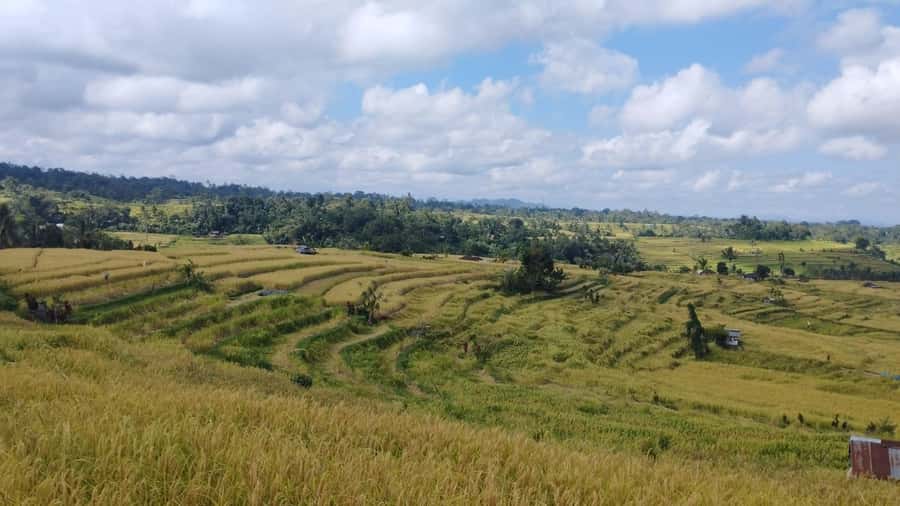
What I like about this tour design is that the scenery keeps changing, even though you’re only out for two hours. Jatiluwih itself covers more than 300 hectares of lush tropical vegetation, including those famous rice terraces that look bright green even on drizzly days.
Here’s what you can realistically expect to see as you pedal:
- Dense jungle sections where the air feels cooler and shaded.
- Giant bamboo forest areas that create a tunnel-like feel when you move through them.
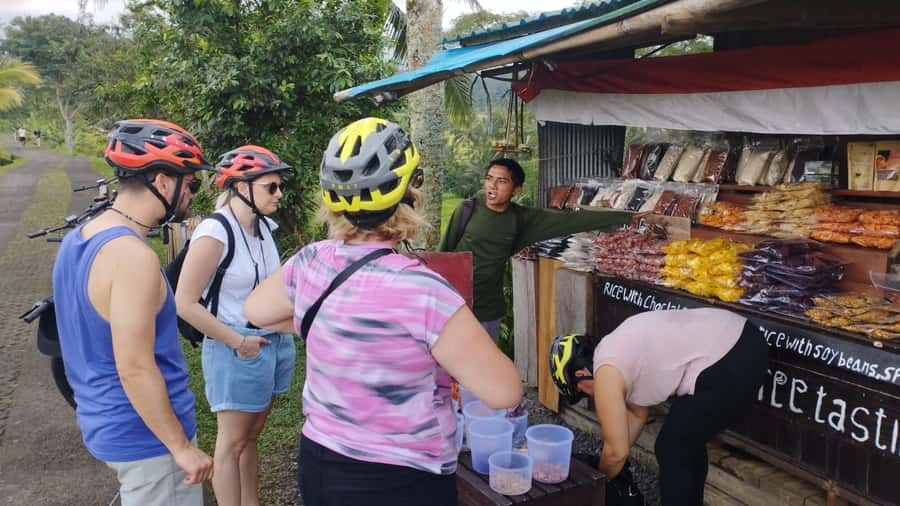
- Local village life along the way, giving you a break from only paddies and viewpoints.
- Rice terraces and broad valley views, with the feeling of space opening up as you approach the center of the site.
The tour is also described as taking you through a valley set between four extinct volcanoes. Even if you never get an official geology lesson on the spot, you can feel why this matters: it explains the terrain and the way the land holds water and shapes the paddies.
One more detail to keep in mind: your route includes easy cycling on an e-bike, but you’re still on two wheels in real countryside. That means comfort depends on bike fit, tire condition, and how quickly you adjust to handlebars and brakes.
What the guide teaches, especially the Subak irrigation system
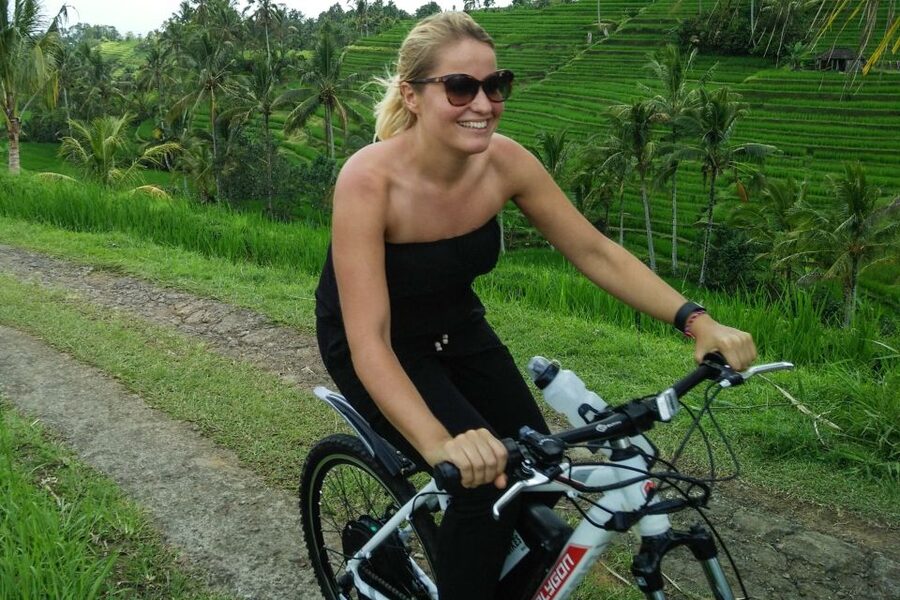
The best tours don’t just point. They explain. This one is designed around a guide who shares context as you ride, and that’s where the experience can go from scenic to memorable.
A standout theme here is the Subak irrigation system, the traditional way rice farming communities manage water. If you understand Subak, the terraces stop looking like a random patchwork and start looking like a working system. You can see how the terrain, the water, and the farming families connect.
The guide’s commentary also focuses on how families have kept land in farming practice over generations, including the idea that pesticide-free approaches are part of the story in this area. Even if you come with zero agriculture background, that kind of explanation changes how you read the views.
So yes, you’re riding through rice terraces. But the tour’s real strength is that it gives you language for what you’re seeing: irrigation, community land care, and why these terraces still matter.
More Cycling Tours in Bali:
- From Ubud: Downhill Bike Tour with Rice Terraces and Meal
★ 4.9 · 664 reviews - Bali: Mount Batur Quad Bike Tour and Natural Hot Springs
★ 4.7 · 210 reviews - Bali: Dolphin Swimming Tour with ATV Quad Bike & Waterfall
★ 4.8 · 127 reviews - Mount Batur: Black Lava Cycling Tour w/ Natural Hot Spring
★ 3.8 · 63 reviews
Lunch in nature, plus the small comfort touches that add up
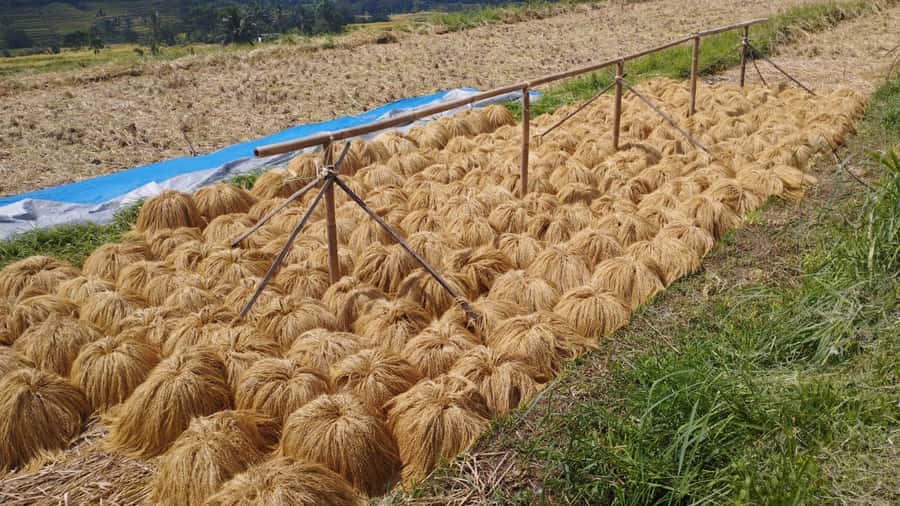
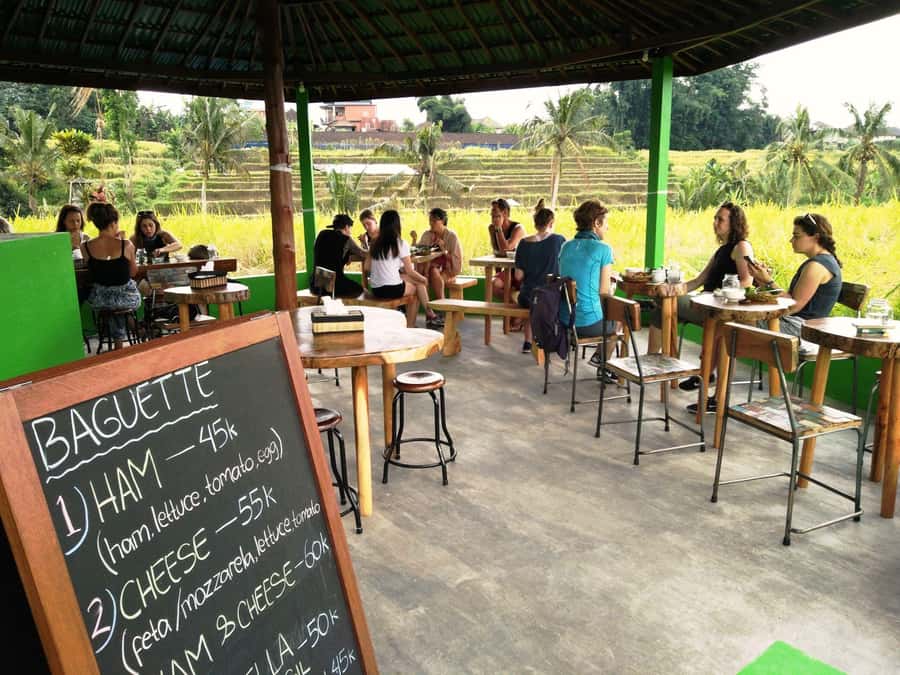
After you finish the ride, you get an authentic Indonesian lunch at a nearby restaurant. Lunch includes free-flow water, coffee, and tea, and it’s positioned as part of the payoff: you’ve earned a proper meal after cycling.
From the descriptions you’re likely to hear, nasi is often part of what’s served. The broader point is that you’re not eating a sad grab-and-go sandwich after the ride. You sit down, eat Indonesian food, and then you can slow your breathing down before you head back.
A couple of small but genuinely useful inclusions round out the experience:
- Cold towel at the end of the e-bike ride.
- Raincoat when needed, which can save your day if the weather shifts.
- Water during the tour.
These aren’t flashy add-ons. They’re the difference between a comfortable afternoon and a damp, grumpy one.
E-bike setup and safety: what to check before you roll
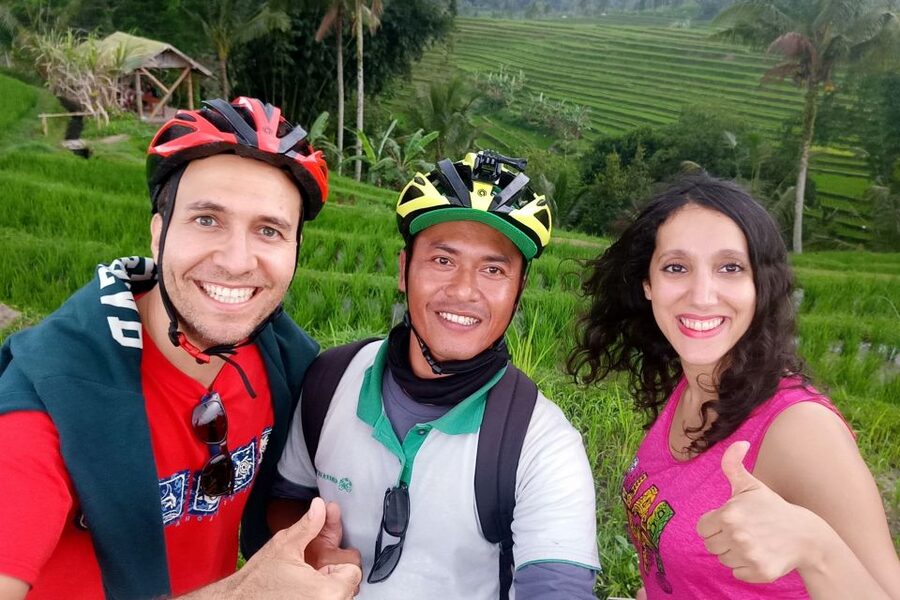
The tour provides an e-bike and helmet, and it runs with a professional guide, insurance, and a small group size. That’s the good baseline.
Now for the practical part: bike condition and rider safety depend on what you’re handed at the start. There are also reports of technical issues and falls in at least some past experiences, including some falls that happened near rice paddies. You don’t want that vibe.
So here’s what you should do, quietly and fast:
- Before you start, check the bike brakes and gears. Test them with a few gentle pedal cycles.
- Confirm you have a helmet that fits snugly. If anything feels loose, ask for adjustment before rolling.
- Make sure your seat height and handle position feel stable. Even with e-bikes, a poor fit makes you tense up, and tension leads to mistakes.
- Wear sport shoes with grip. This matters on uneven paths around rice fields.
Also, this tour isn’t suitable for everyone. If you can’t ride a bike, don’t sign up. If you’re over 260 lbs (118 kg) or under 4 ft 8 in (145 cm), it’s not listed as appropriate.
When the equipment and guidance are right, an e-bike tour like this is a very comfortable way to experience the terrain. When the equipment is wrong, it’s stressful. Your job is to catch problems early.
Price and value at $69: what you’re really paying for
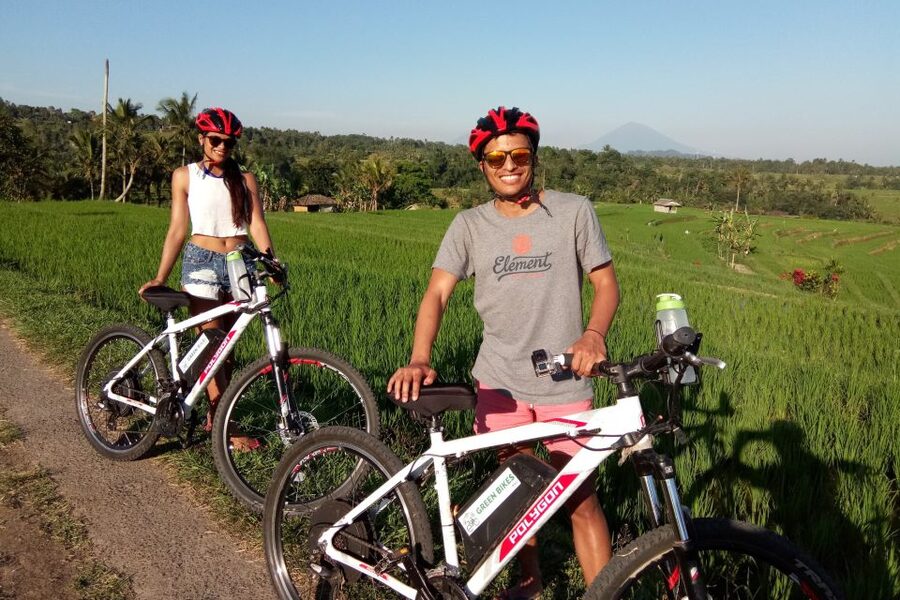
The price is $69 per person for a 2-hour tour. It includes:
- e-bike and helmet
- admission to Jatiluwih
- professional cycling guide
- insurance
- water
- cold towel
- Indonesian lunch (with free-flow water, coffee, and tea)
- raincoat when needed
- hotel transfers if you select pickup
So you’re not just paying for a ride. You’re paying for entry into a UNESCO site, bike gear, guide support, and a real meal. That stack is why the cost can feel reasonable compared with piecemeal day plans where you’d pay separately for admission, a guide, and lunch.
Where the value can drop is when the experience doesn’t match the promise of smooth, comfortable cycling. If you’re the type who needs dependable equipment, you should go in expecting to do that quick bike check. If you want a hassle-free day, that’s how you protect your money.
Group size also affects value. With a maximum of 12, you should spend more of your time actually riding and less of it waiting.
Who this tour fits best, and who should skip it
This tour works best for:
- People who can ride a bike but want help on hills
- Travelers who like guided storytelling as much as photos
- Anyone who wants Jatiluwih without doing a long, sweaty hike
- Small groups or couples who prefer a calmer pace with an English guide
Skip it if you:
- Can’t ride a bike
- Fall outside the listed height or weight limits
- Want a very slow walking viewpoint tour with minimal biking
Also, consider the start time location. You’ll meet near the pool area in the Batukaru temple zone, and the temple itself is not visited. If you’re staying farther away, optional pickup is available, but you should plan extra margin so you arrive ready to ride.
Bottom line: should you book Green Bikes Bali for Jatiluwih?
If you want UNESCO rice terraces but also want the experience to feel active, this is a solid choice. The combination of Jatiluwih admission, a guided route through jungle and bamboo, and an Indonesian lunch makes it a complete half-ride, half-story day.
I’d book it if:
- You’re comfortable riding a bike and you like e-bikes
- You care about learning what makes the terraces work, especially the Subak irrigation explanation
- You want a small group format and a real sit-down lunch afterward
I’d think twice if:
- You’re very sensitive to equipment issues and prefer strict consistency
- You expect a fully risk-free cycling day without you doing any checks at the start
- You’re outside the listed height and weight limits or you can’t ride
Do the bike check at the pool, wear grippy sport shoes, and keep your expectations on a 2-hour tour pace. Get that right, and you can turn Jatiluwih into one of your most scenic, understandable stops in Bali.
FAQ
Where is the meeting point for the tour?
You meet in the Batukaru temple area near the pool, where the electric bikes are set up before entering the temple area. The tour does not include visiting the temple itself.
How long is the Jatiluwih e-bike cycling tour?
The tour runs for 2 hours.
What is included in the tour price?
Included are the e-bike and helmet, admission to Jatiluwih, a professional cycling guide, insurance, water, a cold towel at the end of the ride, lunch, and a raincoat when needed.
Is lunch included, and what drinks come with it?
Yes, lunch is included. It also includes free-flow water plus coffee and tea.
Is the tour guide in English?
Yes, the live tour guide is listed as English.
How large is the group?
The group is small, limited to 12 participants.
Is hotel pickup available?
Hotel pickup is optional. The driver will pick you up from the lobby of your hotel or villa if you select that option.
What kinds of sights will you pass on the ride?
You ride through dense jungle, a giant bamboo forest, local villages, and rice terraces. The valley setting is described as being between four extinct volcanoes.
What should I wear or bring?
Wear sport shoes and comfortable clothing. Bring sunglasses, sunblock, a hat or cap, and a camera.
Is this tour suitable for everyone?
It is not suitable for people who cannot ride a bike. It is also not suitable for people over 260 lbs (118 kg) or under 4 ft 8 in (145 cm).
What happens if it rains, and what are the booking and cancellation options?
You receive a raincoat when needed. The tour also offers free cancellation up to 24 hours in advance for a full refund, and you can reserve now and pay later.
Newest reviews out of Bali
- Bali: Mount Batur Sunrise Hike Including Transfer & All Cost★ 4.8 · 39 reviews
- North Bali: Ulun Danu, Waterfalls, Swing and Monkey Forest★ 5.0 · 39 reviews
- Ubud: Traditional Balinese Painting Class★ 4.2 · 40 reviews
- Bali: Canyon Tubing Adventure★ 4.8 · 40 reviews
- Bali: Jatiluwih Rice Terraces 1 Hour Electric Bike Tour★ 4.7 · 41 reviews
- Bali: 3-Day Private Gili Islands Snorkel Tour with Hotel★ 4.2 · 44 reviews
- Bali: Penglipuran Village, Rice Terrace & Waterfall Tour★ 5.0 · 46 reviews
- Ubud: Kanto Lampo Waterfall, Art Market, Cretya & Tanah Lot★ 4.8 · 47 reviews
Jatiluwih Rice Terraces, compared.
Tanah Lot, Jatiluwih Terrace, & Ulundanu Beratan Tour
Read our review →
Jatiluwih UNESCO, Bratan Lake, Iconic Gate & Tanah Lot
Read our review →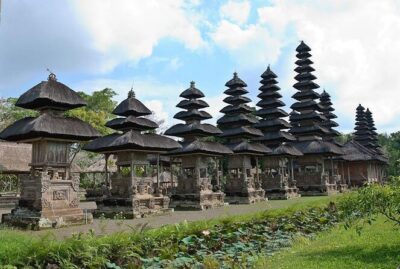
West Bali Tour: Taman Ayun, Ulun Danu Beratan, Jatiluwih Rice Terrace, Tanah Lot
Read our review →
West Bali: Jatiluwih Rice Terrace and Tanah Lot Sunset Tour
Read our review →
Ancient Temples and Jatiluwih Rice Terrace Private Tour
Read our review →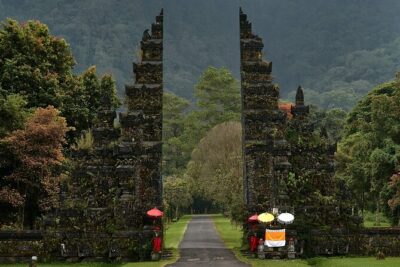
Private Full-Day Handara, Ulun Danu, Jatiluwih and Tanah Lot Tour
Read our review →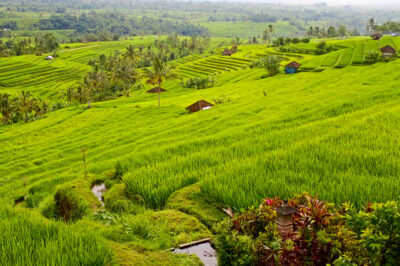
Jatiluwih Rice Terraces 1 Hour Electric Bike Tour
Read our review →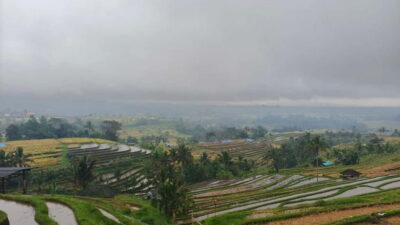
Ulun Danu Beratan Temple, Jatiluwih, Banyumala waterfall
Read our review →Browse the lists this tour appears in