
Reviewed · WORKSHOPS
From Ubud: Traditional Bali Coconut Oil Class
Making coconut oil in rural Bali is interesting because it turns a simple ingredient into a real, hands-on household skill, not a store-bought mystery. I love that this class is rooted in a family tradition from Taro Village, taught step by step in a home setting.
I also love the way the experience connects the oil to daily life, including the garden tour and the animals around the house. One possible drawback: you do need a little patience, because the oil-making process takes time and the full flow is not a quick “watch and leave” kind of activity.
Hands-on traditional process: You make real coconut oil from grated coconut using the traditional method.
Family compound feel: You get a home-style look at village life, not an industrial demo.
Garden and animal time: While the oil works, you’ll enjoy herbal tea and see the backyard setup.
English-led instruction: The class is taught in English in a small group setting.
Take-home souvenir: You leave with coconut oil you made yourself.
Coconut Oil Class Near Ubud: What You’re Really Paying For
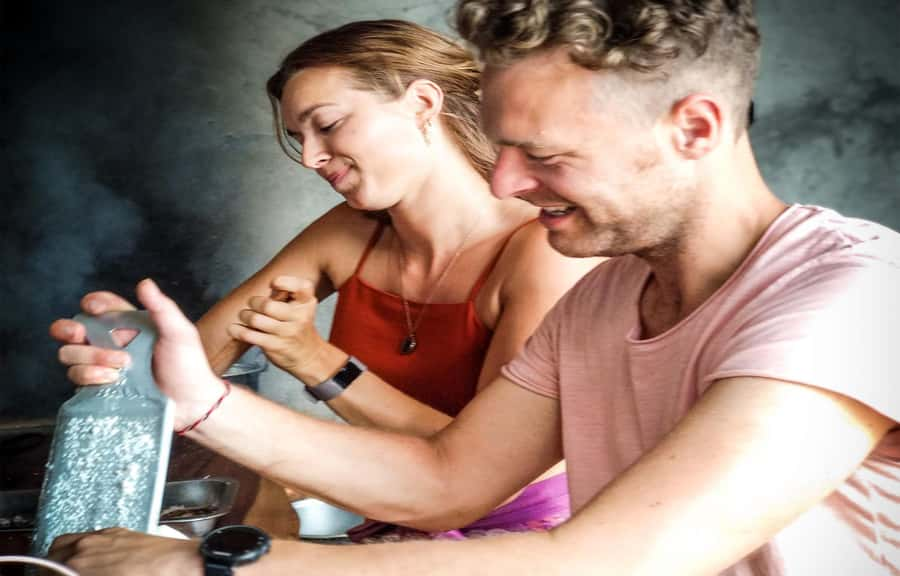
This is a small, family-run class north of Ubud in Taro Village, and the value starts with the format. At $21 per person for about 90 minutes, you’re not just buying a jar of oil. You’re paying for access to a real home workflow: meeting hosts, seeing the village rhythms, learning the method, then bringing your own finished product back with you.
If you care about authentic travel experiences, this fits because it’s not pretending to be something else. You’re learning a local skill that was passed down through generations, and that shows in how the session is paced. Several people loved the warm welcome, the step-by-step teaching, and the chance to tour the garden and see how coconuts are used as part of daily life, not only as a health trend.
The other part of the value equation is what you get beyond the oil. The class includes coffee or tea or mineral water, towels and a sarong, traditional cake or cookies, and you get time with the backyard animals while the oil is being made. That combination makes it feel like a real afternoon plan, not a strict “factory tour” stop.
Getting There: Taro Village, Rice Views, and a Simple Meeting Point
Your class is in Delodsema Taro Village, located north of Ubud. They set things up so you can arrive and feel the place before you start cooking anything. The day begins with an exploration of Balinese countryside life, and you may get views of rice terraces before you head further into the village.
If you want pickup, it’s optional in the Ubud area. If you prefer to self-navigate, the meeting point is listed as about a 2-minute drive south from Meson Elephant Park Taro, with a map search term of Traditional Bali Coconut Oil. In practice, this area is easy enough to reach with a ride, but I’d still confirm the exact drop-off location the day before, especially if it’s your first time in Taro.
Group size matters here because it stays intimate. You’ll usually be with a small group, and you’ll have enough attention to follow what’s happening. That’s one reason the class tends to feel more conversational than lecture-style.
Booked alongside this on Bali itineraries:
- Bali: Sunrise Mount Batur Guided Hike with Breakfast
★ 4.8 · 9,660 reviews - Bali: Mount Batur Sunrise Guided Hike and Natural Hot Spring
★ 4.8 · 9,284 reviews - Bali: Full-Day Instagram Highlights Tour
★ 4.8 · 7,817 reviews
First Stop: Walking Into Local Life Before You Make Anything
What I like about starting with a village walk is that it changes your mindset. You’re not arriving solely to learn a recipe. You’re arriving to understand where the ingredients and tools come from, and why this practice exists in the first place.
You start by exploring local life in the Balinese village area and getting a look at the countryside, including rice terrace views. Then you move into the village and finally to the hosts’ home. That “arrive, orient yourself, then begin” rhythm is why the class feels grounded.
In the reviews, people picked up on the calm home setting and the sound of real daily life, including chickens and other backyard noises. That matters, because it helps you relax into the experience. This isn’t staged in a polished studio. It’s lived-in.
At the House: The Real Coconut Oil Workflow (Step by Step)
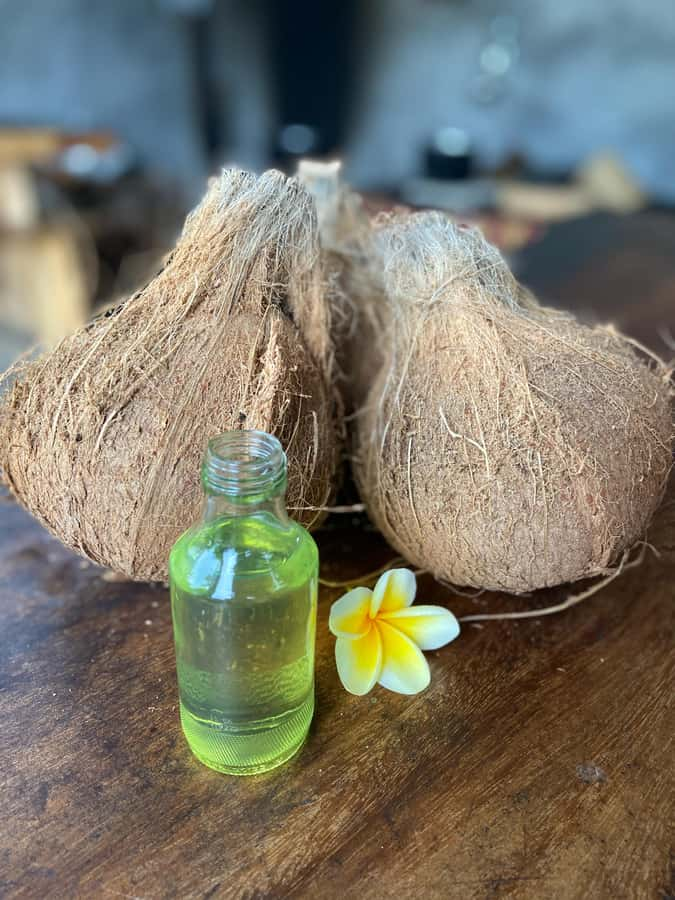
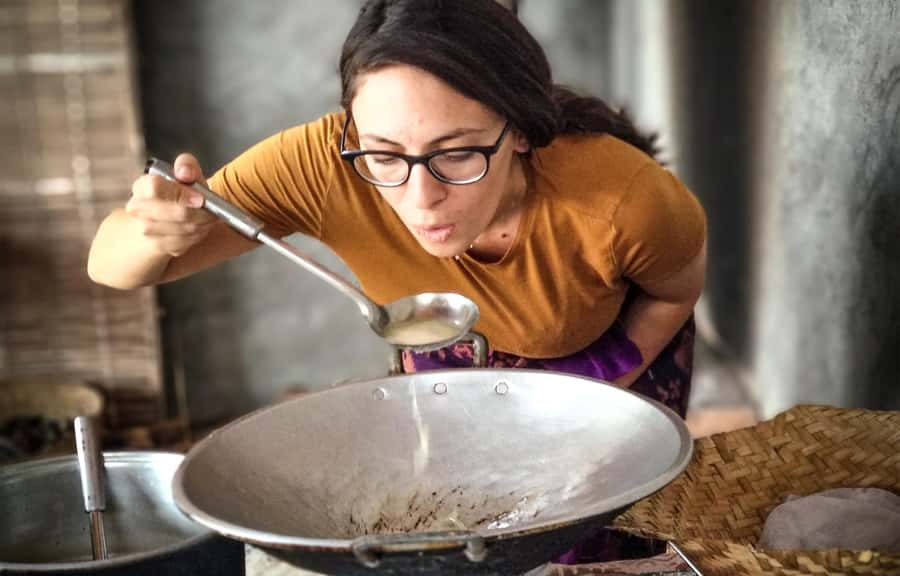
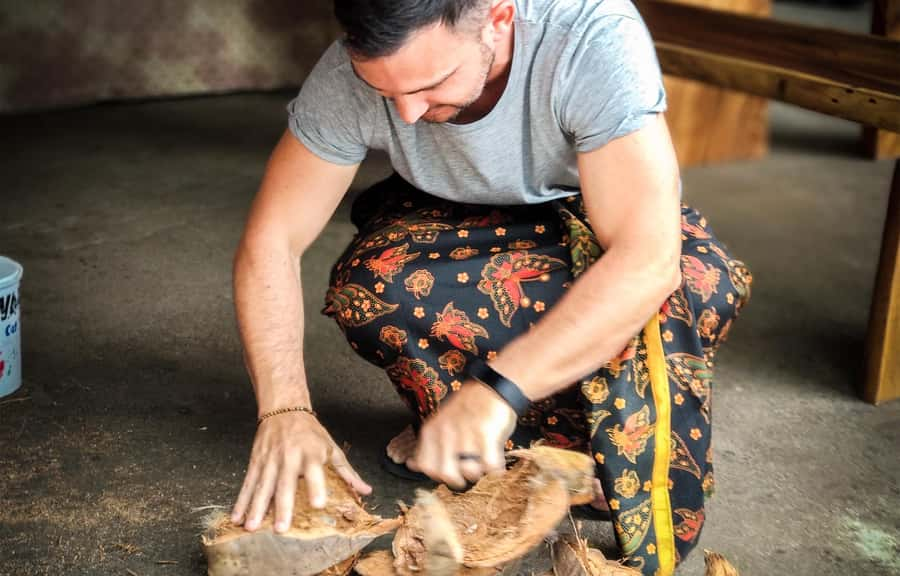
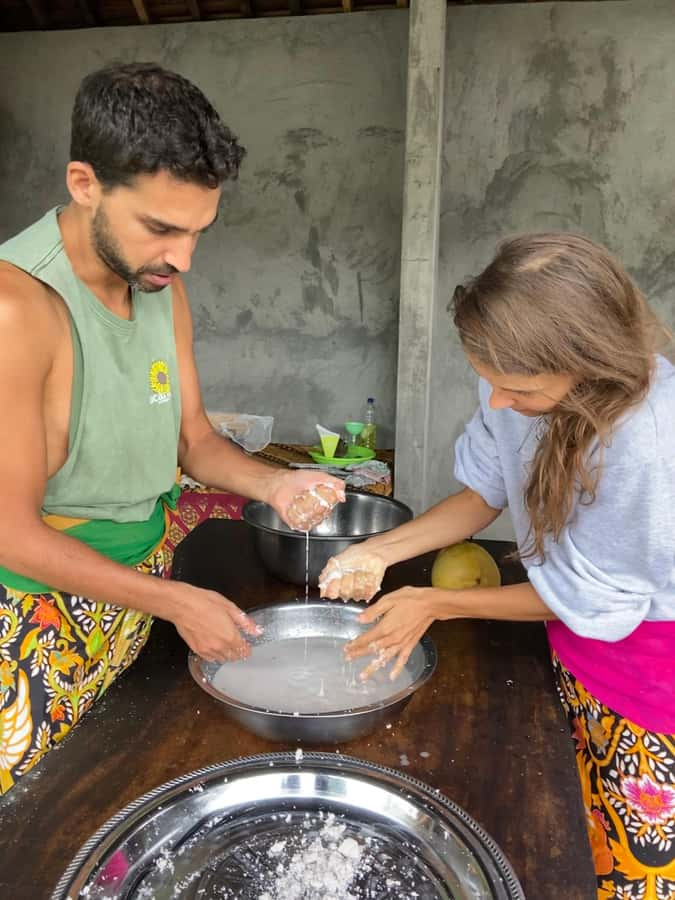
The main event happens at their home, where you learn how to make traditional Bali coconut oil. They frame it as 100 percent home-made and Bali original, and the point is less about making grand health claims and more about showing the full traditional process so you can understand what you’re taking home.
Here’s the flow you should expect, based on how the class is described:
- You start with coconuts, grated coconut, and the traditional method.
- The process takes more than 1 to 1.5 hours to complete, so you’ll do some waiting while the oil is being made.
- While you wait, you see how coconuts get used beyond oil. They use coconut grated for feeding roosters and pig in the backyard.
- You enjoy herbal tea together during the waiting time.
- When the oil is ready, you finish the session and take the coconut oil home as your souvenir.
The teaching style seems to be one of the biggest strengths. People describe explanations that are clear and step by step, and at least one person specifically mentioned that Putu explained the process. That name matters, because it signals that you’re likely working directly with the family who carries the tradition.
One practical note: since the process takes time, wear clothes that can handle a warm outdoor environment. Bring a mindset for “slow food.” This is not a rushed craft demo.
Garden Tour and the Backyard Feel: Why It’s Not Just Cooking
This class includes time in the garden and around the house, and it’s more than a quick photo stop. You’ll explore a home garden area where fruit and plants are part of everyday life. Several visitors loved seeing the fruits and getting to taste items straight from the garden.
You might notice that the animals are integrated into the story. Coconut byproducts are fed to roosters and pig, which makes the process feel responsible and practical. This kind of detail is easy to miss in a purely commercial setting, and it’s a big reason the class gets strong ratings.
If you like small moments, this is where it happens. You’ll often be offered tea, and the conversation tends to be casual, based on local life and the way families pass down knowledge. The class description also mentions traditional cake or cookies, plus coffee or tea or mineral water. So you’re not just standing around, you’re hosted.
Something different for the next Bali day:
- Bali/Nusa Penida: East & West Highlights Full-Day Tour
★ 4.7 · 6,263 reviews - Ubud: Waterfall, Rice Terraces & Monkey Forest Private Tour
★ 4.9 · 4,894 reviews - Bali: Ubud Gorilla Face ATV and Ayung Rafting Trip with Meal
★ 4.8 · 4,765 reviews - Bali/Mount Batur: Private Sunrise Jeep Tour & Hot Spring
★ 4.8 · 3,528 reviews
What You Take Home: Your Jar of Coconut Oil
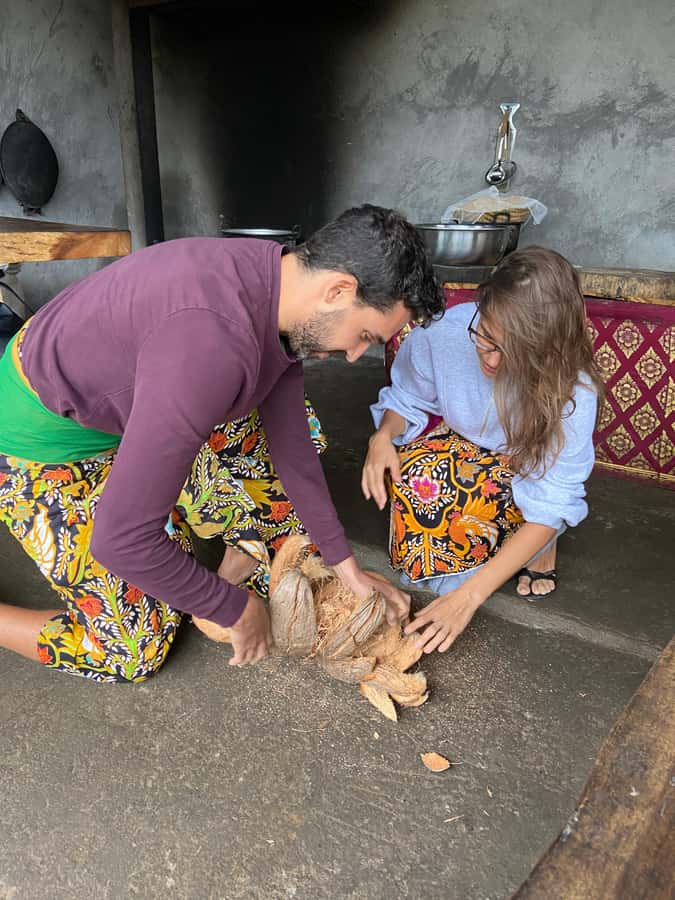
The best souvenir is the one you helped make. At the end, you bring home coconut oil from the session. That’s the whole point of paying for the class instead of just buying oil in a shop.
One reason this feels satisfying is that you connect your jar to the steps you watched and did. Even if you don’t become a coconut-oil expert overnight, you’ll at least know that you’re taking home a product made through a traditional home process.
If you’re thinking about gifting: this is a great choice because it feels personal. You can also buy less extra stuff while you travel, because your souvenir has a story baked in.
Price and Value: Is $21 a Good Deal?
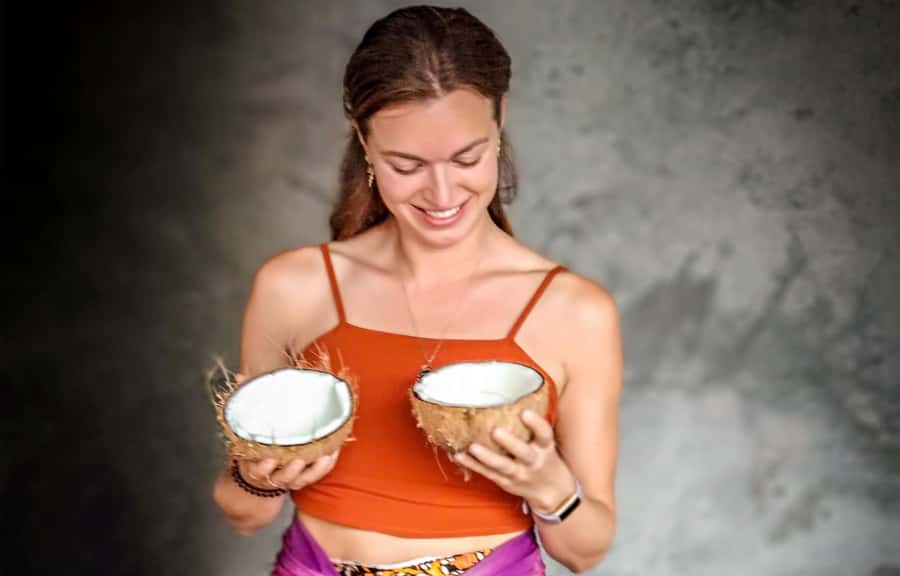
For $21 per person, a 90-minute English-led class with food and drink, towel and sarong, village exploring time, and a take-home jar is generally strong value. The class isn’t trying to be an all-day activity. It’s designed as a focused cultural stop.
Here’s what you’re really getting for your money:
- A family-style lesson rather than a distant production line tour.
- Time in the village area, plus a garden visit.
- Snacks and drinks, including herbal tea during the process.
- A take-home product, made by you, not just handed to you.
If you’ve been traveling and your budget is tight, I’d compare this against other Ubud area cultural workshops. Many are pricier and still feel more like a performance. Here, the structure seems more hands-on and more “day-in-the-life.”
If you only want the fastest possible activity, this might feel like a bit of waiting since the oil-making process takes time. But if you like calm, local pacing, the waiting time is part of the experience, not a time sink.
Language, Pace, and Who This Suits Best
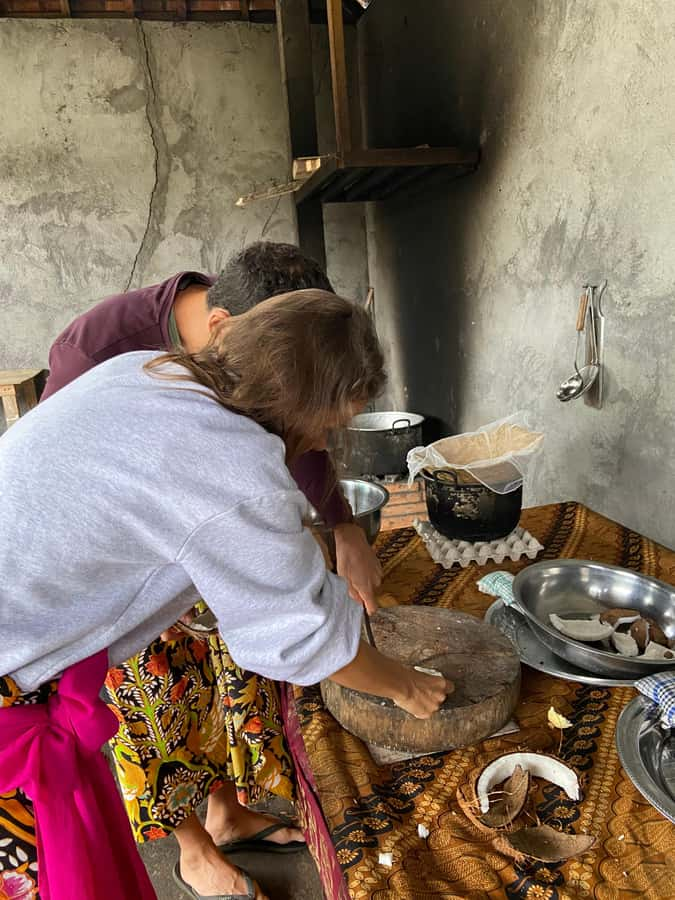
The class is taught in English and set up for small groups. That matters because hands-on classes work best when you can actually follow the explanation while you’re standing close to the action.
The pace is relaxed. One review described it as laid back but enjoyable, set in a homely compound. I agree with that vibe from the way it’s described: you’ll walk, learn, wait, sip tea, tour the garden, then finish up with your oil.
This class is especially good for:
- Couples who want a shared activity that feels intimate
- First-time visitors who want something more local than a temple checklist
- People who like food-related crafts and practical skills
- Anyone who prefers village life experiences over large, impersonal attractions
If you want “high-energy entertainment,” or you hate waiting around for a process to finish, you may find it slower than expected.
Practical Tips Before You Go
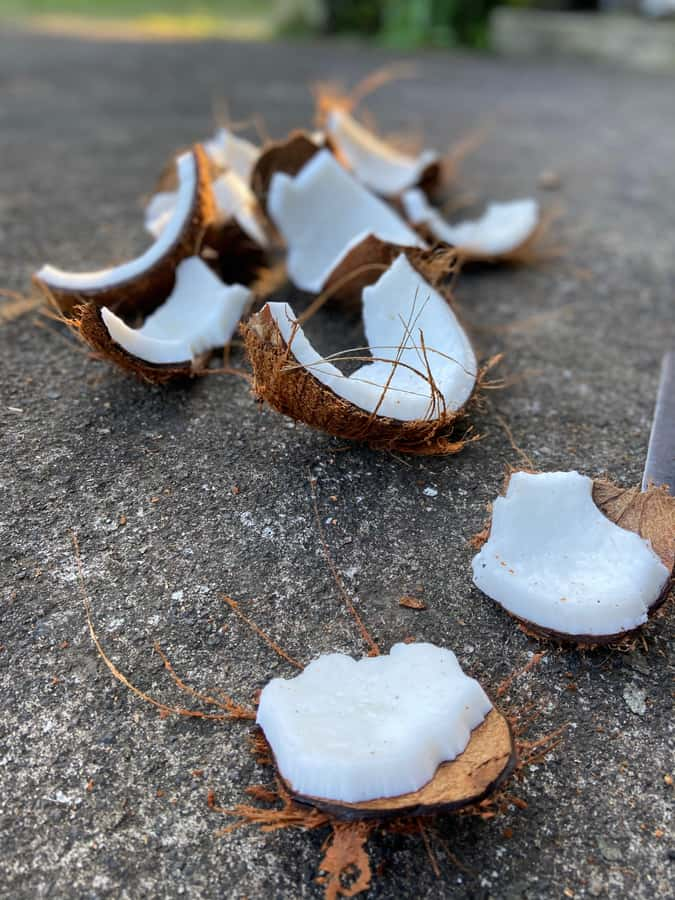
A few small things will make the class easier and more comfortable:
- Plan for warm outdoor time. Wear breathable clothes since you’ll spend time in a village compound and garden area.
- Expect hands-on time and a bit of mess. Even if you’re not doing every step, be ready to get close to the coconut process.
- Bring cash only if you want extra purchases. The included items are clearly part of the class, but if you want to buy extra coconut products from the area, you might appreciate having some money on hand.
- Arrive on time. The process takes longer than the tour duration suggests on paper, so punctuality helps the schedule feel smooth.
- Ask questions. People seemed to value the conversation and cultural context. If you’re curious about the tradition, this is the moment to ask.
Should You Book This Coconut Oil Class?
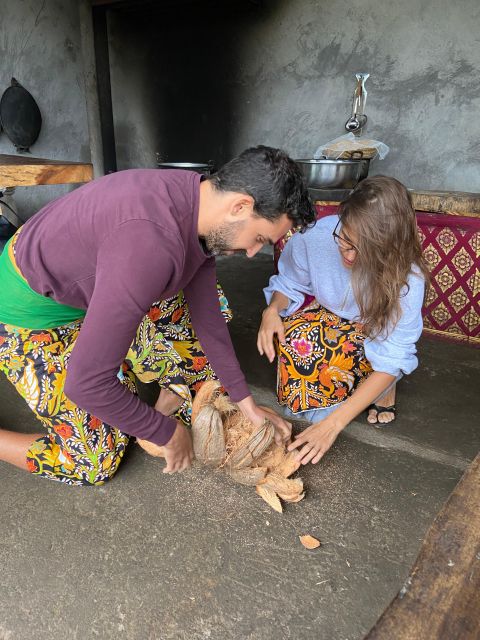
Book it if you want a genuinely local skill in a small group setting. The best reasons are practical: you’ll learn a step-by-step traditional method, you’ll tour a garden and home compound, you’ll spend time with animals while waiting for the oil, and you’ll leave with coconut oil you made yourself.
Skip it if you’re looking for a fast, polished experience with zero waiting. This is a home-based process, so the pace is slower by design. Also, if you only want health science and not practical making, your interest might be better served by another kind of class.
If you’re in Ubud and you want one hands-on cultural stop that feels thoughtful and personal, this one is a strong pick.
FAQ
How long is the Traditional Bali Coconut Oil class?
The duration is 90 minutes.
Where is the class located?
The class is located at Delodsema Taro Village, north of Ubud.
How do I find the meeting point?
You can find it on the map by searching for Traditional Bali Coconut Oil, about 2 minutes’ drive south from Meson Elephant Park Taro.
Is the class taught in English?
Yes, the instructor is English-speaking.
Is pickup available from Ubud hotels?
Pickup is optional from hotels in the Ubud area.
What is included in the class?
You get a countryside exploration of the traditional village, house, garden, and pets, plus coffee or tea or mineral water, towels and a sarong, and traditional cake or cookies. You also take home coconut oil.
Do I get to take coconut oil home?
Yes. After the session ends, you’ll bring home coconut oil as a souvenir.
Can I cancel for a full refund?
Free cancellation is available up to 24 hours in advance for a full refund.
Newest reviews out of Bali
- Bali Secret Waterfalls with Ulun Danu Beratan Temple Tour★ 5.0 · 12 reviews
- Bali: Cultural Ritual, Local Cuisine & Firefly Adventure★ 5.0 · 12 reviews
- Canggu: Surfing Class, Tanah Lot & Kecak Dance Sunset Tour★ 3.8 · 12 reviews
- Bali Spiritual: Blessing Ceremony, Pristine Nature and Transfer★ 5.0 · 13 reviews
- Bali: Canyoning Adventure at Aling Waterfall★ 5.0 · 14 reviews
- Bali: Hidden Waterfalls Private Tour (All-Inclusive)★ 4.9 · 14 reviews
- Sunrise Breakfest at kintamani cafe & Ubud private Tour★ 5.0 · 14 reviews
- Bali: Kecak Fire Dance Ticket at Uluwatu Cliff Sunset Point★ 4.1 · 14 reviews
Workshops, compared.
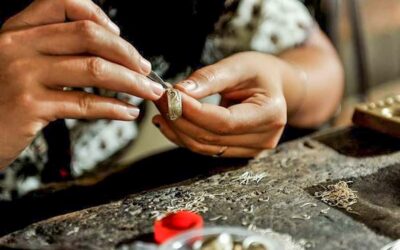
Hands-On Silver Jewelry Making Near Ubud’s Monkey Forest
Read our review →

Legian Beach, Bali: Beginner or Intermediate Surf Lessons
Read our review →
Canggu Jewelry Making Class with Creative Studio Vibes
Read our review →
Browse the lists this tour appears in