
Reviewed · JAKARTA TOURS
Afternoon Guided Chinatown Tour in Jakarta
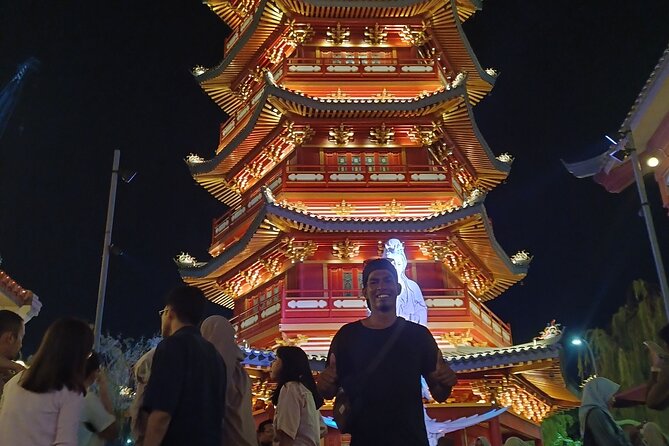
Jakarta has plenty to see, but this tour feels different because it strings together Chinatown history and night views in one smooth evening arc. You start in Glodok with an old pagoda tied to early Chinese settlement patterns, then work through colonial-era Old Town scenery, finish with a fish-market stop, and end with the gold glow of MONAS.
Two things I like a lot: first, the guide storytelling is built around how Chinese communities connected with Dutch colonial policies and how local business shaped where people lived. Second, the route is practical, with pickup and drop-off, air-conditioned transport, and stops that let you switch from temple photos to dinner vibes without stressing out. One drawback to consider is timing, because Jakarta traffic is real, and even with good driving you can still feel the day slip a bit.
Key Highlights You Should Know Before You Go
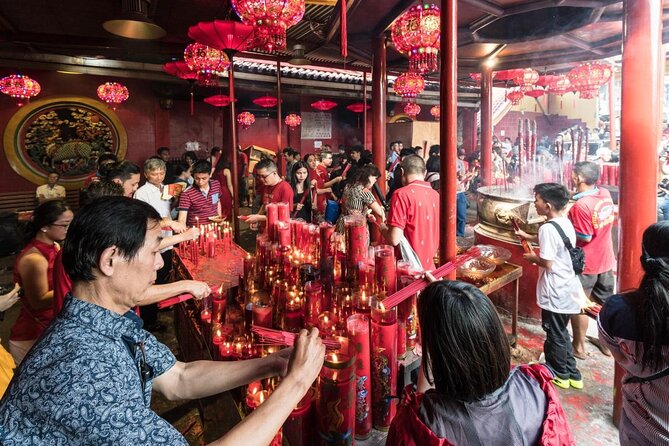
- Glodok’s old pagoda dating to 1650 gives you a real sense of how long this Chinatown has been here
- Old Town’s Chinese-European building look helps you connect the dots between communities and Dutch-era architecture
- Muara Angke fish market area plus a floating-restaurant setting is a fun food and atmosphere stop, not just sightseeing
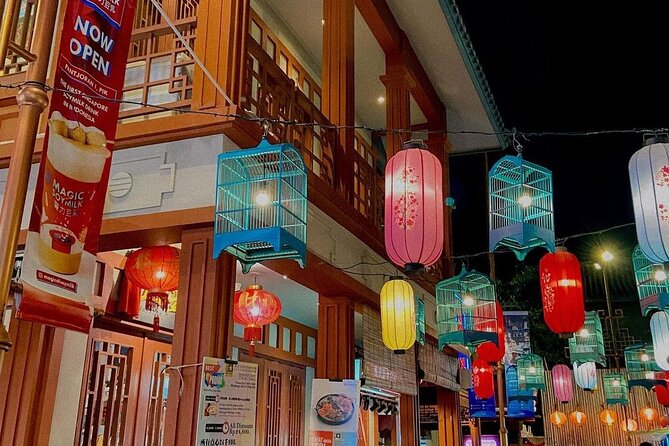
- PIK Avenue at dusk adds lantern light and skyline views, with photo moments that feel more modern
- MONAS at night is short, but it’s a memorable closer if you want the capital’s symbol in the same tour
- Guides named Fitri and Enok in past experiences suggest you’re in good hands when it comes to local context
Glodok Chinatown, the 1650 Pagoda, and Why It Was an Isolated Hub
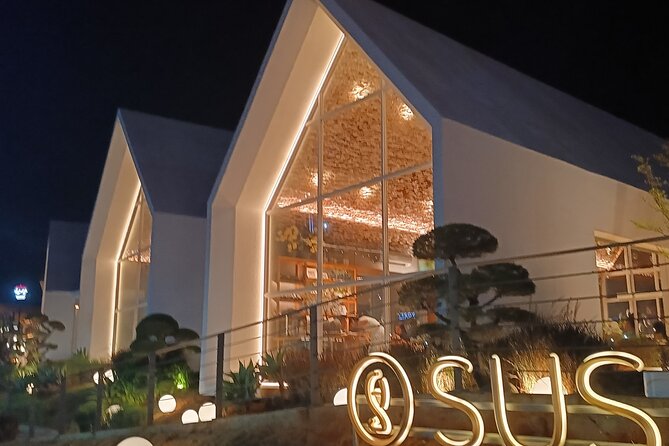
Glodok is the big, historic Chinatown in Jakarta, and walking in there with a guide changes the experience. You do not just see pretty corners. You learn why people ended up here and what colonial rule did to the layout of daily life.
The tour’s first stop is built around a temple area with an old pagoda said to date to 1650. That’s the kind of detail that makes photos feel more meaningful. When you stand near something that old, you start noticing the surrounding textures, the community rhythms, and the layered feel of a place that has kept functioning through political changes.
You also get the history thread about the term Pecinan and how the name links back to Chinese communities in the region. The story ties in how, in the 1600s, Glodok became a form of controlled separation so the Dutch could manage a population that was, at the time, extremely important for trade and business.
Practical note: Chinatown streets can get busy, and some areas involve walking that feels uneven. Wear comfortable shoes so you can move fast when the group needs to regroup.
Booked alongside this on Jakarta itineraries:
- Jakarta: Volcano, Tea/Rice Fields, Hot Spring, Local Food
★ 4.9 · 515 reviews - Active Volcano, Rice Field, Hot Spring, Fruit market, Tea Plantation with Lunch
★ 5.0 · 513 reviews - Private Full-Day Guided Tour: Explore Jakarta’s Top Highlights
★ 5.0 · 338 reviews
Jakarta Old Town and the Chinese-European City Hall Garden Look
Next you roll into Old Town, where the mood shifts from temple streets to colonial-era city planning vibes. This is where the tour becomes especially useful if you like architecture and want a “how did this city get built” feeling instead of only looking at landmarks.
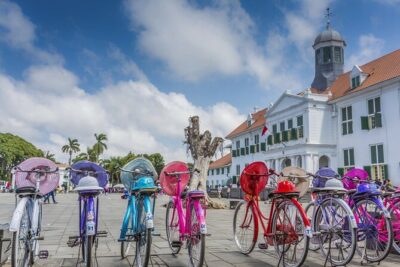
Here you’ll see old structures with a Chinese-European style that have been standing since the colonial era. The tour also mentions a garden area inside the Old Town, listed as 139 square meters, called Cityhall. Even if you do not think of yourself as a “garden person,” it helps break up the walk and gives you a calm pocket to catch your breath and reset your photos.
The biggest value of this stop is context. Dutch colonial rule and Chinese business networks didn’t just create buildings. They shaped neighborhoods, how people moved, and how Jakarta’s identity became layered. With a guide, you can connect what you’re seeing now to the political and economic reasons it looks this way.
Potential drawback: Old Town is more about vibe and built form than a single must-see object. If you prefer hands-on activities or museums, you might want to spend a little extra time on your own after the tour if you still have energy.
Muara Angke Fish Market Area and the Floating Resto Atmosphere
Then the tour turns into food and local color with a stop at Pusat Perikanan Muara Angke. Jakarta’s fish-market culture is a major part of how many people eat, and this stop is one of the most “real Jakarta” sections of the route.
The highlight here is the Resto Floating Muara Angke, described as a restaurant on the sea. The floating concept matters because it changes the whole feeling of the meal area. Even if you only snack or stop for a drink, the setting helps you understand why this part of the city has its own gravity, especially during afternoon-to-night transitions.
One review-style tip that fits this stop well: if you’re choosing where to eat, this is a solid place to aim for because the market atmosphere is part of the experience, not just the food. If you like seafood and market energy, you’ll probably feel like you found the Jakarta version of a local food street.
The only real consideration: if seafood or fish-market smells are not your thing, you may want to plan a lighter meal here and save your appetite for the PIK Avenue dinner time that comes later.
PIK Avenue Lantern Light, PKI Dinner Energy, and Night Photo Moments
The most photogenic shift of the tour happens at PIK Avenue, listed as the highlight of the afternoon portion. You arrive when the light is changing, and the route leans into that lantern-lit mood. The area is described as a Jakarta business district with a Chinese-dominant presence, so it feels like Chinatown’s modern chapter.
This is also where you get a strong dinner possibility depending on timing. One guide-led route referenced PKI 1 as a great dinner place with a chance to grab a photo connected to the pagoda setting. If your group moves a bit later, you may also catch night views around PKI 2, including the kind of light show people talk about where bridge lights change.
I like this part because it prevents the tour from becoming “old stuff only.” You see that community history doesn’t stop at colonial-era buildings. It continues in business districts, signage, and how people gather in the evening.
What to do with this stop: take your photos, then slow down and pick one meal plan. If you keep hopping for photos too long, you can miss the best part, which is the dinner atmosphere and the night lighting.
Something different for the next Jakarta day:
- Jakarta Half-Day Guided Tour with a Private Fun Local Host
★ 5.0 · 292 reviews - Jakarta: Full-Day Highlights Tour
★ 4.8 · 277 reviews - Jakarta: Private Half-Day Tour Highlight of Jakarta
★ 4.9 · 271 reviews - Jakarta: Half-Day Highlights Tour
★ 4.7 · 224 reviews
MONAS at Night, 132 Meters of Gold, and the Easy Photo Finish
The tour closes at National Monument (MONAS), with a photo stop designed for a quick but iconic moment. The monument is described as a symbol of Indonesia’s capital, and at night it’s framed by that shimmering gold look.
Even though the time here is limited, it works as a perfect ending beat because it gives you a recognizable “I did Jakarta” photo without forcing you into another long museum detour. And since your day started in Glodok and moved through Old Town and markets, MONAS feels like the modern city’s arrival at the end of the story.
Tip: treat MONAS like a photo waypoint, not a full sightseeing session. If you want to linger, do it after your tour return plans are settled.
Price, Value, and What This Tour Is Really Paying For
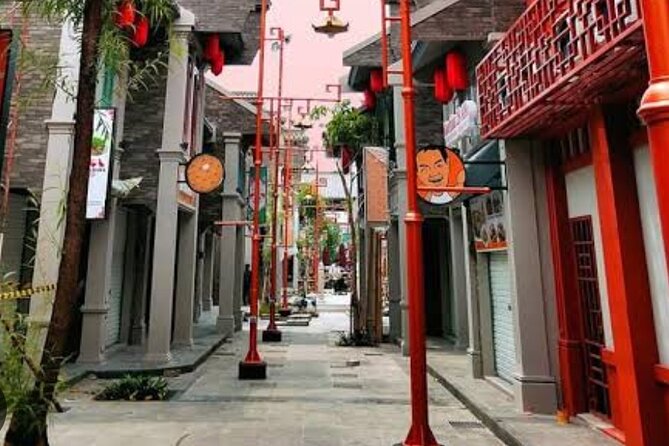
At $53 per person for 5 to 6 hours, this tour is priced like an all-in city sampler with real structure. For that money, you get more than transport. You get someone licensed to guide and interpret what you’re seeing, plus bottled water, pickup and drop-off, and an air-conditioned vehicle that matters in Jakarta heat.
The itinerary is also designed to minimize dead time. You do not spend hours figuring out where to go next. You move from Glodok to Old Town to Muara Angke, then to PIK Avenue, then to MONAS, with each segment serving a different purpose: history and temples, colonial-era built form, market food culture, modern Chinatown business district views, and a final iconic city symbol.
Also, the group setup is private, meaning you’re not squeezed into a mega-coach vibe. A couple reviews note the guide and driver are separately employed jobs, which is one of those behind-the-scenes details that usually improves pacing. You can focus on the guide’s story while the driver handles traffic and transitions.
If you are trying to cover “Chinatown plus one night landmark” without spending your day bouncing between agencies, this offers good value. If you prefer deep museum time or long independent wandering, you might feel the schedule is a bit tight.
Who This Tour Suits Best, and Who Should Skip It
This tour is a good fit if you like cultural walking with a story, and if you want the mix of heritage plus evening city lighting. I also think it suits first-timers who want to see several major Jakarta areas without planning stress.
It’s especially smart for people who:
- want Glodok history and temples explained, not just photographed
- like architecture and want Old Town’s Chinese-European look interpreted
- enjoy markets and want a taste of local food culture near Muara Angke
- like the idea of ending at MONAS after you’ve already built context during the afternoon
It might not be the best match if you:
- hate traffic and want a very slow, no-hurry day
- do not eat seafood and dislike market settings
- prefer long stays at one place over a guided circuit
Practical Tips for Jakarta Traffic, Night Lighting, and What to Pack
Jakarta traffic is part of the deal here. One experience note sums it up well: yes, there’s a lot of traffic, but you do get through it. So plan your expectations around the idea that you are buying a guided route, not a perfectly timed clock.
Here’s how to make it smoother:
- Bring a light layer for the car rides and indoor temple areas
- Wear shoes you can walk in for changing pavement styles around Chinatown and Old Town
- If you’re planning to eat, decide early whether you want seafood in the Muara Angke area or focus on dinner later at PIK Avenue, then stick to the plan
- For photos at PIK Avenue and MONAS, keep your phone or camera ready, because the lighting changes fast in the evening
One more small but helpful thing: tips are noted as not compulsory. Still, if your guide helped you get meaning out of the places you visited, you can choose to show appreciation.
Should You Book This Afternoon Chinatown Tour?
I’d book this tour if you want a structured afternoon that turns into night sightseeing without splitting your day into multiple tickets and transit hunts. The route makes sense as a “Jakarta story arc,” from old Chinatown origins to colonial-era Old Town architecture, into market life, then modern business district lighting, and finally the capital’s symbol at MONAS.
I would hesitate only if you want a totally unhurried day or you dislike market-type food settings. Otherwise, it’s a strong pick for anyone who likes guided context, practical pacing, and a good mix of old Jakarta and new Jakarta in one go.
FAQ
How long is the Afternoon Guided Chinatown Tour in Jakarta?
It runs about 5 to 6 hours.
What does the tour cost, and what is included?
The price is $53.00 per person. It includes an air-conditioned vehicle, private transportation, bottled water, and a licensed guide and driver, plus pickup and drop-off.
Is pickup and drop-off offered?
Yes. Pickup and drop-off service is included.
Is this tour private or group-based?
It is private, meaning only your group participates.
Are temple or attraction admission tickets included?
The itinerary notes free admission tickets at the stops.
Will I receive a ticket on my phone?
A mobile ticket is provided.
What is the cancellation policy?
You can cancel for a full refund up to 24 hours in advance of the experience start time.
Newest reviews out of Jakarta
- Jakarta: Active Volcano, Waterfall &beautiful local village★ 5.0 · 12 reviews
- Private Full Day Tour of Jakarta with Hotel Pickup★ 4.0 · 13 reviews
- Half Day 4 Hours Jakarta City Tour★ 4.0 · 13 reviews
- Situ Gunung Waterfall & Suspension Bridge Sukabumi start Jakarta★ 4.5 · 13 reviews
- Jakarta: Street Food Tour with a Local Guide★ 4.4 · 14 reviews
- Airport Jakarta Soekarno – Hatta ( Private Transfer )★ 4.0 · 14 reviews
- Jakarta City Tour: Shopping & Culinary Experience★ 4.5 · 15 reviews
- Private Transfer from Soekarno Hatta Airport to Jakarta Hotels★ 5.0 · 16 reviews
Jakarta Tours, compared.
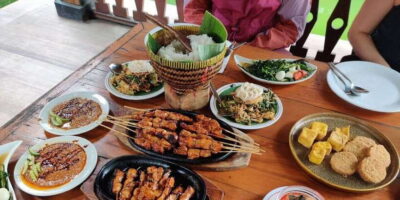
Volcano, Tea/Rice Fields, Hot Spring, Local Food
Read our review →
Active Volcano, Rice Field, Hot Spring, Fruit market, Tea Plantation with Lunch
Read our review →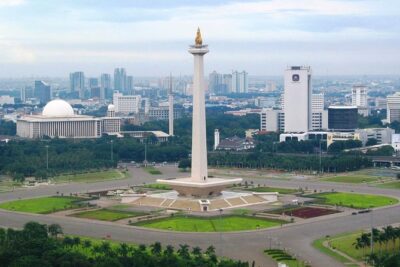
Private Full-Day Guided Tour: Explore Jakarta’s Top Highlights
Read our review →
Jakarta Half-Day Guided Tour with a Private Fun Local Host
Read our review →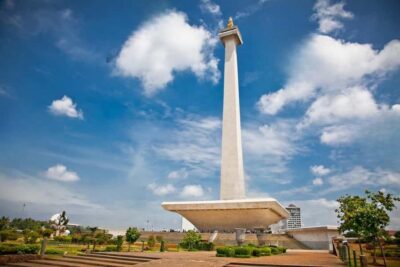
Jakarta Bogor Botanical Garden, Waterfall and Rice terrace, Lunch
Read our review →Browse the lists this tour appears in