
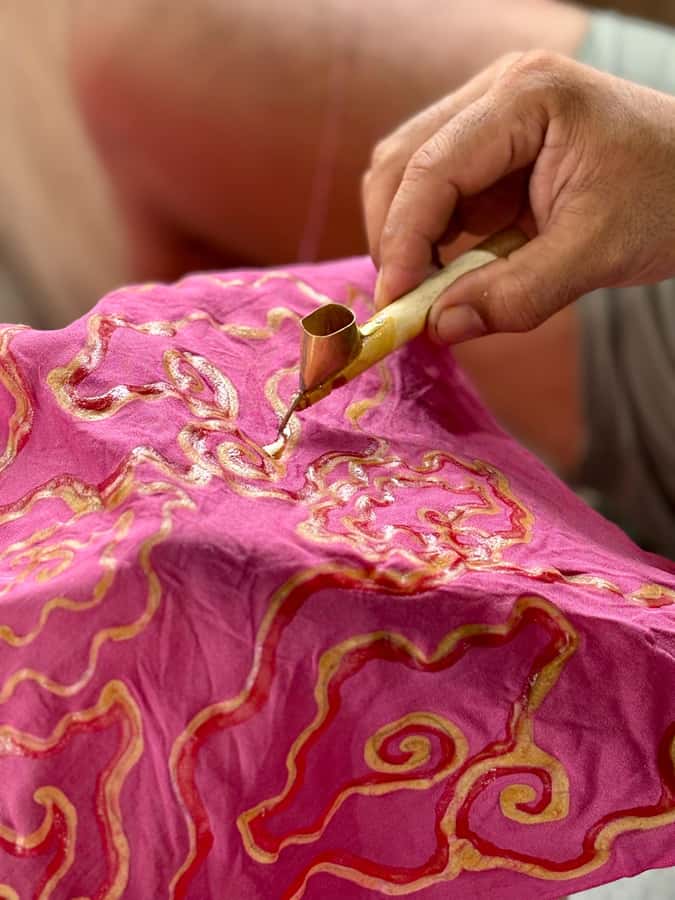
Reviewed · BATIK CLASSES
3 Hours Batik Making Classes in Ubud
Batik painting is one of the few Bali activities where you do real craft work, not just watch it. At Five Arts Studio in Keliki, you learn the wax-resist dyeing basics and leave with a finished batik on the cotton cloth they provide.
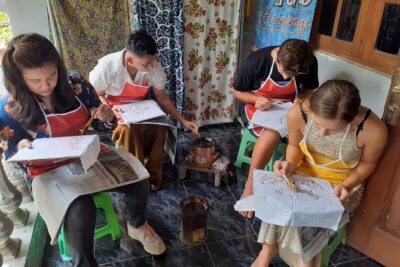
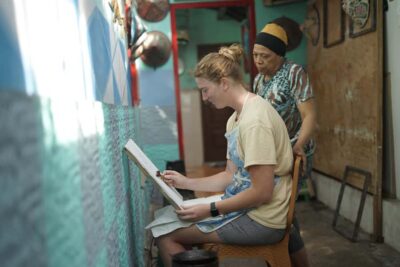
What I like most is the hands-on structure. You start with ready templates, trace your design, then apply hot wax and use colors to build your pattern. Another big plus is the calm, supportive feel, with instructors like Dika and Ajus (English guidance) giving step-by-step help so beginners can get confident fast.
The main drawback to consider is timing and stairs. It is a tight 3-hour window, and the meeting area involves going upstairs, plus there can be some steps around the studio, so plan carefully if mobility is an issue.
Key things that make this batik class worth your afternoon
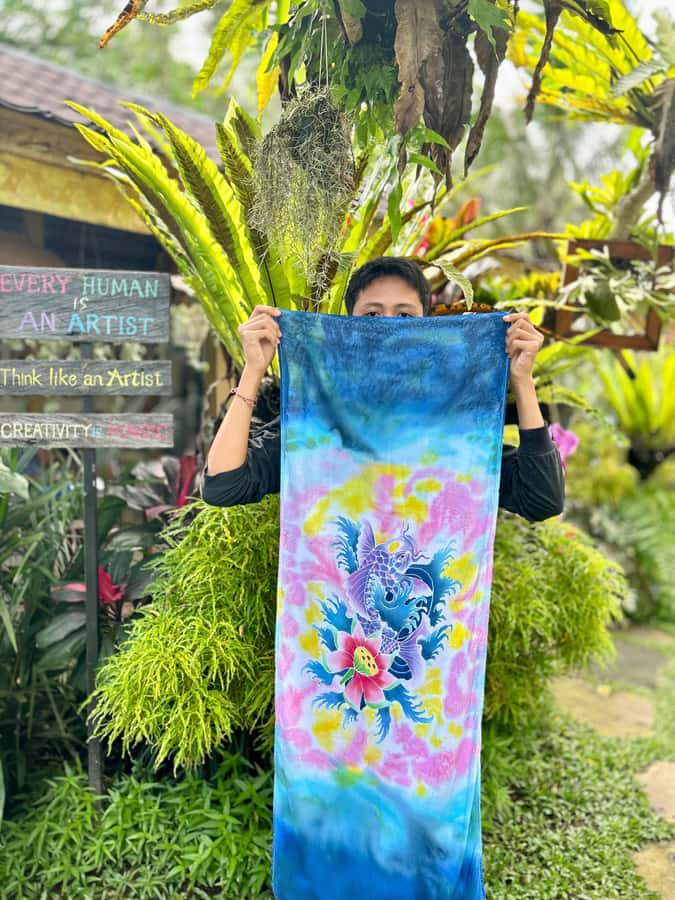
- Wax work that’s teachable, even if your hands shake a bit at first
- Templates you can trace, so you are not stuck drawing from scratch
- English instruction, with patient coaching from instructors like Dika and Ajus
- A peaceful creative setting, including open-air work areas and rice-field views
- Everything included for making, from cotton cloth to tools, plus snacks and drinks
- Time to finish, with some classes running a bit longer if you are still refining
Why a 3-hour batik class in Ubud is a smart Bali craft plan
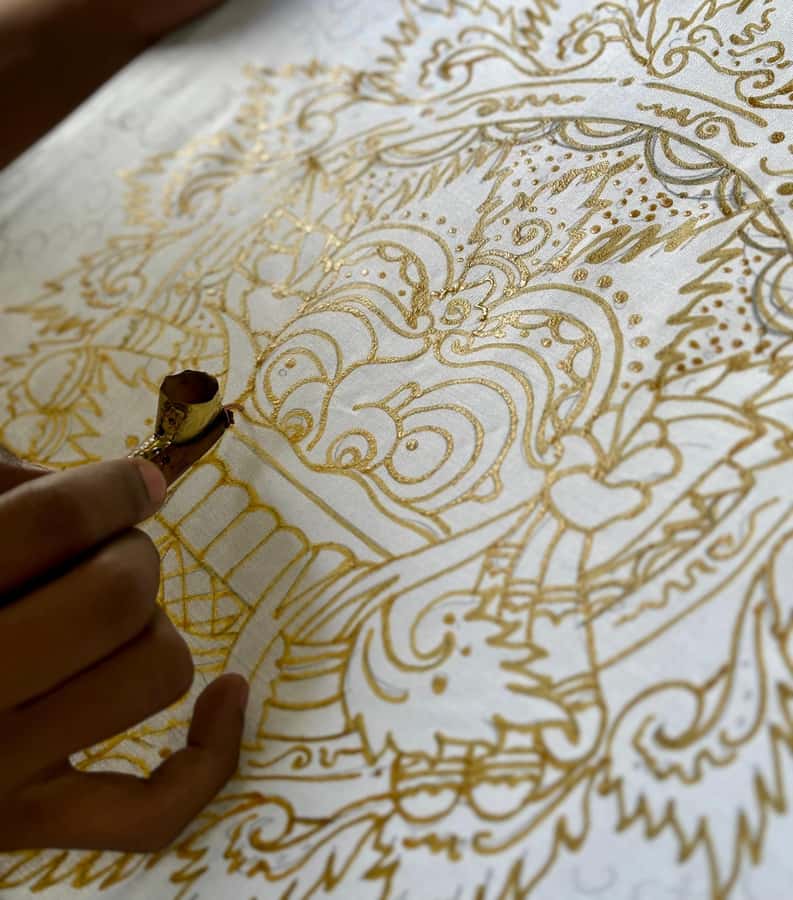
If you only have a short window in Ubud, batik is a great choice because you get both culture and a tangible souvenir. This class is built around the core batik method, wax-resist dyeing, where the wax protects parts of the fabric so color only goes where it is supposed to. In plain terms, it is a technique lesson you can actually see working in real time.
You also get a real skill you can respect later when you notice batik everywhere in Bali. After this, you start seeing the logic behind the lines and patterns, not just the finished look. And since the whole experience is about creating your own piece, you are not dependent on luck or style trends.
More Batik Classes in Ubud:
- Crafting Heritage Batik Painting Workshops
★ 5.0 · 164 reviews - Yogyakarta: 2-hour Batik Making Course with Souvenir
★ 4.9 · 304 reviews - Ubud: 3-Hour Batik Making Class
★ 4.7 · 178 reviews
Finding Five Arts Studio in Keliki, and what the workspace is like
Five Arts Studio sits in Keliki, in the cultural heart of the Ubud area. The meeting point is simple but specific: when you arrive, go upstairs in front of the house. The studio itself is about 50 meters into the yard behind the house.
Once you are there, the vibe feels relaxed and artsy. Multiple people describe the space as spacious and well organized, with an open-air feel. One review even calls out a courtyard atmosphere that sounds genuinely peaceful, like a creative break from busier Ubud streets. You might also be greeted with a welcome drink and snacks right away, which helps you settle in before you start working.
One practical note from reviews: the way up can involve higher steps. If you have any walking difficulties, treat that as a key planning point and consider asking for help when you arrive.
The class flow: templates, tracing, hot wax, then dye color

This is not a vague arts-and-crafts hour. You go step-by-step through the batik process, and the whole structure is beginner-friendly.
1) Choose a design template
Before you touch wax or dye, you typically pick from templates. Reviews mention there are multiple options, and even people who are not confident drawers felt reassured. If you like control, you can often choose a template that matches your style, then personalize details rather than starting from zero.
Something different for the next Ubud day:
- All-Inclusive Ubud Private Tour
★ 5.0 · 14,344 reviews - Best of Ubud Full-Day Tour with Jungle Swing
★ 5.0 · 8,571 reviews - Ubud: Monkey Forest, Jungle Swing, Rice Terrace, and Water Temple
★ 5.0 · 7,160 reviews - Ubud: Waterfalls, Water Temple & Rice Terraces Private Tour
★ 5.0 · 5,484 reviews
2) Trace your design onto cotton
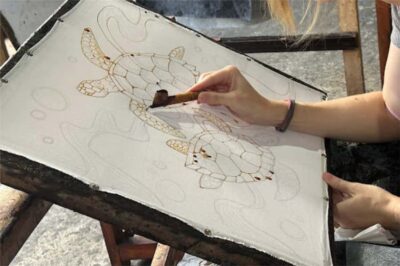
Once you choose, you trace the design onto the cotton cloth provided. This matters more than it sounds. Tracing sets you up to succeed with wax lines, because you are working from a clean guide instead of trying to freehand complicated patterns.
3) Apply hot wax for the resist lines
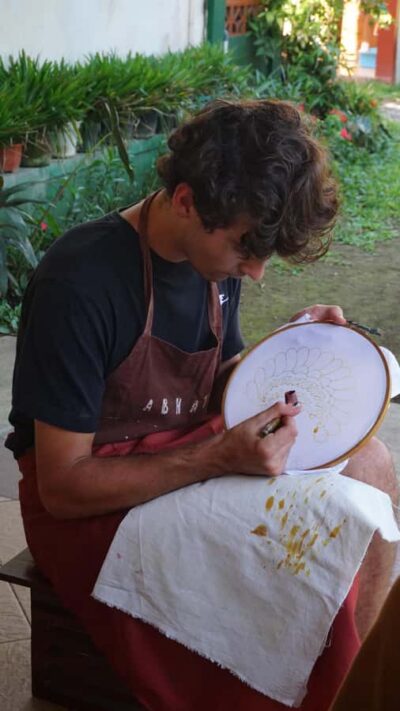
Next comes the part everyone talks about, applying hot wax. Expect this to feel tricky at first. Wax lines need steady pressure and consistent flow, and you are working carefully so you do not ruin the pattern.
The good news is the teachers stick with you. People describe instructors as patient and hands-on, even helping go over lines that may not be thick enough, and offering practical tips for coloring choices. Some classes also give extra time for drying or preparation steps, including small wait periods where the piece needs to set.
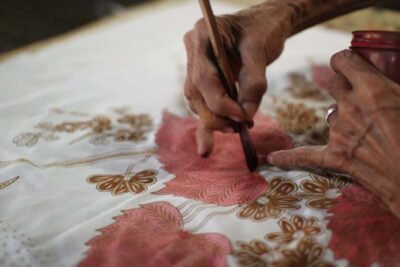
4) Color with dyes to reveal your pattern
After wax goes on, you use dyes to bring the design to life. This is where your choices really show. You can think of it like painting by numbers, but with wax acting as the “no-go” barrier for color.
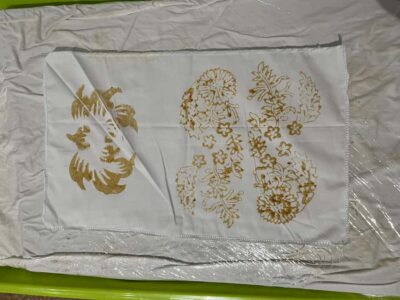
You will see the resist effect as color hits the open fabric and stays away where wax blocks it. That visual payoff is a big part of why batik feels so satisfying. It is also why this class works as a cultural activity, the technique is the culture.
What you actually take home, and why timing matters
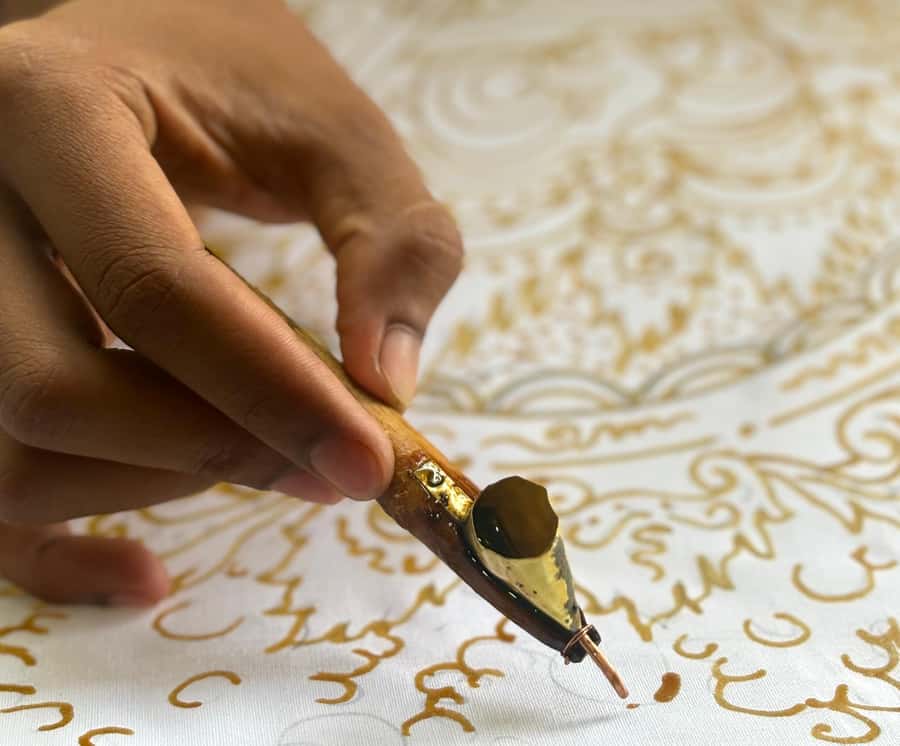
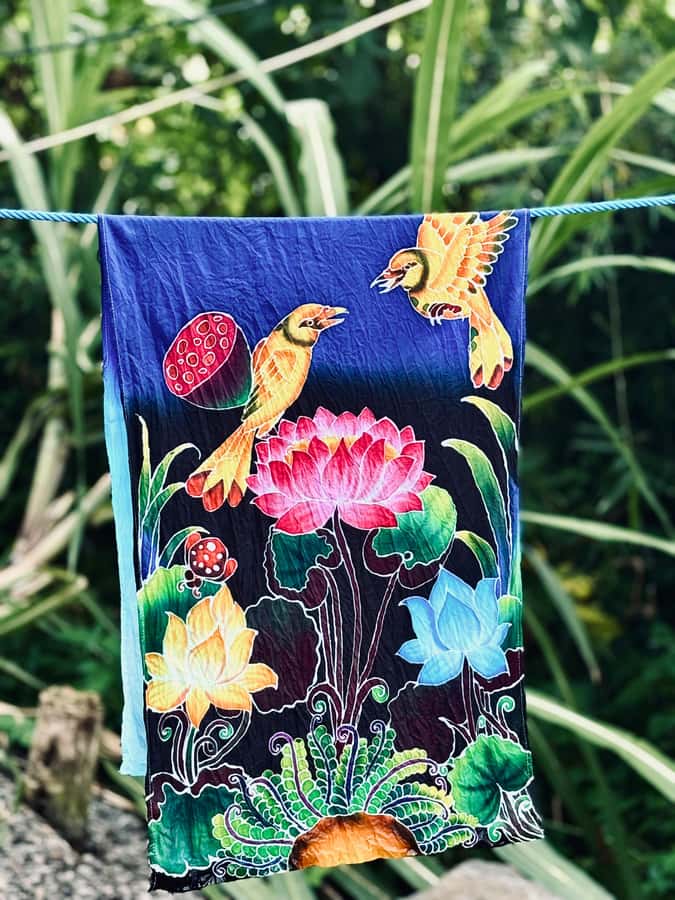
Your takeaway is your finished batik piece on the cotton cloth they provide. Many people describe leaving with wearable-looking results or wall-ready art, but the dependable part is that you leave with your own creation from start to finish.
Timing is the one area you should manage. The session is listed as 3 hours, and that is enough time to learn and produce a piece, especially with guidance. Still, batik has real stages that take time, including wax work and drying or preparation steps. One review even notes wax preparation can take about 10 to 20 minutes, like drying or cooking the wax process, which affects the clock.
The upside is that instructors often help with pacing. Reviews say you are not always rushed, and some people mention being allowed to stay a little longer to finish. If you are flying out soon, it is worth flagging that need, because one review mentions pieces being blow dried to help them be ready in time.
Price and value: is $26 fair for Ubud batik?
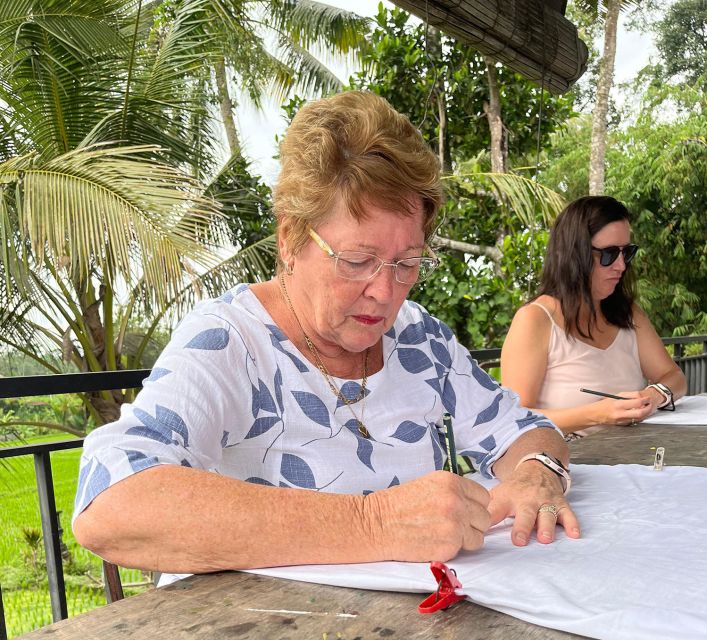
At $26 per person for a 3-hour class, this is one of the more straightforward values in Ubud for a craft-based experience. Here is what you get that supports the price:
- Food: Balinese snacks or cake
- Welcome drink: mineral water, tea, or coffee
- Cotton cloth
- All tools and materials
- Instructor guidance (English)
That mix is important. Many workshops make you pay extra for supplies or do not include instruction that actually helps. Here, you have the materials, the tool set, and the teaching support built into the price. You are not just buying a ticket, you are paying for the process to happen smoothly.
What is not included is transportation. Hotel pickup and drop-off is available for an additional charge. If you are already using taxis in Ubud, plan for that, especially because you are going to a specific studio location in Keliki.
Who should book this batik class, and who should skip it
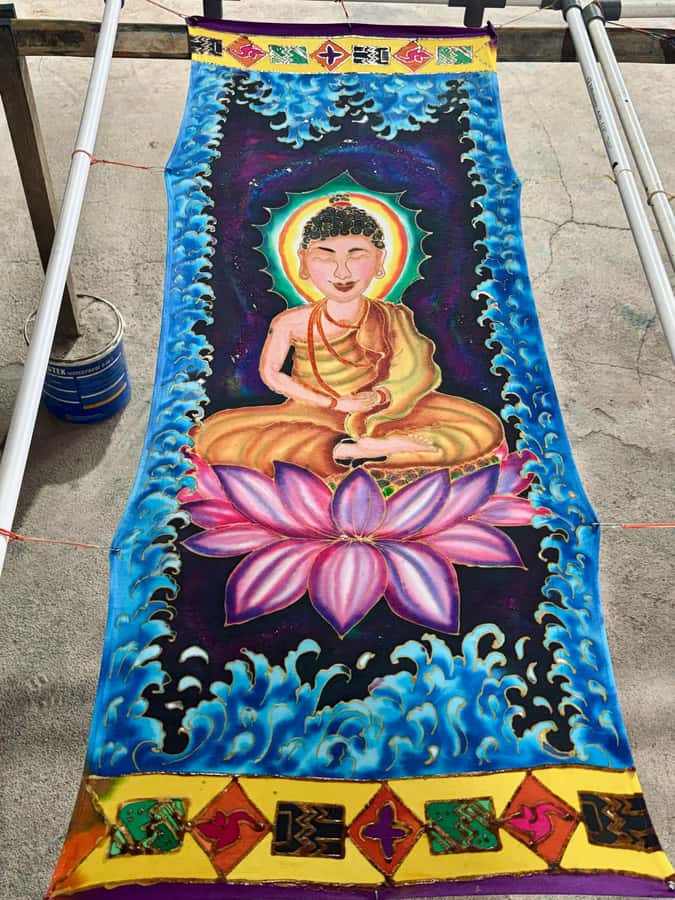
This batik class is a strong fit if you want a creative afternoon with structure, not a lecture. It is also a good choice if you are traveling solo, as the teachers are described as friendly and attentive throughout the steps.
It is especially ideal for beginners. Multiple reviews mention people were worried about design difficulty, then felt supported enough to create something they genuinely liked. If you enjoy hands-on making, this is a calm, practical way to spend time in Bali.
It may be less ideal if you need full wheelchair-free access or very minimal stairs. Reviews mention a high way up, so if you have mobility limits, ask in advance about the easiest route.
Also note the age rule: it is not suitable for children under 5.
Tips to get better results in your first batik workshop
You do not need prior experience. But you can improve your odds of a satisfying outcome with a few smart moves.
- Wear comfortable clothes: the workshop includes dyes and wax as part of the process, so you want something you can move in.
- Bring a camera: you can use it to capture the steps and your final piece.
- Bring cash and a credit card: the provided info asks for both, and some people mention there are additional artworks for sale in the studio area.
- Expect patience, then slow down: wax work needs steadiness. If you move too fast, it becomes harder to keep lines clean.
- Give yourself time to finish: if you are detail-focused, consider leaving a little buffer after the class, in case drying or finishing takes longer.
The human part: what instructors do that makes beginners succeed
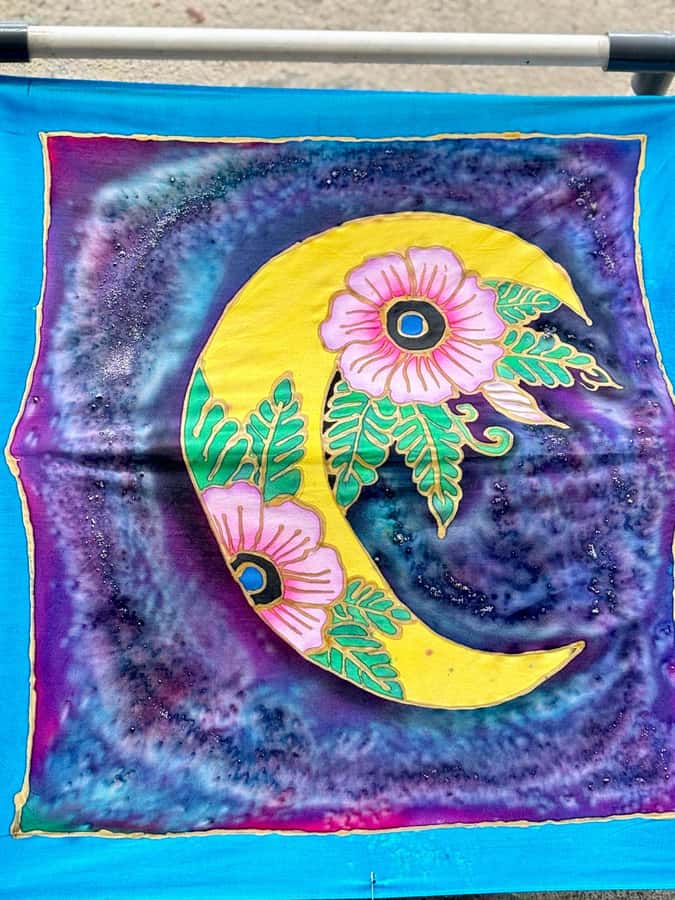
The highest praise across experiences here is not about having a fancy studio. It is about how the instructors guide you while still letting you make choices.
People describe clear explanations and step-by-step guidance. They also describe real help when mistakes happen, or when a line needs adjusting. One review specifically highlights that instructors can trace over parts that were not thick enough, which is exactly the kind of correction that helps you finish with confidence instead of frustration.
Many names show up in feedback, including Dika and Ajus as instructors, plus other staff mentioned like Agung, Kadak, Gusti, and also Tiari and Komang. That matters because it suggests more than one teacher is involved and you are not left alone with a set of instructions.
Should you book this batik class in Ubud?
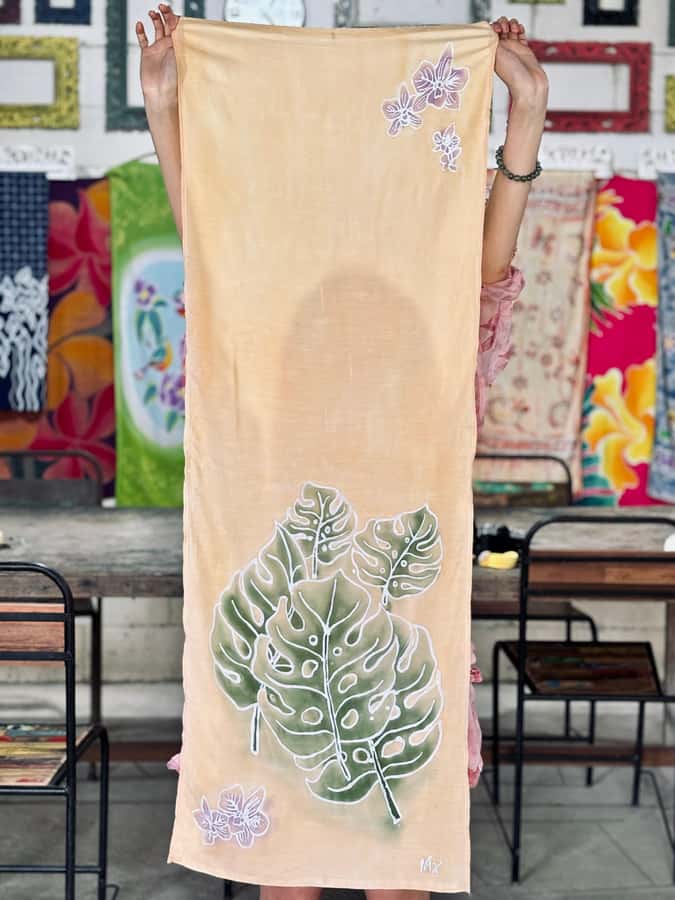
Book it if you want a hands-on Bali craft with clear teaching, you have a free afternoon, and you like the idea of learning wax-resist technique instead of just buying a finished souvenir. The value is strong for $26 because supplies, tools, snacks, and instructor coaching are included.
Skip or at least ask questions first if you are sensitive to stairs, you are on a very tight schedule, or you dislike anything involving careful, time-based making. Also remember the class is 3 hours, so if you want ultra intricate detail, give yourself breathing room.
If you want an authentic Ubud memory you can touch later, this batik workshop is a very practical pick.
Newest reviews out of Ubud
- Ubud Silver Class: Forge Your Personal Silver Keepsake★ 4.9 · 39 reviews
- Amazing Kuber ATV Quad Bike Experience in Bali and Tunnel★ 5.0 · 39 reviews
- Make Traditional Bali Coconut Oil with a Balinese Family★ 5.0 · 39 reviews
- Lempuyang Tour : Heaven gate, Tirta Gangga, Goa Raja waterfall★ 5.0 · 39 reviews
- Private Tour : Bromo Ijen Tour From Bali★ 5.0 · 39 reviews
- Bali Private Car Charter Tour with English Speaking Driver★ 5.0 · 39 reviews
- Ayung Rafting Ubud (Include Lunch & Return Transportation)★ 4.5 · 40 reviews
- Private Bali Tour: The Most Scenic Places★ 5.0 · 40 reviews
Batik Classes, compared.
Browse the lists this tour appears in