
Reviewed · UBUD TOURS
Exclusive Ubud Jewelry Making: Craft with a Pro Silversmith!
If you like the idea of taking home a real, wearable souvenir (not just a photo), this Ubud-area silversmith class is a fun, practical way to do it. You head to Celuk, a work-focused jewelry village, and you get time at the bench learning how makers actually shape silver.
What I like most is the small-group teaching style and the chance to learn the core techniques hands-on, including sawing, stamping, hammering, and soldering. A second big plus is the built-in value, you get 5 grams of silver and you leave with the piece you designed, plus photos and an e-certificate.
One consideration: the experience is not a blank check for fully custom jewelry. You choose what you’ll make (ring, earring, or pendant), and in some setups it can be limited to options shown by the workshop, so come with a clear idea of what you want to create.
Key highlights you should care about
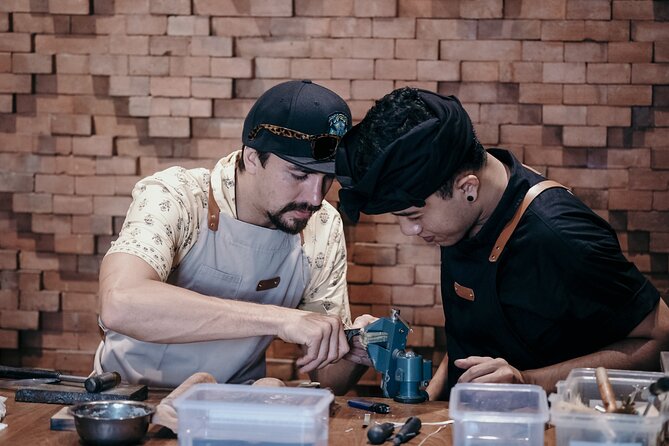
- Celuk silversmithing village practice, so you learn in the middle of the craft culture, not a staged studio
- Max 4 travelers per class, which means less watching and more doing
- Core silver techniques, including sawing, stamping, hammering, soldering, sanding, and polishing
- 5 grams of silver included for the class option described here, enough for a ring, pendant, or set of earrings
- Photos sent by email and an e-certificate, so you have more than just the metal in your hand
- SUNSRI museum and workshop tour, plus an IDR 50,000 shopping voucher to use at their gallery
Celuk silver jewelry class near Ubud: what you’re really signing up for
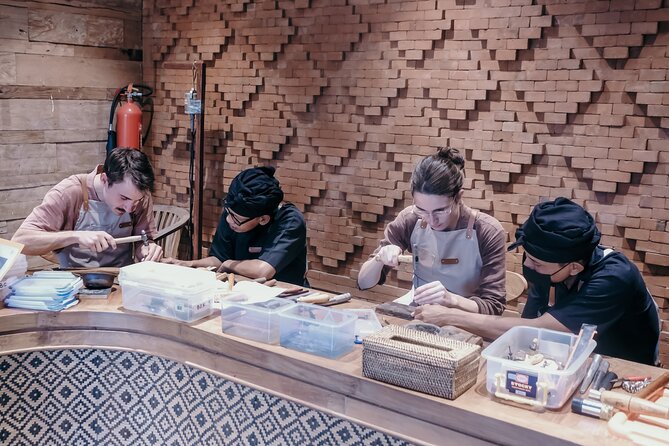
This is the kind of activity that feels simple on paper, then gets satisfying fast once you’re at the worktable. You travel from the Ubud area to Celuk, a jewelry-making district where silver work is a normal part of everyday life. That matters because it sets the tone. You’re not just doing a craft project, you’re learning a traditional trade workflow in a place built around it.
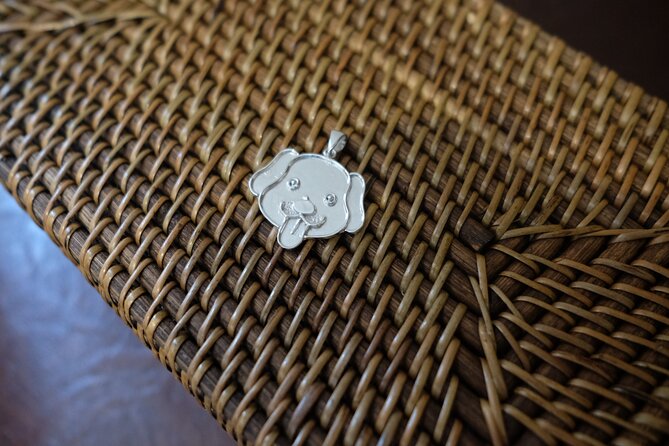
The program is built around making your own piece. After you learn the basics and practice the steps, you choose what to craft, either a ring, earrings, or a pendant. The goal is clear: produce something you can take home immediately, not just samples you outgrow in an hour.
If you’re thinking about jewelry as a business idea, this is also a credible starting point. You’ll get tips and practical know-how that connect tools to results, like how stamping and hammering affect the metal, and how soldering fits into assembling a finished look.
Booked alongside this on Ubud itineraries:
- All-Inclusive Ubud Private Tour
★ 5.0 · 14,344 reviews - Best of Ubud Full-Day Tour with Jungle Swing
★ 5.0 · 8,571 reviews - Ubud: Monkey Forest, Jungle Swing, Rice Terrace, and Water Temple
★ 5.0 · 7,160 reviews
Price and class length: is $40 a good deal for 3 hours?
At $40 per person, this class is priced to feel accessible, especially because it includes silver for the session. The listing states the 3-hour class includes five grams of silver, and that amount is typically enough for a ring, a pendant, or a set of earrings. For many Bali souvenirs, you pay for the name, the shop, or the look. Here you pay for time, instruction, and material you will physically transform.
A second value point is the photos and e-certificate included. If you care about documenting your trip in a meaningful way, this is one of the better “hands-on” options because you’ll have visuals of the process, not just the final product.
Two budget notes to keep your planning honest:
- Extra silver costs 50,000 IDR per gram, so if you want a larger or more detailed piece than what the included silver supports, you’ll likely spend more.
- The program does not include transportation, so you’ll want to factor in a taxi or driver from Ubud.
The class is also limited in total size, which helps keep the teaching focused. The activity has a maximum of 17 travelers, and your actual hands-on group is much smaller.
4-person class limits: why this setup feels different
The standout detail here is the maximum of four travelers in the class. That’s the difference between a craft class where you mostly observe and one where you’re repeatedly guided through technique. When the group is tiny, your instructor can correct your grip, timing, and metal handling without you waiting your turn.
In my view, this is exactly what you want for metalwork. Silver techniques are not hard in a theoretical way, but they are very sensitive to small mistakes. A solder joint, for example, can look fine from far away yet fail during daily wear if it isn’t done cleanly. The small-group approach gives you a better shot at getting it right the first time.
You also get what feels like real presence from the team. In at least one session, a host named Mirah stayed with the group and supported interpretation throughout, which helped make the experience feel more like mentoring than a quick sales pitch. Even when you’re just starting out, that kind of attention changes how confident you feel at the bench.
The hands-on techniques: what you’ll do with the tools
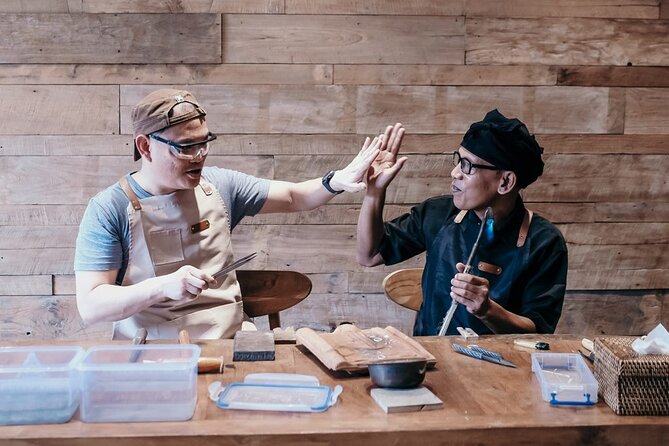
This class is structured around building familiarity fast, then practicing until you can control the process. You’ll learn and practice:
- Tool usage for silver jewelry making
- Sawing, to cut and shape
- Stamping, to add pattern or detail
- Hammering, to form and refine
- Soldering, to join parts
- Sanding and polishing, to finish
The big value is not just the list of tools. It’s the cause-and-effect learning. You start to see how each technique changes the metal surface and structure. That’s why this experience works even if you have no prior craft experience.
One more practical point: metalwork is slow when you’re learning and fast once you understand the steps. With a class built around fundamentals, you’re learning enough to make a real piece without spending a full day on repetitive practice.
Something different for the next Ubud day:
- Ubud: Waterfalls, Water Temple & Rice Terraces Private Tour
★ 5.0 · 5,484 reviews - Ubud: All-Inclusive Tour with Optional Lunch
★ 4.9 · 5,438 reviews - Ubud: Guided ATV Quad Bike Jungle Adventure with Lunch
★ 4.8 · 4,881 reviews - Best of Ubud 1-Day Private Tour
★ 5.0 · 4,451 reviews
Choosing your piece: ring, earrings, or pendant

You do not just show up and improvise. The program includes a choice point after the learning phase: you’ll have the option to craft either a ring, earring, or pendant. For first-timers, that’s a smart approach because it narrows decisions while still letting you leave with something wearable and personal.
That said, there can be limits. Some participants found that the workshop selection can feel more like choosing from presented options than designing from scratch with unlimited freedom. If you’re picky about design, bring a simple concept in your head, like a clean ring shape, a pendant with a specific style of detail, or matching earrings.
Also pay attention to scale. With the included silver amount, your final design needs to fit the material you’re given. If you want something thicker, larger, or more complex, the “extra silver” option becomes relevant.
SUNSRI House of Jewelry in Celuk: what happens at the stop
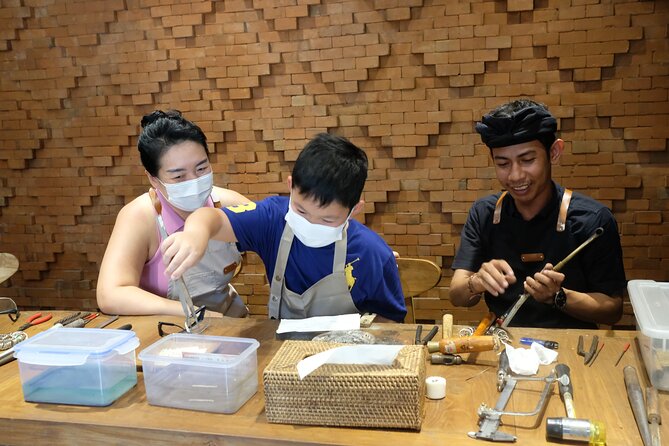
Your start and the main meeting point is at SUNSRI House of Jewelry on Jl. Raya Celuk in Celuk, near the Ubud area. From there, the experience moves into the making portion and then into the cultural add-on.
You’ll receive a welcome drink and mineral water during the session. Those little touches matter when you’re spending a chunk of time focused on fine motor work.
The stop at SUNSRI is not only a venue. It also ties your lesson to a real jewelry-making workflow. You’re invited to join a guided tour that explores local museums and workshops, so you can see how artisans work beyond the tools in your own hands.
And yes, there’s a shopping element, but it’s tied to the experience. You’ll get a shopping voucher IDR 50,000 per person for use at the SUNSRI gallery. That can be a nice “soft landing” if you fall in love with a style you can’t realistically recreate during the class.
Museum and workshop tour after class: why it’s more than a bonus
After you finish crafting, you can join a guided tour focused on local museums and workshops. This adds context. Without it, you might see your piece and feel proud, but you wouldn’t fully understand the larger ecosystem of the craft.
With the tour, you get a chance to witness the intricate jewelry-making process by local artisans. The helpful part is the comparison. Once you’ve soldered, stamped, sanded, and polished on a small scale, you’ll start noticing how pros plan their steps and manage precision.
This is also where the experience becomes less like a one-off souvenir stop and more like a mini education. If you’re someone who likes to understand how things are made, this guided component can be the difference between a fun afternoon and a memorable one.
Take-home results: what you get when you leave

The aim is to leave with a completed piece you can take home right away. That is huge. Many classes end with a promise that your item will be finished later. Here, the goal is immediate output.
You also get:
- Documentation during class activity, sent via email
- Photos of your experience
- An e-certificate
That mix matters because it captures both ends of the story. You leave with the physical jewelry and you keep a digital record of how the process looked, which is great for gifts, bragging to friends back home, or just remembering what you did on what day.
Who should book this: couples, families, and first-timers
This activity is designed for broad participation. The program notes that most travelers can participate, and kids under 13 must be accompanied by an adult.
It’s especially well-suited for:
- Couples who want meaningful matching items, including wedding ring style pieces
- Families, since the class format stays organized even when people are learning from scratch
- First-time metalwork fans who want a hands-on introduction rather than watching someone else work for hours
If you’re booking for a couple, plan for a shared moment. Working on small details side-by-side tends to create the kind of calm teamwork that feels different from typical Bali day tours.
If you’re bringing family members, it helps that the class is limited and instruction is personalized. That makes it easier for adults to support kids who need more direct guidance during metal handling and finishing steps.
Transportation and timing: how to make the day work from Ubud
The class ends back at the meeting point, so it’s a neat half-day block in your schedule. The tour summary lists duration as about 3 hours.
Transportation is not included. That means you’ll want to arrange your own taxi or driver from Ubud or wherever you’re staying. If you’re building a day around other Ubud activities, this is one of the easier experiences to slot in because the start and end point are the same.
One practical tip: arrive a few minutes early. Metalwork classes move on tool time, not just clock time, and you’ll get more value if you’re settled before the session ramps up.
Extra silver and budgeting: how to avoid surprises
The included silver amount is a big part of the deal. For the 3-hour class option described, the included material is 5 grams. The program also describes other silver quantities tied to longer formats, including higher gram amounts for longer classes.
If you think you might want to go bigger or add more detail, budget for the option to purchase additional silver at 50,000 IDR per gram. The smartest move is to decide early, once you understand what your included silver can actually support.
Also remember: you’re not buying a finished piece. You’re paying for a guided making session and a material allowance. If you treat it like a craft workshop with a souvenir attached, you’ll feel satisfied. If you expect unlimited customization and unlimited material, you might feel constrained.
What to do before you go: bring the right mindset, not just a phone
This is one of those classes where preparation is about clarity, not gear. You’ll be focused on techniques like sawing, stamping, hammering, and soldering, then sanding and polishing. That means your best “prep” is having a simple plan for the item you want to make and the look you want it to have.
A few helpful habits:
- Have a clear idea of whether you want a ring, pendant, or earrings
- Think about finish goals, like a smoother polished look versus a more textured stamped style
- Keep expectations realistic for the included silver amount
If you’re the type who likes to watch and then ask questions, this class still rewards you. With small group size, your instructor can explain what you missed, and you can adjust before you move to the next technique.
Should you book? My honest take on the 3-hour Celuk silver class
Book it if you want a Bali souvenir that you helped create, and you value instruction with real attention. The 4-person class size and the hands-on sequence through key techniques are the main reasons to choose this. If you’re coming as a couple, it also offers a natural path to meaningful rings or matching styles.
Skip or reconsider if you need total creative freedom. The workshop may guide you through choices that feel structured, and the included silver quantity will shape what your final piece can be. If you want a deeper, more advanced approach, the program recommends a full-day option for advanced techniques.
One more reason to book now: the experience is popular and is typically booked about 15 days in advance on average. If you’re visiting during a busy season or traveling with a small window of free time, reserving earlier keeps your options open.
FAQ
How long is the jewelry making class?
The class is about 3 hours.
Where does the class start?
The meeting point is SUNSRI House of Jewelry, Jl. Raya Celuk, Celuk, Kec. Sukawati, Kabupaten Gianyar, Bali 80582, Indonesia. The activity ends back at the meeting point.
What is the price per person?
The price is $40.00 per person.
What’s included in the class?
Included items are welcome drink, mineral water, e-certificate, documentation sent via email, and museum and factory tours, plus a shopping voucher IDR 50,000 per person for a transaction at the SUNSRI gallery.
How much silver do I get to use?
The class option described includes 5 grams of silver, and the program also lists silver amounts for other time options (6g, 7g, and 14g). Extra silver can be added for 50.000 IDR per gram.
What jewelry can I make in the class?
After learning the techniques, you can craft a ring, earring, or pendant.
How many people are in the class?
The class is limited to four travelers for personalized attention. The overall activity has a maximum of 17 travelers.
Is transportation included?
No, transportation is not included.
Are children allowed?
Children under 13 must be accompanied by an adult. The program notes that most travelers can participate.
What if I need to cancel?
Free cancellation is available up to 24 hours in advance for a full refund, based on local time. If you cancel less than 24 hours before, the amount paid is not refunded.
Newest reviews out of Ubud
- Bali: ATV Rafting Zipline Swing &Sky Bike in Ubud Rice Field★ 4.7 · 12 reviews
- Royal Family Temple, Monkey Forest, and Tanah Lot Sunset Tour★ 5.0 · 12 reviews
- Ubud VW Safari Bali Tour★ 4.6 · 12 reviews
- Ubud rice terrace, waterfall, and temple guided trip Bali★ 5.0 · 12 reviews
- The Popular Of Ubud Private Day Tour★ 5.0 · 12 reviews
- Best Of Ubud Highlights Private Tour★ 5.0 · 12 reviews
- Bali Quad bike ATV passing through Waterfall, Cave & Rice fields★ 5.0 · 12 reviews
- Best of Ubud – Kintamani Volcano View – Private Tour★ 5.0 · 12 reviews
Ubud Tours, compared.



Monkey Forest, Jungle Swing, Rice Terrace, and Water Temple
Read our review →
Waterfalls, Water Temple & Rice Terraces Private Tour
Read our review →

Guided ATV Quad Bike Jungle Adventure with Lunch
Read our review →