
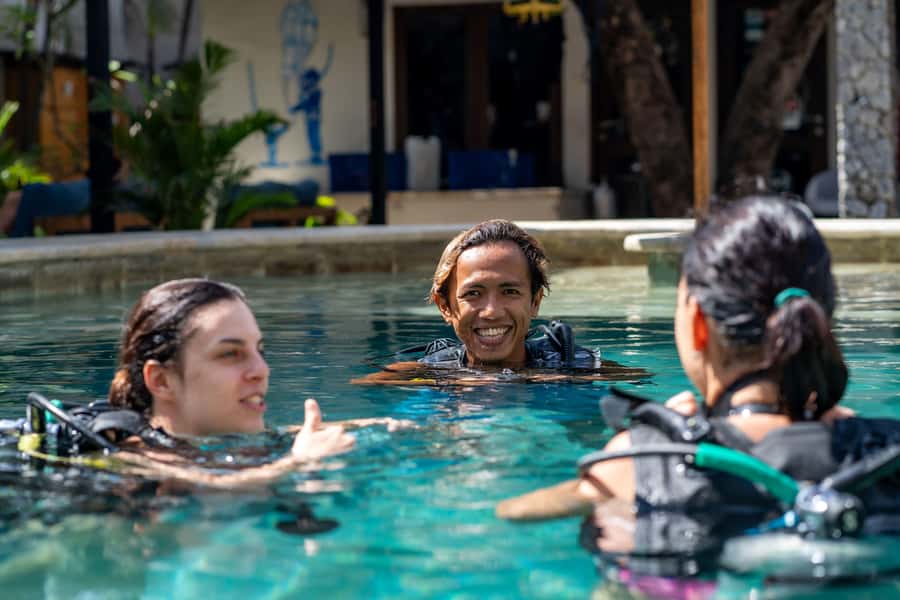
Reviewed · GILI ISLANDS
Manta Dive Gili Trawangan: Discover Scuba Diving
Trying scuba in the Gili Islands is interesting because you go from dry-land basics to actual sea life fast, and you do it with a plan. This intro scuba program is built for first-timers, with pool training and a structured safety rhythm before you head out.
I really like the way this experience focuses on comfort and control. You get a small group format and clear guidance that helps nervous first-timers settle in quickly.
One possible drawback: it is not for everyone. If you are not a confident swimmer, pregnant, have pre-existing medical conditions, or you show up sick with a cold, you will need to skip this one.
Key highlights worth your attention
- Beginner to ocean: pool practice first, then an ocean session at about 12 meters for first-timers
- Small group support: limited to 4 participants, with close instructor attention
- Real wildlife chances: turtles, sharks, clownfish, cuttlefish, moray eels, and stingrays are all on the lookout list
- Equipment and wetsuit included: no need to source gear on your own
- Marine park fee on site: plan for an additional Rp150,000 payment per person
- Guides with calm instruction: instructors are described as patient and safety-first, including named examples like Eli and Daniel
Why Gili Trawangan is a smart first-time intro scuba choice
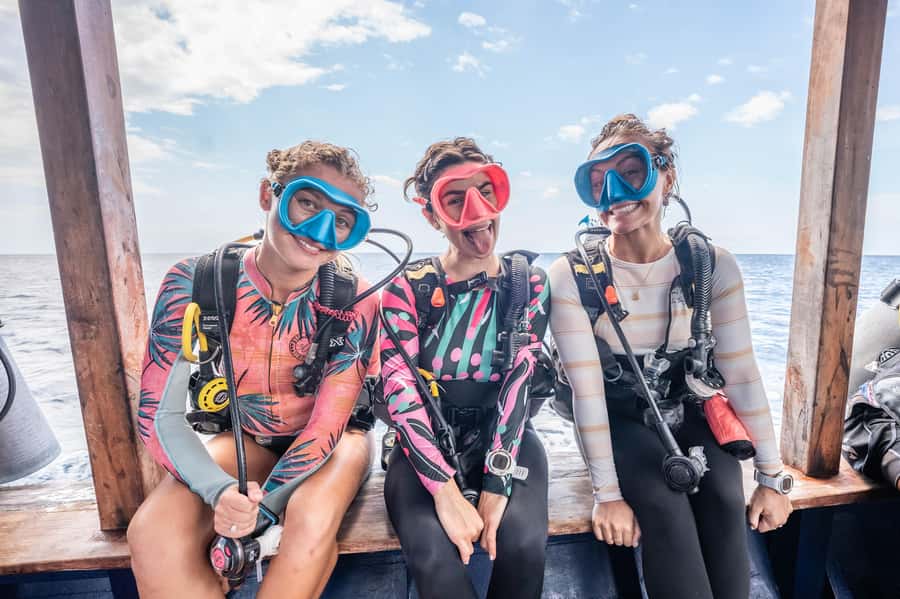
Gili Trawangan is one of those places where the water does a lot of the work for you. In a single half-day you can go from learning how everything fits to looking for sea creatures in the open water. You are not expected to be a seasoned swimmer or a technical scuba person. You are expected to listen, follow instructions, and build confidence step by step.
The best reason to choose an intro program here is simple: you get a clear pathway. Instead of throwing you straight into the sea, you learn the basics, practice the key skills in a pool, and then apply it under an instructor’s watch. That flow matters because your first underwater moments feel less random and more like a lesson with a payoff.
It also helps that the expected wildlife is exactly what most first-timers hope to see. You are set up to look for turtles, sharks, and colorful reef fish like clownfish, plus animals such as cuttlefish, moray eels, and stingrays. Even if you do not spot every type, the goal is a varied mix, not just a quick look at a plain wall.
More manta snorkel spots:
- ️Nusa Penida by Private Boat – Snorkeling 4 spots, Swim with Mantas + Land Tour
★ 5.0 · 6,424 reviews - Bali: Swim with Manta Rays in Penida, Optional Lunch & Kayak
★ 4.3 · 2,401 reviews - Nusa Penida day trip: boat, 4 snorkeling, Manta rays & Land tour
★ 5.0 · 2,033 reviews
Getting ready at the meeting point and what to bring
When you arrive by boat, you disembark at the main pier. The training center is about 200 meters on foot, turn right as you exit the pier, then look for the place down the road.
You will want to travel light. The big items to bring are what keep you comfortable and safe:
- Swimwear and a towel (not included)
- A biodegradable sunscreen option
- Your medical statement (you will fill this out on arrival)
- Travel insurance
- Travel clothing that dries fast, since meals are not included
You also need to show up ready for water. This isn’t a casual beach stroll. You will get a wetsuit, but you still need swimwear that works with a wetsuit and lets you move.
A small but important mindset tip: if you are even slightly unsure about swimming, treat this as a “confidence check.” The program requires basic swimming ability. If you feel shaky in open water on the surface, you will likely feel more stressed underwater. Choose calm and competence over bravado.
The 5-hour flow: class, pool practice, then the ocean session
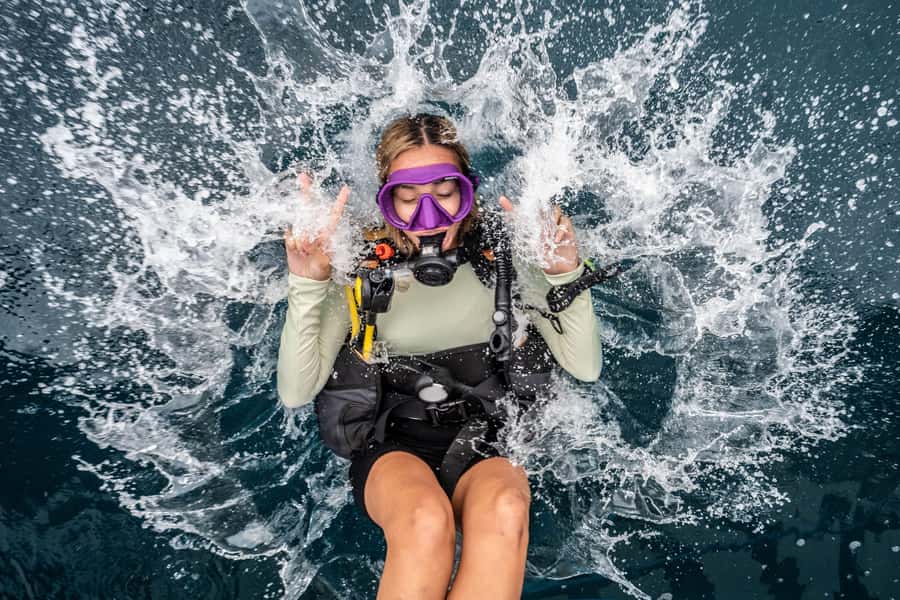
This whole experience is about 5 hours, but it does not feel like one long lecture. The time is broken into training blocks that build your comfort.
Here is the rhythm you should expect:
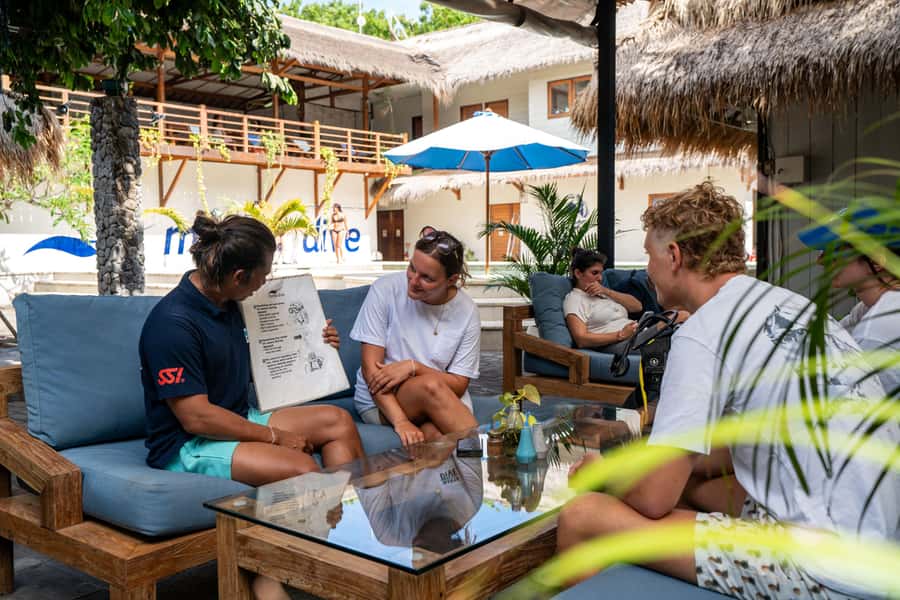
1) Class and safety briefing (about 1 hour): This is where the instructor gets you started with essential scuba basics and your safety rules. Think of it as learning how the system behaves, not memorizing jargon.
2) Class for scuba fundamentals (about 1 hour): You get more hands-on understanding of how gear works and what you should do during the session.
3) Safety briefing (about 30 minutes): Before the ocean session, they tighten everything up. This is when you ask last-second questions, confirm signals, and get a final refresher.
4) Ocean session (about 1.5 hours): You go to around 12 meters with your instructor and practice what you learned.
5) Water transport (about 15 minutes): Boat time connects the training center area to the dive area.
Two things I like about this structure. First, the pool practice is not skipped, so your first minutes in the ocean are not your first time using the gear. Second, the safety briefing happens twice, once at the start and once right before the sea portion. That reduces the chance that you forget rules while you are excited.
If you are anxious, you will probably appreciate how instructors in real settings stay calm and patient. People have specifically credited instructors like Eli for clear explanations and for placing safety first, and Daniel for helping first-timers feel comfortable.
Pool practice: where first-timers get their bearings
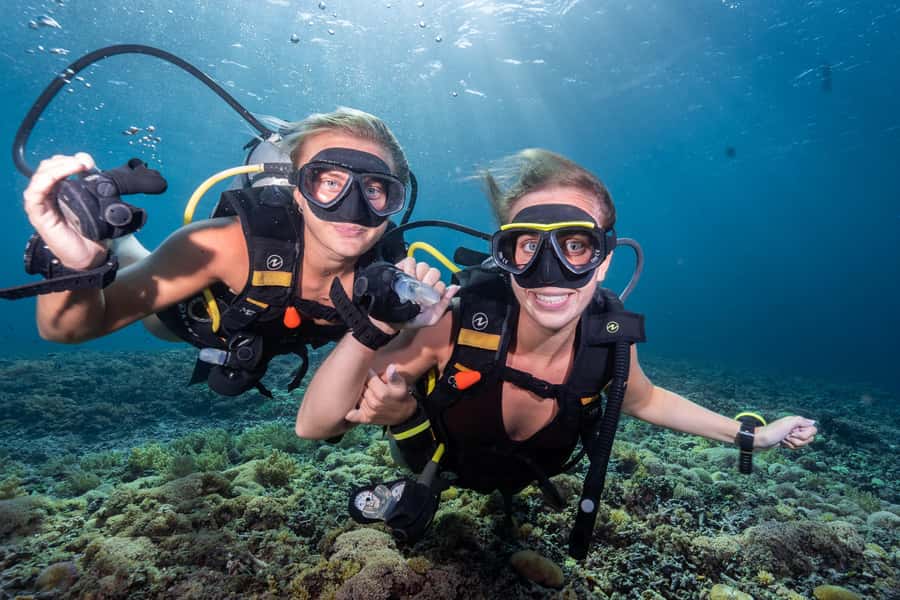
The pool session is the confidence builder. You get time to learn basic skills, test buoyancy basics, and understand how it feels to move while wearing a wetsuit and scuba gear. This matters because underwater breathing changes how you move and how long you can hold your focus.
One review-style detail that lines up with what you should expect: training is structured and you should receive close attention. Some first-timers report a guide ratio that feels like you get help for about every two participants during practice. The key takeaway for you is that this is not a “good luck” situation. If you ask questions in the pool, you are more likely to get corrections right away.
Your goal in the pool is not to look cool. Your goal is to:
- Feel comfortable with equipment placement
- Practice basic movements and breathing rhythm
- Learn how to stay calm when something feels unfamiliar
If you go into the pool session tense, take a breath and remember that the whole point is learning. By the time you hit the ocean, your confidence should be noticeably higher.
Also, do yourself a favor and bring a mindset for water comfort. You are required to be able to swim. If you can swim but you are uncomfortable with breath control, let the instructor know early.
More Gili trips:
- Gili Islands: Private or Shared Snorkeling Boat Trip
★ 4.8 · 3,989 reviews - From Gili Trawangan: Gili Islands Snorkeling Boat Tour
★ 4.7 · 2,861 reviews - From Gili Air: Snorkeling with Turtles & Underwater Statue
★ 4.8 · 646 reviews - Gili Trawangan: Gili Islands Sunset Boat Tour and Snorkeling
★ 4.7 · 480 reviews
The ocean session at about 12 meters, plus the marine life you’ll try to spot
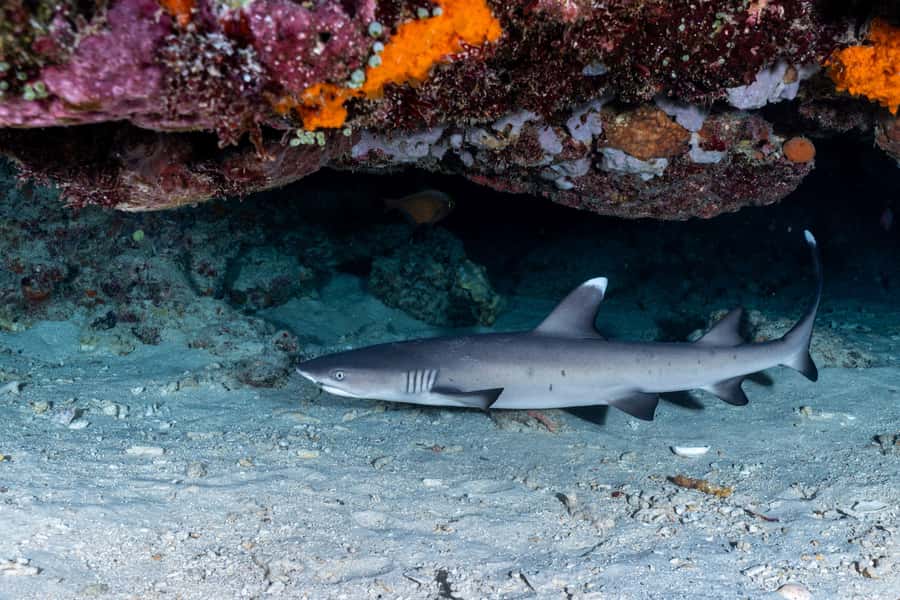
The ocean part is where the whole program becomes unforgettable. You go out with your instructor and carry out your intro skills in open water to around 12 meters.
The wildlife lookout list is a big deal for value because it’s not just about the act of scuba. Your guide is aiming for a variety of sea life, including:
- Turtles
- Sharks (they may be present, not guaranteed)
- Clownfish
- Cuttlefish
- Moray eels
- Stingrays
You should also expect what most first-timers feel: the first view of the underwater world is a mental reset. Your view changes, colors shift, and movement becomes slower. If you have anxiety before you start, the ocean session can calm you down once you trust the routine and your instructor’s safety checks.
Safety is not treated like an afterthought here. People have described instructors as patient and safety-first, with calm explanations and steady support. That matters because the most common first-time issue is panic, not physics. Panic makes everything harder. The training format reduces panic by controlling your learning sequence.
One practical consideration: you are not there to touch anything. The rules are clear, touching marine life or plants is not allowed, and you should avoid handling anything you see. If you keep your hands to yourself, you protect both sea life and your own experience.
Group size and instructor support: how you get the personal feel
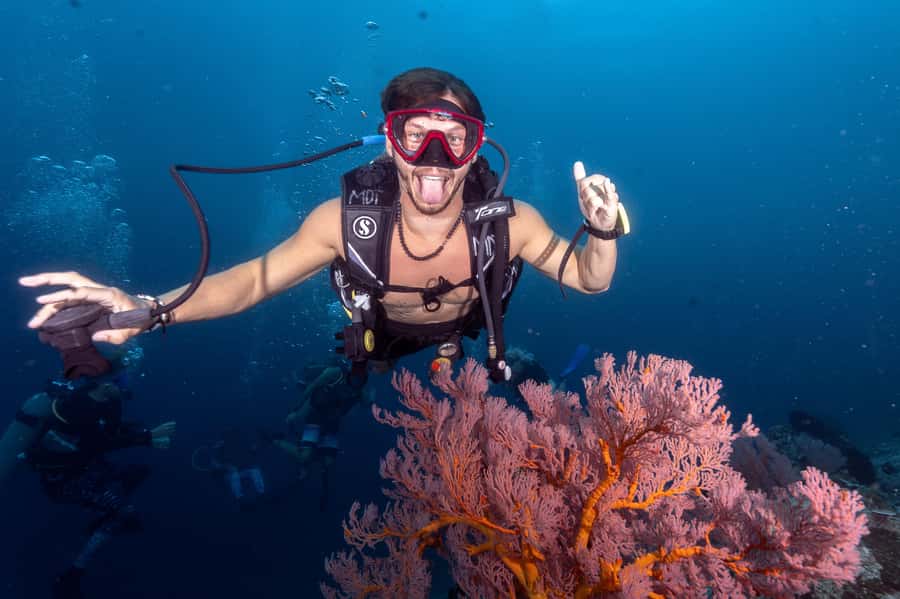
This is a small group experience, limited to 4 participants. That number matters because it affects attention. A smaller group means:
- More time for questions
- Faster feedback on what you are doing
- Less pressure to “keep up” when you are learning something new
English is always available. Other language options can be arranged depending on what the dive shop has available, including Spanish, Russian, German, French, Bahasa Indonesia, Catalan, Hungarian, Finnish, and Swedish.
If you want the easiest learning, pick the language you feel most comfortable speaking. Even if you understand English, you will relax more if your questions are answered in a language you trust.
Also, the instructor is described as certified and professional. That is the right kind of detail for this type of activity. With a first-timer program, you are buying guidance quality, not just equipment.
If you are the type who likes reassurance, look for instructors known for being calm and clear. Named examples like Eli and Daniel show up in feedback for being supportive, patient, and focused on safety.
Price, equipment value, and the marine park fee you pay on site
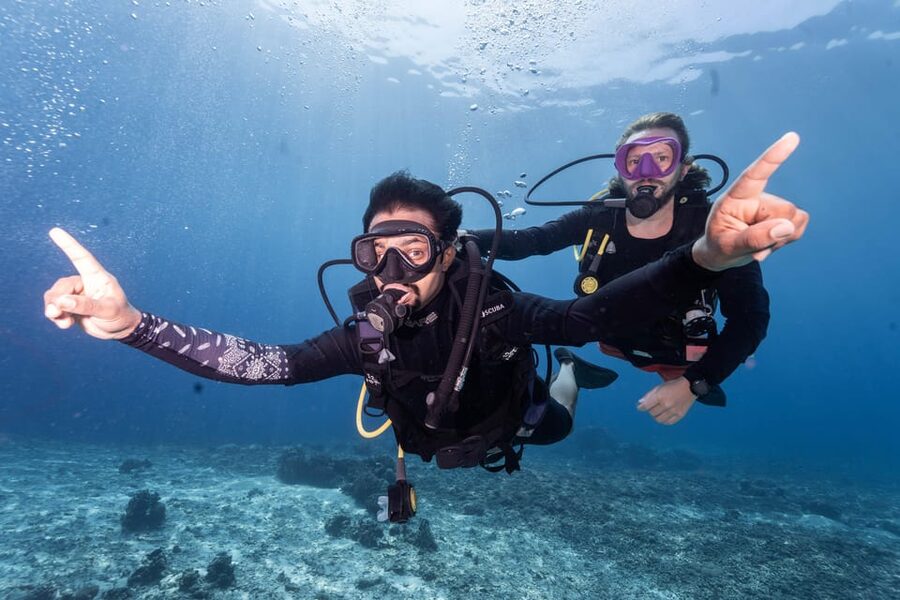
The listed price is $96 per person, and it includes a lot of the stuff that often makes beginner water activities expensive in practice. You get:
- A certified professional instructor
- 1 pool session and 1 ocean session
- All equipment rental
- A boat and scuba instructor support
- A wetsuit
That is meaningful value because scuba gear and wetsuits are not cheap to rent, and boat support is usually a separate cost.
What is not included:
- Towel and swimwear
- Meals and beverages
- Hotel pickup and drop-off
- Accommodation
- Insurance
Then there is the marine park fee, which you pay on site: Rp150,000 per person. It is made of an obligatory entrance fee of Rp100,000 and a donation of Rp50,000 to the Gili Eco Trust.
When you look at the full cost, do not just compare the $96 tag. Add the Rp150,000 and plan for your basics like meals on either end. Still, for a first-time scuba program with pool training plus an ocean session, the included gear and instructor time are the reason it feels like a fair deal.
One more value tip: if there is a photo option available, it can be worth considering. People describe a professional photographer add-on as taking extra time at around 12 meters and delivering photos quickly. That can turn a one-time experience into something you can actually share.
Who should book this, and who should skip it
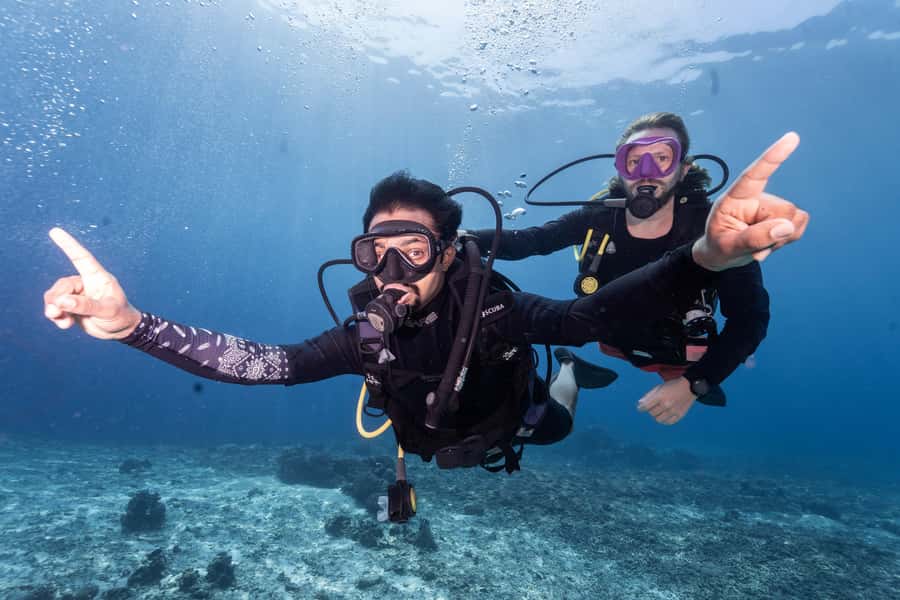
This program is suitable for age 10 and older. It is designed for beginners who have basic swimming skills.
It is not suitable for:
- Children under 10
- Pregnant women
- Non-swimmers
- People with a cold
- People with pre-existing medical conditions
You will fill out a medical statement on arrival, and if you have any pre-existing conditions, you should contact the dive shop before booking.
Who this fits best:
- You want your first real underwater experience with a structured beginner program
- You prefer small-group attention, not a crowded schedule
- You are excited about seeing turtles and reef fish, and you like the idea of learning with safety in mind
Who might feel disappointed:
- If you want a long, advanced training session, this is only an intro format with a single ocean outing.
- If you are expecting unlimited time to explore freely, you will not get that. This is coaching and practice, with wildlife sightings as the reward.
My booking advice for first-timers on Gili Trawangan
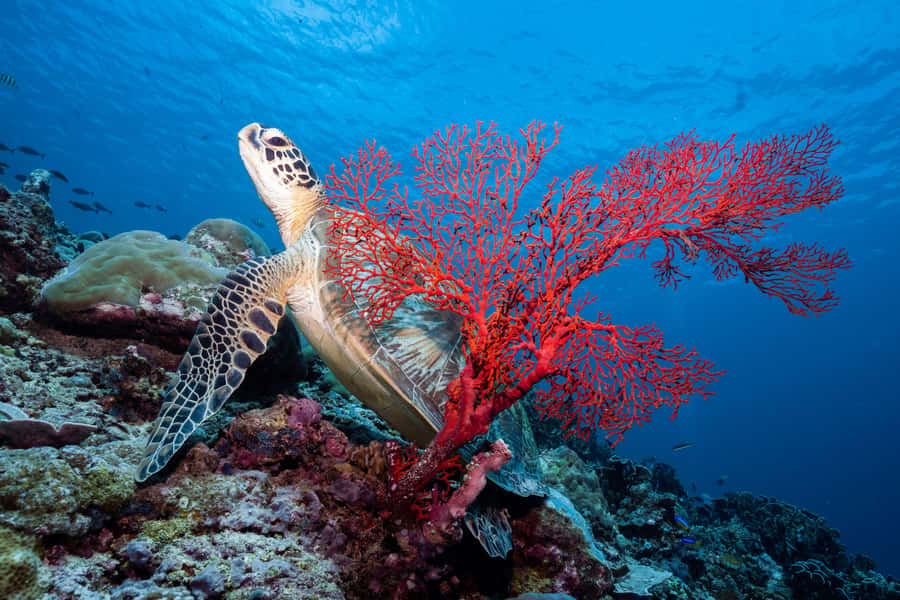
If you are on Gili Trawangan and you want to try scuba without spending weeks building up experience, this is a practical way to do it. The pool-first approach is the part that protects your confidence. The small group size is the part that keeps you from feeling lost.
Here is how to choose the right day and avoid stress:
- Go when you feel rested. Being sick or overtired reduces your ability to focus underwater.
- Bring your biodegradable sunscreen and show up with swimwear ready for a wetsuit.
- Tell the instructor if you feel nervous, especially before the ocean session. A safety-first team can work with nerves, but you need to say something.
Also, plan for the marine park fee on site. It’s not huge, but it prevents an awkward last step.
If you meet the requirements, I think this is a strong booking. The combination of pool training, a controlled ocean session around 12 meters, and a wildlife-focused outing is exactly what most first-timers hope for, without turning the day into chaos.
FAQ
Do I need scuba experience for this program?
No experience is required. It is designed as an intro program for beginners, with training in basics first and a pool session before the ocean session.
How long does the experience take?
The full experience is listed as about 5 hours.
What depth will we reach in the ocean?
You will go to depths of up to 12 meters during the ocean session.
Is there a minimum age to join?
Yes. This activity is only suitable for age 10 years and older.
What should I bring with me?
Bring swimwear, a towel, biodegradable sunscreen, travel insurance, and you will need to fill out a medical statement upon arrival.
Is the marine park fee included in the price?
No. There is an additional one-time marine park fee of Rp150,000 per person, paid on site.
What is included in the price?
Included items are a certified professional instructor, 1 pool session and 1 ocean session, all equipment rental, boat support, and a wetsuit.
What health conditions or situations make it unsuitable?
It is not suitable for pregnant women, non-swimmers, people with a cold, or people with pre-existing medical conditions. You will fill out a medical statement on arrival.
Can I cancel and get a full refund?
Yes. You can cancel up to 24 hours in advance for a full refund.
Where do I meet when I arrive on Gili Trawangan?
You disembark at the main pier. The center is about 200 meters away on foot, turn right as you exit the pier, and you will see it down the road on your left.
More Scuba Diving in Gili Islands
- 2 Days Discover Scuba Diving in Nusa Lembongan – Scuba Initiation
★ 5.0 · 506 reviews - Bali Diving for Beginners: Tulamben Liberty Wreck
★ 5.0 · 367 reviews - Discover Scuba Diving in Tulamben – Diving Initiation in Bali best diving sites
★ 5.0 · 353 reviews - Scuba Diving in Nusa Penida – Manta Point
★ 5.0 · 198 reviews
Newest reviews out of Gili Islands
- 5 Secret Gili Boat Trip & Snorkeling in Southwest Of Lombok★ 4.8 · 42 reviews
- Pink Beach and Southeast Gili Islands Full Day Private Tour★ 4.5 · 42 reviews
- Gili Trawangan: Experience The Gili Fireshow with Cocktail★ 4.0 · 42 reviews
- 4-in-1 • Gili Islands Half-day Snorkel & Lunch Catamaran Tour★ 5.0 · 43 reviews
- Lombok:Privat Snorkeling Gili Nanggu,Gili Sudak,Gili Kedis.★ 4.9 · 43 reviews
- Bali: 3-Day Private Gili Islands Snorkel Tour with Hotel★ 4.2 · 44 reviews
- Gili Trawangan: Horse Riding on the Beach★ 4.4 · 46 reviews
- Gili Air: kaktus silver jewellery making class★ 5.0 · 49 reviews
Gili Islands, compared.
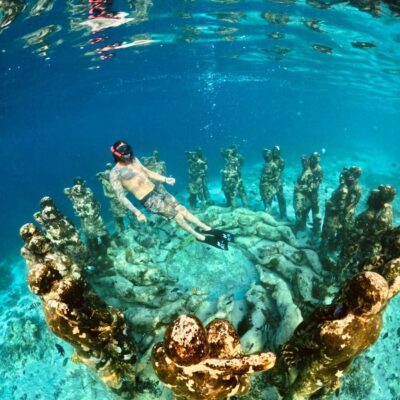
Gili Islands: Private or Shared Snorkeling Boat Trip
Read our review →
From Gili Trawangan: Gili Islands Snorkeling Boat Tour
Read our review →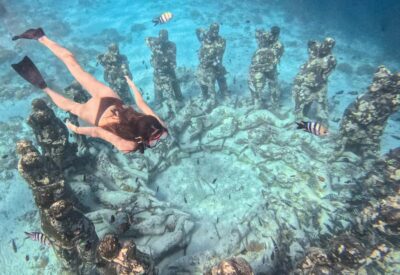
From Gili Air: Snorkeling with Turtles & Underwater Statue
Read our review →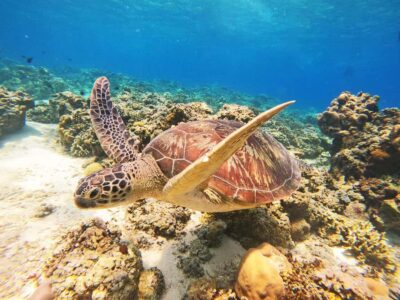
Gili Trawangan: Gili Islands Sunset Boat Tour and Snorkeling
Read our review →
From Gili Air/Trawangan: Glass-Bottom Boat with Snorkeling
Read our review →
Learn to cook Indonesian food at Gili Cooking Classes Trawangan
Read our review →
Gili Island Snorkeling Trip – Gili Trawangan, Gili Meno, & Gili Air, From Lombok
Read our review →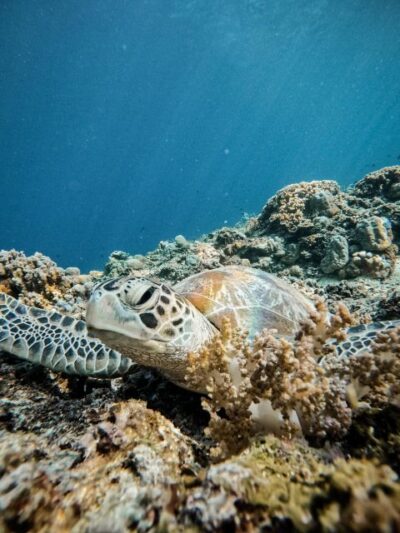
Gili Islands: Group or Private Snorkeling Tour with GoPro
Read our review →Browse the lists this tour appears in