
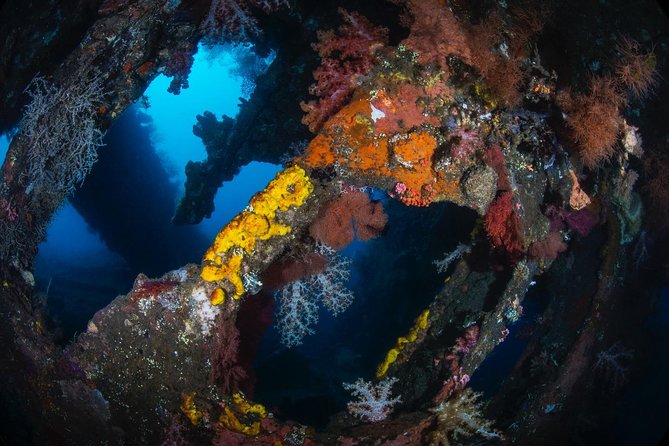
Reviewed · TULAMBEN
Advanced Open Water Course – Advanced Certification in Tulamben
This advanced program in Tulamben is interesting because it’s a fast, structured way to turn good open-water skills into real confidence at greater depth. You’re working toward permission to go to 30 meters (100 feet), with hands-on coaching and a clear skill checklist.
Two things I really like here are the small group size, capped at five students, and the fact that you do not need to buy gear. Masks, fins, buoyancy control jacket, regulator, wetsuit, and even a weight belt are included, so you can show up and focus on technique.
One consideration: this is an advanced step, so if your basic control is shaky, you may feel it more at deeper and navigation-heavy sessions. One student specifically said they’d only recommend it if their fundamentals were strong.
Key Highlights You’ll Feel During the Course
- Five coached underwater training sessions over about two days, including a deep session and one focused on underwater navigation
- Goal depth is 30 meters (100 feet), with training built around planning and physiological effects
- Gear is included, including the wetsuit and weight belt, so you can travel light
- Specialties are partly your choice, picked from a list of adventure options you plan with your instructor
- Small groups up to five means more personal attention and tighter feedback loops
- Photos and videos are optional purchases after the course
Why Tulamben Works for Your Advanced Step
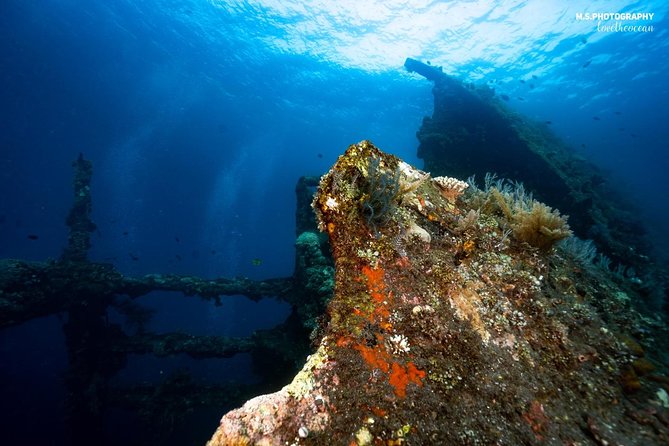
Tulamben is a smart place to do an advanced open-water program because the water is busy with life, and the sites are varied enough to test skills, not just show views. This is the kind of setting where navigation practice actually matters. When you’re trying to keep bearings and move efficiently, the underwater world gives you constant reference points.
The best part for me is that the course goal is practical: by the end, you’re not just collecting a card. You’re learning how to plan a deeper profile, handle the mental load of being farther from the surface, and tighten up buoyancy and movement so you feel in control.
Also, the instructors at this center earn repeat praise for communication before and after sessions. Names that pop up often include Yogi, Theo, Budi, Choky, and Marlene. Students describe clear coaching, a calm safety focus, and help spotting wildlife. If you get a good instructor match, that makes the whole two days feel smoother.
More Tulamben dives:
- Open Water Course in Tulamben – Get Certified in Bali
★ 5.0 · 495 reviews - Bali Diving for Beginners: Tulamben Liberty Wreck
★ 5.0 · 367 reviews - Discover Scuba Diving in Tulamben – Diving Initiation in Bali best diving sites
★ 5.0 · 353 reviews
The Two-Day Structure: Five Underwater Training Sessions With Purpose
Over about two days, you complete five training sessions with a certified instructor. There’s a bit of theory, but it’s specifically lighter than the open-water course you took earlier. The big idea is to build on what you already know, not repeat the basics.
The session mix includes:
- One deep training session (the program part designed to qualify you for 30 meters)
- One underwater navigation session, centered on compass use and movement control
- Three specialty sessions you choose based on an adventure-diver style menu (examples in the program info include areas like photography, buoyancy control, fish identification, and wreck-focused exploration)
In real life, that layout helps you leave with useful habits. Deep training tends to force better planning. Navigation training improves how you manage kicks, timing, and landmarks. Specialty sessions let you explore your preferences so you don’t just become a generalist.
From what students report, the experience can also include memorable site moments, like night underwater sessions and wreck-related outings. Those are not guaranteed by the course summary itself, but they show up often enough in feedback to make Tulamben feel like a place where your “specialty” can be genuinely fun, not just box-checking.
Deep Training to 30 Meters: What You Learn and Why It Matters
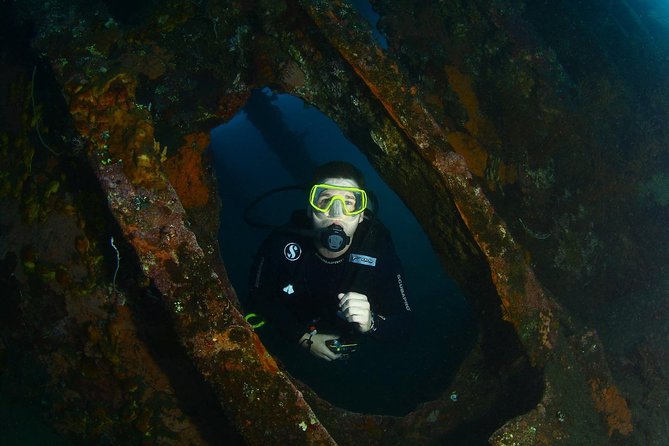
The deep component is not only about going lower. It’s about handling the differences that come with depth, including how you plan the dive and manage the physiological challenges that show up deeper underwater.
The course info is clear that you’ll learn:
- How to plan dives for deeper profiles
- How to deal with physiological effects and challenges of deeper scuba
This matters because once you’re certified beyond basic depths, depth becomes a skill you manage, not a thrill you chase. Good planning helps you control timing, breathing rhythm, and comfort. If you’re the type who likes checklists, you’ll probably enjoy how structured this portion is.
A practical takeaway: if your open-water foundation is solid, you’ll likely feel this part as a confidence builder. If it isn’t, the course will still teach you, but it may feel like extra pressure to stay calm and controlled. That lines up with feedback that praised the instructor experience while also advising that your basics should be strong.
Underwater Navigation: Compass Skills Plus Real-World Movement Control
The navigation session is one of the most valuable parts of an advanced course, because it turns you from a “follow the guide” diver into someone who can maintain direction and bearings. The program info says you’ll refine navigation using:
- Compass skills
- Kick-cycles (so you can count movement more intentionally)
- Visual landmarks
- Time (so you can make distance estimates without guessing)
In other words, you’re building a three-layer system. Compass gives direction. Landmarks provide confirmation. Time and kick-cycles help you judge how far you’ve traveled.
If you’ve ever had that moment where you look up and wonder where you are, navigation training is your fix. And even if you never become the type who loves math underwater, this skill usually makes everything else easier, including wreck exploration and staying calm in deeper conditions.
Something different for the next Tulamben day:
- Day Trip certified divers – 3 Dives in Tulamben (pick-up & drop-off included)
★ 5.0 · 178 reviews - Bali Diving Day Trip-Manta Point/Tulamben Shipwreck-Fun Dive
★ 5.0 · 104 reviews - 5 Fun Dives in Tulamben (for certified divers) – Discover famous diving sites
★ 5.0 · 93 reviews - Open Water + Advanced Course – Premium Certifications Package in Tulamben
★ 5.0 · 71 reviews
Choosing Specialty Sessions: Finding Your Diving Style (Without Guessing Forever)
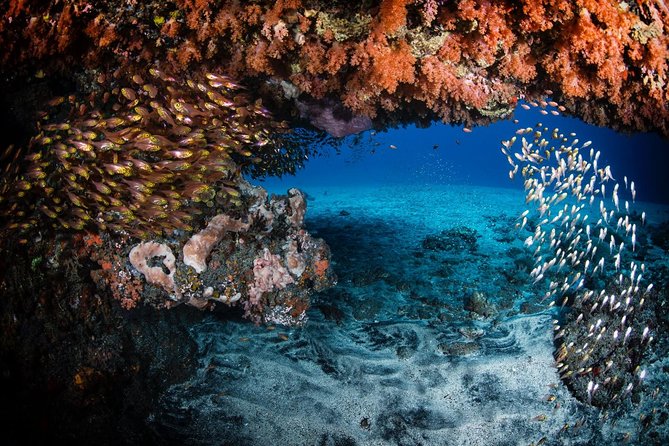
One of the best things about this program is that it uses your time efficiently. Instead of forcing a one-size-fits-all set of skills, you choose three specialty sessions from a longer adventure menu and plan your learning path with your instructor.
The examples in the course info include specialties such as:
- Photography
- Buoyancy control
- Fish identification
- Exploring wrecks
That choice is more than preference. It shapes what you’ll notice in Tulamben. Students mention wildlife sightings like eels, turtles, squid, and barracudas, and it makes sense that fish identification or exploring wreck areas would push you to slow down and observe better.
One realistic note: some specialty sessions can be more demanding if your buoyancy is inconsistent. The good news is that buoyancy control training is part of the overall curriculum idea, so you’ll get feedback right away. Still, go into it honestly. If you tend to kick hard or bounce above the bottom, tell your instructor early.
Gear Included Means You Can Travel Lighter
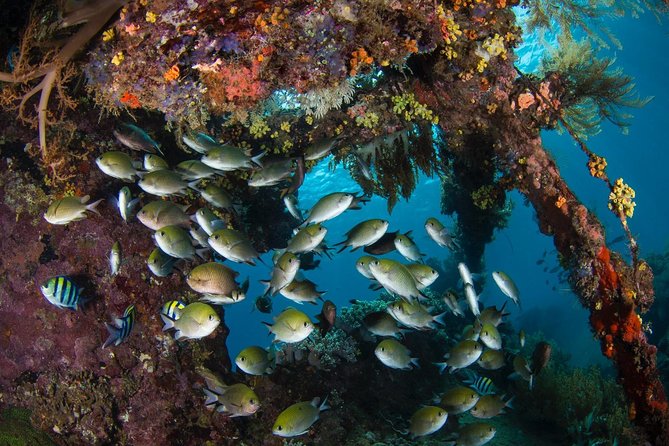
This is one of those “small detail, big payoff” setups. All gear is provided, including:
- Mask, snorkel, fins
- Buoyancy control jacket
- Regulator and other instruments
- Wetsuit
- Weight belt
That changes the trip math. If you’re coming from somewhere else in Indonesia or you flew in, you avoid baggage stress and rental hassle. You also avoid the awkward moment of learning on gear that doesn’t fit as well as your usual setup.
On land, the center facilities are built for divers, with WiFi, toilet, shower, locker, and a change room. There’s also a restaurant or warung on site, but food and drink are not included in the course price.
After your sessions, that matters because you want a place to rinse up, dry out, and reset. If you’ve ever ended a day of underwater work with nowhere comfortable to shower, you’ll appreciate that they’ve planned for it.
Price and Value: What $335.99 Buys You in Real Terms
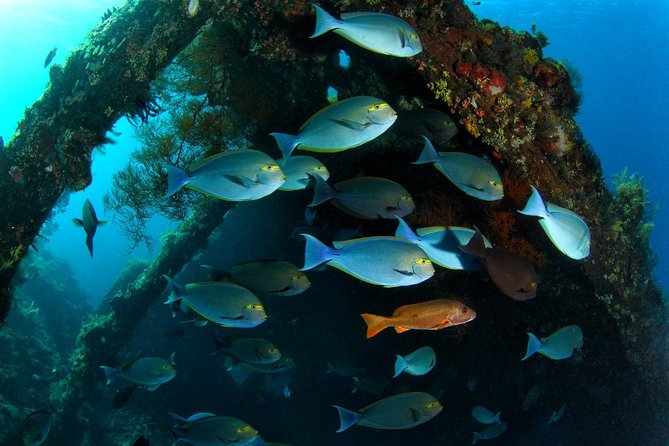
At $335.99 per person for about two days, this pricing structure is mostly about what you get packaged together. Here’s what you’re paying for in practical terms:
- A certified instructor
- Five coached underwater training sessions
- All core scuba gear, including wetsuit and weight belt
- Use of the center facilities
What is not included is also clearly stated: accommodation (though dormitory and bungalows are available at the dive center), plus restaurant meals and drinks. Photos and videos are optional and sold separately.
So the value equation depends on your baseline. If you were already planning to rent equipment and pay for instruction over multiple separate days, this package can feel fair because it bundles the key costs into one booking. The small group limit also supports the “value per minute” idea. Less crowding usually means more feedback, and advanced work is mostly feedback.
If your goal is a simple upgrade path after open-water, this format fits. You get targeted training without building your whole schedule around gear rentals.
Wildlife, Night Sessions, and Wreck Areas: What You Might See
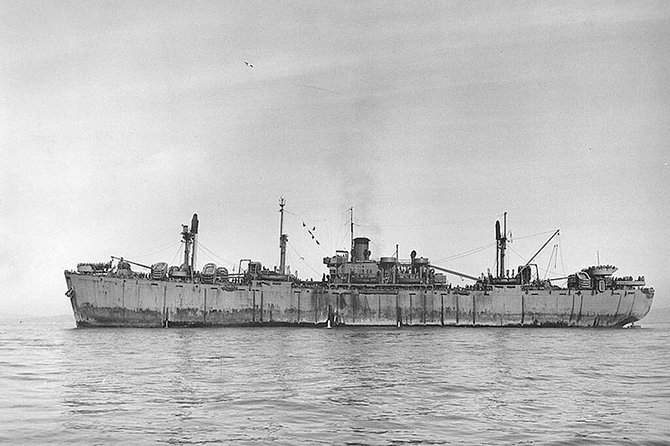
Tulamben has a reputation for wreck-related scenery and lots of marine life, and the feedback you’re likely to care about is the kind that helps you picture the experience.
In student feedback, the Liberty and the Kuba Wreck come up as favorites. Night underwater sessions show up as another highlight. People also mention coral garden-style areas and underwater natural walls.
Even if your specialty choices do not guarantee a specific site every time, the pattern is clear: the center runs a mix of environments that reward good skills. That is what you want from an advanced program. If every moment is just drifting and sightseeing, advanced training can feel shallow. Here, the teaching goals connect to what you’re doing under water.
Who Should Book This Advanced Open Water Program, and Who Should Wait
This program is designed for people who already hold an open-water certification. The course information also notes you can start it just after you finish open water, and you will plan your learning path with your instructor by choosing specialties.
It also asks for moderate physical fitness. That doesn’t mean you need to be an athlete, but you should be comfortable with the basic demands of two days of active training, controlled breathing, and buoyancy work.
This is a great fit if you:
- Want to qualify for 30 meters with structured coaching
- Enjoy learning skills like navigation and deeper planning
- Like the idea of choosing specialties that match your interests, whether that is fish identification or wreck-focused exploration
It might be less ideal if:
- Your buoyancy control is inconsistent and you know it
- You want a pure sightseeing trip with minimal training focus
If you’re unsure, ask your instructor about your fundamentals during the first day theory and waterwork. Good training centers will calibrate expectations early.
Should You Book This Advanced Open Water Course in Tulamben?
If you want an advanced certification step that feels organized, skill-based, and not gear-heavy, I think it’s a strong option. The biggest selling points are the five-session structure, the deep and navigation focus, and the fact that gear is included, even the wetsuit. Add the small group cap of five, and you usually get the kind of attention advanced students need.
My advice: book it if you just finished open water and you’re ready to build confidence quickly, especially in deeper planning and navigation. If you’re not fully comfortable with your basics yet, consider doing a bit more practice first, then return when your control feels steady.
FAQ
Do I need Open Water certification before I can do this?
Yes. You need to be Open Water certified first, since this course is meant to advance your skills beyond the open-water level.
How many underwater training sessions are included?
The program includes five training sessions over about two days, including one deep training session, one underwater navigation session, and three sessions in specialties you choose.
What scuba gear is included?
Masks, snorkel, fins, buoyancy control jacket, regulator, other instruments, wetsuit, and a weight belt are provided. You also do not need to invest in gear for the course.
How many people are in the group?
The experience caps the group at a maximum of five travelers.
Can I choose the specialty sessions?
Yes. You choose from a list of adventure dive style specialties and plan your learning path with your instructor.
Is accommodation included in the price?
No. Accommodation is not included, but dormitory and bungalow options are available at the dive center.
What happens if weather is poor or I need to cancel?
Good weather is required. If the experience is canceled due to poor weather, you’ll be offered a different date or a full refund. You can cancel up to 24 hours in advance for a full refund.
Newest reviews out of Tulamben
- USS Liberty Shipwreck Scuba Diving at Tulamben Bali★ 4.5 · 65 reviews
- 7 Fun Dives in Tulamben (for certified divers) – Premium Value Package★ 5.0 · 69 reviews
- Bali Diving for Beginners: Tulamben Liberty Wreck★ 5.0 · 367 reviews
- Open Water Course in Tulamben – Get Certified in Bali★ 5.0 · 495 reviews
- Day Trip certified divers – 3 Dives in Tulamben (pick-up & drop-off included)★ 5.0 · 178 reviews
- Bali Diving Day Trip-Manta Point/Tulamben Shipwreck-Fun Dive★ 5.0 · 104 reviews
- Discover Scuba Diving in Tulamben – Diving Initiation in Bali best diving sites★ 5.0 · 353 reviews
- Full-Day Discover Scuba Diving Tour for Beginners in Tulamben★ 5.0 · 12 reviews
Tulamben, compared.
Open Water Course in Tulamben – Get Certified in Bali
Read our review →
Bali Diving for Beginners: Tulamben Liberty Wreck
Read our review →
Discover Scuba Diving in Tulamben – Diving Initiation in Bali best diving sites
Read our review →
Day Trip certified divers – 3 Dives in Tulamben (pick-up & drop-off included)
Read our review →
Bali Diving Day Trip-Manta Point/Tulamben Shipwreck-Fun Dive
Read our review →
5 Fun Dives in Tulamben (for certified divers) – Discover famous diving sites
Read our review →
Open Water + Advanced Course – Premium Certifications Package in Tulamben
Read our review →
7 Fun Dives in Tulamben (for certified divers) – Premium Value Package
Read our review →Browse the lists this tour appears in