
Reviewed · SCUBA DIVING
Bali: 3-Days PADI Open Water Diving Course
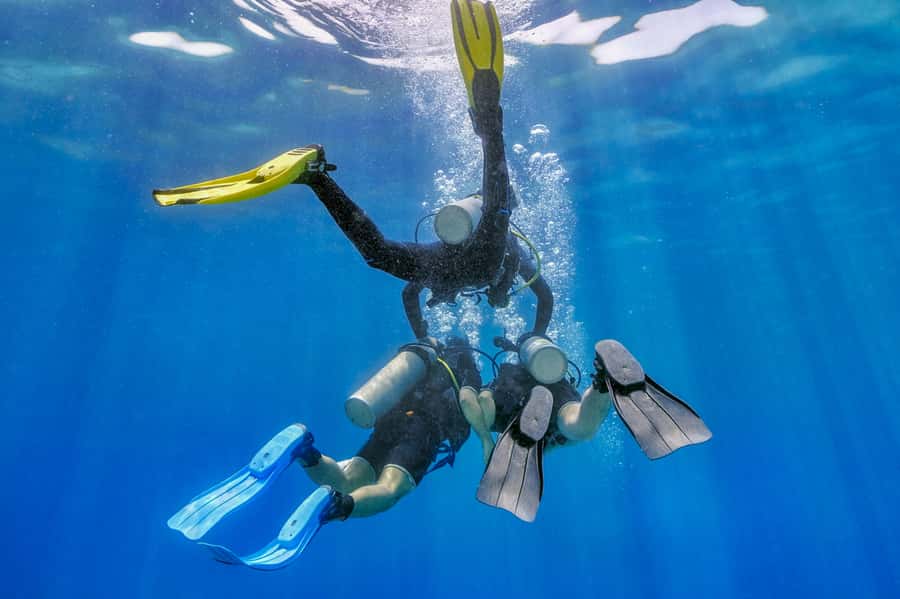
A 3-day PADI Open Water course in Bali is interesting because it compresses the whole path to certification into a tight, structured sprint. You are not just seeing fish, you are learning the steps, getting signed off, and leaving with a card. The Coral Triangle underwater world is a big part of why this feels so worthwhile.
I like the small group cap (up to 4), because it usually means more attention in the water and faster feedback on your skills. I also like that you get a clear progression, day 1 pool work plus knowledge review, then open-water training on day 2 at the Blue Lagoon (Padang Bai), and day 3 at Tulamben for the USAT Liberty wreck. One possible drawback is scheduling. You must have at least 18 hours of rest before an upcoming flight, or you will not be allowed to take part.
If you plan your days around that rest rule, and you show up with the right gear (swimwear, change of clothes, and sunscreen), this is a smart way to get certified without dragging it out.
Key things I’d circle before you book
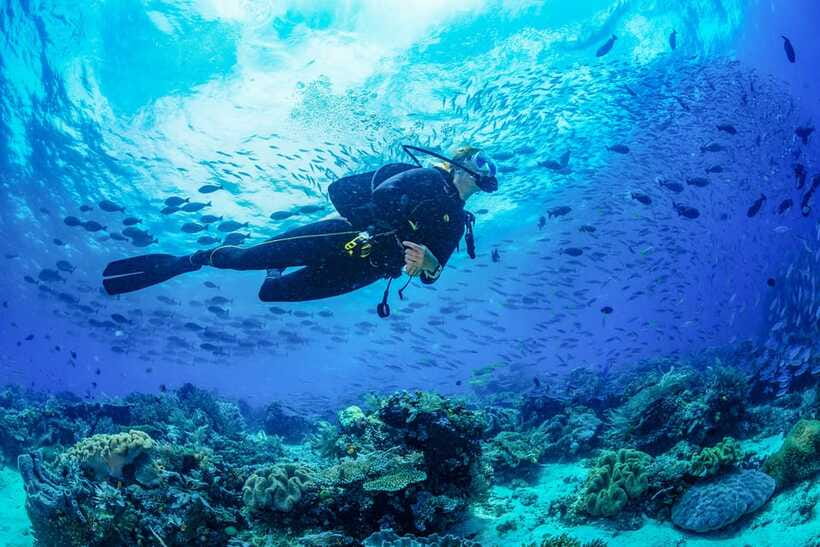
- A fast PADI Open Water path that moves from training room to pool to ocean across 3 days
- Small group learning limited to 4 participants, so you are not lost in a crowd
- Blue Lagoon sessions at Padang Bai for your first real open-water practice
- USAT Liberty wreck at Tulamben on the final day, which adds extra meaning to the course
- Full support included like tanks, weight belts, instructor time, and equipment washed and stored for you
- DAN insurance coverage included, plus marine park entry fees taken care of
Why Bali’s 3-day Open Water schedule actually makes sense
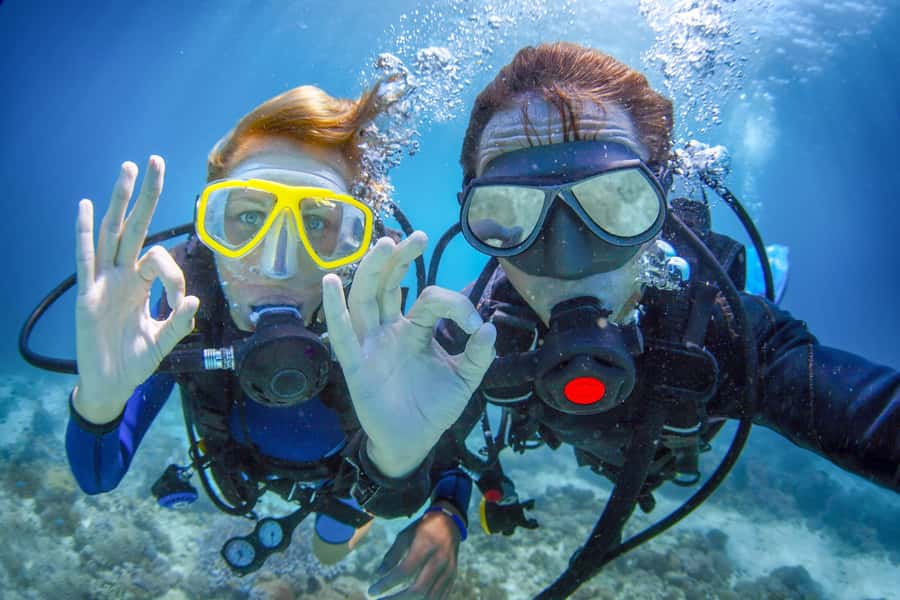
Most people think scuba certification is a slow process. This one is built like a mini-training camp. You get the classroom work first, then skills in a pool, and then you apply those skills in open water on two separate locations. The pacing is intense, but it is also efficient, especially if you only have a few days in Bali.
I also like that the course is explicitly set up for first-time divers. The materials include PADI E-Learning content, then day 1 runs through instructional videos and knowledge reviews with quizzes and exams. That matters because it means you are not trying to wing the theory while you are already wearing gear and dealing with buoyancy for the first time.
And yes, the underwater setting helps. You are learning in warm-water conditions and heading into areas known for marine life in the Coral Triangle. That combination, skills plus great environment, is what makes the 3 days feel more like a real experience and less like paperwork with a mask.
More Scuba Diving in Bali:
- 2 Days Discover Scuba Diving in Nusa Lembongan – Scuba Initiation
★ 5.0 · 506 reviews - Bali Diving for Beginners: Tulamben Liberty Wreck
★ 5.0 · 367 reviews - Discover Scuba Diving in Tulamben – Diving Initiation in Bali best diving sites
★ 5.0 · 353 reviews
Day 1 at the training center: paperwork, PADI E-Learning, and pool skills
The first day starts with registration and paperwork at the training center. Then you move into the knowledge portion. Expect instructional videos, then quiz-style checks and exams. This is where you build the basic framework for safe scuba habits, not just the mechanics.
After that, you eat lunch and get light refreshments. I think this is underrated. Your brain will be working hard all morning, and the pool portion comes in the afternoon. If you show up hungry, your learning will feel slower. The built-in break helps keep your energy steady.
Then comes the pool training. It is where you practice the basic scuba equipment use, plus the physical skills you need to handle in open water. You will also do an equipment log back and finish sign-off paperwork before the day ends. That equipment management part is not glamorous, but it keeps things clean and organized, which matters when you are learning.
One more practical note: you can only participate if you can meet the rest requirement before any flight. So if you are flying in and out quickly, do not book yourself into a tight timeline without leaving a cushion.
Day 2 in Padang Bai: Blue Lagoon boat ride and your first open-water sessions
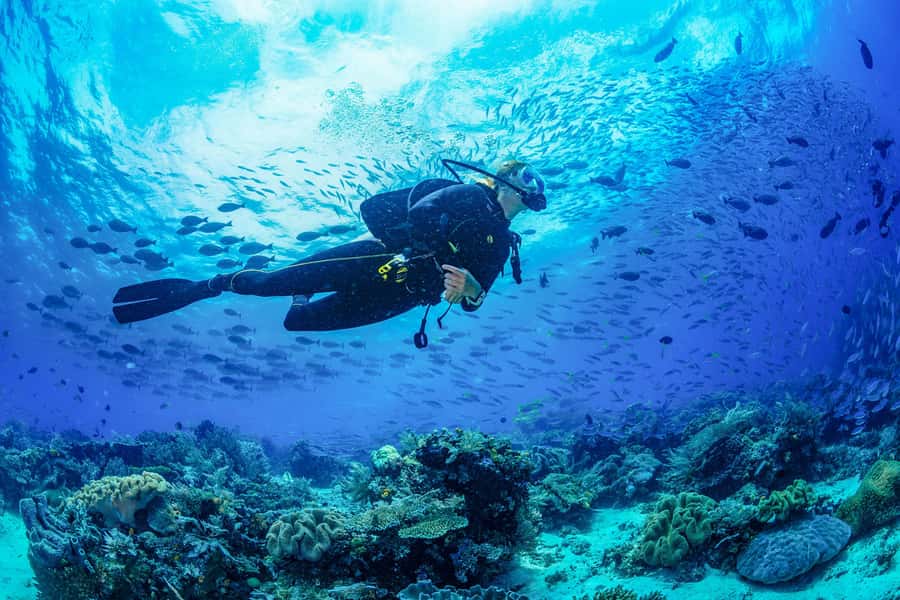
Day 2 is when the course turns from skills to real ocean conditions. You start with equipment preparation and loading vehicles to travel to Padang Bai. There is also a boat ride involved, plus porters fees covered in the price, so you are not stuck doing logistics on your own.
You head out to the Blue Lagoon in Padang Bai for your first open-water training session. Before you go under, you get a break on the boat. This is one of those small moments that makes a difference. You can relax on the deck, or take a quick swim in the lagoon if conditions allow.
After the first open-water session, the plan includes a second open-water training session, again in that same Blue Lagoon area. The idea is repetition with support. You get to apply what you practiced in the pool, and then you refine it the next time.
Then you return to Padang Bai for lunch at Billabong Restaurant. If you are the type who gets hangry when you are nervous, take note. Lunch after two ocean sessions helps you reset before the ride back to the training center.
Day 3 in Tulamben: USAT Liberty wreck practice and final sign-off
Day 3 takes you to Tulamben, and the highlight here is the USAT Liberty wreck. For many first-timers, wreck dives feel like a milestone. You are not just floating over a reef, you are working with structure and a fixed point in the underwater world.
The course includes the third and fourth open-water training sessions on this day. Between those sessions, you stop for lunch, so you are not grinding straight through without a break.
One thing to be ready for is the travel time. The ride to Tulamben can be long, and it is worth treating it like a commute day, not a quick hop. That time is part of why the final day feels like a bigger production, but it is also the reason the certification ends at a memorable site.
After the last session, you pack up the equipment and return to the training center for certification and sign-off paperwork. That final part matters because you are not leaving with only a tour experience. You leave with the PADI Open Water certification completion steps handled as part of the program.
Something different for the next Bali day:
- Bali: Sunrise Mount Batur Guided Hike with Breakfast
★ 4.8 · 9,660 reviews - Bali: Mount Batur Sunrise Guided Hike and Natural Hot Spring
★ 4.8 · 9,284 reviews - Bali: Full-Day Instagram Highlights Tour
★ 4.8 · 7,817 reviews - Bali/Nusa Penida: East & West Highlights Full-Day Tour
★ 4.7 · 6,263 reviews
What you learn, and what that means for real safety
You are doing more than learning to wear a mask and regulator. The course builds a set of habits: how to use the basic scuba equipment, how to handle skills in a controlled way, and how to think through underwater tasks using the knowledge checks you complete in the first day.
The pool training day is where you should expect confidence to grow. You are likely to go into the pool feeling nervous, then come out feeling more in control by the end of the day. That is exactly the point. By the time you go to the Blue Lagoon, you are not guessing.
In open water, the biggest value for you is stress control. Good instruction helps you avoid panic, and it also helps you remember what to do if something feels off. That is also why the instructors get consistently praised for patience and professionalism. Names that come up include Eka, Ari, Tunas (also referenced as Mr. Handsome), and Ketut. The pattern is clear: you get steady teaching, plus a safety-first attitude.
Also, the included DAN insurance coverage is a comfort factor. It does not replace good judgment, but it tells you the program is taking risk seriously.
Equipment, transfers, and the “small stuff” that saves you time
The package is not just instruction. It is set up to cover the whole day-to-day experience: hotel transfer, all marine park entry fees, boat and porters fees, and meals. You also get free water, tea, and coffee at the training center.
On the equipment side, the rental includes all scuba gear you use, including tanks and weight belts. After the sessions, your equipment is washed and stored for you. That is one of those behind-the-scenes things that makes the course feel smoother, especially if you do not want to deal with rinsing, packing, and re-checking your setup after each day.
You will also get PADI E-Learning materials and certification handling as part of the course flow. Towel is available too (with a request). GoPro cameras are not included, but rental is available at the training center, so you can still capture underwater video if you want.
For your packing list, keep it simple:
- Swimwear
- Change of clothes
- Sunscreen
If you can, bring a small dry bag too. The course includes pool and boat time, so keeping your phone and clothes protected reduces stress.
Price and value: what you are really paying for
At $409 per person for 3 days, you might think it is either a steal or a mystery. The value is much easier to understand when you look at what is included.
You are paying for:
- Instructor time across classroom, pool, and open-water sessions
- PADI E-Learning materials and course certification completion steps
- Rental scuba equipment, tanks, and weight belts
- Hotel transfer and transportation to Padang Bai and Tulamben
- Boat and porters fees
- Marine park entry fees
- Lunch and light refreshments, plus drinks at the center
- DAN insurance coverage
- Equipment washed and stored for you
When a package covers transport, entry fees, meals, and equipment, the per-day cost becomes more reasonable. You are basically buying a complete certification experience, not just sitting through lessons. And because it is small group up to 4 participants, you are also paying for a teaching ratio that tends to feel more personal.
One scheduling cost you might add is location. Pickup is included from major south Bali areas like Nusa Dua, Jimbaran Beach, Kuta, Legian, and Seminyak, plus Sanur pickup at a slightly later time window. Remote areas such as Uluwatu/Pecatu, Canggu, and Ubud incur an extra charge. The pricing is stated two ways in the details, a US$27 per group per day fee and an IDR 350,000 pickup and drop-off fee per group per day. If you are staying outside the included zones, ask your team to confirm the exact amount before you lock your plans.
Who this course fits best, and who should think twice
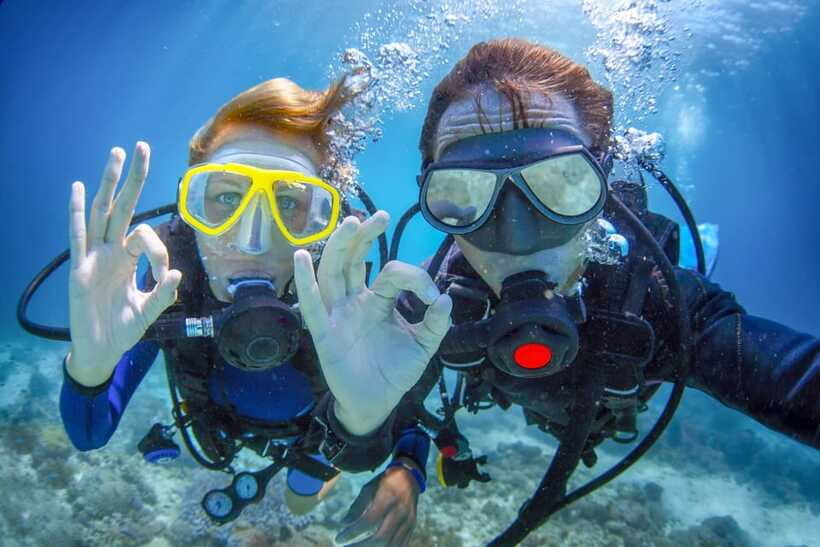
This is a great fit if you:
- Want PADI Open Water certification in a short time window
- Like the idea of a structured classroom-to-water progression
- Prefer small group instruction, with less waiting and more feedback
- Want to experience both Blue Lagoon conditions at Padang Bai and the USAT Liberty wreck at Tulamben
It is not suitable for:
- Pregnant women
- People with heart problems
- Wheelchair users
- People with respiratory issues
And here is a big one for your calendar: the 18 hours rest rule before an upcoming flight. The nitrogen-reduction requirement is serious. If you do not have at least 18 hours before your flight, you will not be allowed to participate. Build your travel days accordingly.
If you are flexible on where to stay, I would also consider Sanur. The course requires daily pickup and returns, and being closer to pickup routes usually reduces the stress of rushed mornings. Even if you love another neighborhood, travel time can make the 3 days feel more tiring than they need to be.
Making the most of your 3 days (without overthinking it)
Go in expecting a learning curve. Day 1 is heavy on knowledge and equipment comfort. You are also likely to feel awkward at first in the pool, then get better quickly once you understand what the instructors want you to do.
For day 2 and day 3, focus on calm breathing and following instructions closely. The course is designed so you can pass your theory and complete the practical sign-offs, but your job is to show up ready to practice, listen, and take feedback.
If you want photos, plan for how you will carry gear between lunch, pool time, and boat time. GoPros are available to rent, but you do not want to be juggling extra items when you are trying to concentrate.
Finally, treat the rest rule like part of the course, not an afterthought. Your body needs time before flying. Plan your departure day like you would plan a day of recovery after any intense activity.
Should you book this 3-day PADI Open Water course?
I would book it if you want fast, structured scuba certification and you are excited by the idea of Blue Lagoon conditions plus a wreck experience at Tulamben. The program is built for first-timers and keeps things organized with transfers, marine park fees, meals, equipment rental, and DAN insurance handled for you.
Skip it, or rethink dates, if flying is tight on either end. The 18 hours rest requirement can be a deal-breaker. Also, if you have any of the listed health limits, choose a different kind of Bali experience.
If your goal is to leave Bali with PADI Open Water certification and a real underwater story, this is a strong value way to get it, and the small-group setup makes the whole thing feel more personal than the typical rushed tour format.
FAQ
What is the group size for this PADI Open Water course?
The course is in a small group, limited to 4 participants.
When do pickups usually happen?
Pickup time is included from major south Bali areas like Nusa Dua, Jimbaran Beach, Kuta, Legian, and Seminyak between 07:00 and 07:15, and from Sanur between 07:30 and 07:45 AM. Your exact pickup time is confirmed via WhatsApp one day before the trip.
What locations do you train at during the 3 days?
You start at the training center on day 1, then go to Padang Bai for Blue Lagoon open-water sessions on day 2, and head to Tulamben for the USAT Liberty wreck open-water sessions on day 3.
Is scuba equipment included?
Yes. Rental of all diving equipment including tanks and weight belts is included, and the equipment you used is washed and stored for you.
What is included in the price?
Included items cover hotel transfer, marine park entry fees, boat and porters fees, lunch and light refreshments, instructor-led training, free water, tea and coffee at the training center, PADI E-Learning materials and certifications, DAN insurance coverage, and a towel available on request.
Is there any rule about flying after the course?
Yes. You must have at least 18 hours of rest before an upcoming flight to reduce nitrogen in your body. If you do not have 18 hours before your flight, you will not be allowed to participate.
Newest reviews out of Bali
- Bali: Mount Batur Sunrise Hike Including Transfer & All Cost★ 4.8 · 39 reviews
- North Bali: Ulun Danu, Waterfalls, Swing and Monkey Forest★ 5.0 · 39 reviews
- Ubud: Traditional Balinese Painting Class★ 4.2 · 40 reviews
- Bali: Canyon Tubing Adventure★ 4.8 · 40 reviews
- Bali: Jatiluwih Rice Terraces 1 Hour Electric Bike Tour★ 4.7 · 41 reviews
- Bali: 3-Day Private Gili Islands Snorkel Tour with Hotel★ 4.2 · 44 reviews
- Bali: Penglipuran Village, Rice Terrace & Waterfall Tour★ 5.0 · 46 reviews
- Ubud: Kanto Lampo Waterfall, Art Market, Cretya & Tanah Lot★ 4.8 · 47 reviews
Scuba Diving, compared.
2 Days Discover Scuba Diving in Nusa Lembongan – Scuba Initiation
Read our review →
Bali Diving for Beginners: Tulamben Liberty Wreck
Read our review →
Discover Scuba Diving in Tulamben – Diving Initiation in Bali best diving sites
Read our review →
Bali Diving Day Trip-Manta Point/Tulamben Shipwreck-Fun Dive
Read our review →
5 Fun Dives in Tulamben (for certified divers) – Discover famous diving sites
Read our review →
USS Liberty Shipwreck Scuba Diving at Tulamben Bali
Read our review →Browse the lists this tour appears in