
Reviewed · RICE TERRACE TOURS
Bali: Besakih Great Temple Tour with Waterfal & Rice Terrace
Bali gets interesting fast when you combine rice irrigation culture, a waterfall you reach by walking through the rock and water, and then you climb into one of Hindu Bali’s most important temple complexes. I like how this route mixes nature + spirituality without feeling like a single-note sightseeing day. I also like that you get a live English guide plus key inclusions like sarong rental and entrance tickets.
The main thing to consider is that this is not a gentle walk. You’ll climb 200 steps at Besakih, and the Cepung Waterfall section involves stairs, slippery rocks, and shallow water, rain or shine.
Key highlights to focus on
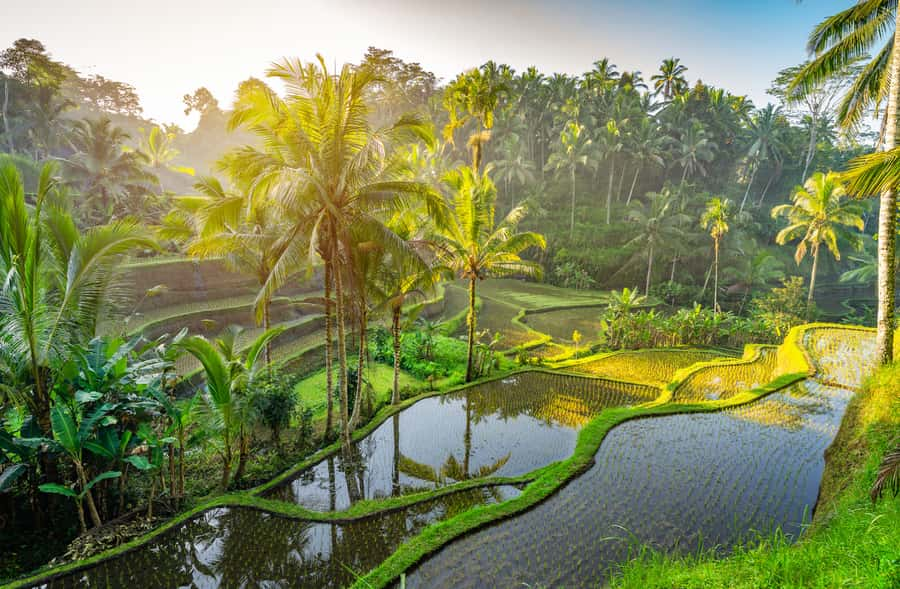
- Tegalalang Rice Terrace: a guided walk through iconic paddies tied to Balinese cooperative irrigation (subak)
- Cepung Waterfall in a cave: a short trek with mist and wet footing, plus dramatic light as sun filters through
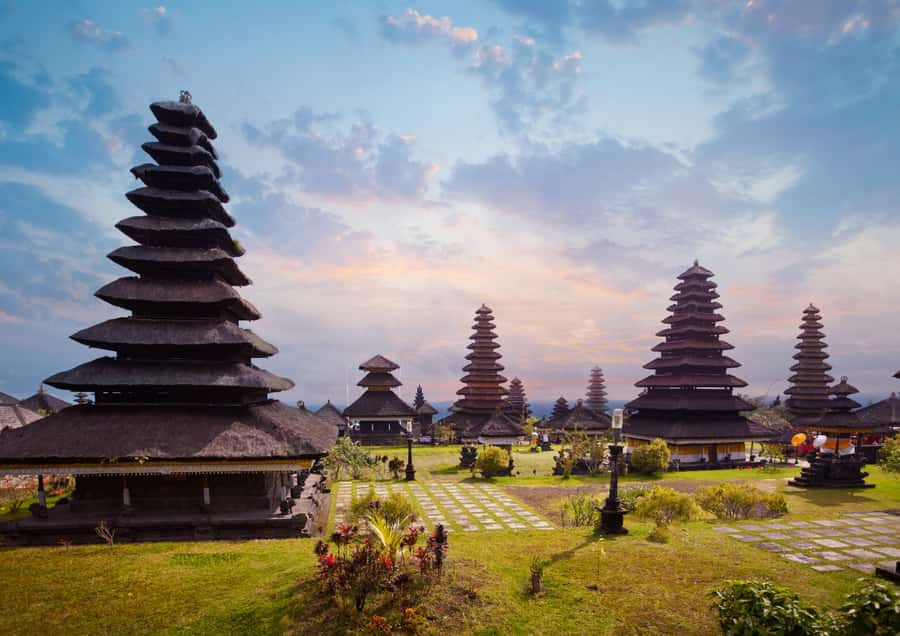
- Besakih Mother Temple: Bali’s largest and holiest temple complex on the slopes of Mount Agung
- Temple practicalities: sarong rental, incense offering, and clear dress rules at an active place of worship
- Guide flexibility: guides like Gede, Samba, Ardana, Sana, Manu, Gusde, and Udi are praised for information, timing, and helpful photo work
- Optional add-ons: luwak coffee tasting, massage, lunch, Polaroid photos, and even a jungle swing
The route that actually makes sense: rice, waterfall, and Besakih in one day
This day tour works because it follows Bali’s three big themes in a logical flow: farming first, then a nature reward, then the spiritual centerpiece. You start at Tegalalang Rice Terrace, move to Cepung Waterfall, and finish at Besakih Mother Temple, often called Bali’s spiritual heart.
If you enjoy places where you can read the landscape like a story, you’ll appreciate the connections here. The rice terraces reflect how people manage water together, Cepung shows how water shapes a hidden rock corridor, and Besakih shows how a religious site grew into a complex of more than 80 temples.
One more practical win: your included guide is there to translate what you’re looking at, not just walk you between photo stops. And based on guide experiences shared by past groups, guides can also adjust when conditions change, like roads closing near other waterfalls.
More Besakih visits:
- Bali : Eastern Bali and Pura Besakih Temple Tour
★ 4.8 · 20 reviews - East Bali Tour All In: Lempuyang, Tirta Gangga, Besakih
★ 4.4 · 13 reviews - East Bali Tour: Besakih Temple, Lempuyang Gate, Tirta Gangga
★ 4.6 · 13 reviews
Tegalalang Rice Terrace: subak irrigation, photo stops, and how to walk it
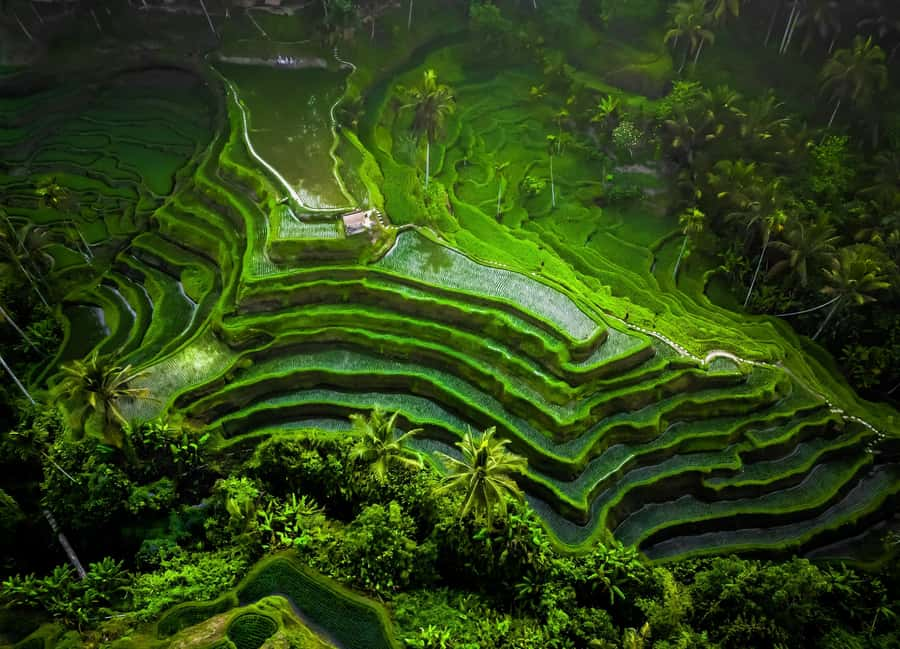
Tegalalang is one of those Bali sights that looks famous for a reason. Expect wide, green views with cascading rice paddies you can often spot from multiple angles along walking paths. The tour includes a photo stop and guided visit here, plus about 45 minutes to take it in at a human pace.
What I like about this stop is the explanation you’ll get. The rice terraces aren’t just scenery, they’re the result of a traditional Balinese cooperative irrigation system called subak. When your guide points out how the water system supports farming, the terraces feel less like a postcard and more like a working cultural system.
Practical tips for enjoying it:
- Wear comfortable shoes because paths can be uneven and you might be stepping in and out of viewpoints.
- Bring a sun hat and sunscreen since this area can be bright and exposed.
- Plan for photos, but also stop for a break, many cafes overlook the paddies and a cold coconut drink can reset you for the next leg.
If you’re short on time, the best move is to take fewer photos from too many angles and instead slow down for one or two viewpoint moments. You’ll remember the light and water pattern more than you’ll remember a dozen nearly identical shots.
Tukad Cepung Waterfall: the cave walk, getting wet, and staying steady
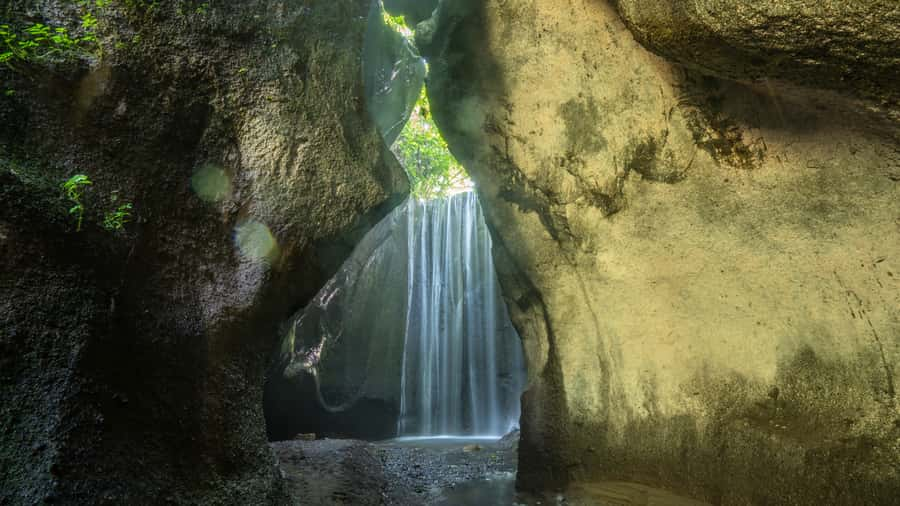
Cepung Waterfall is built for drama. You don’t just stand at the base and look up, you walk into a canyon-like area where a cave setting frames the waterfall. The tour includes a photo stop, guided sightseeing, and a walk of about 1 hour to reach and experience the falls.
Expect a wet visit. This section can involve stairs, slippery rocks, and walking through shallow water, so sturdy shoes are not optional. You’ll likely get splashed, so bring a towel, a change of clothes, and a waterproof bag for valuables.
Why this stop is worth the effort:
- The waterfall’s setting creates shifting light as sunlight filters through the area.
- Being in the rock corridor changes the sound and the mood. It feels more enclosed than most Bali waterfalls.
- The guided pacing helps you move safely during wet sections without feeling rushed.
A small real-world detail that matters: if conditions or access routes are affected by closures, your guide may adjust the plan. One guide example you might hear about is Ardana handling a road closure by redirecting the group to another waterfall instead. That kind of flexibility is a big deal on Bali roads where closures can happen.
Besakih Mother Temple: 80-plus temples, three mandalas, and the rules you must follow
The final stop at Besakih is the payoff for anyone who enjoys sacred architecture and the feeling of being inside a living tradition. Besakih is believed as Bali’s mother temple, located on the slopes of Mount Agung, and it includes over 80 temples. The main temple area includes Pura Penataran Agung, and you’ll spend about 1.5 hours here.
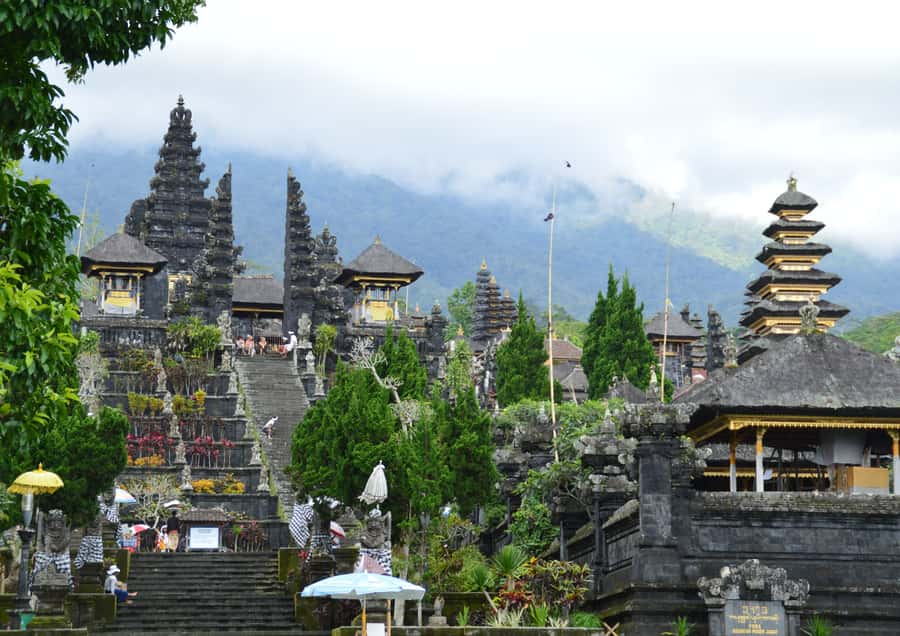
You’ll learn how the temple is organized by a Hindu sacred hierarchy called three mandalas. Even if you’re not a scholar, the structure gives you a framework for what you’re seeing: which areas feel central, which feel more ceremonial, and how sacred space is arranged.
Temple walking reality check:
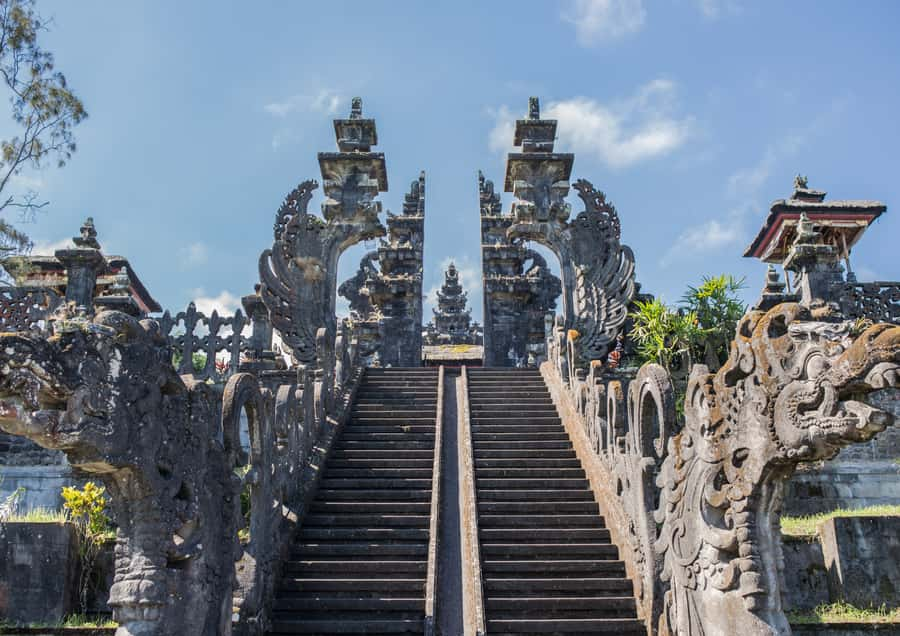
- You will climb 200 steps to reach the whole area of the temple.
- Rain or shine, you’ll still do it. Water can make steps slick, so slow down and keep your balance.
- Dress modestly. Shoulders and knees must be covered.
- You’ll be given a sarong rental, plus you’ll participate in a temple offering with incense as part of the experience.
Important restriction: women during their period are not allowed to enter the temple. This is a strict rule, not a guideline.
Also remember this is an active place of worship. That means you should be respectful of ceremonies and avoid restricted areas, even if you spot a tempting viewpoint.
More Rice Terrace Tours in Karangasem:
- Ubud: Monkey Forest, Jungle Swing, Rice Terrace, and Water Temple
★ 5.0 · 7,160 reviews - Ubud: Waterfalls, Water Temple & Rice Terraces Private Tour
★ 5.0 · 5,484 reviews - Ubud: Waterfall, Rice Terraces & Monkey Forest Private Tour
★ 4.9 · 4,894 reviews - Ubud: Full-Day Rice Terrace, Monkey Forest & Waterfall
★ 5.0 · 2,634 reviews
Temple culture comes alive through your guide, not just the sites
This tour rises or falls on the guide, and you actually get examples of how different guides work here. Past groups praised guides for being proactive with options, thoughtful about safety, and good at explaining what you’re looking at.
Here are a few guide strengths you can specifically look for in how your day runs:
- Gede: praised for giving lots of information and options through the day, plus driving very safely. One guest specifically noted they did not get motion sickness on mountain roads thanks to Gede’s careful driving.
- Samba: praised for adjusting to a tight schedule and helping with timing decisions when the initial plan was unrealistic. Samba even helped with an end-of-day need involving the airport after a long day.
- Ardana: praised for patience, lots of explanation, and smart detours when roads were closed. The big practical detail here is the way the plan can include breaks that reduce stair fatigue.
- Sana, Manu, Gusde, and Udi: praised for photography support and for answering questions about Balinese culture and history.
What that means for you: if you want more than photos and checkmarks, pick this tour knowing you’ll have a guide who can explain. And if you care about pacing, don’t be shy about telling your guide how you’re feeling early. Your best experience usually comes when you align the schedule to your comfort.
Timing, traffic, and why starting earlier can help
The tour lists a 2 to 8 hours window, and the variation is real. Traffic and time spent at each site can change the day, and your walking comfort at Cepung and the step load at Besakih matter a lot.
There’s also a smart planning note that you can use even if you’re not changing your departure time. One group shared that their guide recommended adjusting timing earlier because they were otherwise stuck in a tight schedule. When you start later, you can lose time to daylight and crowds, and you may feel more rushed climbing steps.
If you like a calmer pace, aim for an earlier start when possible. You’ll get more time to enjoy Tegalalang viewpoints, take Cepung at a steady pace, and still feel grounded at Besakih instead of sprinting.
Price and value at about $21: what’s included, what you still pay
At around $21 per person, the value comes from the mix of entrance fees, guidance, and practical extras that would cost money if you arranged everything separately. Included items cover:
- Entry tickets for Tegalalang Rice Terrace, Cepung Waterfall, and Besakih Temple
- Sarong rental for the temple visit
- Temple offering with incense
- Live guide in English
- Mineral water
- Hotel transfers if you select that option
Then there are add-ons you can choose based on your style:
- Luwak coffee tasting
- 1-hour traditional massage
- 10 Polaroid camera photos
- Lunch at a local restaurant
- Jungle swing
What’s not included is the stuff that usually adds up: food and drinks (unless you pick the lunch add-on), and personal spending.
A practical way to judge whether it’s good value for you: if you would otherwise pay for separate entrance tickets and you want someone to manage timing and explanations, this package is easier on your brain. If you plan to hire a private driver or you only care about one site, you might find other options better suited.
Optional add-ons that actually match different travel moods
This is one of the better “customizable” day trips because you can shape the day around your interests. If you want culture-first, you might skip the thrill add-ons. If you want comfort after the steps, you might add the massage.
Here’s what each add-on is for:
- Luwak coffee tasting: for coffee curiosity and a cultural food-and-drink stop.
- 1-hour traditional massage: a recovery move after walking steps and wet footing.
- 10 Polaroid photos: if you like instant keepsakes and don’t want to rely only on your phone camera.
- Lunch at a local restaurant: useful if you don’t want to hunt for food during a packed day.
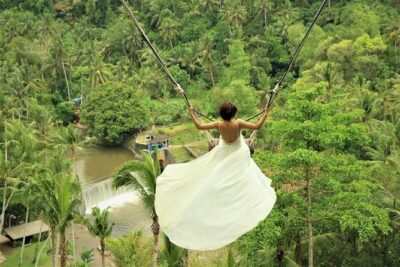
- Jungle swing: for the classic Bali activity that adds an adrenaline break between sightseeing.
My advice: choose one or two add-ons max. More than that can crowd the day and steal time from the most meaningful parts: the rice terrace walk, the cave waterfall approach, and the Besakih steps.
What to bring and what to wear, so the day feels fun instead of stressful
This tour is straightforward, but the details matter. You’ll move between exposed viewpoints, wet rock terrain, and a temple that requires modest clothing.
For footwear and clothing:
- Wear comfortable shoes with grip, especially for Cepung Waterfall.
- Bring comfortable clothes for the temple, with shoulders and knees covered.
- Expect you may get wet at the waterfall, so pack a change of clothes.
For sun and basics:
- Bring a sun hat, sunglasses, and sunscreen.
- Have cash for personal expenses.
- Bring a camera if you want photos, and if you’re doing Polaroid add-ons, keep that expectation in mind.
For safety and comfort:
- Bring a towel and a waterproof bag for valuables at Cepung.
And one more non-negotiable: no alcohol and drugs, and no pets. That’s part of the operating rules.
Who should book this tour, and who should skip it
This is best for active adults who can handle steps and some slippery walking. It is not suitable for:
- Children under 15
- Pregnant women
- People with back problems
- People with mobility impairments, wheelchair users
- Babies under 1 year
- People over 95
- People over 70
If you have a sensitive back, poor balance, or mobility limits, Besakih’s 200 steps plus Cepung’s wet rock walk could be a tough match. In that case, it’s worth looking for a lighter day trip that reduces stair climbing and cave-walk terrain.
Who it suits best:
- You want a day that mixes sacred culture and nature without sacrificing one for the other.
- You like guided context, including how Balinese temple space works and how subak irrigation supports the rice terraces.
- You enjoy photo moments but also want someone explaining what you’re seeing.
Should you book this Bali tour of Besakih, Cepung, and Tegalalang?
Book it if you want a single day that genuinely connects Bali’s farming tradition, its dramatic water moments, and its major spiritual site, and you’re comfortable with steps and getting wet. The value is strong at about $21 because entrance tickets and guidance are built in, and you can fine-tune the experience with add-ons like massage, coffee tasting, and lunch.
Skip it if you need wheelchair-friendly routes or you strongly prefer flat, dry walking. Cepung and Besakih are not built for easy mobility, and the temple has strict entry rules, including limits for women during their period.
If you do book, I’d do one smart thing upfront: tell your guide what pace you need. Based on how guides have handled timing and photo requests, a good guide will work with you, not against you.
FAQ
How long is the Bali Besakih Great Temple Tour?
The tour duration is listed as 2 to 8 hours, and it may vary based on traffic and time spent at each stop.
Where is pickup and where do you get dropped off?
Pickup depends on the selected option. Drop-off locations are Bali and Besakih.
Does this tour run rain or shine?
Yes, it will take place rain or shine.
How much walking and how many steps are involved?
At Besakih, you will climb 200 steps to reach the whole temple area. For Cepung Waterfall, the walk includes stairs, slippery rocks, and shallow water.
What clothing rules apply at Besakih Temple, and are there restrictions?
Modest clothing is required at Besakih Temple, with shoulders and knees covered. Women during their period are not allowed to enter the temple.
Is the tour suitable for children or people with mobility issues?
No. It is not suitable for children under 15, and it also is not suitable for people with mobility impairments, wheelchair users, or people with certain age limits listed by the activity.
Is lunch included, and which add-ons are available?
Lunch is included only if you select the lunch add-on. Optional add-ons include luwak coffee tasting, a 1-hour traditional massage, 10 Polaroid camera photos, and a jungle swing.
Newest reviews out of Karangasem
- Bali: Telaga Waja White Water Rafting And ATV Quad Adventure★ 4.9 · 12 reviews
- East Bali Tour All In: Lempuyang, Tirta Gangga, Besakih★ 4.4 · 13 reviews
- Bali : Eastern Bali and Pura Besakih Temple Tour★ 4.8 · 20 reviews
- Bali: Most Iconic Spot Private Tour (All Inclusive)★ 5.0 · 24 reviews
- Sidemen Bali Private Rafting on Telaga Waja River With Lunch★ 4.9 · 31 reviews
- East Bali: Lempuyang Temple, Tirta Gangga, and Taman Ujung★ 4.9 · 35 reviews
- Amed: Tirta Gangga, Jemeluk Bay, & Virgin Beach Day Trip★ 4.8 · 120 reviews
- Bali/Amed: Underwater Temple Snorkeling Experience★ 4.8 · 134 reviews
Rice Terrace Tours, compared.
Monkey Forest, Jungle Swing, Rice Terrace, and Water Temple
Read our review →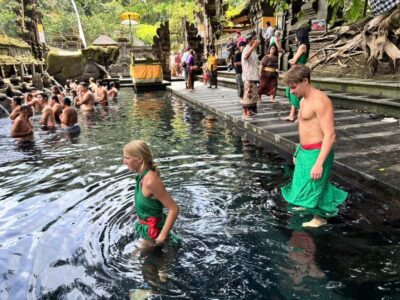
Waterfalls, Water Temple & Rice Terraces Private Tour
Read our review →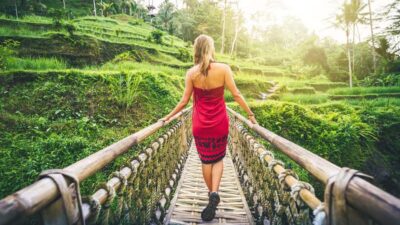
Waterfall, Rice Terraces & Monkey Forest Private Tour
Read our review →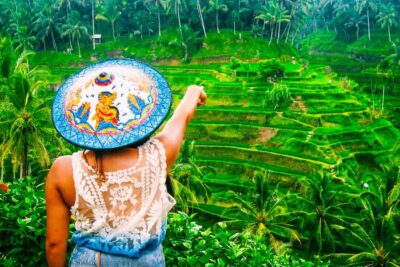
Waterfall, Rice Terraces & Monkey Forest Tour
Read our review →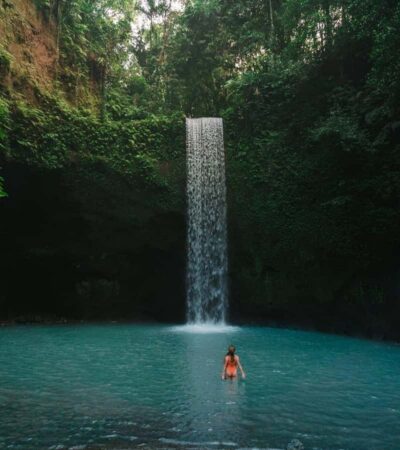
Full-Day Rice Terrace, Monkey Forest & Waterfall
Read our review →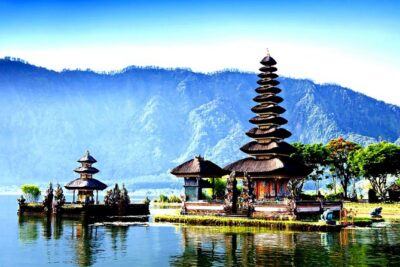
Full-Day Tour to Water Temples and UNESCO Rice Terraces in Bali
Read our review →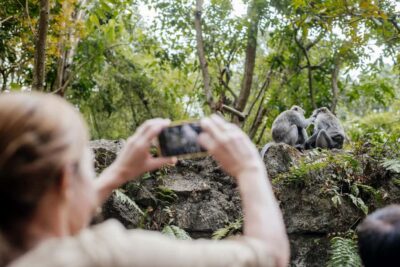
Monkey Forest, Ceking Rice Terraces and More – Full Day
Read our review →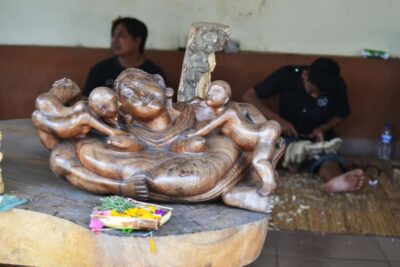
Browse the lists this tour appears in