
Reviewed · WORKSHOPS
Canggu Scooter Lessons
What makes this lesson interesting is that it is built for real beginners in real Bali traffic conditions, minus the pressure. You start with theory and basic control, then move to a quiet village street only when you are ready.
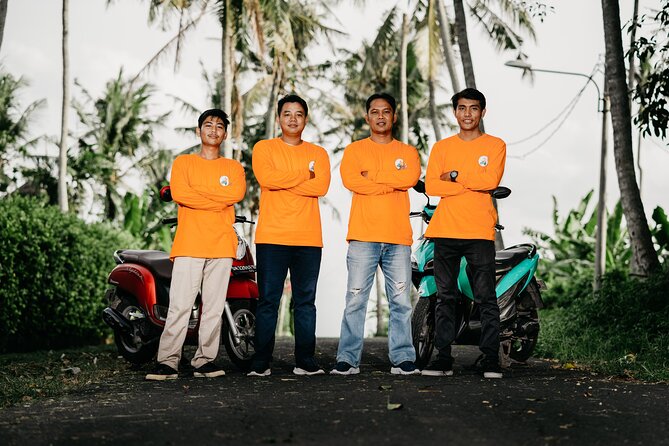
I like that it is private, so an instructor can slow down, repeat, and coach you one-on-one. I also like the emphasis on confidence building, with patience credited to instructors like Agus and Gede, plus kind follow-through shared by Krisna after lessons.
The main drawback to consider is the license rule. You need a valid license, and learning works best if you already know how to ride a bicycle. If either of those is missing, you should plan to add extra training time.
Key things to know before you go
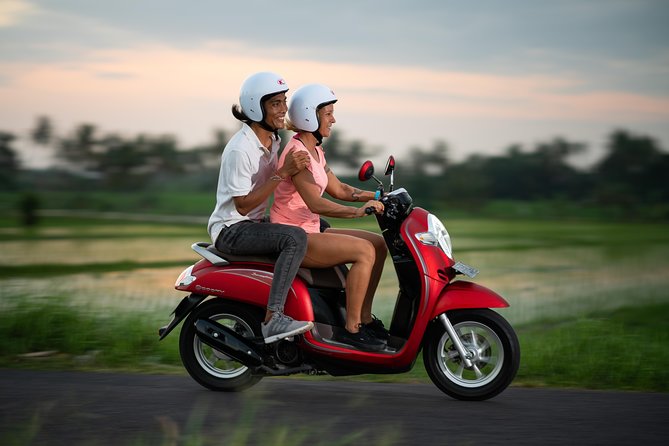
- Private electric scooter coaching with an instructor in your ear, not a “watch and hope” situation
- Start indoors in setup mode with theory on how the scooter works before you touch the road
- Balance and turns first, then only later a quiet street for realistic practice
- You control the pace, with breaks allowed whenever you need them
- Plan on 1 lesson to start, and 2-3 lessons on average to feel truly ready
- It requires a valid license, and scooter lessons expect some prior bike experience
What You’re Actually Learning in Canggu (Beyond “How to Ride”)
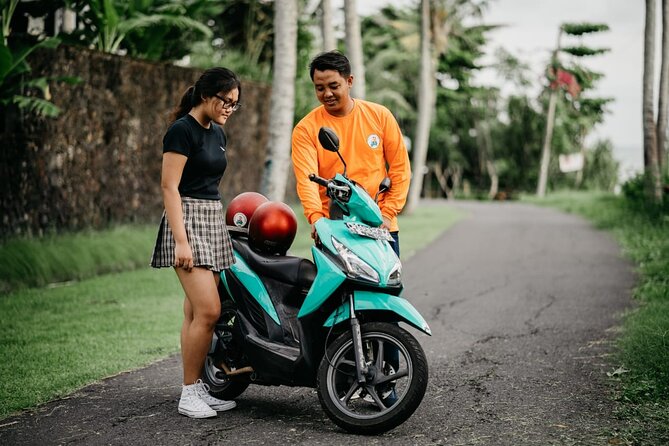
This is not a quick demo where you get on a scooter for ten minutes and call it training. The point is to build practical control step by step, in a safe order.
You begin with how the electric scooter functions. That matters because Bali scooter riding has its own rhythm, and you can feel lost fast if you do not understand what you are doing. Knowing the scooter’s basic functions reduces stress, which makes balance drills easier.
Then you shift to the physical skills. Expect the lesson to focus on balancing and learning to take turns smoothly. The coaching style is meant to help you go from shaky to steady without rushing you into traffic too early. You can feel the difference between “I can move” and “I can control.”
Finally, you progress to real-world practice on a quiet village street. That step is where confidence starts to stick, because you are practicing something closer to what you will do later in Canggu.
Booked alongside this on Ubud itineraries:
- All-Inclusive Ubud Private Tour
★ 5.0 · 14,344 reviews - Best of Ubud Full-Day Tour with Jungle Swing
★ 5.0 · 8,571 reviews - Ubud: Monkey Forest, Jungle Swing, Rice Terrace, and Water Temple
★ 5.0 · 7,160 reviews
Meeting at Jl. Raya Dawas: Theory, Setup, and Getting Comfortable
Your lesson starts back at the parking lot at Jl. Raya Dawas, Tibubeneng, Kuta Utara, Bali 80361. That first stage is often the most underrated part. If you skip it, scooter learning tends to turn into guesswork.
Here is how the session typically flows:
- You get theory on how everything works and what the different functions do
- You then learn balance and how to coordinate movement and turns
- You only move on to the quiet street after you feel confident
- Break time is built in, so you can reset instead of pushing through panic
This setup is smart for new arrivals. The goal is not just learning commands, it is learning without fear. And if you are returning to Bali and you just want to tighten your skills, this format still works. It is a clean refresh, with coaching that targets the exact steps where you likely stall out.
Also, the session is private. Only your group participates. That matters because you are not competing with other people’s mistakes for instructor time.
Scooter Control Drills: Balance, Turns, and Why Pace Matters
Once theory is done, you get your hands on the real challenge: balance. This is where most first-time riders struggle. Your body has to adapt quickly, and your brain has to stop treating the scooter like a moving obstacle.
In a good lesson, instructors do two things:
- They break skills into small tasks.
- They keep you from feeling rushed.
This one is set up that way. The structure moves from balance to turning, and you progress only when you are ready. That approach matters because “passing the test” is not the goal. The goal is that you can repeat the skill calmly, not once, but consistently.
You can take breaks if you need them. That sounds minor, but it is a big deal. Learning scooter control is physical and mental. A reset helps you avoid the cycle where you get tense, then your control gets worse, then you get more tense.
If you like patient coaching, you will likely appreciate the teaching style described in feedback. Agus is mentioned as nice and patient for first-timers, and Gede is highlighted for taking time teaching the next step once confidence arrives.
The Quiet Village Street Step: Practice That Feels Real
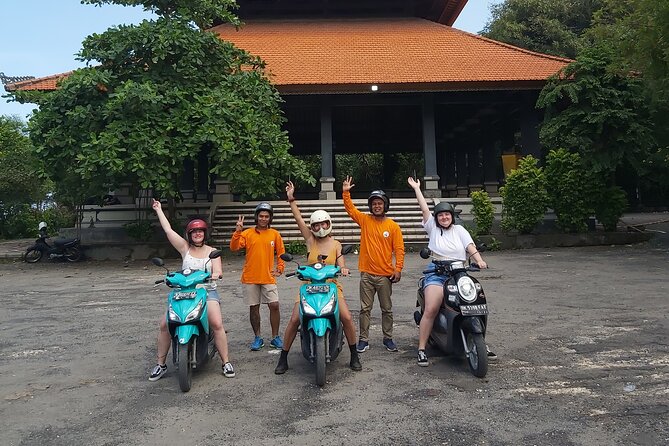
Here’s the big transition: once you are confident on the basics, you head to a quiet village street for more practical riding.
This is exactly the step you want in Bali. You get a feeling for speed control, turning, and steering without the immediate chaos of heavy traffic. It is the middle ground between parking-lot practice and “okay, now try it on the main road.”
And it fits the promise of learning “with an instructor in your ear.” That phrase is not just marketing language. It means you should hear coaching while riding, not after. That helps correct issues right when they happen.
When people talk about feeling safer on busy roads afterward, they usually mean they finally understand their own limits and how to stay calm. The quiet-street stage is where that understanding grows.
So what should you expect mentally? You should feel like you are doing something closer to real riding, but still with guardrails. If you are cautious at first, that is normal. Confidence is built by repeating the right moves under low-stakes pressure.
Something different for the next Ubud day:
- Ubud: Waterfalls, Water Temple & Rice Terraces Private Tour
★ 5.0 · 5,484 reviews - Ubud: All-Inclusive Tour with Optional Lunch
★ 4.9 · 5,438 reviews - Ubud: Guided ATV Quad Bike Jungle Adventure with Lunch
★ 4.8 · 4,881 reviews - Best of Ubud 1-Day Private Tour
★ 5.0 · 4,451 reviews
How Long It Takes: One Lesson vs 2-3 Lessons on Average
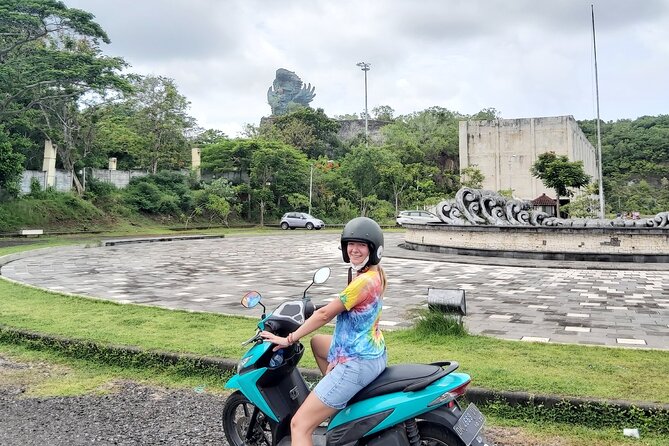
You will see two different time frames mentioned:
- The activity is listed at about 2 hours (approx.)
- Their own guidance says many people average 4-6 hours, which can mean 2-3 lessons
So think of it like this: plan for one lesson as your starting point, and consider booking additional time if you want to feel truly ready.
Why does it vary? Because confidence and pace vary. Some riders click quickly after the balance stage. Others need more time to coordinate turns without wobbling. Some also need time to settle in after breaks, especially if they feel nervous.
Here’s a practical way to decide:
- If you finish your first lesson feeling in control only in the most basic drills, plan a second session.
- If you already feel steady with balance and turning, you might only need one more to refine the street practice.
It is not about dragging it out. The lesson goal is to match your comfort level. The coaching even leaves room to take as many breaks as you need, which makes longer learning sessions easier to tolerate.
License Rules, Bike Experience, and Other Training Options in the Mix
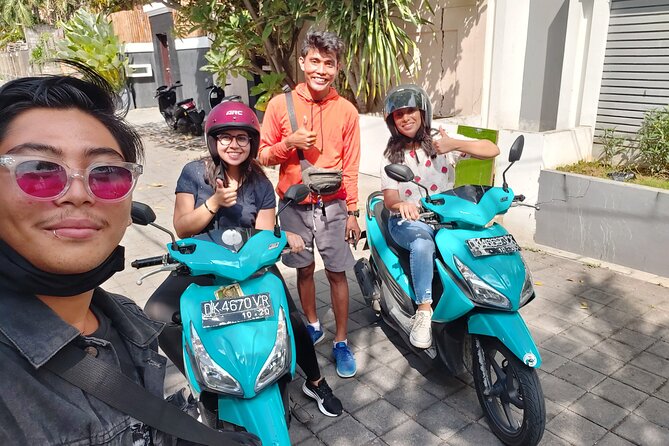
Before you go, double-check your paperwork and your background. This activity requires a valid license.
There is also an important learning note: scooter lessons are stated to require experience riding a bicycle. The reason is simple. If your balance system is brand new, scooter learning gets harder and takes longer. You can still learn, but you should expect more time and patience.
Good news: they also mention extra services if you want to build the supporting skills:
- To get Indonesian driving license
- Manual motorbike lesson
- Bicycle lesson
That is useful if you are in Bali and want a structured path. For example, if you are close to being ready for scooter riding but missing bike confidence, a bicycle lesson can set you up better.
If you already ride a bike comfortably and have the license, you are in the sweet spot for this scooter training. You get to focus on the scooter-specific controls instead of building the foundation from scratch.
Price and Value: Why $31.34 Can Be a Smart Spend
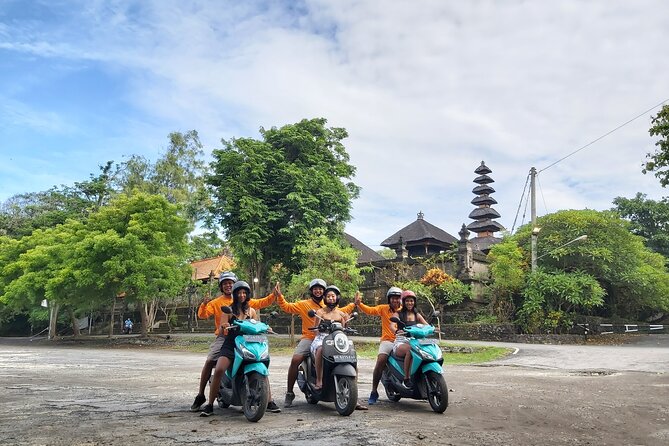
At $31.34 per person, this can be a very good value for Bali. Not because it is cheap, but because it is targeted.
In Bali, the cost of being unprepared is high. Not in money, but in stress and risk. A private instructor who can coach you through balance, turning, and quiet-street practice helps you reduce the chance of that first week feeling like a white-knuckle experiment.
You are paying for three things:
- A structured learning order (theory, balance, turns, then street)
- Private coaching for your group only
- Time and patience that adapts to how quickly you build confidence
That is why riders who come out feeling safer often emphasize instruction quality and learning at their own pace. The best value is when the lesson prevents you from struggling on busy roads later.
Also, because you might do 2-3 lessons on average, you should treat your total time as part of the cost equation. If you invest enough sessions to feel confident, you likely save yourself from burning time, nerves, and potential vehicle problems during your Bali trip.
Practical Logistics: Private Group, Mobile Ticket, and What to Bring
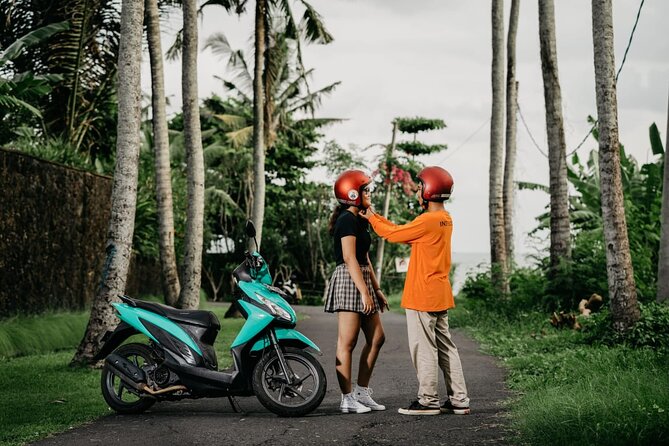
This is a private activity. Only your group participates, which means you are less likely to feel embarrassed or rushed while learning.
Confirmation comes at booking time, and you get a mobile ticket, which is convenient if you are juggling plans on your phone.
They also note a moderate physical fitness level. That makes sense since balancing and controlling a scooter takes leg and core stability, plus the ability to pause and restart safely.
What should you bring in spirit, even if it is not listed here?
- Wear something you can move in.
- Expect to practice, not just sit and listen.
- Bring your valid license since it is required.
If you are prone to getting cold, sweaty, or frustrated during practice, build in patience. Electric scooter control still takes reps.
Who This Is Best For (And Who Might Want a Different Fit)
This lesson fits best if:
- You are new to scooters in Bali and want a safe, supportive first experience
- You are a repeat visitor who wants to build confidence and improve control for busy roads
- You learn best when someone corrects you live instead of letting you figure it out alone
- You value going at your own pace with breaks
It may not be the best fit if:
- You do not have the required valid license
- You lack bicycle experience and do not want to do extra training first
- You expect a fast, single-session transformation regardless of skill level
If you want to ride around Bali quickly, this lesson still helps, but you should plan with realistic expectations. Most people need more than one session to feel calm and capable.
Should You Book This Canggu Scooter Lesson?
If you are planning scooter time in Bali, I think this is worth serious consideration. You get a structured path from theory to balance to quiet-street practice, and you do it with an instructor nearby, guiding you step by step.
Book it if:
- You have a valid license and some bicycle comfort
- You want to reduce risk while gaining confidence
- You like private, patient coaching, especially for first-time control issues
- You can commit to potentially 2-3 sessions to reach that ready feeling
Skip or delay if:
- You are missing the license requirement
- You need bicycle skill support and you cannot spare time
- You are unwilling to practice slowly and take breaks as needed
In short: if you want scooter riding in Bali to feel more like a skill you own and less like a gamble, this is a smart place to start.
FAQ
How long is the scooter lesson in Canggu?
The lesson is listed as about 2 hours (approx.). The provider also notes that average learning may take 4-6 hours, which can mean 2-3 lessons.
Is this a private lesson?
Yes. It is a private tour or activity, and only your group will participate.
Where does the lesson start?
The lesson starts at their parking lot at Jl. Raya Dawas, Tibubeneng, Kec. Kuta Utara, Kabupaten Badung, Bali 80361, Indonesia. It ends back at the meeting point.
Do I need a license?
Yes. Travelers should have a valid license.
How many lessons will I need?
It depends on your pace and confidence. They suggest 2 or 3 lessons on average, but you can do as little or as many as you want.
Do I practice on quiet roads?
Yes. After you feel completely confident with the balance and turns, the lesson continues on a quiet village street.
Can I take breaks during the lesson?
Yes. You can take as much break time as you need.
What if the weather is bad?
This experience requires good weather. If it is canceled due to poor weather, you will be offered a different date or a full refund.
What is the cancellation policy?
This experience is non-refundable and cannot be changed for any reason. If you cancel or ask for an amendment, the amount you paid will not be refunded.
Newest reviews out of Ubud
- Ubud Silver Class: Forge Your Personal Silver Keepsake★ 4.9 · 39 reviews
- Amazing Kuber ATV Quad Bike Experience in Bali and Tunnel★ 5.0 · 39 reviews
- Lempuyang Tour : Heaven gate, Tirta Gangga, Goa Raja waterfall★ 5.0 · 39 reviews
- Make Traditional Bali Coconut Oil with a Balinese Family★ 5.0 · 39 reviews
- Private Tour : Bromo Ijen Tour From Bali★ 5.0 · 39 reviews
- Bali Private Car Charter Tour with English Speaking Driver★ 5.0 · 39 reviews
- Ayung Rafting Ubud (Include Lunch & Return Transportation)★ 4.5 · 40 reviews
- Private Bali Tour: The Most Scenic Places★ 5.0 · 40 reviews
Workshops, compared.
Hands-On Silver Jewelry Making Near Ubud’s Monkey Forest
Read our review →



Legian Beach, Bali: Beginner or Intermediate Surf Lessons
Read our review →
Canggu Jewelry Making Class with Creative Studio Vibes
Read our review →
Browse the lists this tour appears in