
Reviewed · IJEN CRATER TOURS
From Bali: Ijen Crater Overnight Volcano Trip with Sunrise
Kawah Ijen is one of those rare volcano trips where the timing matters as much as the scenery, because the Blue Fire and sunrise happen at a very specific moment. This overnight format also gets you to the crater area when the air is calm and the light is changing, so the whole place feels dramatic without the day-time crowd crush.
I really like how the trip is built around a guided experience with English-speaking support, so you are not just walking in the dark and hoping for the best. Two other standouts for me are the included gas mask and headlight, and the way the schedule includes breaks like coffee, tea, and breakfast, not only nonstop hiking.
The main drawback to consider is that this is a real early-morning hike in cold, high, volcanic conditions, and it is not suitable for everyone. If you have heart or altitude concerns, back problems, or if you are pregnant, you should take the restrictions seriously before you book.
Key things to know before you go
- Blue Fire at the right time: the tour targets sunrise viewing from the crater rim, when the glow is most visible
- Crater workflow up close: you will watch Javanese sulfur miners working as conditions change at dawn
- Small group pace: limited to 15 participants, which helps the guide manage safety and timing
- Safety gear is included: you get a gas mask and headlight plus a safety briefing
- One long push overnight: 23 hours total, with a ferry crossing and early arrival so you can start the climb in time
Why Kawah Ijen sunrise is worth the long travel day
Let’s be honest, a 23 hour day from Bali to an active crater is not for casual travelers. But that is also why this works. The logistics are heavy because the payoff is time sensitive: you need to be at the right altitude and at the right light for the crater’s signature sights.
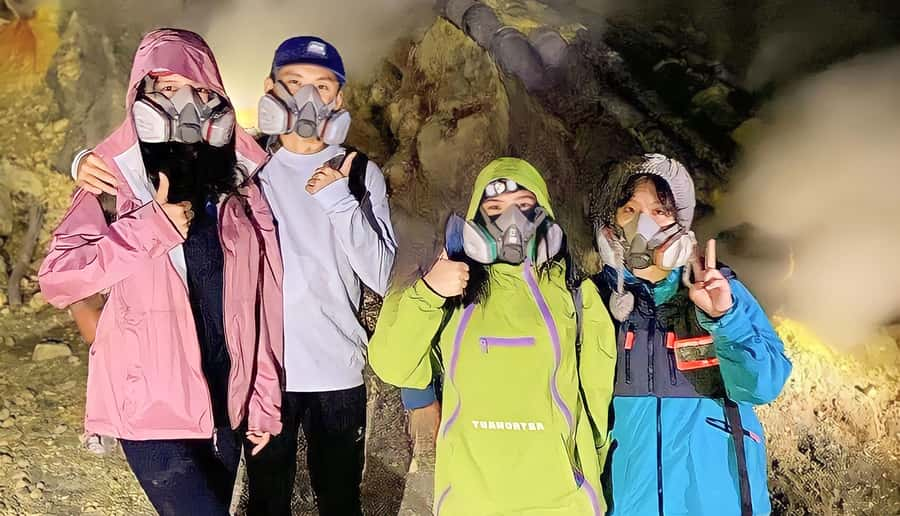
Kawah Ijen is famous for sulfur activity, and the crater area is one of the few places where you can see the glow known as Blue Fire. It is not like a normal campfire. It is a chemical reaction tied to the volcanic gases and sulfur, which is exactly why the tour includes headlamps and gas masks, and why the timing is guarded by the crew.
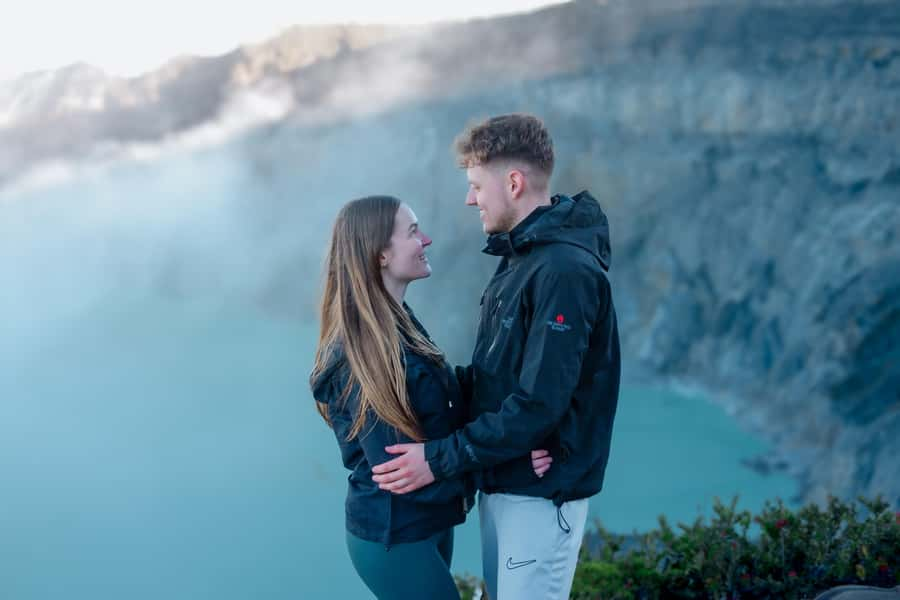
You also get the bigger context, not just the highlight shot. From the rim and across the crater floor, the surroundings reveal themselves as dawn breaks, including the famous acid lake and the work of sulfur miners. That combination is what makes the trip more than a checklist.
More Ijen crater hikes:
- Malang: 3D2N Tumpak Sewu Bromo Ijen Bali in one go!
★ 4.6 · 49 reviews - From Surabaya,Malang: 3-days Tumpak Sewu Bromo Ijen Bali
★ 5.0 · 22 reviews - Ijen Private Guided Tour with Sunrise from Bali or West Java
★ 5.0 · 18 reviews
Pickup from Bali and the ferry crossing: plan for a real overnight rhythm
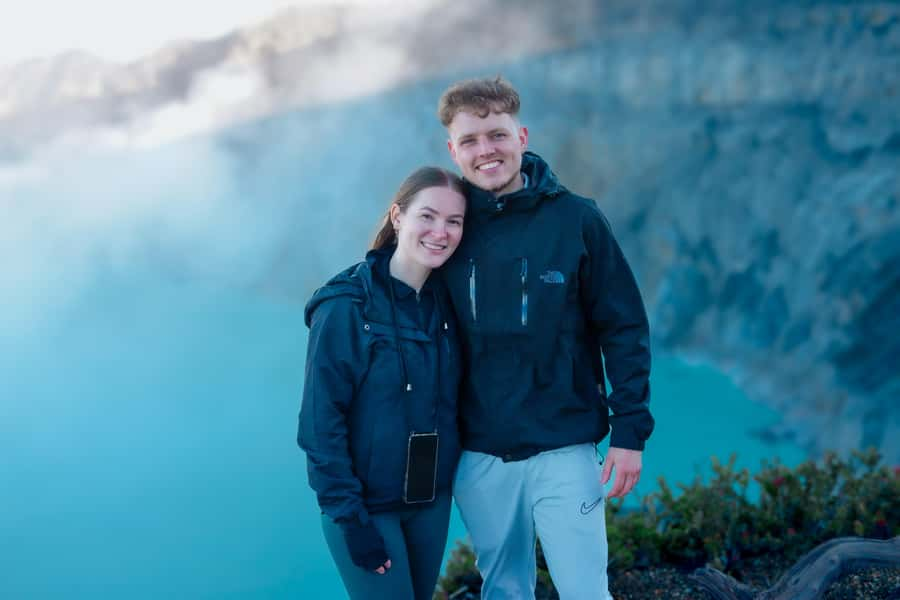
The experience starts with pickup options across Bali, with departure from Bali around 6:00 PM in the general flow of the trip. Pickup times vary by area, and they are early enough that you will want to plan dinner close to your hotel. For example, some areas are picked up around 7:00 PM, others around 6:30 PM, and places like Lovina and Pemuteran around 8:00 PM.
After you leave Bali, you take a ferry crossing that takes about 1 hour. That matters because it breaks the journey into a predictable stretch, and it helps the operator keep you on a schedule for arriving near Ijen before the hike window.
What I like about this setup is that it turns a chaotic long-distance trip into a controlled overnight plan. You are still awake for a long time, but the team handles the big moving pieces, so you can focus on the crater hike rather than figuring out connections on your own.
A detail to keep in mind: pickup at Ketapang port or Banyuwangi Train Station requires readiness at 23:00. If you are joining by train or port on your own, treat that time as firm, because being late affects the whole group timing.
The guide team, and why small-group matters on Ijen
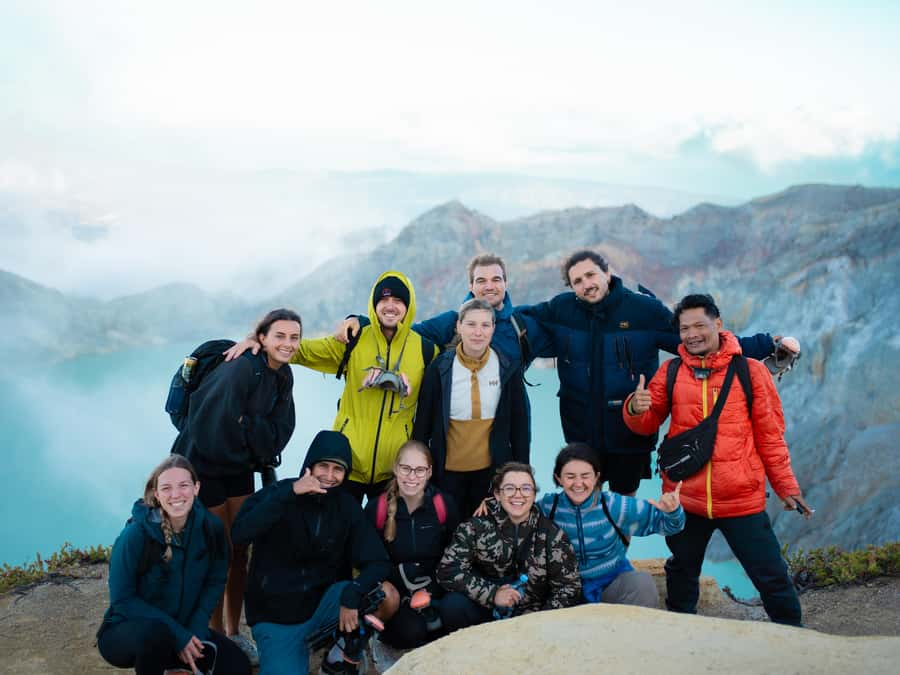
This is a small-group tour limited to 15 people. That might sound like marketing language, but on a narrow, steep trail it changes the experience. A smaller group means the guide can check spacing, manage slower walkers, and keep everyone moving when they need to. It also helps during the viewing parts where guides position you for safety and visibility.
What stands out from the guide style is energy and clarity. Names that have been tied to excellent experiences include Usi and Sopi, and also Nido and Uzi, who are credited with keeping spirits up and staying organized. That matters because the hike starts at night and the crater conditions can feel intense, especially when you are waiting for the exact moment sunrise hits.
You should expect an English-speaking guide, with English and Malay support. You also get a safety briefing, and the guide’s role is not just storytelling. It is practical navigation, pacing, and keeping you aware of hazards around sulfur gases and uneven ground.
Entering the crater world: rim views, miners, and the sulfur activity
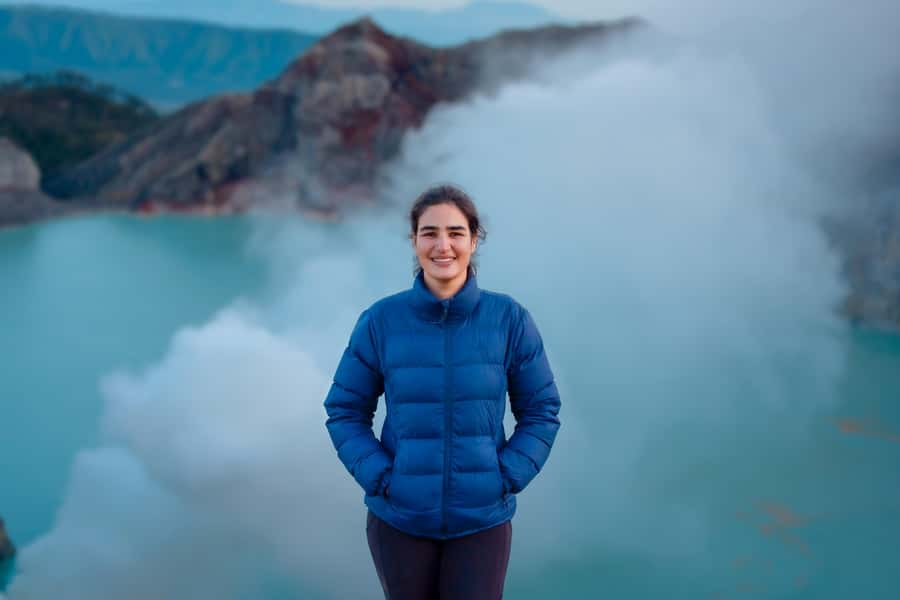
Once you reach Mount Ijen, you climb to the crater rim, then descend to the crater floor. This is the part that feels most “otherworldly” because the crater has its own rhythm, with work happening amid sulfur fumes and heat.
Here is what you are there for, in real terms:
- You can see the Blue Fire at the crater area during the dawn window
- You can watch Javanese workers harvesting sulfur, which gives the scene human scale, not just geology
- You are positioned so the acid lake and crater surroundings are revealed as light shifts
The crater is not a theme park. It is an active working volcano area. That is why the included gear matters so much. A gas mask and headlight are not optional comforts here. They are there for safety and visibility during the hike and crater time.
If you are sensitive to strong smells or breathing discomfort, take the gas mask seriously and follow the guide’s instructions. The best value of a guided trip is not that it gets you closer to the moment, it is that it helps you manage it safely.
Something different for the next Indonesia day:
- From Lembongan: Nusa Penida Snorkeling Day Trip
★ 4.6 · 1,126 reviews - From Nusa Penida: 3 Spots Snorkeling Tour with Manta Rays
★ 4.4 · 720 reviews - Lombok: Gili Nanggu, Sudak, & Gili Kedis Private Snorkeling
★ 4.9 · 161 reviews - Ubud Town Center Silver Class – Silver Jewelry Making Class
★ 4.9 · 138 reviews
Sunrise timing: why dawn on Ijen feels different than daytime photos
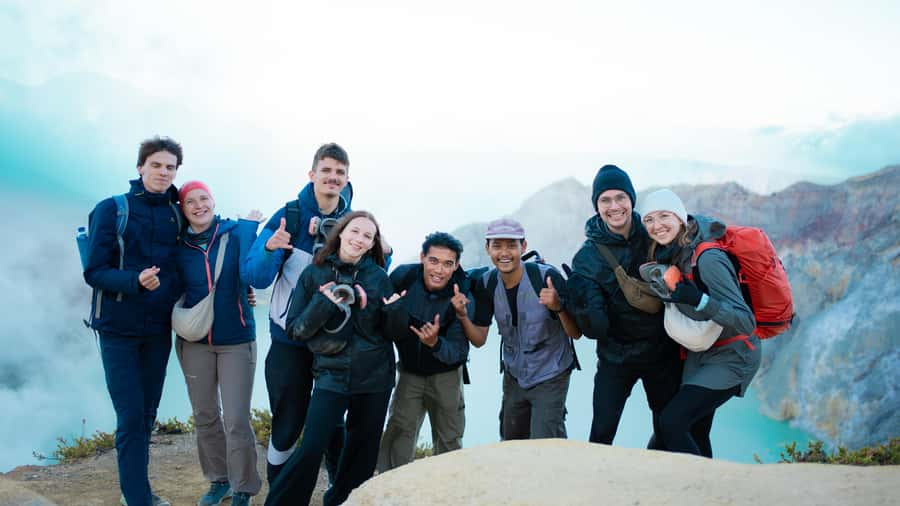
The heart of the trip is arriving for sunrise, which is when the whole crater scene changes fast. The schedule is built to put you at the right place before the light is fully up, so the glow and the surrounding forms are visible.
As dawn breaks, the lighting shifts your perception. Shadows move across the crater walls, and the acid lake and rim details become clearer. This is why the tour includes enough time in the Ijen area, about 7 hours, rather than rushing you through.
I also appreciate the way the trip mixes anticipation with grounding breaks. You get coffee, tea, local snacks, and then breakfast later, rather than only waiting in the cold without any warmth or fuel. When you are tired and your hands are cold, a small snack can keep you steady for the rest of the day’s descent and return.
One practical note: the Blue Fire is not guaranteed in every condition. The tour prioritizes the best chance through timing, but visibility can vary with circumstances you cannot control. If you are traveling for a single photo, calibrate expectations and treat the whole sunrise crater scene as the goal.
The hike experience: what the 7 hours in Ijen really means for your body
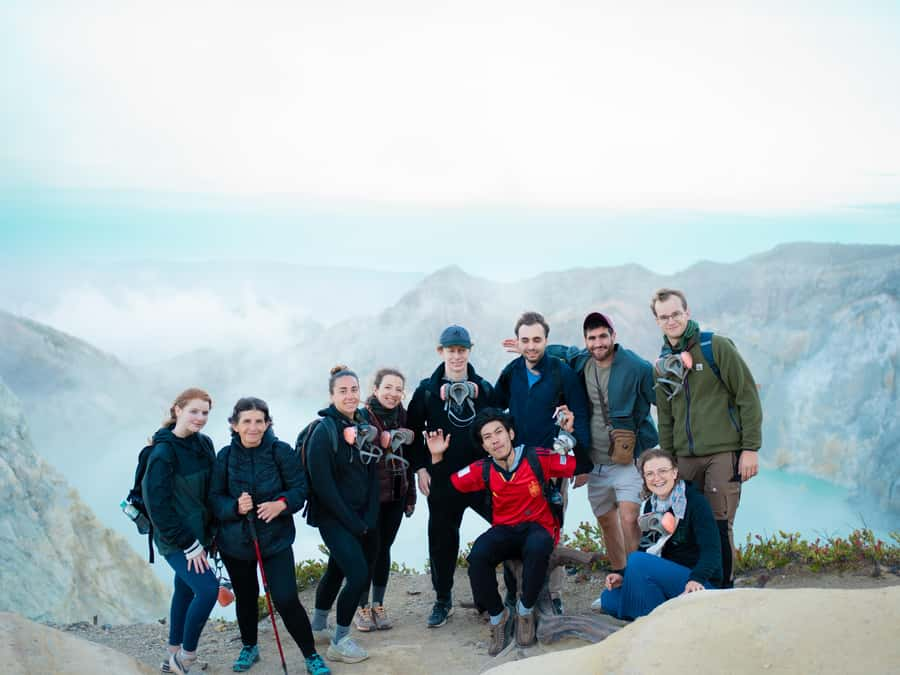
The Ijen portion includes hiking, guided tour time, and crater viewing. You should assume this is a challenging hike because you are climbing and then descending in volcanic terrain under early morning conditions.
That also means shoes matter more than you think. Bring comfortable shoes you trust on rocky ground. Warm clothing is also key because you are out during pre-dawn and sunrise conditions.
The timing also affects how you feel. You will be awake late the night before, then you start moving, then you wait for sunrise, then you move again. The best thing you can do is to dress for cold, keep a steady pace, and drink water during breaks rather than only when you feel thirsty.
This is where the guide’s approach really counts. From what has been described, guides like Sopi keep the pace and explain what to expect, including safety instructions while checking on the group. That kind of attention can reduce stress and prevent the common mistake of going too fast at the start and paying for it later.
Breakfast and the return leg: staying fed so you enjoy the ride back
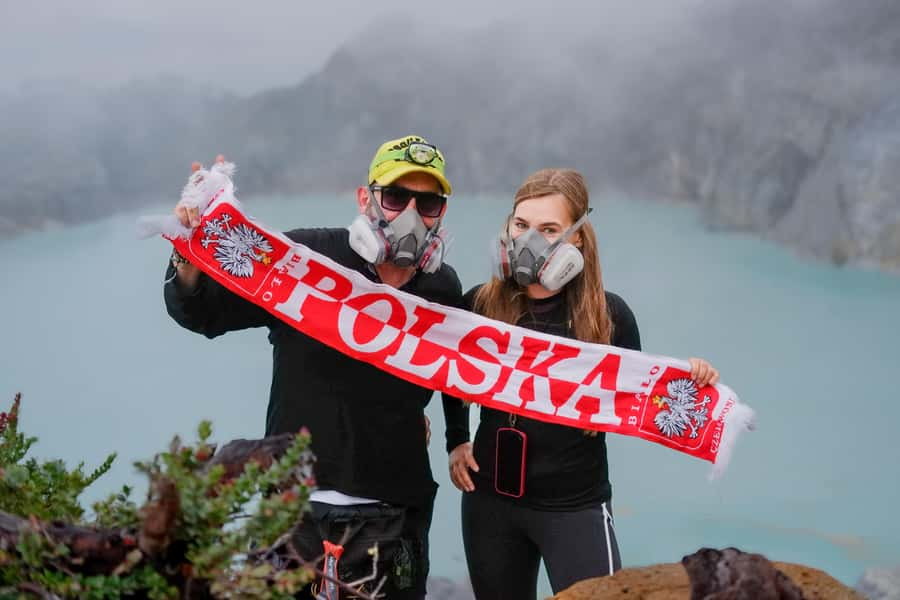
After sunrise and the crater time, the trip includes a stop for Javanese breakfast. You also get mineral water and snacks as part of the included items. This is not fluff. After a cold, physical morning at altitude and volcanic activity, food and hydration help you reset before the long return to Bali.
Then you take the ferry crossing again, about 1 hour. The return leg is where you will feel tired, so it helps that transport is handled and that you do not need to figure out connections.
If you are planning your next day in Bali, I recommend keeping it light. You will be mentally alert for the crater moment, but physically you may be worn down after the long overnight schedule.
Price and value: why $107 can be more than it looks
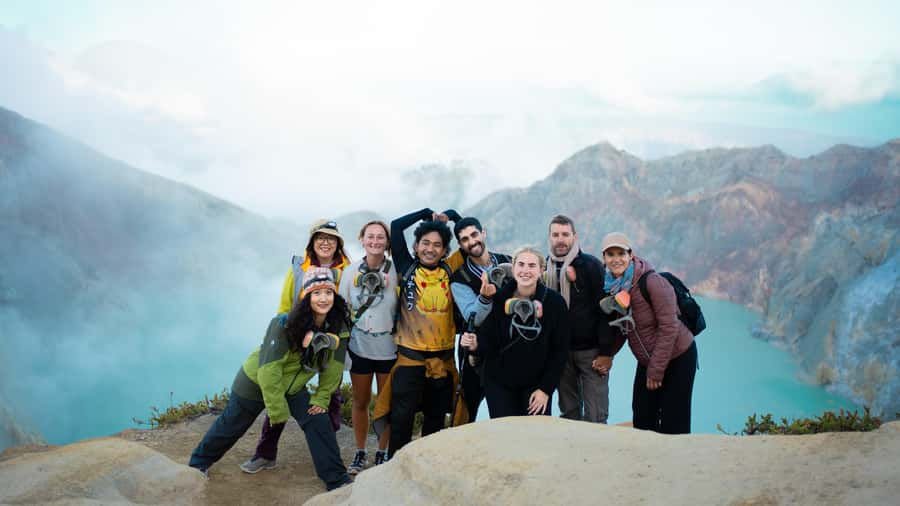
At $107 per person for a 23 hour overnight experience, the price looks simple until you list what is actually included. This tour covers:
- Pickup and drop-off from Bali to Kawah Ijen
- Ferry ticket
- Entrance fees to Kawah Ijen volcano
- English-speaking guide
- Gas mask and headlight
- Crater insurance
- Mineral water and snack
- Documentation
Not included items are relatively minor based on what is listed: a health certificate required by regulation, plus personal use. The value is strongest if you do not want to deal with arranging transport, tickets, gear, and guide logistics for yourself.
Also, the included safety gear and guide are not cheap add-ons in the real world. If you had to source a headlamp and proper respiratory protection, coordinate guide time, and handle crater access separately, you would likely pay more and take on more risk.
So the value question becomes: do you want a guided, ready-to-go schedule that prioritizes safety and timing? If yes, $107 is a reasonable price for what you get, especially with small-group management.
What to bring, what not to bring, and who should skip it
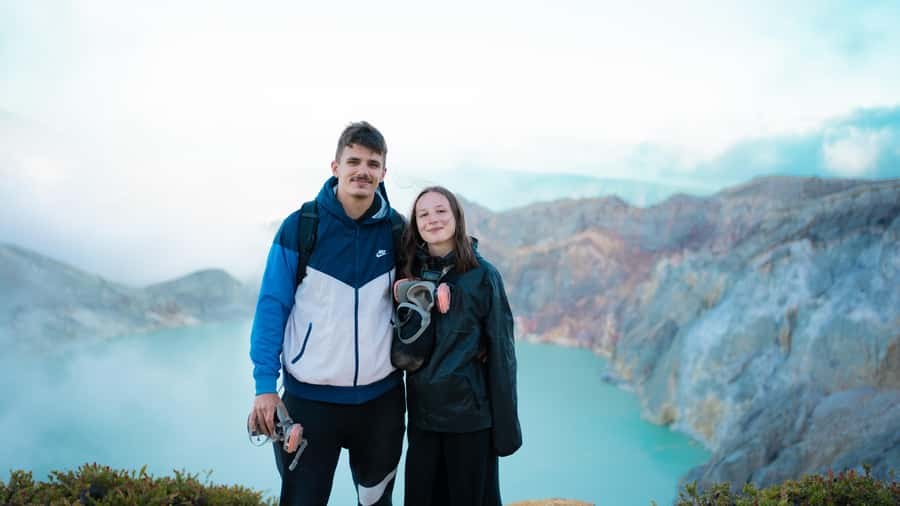
You are given essentials like a gas mask and headlight, but you still control comfort. Bring:
- Comfortable shoes
- Warm clothing
- A jacket
You also should be prepared for cold in the early hours, even if Bali itself feels warm. Dress for layers, and keep a plan for wet or dusty conditions around the crater area.
Not allowed:
- Pets
- Alcohol and drugs
On suitability, this tour is specifically marked as not suitable for:
- Pregnant women
- People with back problems
- People with heart problems
- People with altitude sickness
- Babies under 1 year
- People over 95 years
If any of these apply, do not treat it as a negotiation point. The crater environment, the hike, and the schedule are all factors that can strain the body.
Another rule that affects planning is that Mount Ijen is closed every first Friday of the month. That means you should check the date before you commit your travel calendar.
Important documents and communication that can save you headaches
This trip requires coordination on paperwork. You are asked to send your passport for the Mount Ijen ticket, and also your health insurance information. That is an unusual step if you are used to tours that only ask for a name and an email.
There is also a note that a health certificate is required as a regulation, and it is listed as not included. So you should confirm you have what you need ahead of time rather than assuming the operator will handle it.
Communication matters too. You are asked to put your WhatsApp number for better communication, which is a smart move for pickup timing and last-minute coordination. If your phone battery is likely to die overnight, charge it before you go and consider a power bank.
How to judge your own readiness for the Ijen Blue Fire hike
If you are the kind of traveler who enjoys a focused mission trip, you will probably love this. The experience is about timing, endurance, and seeing something you cannot replicate on a normal day. The included guide and gear reduce uncertainty, and the small group pace helps keep it organized.
On the other hand, if you want a long, relaxing scenic cruise, this is not that. You will be walking, climbing, descending, and waiting. The crater conditions can feel intense, and you need to follow safety guidance.
The most helpful way to decide is to ask yourself:
- Do I handle early starts and cold pre-dawn conditions well?
- Do I feel comfortable hiking on uneven terrain for several hours?
- Can I follow safety instructions about sulfur gases and the use of the gas mask?
If your answer is yes, this is a strong pick for your East Java bucket list.
Should you book this Ijen sunrise trip?
Book it if you want the best chance at Blue Fire timing, you value safety gear included with the tour, and you like having a guide manage the hard parts. The combination of pickup, ferry, entrance access, a small group, and professional guidance is what makes this more than just a hike.
Skip it if you do not meet the listed health suitability rules, if you hate intense physical schedules, or if you cannot handle cold early mornings. Also, check the first Friday closure rule so your dates do not get wasted.
If you want a practical, no-drama experience in East Java, this overnight sunrise format is one of the more efficient ways to get to Kawah Ijen and come back with the crater moment intact.
FAQ
What is the duration of the trip from Bali to Kawah Ijen?
The total duration is about 23 hours.
What is included in the price?
It includes pickup and drop-off from Bali to Kawah Ijen, ferry ticket, entrance fees, an English-speaking guide, gas mask and headlight, crater insurance, mineral water and snacks, plus documentation.
What time does pickup happen in Bali?
Pickup times vary by area. Some areas are picked up around 7:00 PM, others around 6:30 PM, and Lovina or Pemuteran around 8:00 PM. The general departure from Bali is around 6:00 PM.
Are we guaranteed to see the Blue Fire?
The tour is designed for sunrise viewing at the crater where Blue Fire can be seen, but visibility is not stated as a guaranteed outcome in the provided information.
How long do you spend at Ijen?
The Ijen section is listed as about 7 hours and includes hiking, guided tour, sunrise, coffee and tea, breakfast, and local snacks, plus a safety briefing.
What should I bring and wear?
Bring comfortable shoes, warm clothing, and a jacket.
What is not allowed during the trip?
Pets are not allowed, and alcohol and drugs are not allowed.
Who is this tour not suitable for?
It is not suitable for pregnant women, people with back problems, people with heart problems, people with altitude sickness, babies under 1 year, and people over 95 years.
Are there any date restrictions?
Mount Ijen is closed every first Friday of the month.
Newest reviews out of Indonesia
- Bali: Kuta Beach Surfing Lesson (2 Hours, Local Instructor)★ 4.7 · 12 reviews
- Scenic Cycling Tours Through Bali’s Sidemen Countryside★ 5.0 · 12 reviews
- Day Trip 5 Secret Giilis in West South of Lombok★ 4.8 · 12 reviews
- Visit Lombok Sasak Tribe Village, Waterfall And Selong Hill★ 4.5 · 14 reviews
- Nusa Penida: Full-Day Guided Snorkeling & Island Tour★ 3.5 · 14 reviews
- Nusa Dua: Luxury Balinese Massage with Hotel Transfers★ 4.8 · 14 reviews
- Lombok: Gili Nanggu, Tangkong, Sudak, and Kedis Islands Tour★ 4.8 · 15 reviews
- Kecak Dance at Uluwatu Temple – Sunset Fire Dance in Bali★ 4.3 · 15 reviews
Ijen Crater Tours, compared.
Surabaya or Malang: Tumpak Sewu Bromo & Ijen 3-Day Trip
Read our review →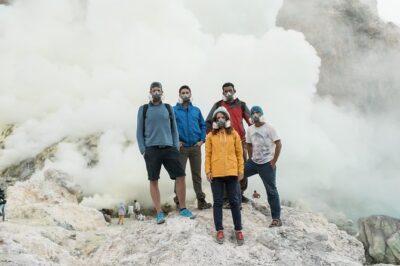
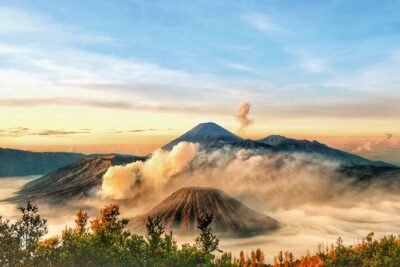
3Days – Tumpaksewu Bromo Ijen Adventure via Malang or Surabaya
Read our review →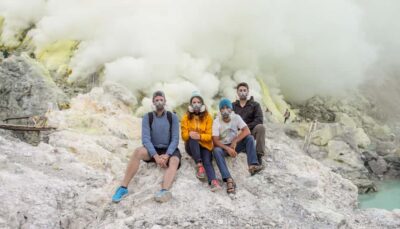
24-Hour Trip to Ijen Crater & Javanese Breakfast
Read our review →
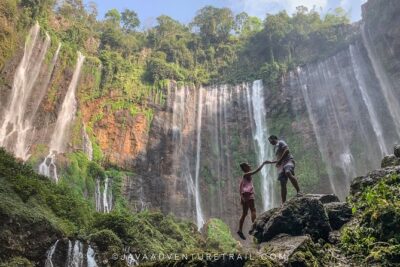
Mount Bromo – Tumpak Sewu Waterfall – Ijen Bluefire Tour – Bali 4d3n
Read our review →
Browse the lists this tour appears in