
Reviewed · EVENING EXPERIENCES
From Ubud: Evening Firefly Tour in Taro Village
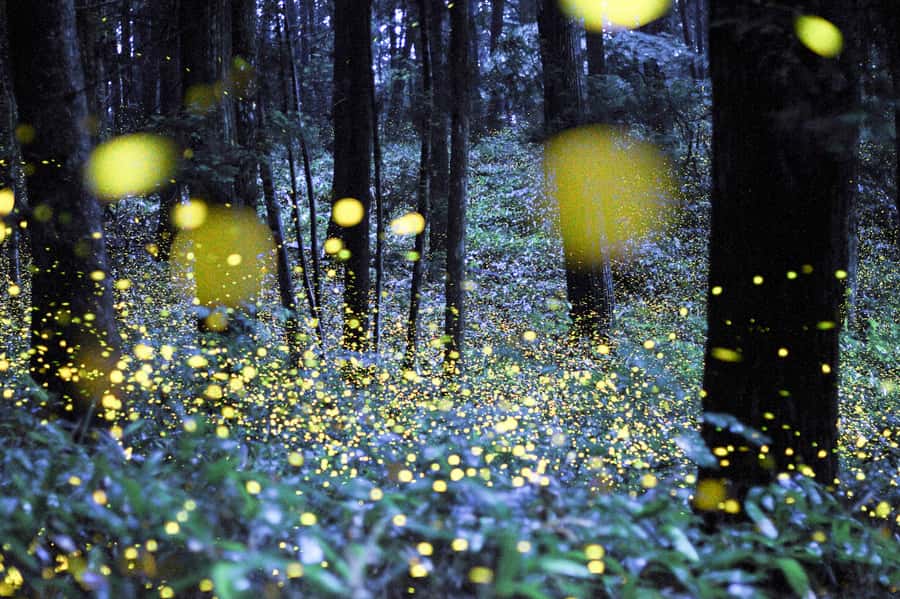
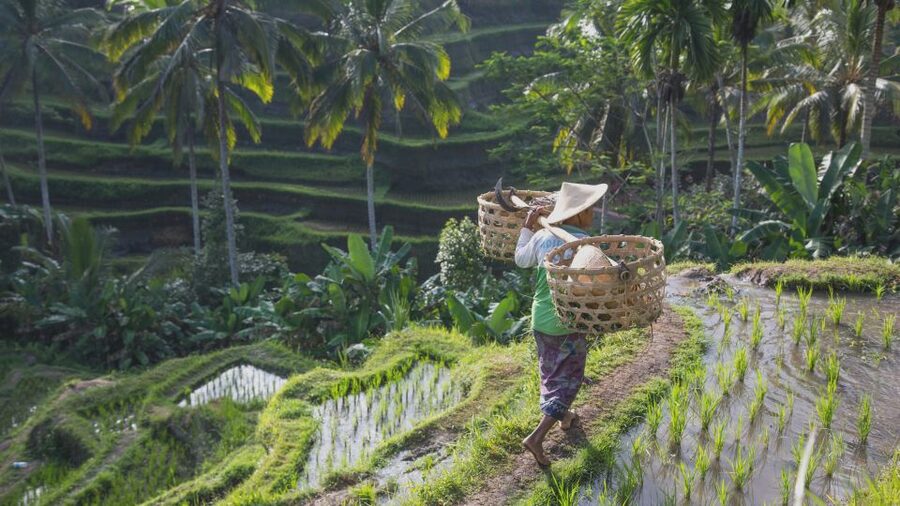
This Ubud firefly night in Taro Village is interesting because the show happens in real working rice fields, with you watching the glow close to the water and crops. The pace feels calm, rural, and human, not like a crowded night excursion.
I love two things right away: the organic farm dinner that tastes fresh and local, and the chance to learn family life in a Balinese compound from guides like Depi, Made, and Wayan.
One possible drawback is simple. Firefly numbers can vary with weather and night conditions, so treat the fireflies as the highlight, but also enjoy the farm, the village, and the irrigation lessons that still make the evening worth it.
Quick hits before you go
- Organic farm dinner first, served in the middle of the farm, so you eat where the ingredients are grown
- Family compound visit, where guides explain how the compound works and how family life is organized
- Subak irrigation walk, with rice fields and harvest-cycle talk tied to how water is managed
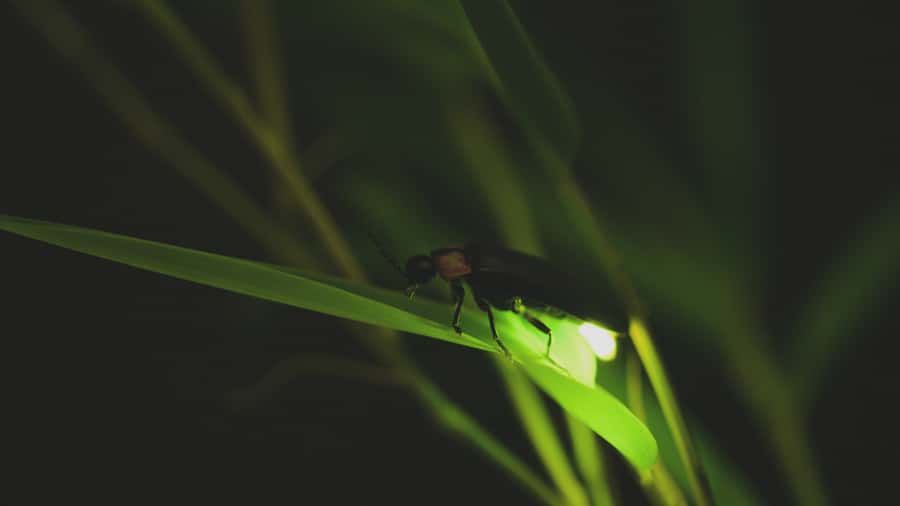
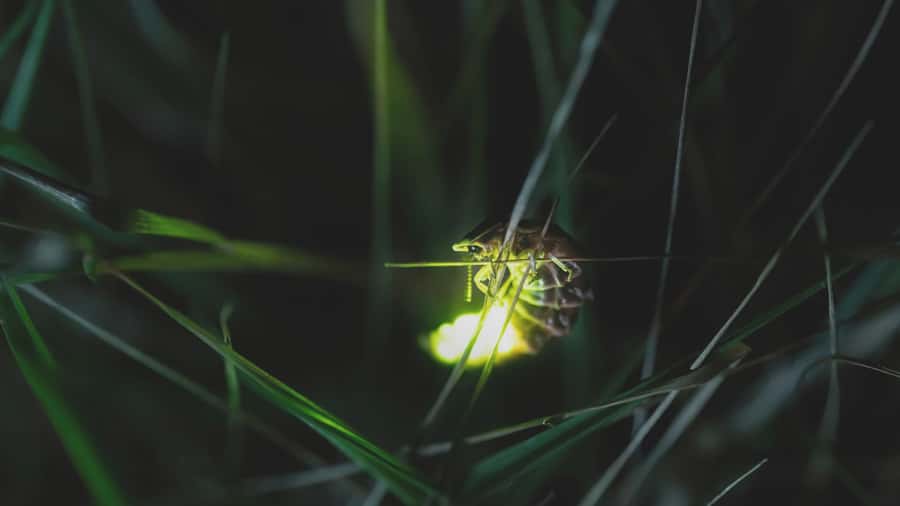
- Firefly viewing in the paddies, often with a dark, quiet break where you can actually watch the lights
- Practical extras from the team, like mosquito repellent and knee-high boots (on some evenings)
- Sometimes you get a small local keepsake, like art or a gift made by children
Why Taro Village fireflies feel special over rice paddies
This tour works because you do not just chase lights. You build the night in layers, farm to family to rice fields, and then you end in a place where the dark matters. When you finally look up at the glowing patches, it feels like part of the ecosystem, not a scripted performance.
You also get a different kind of Bali experience than the usual temple-and-shop route. The evening is centered on daily life, food, and water, including how rice paddies fit into a bigger irrigation system people have relied on for generations.
And yes, the fireflies are the headline. But what often sticks with people is the quiet night soundtrack too, crickets, frogs, geckos, and that sense of being out where the village gets to be a village.
More Evening Experiences in Bali:
- Bali Sunset: Uluwatu Temple, Kecak Dance and Jimbaran Bay
★ 4.7 · 2,397 reviews - Bali: Tanah Lot Temple Half Day Sunset Tour
★ 4.4 · 525 reviews - Bali: Sacred Temples and Sunset Private Tour
★ 4.8 · 429 reviews
The 4-hour flow from Ubud, and how to time your evening
The whole experience is about 4 hours, with pickup optional from Ubud depending on what you book. If you choose the shuttle, plan to be at the meeting point about 10 minutes before the scheduled time, and look for a sign on the driver side.
Once you meet the team, the night starts with drinks and introductions, then you head to Taro Village and work your way through the farm and village stops. It is not rushed, but it is also not slow enough that you can show up late and still enjoy everything.
A practical tip: bring a light jacket. The firefly and rice-paddy portion happens after dark, and even if it is warm earlier, the temperature can feel cooler once you are standing still.
Taman Dukuh Agroforestry farm walk, plants, and the “how food grows” lesson
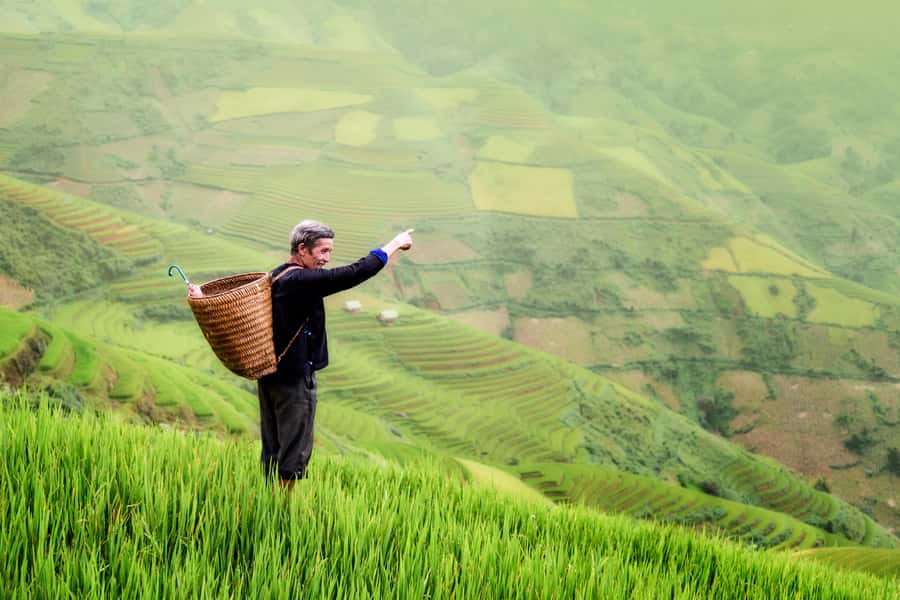
Your first big stop is at the farm. You get a guided walk through the organic agroforestry area, with plenty to see beyond rice fields. Think trees and plants used for food, herbs, and crop systems that support both farming and daily needs.
What makes this segment valuable is that you do not just get facts. You get context on what grows there and why the farm approach matters. Some guides point out plants you might never spot on your own, and you may even hear how certain plants are processed locally.
One detail that people tend to remember is how guides explain practical uses of what is grown. For example, there are stories of demonstrations related to sugar palm processing using bamboo ladders, which turns the farm walk from pretty scenery into real technique.
Even if your main goal is fireflies, do not skip paying attention here. The firefly viewing later makes more sense once you understand the farm and water rhythms behind the rice landscape.
Dinner in the farm, what you should expect to eat
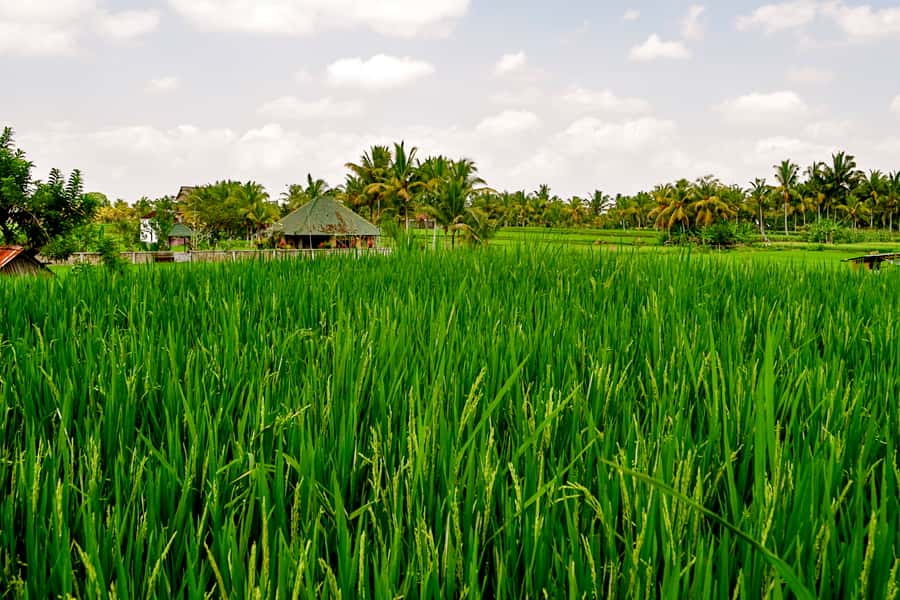
Dinner is served as a feast in the middle of the farm. Included in the price are dinner, plus snacks, bottled water, and hot drinks and refreshments. The result is you are not spending your night hungry, and you are not stuck hunting for food in the dark.
The strongest theme here is flavor and freshness. People describe the meals as authentic, made from fresh ingredients, and far from typical “tour dinner” energy. You may also find that spices are kept moderate, and there are examples of vegan needs being catered for.
If you have dietary restrictions, I would still message ahead or ask at the start. The tour data does not promise a specific menu for every diet, but your odds look good based on past experiences shared by other visitors.
Also, bring your attention to the timing. Eating on the farm keeps the night grounded. It is not an intermission between activities, it is part of the farm story.
Something different for the next Bali day:
- Bali: Sunrise Mount Batur Guided Hike with Breakfast
★ 4.8 · 9,660 reviews - Bali: Mount Batur Sunrise Guided Hike and Natural Hot Spring
★ 4.8 · 9,284 reviews - Bali: Full-Day Instagram Highlights Tour
★ 4.8 · 7,817 reviews - Bali/Nusa Penida: East & West Highlights Full-Day Tour
★ 4.7 · 6,263 reviews
Traditional village stop, meeting family, and learning the compound rules
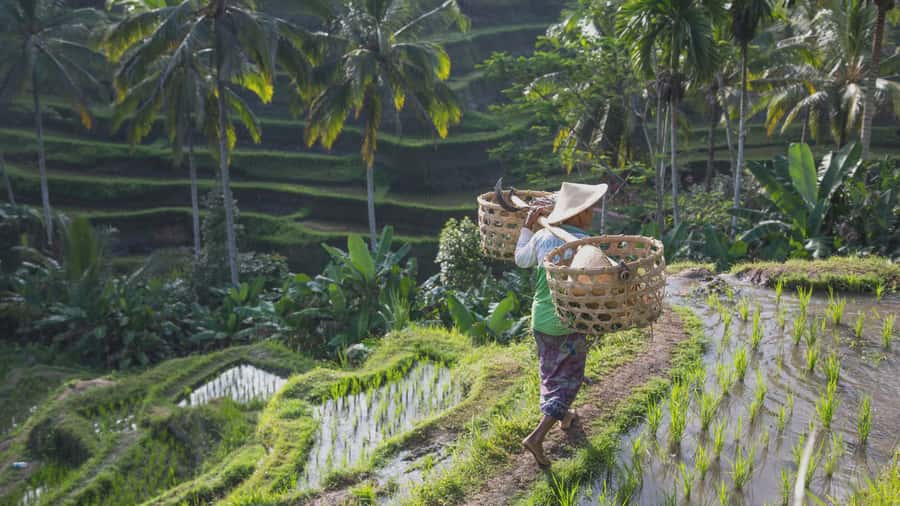
After dinner, you visit the guide’s compound house area in the village. This is where the experience turns from “nature tour” into “human tour.”
The focus is on daily life inside a Balinese family compound, including layout and hierarchy. People specifically mention learning about how the compound is organized, how family relationships show up in the space, and how traditions are carried through generations.
Guides you might encounter include Depi, Made, Wayan, and Deren. Names change with the date, but the format is similar. You get explanations in clear English or Indonesian, and the conversations are built around questions.
One reason this part lands is that you are not only looking from the outside. You are learning why people do things the way they do, including the logic behind the space and family structure. It also helps that the tone tends to be relaxed, not stiff or scripted.
Viewpoint and transition to the paddies: setting up the Subak lesson
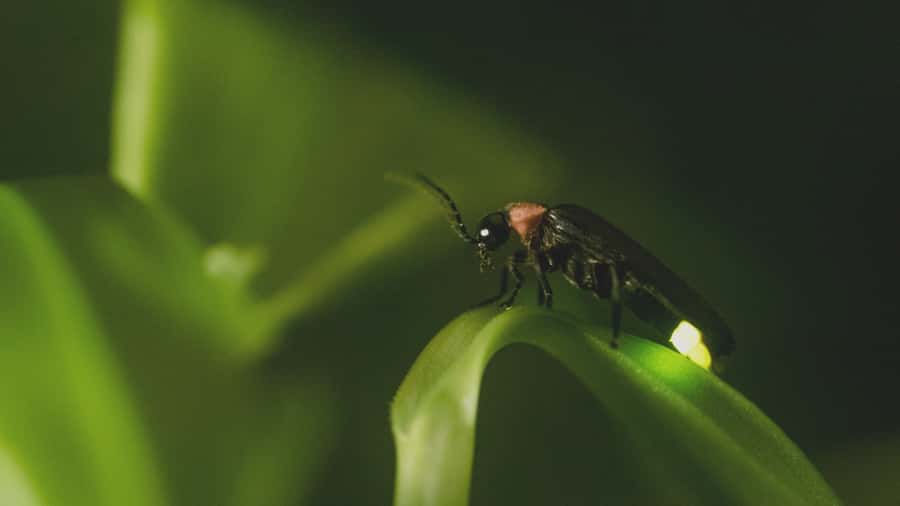
Your itinerary includes a viewpoint guided portion, which works as a bridge between village life and the rice-field night. This is the moment where you start shifting your focus from farm and home to water, crops, and timing.
The big topic here is Subak, Bali’s famous irrigation system. You learn about the rice paddies and their harvest cycle, which matters because fireflies are not random decoration. They are linked to the health and timing of the paddies, along with the overall ecosystem.
This transition is also practical. Standing in a viewpoint area helps you understand what you will later see from inside the fields. It makes the final walk feel more like an exploration than a blind arrival.
If you are the type who likes photos, this is also where you can get useful angles before the dark. Once night takes over, your phone camera may struggle, but your eyes will do fine.
Rice paddy walk after dark, water stories, and the Subak rhythm
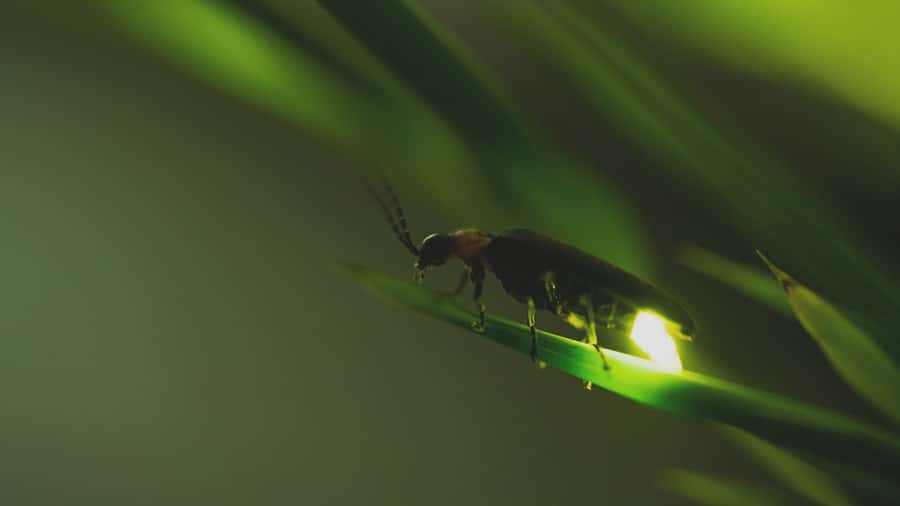
When it is time to head into the rice paddies, the pace becomes quieter. This is a short walk where the guide points out spots where fireflies tend to appear, and you start learning about the rice-field environment beyond just the glow.
One very specific detail: there is a break in a small building in the middle of the fields. This is not just a pause for comfort. It is set up so you can watch the fireflies while you talk about local tradition and culture.
Expect the night sounds to be part of your lesson. Crickets, frogs, and geckos show up in the background, and the guide often frames the wildlife as part of the living farm world.
Practical note: you might be given knee-high boots for the walk, and mosquito repellent is provided on at least some evenings. Even if you are comfortable, this is helpful because you are standing and moving around rice-field edges where you would not want thin sandals.
Firefly viewing: what the glow looks like, and how to manage expectations
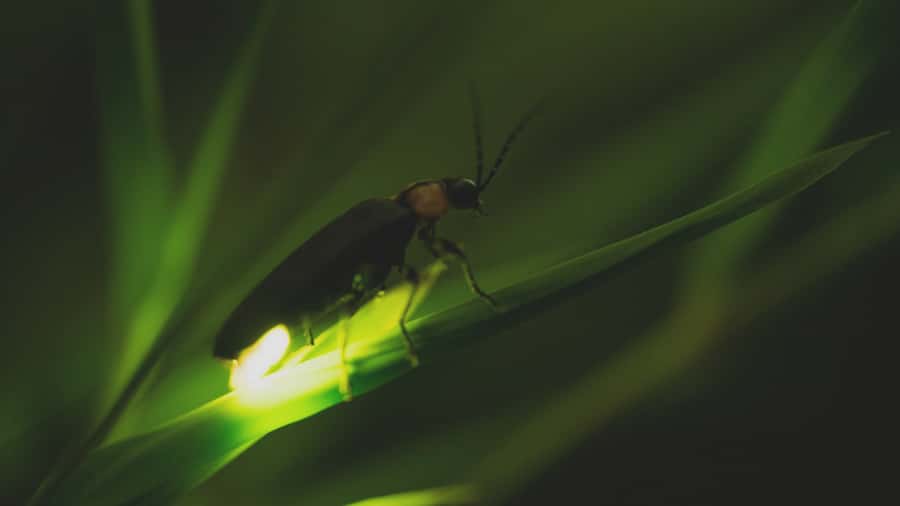
The firefly moment is the finale. You sit, watch, and let your eyes adjust to the dark. You are close enough to see the pattern of light, not just a distant sparkle on a horizon.
If the sky is clear and conditions are right, people report being amazed by how many appear, sometimes even when not peak season. One comment also points to new moon nights as being especially strong for the visual effect, which makes sense for keeping the paddies truly dark.
But be realistic. Weather can cut down sightings, and at least one experience noted fewer fireflies due to weather. That is why the rest of the tour matters. Even on a lower-glow night, the farm lesson, the compound visit, and the dark-rice ambiance still create the core value.
On some nights, a helper may catch a few fireflies briefly in a jar so you can look closely, then set them free. If that happens, treat it as part of respecting the wildlife, not a souvenir move.
Also, take your time. The first few minutes of dark adaptation feel slow, then the whole field starts to make sense.
Price and logistics: is $29 good value in Ubud?
At $29 per person for a roughly four-hour tour, the value comes from what you get stacked together: farm access, guided explanations, entrance tickets, dinner, refreshments, and the night walk in the rice paddies. Many Bali tours price themselves like a short activity, but this one adds several distinct experiences into one evening.
There is also a value in the structure. You are not just paying for the fireflies. You are paying for cultural context and education tied to farming and water, plus a meal that is included rather than an optional extra.
Logistics are straightforward, with pickup optional and shuttle included from a designated Ubud meeting point if you select it. If not, you would handle getting to the meeting point, sometimes for an extra fee depending on your booking option.
One small consideration: this is not a tour for everyone. It is listed as not suitable for wheelchair users, people over 70, and people with insect allergies. Pets are not allowed.
Who should book this Ubud firefly tour, and who should skip it
This is a great fit if you want Bali beyond the obvious photo spots. It suits families and kids too, because the night is calm, the guides explain things clearly, and the pacing is relaxed enough for younger attention spans.
It is also perfect if you care about food, farming, and water systems. You will leave with a better sense of how organic farm products connect to daily meals, and how rice paddies depend on irrigation timing and cycle rhythms.
If you hate bugs or have insect allergies, skip it. Even though the tour provides repellent, the entire experience includes nighttime outdoors in rice fields, which makes allergies a real risk.
If you need full mobility access, skip it too. The walk and field setting are not designed for wheelchair use, and the tour is marked as not suitable for people over 70.
Should you book this evening firefly tour in Taro Village?
If your goal is a meaningful Ubud evening, not just a firefly photo, then yes, book it. The strongest reason is the package: organic farm dinner, a real village home compound visit, and the Subak irrigation and rice paddy walk that explains why the night is what it is.
Book it especially if you like learning from locals. Guides such as Depi, Made, Wayan, and Deren are mentioned for answering questions and making the night feel comfortable, and that kind of back-and-forth is what turns this from an activity into an experience.
One caution before you commit: expect variation in fireflies based on conditions. Go for the full evening, not only for a guarantee of maximum glow.
If that sounds like your style, this is one of the more grounded ways to spend four hours outside central Ubud at night.
FAQ
How long is the evening firefly tour from Ubud?
It runs for about 4 hours.
What does the tour cost?
The price is listed as $29 per person.
What’s included in the ticket price?
Included are entrance tickets, dinner, a local guide, snack and bottled water, plus a hot drink and refreshments.
Is pickup from Ubud included?
Pickup is optional. A free shuttle from a designated meeting point in Ubud is included if you book that option.
Where should I wait for the shuttle?
You should wait at the meeting point about 10 minutes before your scheduled shuttle time, and look out for a sign reading BALI FARM COOKING on the driver side.
What languages do the guides speak?
The live tour guide speaks English and Indonesian.
What should I bring for the tour?
Bring comfortable shoes, a camera, and a jacket.
Is the tour suitable for everyone?
No. It is not suitable for wheelchair users, people over 70, or people with insect allergies. Pets are also not allowed.
Newest reviews out of Bali
- Bali: Mount Batur Sunrise Hike Including Transfer & All Cost★ 4.8 · 39 reviews
- North Bali: Ulun Danu, Waterfalls, Swing and Monkey Forest★ 5.0 · 39 reviews
- Ubud: Traditional Balinese Painting Class★ 4.2 · 40 reviews
- Bali: Canyon Tubing Adventure★ 4.8 · 40 reviews
- Bali: Jatiluwih Rice Terraces 1 Hour Electric Bike Tour★ 4.7 · 41 reviews
- Bali: 3-Day Private Gili Islands Snorkel Tour with Hotel★ 4.2 · 44 reviews
- Bali: Penglipuran Village, Rice Terrace & Waterfall Tour★ 5.0 · 46 reviews
- Ubud: Kanto Lampo Waterfall, Art Market, Cretya & Tanah Lot★ 4.8 · 47 reviews
Evening Experiences, compared.
Uluwatu Sunset, Kecak Dance, and Dinner Jimbaran Beach
Read our review →
Bali Sunset: Uluwatu Temple, Kecak Dance and Jimbaran Bay
Read our review →

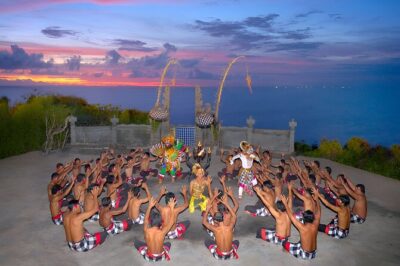
Uluwatu Sunset Tour: Kecak and Fire Dance with Jimbaran Dinner
Read our review →
Gili Trawangan: Gili Islands Sunset Boat Tour and Snorkeling
Read our review →
Browse the lists this tour appears in