
If you like your Bali experiences to be practical and hands-on, this tour is a good fit. You walk through working farms and end up tasting coffee, herbal tea, and raw honey made from local plants and insects, all in about 90 minutes.
I especially like the Luwak coffee session, because it explains how the beans go from processed cherries to the cup, and it also touches on ethical considerations. I also like the herbal tea garden stop, where you actually pick plants like lemongrass and ginger and learn how locals use them.
One thing to plan for: the total time is short. If you want to linger at every tasting table, you may feel the pacing is tight.
Key highlights worth knowing
- Coffee plantation walk through Bali’s countryside, learning local farming methods along the way
- Luwak coffee process explained from bean selection to roast and brew, plus ethical context
- Herbal tea garden picking, with plants such as lemongrass, ginger, turmeric, and rosella
- Stingless bee hives and sustainable honey harvesting, with two honey styles to taste
- Trigona vs Tapis honey tasting, raw honey with distinct flavors you can compare
- Traditional brewing tools plus photo stops in scenic farm settings
Getting to Lokasari Agrowisata and starting on the right foot
Lokasari’s tour starts at the main entrance of the plantation area, near the large sign that says Kopi Luwak on the roadside. You’re looking for a traditional Balinese gate and the greenery around it, and your guide will be waiting there in a Balinese madya uniform.
Come ready to walk. The tour includes moving around natural farm areas, so comfortable shoes matter more than fashion. Sun protection helps too, especially around midday, and if rain shows up, umbrellas are provided.
This is also one of those experiences where the small details make it easier. There’s free parking on site, and there’s a toilet at the location, so you are not scrambling when you arrive.
Booked alongside this on East Bali itineraries:
- Bali: Lempuyang Quick Access, Waterfall, Water Palace & More
★ 4.7 · 633 reviews - Open Water Course in Tulamben – Get Certified in Bali
★ 5.0 · 495 reviews - Bali: Blue Lagoon Beach Snorkeling Tour with Lunch
★ 4.5 · 426 reviews
The coffee plantation walk: Bali’s growing methods, not just a photo stop
Most coffee experiences in Bali start with a tasting and only a hint of farming. Here, the tour begins with a relaxed walk through the coffee plantation in Bali’s highland-style countryside.
You learn about local coffee varieties and eco-friendly growing methods passed down through generations. That matters because it shifts your brain from tourism mode to food-tradition mode. You start noticing shade trees, spacing, and how the farm is managed to support the plants.
Also, the setting helps. The air feels fresher than in the busier tourist zones, and the walk sets a calm pace before the heavier topics like Luwak coffee.
Luwak coffee from cherry to cup, including the ethics talk
The main event is the Luwak coffee session, which the tour presents as one of the rarest coffees in the world. You’ll hear the core idea first: civet cats (luwak) select ripe coffee cherries and process them naturally.
Then you get the practical side of what happens afterward. The tour explains that the beans go through cleaning, roasting, and brewing. The goal is not just to wow you, it’s to connect the origin story to the flavor you taste in the cup.
There’s also an ethics conversation built into the explanation. You should expect that the guide discusses ethical considerations around this coffee process, not just how rare it is.
Herbal tea garden picking: lemongrass, ginger, turmeric, rosella
After coffee, you shift into the garden section and that’s where the experience gets very hands-on. You visit a herbal tea garden with local medicinal plants, and you get to pick fresh herbs.
Plants named for this garden include lemongrass, ginger, turmeric, and rosella. The tour also connects these plants to traditional uses, which is helpful because it turns the garden from pretty photos into something you can understand.
When it’s time to relax, you’ll have a cup of handcrafted tea made from the plants introduced during the visit. The pacing here is nice, because you get a quieter moment after coffee education.
One extra detail you can look for: the tour is the kind of place where guides often bring up everyday spices you might recognize from home kitchens. For example, one visitor specifically mentioned learning about plants and spices like cinnamon, hibiscus, and vanilla as part of the tea and plant explanations.
Something different for the next East Bali day:
- Bali Diving for Beginners: Tulamben Liberty Wreck
★ 5.0 · 367 reviews - Discover Scuba Diving in Tulamben – Diving Initiation in Bali best diving sites
★ 5.0 · 353 reviews - Bali: Cooking Class with 5 Balinese Dishes
★ 4.9 · 178 reviews - Bali/Amed: Underwater Temple Snorkeling Experience
★ 4.8 · 134 reviews
Stingless bee hives and the honey harvesting you can actually see
Next comes the bee stop, and it’s a big reason this tour feels different from a typical coffee or tea tasting. You visit stingless bee hives and watch sustainable honey harvesting.
The focus is on two stingless bee types: Trigona and Tapis. Both are known in this tour context for producing honey with strong nutrition positioning, and the harvesting is described as gentle and careful.
This is also a nice sensory shift. You’re moving from plant aromas in the garden to honey aromas and texture. It makes the tasting portion feel like part of a real supply chain, not a separate activity.
Trigona vs Tapis honey tasting: raw, two flavors, real comparison
You taste two types of raw honey: Trigona and Tapis. The tour describes Trigona honey as tangy and positioned as probiotic-rich, while Tapis honey is sweeter with a more floral character.
Taste them side by side and you start noticing how different honey can be even when it comes from the same general region and is both sold as raw. That’s the value here. Instead of one honey serving that all tastes the same, you get an actual comparison.
It’s also worth noting how the tour frames the health angle. The information provided talks about unique health benefits, and that honey is valued by locals as natural superfoods. Treat that as wellness marketing, but still enjoy it as a cultural food product tasting.
If you like buying the thing you tasted, there’s often a shop on site after the tour, and one recent visitor mentioned buying honey there after the session. So plan for the idea that you might take home a jar.
What happens in 90 minutes: tastings, tools, and a fast but full loop
At 90 minutes, this tour is built to be efficient. You’re not getting a long agricultural class. You’re getting a guided circuit that mixes walking, education, and sampling.
Here’s what’s included in the experience flow, in plain terms:
- A guided coffee plantation walk
- An educational session on the Luwak coffee-making process
- Entry to the herbal tea garden, including plant introductions and tea time
- A visit to stingless bee hives (Trigona and Tapis)
- Raw honey tasting from both bee types
- Use of traditional brewing tools during the coffee and tea portion
- Photo opportunities in scenic farm settings
- Friendly local guidance in English and Indonesian
You also get both live guiding and an audio guide in English and Indonesian. That’s useful if your English pace is comfortable or if you want to double-check details during tastings.
One practical note: the tasting menu is tied to buying Luwak coffee. The inclusions mention free coffee and tea testers (listed as 16) with the purchase of one Luwak coffee. The fine print also describes free tasting of 12 coffee and herbal tea varieties with that same purchase. In other words, if you buy the Luwak cup, the sampling options expand.
Price and value: does $6 really make sense?
At $6 per person, this tour is priced to feel like a bargain, especially because it includes multiple tastings plus entry and guidance. In 90 minutes, you cover coffee, tea, honey, and the processing education behind each one.
The “value” part is not just the low price. It’s what you get for it:
- Multiple tastings, including raw honey from two sources
- A guided explanation of the Luwak process, not just a branded cup
- A garden element where you pick herbs, which is more active than a showroom tasting
- Traditional brewing tools included, so you understand the method, not only the flavor
That said, it is still an agro-tour on a working farm. There may be a local shop on site, and if you enjoy what you taste, you may want to buy something. A visitor praised the guide for being friendly and not pushy, and mentioned buying honey because it seemed like a good follow-through purchase.
So the deal is strong at the base price. Just go in with the mindset that expanded tastings and souvenirs may cost extra if you choose them.
Who should book this Bali coffee, tea, and honey tour
This fits best if you want nature-focused agriculture in a short time. It’s a good match for coffee lovers, tea lovers, and people who are curious about how farming, insects, and local plants connect to what ends up on your table.
It also works across ages, since the tour is stated as suitable for all ages, including children and seniors. If you are traveling with family, this kind of walking and tasting is usually easier than tours that require heavy climbing.
Because the guide supports English and Indonesian, you can relax if your Indonesian is basic. You’ll also have the audio guide as backup.
Pet owners should know the site is pet-friendly, but pets must be on a leash and under control. And if you have allergies or accessibility needs, the instruction is to inform the organizers in advance.
The one drawback to actually think about
Time is the main consideration. One guest rating called out that the tour time is not enough, even while praising the tasting and attentive guides. That lines up with the structure: it’s a tight loop, and you may not have long, repeat sampling of every option.
If you are the type who likes to ask many follow-up questions, you might still enjoy it, but you’ll need to accept that you only get a window.
Should you book Lokasari?
I think this is a great booking if you want a short, guided Bali farm experience with real tastings. The Luwak coffee explanation, the herbal tea garden picking, and the Trigona vs Tapis honey comparison are the main reasons to go.
You should skip or reconsider if you dislike fast pacing or if you want long, unhurried sampling sessions. In that case, look for a longer coffee or wellness workshop instead.
If you do book it, pack comfortable shoes and sun protection, show up at the Kopi Luwak sign near the Balinese gate, and go in curious. The best moments are when you connect what you’re smelling and tasting to how it’s produced.
FAQ
How long is the Lokasari Coffee Plantation Tour?
The tour lasts 90 minutes.
Where do I meet the guide?
Meet at the main entrance of the coffee plantation near the large Kopi Luwak sign on the roadside. Look for the traditional Balinese gate and the lush greenery around it.
What languages are available during the tour?
The live guide and audio guide are available in English and Indonesian.
What does the tour include besides tastings?
You get a guided coffee plantation walk, an educational Luwak coffee session, entry to the herbal tea garden with plant introductions, a visit to stingless bee hives, raw honey tasting, traditional brewing tools, and photo opportunities. A toilet and free parking are also available.
Is transportation included?
No. Transportation to and from the location is not included.
Is the tour okay if it rains or if I bring a pet?
Umbrellas are provided if it rains. The site is pet-friendly, but pets must be on a leash and kept under control at all times.
Newest reviews out of East Bali
- Bali: Telaga Waja White Water Rafting And ATV Quad Adventure★ 4.9 · 12 reviews
- East Bali Tour All In: Lempuyang, Tirta Gangga, Besakih★ 4.4 · 13 reviews
- Bali Silver Artistry Class: Create Unique Jewelry in Sidemen★ 4.7 · 17 reviews
- Transparent kayak and stand up paddle rental★ 4.7 · 17 reviews
- Bali : Eastern Bali and Pura Besakih Temple Tour★ 4.8 · 20 reviews
- Bali: Hands-On Silver Jewelry Making Class in Ubud★ 4.9 · 21 reviews
- Bali: Blue Lagoon Snorkel, Kanto Lampo & Tibumana Waterfalls★ 4.1 · 23 reviews
- Bali: Most Iconic Spot Private Tour (All Inclusive)★ 5.0 · 24 reviews
Coffee Experiences, compared.
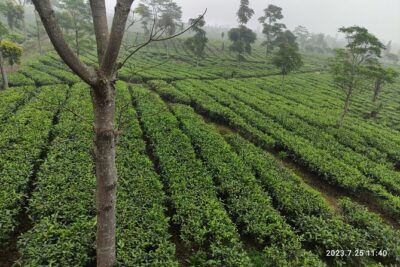
Volcano, Hot Spring, Tea Factory, rice fields and Coffee Tour
Read our review →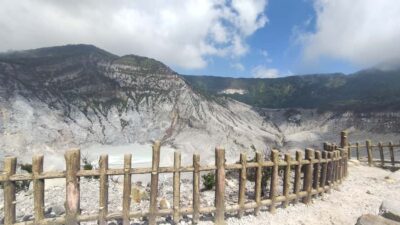
Volcano, HotSpring, Tea Factory, RiceField, &Coffee
Read our review →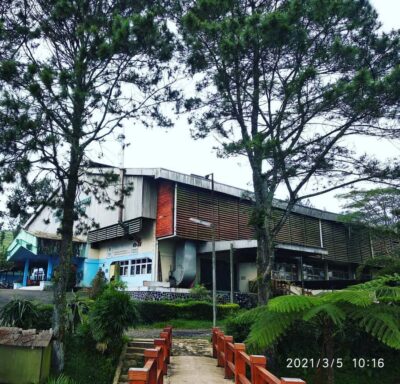
Volcano, Hot Spring, Tea, Rice Fields, &Coffee tour
Read our review →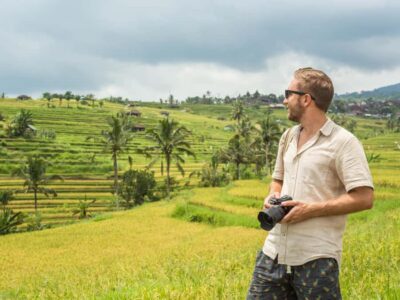
Jatiluwih Rice Terraces, Sangeh Forest & Coffee Tour
Read our review →
Browse the lists this tour appears in