
Reviewed · ORANGUTAN TREKS
Orangutan Houseboat Kelotok Tanjung Puting 3 Days Share Cost
What makes this experience special is the way you travel by kelotok (a river boat) through the Sekonyer wetlands, then spend the day at major orangutan rehabilitation centers instead of just driving past them. I especially like the mix of wildlife time and boat comfort, and I also like that meals are handled for you while the schedule moves step by step. One consideration: at $500 per person you should do the value math, because shared-cost tours can still feel pricey if you compare prices across operators.
I also like the human side of the trip. On this route, the crew can make a big difference, and I’ve seen firsthand how a friendly, caring team changes your whole mood on long boat days, including guided time with orangutans up close. Just know the group is kept fairly small (up to 15 travelers), so book with realistic expectations about availability and boat atmosphere.
Key Points You’ll Care About
- Shared costs lower your per-person bill, since the boat, guide, park fees, and meals are split among the group
- Tanjung Harapan, Pondok Tanggui, and Camp Leakey are three different styles of rehab and viewing spots
- Camp Leakey is tied to long-running research, with Prof. Dr. Biruet G Aldikas involved in managing the site
- Crew and guide hospitality matters here, and the trip’s tone is often described as cheerful and attentive
- The day-by-day pace is set around wildlife, so you’ll want to be flexible with timing and photo breaks
Why a Kelotok Klotok on the Sekonyer River Is the Point
This is not a quick hit. The heart of the value is the travel style. You move through the rainforest by boat, with the schedule built around when you can best reach each center and feeding area. The payoff is that you start to feel like you are in the ecosystem, not just observing it from land.
You’ll also notice how the trip balances two worlds. There’s time for animal-focused stops, but there’s also time to reset on the boat with breakfast and lunch set into the plan. That matters more than it sounds, especially when humidity, heat, and long travel blocks can sap your energy.
Finally, you get real people doing real work, not just a checklist tour. The crew experience is often described as warm and helpful, and that matters on a kelotok where you rely on the boat team for day-to-day comfort.
More wild orangutan trekking:
- 3ns Private Orangutan and Bornean Primates Kelotok Tour
★ 5.0 · 176 reviews - Orangutan Tour Tanjung Puting 2Nights
★ 5.0 · 97 reviews
Price and Shared-Cost Value at Around $500
At $500 per person, you’re paying for more than “a ride to see orangutans.” You’re paying for boat time, guide time, and the practical costs of getting into the viewing areas with a group schedule that works.
Here’s the value logic that usually helps. When expenses are shared, your per-person cost drops compared with solo boat charters. That includes the boat, guide and crew coverage, park-related fees, and meals. In other words, you are buying into a system that is designed to spread fixed costs across several people, not just paying for your own individual viewing session.
That said, you should be ready for price comparisons to confuse you. Even within the same general market, prices can vary depending on how operators price group size and what’s included in their packages. If you’re the type who hates feeling like you paid more than someone else, set your expectations early and focus on what you’re getting: a small max group, admission tickets included for the listed centers, and meals on board.
If you want to test value, look at three things. First, how much of your trip’s cost is truly covered (meals and admissions are included in the package details). Second, whether pickup is included for your overnight starting point. Third, whether the schedule hits the main sites you care about, especially Tanjung Harapan, Pondok Tanggui, and Camp Leakey.
Day 1: Airport or Hotel Pickup, Sekonyer River Start, and Tanjung Harapan
Day 1 is built for getting you moving and then setting you up for orangutan time. You start with pickup at the airport or hotel if you’re staying overnight, then you’re escorted to the port to begin the river route. You’ll have a hot lunch after leaving, and then you continue on toward the Sekonyer River area as the boat journey unfolds.
Once you reach your first major rehab stop, you’re in the zone that many people come for: a place designed to support orangutans while still allowing visitors to observe safely and responsibly. Tanjung Harapan is your first big introduction point, and it’s a good way to adjust to the rhythms of wildlife viewing, boat pacing, and the kind of patience the rainforest demands.
A practical note: Day 1 tends to feel like a warm-up day, even though it’s still full. Between pickup, the drive or transfer to the port, boat travel, and the first center visit, you’ll want to keep your expectations simple. You are learning the flow of the trip, not trying to cram in extra plans.
Day 2: Pondok Tanggui Feeding Camp, Hornbills, and Camp Leakey Research
Day 2 is the day that usually clicks for people, because it stacks two major stops with different flavors.
Morning at Pondok Tanggui Feeding Camp
After breakfast, the boat moves toward Pondok Tanggui. In the morning, you can also encounter birds that share the soundtrack of the forest, including hornbills such as the Mandarin Horn Bill, along with other birds chirping in the canopy. That bird activity can be a huge emotional boost, especially if you arrive hoping to see lots of wildlife and want variety beyond the orangutans.
Pondok Tanggui is also a feeding-camp style experience, which tends to make the schedule feel purposeful. You’re there for wildlife, and the timing helps you see animals when conditions are favorable.
Midday into Camp Leakey
Then it’s off to Camp Leakey, described as the oldest feeding camp and managed directly by Prof. Dr. Biruet G Aldikas, an orangutan expert who began research since 1970 at Tanjung Putting. That detail matters. It signals that this site is part of a long-running effort, not a quick attraction built yesterday.
Camp Leakey is a place where the research and conservation tone is more obvious. You’ll likely notice the vibe is focused and attentive, and the route is designed so you’re not just passing through. Instead, you’re there to observe and learn while still keeping a respectful distance.
One drawback to keep in mind: Day 2 can feel long. The plan includes a morning stop and then travel time to the next center, so you’ll want to bring your own patience. If you’re the kind of person who hates waiting, this isn’t the trip for you, because the best viewing windows can be unpredictable.
Day 3: Kumai Return, Pasir Panjang Photo Stop, and Betang House
Day 3 slows down a bit compared with the big wildlife concentration of Day 2. After breakfast, you return to Kumai, where land transportation is waiting to take you to the Pangkalan Bun Dayak area.
There’s a photo stop at Betang house, specifically noted as the Pasir Panjang stop. This is a short cultural pause that gives your brain a break from nonstop jungle viewing. You get to shift from wildlife-focused observations to a human-scale glimpse of Dayak architecture and place-based culture, even if it’s just a stop rather than a full program.
The upside of Day 3: you’re not rushing to cram in one last center before the trip ends. You can take the day as it comes, knowing your main orangutan time is already done.
The Boat, the Crew, and Why the Mood Matters
You’re traveling on a kelotok style of boat, which means your comfort is tied to the crew’s competence. In the best cases, the boat team doesn’t just handle logistics, they make you feel looked after. People have described a positive, cheerful atmosphere from the moment they stepped on board, plus staff who were friendly and genuinely caring.
That kind of crew energy is not fluff. On the river, you spend hours together. If the crew is sharp, responsive, and kind, you relax. You ask questions without feeling like you’re interrupting. You also get a better wildlife experience because you’re not stressed about small problems.
The trip cap of 15 travelers also helps. Smaller groups usually mean less noise and less bumping around at viewing moments. You can focus more on what’s happening instead of fighting for a position.
Also keep in mind one logistics detail that affects your expectations: tips for the guide and crew are not included. That means you should plan to have some cash set aside, even if the service is excellent.
Wildlife Viewing Reality: How to Get More from Your Time
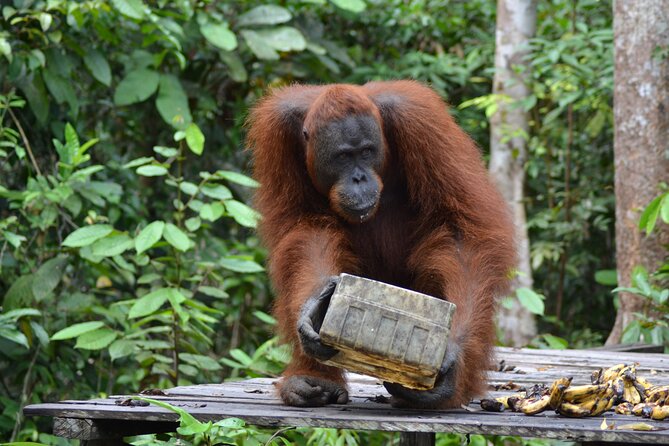
Even with a perfect itinerary, wildlife viewing is still wildlife viewing. That means you should go in with a calm mindset, not a checklist mindset.
Here are practical ways to make your time count based on how feeding camps and rehab centers work:
- Be ready early at each stop. Your schedule is arranged around morning activity windows, including Pondok Tanggui in the morning.
- Give the guide your attention. If you’re told where to stand or when to pause, follow it. This keeps you safe and helps you get better sightings.
- Expect variety, not just orangutans. At Pondok Tanggui you can also catch hornbills and other birds, and that adds richness to the day.
One more thing: photo stops and cultural stops are shorter by design. That means if you want great photos at the Betang house, treat it like a focused moment. Take a few quick shots, look around, then move on. Don’t waste the short window.
Who This Tour Fits Best, and Who Might Want Another Option
This is a strong fit if you want:
- a 3-day plan that hits major Tanjung Puting viewing areas
- a shared-cost format so you’re not paying for a private boat
- a trip with built-in meals and admissions for the key stops listed in the schedule
- a small-group feel capped at 15 travelers
It’s also a good match if you enjoy authentic-feeling nature time, where the day is shaped by the river and the rainforest rather than by mall-style “attractions.”
Where it might not fit:
If you’re extremely sensitive to price, you might get stuck comparing what other people paid. Since pricing can vary by operator and group configuration, the numbers can look uneven even when service is similar. If you need the absolute lowest cost, you’ll probably want to shop different operators and compare what’s included line by line.
And if you hate long travel days, Day 2 in particular may feel full. You’ll be moving between feeding areas and centers, not doing short hops between nearby sights.
Should You Book This 3-Day Orangutan Kelotok Tour?
If your main goal is orangutan time in Tanjung Puting with a sensible schedule and included admissions, this tour deserves a serious look. The value comes from the combination of boat travel, access to key rehab sites, and meals and admissions folded into the package.
I’d book if you also care about the human side. When the crew is friendly and attentive, the whole trip feels easier, even on long days. And that small-group cap helps you enjoy the viewing without constant crowd friction.
I would not book on autopilot if $500 makes you wince. In that case, compare at least two operators for the exact inclusions: admissions for each listed center, meal coverage (two breakfasts, two lunches, two dinners), pickup, and what fees are excluded like guide and crew tips. If those parts line up and the schedule hits the stops you want, then the price becomes easier to justify.
Bottom line: if you want a real river-and-rainforest rhythm, with a plan built around Tanjung Puting’s major orangutan viewing areas, this is a good bet.
FAQ
Where is the tour located?
The tour is based in Pangkalan Bun, Indonesia, with the river journey tied to the Sekonyer route.
How long is the experience?
It’s listed as 3 days (approximately).
What is the pickup situation?
The tour includes pickup offered. It specifically notes pickup at the airport or hotel for overnight guests, escorted to the port to start the boat journey.
What are the main stops during the 3 days?
The itinerary includes Tanjung Harapan Orangutan Rehabilitation Center on Day 1, Pondok Tanggui Orangutan Rehabilitation Center and Camp Leakey on Day 2, and a return to Kumai with a Pasir Panjang photo stop at a Betang house on Day 3.
Are admission tickets included?
Admission tickets are included for the listed rehab centers and feeding camp stops. The Day 3 Betang house photo stop is noted as Admission Ticket Free.
What meals are included?
The package includes 2 breakfasts, 2 lunches, and 2 dinners.
Is a guide included?
A guide/crew is part of the experience, but guide and crew tips are not included.
What is the group size limit?
The maximum group size is 15 travelers.
Is there a mobile ticket?
Yes, the experience includes a mobile ticket.
What is the cancellation policy?
You can cancel up to 6 days in advance for a full refund, with partial refunds available if you cancel 2 to 6 days before the start time.
Newest reviews out of Pangkalan Bun
- Orangutan Tour Tanjung Puting 2Nights★ 5.0 · 97 reviews
- 3ns Private Orangutan and Bornean Primates Kelotok Tour★ 5.0 · 176 reviews
Orangutan Treks, compared.

3-Day Ethical Orangutan Jungle Trek | Bukit Lawang, Sumatra
Read our review →
3ns Private Orangutan and Bornean Primates Kelotok Tour
Read our review →

FAMILY JUNGLE TOUR: Orangutan Trek (4-hours hike) by EcoTravel Bukit Lawang
Read our review →Browse the lists this tour appears in