
Reviewed · MEDAN TOURS
Sumatra: 3-Day Unique Jungle Experience & Exploring Wildlife
Sumatra’s jungle experience is interesting because the action is real, wild, and up close, not staged. You’re based in Bukit Lawang, the main eastern access area to Mount Leuser National Park, then you spend days hiking narrow trails and ending up in rivers that feel almost too clean to be in the jungle. I love that the trip builds in real comfort, like full meals in camp and time to rest, and I love the small-group feel, capped around 12 people. The main drawback is simple: the trek is physically tough, with hours on hilly, often slick terrain.
One more reason this works so well is the overnight portion. You sleep in the middle of the rainforest, with basic camp setup and a strong focus on safety and pacing, plus a chance to see wildlife when the jungle feels different at night and early morning. Some evenings also have playful moments with the guide team, which helps after a long day of walking. If you’re expecting cushy lodging or dry, flat trails, this isn’t that trip.
Key Highlights You Should Know
- Orangutan territory, via Bukit Lawang and Mount Leuser access
- River time built in, including swimming and return travel by river
- Overnight rainforest camping, with separate camp areas for sleeping, cooking, and toilets
- Small group size (up to 12), with English or Chinese guidance
- Meals included for breakfast, lunch, and dinner, plus plenty of fruit and tea at camp
- Guides who stay focused on spotting wildlife and adjusting pace
From Medan to Bukit Lawang: starting strong without wasting daylight
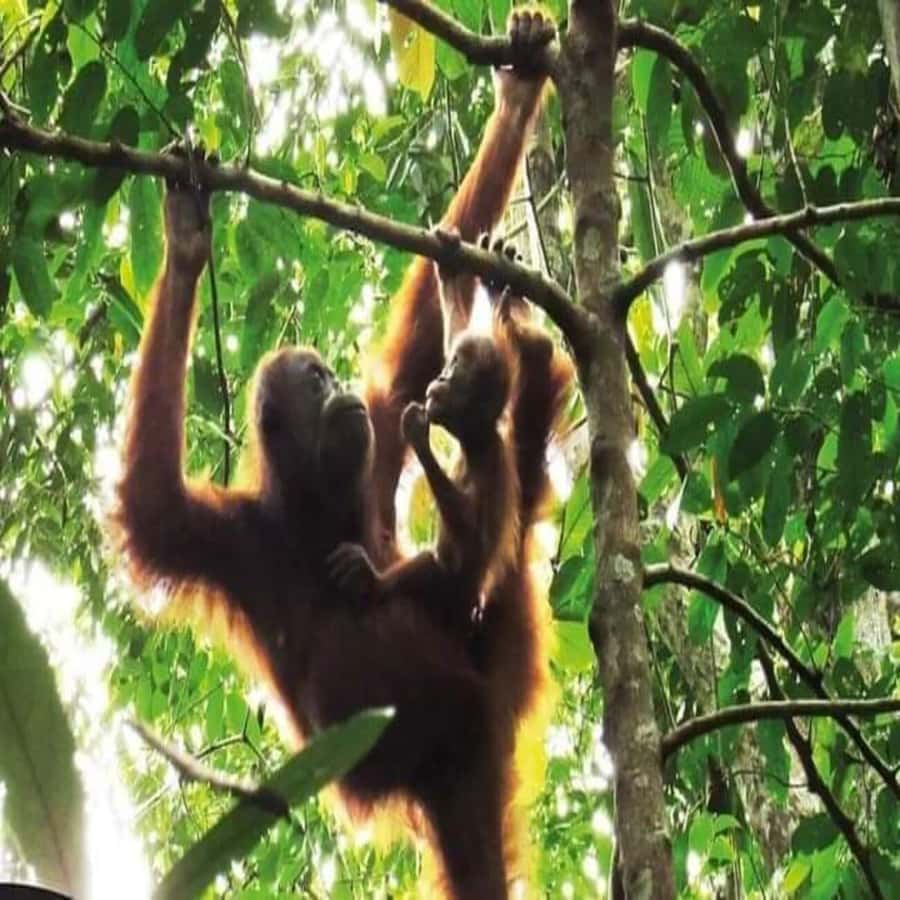
Your trip runs out of Bukit Lawang, a small jungle village about 86 km northwest of Medan in North Sumatra. The organizers handle pickup, so you’re not spending your energy figuring out local transport before the trekking even starts.
The day starts with you meeting the team at the hostel area, then you transition into the trek with entrance tickets covered. I like this kind of setup because it reduces the usual stress in jungle travel: you spend your energy on the trail, not on logistics.
Also note that the group is kept small, limited to about 12 participants. That matters in the jungle. You move as a unit, you can hear the guide’s instructions, and it’s easier to adjust the pace for everyone.
Booked alongside this on Medan itineraries:
- 3-Day Ethical Orangutan Jungle Trek | Bukit Lawang, Sumatra
★ 5.0 · 401 reviews - Monkey Business 3 days – 2 nights Jungle trekking (including rafting)
★ 5.0 · 294 reviews - Monkey Business 2 days – 1 night Jungle Trekking (including rafting)
★ 5.0 · 121 reviews
Day 1 in the jungle: narrow trails, mountain-stream swims, and first wildlife chances
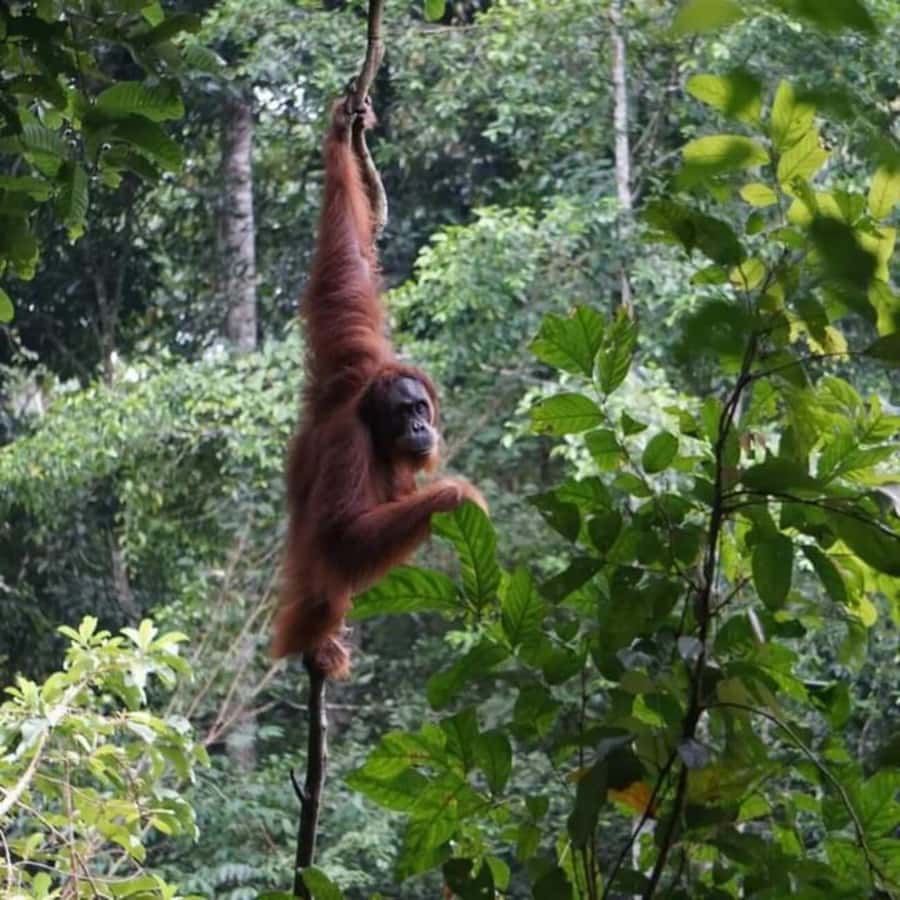
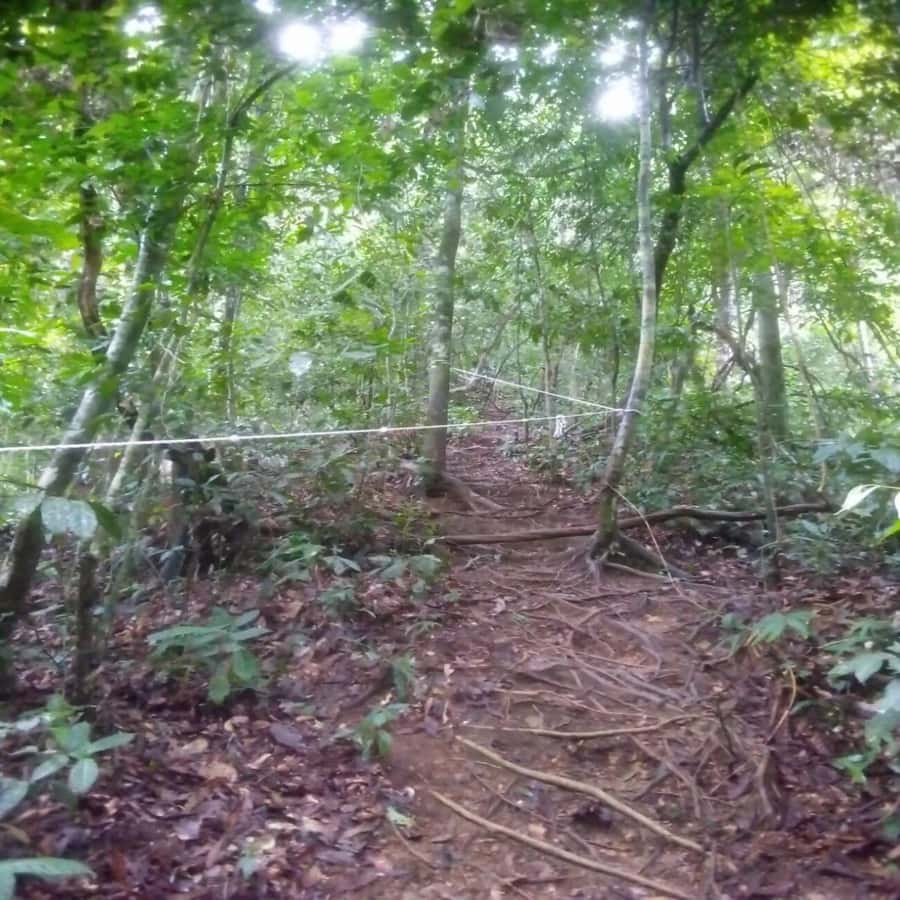
Day 1 is about easing into the rhythm of the rainforest. You walk up and down narrow trails through humid hills, then you get a chance to cool off in freshwater. The experience is built around the idea that the jungle is the star, so even when you’re taking breaks, you’re still watching.
A key moment is the river and stream time. The plan includes washing off in fresh mountain-stream water, then swimming down the Bahorok River as part of the trek flow. This is one of the most memorable parts of the trip because the water is a break from heat and sweat, and it also wakes up your senses. The jungle gets louder when you’re wet and moving again.
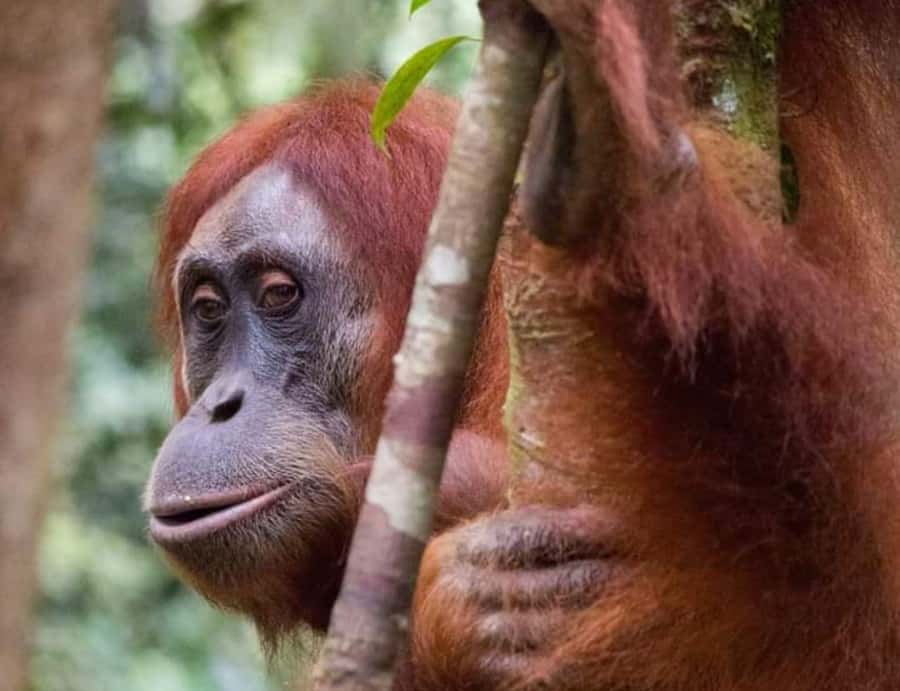
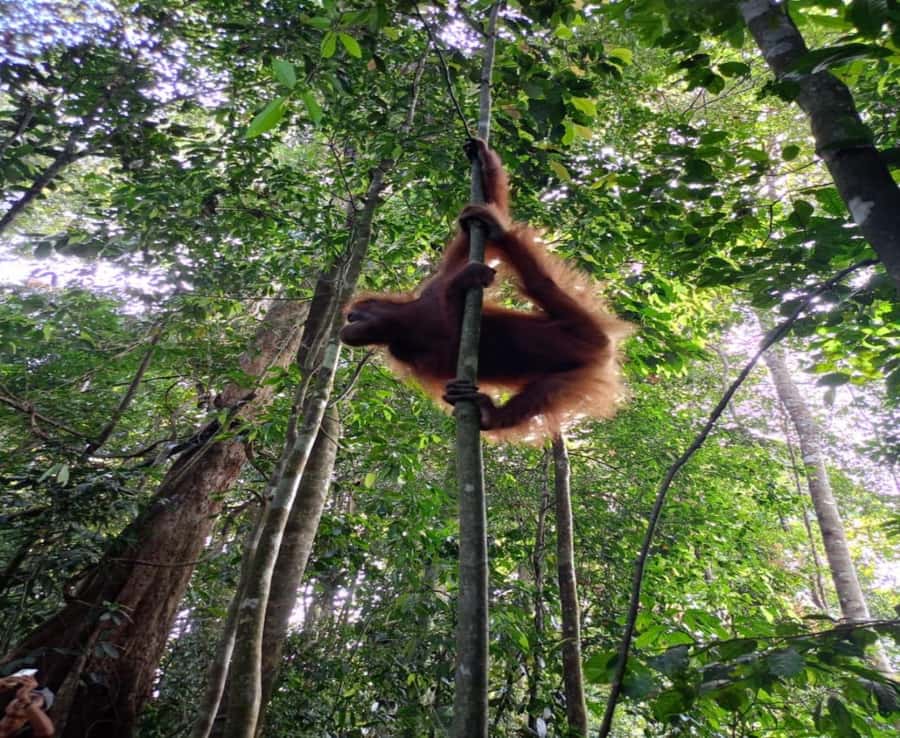
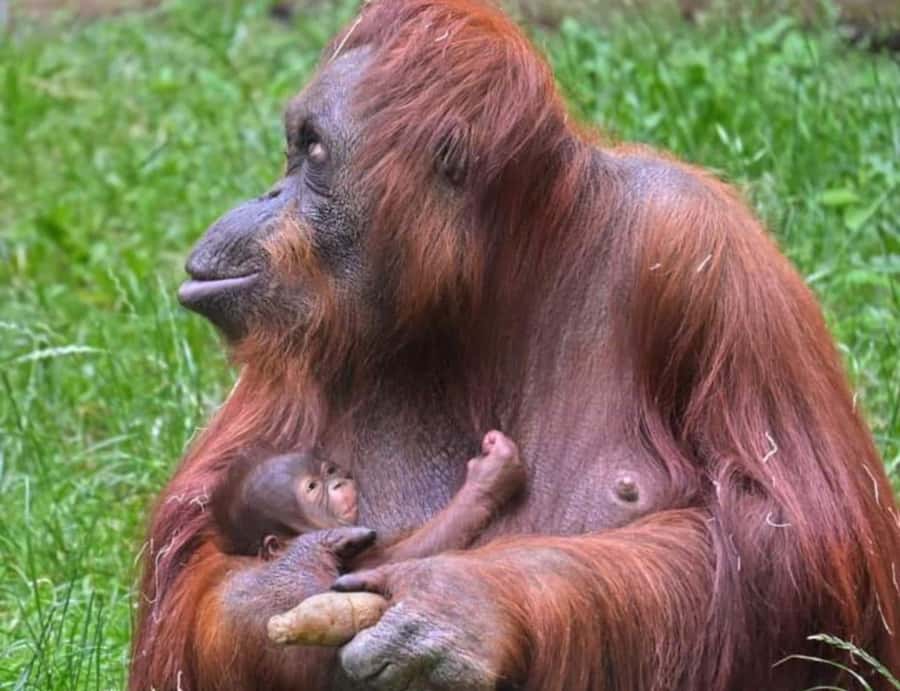
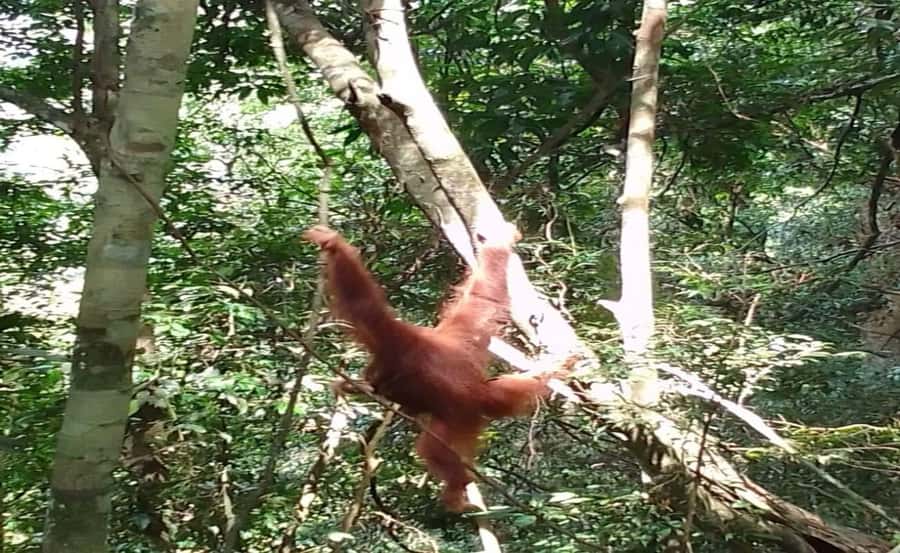
Wildlife spotting is a big part of why people choose this trek. You’re not only looking for orangutans. You’re also scanning for monkeys and birds, and you learn how to read the canopy and the ground movement. Orangutans, for example, can jump short distances and reach surprising heights, which helps them avoid predators like tigers, bears, and snakes. You might not see everything on day one, but you’re definitely starting in the right place for it.
One practical note: the trek involves about 6 hours of hilly terrain. That doesn’t mean all that time is one nonstop push. In practice, the guide team builds in stops, and the pacing often feels more manageable than the raw number suggests. Still, this is not a stroll.
Overnight rainforest camping: sleeping without electricity and waking up to the jungle
The overnight part is what makes this stand out from day hikes. You sleep in the middle of the tropical rainforest, and the camp setup is intentionally basic. From what I gathered, there’s typically no electricity at the accommodation area, and you should expect a true off-grid feel, including limited phone reception.
The good news is that camp organization is clear. You’ll see a separation of functions, with sleeping tents plus a kitchen area, social tent area, and toilet tents. Several visitors describe the camp as comfortable enough to sleep well, even with jungle sounds all around you. That’s important because you need rest for the next day.
Meals in camp are also a major part of the overnight experience. Food is repeatedly described as a standout: better than people expect for a jungle trek, cooked fresh, with enough quantity that you do not feel like you’re rationing yourself. Some people even mention playful guide touches, like games in the evening.
If you’re sensitive to rougher conditions, the biggest factor is not danger. It’s comfort expectations. You will be outside. It will be humid. Bring the right layers, and don’t count on charging devices overnight.
Day 2 Mount Leuser trek: pace control, slippery footing, and primate spotting
Day 2 is the longest stretch of your jungle rhythm. This is where the trek tests you a bit more because you’re continuing the up-and-down work in the hills. Rain can make trails slick, so closed-toe shoes matter. Long pants also help, both for comfort and for bug protection.
The guide team’s job here is pacing and safety. Many people specifically praised how the guides stop often enough that you don’t feel pushed beyond your limits. That’s not just kindness. In the jungle, a steady pace helps you spot animals too, because you’re not rushing eyes-first through the trees.
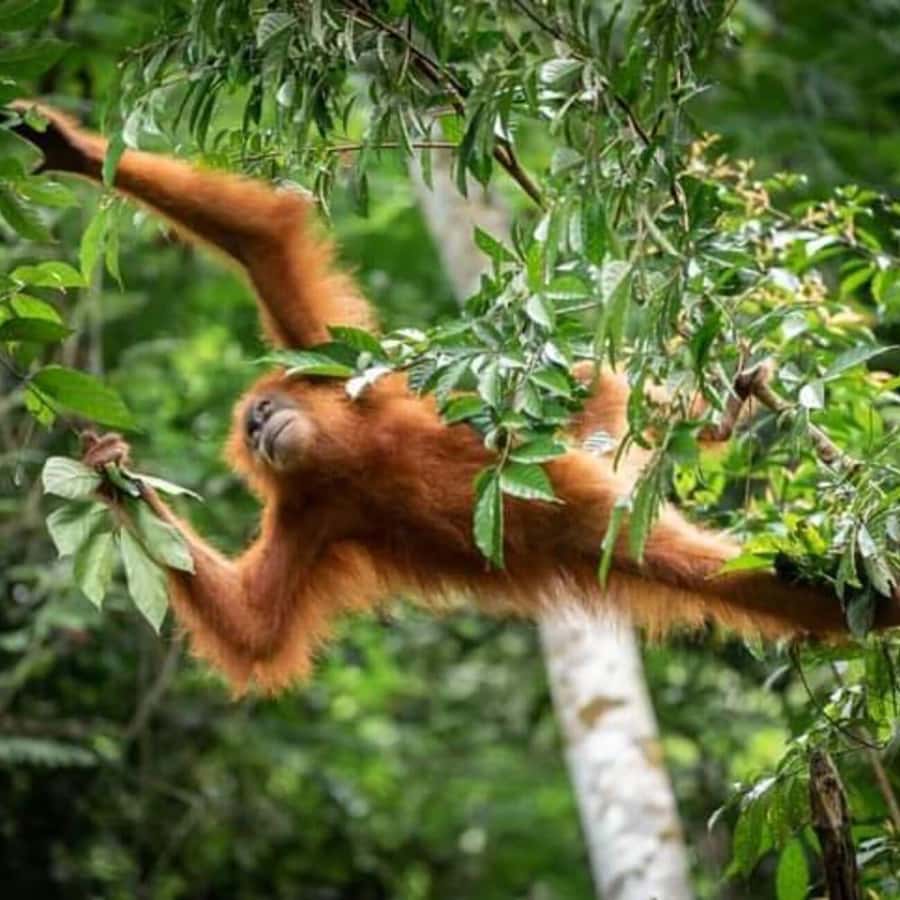
Wildlife chances can be excellent on day two. In the Gunung Leuser ecosystem, you’re looking at a mix of primates. Visitors have reported seeing orangutans, gibbons, macaques, and Thomas leaf monkeys, along with other animals like birds and reptiles. You may not see a full checklist every time, but the habitat supports a lot of life, and your guide is there to help you notice it.
If you’re tempted to over-plan this day mentally, don’t. The “win” isn’t checking boxes. The win is staying present. The jungle changes minute by minute, and you’ll get more out of slower attention than speed.
Something different for the next Medan day:
- 3-Day Bukit Lawang Tour Including 1-Day Ethical Jungle Trekking
★ 5.0 · 119 reviews - TOUR PACKAGE (jungle trekking, taxi, Room) 4 DAYS 3 NIGHTS in BUKIT LAWANG
★ 5.0 · 118 reviews - Sunrise Tour or Hiking Mount Sibayak From Berastagi
★ 5.0 · 117 reviews - Bukit lawang 2 Day 1 Night with camping
★ 5.0 · 96 reviews
Day 3 river return and tire-raft style floating: the payoff run-out through the stream
Day 3 shifts from hiking to letting the jungle carry you. You return to your hotel area using a river jungle taxi setup. In some cases, this includes a float back on tires through a wild mountain stream. That part can feel surprisingly fun, especially after days of boots and steep ground.
This final segment is also where you notice how the trip connects. The same water system that fed you a swim on the earlier days becomes your transportation on the way out. When you’re done, you arrive with that “whole circuit completed” feeling, not just a return to a meeting point.
You’ll still have wildlife moments if the timing aligns. Even if you’ve already seen plenty, day three often gives you calmer, clearer views from the waterline, with fewer obstacles and more chances to scan.
Guides and group size: how Dian, Predi, Yuda, and others change the whole feel
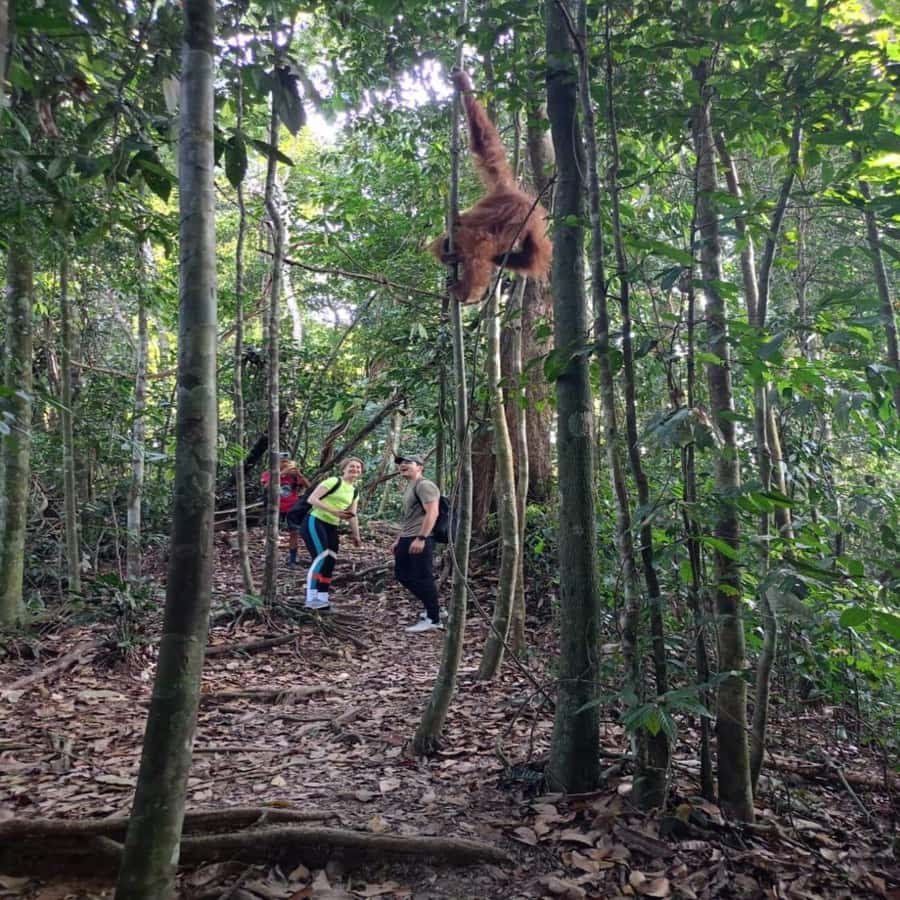
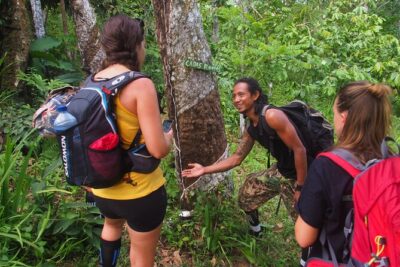
This trek lives or dies by the guide team, and the pattern in the experience is consistent: guides are friendly, attentive, and focused on wildlife and safety. Specific names show up repeatedly, including Dian, Predi, Yuda, Augus, Bob, Roger, Rodger, Sukma, Tandemar, Thandi, Dedy, Agus, Uroc, and Tandi.
You’ll feel the difference most in three places:
- Pace adjustment. The guide team seems ready to slow down when the terrain gets hard, and speed up when you’re feeling good.
- Wildlife spotting. You’re not just walking with a person who knows facts. You’re walking with someone who can actually find movement in the canopy and explain what you’re seeing.
- Camp energy. People often describe games and relaxed companionship in the evenings, which helps after a tough hike day.
Small group size also helps here. When you’re limited to around 12 people, guides can watch everyone, not just the loudest or most confident hiker. You get more chance to ask questions too, since the group isn’t stretched thin.
Food and daily comfort: why jungle meals are often the surprise highlight
I really like that this tour treats food as part of the experience, not an afterthought. Meals and drinks are included, with breakfast, lunch, and dinner served during the trek days.
What stands out is quality and quantity. Multiple visitors describe the food as outstanding for a jungle tour, with fresh fruit, tea, and snacks along the route. Several people also say the meals are more than enough, so you don’t end up spending your energy hunting for energy bars later.
Dietary needs are mentioned by at least one visitor, who notes the team met their requirements. That suggests you should share any needs early, but it also hints the group doesn’t run on a one-size-fits-all approach.
One practical point: hydration matters in humid terrain. The included water setup isn’t clearly detailed in the basic information, but the packing list asks you to bring water. I’d treat water as your responsibility and pack accordingly, especially for day 2.
What to bring for a 3-day jungle trek (and what to avoid)
The included packing basics are minimal, so you’ll want to pack well. Here’s what the tour asks you to bring:
- Change of clothes
- Towel
- Water
- Long pants
- Toiletries
- Closed-toe shoes
- Biodegradable insect repellent
I’d add a few common-sense upgrades based on the off-grid nature of camp. If there’s no electricity, bring a power bank for photos and navigation. And if your shoes get wet or muddy fast, you’ll be glad you packed extra clothing and a towel that actually dries.
What you should not bring:
- High-heeled shoes
- Alcohol and drugs
- Nudity
If you’ve got sensitive skin, you’ll also want to plan for rain and insects. Long pants plus repellent does a lot of work for you.
Price and value: is $200 per person actually fair here?
At $200 per person for 3 days, this can be good value compared with piecing together separate transport, park access, guides, and meals. The price includes:
- Airport pickup
- Hostel before the jungle trek
- Ticket entrance
- Meal and drinks, including breakfast, lunch, and dinner
- Jungle trekking and guide fee
You’re also paying for something harder to recreate yourself: a guide who can find animals in dense jungle and keep you safe on steep, hilly terrain. That skill is not cheap, and it’s not easy to replicate without local expertise.
What’s not included is also clear: souvenirs and personal expense. That’s normal. The real value is that you won’t be constantly buying your way out of logistics during the trek. Your costs are largely controlled.
If you’re an independent traveler, the temptation is to think you can do it cheaper. You can try. But for a multi-day rainforest experience with river time and overnight camping, the guide and meal inclusions usually become the deciding factor for why this feels worth the price.
Who should book, who should skip, and when this gets tough
This is best for people who want wildlife and don’t mind physical effort. It suits budget backpackers and also casual travelers who are comfortable with basic camping.
It is not suitable for:
- Pregnant women
- Wheelchair users
- People over 80
- Babies under 1 year
Even if you’re within that range, be realistic about conditions. The trek involves about 6 hours in hilly terrain, and trails can get slippery while raining. That means good shoes and a careful stride are not optional.
If you hate wet conditions, steep walking, or off-grid nights, you might feel uncomfortable. But if you can handle jungle heat and keep a calm pace, you’ll likely find the experience highly rewarding.
Should you book this 3-day Mount Leuser jungle trek?
Book it if you want a structured wildlife trek that actually includes the hard parts, hiking plus river plus an overnight in the rainforest, without making you juggle logistics day by day. The small group size around 12 people, the included meals, and the repeated emphasis on friendly, attentive guide teams make it easier to relax and enjoy the jungle.
Skip it if you need flat, easy walking, strong creature comforts, or electricity on demand. This is a real rainforest experience, and that’s the point. If you’re prepared, it can be one of the more memorable ways to see Sumatra at close range.
If you do book, my practical tip is to bring gear that works in wet conditions and plan your expectations around basic camping. Then you’ll be free to focus on the things that matter most, wildlife sightings, river cool-down moments, and those quiet hours when the jungle is doing its thing.
FAQ
Where does this 3-day trek start from?
It starts from Bukit Lawang, a jungle village about 86 km northwest of Medan in North Sumatra.
How long is the experience?
The duration is 3 days.
What is the maximum group size?
The group is small, limited to 12 participants.
What’s included in the price?
Airport pickup, hostel before the jungle trek, entrance tickets, breakfast, lunch, and dinner with drinks, and jungle trekking with guide fees.
What should I bring?
Bring change of clothes, a towel, water, long pants, toiletries, closed-toe shoes, and biodegradable insect repellent.
What languages are available for the live tour guide?
The live guide is available in English and Chinese.
How much walking is involved?
The jungle trekking involves about 6 hours in hilly terrain.
What’s not suitable for this tour?
It is not suitable for pregnant women, wheelchair users, people over 80 years old, or babies under 1 year old.
Newest reviews out of Medan
- Bukit lawang tour 3days-2 night jungle trekking including rafting★ 5.0 · 43 reviews
- Mount Sibayak Sunrise Hike or Day Hike from Berastagi★ 5.0 · 45 reviews
- Private Full-Day Bukit Lawang Trekking Tour From Medan★ 4.5 · 49 reviews
- Medan: Mount Leuser National Park Full-Day Trip★ 4.9 · 54 reviews
- Bukit Lawang Full Day Jungle Trek★ 5.0 · 68 reviews
- Sunrise Tour or Hiking Mount Sibayak From Medan★ 5.0 · 74 reviews
- 2 Days Ethical Jungle Trek in Sumatra★ 5.0 · 85 reviews
- Bukit lawang 2 Day 1 Night with camping★ 5.0 · 96 reviews
Medan Tours, compared.
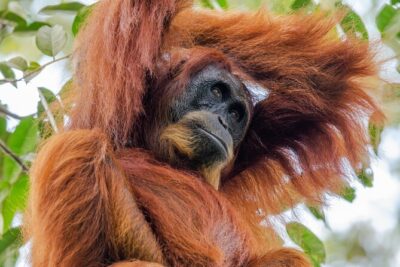
3-Day Ethical Orangutan Jungle Trek | Bukit Lawang, Sumatra
Read our review →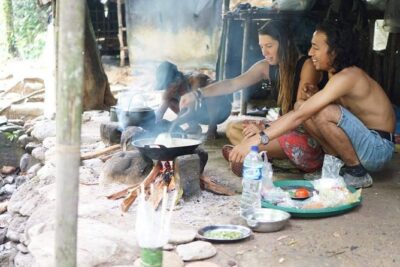
Monkey Business 3 days – 2 nights Jungle trekking (including rafting)
Read our review →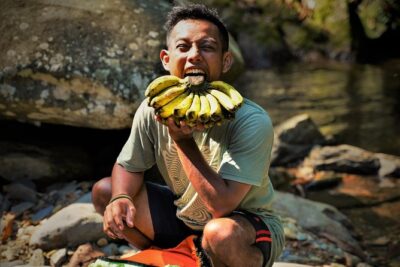
Monkey Business 2 days – 1 night Jungle Trekking (including rafting)
Read our review →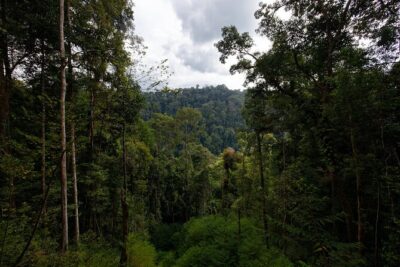
3-Day Bukit Lawang Tour Including 1-Day Ethical Jungle Trekking
Read our review →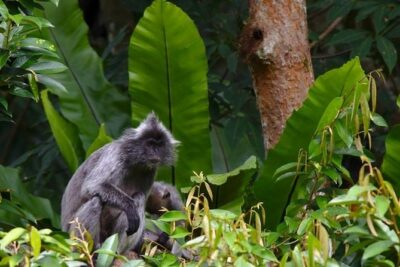
TOUR PACKAGE (jungle trekking, taxi, Room) 4 DAYS 3 NIGHTS in BUKIT LAWANG
Read our review →
Sunrise Tour or Hiking Mount Sibayak From Berastagi
Read our review →
2-Day Jungle Trekking & Rafting in North Sumatra
Read our review →Browse the lists this tour appears in