
Reviewed · WATERFALL TOURS
Taman Beji Griya Waterfall: Holy Bathing/Soul Retreat Ritual
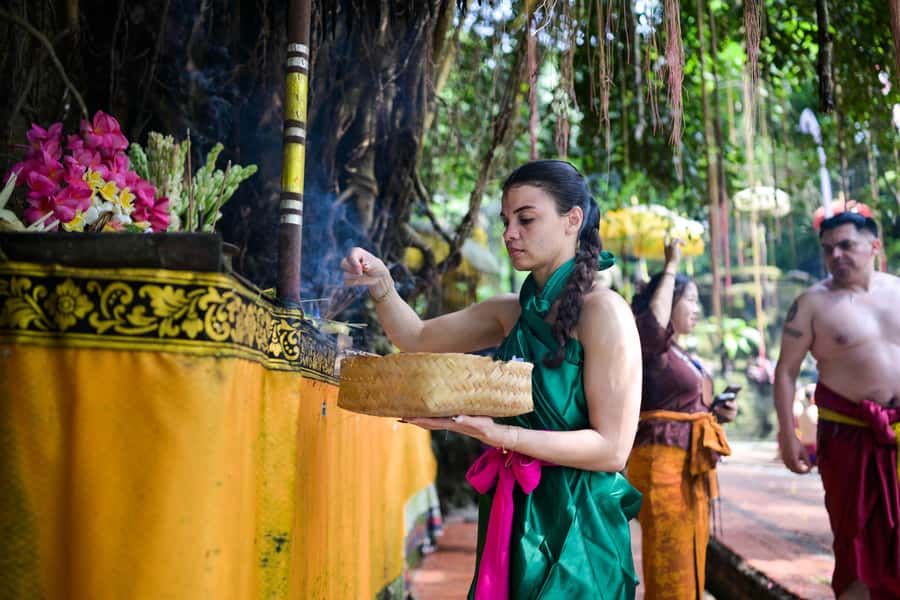
Taman Beji Griya Waterfall is interesting because it turns a waterfall visit into a real spiritual practice, the Balinese Melukat purification ritual, done in and around sacred water. You start with guided setup, then follow a local spiritual guide through prayer, offerings, and a step-by-step holy water immersion at the waterfall temple site.
I love that the experience is clearly organized but still feels personal once you’re in the ritual. I also like that you get practical support at every stage, from sarong and prayer equipment to private lockers and towels, so you can focus on the ceremony instead of logistics.
One drawback to consider is timing and rules. There are crowd dynamics at a famous site, and access has cultural restrictions, including that menstruating individuals are not permitted to enter Taman Beji. So you’ll want to plan around the process, not just the scenery.
Key Things to Know Before You Go
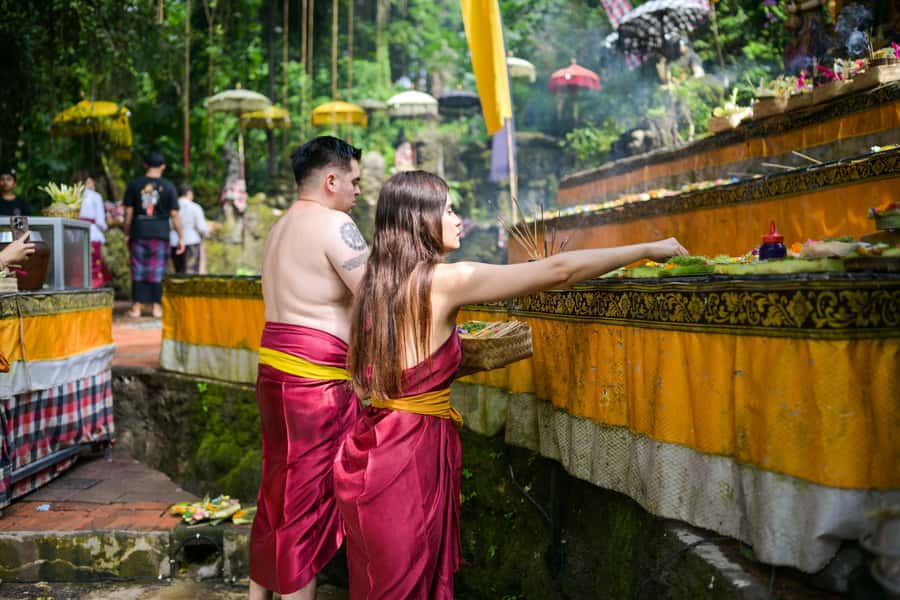
- Melukat ritual guidance: A local spiritual guide leads you through holy water immersions and prayer steps.
- Temple setting with real rules: Dress respectfully, keep quiet, and follow instructions on photography and behavior.
- Worth the structure: You get sarong, holy water for ritual use, offerings, and a locker setup that keeps the day smooth.
- Jamu herbal drink included: After cleansing, you’re offered a traditional herbal drink as part of the flow.
- Photography options, with limits: Flash photography isn’t allowed, but optional photo packages are available.
- Shared transfers can affect your day: Pickup is shared when you choose transfer, so exact timing can feel variable.
Why This Waterfall Ceremony Feels Like More Than Sightseeing
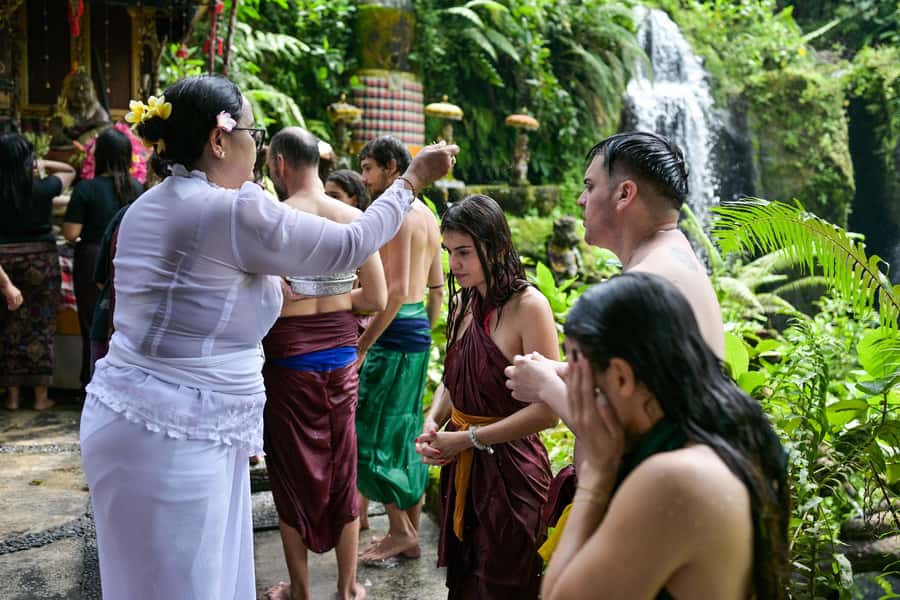
If you’re used to Bali as beaches, temples, and photo stops, this is different. Taman Beji Griya Waterfall is set up as a spiritual appointment. You arrive, meet the guide, and then the day becomes about purification, reflection, and letting go of what you came in carrying.
The big idea is the Melukat cleansing ritual. In plain terms, it’s a structured way to reset your mind and energy through prayer and holy water immersions in a sacred place. You’re not expected to freestyle it. You’re walked through the steps with prayer equipment and offerings, and you’ll usually hear context about what each stage represents.
I also like how the experience builds from practical to spiritual. First you’re given the tools and clothing (hello, sarong), then you move through the ritual phases, then you finish with something grounded like a warm herbal jamu drink. The whole flow helps you stay present.
The other reason it stands out is the temple atmosphere. The ritual happens in a waterfall temple environment, with a natural setting that feels calming once you follow the rules and slow down. One of the most common themes from people who did it is that they left feeling calmer, lighter, and more grounded, not just entertained.
More Waterfall Tours in Ubud
- Ubud: Waterfalls, Water Temple & Rice Terraces Private Tour
★ 5.0 · 5,484 reviews - Best of Bali Waterfalls: Tibumana, Tukad Cepung and Tegenungan
★ 5.0 · 3,047 reviews - Ubud: Full-Day Rice Terrace, Monkey Forest & Waterfall
★ 5.0 · 2,634 reviews
Getting There: Shared Transfers, WhatsApp Timing, and Real Pickup Areas
Most people don’t want to figure out the drive, parking, and last-minute directions on their own. If you choose the hotel transfer option, pickup and drop-off are provided by a shared vehicle with other participants. Pickup time follows your selected start time, and it’s reconfirmed via WhatsApp before the activity.
This matters because the site is popular. If you aim for a quieter start, you’ll be glad the day has a plan. Some guides and drivers are also known for adding context on the way, with cultural tips and practical advice. In past experiences, drivers such as Made, Udi, Roger, Ketut, Nyoman Cahyadi, Kadek Budi, and Wayan Sue have been praised for punctual pickup and helpful commentary.
Translation for your planning: build in a little patience. Shared rides mean your schedule may not be as perfectly tight as a private taxi. If you’re the type who hates uncertainty, choose a start time that gives you breathing room for traffic.
The Walk Into the Temple World: Pace, Phases, and What You Actually Do
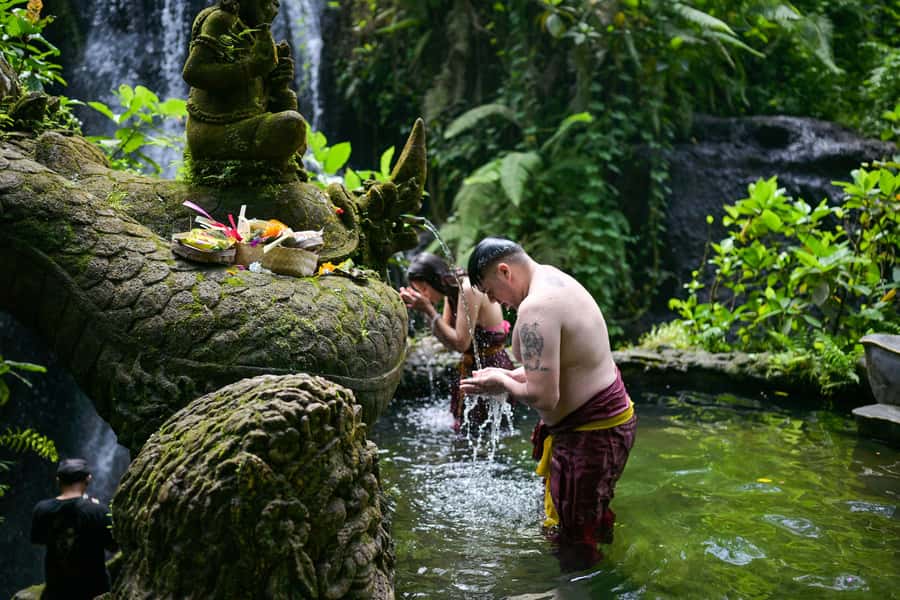
Before the water ritual, you’re guided through the site. Plan on a walk and guided time that can add up to about 1.5 hours of being led through the space. This is where you get your bearings. You learn how the offerings are handled, how to position yourself, and what you’re expected to do during each stage.
This part matters because the Melukat ceremony is step-based. If you show up thinking it’s random dips in a waterfall, you’ll miss the point. The guidance turns it into something you can follow, so you’re not just reacting to the water or the crowd.
Also, the temple areas have practical setup. You’ll have access to private lockers and changing facilities, plus towels. That means you can arrive in comfy clothes, change when told, and keep your belongings secure. You’re also given a sarong for the ritual, so you don’t need to bring one.
The Melukat Cleansing Ritual: What Happens When You Meet the Spiritual Guide
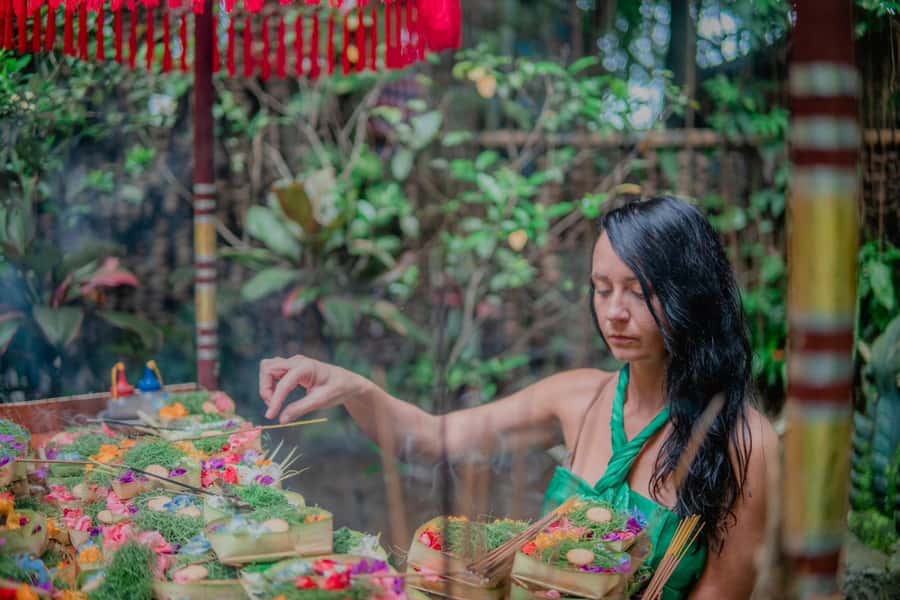
This is the heart of the experience. You’ll be welcomed by a local spiritual guide who leads you through the Melukat purification ceremony at Taman Beji Griya Waterfall. The ceremony includes a series of holy water immersions, supported by prayer equipment and offerings.
Here’s how to think about it as a participant. You don’t just stand there. You move through phases, and each phase has a purpose. People often describe the emotional effect as gradually intensifying rather than instant. In other words, it’s not only about getting wet. It’s about following the rhythm of the prayers and letting the process do its job.
The guide will usually explain key ideas like who you’re praying to, what offerings represent, and what guardians might be involved in the symbolism. Names you might hear guiding the ceremony include Mangku, Dodo, Nara, Bayu, Putu, and others listed in participant accounts.
One more practical note: the holy water is for ritual purposes only and is not recommended for drinking. The staff provide it for cleansing steps, not as a beverage. If you’re the type who asks questions, this is a good one to remember.
Something different for the next Ubud day:
- All-Inclusive Ubud Private Tour
★ 5.0 · 14,344 reviews - Best of Ubud Full-Day Tour with Jungle Swing
★ 5.0 · 8,571 reviews - Ubud: Monkey Forest, Jungle Swing, Rice Terrace, and Water Temple
★ 5.0 · 7,160 reviews - Ubud: All-Inclusive Tour with Optional Lunch
★ 4.9 · 5,438 reviews
Water Rules and Respect: Flash Photography, Noise, and How to Dress
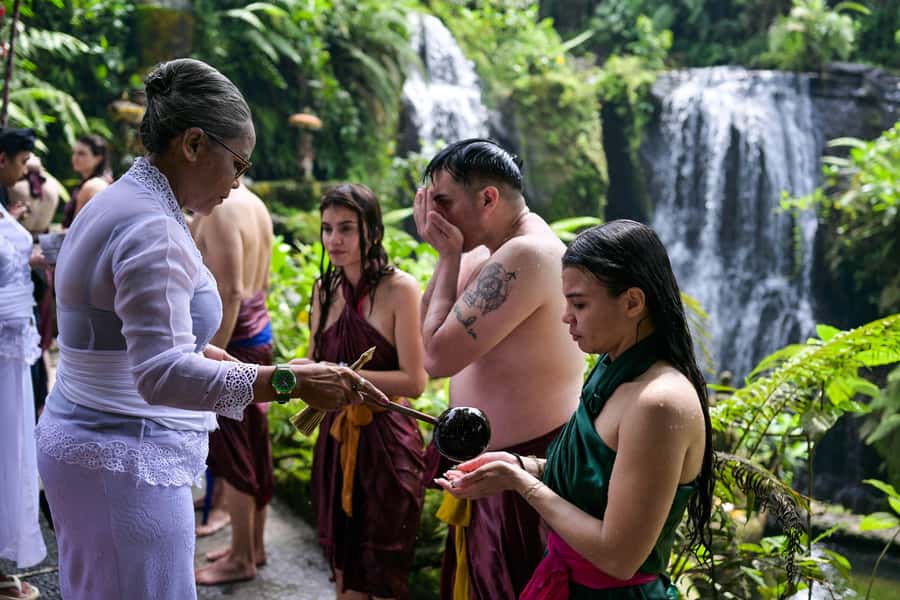
The setting is spiritual, so the rules are part of the experience. You’re asked to respect local customs and behave appropriately. That means avoiding loud noise, littering, and anything that feels disrespectful in a temple environment.
Photography is controlled. Flash photography isn’t allowed. Even if you choose to hire optional photo services, remember the ceremony is not a runway. You want discreet, respectful photos at the right moments, not distractions during prayer.
Dress expectations are clear in practice. You should wear respectful clothing when you arrive, and swimwear is recommended under the provided sarong. Bring change of clothes so you’re comfortable after your immersions. One practical tip I’d give you is to wear clothes that dry or are easy to change out of. You will get wet at some point, and you’ll want your clothes to cooperate.
There’s also a major access rule: menstruating individuals are not permitted to enter Taman Beji. If this affects you, you’ll need to choose another Bali activity.
Towels, Lockers, and How to Keep the Day Comfortable
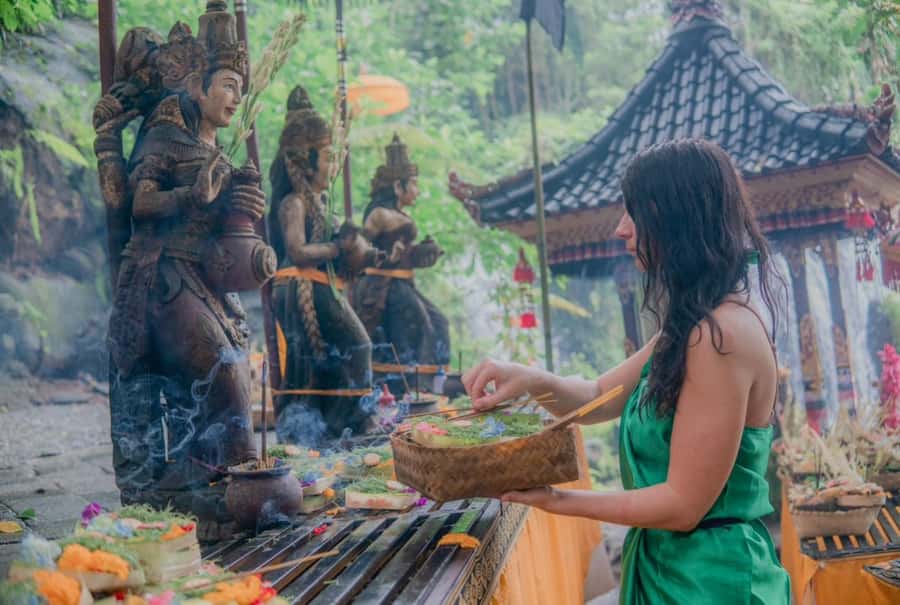
One reason people rate this so highly is the practical support. You get a private locker with a key, plus a towel and changing facilities. That reduces stress. You can focus on the ritual instead of worrying about where to put your phone, wallet, and damp clothes.
So what should you bring?
- Swimwear (and an extra layer if you get cold easily)
- A change of clothes for after
- A towel if you prefer your own, but you should already be provided one
- Comfortable, respectful clothes for the walk to the ceremony areas
Also, leave the obvious troublemakers at home: smoking is not allowed, and alcohol and drugs are not allowed. Fireworks are not allowed either, which you should not be bringing to a temple anyway.
And if you’re imagining this as a casual splash-and-go moment, reset that expectation. It’s a ritual. You’ll be happier if you go in with a calm mindset and a willingness to follow instructions.
Jam u and the Let-Down Phase: The Part People Usually Remember
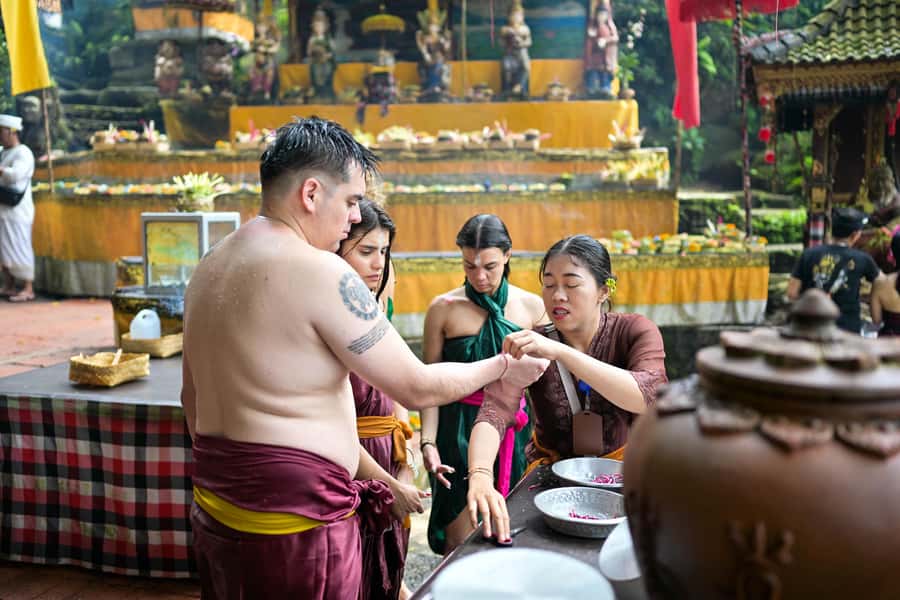
After the ritual, you don’t get shoved out right away. You’ll enjoy a traditional jamu herbal drink before heading back. For me, that’s a smart piece of the design, because it gives you a transition period. You move from intense sensory moments in the water to something gentle and restorative.
Many people describe the result as feeling calm and powerful, or emotionally lighter after the ceremony. Your own reaction will depend on where you’re at emotionally when you arrive, but the ceremony is designed to help you shift mindset. If you’ve been stressed, grieving, or carrying mental clutter, the guided structure can make it easier to let go.
One small detail that comes up in participant accounts is the added care some drivers show afterward, such as coconut water during the return trip. That’s not guaranteed as a formal promise in the tour description, but it’s a pattern you may experience if your driver is especially attentive.
Price and Value: Is $29 Really Fair for a Half-Day Ritual?
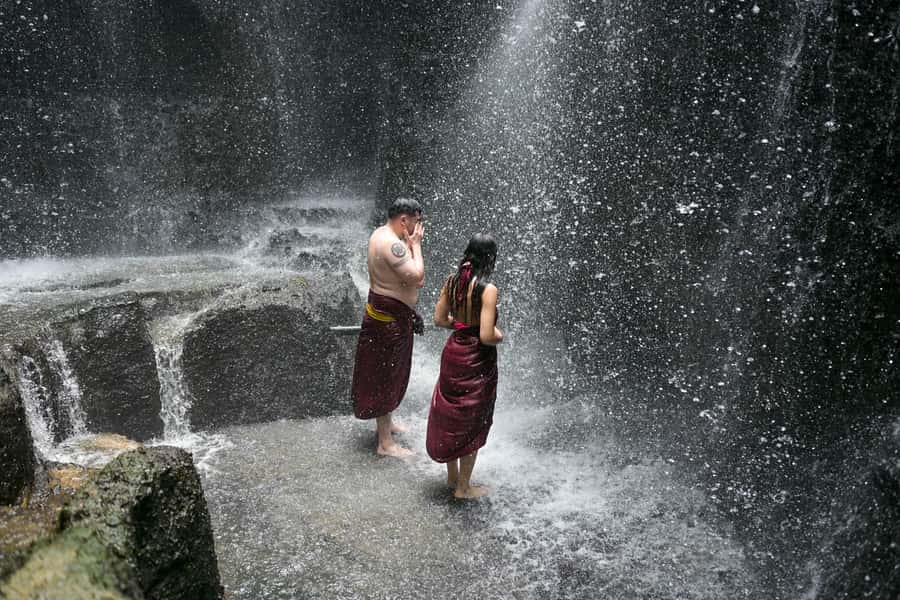
At $29 per person for a 1 to 6 hour experience, the price can feel high compared to typical Bali day tours. The key is what’s included. You’re paying not just for access, but for guidance, ritual materials, and entry fees.
Included items make a difference:
- Melukat ritual at Taman Beji Griya Waterfall
- Local guide and admission fees
- Holy water for purification
- Prayer equipment and offerings
- Sarong for the ritual
- Private locker with key, plus towel
- Jamu herbal drink
- Parking fees
- Optional hotel transfer, if you select it
That’s a lot of value packaged into one event, especially because the ceremony includes a spiritual guide. You’re not left to figure out the steps yourself. And if you choose the photo add-on, it’s available at checkout, which can save you time and help you avoid pulling out your camera at the wrong moment.
If you’re watching your budget closely, you might consider whether you want a formal guide experience versus visiting a site independently. But the tour’s structure is exactly what makes the ritual feel guided, respectful, and less stressful.
Crowd Reality and Best Timing: Make the Ceremony Feel Personal
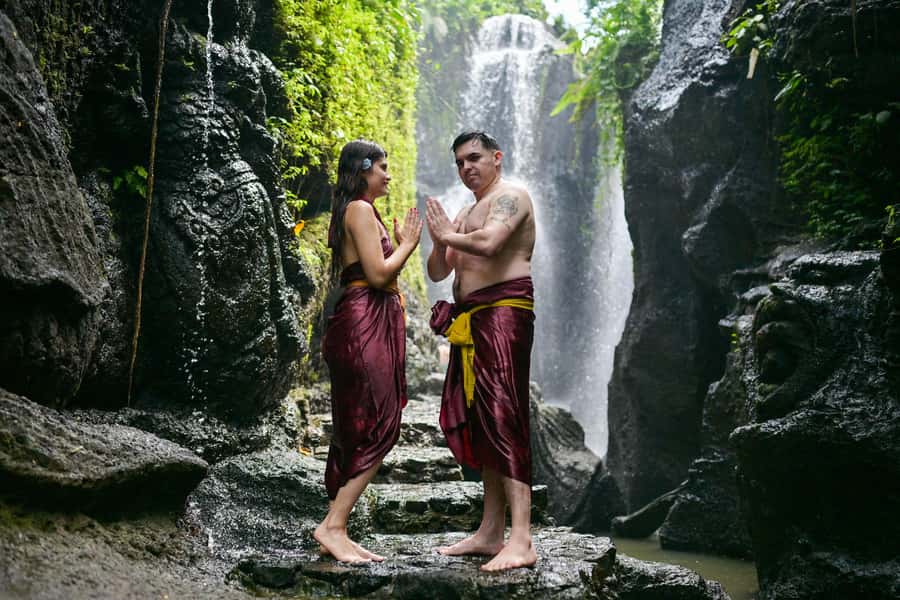
This is a popular place. Even when it’s managed well, you should expect to be in a shared environment with other participants. The good news is that the process is set up efficiently, and early arrival can help you feel calmer.
In participant accounts, people who chose morning slots enjoyed an experience where they arrived first and had less waiting time. Others noted that rainy season still works and feels fine if the schedule is handled smoothly.
My practical advice: pick a start time that doesn’t make you rush. If you’re trying to squeeze it between other activities, you’re likely to feel stressed at the very moment you should be slowing down.
Who Should Book, and Who Should Skip It
This experience fits best if you want a guided spiritual ritual, you enjoy following ceremony steps, and you like the idea of using a natural setting for reflection.
It may be less suitable if you have specific health or mobility concerns. The activity is not suitable for:
- Pregnant women
- People with back problems
- People with mobility impairments
- People with heart problems
- Wheelchair users
- People over 70 years
If any of those apply to you, don’t try to tough it out. The ritual includes movement and water immersion steps, and the safer choice is to pick a different Bali activity.
Also remember the access rule about menstruation. If it applies, you’ll need a different plan.
Should You Book Taman Beji Griya Waterfall? My Decision Guide
Book this if you want something that feels culturally rooted and structured, not just a scenic waterfall stop. You’re paying for Melukat guidance, ritual materials, and a paced ceremony led by a local spiritual guide, with practical setup like lockers, towels, and sarong. The combination of spirituality plus organization is exactly why it scores so well.
Skip or choose something else if you’re looking for a flexible, self-guided nature hike, or if you need high mobility support, or if your schedule is so tight that you’d be stressed by a shared transfer and temple rules.
If you do book, one small pro move is to consider the optional photo package. With flash photography not allowed, having a guide who can capture respectful images can help you keep your focus on the ritual while still getting memories.
FAQ
How long does the Melukat ritual experience take?
The total duration is listed as 1 to 6 hours, depending on the selected start time and availability.
Is hotel pickup included?
Hotel transfer is optional. If you select it, pickup and drop-off are provided by shared vehicle from selected areas.
What areas offer pickup for the shared transfer option?
Pickup covers Ubud, Uluwatu, Nusa Dua, Jimbaran, Kuta, Seminyak, Canggu, Sanur, Denpasar, Candidasa, and Kintamani.
What language is the guide?
The live tour guide is available in English.
What should I bring for the ceremony?
Bring swimwear, a change of clothes, and comfortable clothing. A towel is recommended, though towels are provided on-site.
Are there rules about photography and behavior?
Yes. Flash photography is not allowed, and you should respect local customs, including avoiding loud noises and littering. Smoking and alcohol or drugs are not allowed.
Can I drink the holy water provided for the ritual?
The holy water is used for ritual purposes only and is not recommended for drinking.
Who is not allowed to enter Taman Beji?
Individuals who are menstruating are not permitted to enter Taman Beji due to traditional practices.
Newest reviews out of Ubud
- Ubud Silver Class: Forge Your Personal Silver Keepsake★ 4.9 · 39 reviews
- Amazing Kuber ATV Quad Bike Experience in Bali and Tunnel★ 5.0 · 39 reviews
- Lempuyang Tour : Heaven gate, Tirta Gangga, Goa Raja waterfall★ 5.0 · 39 reviews
- Make Traditional Bali Coconut Oil with a Balinese Family★ 5.0 · 39 reviews
- Private Tour : Bromo Ijen Tour From Bali★ 5.0 · 39 reviews
- Bali Private Car Charter Tour with English Speaking Driver★ 5.0 · 39 reviews
- Ayung Rafting Ubud (Include Lunch & Return Transportation)★ 4.5 · 40 reviews
- Private Bali Tour: The Most Scenic Places★ 5.0 · 40 reviews
Waterfall Tours, compared.
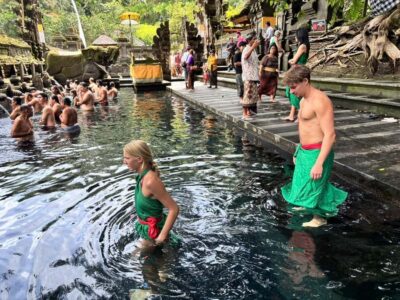
Waterfalls, Water Temple & Rice Terraces Private Tour
Read our review →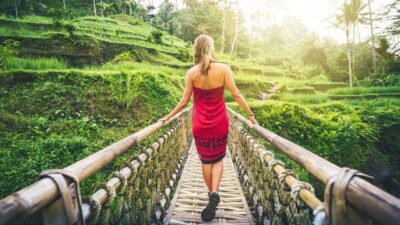
Waterfall, Rice Terraces & Monkey Forest Private Tour
Read our review →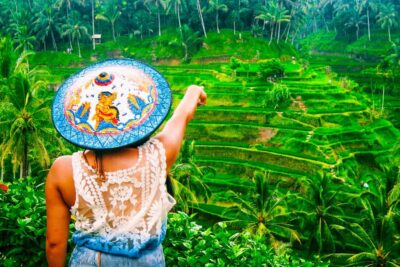
Waterfall, Rice Terraces & Monkey Forest Tour
Read our review →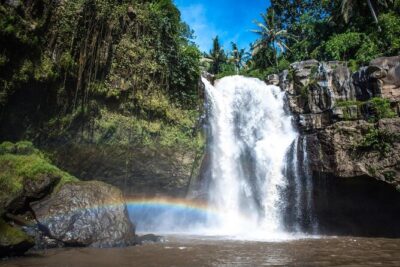
Best of Bali Waterfalls: Tibumana, Tukad Cepung and Tegenungan
Read our review →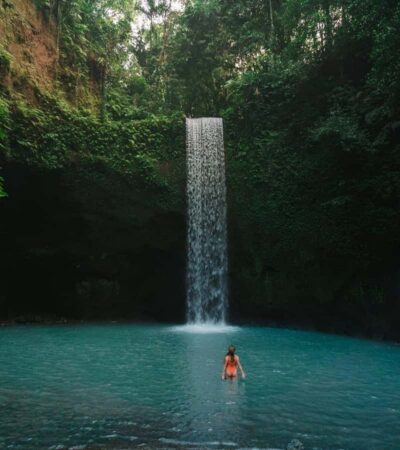
Full-Day Rice Terrace, Monkey Forest & Waterfall
Read our review →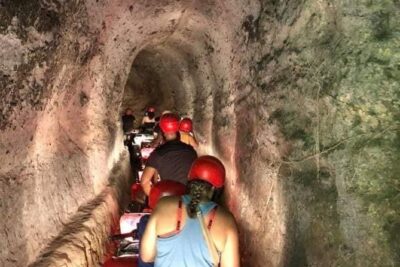
ATV Quad Bike Through Tunnel and Waterfall in Bali
Read our review →
ATV Quad Bike Bali with Waterfall Gorilla Cave and Lunch
Read our review →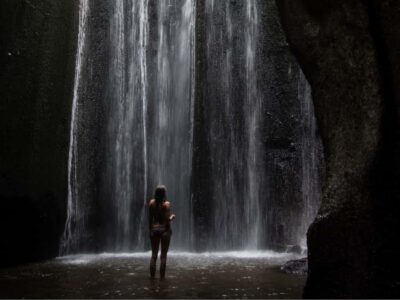
Lempuyang Quick Access, Waterfall, Water Palace & More
Read our review →Browse the lists this tour appears in