
Reviewed · WORKSHOPS
Ubud: Ceramic Pottery Class with 2 kg Clay
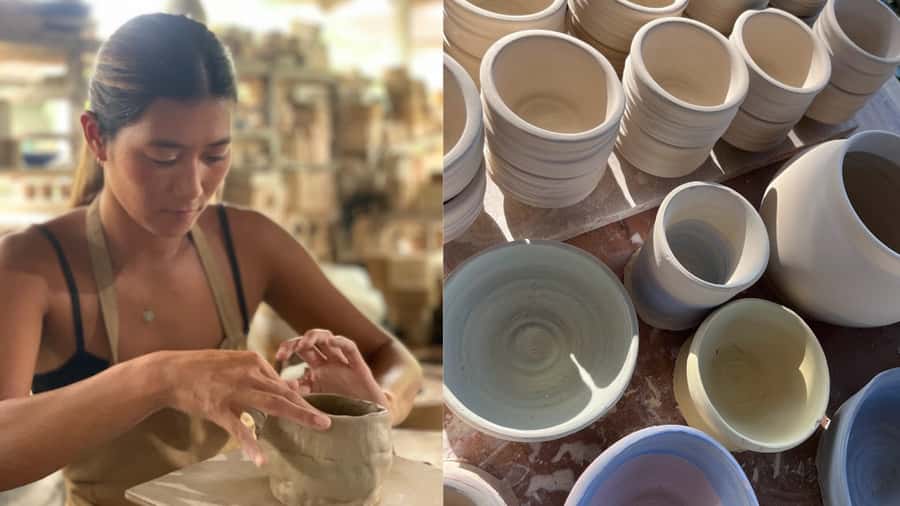
Ubud’s pottery class is interesting because it trades the usual Bali hustle for a hands-on, quiet craft session where you make real objects with 2kg of clay. I especially like the way the instruction stays practical and personal, and how teachers such as Putra help you shape something you actually want to keep. One thing to consider: your finished pieces need time to dry and be fired, so you cannot treat this like a quick take-home souvenir.
The class runs about 3 hours and you work in a small, private setting with English guidance, plus tools, apron, and support as you build and glaze. The biggest plus is that the clay allotment is generous, so you can often do one piece you are proud of and another as a bonus. If you are short on time in Bali, the timing around firing and pickup is the only real catch.
Key highlights at a glance
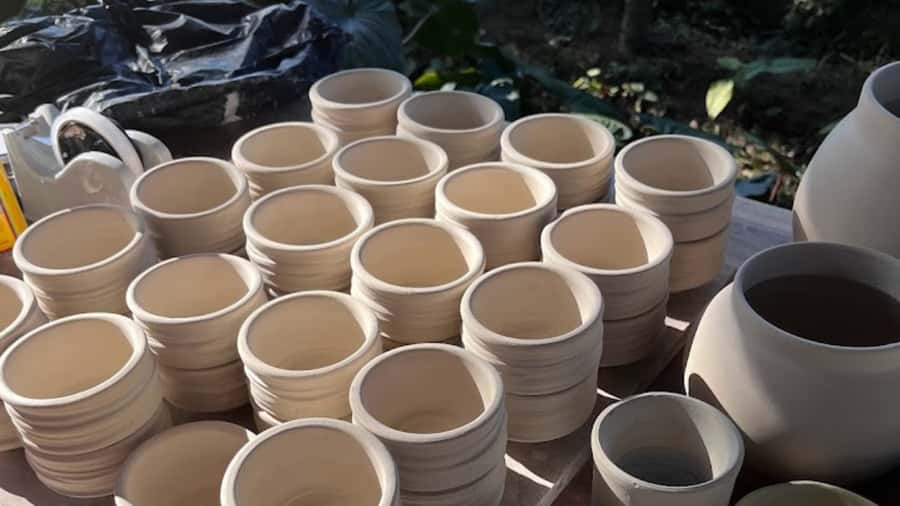
- 2kg clay allowance so you can realistically make more than one piece
- Small private group coaching that keeps the pace comfortable
- Hand-building plus wheel time with patient, step-by-step help
- 2 items fired so you get to the glaze-ready finish process
- Glazing included with clay color and tools provided
- Shipping option if you cannot pick up before leaving
Why Ubud pottery feels different from typical Bali activities
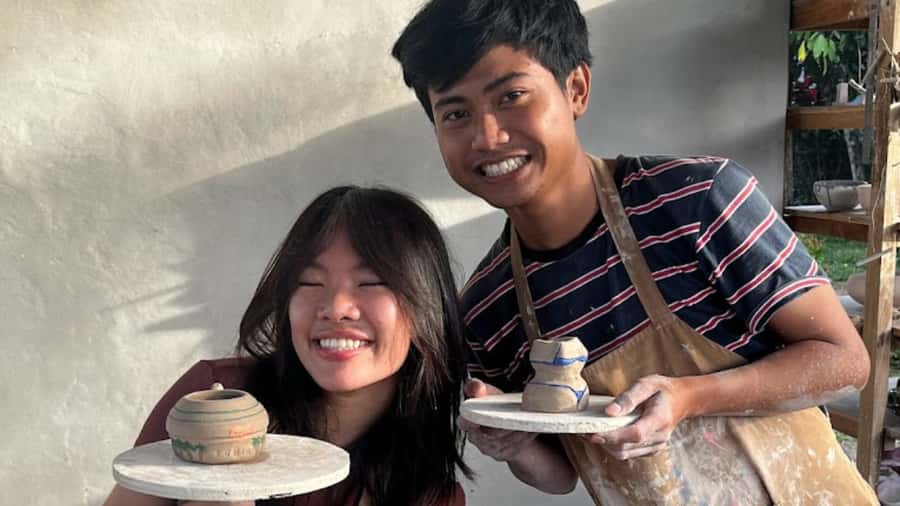
This is one of those Bali experiences that makes you slow down on purpose. You are not rushing between temples or chasing views. Instead, you are working with your hands, listening to the steady rhythm of shaping clay, and getting guidance that is more like teaching than babysitting.
What I like most is the tone of the place. In multiple sessions, the setting comes across as serene, tucked away from the main road noise. One person even described hearing wind through trees and gentle neighborhood sounds. That matters. When you are learning a new craft, quiet helps you focus on what the clay needs, not what the rest of the world is doing.
The class also has a “do it for real” feeling. You get a serious amount of clay, plus the process to finish it through firing. That is why people walk out happy even if they are beginners. You leave with skills, not just a stamped ticket.
Booked alongside this on Ubud itineraries:
- All-Inclusive Ubud Private Tour
★ 5.0 · 14,344 reviews - Best of Ubud Full-Day Tour with Jungle Swing
★ 5.0 · 8,571 reviews - Ubud: Monkey Forest, Jungle Swing, Rice Terrace, and Water Temple
★ 5.0 · 7,160 reviews
Your 3-hour class flow: from intro demo to glazing
You start by checking in and heading inside to confirm your booking name. From there, the session typically begins with a short intro and a demonstration by the instructor. This is where you learn how the clay should feel, how to keep it workable, and what mistakes are common for first-timers.
Then you move into hands-on making. The pace is usually built around you working with your own ideas, while the teacher corrects small things before they become big problems. In practice, that means things like smoothing your surface, managing thickness, and learning how not to let one part dry faster than another.
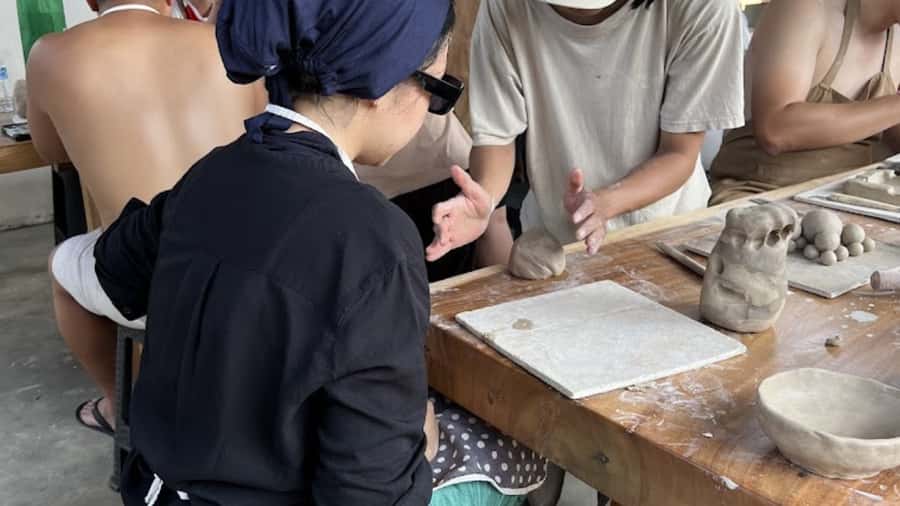
You also get time working with more than one technique. People commonly report doing both hand-building and wheel throwing during the session. Even if you are not trying to make two identical items, it is valuable because your second piece benefits from the learning you already got from the first.
Near the end, the class focuses on glazing. You are not just painting on top and hoping for the best. Glazing is treated as part of the craft process, with the teacher guiding you so your design actually survives firing and comes out the way you intended.
At the close, you marvel at what you made that day, but the real “finished” moment happens after firing and drying time back at the studio.
The real value of the 2kg clay and firing two items
Let’s talk about the money. At $36 per person, you are not paying for a “craft you assemble.” You are paying for clay, tools, kiln work, glaze support, and firing for two items.
That clay amount is the key detail. 2kg sounds like a lot, and it is. In real terms, it gives you options:
- You can make a primary piece you care about
- You can make a second smaller item, like a bowl or accessory
- You can experiment with a technique (wheel practice can cost material if you are learning)
The “2 item firing” part is also a big deal. Firing is the step that turns soft clay into something that can actually be used and lasts. If you have ever bought a pottery piece in a market and wondered how it is made, this class gives you the process instead of just the final product.
In addition, the class includes tools, an apron, clay color, and a bottle of mineral water. Meals are not included, so you should treat this as a creative afternoon you plan around, not a full-day food event.
Hand-building and wheel time with patient English coaching
One reason this class gets high ratings is the teaching style. Many sessions feature the instructor Putra, and you also might get support from an assistant (people have mentioned Dalem). The pattern is consistent: patient coaching, clear English, and help that stays hands-on.
When you do hand-building, you learn to shape clay without a wheel. That is a good route if you like a direct, sculptural look. It also teaches you how to control thickness and edges, which matters for both function and how the piece survives firing.
When you do wheel throwing, the learning curve is real but manageable in a short session if the instructor guides you step-by-step. People report making items like a mug and a bowl with both methods within the 3-hour window. What you take away is not just a finished item, it is a sense of how clay responds when you control pressure and speed.
If you are someone who thinks you are not artistic, this is where the class helps you. Teachers focus on what you can do with the material in front of you, not on producing a perfect “Pinterest” final. You end up with pieces that look handmade in the best way, plus a skill set you can repeat later at home.
Something different for the next Ubud day:
- Ubud: Waterfalls, Water Temple & Rice Terraces Private Tour
★ 5.0 · 5,484 reviews - Ubud: All-Inclusive Tour with Optional Lunch
★ 4.9 · 5,438 reviews - Ubud: Guided ATV Quad Bike Jungle Adventure with Lunch
★ 4.8 · 4,881 reviews - Best of Ubud 1-Day Private Tour
★ 5.0 · 4,451 reviews
Glazing: where your design choices start to matter
Glazing is the moment you stop thinking like a learner and start thinking like a maker. Even if you do not have a long list of design ideas, the teacher helps you translate what you shaped into a finish that will hold up after firing.
You are given clay color and glazing materials as part of the class. That removes a big headache for beginners, because you do not have to figure out product compatibility or guess which glaze works best with your type of clay.
Glazing also helps unify your pieces. Even if your hand-built item is more organic and your wheel-thrown item is more symmetrical, glaze can bring cohesion through consistent color, sheen, and surface tone.
One practical note: glaze can look different once fired. So aim to follow the guidance you are given rather than over-correcting mid-process.
Pickup timing, firing, and shipping: plan your calendar like a pro
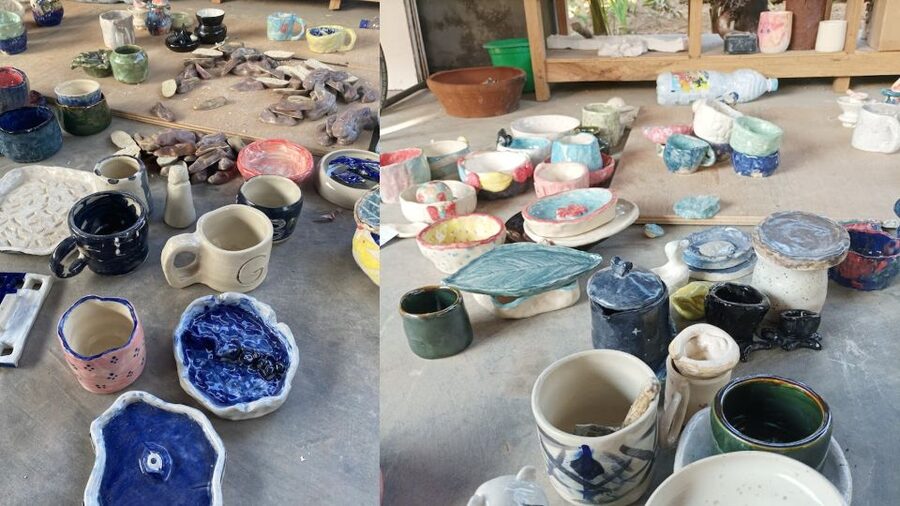
Here is the big logistical reality: you usually do not walk away with the finished pottery that same day. Your pieces need to dry and be fired, often including kiln firing overnight, then additional drying time.
The class info is clear that if you want to take your work with you, you should have at least 4 remaining days in your trip. Reviews also point to pickup timelines like about a week, with some people saying it can be longer (even around two weeks).
So I recommend you plan conservatively:
- If your Bali trip is tight, assume you may not get your pottery before you leave
- If you can, schedule the class earlier in your stay, not at the end
- If you are leaving in under a week, ask about shipping as soon as you book
The good news is that shipping is offered. If you cannot pick up locally, having the option to ship your pieces is a lifesaver. One person even noted that finished pottery was delivered to a villa, which suggests delivery support can be available depending on your location.
Bottom line: this is worth doing, but only if you respect the firing timeline.
Where the workshop fits into your Ubud day
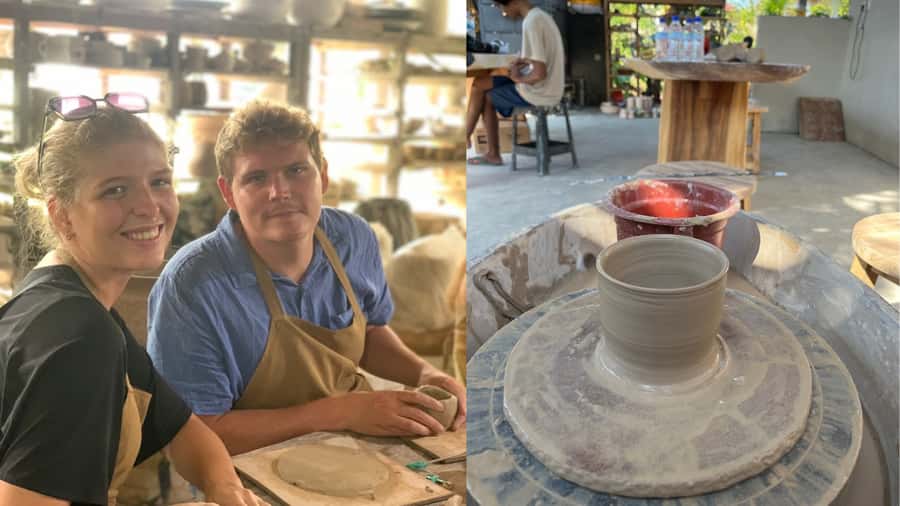
This class is great as an afternoon activity in Ubud. It is long enough to feel satisfying, but short enough that you can still do other sightseeing before or after.
You should also know that the meeting point is simple: arrive, go inside, and say your booking name. If you are using a bike app like Grab to reach it, give yourself a little buffer to walk the final stretch. One person said their bike could not drop them right at the exact spot, but the extra walk helped because the location felt tucked away and calm.
Because meals are not included, plan food around the class. I like the idea of scheduling it after lunch, then grabbing an easy dinner nearby. If your schedule is packed with temples, this will feel like the recovery session you did not know you needed.
Who this pottery class is best for
This is a strong match if:
- You want a hands-on creative activity in Ubud that does not require experience
- You like calm, structured guidance over chaos
- You are traveling as a couple or small group and want something you can do together
- You like taking home a souvenir with real effort behind it
It is also a solid option for mixed skill levels. Reviews include people who had pottery experience and people who were picking up clay basics for the first time. The best factor is patient teaching, not background art knowledge.
If you are the type who gets impatient with waiting (drying, firing, pickup), the schedule might feel like a downside. But if you plan ahead, the payoff is real.
Price check: what you get for $36 (and what to budget)
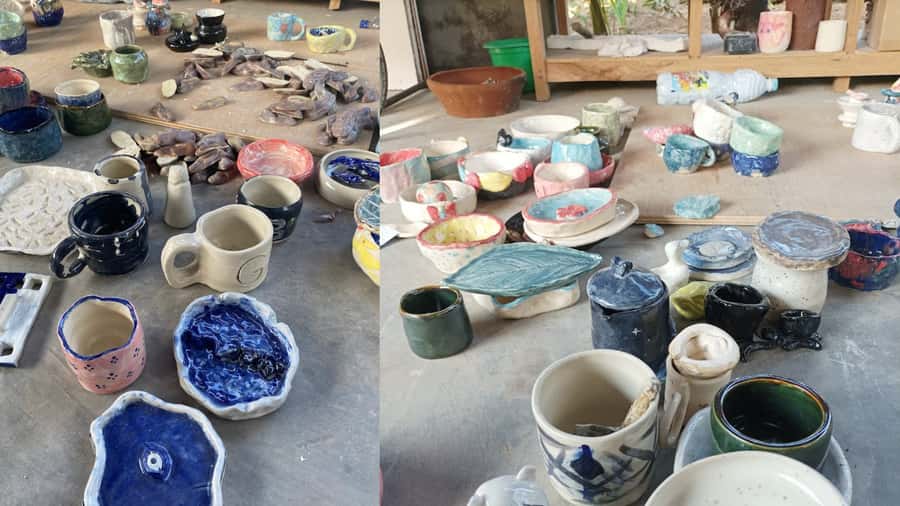
At $36 per person, you are paying for far more than materials. The included list covers:
- 2kg clay
- Tools and apron
- Clay color and glazing
- Firing for 2 items
- English instruction and an audio guide in English
- A bottle of mineral water
Not included:
- Meals
This price becomes especially good value when you think about firing. Kiln firing is not just a detail. It is the step that transforms your work into something durable. If you were to try to do it independently, you would likely spend far more dealing with supplies, kiln access, and finishing.
Shipping is mentioned as an option, but you should assume it could involve extra cost and time. If you want shipping, confirm the details during your class or with the organizer so you know what to expect.
Should you book this Ubud pottery class?
Yes, if you want a calm, creative afternoon and you can plan for pickup or shipping. The combination of 2kg clay, English coaching, and firing support for two items is the sweet spot for value. I also think the class is especially good if you like learning a craft step-by-step, because teachers named like Putra (and help from assistants such as Dalem in some sessions) show up as a recurring strength.
Book it early enough in your Ubud stay that you are not stuck gambling with firing time. If you only have a couple days left, you might still enjoy the making part, but you should be ready to ship your pieces instead of taking them home immediately.
FAQ
FAQ
How long is the Ubud pottery ceramic class?
It lasts 3 hours.
How much clay do I get?
You receive 2 kg of clay.
What is included in the class price?
You get 2 kg clay, tools, an apron, clay color, glazing, firing for 2 items, and 1 bottle of mineral water.
Do I get to make more than one pottery item?
The class includes firing for 2 items, and you can typically create two pieces with the 2 kg clay.
Is there hand-building and wheel work?
You will be taught pottery techniques, and many people report working with both hand-building and the pottery wheel during the class.
Are meals included?
No, meals are not included.
Can I take my pottery home right away?
Usually not. If you want to take your work with you, plan for at least 4 remaining days left in Bali, since items need time to dry and be fired.
Do they offer shipping if I cannot pick up my pottery?
Yes, the class offers shipping options to your desired location.
What language is the instruction?
The instructor provides English instruction, and there is an English audio guide included.
Where do I meet on the day?
After you arrive, go inside and say your booking name.
Newest reviews out of Ubud
- Ubud Silver Class: Forge Your Personal Silver Keepsake★ 4.9 · 39 reviews
- Amazing Kuber ATV Quad Bike Experience in Bali and Tunnel★ 5.0 · 39 reviews
- Lempuyang Tour : Heaven gate, Tirta Gangga, Goa Raja waterfall★ 5.0 · 39 reviews
- Make Traditional Bali Coconut Oil with a Balinese Family★ 5.0 · 39 reviews
- Private Tour : Bromo Ijen Tour From Bali★ 5.0 · 39 reviews
- Bali Private Car Charter Tour with English Speaking Driver★ 5.0 · 39 reviews
- Ayung Rafting Ubud (Include Lunch & Return Transportation)★ 4.5 · 40 reviews
- Private Bali Tour: The Most Scenic Places★ 5.0 · 40 reviews
Workshops, compared.
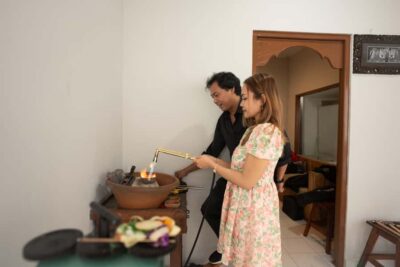
Hands-On Silver Jewelry Making Near Ubud’s Monkey Forest
Read our review →

Legian Beach, Bali: Beginner or Intermediate Surf Lessons
Read our review →
Canggu Jewelry Making Class with Creative Studio Vibes
Read our review →
Browse the lists this tour appears in