Reviewed · UBUD TOURS
Ubud’s Journey from Past to Present
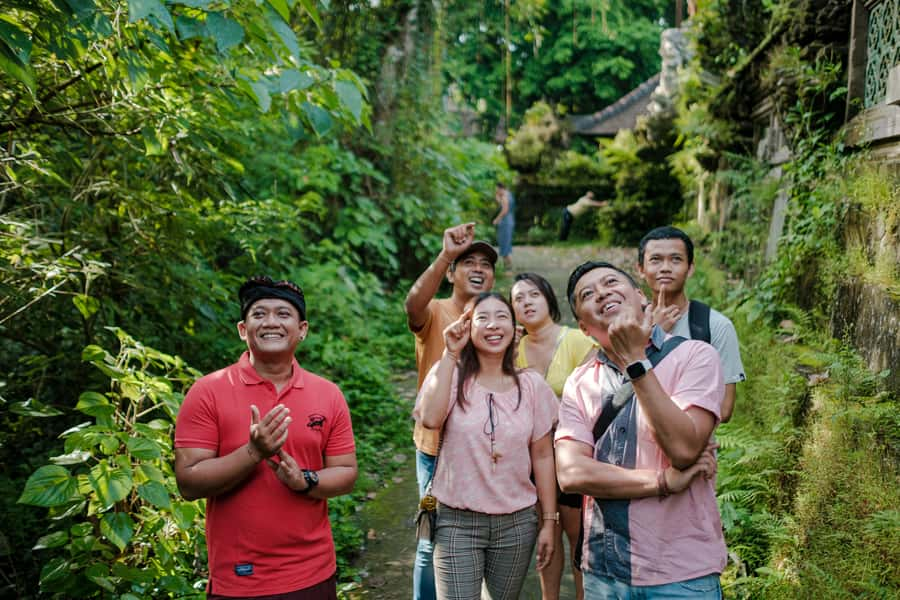
Ubud’s Past to Present walk is interesting because you move through temples, a bridge, and palace compounds while your guide turns the whole area into a timeline. I love the way an on-foot route makes modern streets feel like clues, and I love the small-group pace that lets questions land and stories stick. One watch-out is the walking, historic steps included, with uneven stairs, steep slopes, and patchy sidewalks.
At $27 per person for about 3 hours, you get real value: a local English-speaking guide, the Museum Puri Lukisan entrance ticket (Rp 95,000), and special access to a Balinese compound, plus local discounts. I like that it starts in the center near the Antonio Blanco Museum, so you can spend your morning actually walking Ubud, not transferring around town.
Weather is handled with a straight approach, rain or shine, and severe downpours can trigger a call before the start. You’ll also want to bring a reusable bottle for water refills, since the company focuses on reducing plastic in local rivers.
Key highlights at a glance
- A Past to Present timeline on foot through temples, a bridge, and royal spaces
- Museum Puri Lukisan ticket included (Rp 95,000)
- Special access to a Balinese compound you likely would not reach on your own
- Guides who bring the details to life, with extra touches like snacks, umbrellas, and photo help on some tours
- Small group limited to 8 people, so it stays personal without feeling crowded
- Reusable-bottle nudge to help cut plastic waste in waterways
Why Ubud’s Past to Present walk feels different from a standard sightseeing loop
This is not the usual list-of-sights kind of tour. The core idea is that you see Ubud as a place where old beliefs, art, and architecture still shape what you notice today. You start with sacred spaces, then you move into art, and you end in royal precincts, so the story builds in a sensible order.
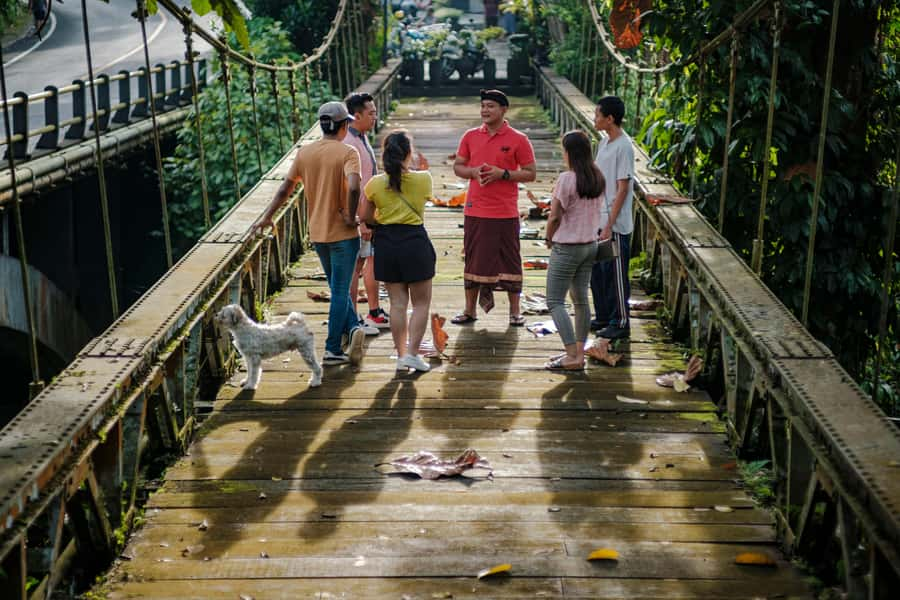
I also like that you are walking. Ubud’s center can feel maze-like if you go solo, but this route gives you a way to read it. When the guide points out how suburbs became downtown, the streets stop looking random and start looking intentional.
The trade-off is physical. It is an urban walking tour around historic landmarks, so plan for steps and uneven surfaces. If your legs are fine with a steady 3-hour walk, you’ll be rewarded with a route that actually makes sense.
Booked alongside this on Ubud itineraries:
- All-Inclusive Ubud Private Tour
★ 5.0 · 14,344 reviews - Best of Ubud Full-Day Tour with Jungle Swing
★ 5.0 · 8,571 reviews - Ubud: Monkey Forest, Jungle Swing, Rice Terrace, and Water Temple
★ 5.0 · 7,160 reviews
Route overview: the “past to present” flow in 3 hours
This walk is designed as one connected circuit, not five separate stops. The order matters, because each place helps explain the next one.
You’ll visit five main places:
- Pura Gunung Lebah (Campuhan Temple)
- Campuhan Bridge
- Museum Puri Lukisan (The Palace of Paintings)
- Puri Agung Ubud (Ubud Royal Palace)
- Puri Kantor
And along the way, the guide links the dots between Ubud’s spiritual world and its art scene, then brings it back to modern development.
Pura Gunung Lebah (Campuhan Temple): starting with a shrine that anchors the timeline
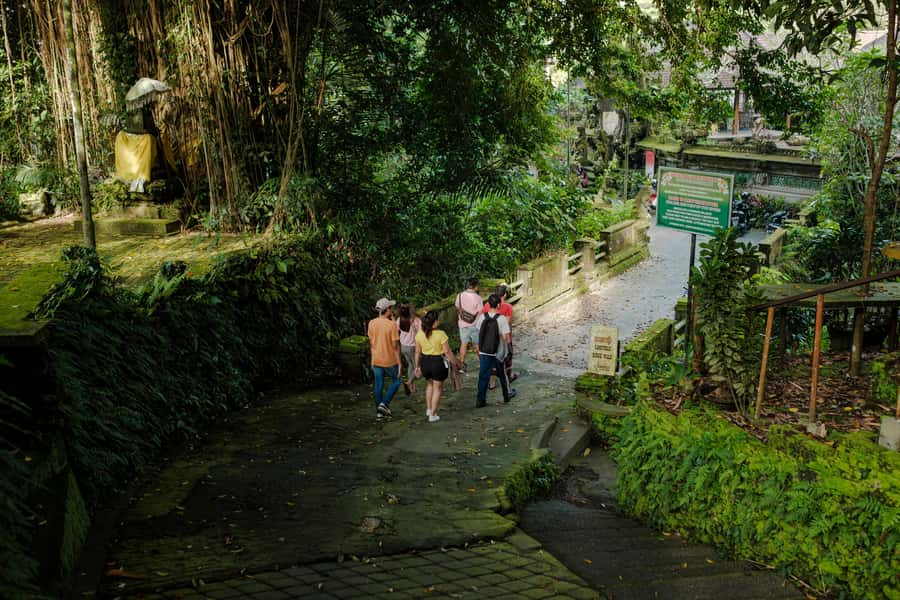
Your tour begins at Pura Gunung Lebah, known as Campuhan Temple. This stop sets the tone fast: you are in a sacred setting where the architecture and ritual structure are the message.
The highlight here is the multi-tiered shrine to the gods, plus the idea of Ubud’s spiritual geography. You also get the “meeting of two rivers” element woven into the narrative early. It is a good opener because it frames Ubud not as a museum town, but as a place where nature, worship, and daily life are still connected.
Practical note: temple compounds mean steps and uneven areas. If you arrive with comfortable shoes and a calm pace, this first segment is a great way to get your bearings before the walk becomes more urban.
Campuhan Bridge: the view stop that turns geography into story
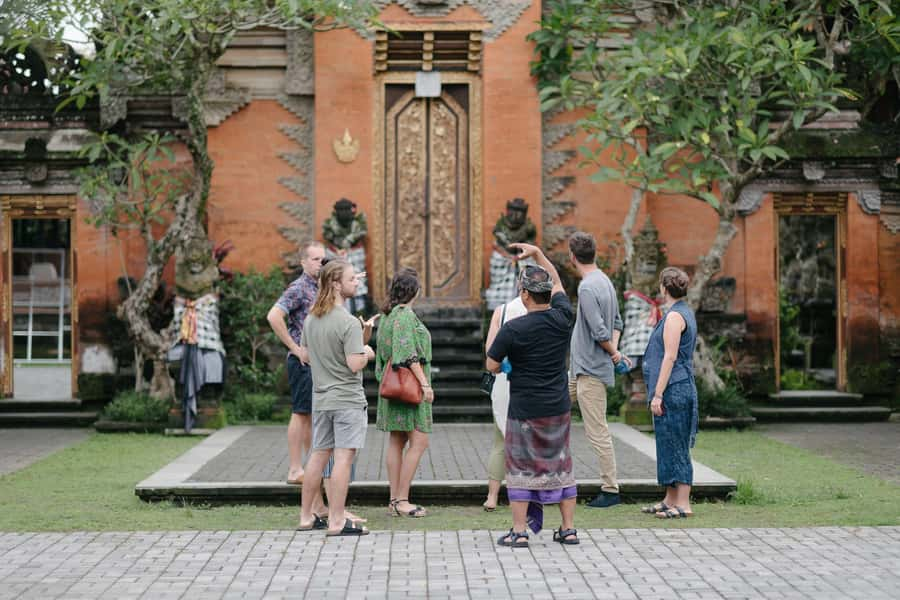
From the temple, you head to Campuhan Bridge, which works as the visual pivot of the tour. This is where the guide helps you connect what you saw in the shrine setting to the broader layout of the area.
The “magical meeting between two rivers” idea comes alive around here, since the bridge area gives you a sense of how water shapes where people built, worshipped, and later developed neighborhoods. Even if you are not a “views person,” this is the kind of stop that helps you understand why Ubud grew where it did.
Keep an eye on footing here too. Bridges are usually straightforward, but you’re still moving through a real urban environment, and the surfaces around historic infrastructure can be uneven.
Something different for the next Ubud day:
- Ubud: Waterfalls, Water Temple & Rice Terraces Private Tour
★ 5.0 · 5,484 reviews - Ubud: All-Inclusive Tour with Optional Lunch
★ 4.9 · 5,438 reviews - Ubud: Guided ATV Quad Bike Jungle Adventure with Lunch
★ 4.8 · 4,881 reviews - Best of Ubud 1-Day Private Tour
★ 5.0 · 4,451 reviews
Museum Puri Lukisan: where Balinese and Western artists get a shared spotlight
Next up is Museum Puri Lukisan (The Palace of Paintings), and this is one of the most valuable parts of the tour because the ticket is included. The entrance fee is Rp 95,000, baked into the price, so you’re not doing the math later.
This museum stop is where the tour’s “past to present” theme sharpens. The tour describes a testament to the early alliance between Balinese and Western artists, and that is exactly what this kind of museum setting helps you grasp: Ubud’s art story is not stuck in the past, and it is not only about local tradition either.
Even if you know very little about art, you’ll find the framing useful. You are not just looking at paintings, you’re learning how cultural exchange and patronage shaped what artists made and how styles developed.
A useful tip for museum time in Ubud: go in expecting context. If you ask questions, the guide can help translate what you are seeing into a timeline, which makes the art feel more personal instead of just decorative.
Ubud Royal Palace (Puri Agung Ubud): a gate, a legend, and the built evidence of power
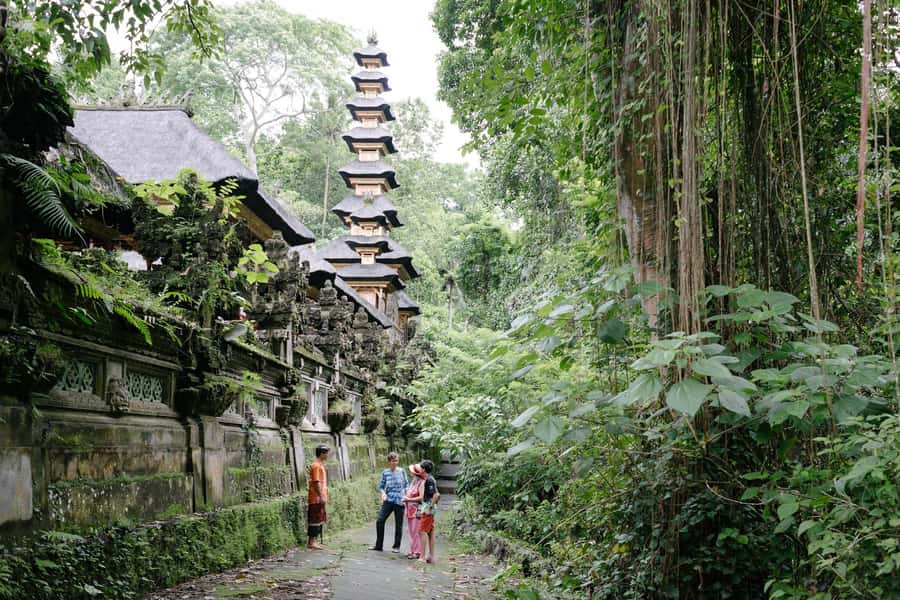
Then you move into Puri Agung Ubud, the Ubud Royal Palace, and this is where the tour’s “old among the new” theme gets physical. You are no longer talking in generalities. You’re looking at a royal space where design choices carry weight.
One of the tour highlights is a royal gate built by a 116-year-old sculptor. That detail matters. It turns architecture into a human story, not an abstract landmark.
This is also where you’ll likely understand why the guide keeps talking about how the area developed from suburbs to the downtown hub. Palaces and compounds are not just tourist stops, they were part of how communities organized themselves. When you see the scale, you start noticing the patterns behind streets, neighborhoods, and the way people interact with space.
You should expect steps and close quarters in palace precincts. If you can handle temple stairs and short climbs, this segment is one of the most rewarding.
Puri Kantor: rounding out the palace world with one more layer
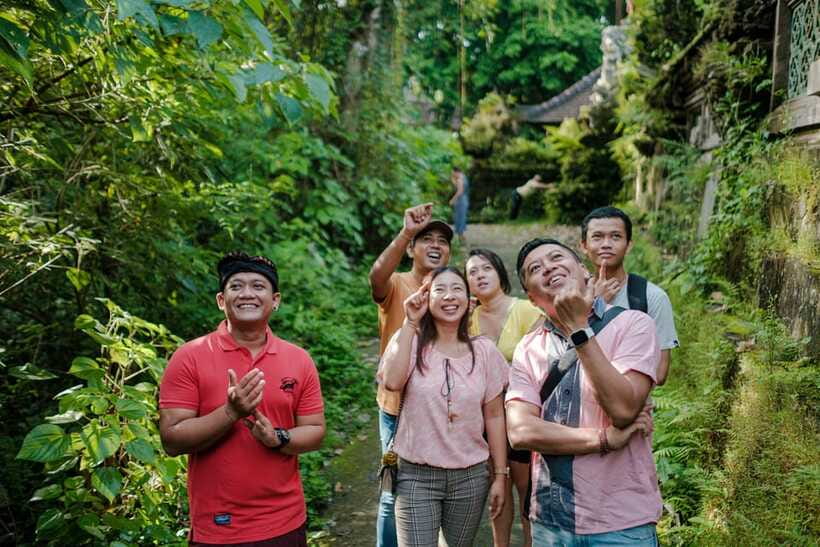
After Puri Agung Ubud, the walk continues to Puri Kantor. The details provided for this stop are shorter than some others, but it still plays an important role in the route logic.
Think of Puri Kantor as the “second look” at the palace landscape. Instead of only seeing one royal compound moment, you get an extra stop that helps you notice how spaces within the royal area relate to one another. It also slows you down at the right time, letting the story settle before you move back into modern streets.
If you tend to rush when you travel, this stop is useful. It gives you a calmer moment where you can absorb what you already learned and compare it to what you’re seeing next.
How the guide keeps a walking tour from feeling like a lecture
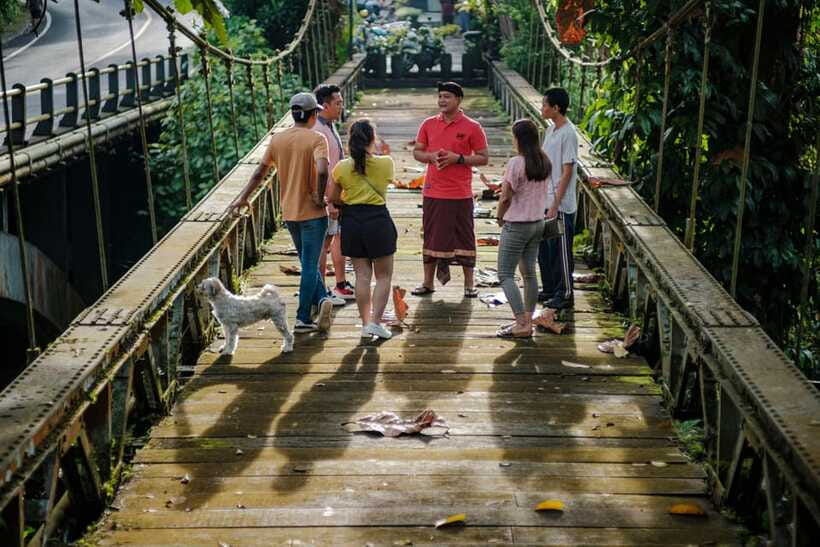
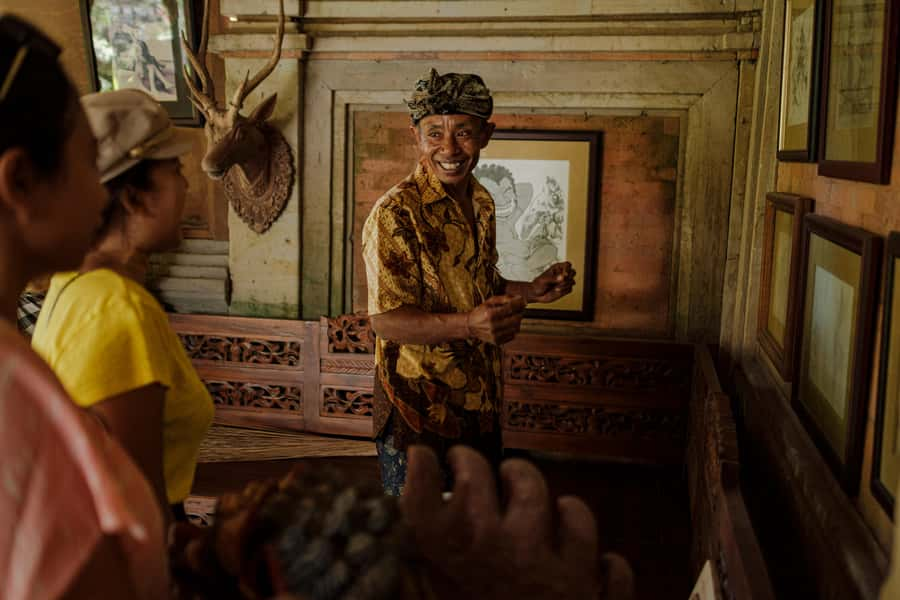
What makes this tour consistently well liked is the guide delivery. I’m seeing a pattern across guides and groups: the best moments come from how they balance storytelling with conversation, and how they keep everyone included.
Guides you might get, like Joe, Win, Jo, and Bagus, are described as personable and focused on making the experience feel like it has a place for you, even when you’re traveling solo. In a solo case, the tour became especially personal, which makes sense for a small group capped at 8.
In some departures, guides also show up prepared with small extras. One guide brought snacks, plus practical items like umbrellas, mosquito spray, and water. Another guide had a first aid kit on hand during a minor mishap. Not every departure will include the same items, but it tells you the guides show up thinking about comfort and real-world problems.
If you like a story with visuals, you may also see printed photos used during explanations. That helps when you want to compare what you’re seeing now with what the guide is describing.
Price and value: why $27 can work out better than it looks
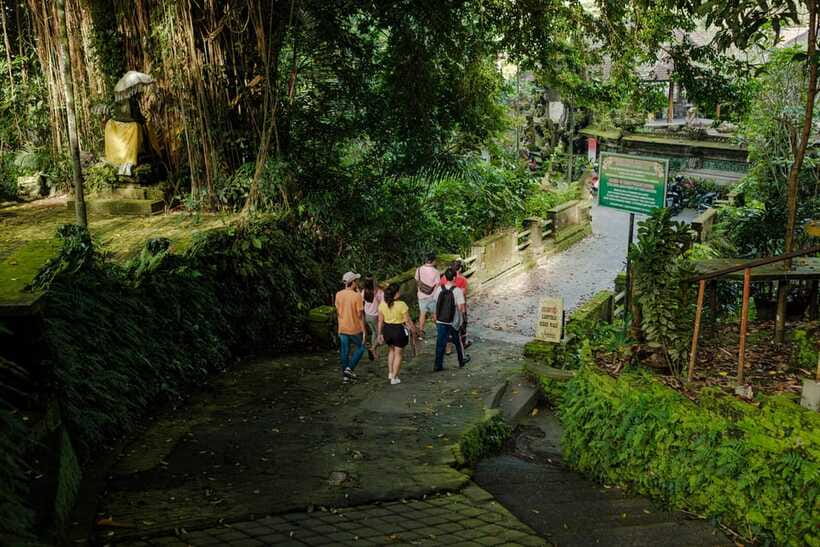
The price is $27 per person for 3 hours, and the value comes from what is actually included.
You get:
- a local English-speaking guide
- expert guided walking tour format
- Museum Puri Lukisan entrance ticket (Rp 95,000)
- special access to a Balinese compound
- local discounts
The included museum ticket alone can be the difference between a “cheap walk” and an experience that actually covers costs without surprise add-ons. On top of that, special access is the kind of thing that’s hard to recreate alone unless you’re doing serious planning.
You’re also paying for time. A guided walk like this saves you from the trial-and-error of figuring out what you are looking at and why it matters. If your goal is context, not just photos, the price makes more sense than a general walking tour.
Walking logistics in Ubud: the stuff to plan before you meet
You’ll meet near the Antonio Blanco Museum area. The exact meeting point is emailed after booking. Some information also mentions a spot near Murni’s Warung, which is in the same neighborhood zone, so don’t stress about it, just bring your confirmation email and look for the emailed pin.
There’s no pickup or drop-off from your accommodation, so you’ll need to get there under your own steam.
The tour runs around historic sites, so plan for:
- uneven temple stairs
- steep gradients
- patchy sidewalks
- about up to 3 hours of walking in an urban environment
For timing, it lists 8:30am for private tours, and for other start times you contact them. If you’re trying to fit this into a tight schedule, it’s smart to ask about the exact departure options before you lock in other plans.
Bring:
- comfortable shoes
- a reusable bottle for water refills
Also keep an eye on weather. They operate rain or shine, but if it’s severe, they’ll call before the start time.
Who this tour suits best, and who should choose something else
This is a strong match for you if you:
- want Ubud culture explained, not just photographed
- enjoy walking and can handle stairs and uneven surfaces
- like art plus architecture plus spirituality in one story
- prefer small groups capped at 8
It might not be your best fit if you:
- struggle with steps, steep gradients, or long uneven walking
- need a tour with minimal walking and fully even surfaces
If you’re physically comfortable with 3 hours of steady walking, you’ll come away with a much clearer mental map of central Ubud and why it looks the way it does.
Should you book Past to Present in Ubud?
Book this tour if your priority is understanding Ubud, not just ticking off landmarks. The combination of Campuhan Temple, Campuhan Bridge, Puri Lukisan, and the royal palace area gives you a storyline you can actually remember, and the included museum ticket plus special access helps the value feel real.
Skip it if stairs and uneven walking will slow you down too much. In that case, choose a tour designed around easier terrain.
If you do book, come prepared for a morning walk, wear solid shoes, and bring a reusable bottle. Then let the guide do their job, because the best part here is how you leave with new eyes for the same streets you would have walked anyway.
FAQ
How long is the Past to Present Ubud walking tour?
It lasts about 3 hours.
What is the meeting point?
You meet near the Antonio Blanco Museum area. The exact meeting point is emailed after booking.
Is pickup or drop-off included from my hotel?
No. The tour does not include pickup or drop-offs from your accommodation.
How big is the group?
The tour is a small group limited to 8 participants.
What time does the tour start?
It lists 8:30am for private tours. Other start times may be available, and you can contact the provider for those.
Is the tour led by an English-speaking guide?
Yes. You get a local English-speaking guide.
What attractions are included in the itinerary?
The tour visits Pura Gunung Lebah (Campuhan Temple), Campuhan Bridge, Museum Puri Lukisan, Puri Agung Ubud (Ubud Royal Palace), and Puri Kantor.
Is the Museum Puri Lukisan entrance fee included?
Yes. The Museum Puri Lukisan entrance ticket (Rp 95,000) is included.
What should I bring and wear?
Wear comfortable shoes. Bring a reusable bottle for water refills.
FAQ
Is this tour wheelchair-friendly or easy terrain?
This is a walking tour around historic landmarks, so the terrain includes uneven temple stairs, steep gradients, and patchy sidewalks. It is not something they can fully alter, so you should be physically capable of walking around an urban environment for up to 3 hours.
Newest reviews out of Ubud
- Bali: ATV Rafting Zipline Swing &Sky Bike in Ubud Rice Field★ 4.7 · 12 reviews
- Royal Family Temple, Monkey Forest, and Tanah Lot Sunset Tour★ 5.0 · 12 reviews
- Ubud VW Safari Bali Tour★ 4.6 · 12 reviews
- Ubud rice terrace, waterfall, and temple guided trip Bali★ 5.0 · 12 reviews
- The Popular Of Ubud Private Day Tour★ 5.0 · 12 reviews
- Best Of Ubud Highlights Private Tour★ 5.0 · 12 reviews
- Bali Quad bike ATV passing through Waterfall, Cave & Rice fields★ 5.0 · 12 reviews
- Best of Ubud – Kintamani Volcano View – Private Tour★ 5.0 · 12 reviews
Ubud Tours, compared.


Monkey Forest, Jungle Swing, Rice Terrace, and Water Temple
Read our review →
Waterfalls, Water Temple & Rice Terraces Private Tour
Read our review →

Guided ATV Quad Bike Jungle Adventure with Lunch
Read our review →