
Borobudur Temple is one of those rare places where you feel the brain and the hands of people from centuries ago at the same time. I love the Buddhist carvings and relief panels, and I also love how the temple sits above green fields with the Menoreh Mountains in the background. The only real drawback to plan for is time, it can feel rushed inside if you arrive late or skip the slower photo and reading spots.
What makes this ticket option practical is that it is focused on getting you into the monument area fast and letting you spend your energy where it matters, the stone stories, the layout, and the views. You get a digital entry ticket that you redeem right at the site, so you are not stuck hunting through offices or lines before you even start.
One more key point: this ticket covers entry, not the optional climb to the very top. If you want the full summit experience, you will need an additional ticket, so factor that into your day.
Key highlights you should care about
- Relief panels and Buddha imagery: 2,672 relief panels and originally 504 Buddha statues
- Scale you can feel: about 2,500 square meters of temple surface
- The setting: sweeping views toward the Menoreh Mountains
- Sailendra era craftsmanship: built around AD 780 to 840 during the Sailendra dynasty
- Indian influence, local identity: Gupta architecture style with strong Indonesian elements
- Green Park stroll: you walk through the grounds near the entrance before entering the main temple area
Borobudur Temple entry ticket, what you are actually paying for
This is a basic entry ticket to one of the most important Buddhist monuments in the world. Borobudur is often described as massive, but the better way to think about it is detailed. You are not just looking at a single temple face, you are moving through a layered stone world decorated with stories.
For the price, it is hard to beat the value. At about $3.08 per person, you are paying for access to a site that covers a huge footprint and is covered in carved scenes. The tradeoff is that you are not buying the full experience of climbing all the way to the top unless you add that extra ticket.
Duration is 1 day with check availability for starting times, so you can shape your visit around your wider Yogyakarta schedule. If you want a calm pace, choose a start time that gives you daylight and avoids the last-minute sprint feeling.
More ways to see Borobudur:
- Yogyakarta: Borobudur sunrise(guarantee climb up)& Prambanan
★ 4.9 · 1,545 reviews - Borobudur Sunrise from setumbu Hill , Merapi Volcano & Prambanan Full Day Tour
★ 5.0 · 1,030 reviews - Yogyakarta: Borobudur and Prambanan Temples Guided Tour
★ 4.9 · 828 reviews
Getting there on your schedule, opening hours and gate timing
Borobudur operates from 06.30 to 16.30 WIB. The gates close 30 minutes before the listed operational hours, so you should plan to be inside earlier than you think.
This matters because Borobudur is not a museum you speed-walk through. The carvings are dense, and the design rewards slow looking. If you arrive right at closing time, you will likely miss the reliefs you came for, and you will spend your energy navigating crowd flow instead of reading the stonework.
If you are combining Borobudur with other Yogyakarta area plans, treat it like a half-day to full-day commitment, not a quick stop. Even with a basic entry ticket, you need a buffer.
Redeeming your digital entry ticket at the kiosk near the entrance
This ticket uses a digital format. You redeem it at a kiosk near Borobudur’s entrance, then you are in.
I like this setup because it is simple. There is no complicated voucher swap and no waiting around for an office to open. You just show your digital ticket, redeem on-site, and start walking.
A practical tip: have your passport or ID ready. The entry info lists passport or ID card as what to bring, so do not count on remembering it at the gate. Also bring comfortable shoes. Borobudur involves a lot of walking over stone paths.
Green Park before the main temple, a short calm warmup
After you enter, you can choose to walk through Green Park from the entrance. This is a useful transition zone. It is where you get your bearings, stretch your legs, and switch from the road pace to the temple pace.
You may also spot vendors offering souvenirs and small items. The site has regulations to limit disruptions, so you are not supposed to get constantly chased or blocked. Still, if you want quiet for photos, a steady and early pace helps, and you can ignore offers without feeling awkward.
This is a good moment to set your viewing plan. If you want to focus on reliefs, you can slow down immediately. If you want views first, take a short look around before committing to the stone storytelling sections.
Something different for the next Yogyakarta day:
- Yogyakarta: Jomblang Cave and Pindul Cave all inclusive Trip
★ 4.9 · 854 reviews - Borobudur Sunrise, Merapi Volcano & Prambanan Full Day Tour
★ 4.8 · 717 reviews - Borobudur Temple Climb To The Top & Prambanan Temple – 1 day tour
★ 5.0 · 638 reviews - Menoreh Village Cycling
★ 5.0 · 611 reviews
The views toward the Menoreh Mountains are part of the design
Borobudur does not just sit on a hill, it is staged in a way that keeps changing as you move. From the site you get a dramatic backdrop toward the Menoreh Mountains, and that matters because it gives your photos scale. You can look at the temple’s symmetry, then glance outward and realize you are standing above fields and hills, not in a flat monument yard.
I love this mix because it prevents Borobudur from feeling like only an interior experience. Even if you are tired, the scenery helps you reset. If you have any flexibility, aim for daylight visibility rather than the edge of late afternoon shadows.
What makes Borobudur visually unforgettable: reliefs, Buddhas, and scale
Borobudur’s size is real. The temple covers around 2,500 square meters of surface, and it is decorated with 2,672 relief panels. That number is not just trivia, it is why you need time. You will keep discovering new carved scenes at angles you did not expect.
The carvings include legends and stories with philosophical significance. Practically, that means your visit is strongest if you do a slower lap and stop at panels you find interesting, instead of treating everything as the same.
Originally, Borobudur featured 504 Buddha statues. Even if some are missing or altered over time, the idea is clear: the monument was designed as a whole system of repeating imagery, guiding your eye and your thoughts through the stone.
Sailendra dynasty, Gupta architecture influence, and why it feels Indonesian
Built around AD 780 to 840 during the reign of the Sailendra dynasty, Borobudur reflects Indian architectural influence in the region. The temple’s style is described as Gupta architecture, and you can often feel that connection in the way the structure is composed and how elements are stacked.
But Borobudur is not a copy-paste Indian monument. It includes enough indigenous scenes and local design elements to make it distinctly Indonesian. I find that balance makes it more than a historical label. It turns it into a living example of how ideas traveled and were adapted.
If you like architecture, this is a strong stop. You will notice recurring forms, intentional symmetry, and an overall logic to the layout. Even if you do not read a single plaque, the stonework still communicates a clear design plan.
Restoration and UNESCO, why the temple survived and looks like today
Borobudur endured centuries of neglect. Then in the 1970s, the Indonesian government worked with UNESCO to restore it to its former majesty, with restoration taking eight years to complete.
This is important for your expectations. Restoration means you are seeing something preserved and stabilized, not a lost ruin. The temple may feel fully presented, and that is the point. You are getting the carvings and structure as they were meant to be understood, even if that took modern work to achieve.
Time management inside Borobudur, how to avoid the rushed feeling
Borobudur can feel busy, especially when people start and stop together. One day tickets are flexible, but the real constraint is your own pace. If you try to cover everything fast, you will likely end up with a blur of stone and a few snapshots, not the layered experience the place offers.
Here is my practical approach for a smoother visit:
- Spend the first part of your visit orienting yourself, then choose a section of reliefs to focus on rather than trying to hit every panel.
- If you are interested in explanations, take advantage of them when they are available and then follow up by looking for the matching carvings yourself.
- Leave time for the exterior views, because they add meaning to what you are looking at.
If you only want a quick look, entry is still worth it. If you want the stories and symbolism to land, plan to slow down.
The optional top climb ticket, what your entry covers and what it does not
The ticket you are considering is entry, not the climb to the top. The information clearly notes an additional ticket is required to climb to the top of the temple.
This is a big decision point. The top climb can be a different experience than just admiring the carvings and lower structures. If summit views and the full vertical feel matter to you, budget for that extra ticket. If they do not, you can still have a rewarding visit by focusing on the reliefs and main areas.
Also consider crowd flow. If you decide to climb, do it with enough time so you are not climbing only to then race through the reliefs you actually care about.
Price and value in real terms, not just dollars
At about $3.08 per person, this is a budget-friendly way to access one of Indonesia’s top monuments. The best value here is the payoff per hour. You are paying for entry to a giant, carved monument that would cost you far more elsewhere.
The value equation changes if you add the top climb ticket. Still, even combined, you are likely to remain in the low-cost range compared to many organized tours. The main value risk is mismatch: if you end up with the wrong ticket type or expect the top climb to be included, you can lose time at the gate.
So here is the smart move: confirm exactly what your ticket covers before you go, and keep a little buffer for any on-site adjustments. For the small money you save, you do not want your day to get tangled.
What to bring and how to keep it easy at the site
This is a practical checklist:
- Passport or ID card
- Comfortable shoes
- Comfortable clothes
- Face mask or protective covering
Comfort matters more than you think. You will be on your feet a lot, and Borobudur’s stone surfaces are not the place to wear shoes that pinch or slide. Dress for Indonesia daylight conditions, and keep layers in mind if mornings feel cooler.
If you are sensitive to crowds, plan your pace and accept that some areas can get packed. The carvings are worth it, but you should expect normal temple-site movement patterns.
Who this Borobudur entry ticket is best for
This ticket is ideal if you:
- Want a straightforward way to enter Borobudur without paying for a more expensive guided package
- Love architecture and want to spend time looking at the reliefs and Buddha imagery
- Are in Yogyakarta for a full day and want one major anchor activity
- Prefer independent pacing, with optional add-ons if you want more
It is less ideal if:
- You need lots of hand-holding and explanation, since the entry ticket itself is not described as a full guided tour
- You only have a short window and plan to sprint. Borobudur rewards slower attention.
If you can manage your arrival time and choose at least a couple of relief sections to focus on, you will get far more from your visit.
Should you book a Borobudur Temple entry ticket?
Yes, if your goal is to see Borobudur’s stone stories and Buddhist carvings at a smart price, this is a strong choice. You get meaningful access to a monument that covers around 2,500 square meters and is packed with 2,672 relief panels, plus the Menoreh Mountain views that make the whole place feel bigger than a single temple.
Book with extra care if you care about climbing to the top, because the entry ticket does not include that climb. Also aim to arrive early enough to avoid feeling rushed when the gates get close. If you get those two things right, this is one of the best value ways to experience Borobudur.
FAQ
What is the Borobudur Temple entry ticket valid for?
It is valid for 1 day, with starting times depending on availability.
Where do I redeem the digital ticket?
You redeem your digital entry ticket at the kiosk near Borobudur’s entrance.
What are the Borobudur Temple operating hours?
Borobudur Temple operating hours are 06.30 to 16.30 WIB, and the gates close 30 minutes earlier than operational hours.
Is the ticket included for climbing to the top of the temple?
No. Climbing to the top requires an additional ticket.
What time should I plan to arrive?
Because gates close 30 minutes before operational hours, you should plan to arrive with enough buffer to enter before the gates close.
What should I bring for entry?
Bring your passport or ID card, comfortable shoes and clothes, and a face mask or protective covering.
Are there age requirements for the ticket?
Adults are 10 years and above. Children are 3 to 10 years old. Infants aged 1 to 2 years do not require a ticket.
Do I need the ticket to match a specific language?
The host or greeter is available in English and Indonesian.
Is the activity refundable if I cancel?
The activity is non-refundable.
Should you book this Borobudur entry ticket option specifically?
If you want a budget-friendly, no-fuss way to get into Borobudur and you are okay adding the top climb ticket only if you truly want it, this option fits well. If you hate surprises, double-check that you understand what your entry covers before you arrive, so your day stays focused on the carvings and the views.
Newest reviews out of Yogyakarta
- Ramayana Ballet Performance In Prambanan Temple With Dinner★ 5.0 · 41 reviews
- Yogyakarta: Ramayana Ballet Performance with Optional Dinner★ 4.4 · 42 reviews
- Yogyakarta: Batik Making Class with Expert★ 4.7 · 45 reviews
- From Yogyakarta: Borobudur and Prambanan Temples in 1 Day★ 5.0 · 45 reviews
- Yogyakarta: Borobudur Sunset Climb Up Shared Guided Tour★ 4.7 · 46 reviews
- Prambanan Temple Afternoon Tour★ 4.9 · 48 reviews
- Jomblang Cave, Pindul Cave and Oyo River Tour★ 5.0 · 50 reviews
- Yogyakarta: The Jomblang Cave adventure all inclusive tour★ 4.9 · 50 reviews
Borobudur Temple, compared.
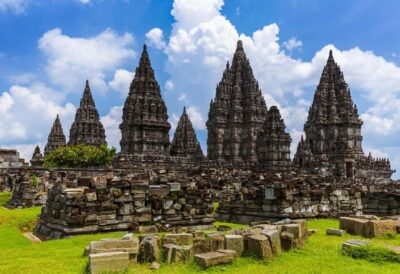
Borobudur sunrise(guarantee climb up)& Prambanan
Read our review →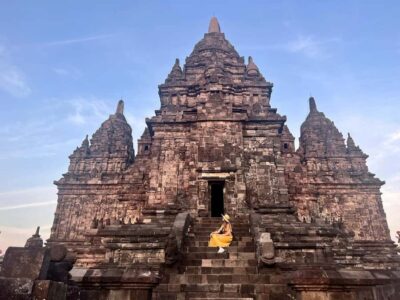
Borobudur ClimbUp (sunrise option) & Prambanan
Read our review →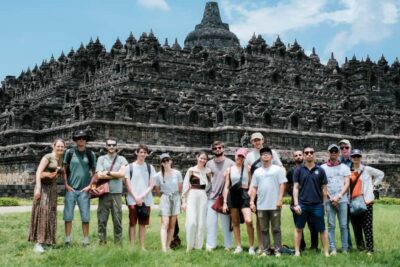
Borobudur Sunrise from setumbu Hill , Merapi Volcano & Prambanan Full Day Tour
Read our review →
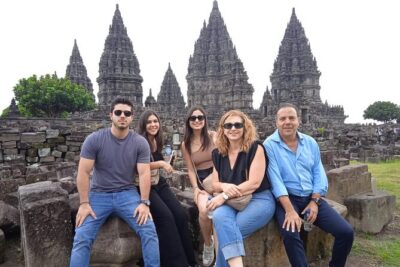
Borobudur Sunrise, Merapi Volcano & Prambanan Full Day Tour
Read our review →
Borobudur Temple Climb To The Top & Prambanan Temple – 1 day tour
Read our review →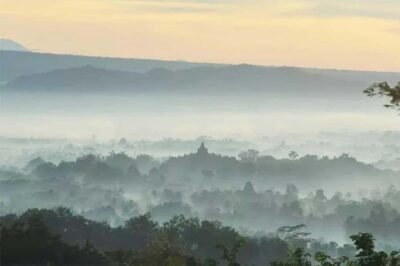
Borobudur Sunrise (Climb-up Assured) & Prambanan
Read our review →Browse the lists this tour appears in