
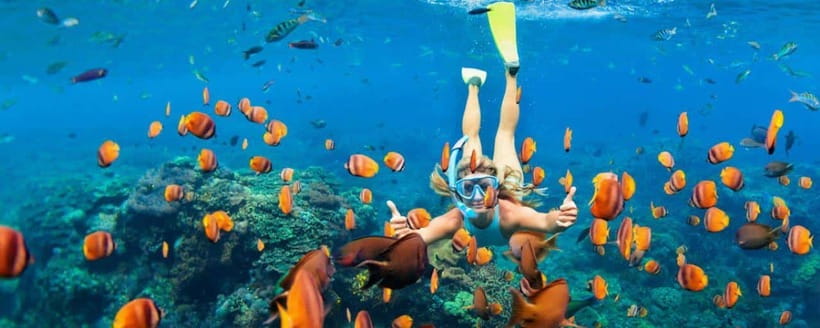
Reviewed · SNORKELING
Amed: Snorkeling Tour with Japanese Shipwreck and Coral …
Amed snorkeling tours are interesting because this part of Bali feels different underwater. You get reef time, yes, but also a Japanese shipwreck covered in coral and a coral garden that’s right off the beach. It’s the kind of trip where the scenery changes fast, even in just a couple hours.
What I like most is the lineup of stops, especially Jemeluk Beach with its long-sunken temple reef, and the ending at Selang Beach where the coral faces you in a shallow, sandy bay. One drawback to plan around: the tour is only for people who are comfortable in the water, and it is not suitable for non-swimmers, kids under 10, or anyone prone to seasickness.
Key things to know before you go
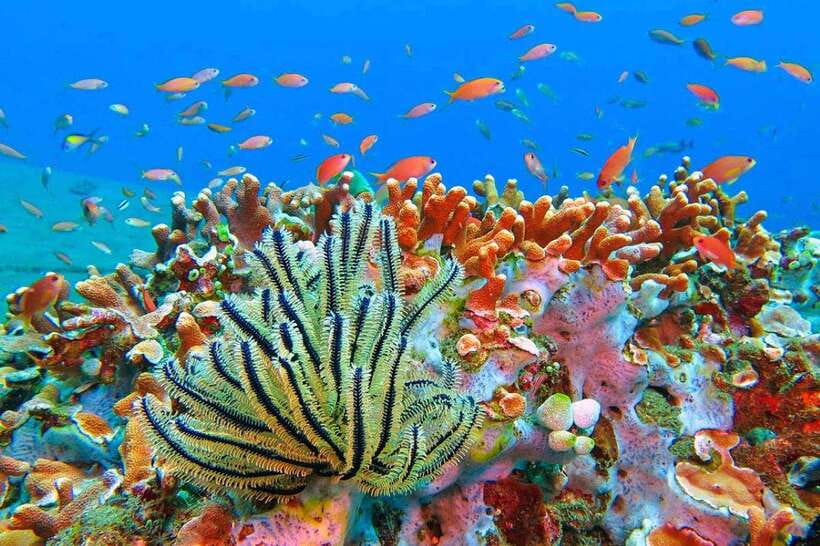
- Japanese shipwreck snorkeling where the wreck has become part of the reef scenery
- Amed Beach black sand plus lots of marine life hanging out near shore
- Jemeluk Beach temple reef with coral growth and fish in a long-standing underwater site
- Selang Beach coral garden at a croissant-shaped bay that works well for beginners
- Guide support that keeps you together with clear follow-along snorkeling guidance
Amed Snorkeling, the Japanese Shipwreck, and Why the Water Here Feels Special
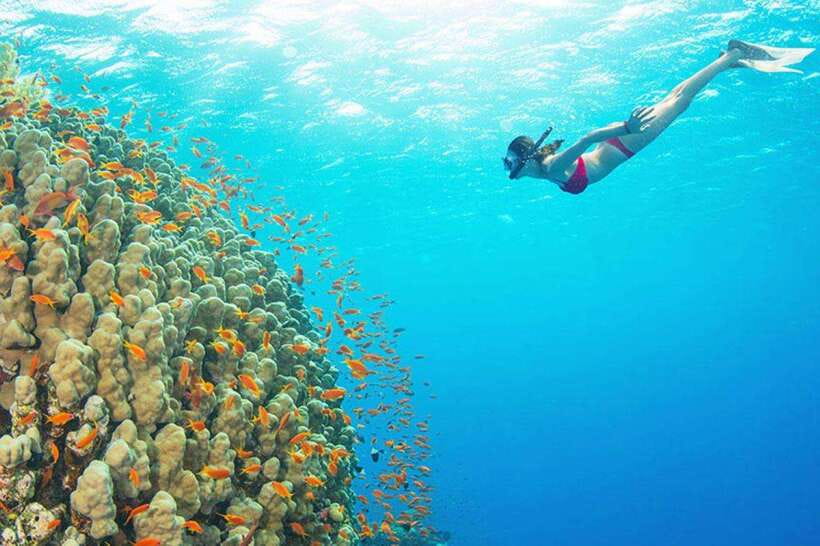
Amed is one of those Bali places where the coast looks a bit raw at first, then rewards you fast once you’re in the water. The big draw is that the snorkeling sites cluster around reachable beaches, so you spend more time looking at coral and fish, less time stuck in transit.
You’ll notice right away that Amed’s reefs are not all the same. One stop leans into marine life near shore, another is built around the drama of a shipwreck, and then you end with coral garden scenery at Selang. That mix is great if you want variety without a full day commitment.
Two small details make it feel more real. First, Amed Beach is known for black sand, which is not what most people picture when they hear Bali. Second, the shipwreck is not a “ruins photo” moment, it’s a reef surface now, overgrown with coral and home to different kinds of marine life. It’s an unusual combo of history and living reef.
More Snorkeling in East Bali
- Bali: Blue Lagoon Beach Snorkeling Tour with Lunch
★ 4.5 · 426 reviews - Bali/Amed: Underwater Temple Snorkeling Experience
★ 4.8 · 134 reviews - Bali: Snorkeling on 2 spots with Lunch and Transport
★ 4.8 · 123 reviews
Price and Duration: Getting Real Value at $40 for 2 Hours
At about $40 per person for a 2-hour snorkeling outing, the value comes from how much you cover in a short time. You get multiple snorkeling stops, not just one beach loop. The included snorkeling covers Amed Beach, Pyramid, the Japanese shipwreck, Jemeluk Beach, and the Coral Garden at Selang Beach.
What’s not included matters for budgeting. Transportation to and from your pickup point is not part of the price, and meals and drinks are also not included. Gear rental may cost extra if you do not bring your own.
If you’re trying to keep costs controlled, the smart move is simple: bring your own snorkeling gear if you can. The tour says you’re recommended to bring your own for the best experience, and when you do, you reduce both uncertainty and extra fees.
Pickup and Meeting Points: Where You Start in Amed
This tour is set up with flexibility, which is a big deal in East and Central Bali. You can choose a pickup location across East or Central Bali, or you can meet at Amed Beach or at the provider’s base near Amed Beach.
The practical takeaway is timing. Because the tour is only 2 hours, you want to be on time at pickup or the meeting point so you don’t compress your water time. Also, since transportation is not included, double-check whether you’re using the pickup option you selected, or if you’re handling your own way to Amed Beach.
And yes, the activity ends back at the meeting point, so you can plan the rest of your day around a predictable return.
Stop 1, Amed Beach: Black Sand, Reef Life, and Easy-Starting Snorkeling
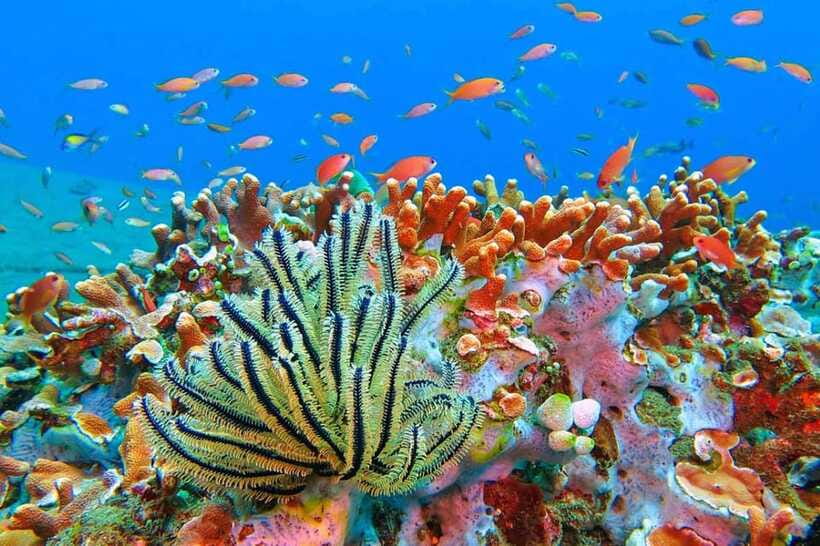
Most people come to Amed for the reefs, and Amed Beach is where your tour starts. The coast here is described as still attractive even though it’s a black sand beach, and that matters because black sand often signals a more volcanic, rugged feel to the shoreline.
The tour approach also makes sense. You begin at Amed Beach before moving to the more dramatic structures. In practice, this is a good sequence if you want to get your breathing and buoyancy sorted early, before you head into wreck and deeper coral areas.
Amed Beach is said to have been home to thousands of unique and rare marine life. That phrasing is naturally broad, but it still tells you what to expect: you should plan to look beyond just one highlight fish. Spend a moment scanning coral edges and areas where the reef meets the sand, then come back to your favorite spot for longer looks.
More Snorkeling in Karangasem:
- Bali: Blue Lagoon Snorkeling and Tanjung Jepun Private Tour
★ 4.6 · 35 reviews - Bali: Blue Lagoon & Tanjung Jepun Snorkeling & lunch
★ 4.8 · 16 reviews - Blue Lagoon and Tanjung Jepun Snorkeling Tour
★ 4.7 · 15 reviews - ️Nusa Penida by Private Boat – Snorkeling 4 spots, Swim with Mantas + Land Tour
★ 5.0 · 6,424 reviews
What to do to see more
Keep your movements slow. Coral and fish react to quick changes. The calmer you are, the more you’ll notice the smaller stuff.
The Japanese Shipwreck: Coral-Covered Structure That Becomes Home
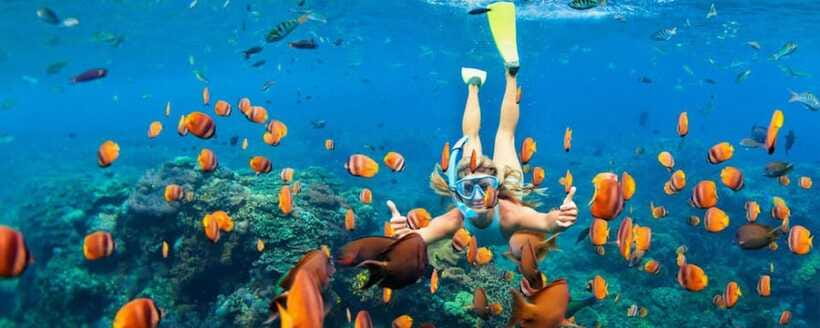
The shipwreck is the headline moment, and it’s not hype. This is a Japanese shipwreck that has grown over with coral, transforming it into a home for diverse marine biota.
That changes how you should snorkel it. Instead of treating the wreck like a fixed monument, think of it like a living reef with edges, shelves, and surfaces where fish shelter. You’ll want to look for coral growth on the wreck itself, then follow the “reef logic” outward, where coral continues off the structure.
This is also described as the best snorkeling spot you can find around Amed, which helps set expectations. Even if you’re new-ish to snorkeling, the attraction is the combination of manmade shape and natural growth. It gives you something clear to orient around while you’re trying not to kick up sand.
A quick caution
The tour specifically says do not touch marine life and do not touch plants. Coral can be fragile, and touching also disturbs the animals you came to see.
Pyramid Stop: Why the In-Water Organization Matters
The tour includes snorkeling at Pyramid as one of the stops, even though the tour description focuses more on Amed Beach, the shipwreck, Jemeluk, and Selang. So treat Pyramid as a planned part of the route rather than something you have to figure out on your own.
This is where the guide support becomes more important than people expect. One review highlighted how the guide followed well with the boat so you did not lose each other. In practical terms, that kind of organization helps a lot when you’re snorkeling across multiple areas. You are focused on breathing and sightlines, not playing guess-the-lead.
My advice
If you’re a bit nervous in open water, this tour’s structure is a plus. You’re not going solo between random points. You move as a group from one known snorkeling area to the next.
Jemeluk Beach and the Sunken Temple Reef
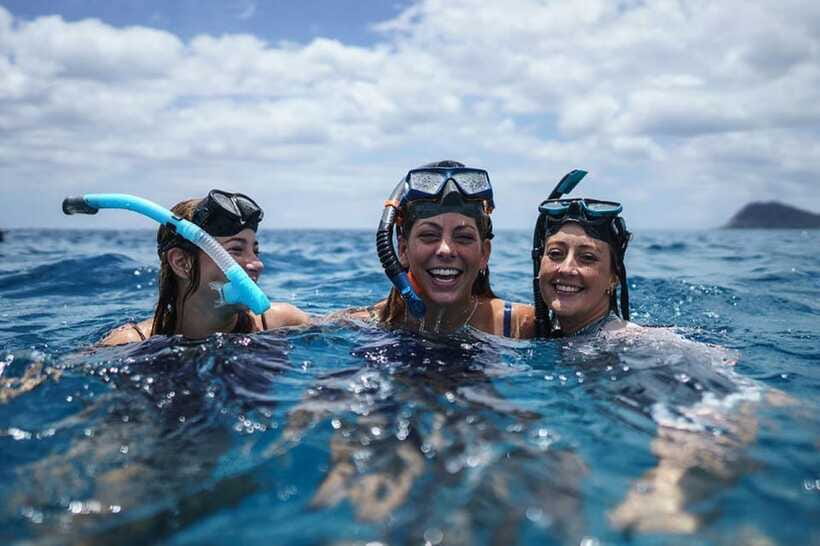
Next up is Jemeluk Beach, and it’s recommended because of the stretch of coral reefs that attract plenty of fish. The most distinctive detail is that a long-time sunken temple is now a flourishing place for diverse coral reefs to grow.
This stop is special because it’s not just about coral. It’s about a fixed underwater landmark that has become habitat. When you find a structure like that, your viewing often gets easier because your attention has something stable to return to.
What you should look for
- Coral patches and edges where fish gather
- Areas around the temple structure where growth is thicker
- Fish activity near coral faces rather than only open water
The tour also suggests there are rare fish to catch, which is not something you can guarantee. But it does signal that the reef here supports enough variety to make careful watching worthwhile.
Selang Beach Coral Garden: Croissant-Shaped Bay and Beginner-Friendly Water
You end at the Coral Garden at Selang Beach, a sandy bay described as croissant-shaped. That shape matters in a practical way because bays often create calmer snorkel conditions than exposed coastlines, especially for swimmers who want a more controlled experience.
This stop is also described as suitable for beginners, which tells you a lot about the overall skill level of the route. You can still see coral and fish without feeling like every moment is a deep, strong-current test.
The coral garden is also right in front of Good Karma Bungalows, which helps you picture where you are. In other words, you’re not far from shore conveniences, and you’re in a place built for visitors to watch the water.
How to make the most of the final stop
Slow down your pace near the coral. The best viewing often comes when you stop trying to “cover distance” and instead watch one small area for a few minutes. Your brain starts noticing patterns, like where fish dart in and out.
What You Bring (and What You Don’t): Simple Gear That Makes a Big Difference
This tour gives a clear packing list, and it’s worth following because snorkeling is a full-body comfort game, not just a swim.
Bring:
- Swimwear
- A towel
- Hat
- Sunscreen
- Water
- Camera
- Snacks
For many people, the biggest upgrade is having your own snorkeling gear. Gear rental is available for an additional fee, but bringing your own usually means better fit and comfort, which makes breathing easier and keeps you in the water longer without frustration.
Not allowed:
- Smoking
- Touching marine life
- Touching plants
Those rules are not just for etiquette. Touching coral can damage it, and it also tends to chase away the very life you want to see.
A practical comfort tip
Wear sunscreen before you start, not right before you jump in. Water and repeated sun exposure can make sunscreen timing tricky if you wait too long.
Who This Tour Suits Best, Based on Real Suitability Limits
This is not a “everyone can do it” tour. It’s for people who are comfortable in the water.
It is not suitable for:
- Children under 10
- People with mobility impairments
- Non-swimmers
- People prone to seasickness
So if you know you get queasy on boats or you tense up in the water, this is not the best choice. On the flip side, if you can swim comfortably and you’re excited about snorkeling spots with a shipwreck and coral gardens, the tour length and variety fit nicely.
The Guide Factor: Kindness, Clear Follow-Along Snorkeling, and No-Rush Energy
The most praised part of the experience is the guide. Multiple comments mention how kind and helpful the guide was.
One review specifically named Kadek, and the feedback was positive about how he followed well with the boat so you did not lose each other. That kind of guidance does two things. It helps with safety and it makes the trip feel relaxed, because you stop worrying about where everyone is.
Another note worth paying attention to: there was an extra half hour added beyond what was originally planned, and it still felt un-rushed. That suggests the tour has a flexible pace, which is great if you want time to enjoy each stop rather than being herded through.
What you can expect from a good guide like this
- You stay grouped during movement between spots
- You get quiet confidence from knowing someone is watching out
- You snorkel without constant stress about timing
That is often the difference between a “snorkel once” outing and one you remember.
Timing, Weather, and Seasickness: The Reality Check
The tour recommends checking weather conditions before you visit. That’s not just a formality. Snorkeling experience changes with wind, water clarity, and how calm the bays feel.
Also, since the tour is a multi-stop route with time in the water, people prone to seasickness should take the warning seriously. If you want to be safe, plan around calmer days and consider your own sensitivity.
Should You Book This Amed Snorkeling Tour With the Japanese Shipwreck?
Book it if:
- You want a short, focused 2-hour snorkeling plan with multiple stops
- The idea of a coral-covered Japanese shipwreck appeals to you
- You’re excited about variety, from Amed Beach to Jemeluk’s temple reef and then Selang’s coral garden
- You value a guide who keeps the group together, based on strong feedback about kindness and follow-along support
Skip it if:
- You are not a comfortable swimmer or you get nervous in open water
- You are prone to seasickness
- You need accessibility accommodations, since it’s not suitable for mobility impairments
- You expect transportation and food to be included in the price
If you’re reading this and thinking, “I can swim comfortably, I don’t mind a compact tour, and I want real reef time,” then this is a solid choice. For the price, you’re getting the kind of itinerary that makes the coastline feel worth it, from black sand beginnings to a coral garden finish.
FAQ
How long is the snorkeling tour?
The tour lasts 2 hours.
What is the price per person?
The price is $40 per person.
Where does the tour start?
You’ll meet at Amed Beach or at the provider’s base near Amed Beach.
Can I choose a pickup location?
Yes. Pickup options are available from East or Central Bali.
What snorkeling spots are included?
The tour includes snorkeling at multiple spots, including Amed Beach, Pyramid, the Japanese Shipwreck, Jemeluk Beach, and the Coral Garden at Selang Beach.
Is snorkeling gear included?
Snorkeling gear rental is not included, but it is available for an additional fee. Bringing your own gear is recommended.
Are meals and drinks included?
No. Meals and drinks are not included.
Is the tour suitable for children?
No. It is not suitable for children under 10.
Is it suitable for non-swimmers or people with mobility impairments?
No. It is not suitable for non-swimmers and it is not suitable for people with mobility impairments.
What rules should I follow in the water?
Smoking is not allowed, and you must not touch marine life or touch plants.
Newest reviews out of Karangasem
- Bali/Amed: Transparent Kayak Experience★ 4.9 · 49 reviews
- Amed: Tirta Gangga, Jemeluk Bay, & Virgin Beach Day Trip★ 4.8 · 120 reviews
- Bali/Amed: Underwater Temple Snorkeling Experience★ 4.8 · 134 reviews
- Bali: Mount Agung Sunrise Trekking Experience★ 4.8 · 91 reviews
- Bali: Lempuyang Quick Access, Waterfall, Water Palace & More★ 4.7 · 633 reviews
- Bali: Lempuyang Temple, Tirta Gangga, and Temesi Waterfall …★ 4.9 · 120 reviews
- Bali: Snorkeling on 2 spots with Lunch and Transport★ 4.8 · 123 reviews
- Bali: Telaga Waja White Water River Guided Rafting & Lunch★ 4.7 · 88 reviews
Snorkeling, compared.
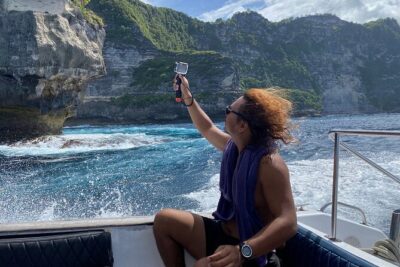
️Nusa Penida by Private Boat – Snorkeling 4 spots, Swim with Mantas + Land Tour
Read our review →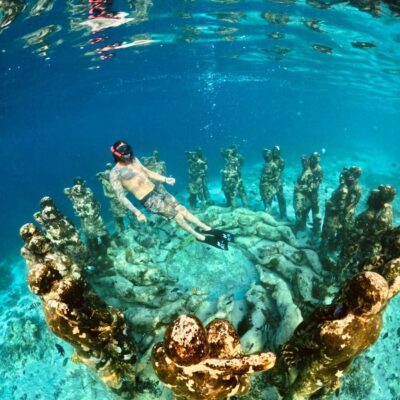
Gili Islands: Private or Shared Snorkeling Boat Trip
Read our review →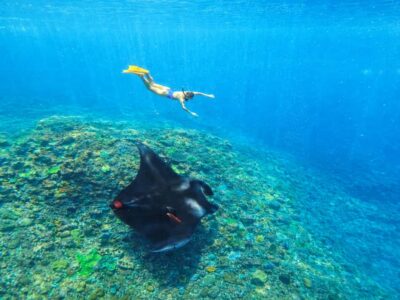
Nusa Penida: Snorkeling 3 Spots with GoPro & West Land Tour
Read our review →
From Gili Trawangan: Gili Islands Snorkeling Boat Tour
Read our review →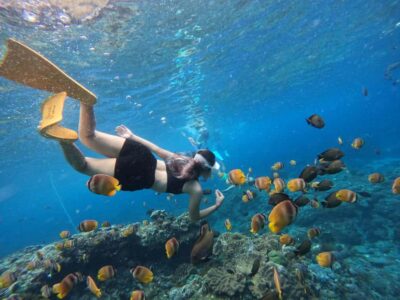
3 Snorkeling Spots Tour to Lembongan and Penida
Read our review →
Nusa Penida Private Snorkeling Tour with Lunch
Read our review →
Nusa Penida day trip: boat, 4 snorkeling, Manta rays & Land tour
Read our review →
Snorkeling 3 Spots with GoPro & West Penida Tour
Read our review →Browse the lists this tour appears in