
Reviewed · COOKING CLASSES
Balinese Ubud cooking school (9 Dish Cooking and Market Tour)
A Balinese Ubud cooking class that starts in a traditional market and ends with a big meal is a smart way to learn more than just a few dishes. I like how the program builds skills you can repeat at home, especially the spice work like base gede and the raw-stir sambal matah. I also like that you cook a full set of Balinese classics, not a quick demo.
One thing to consider is logistics. Pickup is only included in the Ubud area, and the traditional market stop is for the morning class only, so you’ll want to match your booking to the parts you care about most.
Key highlights that matter on the ground
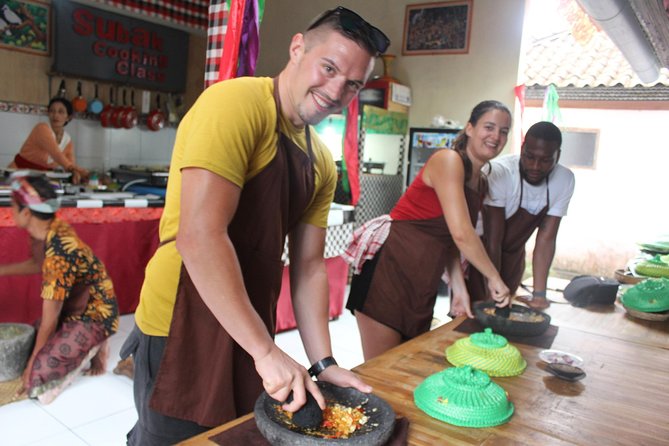
- Nine-dish learning, not a short sampler, with step-by-step guidance from a Balinese chef
- Morning market tour that includes how ingredients are sold and bought, plus fruit and sweet tastings
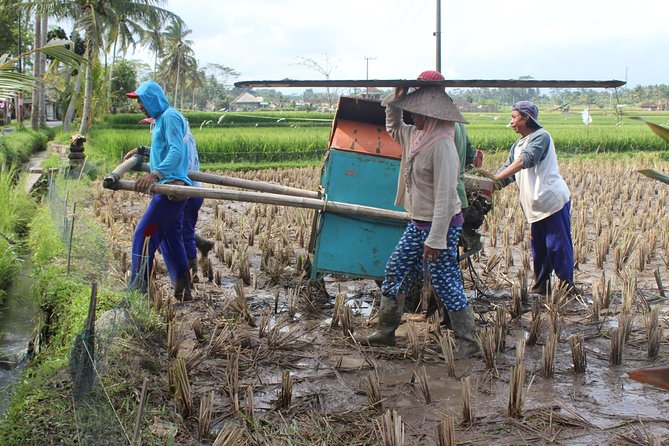
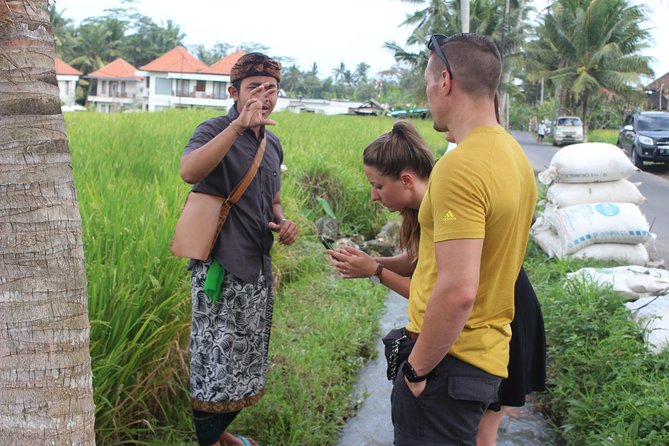
- Rice paddies visit in the morning with how rice is grown and harvested in Bali
- Regular or vegetarian menu, with the same Balinese flavor approach built around tofu and tempeh
- Recipe copies to take home, so you can cook your favorites for lunch or dinner later
Why this Ubud cooking school works for food lovers, not just spectators
This experience is interesting because it treats cooking like part of a bigger Bali story. You don’t just arrive, chop for five minutes, and leave. You learn where ingredients come from, how locals choose them, and then you cook a set of dishes that show up on Balinese tables.
The biggest reason it’s worth your time is the number of dishes. Nine is a lot for a half-day class, and it forces you to learn multiple techniques, not only one or two. You also use ingredients and kitchen setups that most home kitchens do not stock or replicate easily.
There’s also a cultural layer that you feel without getting stuck in a lecture. The program includes stops like a traditional market, a rice field visit (in the morning), and a local Balinese house visit. Those add context for why Balinese food tastes the way it does.
More Cooking Classes in Ubud
- Ubud Cooking Class Bali with Balinese Chef
★ 5.0 · 1,609 reviews - Ubud: Cooking Class with Transfers and Optional Market Visit
★ 4.9 · 824 reviews - PRIVATE Authentic Balinese Cooking Class in Ubud at Putu’s Home
★ 5.0 · 644 reviews
Getting there: meeting point, timing, and group size that keeps it personal
The class runs about 5 hours. It ends back at the meeting point, so you are not hunting for your own ride at the end when you are already full.
You meet at Ubud Palace (Jl. Raya Ubud No.8). The program can offer pickup, but only if you’re in the Ubud area. If you stay outside Ubud, plan on additional charges, and the operator asks you to bring cash for extra transport.
Good to know: the group size is capped at 14 travelers. That matters because you can actually see what’s happening at the cooking stations, and the staff can help when someone gets stuck.
Morning itinerary: market tour, rice paddies, and a local house stop
If you book the morning tour, the day has a clear flow: ingredients first, then cooking. The traditional market visit is tied to the morning session only, so if the market matters to you, pick morning.
Traditional market visit with tastings and ingredient know-how
You’ll visit a local traditional market with a guide who explains how people sell and buy ingredients, whether food items or cooking basics. Expect to try local fruits and sweets, and to see how everyday shopping works when cooking is central to life.
One small but useful detail: guides tend to point out what ingredients are used and why, not only what something is called. That makes it easier later when you are making dishes like lawar (mixed vegetable with Balinese spices) or the sambal-style condiment.
More Shopping Tours in Ubud
- Ubud: Balinese Cooking Class and Market Tour
★ 4.8 · 531 reviews - Balinese Cooking class with traditional morning market visit
★ 5.0 · 161 reviews - PRIVATE Ubud Market Tour & Balinese Cooking Class with Putu
★ 5.0 · 125 reviews - Ubud Traditional Night Market Food Tour-All Inclusive
★ 4.4 · 95 reviews
Rice paddies visit: learning rice types and harvest timing
The morning option also includes a rice paddies visit. The program explicitly covers how rice is grown in Bali, how many rice types exist there, and the harvest time schedule.
Even if you don’t consider yourself a “rice person,” this helps. Balinese cooking often depends on ingredients that have a seasonal rhythm, and understanding that makes the food feel more connected to place.
On a clear day, you may also get scenic views while you’re there. But focus on the practical part: how cultivation and harvest affect what ends up on cooking tables.
Local Balinese house visit
After the market and rice field stops, you visit a local Balinese house. This gives you a peek at the setting behind the food, where meals are prepared and offerings are part of daily routines.
This stop is usually short, but it helps you connect what you saw in the market to how it fits into real life at home.
Afternoon option: offering-making for a different kind of cultural context
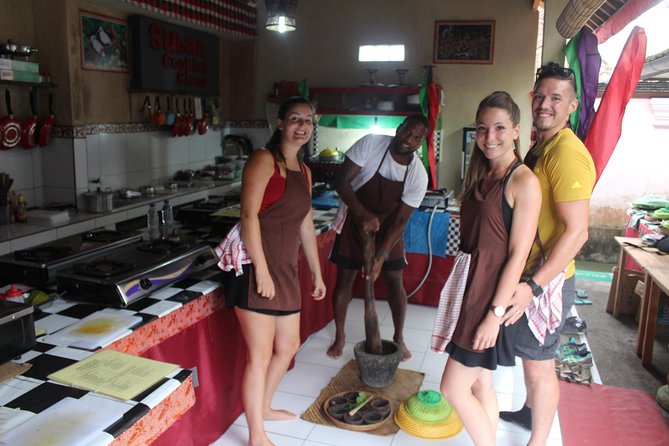
The information for the program says making Balinese offering is an afternoon-only component. It also states that the traditional market visit is for morning class only.
So the afternoon experience likely shifts from ingredient hunting to ritual and daily practice. If you care more about how offerings connect to food and devotion than about shopping, afternoon can be the better match.
The cooking school part: nine dishes with multiple stations and real steps
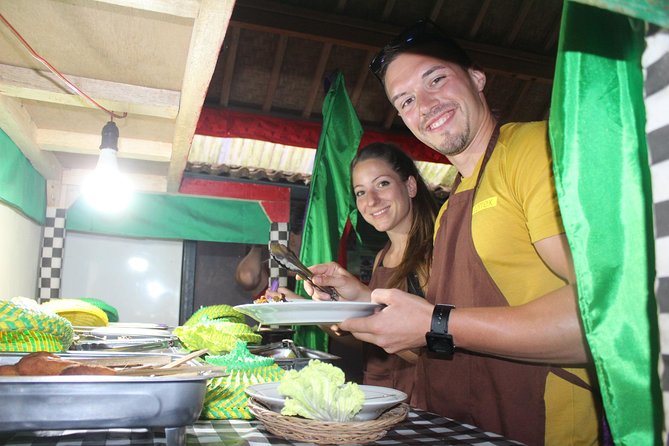
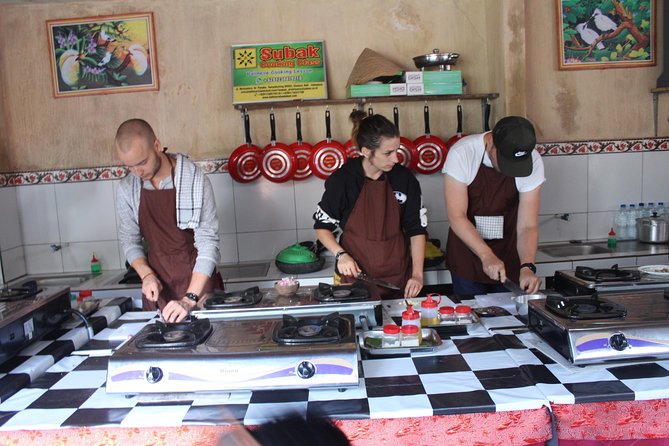
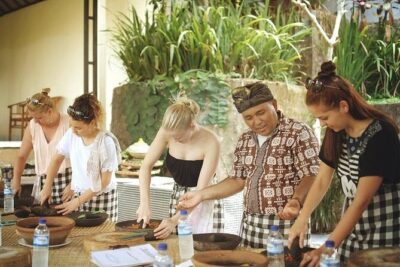
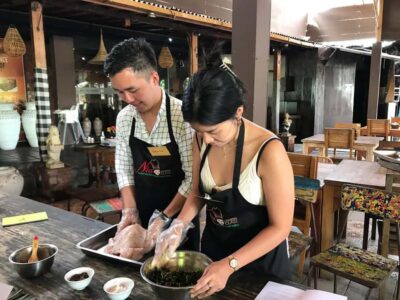
Once you reach the kitchen school, the focus turns to hands-on learning. You’re guided step by step by a Balinese chef, with help from the kitchen team.
The program emphasizes using ingredients and equipment you may not have at home. That’s important. A lot of the “authentic taste” in Balinese cooking comes from specific spice preparations and methods, not only from seasonings.
A theme that shows up in the experience is organization. Classes are set up so that more than one person can cook at once, which is why you can realistically cover nine recipes in one go.
What hands-on usually feels like
You should expect a structured flow. Some prep may be handled to keep things moving, but you still cook through the core dishes and sauce components. If you want complete chaos DIY style, this may not be that. If you want a clear path to repeatable results, it’s a good fit.
Also, the teaching style can be very interactive. In many classes, the chef and host keep the mood friendly and humorous, and they walk you through what to do at each stage.
The menu: what you’ll cook, including regular and vegetarian choices
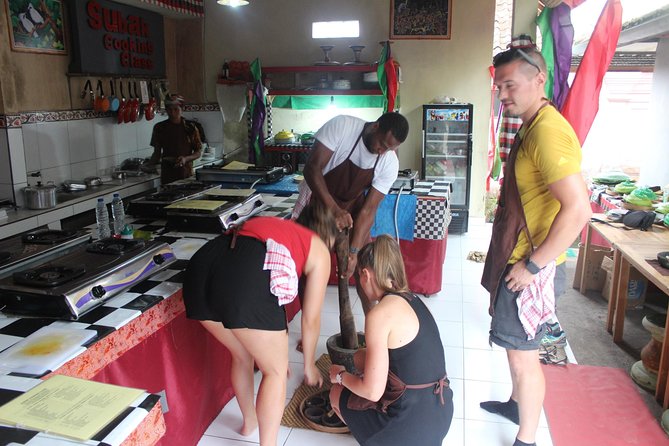
The program offers two menus, and you choose regular or vegetarian. Either way, you cook a full set that centers on Balinese spice foundations and signature sides.
Regular menu dishes
You’ll work through at least these recipes:
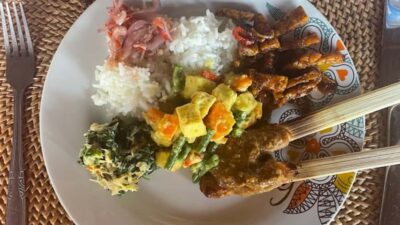
- Sayur Bali (Balinese vegetable soup)
- Ayam santan bumbu Bali (Balinese fried chicken with coconut milk)
- Tempe manis (sweet fried tempe)
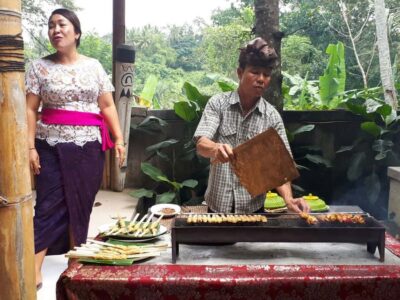
- Sate lilit Bali (Balinese chicken satay)
- Pepes ayam (grilled and steamed chicken in banana leaf)
- Lawar Bali (mix vegetable with Balinese spices)
- Sambal matah (raw spices with coconut oil)
- Base gede (basic spices paste)
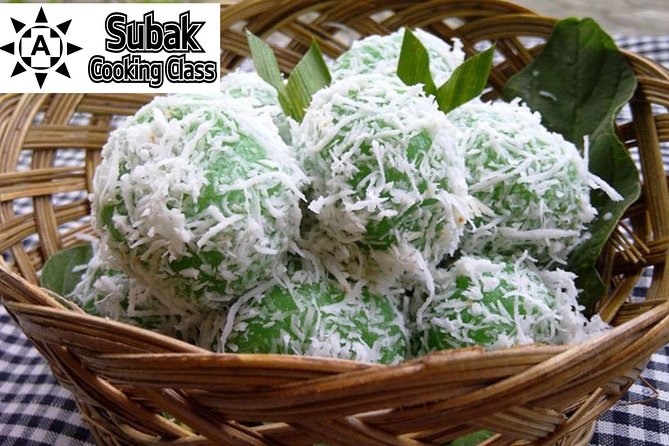
- Klepon cake (boiled sticky flour with palm sugar)
The main courses are served with white rice.
Vegetarian menu dishes
The vegetarian version swaps in plant-based proteins while keeping the same Balinese structure:
- Sayur Bali
- Tofu bumbu Bali (Balinese fried tofu with basic sauce)
- Tempe manis
- Sate tempeh (Balinese soybean cake skewers) with peanut sauce
- Pepes tofu (grilled or steamed in banana leaf)
- Lawar Bali
- Sambal matah
- Base gede
- Klepon cake
Main courses also come with white rice.
Why these dishes teach more than one flavor trick
A lot of cooking classes teach one “signature” dish and then rush the rest. This menu is designed to train you across different approaches:
- Base gede is your foundational spice paste, which helps you understand what starts the flavor base.
- Sambal matah teaches a raw-spice condiment method, not a cooked sauce.
- Pepes uses banana leaf wrapping for aroma and steaming or grilling technique.
- Klepon gives you a sweet finish so you leave with more than just savory skills.
By the time you’re done, you should be able to cook a dinner menu, not just one plate.
Tasting, lunch or dinner, and what you actually get to eat
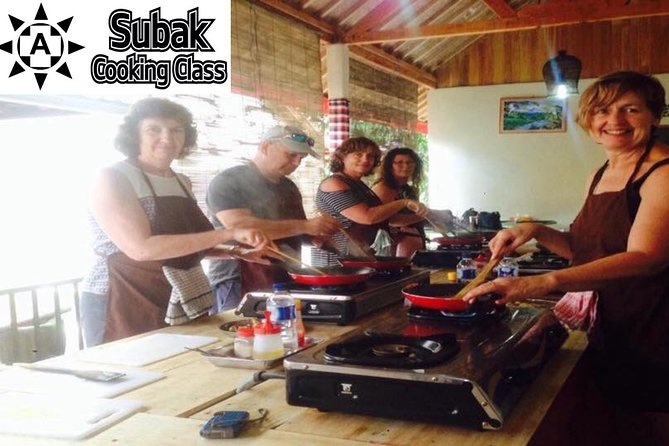
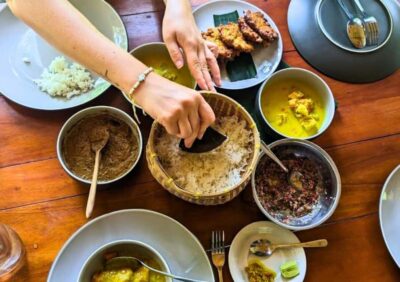
During the class, there’s food tasting, so you get to sample parts as they come together. At the end, you’ll enjoy a lunch or dinner buffet made from what you cooked.
The program also includes bottled mineral water. And you receive food tasting plus the meal, so you are not paying for education only. You are paying for a full cooking and eating experience.
A nice detail: because you make so much food, you often end up with leftovers. The school provides recipe copies, so you can decide what you want to recreate next time without guessing.
Skills you can bring home: recipe copies and a shopping-friendly mindset
The program includes copy recipes to take away. That’s a big deal because “learned it in Bali” is only useful if you can reproduce it later.
But the better part is the mental shift. After a market visit and rice paddies walk, you start thinking like a cook with ingredient sourcing in mind. You’ll know the difference between a spice paste foundation and a condiment-style raw mix.
Back home, you might not find the exact banana leaf or specialty spice paste in the same way. But you can adapt, and the recipes help you adapt with intent.
Price and value: what $58 buys you in real terms
At $58 for about 5 hours, the value is strong if you want both food and context. You get:
- A guided market tour (morning)
- A rice paddies visit and local house visit (morning)
- Step-by-step cooking instruction for nine recipes
- Kitchen tools and ingredients provided
- Lunch or dinner buffet plus tasting
- Recipe copies to take home
- Pickup and drop-off within Ubud
What you’re really paying for is not only cooking time. It’s the guide time, the ingredient sourcing education, and the infrastructure that lets a small group produce nine dishes without chaos.
If you see a promo price on the date you book, even better. One class participant noted feeling it was a bargain at a lower USD amount, which lines up with the idea that you’re getting a lot of work and food for the price.
Who should book this, and who should think twice
This tour is best for you if you:
- Love food and want a real cooking class with multiple recipes
- Want the morning market experience and ingredient tastings
- Prefer a structured class where you learn techniques you can repeat
- Travel with family or friends and want a shared activity that ends in a meal
Consider thinking twice if:
- You are outside Ubud and don’t want to deal with extra transport time or costs
- You only want a quick hands-on session and prefer watching over cooking
- You are very picky about DIY control, because the class is designed to keep you moving and producing consistent results
Small risks and how to protect yourself
No tour is perfect, and your day depends on timing, group dynamics, and how your station is set up.
Here are the practical issues to keep in mind:
- Pickup and meeting point: Pickup is included only in the Ubud area. If you’re farther out, confirm arrangements and budget extra time.
- Hearing and pace: If you are seated in a way that makes it hard to hear, ask your host to repeat key steps at your station.
- Spice level: Balinese food can be spicy. The class format still lets you adjust to your comfort, but you should tell your chef early if you want it milder.
If anything feels off, it’s easier to fix during the class than after. Ask questions while you’re cooking, not when you are already eating.
Should you book the Balinese Ubud cooking school with market tour?
Yes, book it if you want one half-day that gives you a lot of value in both food and context. The combination of market tour, a possible rice paddies stop, and nine-dish cooking is the sweet spot. Add in the fact that you can choose regular or vegetarian, plus recipe copies to take home, and it’s a very practical way to leave Bali with more than photos.
Skip or reconsider if your main goal is a private, totally flexible kitchen experience, or if you are counting on pickup from outside Ubud without extra charges and time. For everyone else, this is one of those Ubud activities that turns into a skill you can actually use.
FAQ
Is pickup included for this Ubud cooking class?
Pickup and drop-off are included only for the Ubud area. If you stay outside Ubud, additional charges apply, and the operator asks you to bring cash for extra transport.
How long does the cooking and market tour last?
The tour is listed at about 5 hours.
Do I cook nine dishes or just a few?
You prepare at least nine Balinese recipes, and you also get food tasting during the experience.
Is the market visit included in the morning only?
Yes. The traditional market visit is provided for the morning class only.
What food is included with the class?
You get food tasting and a lunch or dinner buffet made from the dishes you cook, plus mineral water.
Can I choose a vegetarian menu?
Yes. You can choose either regular or vegetarian in advance, and there is a full vegetarian menu option.
Are recipe cards included to take home?
Yes. You receive copy recipes to take away.
How many people are in a group?
The class has a maximum group size of 14 travelers.
Newest reviews out of Ubud
- Ubud Silver Class: Forge Your Personal Silver Keepsake★ 4.9 · 39 reviews
- Amazing Kuber ATV Quad Bike Experience in Bali and Tunnel★ 5.0 · 39 reviews
- Lempuyang Tour : Heaven gate, Tirta Gangga, Goa Raja waterfall★ 5.0 · 39 reviews
- Make Traditional Bali Coconut Oil with a Balinese Family★ 5.0 · 39 reviews
- Private Tour : Bromo Ijen Tour From Bali★ 5.0 · 39 reviews
- Bali Private Car Charter Tour with English Speaking Driver★ 5.0 · 39 reviews
- Ayung Rafting Ubud (Include Lunch & Return Transportation)★ 4.5 · 40 reviews
- Private Bali Tour: The Most Scenic Places★ 5.0 · 40 reviews
Cooking Classes, compared.
Cooking Class with Transfers and Optional Market Visit
Read our review →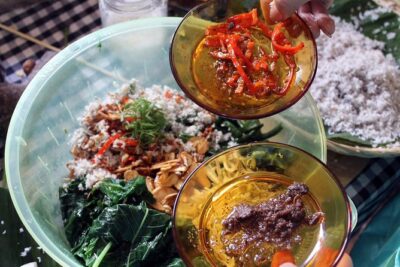
PRIVATE Authentic Balinese Cooking Class in Ubud at Putu’s Home
Read our review →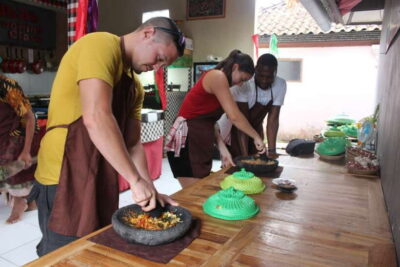
Browse the lists this tour appears in