
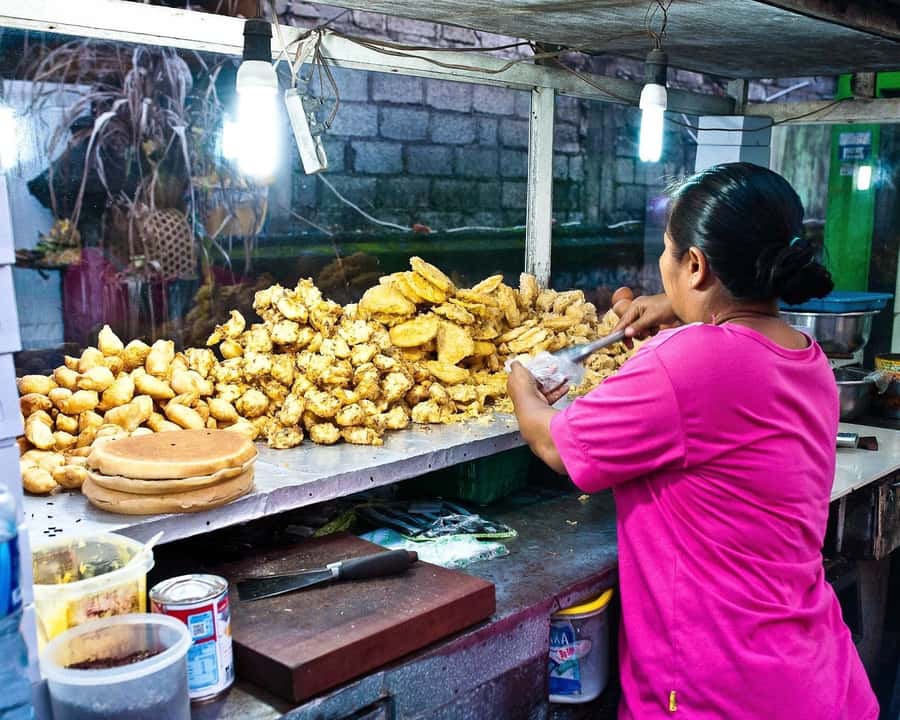
Reviewed · FOOD & DRINK
Denpasar: Night Street Food Walking Tour
Denpasar at night is where Bali feels more like real life and less like a brochure, and this tour heads straight to the Pasar Kreneng night market and the lit side streets around it. I like that the tour is guided, so you are not just wandering, you are getting food and context in a smooth walk. A good guide can make the whole thing click, and people often mention names like Sana and Dharma for keeping the vibe friendly.
I really love the food lineup, because you get a proper spread instead of one big stop. Expect hits like babi guling, soto ayam, satay, rice cake, plus sweet stops such as Martabak, Jaja Bali, and tropical fruit.
One thing to plan around: it is an outdoor street-food scene that can feel crowded, and some dishes include pork, chicken, peanuts, and spice. If you have nut allergies or severe food allergies, skip this one.
Key things that make this tour worth your time
- Pasar Kreneng at night: neon-lit lanes, grilled aromas, and the feel of where locals actually eat
- About 5 planned tastings at small stalls, not a single cafeteria-style meal
- Babi guling, soto ayam, satay plus rice cake, so you get salty, savory, and comforting flavors
- Dessert and fruit sampling like Martabak, Jaja Bali, and tropical fruit for a complete meal
- Guides that explain as you eat, with examples like Agus, Chan, Wirma, and Cynthia showing up in people’s experiences
- Optional add-ons such as polaroid photos, Kecak dance, coffee tastings, and traditional massage (where available)
Denpasar After Dark: Why This Food Walk Feels More Local
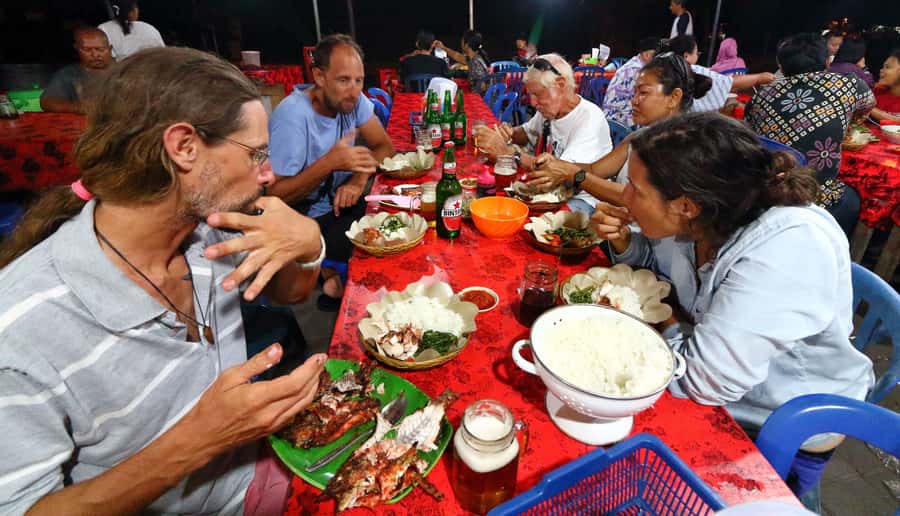
If you have only done beach days and temple photos in Bali, Denpasar night food can feel like a different trip inside the same island. The streets around Pasar Kreneng are lit up, the grills are going, and the market energy makes you hungry fast. This tour uses that setting for something practical: you walk, you taste, and you learn what you are eating as you go.
I also like the “city” angle. Denpasar is Bali’s capital, so you get a truer sense of daily rhythm than you might get on a resort route. The tour keeps it focused on food and street culture, so you do not spend the whole night staring at a map.
The biggest win is how a good guide helps you avoid the common street-food mistake: ordering something random and then realizing you missed what the place is famous for. People mention guides like Dharma and Agus as especially strong at steering the night toward the best options, even when preferences get tricky.
More Evening Experiences in Bali:
- Bali Sunset: Uluwatu Temple, Kecak Dance and Jimbaran Bay
★ 4.7 · 2,397 reviews - Bali: Tanah Lot Temple Half Day Sunset Tour
★ 4.4 · 525 reviews - From Ubud: Evening Firefly Tour in Taro Village
★ 4.9 · 504 reviews
Timing and Pickup: Making the 4-Hour Window Work for You
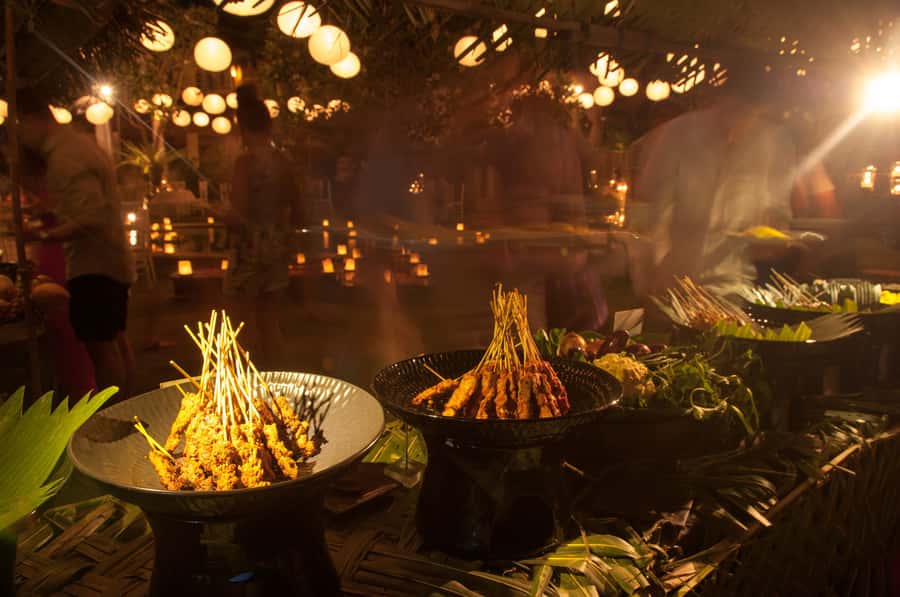
This is a 4-hour night tour with hotel pickup included. Pickup starts at 4:30 PM, and your guide brings you to the Pasar Kreneng area where the night market action begins. If you are staying in or near Sukawati, there is a pickup option there as well. Drop-off is back to Bali or Sukawati, depending on your location.
Why timing matters: night markets hit a sweet spot when the grills are busy and people are settled in for dinner. Too early and you feel like you are arriving before the party. Too late and you might find some stalls winding down or crowds building in ways that make walking harder.
This tour is also structured enough that you should not feel rushed. You are walking between about five tasting stops, plus a bit of photo and city viewing time. You will want comfy shoes, because it is a street-food walk and not a sit-and-eat-only plan.
Pasar Kreneng Night Market: The Walk, the Noise, and the Smart Way to Taste
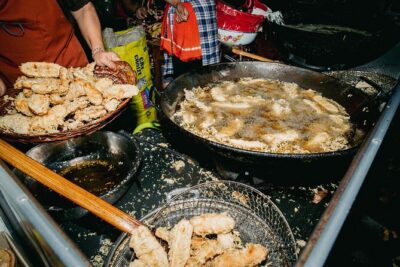
Pasar Kreneng is the core of the experience, and the tour builds the evening around it. You are in busy lanes, with basic seating and the kind of crowd you expect at dinner time. That is part of the charm. You are not in a quiet showroom, you are in a working market.
Here is what you should do mentally: treat it like a guided food crawl, not a restaurant. You will eat smaller portions at several stalls, then move on. That keeps the tasting variety high, and it helps you avoid the problem of getting stuck with one dish you do not end up loving.
The guide is key here. They help you pick from what is available, and they explain what the dish is and how locals usually eat it. In experiences shared by guests, guides like Wirma and Chan are praised for friendly explanations and for keeping the flow moving so you get through the market without feeling lost.
Your First Stops: Photo Moment and Street-Food Rhythm
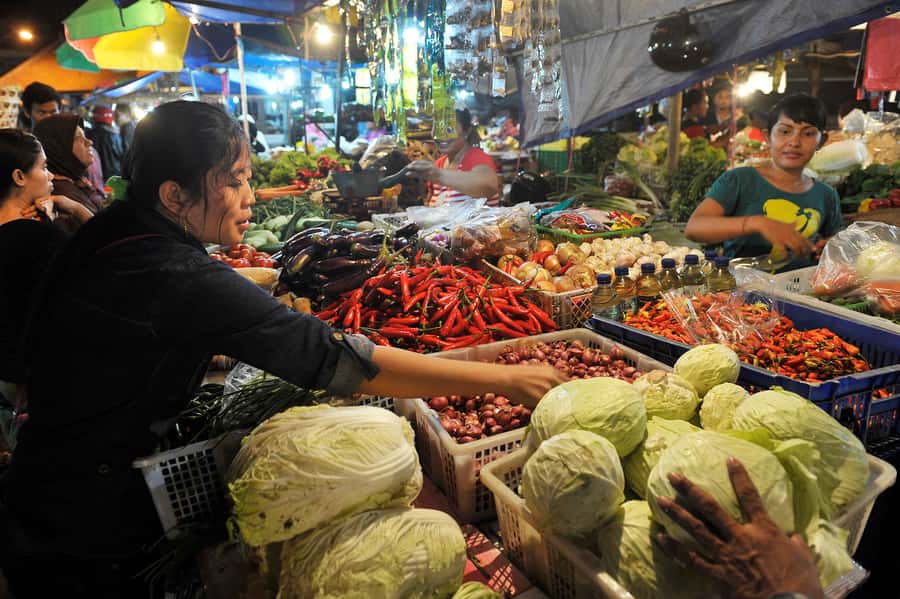
Before the tastings pile up, there is a bit of orientation. The tour includes a photo stop and time in Denpasar, then a walk that gets you into the market rhythm. This matters because Denpasar streets can be intense at night, and having someone show you how to move through the area makes the whole night feel easier.
Expect a mix of guided sightseeing and walking. You will see the illuminated street scene around the market and get a sense of the city after dark. Then you transition into the food part, which is the real reason you are there.
If you are the type who likes to know what is coming, ask your guide what dish you are about to try next. It sounds small, but it changes how you experience street food. You notice texture, spice levels, and flavor balance instead of just chasing the smell of the next grill.
More Food & Drink in Bali:
- Bali: Authentic Culinary Street Food Experience Tour
★ 4.7 · 99 reviews - Ubud: Private Romantic Photo Cruise with Food and Drinks
★ 4.5 · 47 reviews - Jakarta: Volcano, Tea/Rice Fields, Hot Spring, Local Food
★ 4.9 · 515 reviews - Yogyakarta: Nighttime Walk and Food Tour
★ 5.0 · 401 reviews
Babi Guling: The Pork Highlight to Taste Like a Local
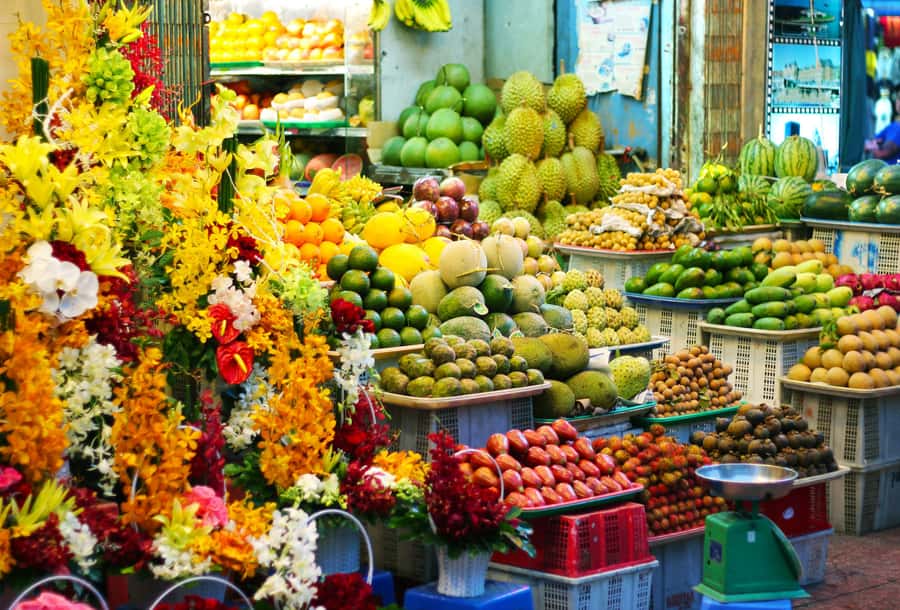
One of the signature tastings is babi guling, Balinese suckling pork. This is the kind of dish that can define a night. It is also bold enough that you feel it right away, even if you are not a big pork person in general.
What to expect: the dish is usually a mix of crispy and tender elements, served with savory sides. The experience is about more than taste, it is about learning why people order this at night. It is satisfying, flavorful, and very much part of Bali’s food identity.
Balance note: if you have been hoping for seafood heavy options, you might feel a little limited. One guest specifically wished there were more fish and seafood choices. That does not mean you cannot find them at all, but you should go in expecting a meat-forward menu with pork, chicken, and spice.
If you want the best first bite, follow your guide’s lead on what to start with and how to pace your tastings. Eating too fast can make spicy food blur together. Eating too slow can mean dishes cool off. A guide helps you hit that sweet spot.
Soto Ayam and Satay: Comfort Food With a Bali Twist
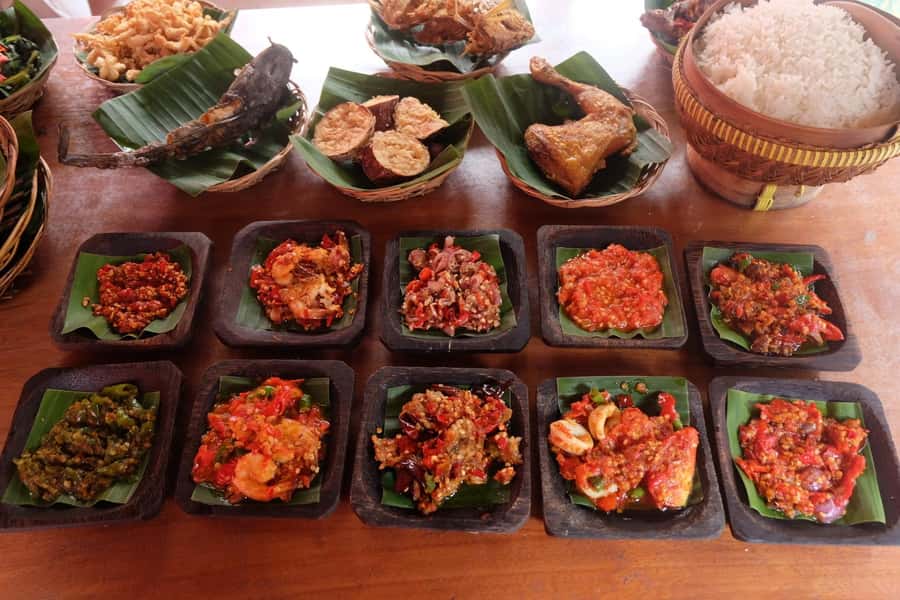
After the pork hit, you move into dishes that feel more familiar, but still distinctly Indonesian. Soto ayam is a go-to comfort bowl, often centered around warm broth and tender chicken. It is the kind of dish that helps reset your palate after something rich and crispy.
Then comes satay, typically grilled and served with a sauce that brings sweetness and spice depending on the stall. This is where the night market shines for me because satay is simple in concept, but the variations are real. You can taste differences in grilling style, sauce thickness, and spice level.
Why this pairing works: pork can be heavy. Soto ayam and satay give you warm and savory balance. Together, they cover different textures, different aromas, and different ways chicken can taste depending on whether it is in broth or on a stick.
Practical tip: have sips of the mineral water during the tastings, not only at the end. It makes the heat easier to handle and keeps your mouth from getting that dry, overwhelmed feeling that sometimes happens with street food.
Rice Cake, Martabak, and Jaja Bali: The Fillers That Become Favorites
Street food nights often include one or two “extra” bites that you think will be just filler. In this tour, the sweet and snack stops have a real chance of becoming your favorite.
You will taste rice cake as one of the savory items. Even if you are not a huge rice person, rice cake in a street-food setting can surprise you with how filling and comforting it feels.
Then you likely hit Martabak, a stuffed pancake-style snack. Expect it to be rich and satisfying, often with sweet or savory fillings depending on the stall’s style that night. After that, there is Jaja Bali, a traditional Balinese dessert. Names are fun, but what matters is the texture and how the sweetness is balanced against the rest of your meal.
One more bonus: tropical fruits. This is not just decoration. Fruit can cut through spice and reset your palate at the end of a busy tasting route. It also helps you round out the night so it feels like a full dinner experience, not a series of bites.
Portion Size and Pacing: You Will Leave Full, Not Stuffed
A nice thing about this tour is the pacing. You are sampling about five stalls, so you get variety without ordering a full meal at one place and then missing the rest of the market.
In guest experiences, portions are often described as generous. That means you should come hungry. Not just hungry in a “skipped lunch” way, hungry in a “this is dinner” way.
Also, expect the market pace to be active. Street-food seating can be basic and sometimes crowded, so you may end up standing more than you would in a restaurant. Comfortable clothing helps. So do shoes that let you walk fast if your guide needs to change lanes to get to the next stall.
Dietary Reality Check: Pork, Chicken, Peanuts, and Spice
This tour is food-focused, and you should treat it like that. You will taste dishes that include pork and chicken, and some can include peanuts and spicy ingredients. If spice is a problem for you, tell your guide early. A good guide can often steer you toward versions that are easier to handle.
Strict vegetarians and people with severe allergies should avoid this. Nut allergies are specifically called out as not suitable.
This is also why I think the guide matters so much. People have mentioned guides using ingenuity to accommodate certain preferences, and that is helpful. Still, you should not count on allergy-friendly preparation here. If you have a serious allergy, this is not the night to gamble.
Optional Add-ons: Polaroids, Kecak Dance, Coffee, Massage
One of the best parts of booking a guided food tour with add-ons is flexibility. If you want the evening to include more than just eating, you can customize.
Optional extras include:
- Polaroid camera photographs
- A Kecak dance show
- Coffee tastings
- Traditional massages
Important note: some add-ons are only available for some options. So if one of these is a must for you, confirm at booking time or ask your guide what is possible that night.
If you are the type who likes a photo keepsake, the polaroid idea can be great for capturing the market atmosphere without turning the whole night into a phone camera session. If you want a cultural add-on, Kecak can make the evening feel more like Bali, not just Indonesian street food.
Price and Value: Is $54 Fair for This Kind of Night?
$54 for a 4-hour experience with hotel pickup and drop-off, a private foodie guide, mineral water, and tastings at about five local stalls is not just paying for food. You are paying for access and guidance.
Doing this on your own in Denpasar is possible, but it is harder than people expect. Markets can be overwhelming, menus can be confusing, and you might end up at a stall that is convenient instead of excellent. A guide helps you hit the right spots and taste enough variety to make the evening feel complete.
Also, this tour includes a structure that matters on a busy night. You are not wandering for an hour, arguing about what to order, and then realizing you missed key local dishes like babi guling, satay, and soto ayam.
If your budget is tight, be honest with yourself about whether you will actually learn and taste broadly. If you are happy to experiment on your own, you might spend less. If you want a guided, curated street-food night where someone else handles the hard parts, $54 can feel like a fair trade.
Who This Tour Fits Best, and Who Should Skip
This is ideal if you:
- Want real Indonesian street food in a local night market setting
- Like guided eating so you can try dishes you might avoid on your own
- Enjoy a walking plan with several tastings instead of one restaurant meal
- Appreciate cultural context, not just food
It might not be ideal if you:
- Have nut allergies or severe food allergies
- Need strict vegetarian options
- Hate crowds or cannot handle basic seating in busy street areas
- Are expecting a seafood-heavy menu
If you are traveling solo, this is a strong pick because the “private foodie guide” setup often means more attention and easier communication. People have shared that it can feel like dinner with a local rather than a group shuffle.
The Bottom Line: Should You Book Denpasar Night Street Food?
I would book this if your goal is a satisfying, local night in Denpasar where you eat widely and learn as you go. The combination of Pasar Kreneng, guided tastings at multiple stalls, and a guide who can steer you through the market is the heart of the value.
Before you go, do two things. First, come hungry and keep your expectations realistic for street seating and outdoor conditions. Second, double-check your dietary needs, especially nuts and serious allergies.
If you want a safe, simple plan for a Bali night that is not just temples and traffic, this one is a solid choice.
FAQ
What time does the pickup start?
Pickup starts at 4:30 PM, with hotel pickup included.
Where does the tour take place?
The tour focuses on Denpasar, with the night market area centered around Pasar Kreneng.
How long is the tour?
The total duration is 4 hours.
What is included in the price?
Hotel pickup and drop-off, a private foodie guide, a visit to Denpasar’s Kreneng Night Market, tastings at about five local stalls, and mineral water.
What dishes will I try?
You can expect tastings such as soto, satay, babi guling, rice cake, plus desserts and snacks like Martabak, Jaja Bali, and tropical fruits.
What languages are the guides?
The live tour guide is available in English and Korean.
Can I bring alcohol or pets?
Pets and alcohol and drugs are not allowed.
Is it suitable for nut allergies or severe allergies?
No. It is not recommended for people with food allergies, and it is specifically not suitable for nut allergies.
Newest reviews out of Bali
- Bali: Mount Batur Sunrise Hike Including Transfer & All Cost★ 4.8 · 39 reviews
- North Bali: Ulun Danu, Waterfalls, Swing and Monkey Forest★ 5.0 · 39 reviews
- Ubud: Traditional Balinese Painting Class★ 4.2 · 40 reviews
- Bali: Canyon Tubing Adventure★ 4.8 · 40 reviews
- Bali: Jatiluwih Rice Terraces 1 Hour Electric Bike Tour★ 4.7 · 41 reviews
- Bali: 3-Day Private Gili Islands Snorkel Tour with Hotel★ 4.2 · 44 reviews
- Bali: Penglipuran Village, Rice Terrace & Waterfall Tour★ 5.0 · 46 reviews
- Ubud: Kanto Lampo Waterfall, Art Market, Cretya & Tanah Lot★ 4.8 · 47 reviews
Food & Drink, compared.
Volcano, Tea/Rice Fields, Hot Spring, Local Food
Read our review →
Learn to cook Indonesian food at Gili Cooking Classes Trawangan
Read our review →
Small-Group Walking and Food Tour by Night in Yogyakarta
Read our review →
Bali Private Food Walking Tour With Locals: The 10 Tastings
Read our review →
Browse the lists this tour appears in