
Reviewed · MOUNT RINJANI TREKS
MOUNT RINJANI CLIMB 2DAYS to Crater rim
A two-day, one-night climb to the Rinjani crater rim from Senaru is interesting because the mood changes fast. You leave a quiet village rhythm, then you’re walking into jungle paths with a colder feel, birds overhead, and the occasional monkey along the trail.
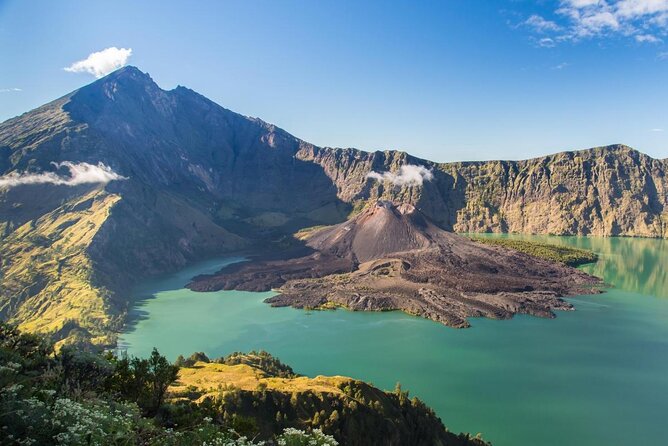
What I like most is the crater rim payoff. From up high, you get the kind of wide view that frames the lake and even Mount Merapi. I also really like the human support built into this trek, with guides such as Anton, Anci, Dul, and Ris al offering steady encouragement, and porters handling the setup so you can focus on moving.
One thing to think about is effort. This is not a stroll. You’ll deal with altitude, steep and sandy trail sections, and you may not be alone on the track, plus there can be trash along the path, which means you should plan to be respectful and prepared.
Key things to know before you go
- Jungle-to-cold atmosphere with birdsong and possible wildlife like monkeys and sometimes deer
- Crater rim views aimed toward the lake and Mount Merapi
- Clear trekking structure with stops at Pos 1, Pos 2, and Pos 3 before the rim push
- Camping gear included, including tents, sleeping bags, mattress, and a toilet tent with paper
- Food and water handled for you, including about 3 liters of mineral water per person per day
- Strong guide energy you’ll feel in the form of coaching and pacing, from people like Sultan’s team and guides including Anton and Dul
Senaru to the crater rim feels different for one simple reason
This trek is built around the Senaru-side route, and that shows up in how the hike feels. You spend the earlier hours moving through jungle with a noticeably colder atmosphere than you might expect from tropical Lombok. The soundscape changes too. Instead of just footfalls, you get birds chirping as a constant background.
You also get that extra dose of “wait, is that animal?” moments. It’s not guaranteed, but people have seen monkeys during the walk, and sometimes deer. That makes the trail feel alive, even when you’re tired.
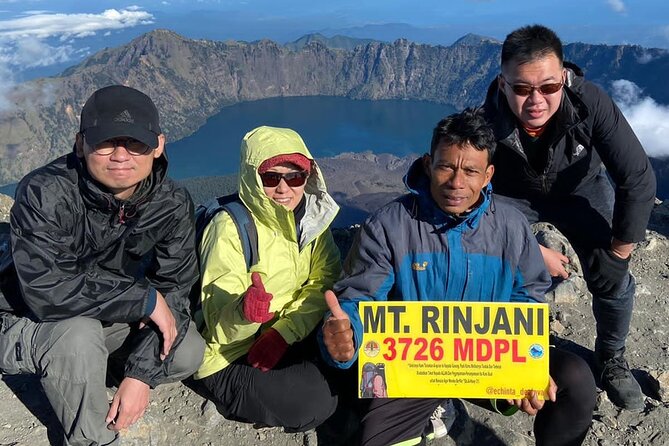
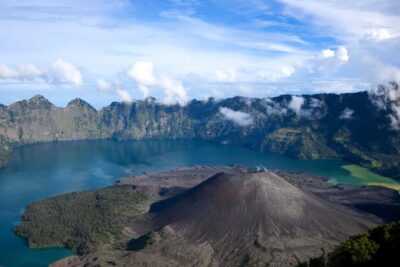
The final goal is the rim itself, at about 2,641m, where the payoff is the big horizon. The view direction includes the lake and Mount Merapi, which is a rare combo for a short overnight trek.
More Rinjani treks:
- Mount Rinjani 2 Days 1 Night Senaru Crater Rim
★ 5.0 · 131 reviews - 3D-2N Explore Mount Rinjani – Summit -Lake and Hotspring
★ 5.0 · 112 reviews - Mount Rinjani Trek 3D-2N To Summit – Lake – Hotspring
★ 4.7 · 111 reviews
Your 2-day plan, paced for beginners (with a real workout underneath)
This is a 2-day, 1-night format, starting from Senaru and returning to Senaru. It’s designed to be doable for beginners, but it’s still a mountain hike. The pacing and structure matter here, because a well-run guide can keep you from burning out too early.
The big rhythm is:
- Day 1: registration, trekking through posts, lunch, then a push to the crater rim
- Night: camp setup with included gear
- Day 2: crater rim return to Senaru
Timing-wise, the first day starts early. You wake up around 6:30 am, eat breakfast, then walk about 10 minutes to the Rinjani Trek Center in Senaru to register. This early start is not just tradition. It’s practical for cooler conditions and better trekking flow.
You’ll also want to know this is a private activity for your group. That matters if you want the guide to adjust pacing to the people in your group rather than matching strangers.
Day 1 starts with registration, then Pos 1 to Pos 3
After breakfast, you walk roughly 10 minutes to the trek center to register. That short warm-up matters because it gets you moving before the real climbing begins.
From there, the hike follows a posts system:
- Trek from the office to Post 1, around 1 hour
- A water break about 10 minutes after Post 1
- Continue to Post 2
- Continue to Post 3
Those posts are useful. They’re the checkpoints where you can reset, drink, and understand you’re still on schedule. If you’re newer to trekking, the stop structure makes the day feel less chaotic.
You’ll also get lunch around the Pos 3 area. After lunch, you immediately move on toward the crater rim. This is a key shift. The first section can feel like you’re earning your height. Then lunch ends, and the climb toward the rim becomes the main event.
Practical tip: start the day slow. On steep sandy ground, it’s easy to sprint at first and then regret it later.
The rim push: where the trail changes and the views arrive
Once you leave Pos 3 after lunch, you’re heading up to the crater rim at roughly 2,641m. This is the part where your legs will notice the altitude and the gradient. Even if you’re fit, sandy footing can slow you down.
What makes this section worth it is the scenery build. The jungle atmosphere cools you off earlier in the day, then the air and the light feel different as you gain elevation. The crater rim is where you get that wide, open perspective.
From the rim, you’re looking toward the lake and Mount Merapi. That’s the moment people talk about when they say it spoils your view in a good way. Even a short line of sight can feel cinematic at elevation, because you can see how everything sits in layers.
Something different for the next Lombok day:
- Tetebatu Walking Tour – Rice Terraces, Waterfall & Monkey Forest
★ 5.0 · 349 reviews - Gili Island Snorkeling Trip – Gili Trawangan, Gili Meno, & Gili Air, From Lombok
★ 5.0 · 285 reviews - Anggrek Putih Lombok Cooking Class
★ 5.0 · 253 reviews - Lombok: Exclusive Sendang Gile, Tiu Kelep & Selong Hill Tour
★ 4.8 · 225 reviews
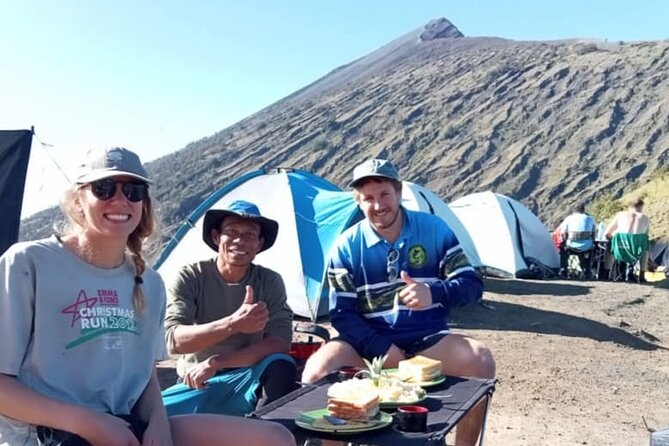
Night at the crater rim: camp comfort is part of the deal
This package includes the camping basics, so you’re not showing up to “figure it out.” You get a tent, a toilet tent with paper, sleeping bags, and a mattress.
That list sounds simple, but it matters in the real world. On a cold night at altitude, you want warmth and you want sleep that restores you, not sleep that turns your knees into tomorrow’s problem.
You also get drinking water support on the trek, including about 3 liters of mineral water per person per day. Hydration is not a suggestion on this route, especially once you’re higher and moving steadily.
What I’d watch for is managing expectations around rest. Even with gear, you may still feel the altitude and the effort in your body. Plan a calm night. Keep your breathing steady, do a little stretching if you can, and don’t rush the post-hike wind-down.
Day 2 down to Senaru: don’t treat it like a victory lap
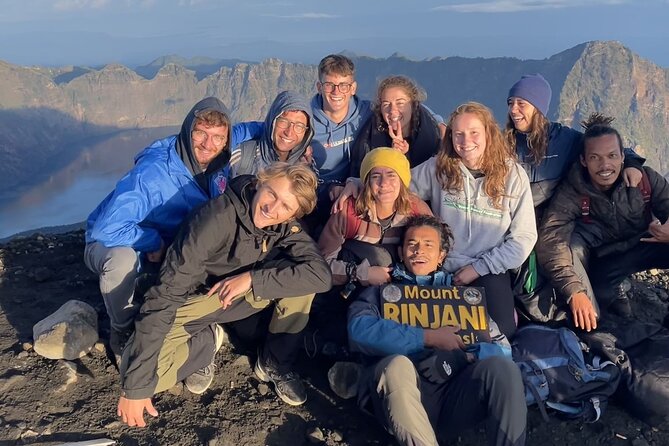
On the second day, you return from the crater rim back to Senaru. People often underestimate this day. It’s downhill, so it feels easier, but it can be harder on the knees and ankles because you’re constantly controlling your footing.
If you learned anything from Day 1, it’s that sandy sections take energy. They also take focus. Going down is when you might get tired enough to slip your balance.
A good guide keeps a steady pace. In the experiences I’ve read, guides like Anton and Anci are remembered for encouragement in the difficult parts, which usually means they’re also watching for fatigue signs and adjusting when needed.
Practical tip: bring trekking poles if you have them, and take the corners slowly. A safe pace beats a fast one that turns into a stumble.
Guides and porters: the support is the secret ingredient
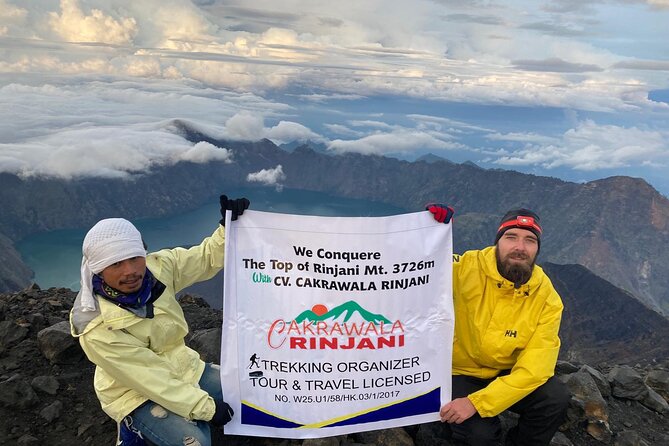
The most praised part of this trek is the team. The guide is not just someone holding the group. They’re the one setting your pace, pushing you when you’re ready to slow down, and keeping your energy from dropping.
Names that come up include:
- Anton, described as helpful and supportive with good food and drink coordination
- Anci, known for being professional, strong, and encouraging
- Dul, praised for good spirits and care on an at-your-first-time trek
- Ris al, noted for guidance during steep and sandy sections
- Sultan, recognized through the company team leadership
Porters also matter. They carry and prepare your meals and drinks, and they’re part of how you avoid spending your day thinking about logistics.
One reason the team gets so much credit is how it changes your mental load. Instead of worrying where your next snack is coming from, you focus on stepping. That’s a big deal on a two-day climb.
Food and water: included meals you’ll actually look forward to
This trek includes food and drinking water on the hike, with about 3 liters of mineral water per day.
The meals described are classic Indonesian trekking fare, with things like mix rice, noodles, chicken curry, fresh fruits, and fried banana. The important point is not gourmet dining. It’s practical energy, prepared in the mountains so you can keep moving.
Because your meals are handled, you don’t need to carry heavy food. That reduces fatigue and helps you keep your pack manageable.
You should still bring a few personal items:
- A snack you like for emergencies
- A small water bottle for quick access if you prefer it
- Sunscreen and lip balm, because higher altitude plus morning light can be sneaky
Price and value: what $195 gets you, and what to confirm
At $195 per person, this trek sits in the “serious but not crazy” range. The value depends on what’s included versus what’s not.
Included elements that raise the value:
- Professional guide and porter
- Transport from Senaru to the office center
- Food and water during the trek (including about 3 liters mineral water per day)
- Tents, sleeping bags, mattress, toilet tent, and paper
- National park permit, listed as IDR 500k per person
Not included (so you should plan):
- Transport pickup and hotel room before the trek
There’s also a note that admission ticket is not included, while the national park permit is included. That can happen in different systems where the label differs from the permit fee. Before you go, confirm with your operator exactly what the permit covers and whether any separate admission fee still applies.
If you’re comparing options, don’t just compare the headline price. Compare what you get when you subtract the things you’d otherwise pay for on your own: guide, porter services, camping gear, and food.
Crowds, trash, and cold mornings: how to make the trek better
Even on a short two-day climb, you can run into crowds. That’s because the route is popular and it has a straightforward structure with posts.
You should also be honest about trash on the trail. Some people noted there is a lot of it. That’s not something you can fix alone, but you can reduce your impact. Bring a small bag for your waste and pack out what you carry in. If you see litter, don’t ignore it out of guilt, just manage what you can safely.
Cold conditions are another real factor. You’re walking through jungle with a colder feel, and then you camp at elevation. Wear layers you can adjust. If you only dress for warm weather, you’ll feel miserable when the temperature drops.
A final mental tip: this is a push day. If you go out too fast in the first hours, the rim push can feel brutal. If you go out calm, the views at 2,641m will feel earned instead of stolen.
Who this trek is best for, and who should think twice
This hike is described as suitable for beginners and for honeymoon climbers and families. If you’re new to trekking, the posts structure and the fact that guides handle food and camping gear makes it a manageable introduction to Rinjani.
You should consider this trek if you want:
- A short overnight format rather than a longer multi-day plan
- A high payoff view toward the lake and Mount Merapi
- Guided support with porters, so you’re not doing everything yourself
You might think twice if:
- You have knee or balance issues and dislike steep uneven terrain
- You’re very sensitive to altitude and fatigue
- You dislike being around other hikers, since the trail can be busy
The best match is someone who can walk uphill for hours, take a few breaks, and enjoy the night camp experience as part of the adventure.
Should you book this Senaru-to-rim trek?
I’d book it if you want a guided, gear-included Rinjani experience with a clear plan and a high view payoff. The standout strength here is the team. Guides like Anton, Anci, Dul, and Ris al show up in people’s memories for a reason: they keep the hike from turning into a solo struggle.
You also get real convenience value. Food, water, tents, sleeping bags, and even a toilet tent with paper are included, so you’re not scrambling on the ground.
The main reason to hesitate is effort and trail conditions. This is not effortless, and the hike can involve crowds and trash along the way. Go anyway if you come prepared, walk smart, and treat the mountain with respect.
If you want a practical next step, contact Cakrawala Rinjani Trekking and confirm what’s included around permits and any separate admission fee label. Then pack layers for cold air, bring a waste bag, and get ready for one unforgettable crater-rim view.
FAQ
What does the trek price include?
The package includes a professional guide and porter, transport from Senaru to the office center, food and drinking water on the trek (about 3 liters of mineral water per person per day), camping gear (tent, sleeping bags, mattress), and national park permit fee listed as IDR 500k per person.
Where does the trek start and end?
The two-day, one-night program starts from Senaru village and returns to Senaru village.
Do I need to arrange pickup from my hotel?
Pickup and your room before the trek are not included. The package includes transport from Senaru to the office center, and some pickup may be offered, but hotel pickup is specifically noted as not included.
Is the national park permit included?
Yes. The national park permit is listed as included at IDR 500k per person. There is also a note that an admission ticket is not included, so it’s smart to confirm how those are labeled for your specific booking.
How difficult is the hike?
It requires strong physical fitness. The route involves climbing from the Senaru area through multiple trekking posts and continuing after lunch up to the crater rim at about 2,641m.
What gear is provided for camping?
You receive a tent, toilet tent and paper, sleeping bags, and a mattress for the night.
What happens if weather is bad?
This experience requires good weather. If it is canceled due to poor weather, you will be offered a different date or a full refund. You can also cancel for a full refund if you cancel at least 24 hours in advance.
Newest reviews out of Lombok
- Lombok: Waterfall Benang Kelambu & River Rafting Trip★ 4.9 · 41 reviews
- Pink Beach and Southeast Gili Islands Full Day Private Tour★ 4.5 · 42 reviews
- Mount Rinjani 2 Days and 1 Night to Senaru Crater Rim★ 5.0 · 42 reviews
- Trekking Rinjani Mountain Summit 2 Days 1 Night – Em Adventure★ 5.0 · 42 reviews
- Trekking Rinjani Volcano To Crater Rim Senaru 2D-1N Private – Syam Trekker★ 5.0 · 45 reviews
- Lombok: Pink Beach, Snorkeling, & Tanjung Ringgit Tour★ 4.7 · 47 reviews
- Hiking Rinjani 3 days 2 nights summit – Lake★ 5.0 · 48 reviews
- 2 Days Hike to Summit with full view of Sunrise and Sunset★ 5.0 · 49 reviews
Mount Rinjani Treks, compared.
3D-2N Explore Mount Rinjani – Summit -Lake and Hotspring
Read our review →
Mount Rinjani Trek 3D-2N To Summit – Lake – Hotspring
Read our review →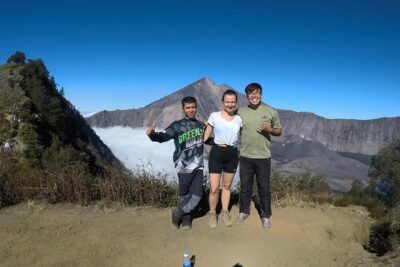
3D/2N Rinjani trekking summit,lake and hot springs.
Read our review →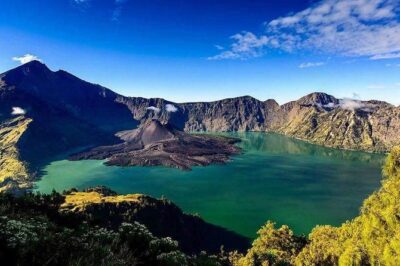
Mt Rinjani Trekking 2 Days 1 Night (Senaru Crater Rim)
Read our review →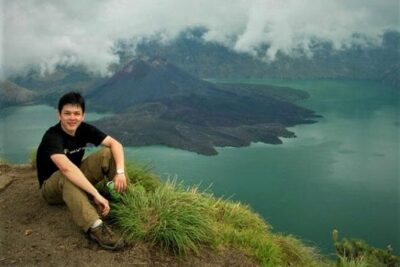
Rinjani Trekking 3 Days 2 Nights (Sembalun – Senaru)
Read our review →Browse the lists this tour appears in