
Reviewed · WALKING TOURS
Ubud Guided Walking Tour
Ubud works best when you can stitch the sights together into a story. This Ubud guided walking tour does that, linking Hindu temple life, old Dutch-era influences, and Ubud’s royal and art scenes in one easy loop. I like how it feels small-group and personal, with guides such as Ira, Windari, and Ilia turning stops into clear explanations, not just photo breaks.
My favorite part is the pairing of art and power in Ubud. You get museum context at Museum Puri Lukisan and then special access tied to local royalty at Puri Kantor. One consideration: the route includes uneven temple stairs, steep gradients, and patchy sidewalks, so bring solid shoes and be ready to climb a bit for up to 3 hours.
Key takeaways before you walk

- A tight 3-hour loop that strings together temples, ridgeline views, and royal spaces without rushing.
- Admission tickets included at multiple stops, including Museum Puri Lukisan.
- Small group size (max 8), which helps your guide actually answer your questions.
- Special access to a Balinese compound at Puri Kantor.
- Art + history in one route, with a focus on 20th-century Balinese and Western artist collaboration.
- Rain or shine, with a call if conditions get severe.
Why a Ubud walking loop works so well
Ubud is the kind of place where you can walk for hours, but you can also waste hours. This tour helps you avoid the guesswork. Instead of hopping randomly between “must sees,” you follow a logical sequence of locations that explain how Ubud formed, what shaped it, and why it looks the way it does today.
The pace also makes sense. It’s about 3 hours, and each stop is timed so you get context, not just entry and exit. That matters in Ubud, because many sights look simple until someone explains the local meaning, and then suddenly you’re paying attention.
Another underrated win is the group size. With up to 8 people, the walk doesn’t feel like a moving line. You can ask questions without shouting over ten strangers, and you’re less likely to lose track of the guide at corners and temple lanes.
More Walking Tours in Ubud:
- Sidemen Trekking: A Walk from a Different Perspective
★ 5.0 · 94 reviews - Ubud Countryside Tour: Campuhan Ridge Walk and Rice Terrace
★ 5.0 · 72 reviews - Yogyakarta: Nighttime Walk and Food Tour
★ 5.0 · 401 reviews
Price and what you get for about $28
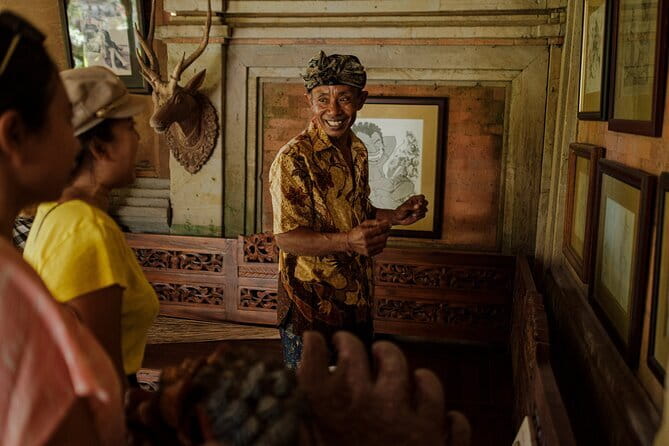
The price is $28.36 per person, and for Ubud that’s a fair chunk of value because several costs are wrapped in. You’re not only paying for a guide, you’re also getting included admissions at the stops, plus Museum Puri Lukisan entrance (Rp 95,000).
What you should also watch for is what is not included. There’s no pickup or drop-off from your accommodation, and you’ll cover personal expenses like snacks and drinks outside the tour. Also, bring a reusable water bottle since the operator focuses on reducing plastic in Bali’s rivers. This is one of those details that’s small but practical, and you’ll be happier if you come prepared.
When I look at value, I also think about time. Three hours is long enough to get a real feel for Ubud, but short enough that you can still do other things the same day. If you’re trying to see “the basics” early, this tour often gives you bearings fast.
Meeting point reality: start here, finish there
You start at Cantina Rooftop Restaurant, Ubud Sayan, Ubud, Gianyar Regency, Bali. That’s convenient because it’s part of the Ubud restaurant area, so it’s easy to find with a map app. The tour ends at Puri Kantor, Jl. Suweta No.1, Ubud.
That end-point difference is important. You’re not walking in a perfect circle back to your starting door. Plan on grabbing a taxi, a scooter you’re comfortable with, or public transport after the tour. Since the tour is near public transportation, you’re not locked into one option, but you should still think ahead so you don’t end up tired and stranded.
You’ll also use a mobile ticket, and you should get confirmation after booking. Service animals are allowed too, which is always good to know.
Gunung Lebah Temple: Hinduism and architecture you can actually see

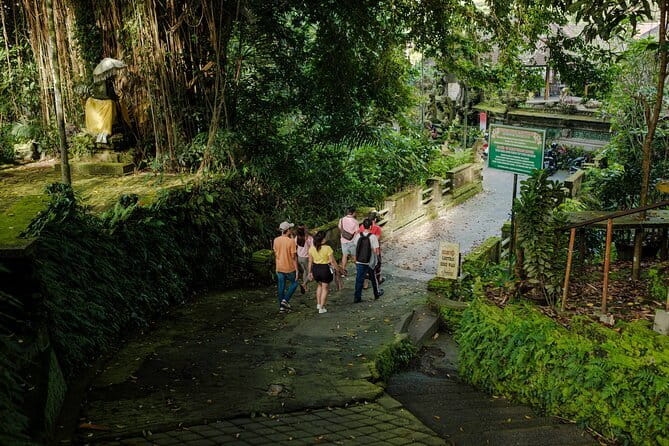
The tour kicks off at Gunung Lebah Temple, about 20 minutes with an admission ticket included. This is one of the best kinds of opening stops. You’re near an old temple, and the guide puts the focus on how Hinduism arrived in Bali, plus what temple architecture is doing in the community.
Here’s why that helps your trip. Without context, temples can feel like pretty stone and stairs. With context, you start noticing the layout, the meaning behind features, and the way the space functions locally. It also sets the tone for the rest of the day. You’ll start looking at subsequent landmarks as living parts of a culture, not just “attractions.”
Practical note: temple grounds often mean uneven stairs and small rises. This tour specifically warns you not to assume the route is flat. If you have a sensitive knee or hate steep steps, this first stop will tell you quickly whether the rest of the walk will feel comfortable.
Something different for the next Ubud day:
- All-Inclusive Ubud Private Tour
★ 5.0 · 14,344 reviews - Best of Ubud Full-Day Tour with Jungle Swing
★ 5.0 · 8,571 reviews - Ubud: Monkey Forest, Jungle Swing, Rice Terrace, and Water Temple
★ 5.0 · 7,160 reviews - Ubud: Waterfalls, Water Temple & Rice Terraces Private Tour
★ 5.0 · 5,484 reviews
Campuhan Ridge Walk: a Dutch-era bridge with a bigger story

Next is the Campuhan Ridge Walk, timed around 20 minutes. The focal point is a modest bridge that dates back to the Dutch colonial era. You don’t just get a scenic pause here. You also learn how the Dutch East India Company shaped colonization and how those historical forces left traces on the region.
Even if you’re not a history buff, this is a smart stop because ridgelines are where geography starts explaining culture. You’re higher, you can see more, and your brain naturally starts connecting how people moved, where they built, and why viewpoints matter.
The bridge and ridge setting also makes a good contrast after the temple. You go from sacred architecture to a landscape shaped by outside influence. That rhythm makes the tour feel cohesive instead of like five unrelated photos.
Museum Puri Lukisan: where Balinese and Western art met in Ubud
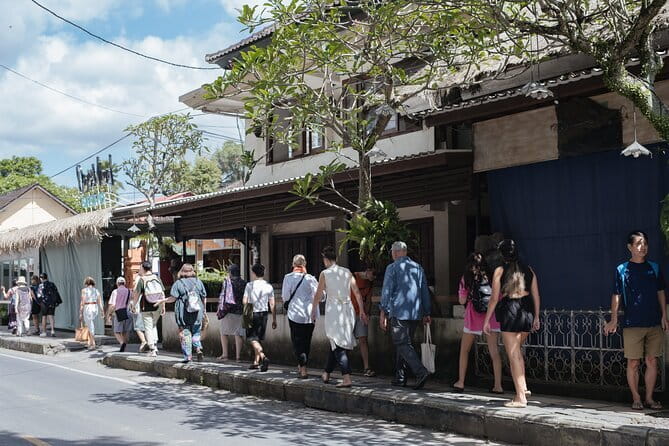
After that, you settle in at Museum Puri Lukisan, the oldest art museum in Ubud. Plan on about 45 minutes, with admission included. This is the stop that often changes how people understand Ubud.
The big idea here is the collaboration between 20th-century Balinese and Western artists. The guide explains how that cultural exchange helped establish Ubud’s reputation as an art center. You’re not only looking at paintings. You’re learning why certain styles and themes gained attention and how the museum became a place for that story to live.
Why I think this stop is valuable: Ubud has a lot of “art” offered to tourists, sometimes with vague explanations. Here you get a clearer timeline for how Ubud’s art scene developed. Even if you only have basic museum patience, this one tends to land well because the guide ties the artwork to people and place.
One thing to note: museums require a different energy than outdoor walking. If you’re hot or sun-weary, this is also your built-in cooldown. Bring something light for the weather, because Ubud can switch from sunny to rainy without much warning.
Ubud Palace outer courtyards: royalty, architecture, and cremation rituals

Then comes Ubud Palace, with about 15 minutes of guided time and admission included. This stop focuses on the outer courtyards, so you get a sense of the palace setting without needing a long indoor visit.
What you’ll learn here matters: the historical and modern roles of Balinese royalty, the logic of palace architecture, and traditional cremation rituals. Cremation is a key part of many Balinese life-cycle beliefs, and it’s often misunderstood by outsiders because it’s hard to see from the outside.
This is one of those moments where a guide earns their fee. Palace spaces can look formal and decorative, but the explanation gives you the cultural function. You start to see why certain areas are used and what visitors should treat with respect.
Practical side: palace areas can involve uneven surfaces and short climbs. The tour’s overall accessibility note applies strongly here, so if you’re already winded from stairs, plan to pace yourself and slow down when the guide does.
Puri Kantor: special access and the story of a prince of Ubud

The last major stop is Puri Kantor, about 20 minutes. This is where you get the tour’s most “different from a self-walk” perk: exclusive access to a Balinese compound linked to Tjokorde Gede Raka Sukawati, the Prince of Ubud.
You also learn about his role in shaping Ubud and his connection as a co-founder of the Pitamaha Foundation. That matters because it ties a royal figure to community-level influence, not just old titles.
This stop can be the most memorable because it feels more like you’re stepping into a local space under guidance, rather than simply passing by. It also helps you wrap your brain around Ubud’s identity. You start the day with temple meaning, then move through history and art, and finish with a link to leadership and ongoing cultural work.
Again, wear shoes you trust. Even with special access, you’re still walking through a real place, with real steps and uneven ground.
Weather, heat, and the reusable bottle tip that matters
The tour operates rain or shine. If there’s severe weather, such as an intense downpour, the operator will call you before the start time. That’s a good balance: you’re not constantly rescheduling, but you also won’t be sent out into dangerous conditions.
For comfort, assume you’ll deal with tropical heat, sun, and occasional wet patches. Bring water, and ideally use a reusable bottle for refills. The environmental commitment is specifically about reducing plastic in Bali’s rivers, and it’s one of those practical habits that costs you nothing.
Clothing wise, keep it simple. Comfortable walking shoes matter most. If you like wearing a scarf or light layer, pack it. Temples and palace areas can involve sun exposure and occasional rain mist, and you’ll appreciate having something easy to adjust.
The guide factor: story style you can follow
What really lifts this tour is how the guide tells the story. People specifically mention guides such as Ira, Windari, and Ilia for being able to answer questions and keep the walk engaging. You’ll get more than a script if your guide is good at turning a location into an explanation you can repeat later.
This is also where the small group size helps. You’re not a passenger on a bus. The tour feels more like you and a friend plus a guide, moving from place to place and learning why it matters.
If you’re choosing a tour early in your Ubud trip, this is the kind that pays off. When you understand the temple context, the Dutch-era threads, and the art and royalty connections, the rest of Ubud makes more sense.
Who this walking tour suits best
This works well for you if you want:
- A guided way to connect major Ubud landmarks in about half a day
- Included admissions and a plan you can’t really mess up
- A guide who can explain culture, not just point directions
- A smaller group setting, up to 8 travelers
It may be a tougher fit if:
- You have trouble with stairs or uneven ground
- You hate steep gradients or patchy sidewalk sections
- You want a fully flat, easy stroll with no climbing
The tour description is honest about physical demands. Take it seriously. Shoes first, pride second.
Should you book this Ubud guided walking tour?
If you want a smart first-time Ubud experience, I’d say yes. This tour gives you a storyline, not just a checklist. You’ll see major sites, you’ll get included museum value, and you end with special access that self-guided wandering usually won’t provide.
I’d only skip it if stairs and uneven surfaces are a hard no for you. Otherwise, come ready to walk, bring a reusable bottle, and plan for a real tropical outing, sun and rain included.
If you’re in Ubud for only a short stay, this is the kind of half-day that helps the rest of your trip feel smoother, because the places start making sense.
Newest reviews out of Ubud
- Ubud Silver Class: Forge Your Personal Silver Keepsake★ 4.9 · 39 reviews
- Amazing Kuber ATV Quad Bike Experience in Bali and Tunnel★ 5.0 · 39 reviews
- Lempuyang Tour : Heaven gate, Tirta Gangga, Goa Raja waterfall★ 5.0 · 39 reviews
- Make Traditional Bali Coconut Oil with a Balinese Family★ 5.0 · 39 reviews
- Private Tour : Bromo Ijen Tour From Bali★ 5.0 · 39 reviews
- Bali Private Car Charter Tour with English Speaking Driver★ 5.0 · 39 reviews
- Ayung Rafting Ubud (Include Lunch & Return Transportation)★ 4.5 · 40 reviews
- Private Bali Tour: The Most Scenic Places★ 5.0 · 40 reviews
Walking Tours, compared.

Tetebatu Walking Tour – Rice Terraces, Waterfall & Monkey Forest
Read our review →
Sidemen Trekking: A Walk from a Different Perspective
Read our review →
Small-Group Walking and Food Tour by Night in Yogyakarta
Read our review →

Bali Private Food Walking Tour With Locals: The 10 Tastings
Read our review →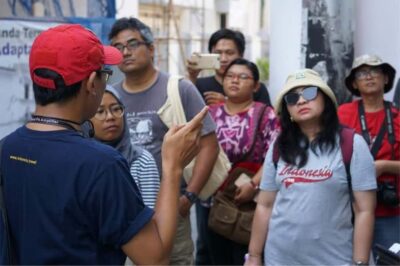

Sidemen Trekking: A Walk from Different Perspective
Read our review →Browse the lists this tour appears in