
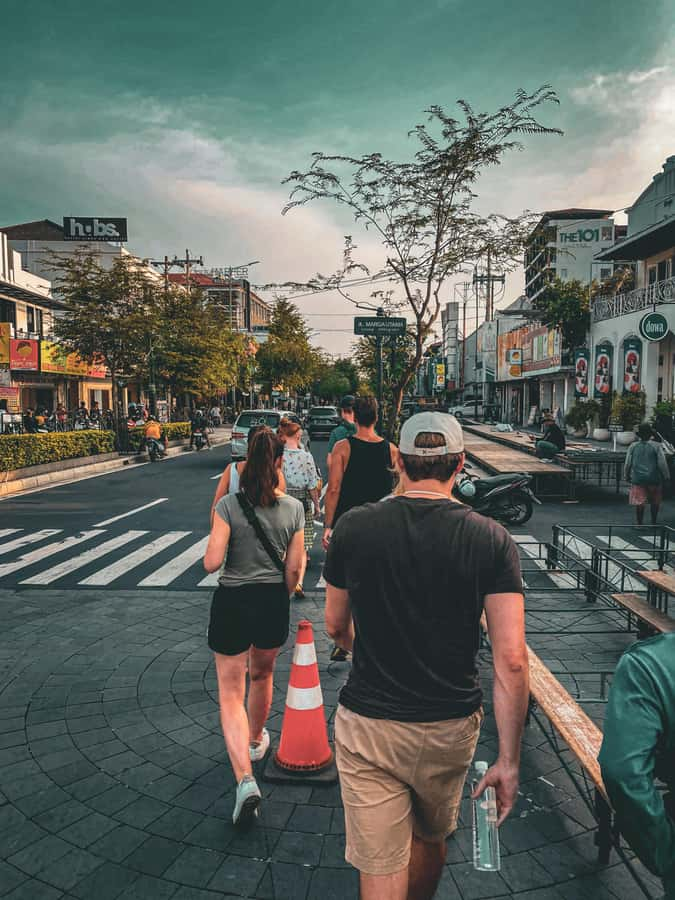
Reviewed · WALKING TOURS IN YOGYAKARTA
Yogyakarta : Colonial Heritage Guide Walking Tour
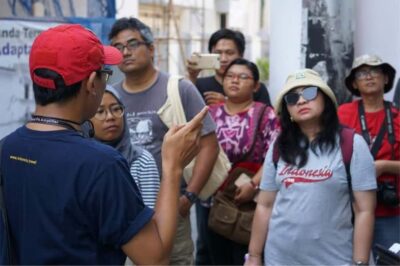
This is one of those Yogyakarta tours that feels like a guided walk through cause and effect, not just postcard stops. You’re tracing Dutch colonial history alongside local narratives, and your guide connects street-level details to how the city became what it is today. The best part is that the story period is clearly framed, running from 1811 to 1949, so you do not end up with random facts.
I especially like the way the route starts at Tugu and then keeps moving toward political power, media influence, and everyday life. You’ll see the contrast between colonial privilege and local pressure, then come back around to how independence was fought for and remembered. One possible drawback is that it is a true walking tour, so if you have mobility limits, it may feel like more effort than reward.
Key things I like about this walk
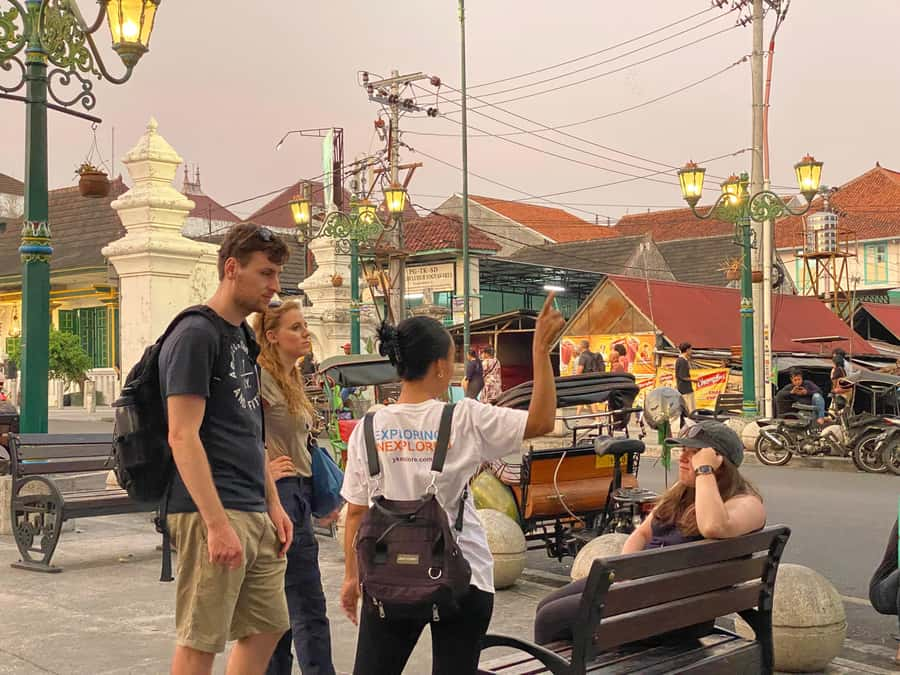
- Tugu to Titik Nol, so you get a clean story arc from city origins to the center of modern Yogyakarta.
- English-speaking guides with strong storytelling, including guides like Dora, Hendra, Hery, and Ophan who explain clearly and slow down for questions.
- A tight historical window covering the Dutch period up to the lead-in to 1949.
- Stops that go beyond palaces, including press, markets, banks, and churches.
- Street-smart moments, like tips for crossing busy roads safely (something your guide may include).
Why this colonial heritage walk makes sense in 2 hours
A lot of heritage walking tours give you “what this building is” and then move on. This one works differently. It uses a compact downtown loop to explain how colonial power showed up in daily routines: who lived where, who controlled information, and how money and governance shaped people’s lives.
At just 2 hours with an English-speaking guide, you’re not trying to cover the entire city. Instead, you get a focused chain of sites, from Tugu down main streets toward the area around Titik Nol Yogyakarta, commonly called Kilometer Zero. That time limit matters, because it keeps the story sharp and lets you ask questions while the guide still has the timeline fresh.
The guide also sets expectations that you may hear different versions of events depending on cultural viewpoint. That’s a plus in my book. Colonial history is not one neat brochure. When the guide explains the Indonesian perspective, and you hear how other viewpoints might interpret the same moment, you finish the walk with more ways to think, not fewer.
More Walking Tours in Yogyakarta
- Yogyakarta: Nighttime Walk and Food Tour
★ 5.0 · 401 reviews - Small-Group Walking and Food Tour by Night in Yogyakarta
★ 5.0 · 313 reviews - Yogyakarta: Guided City Walk and Food Tour
★ 4.9 · 278 reviews
Tugu and Jalan Mangkubumi: the independence story starts before colonial details
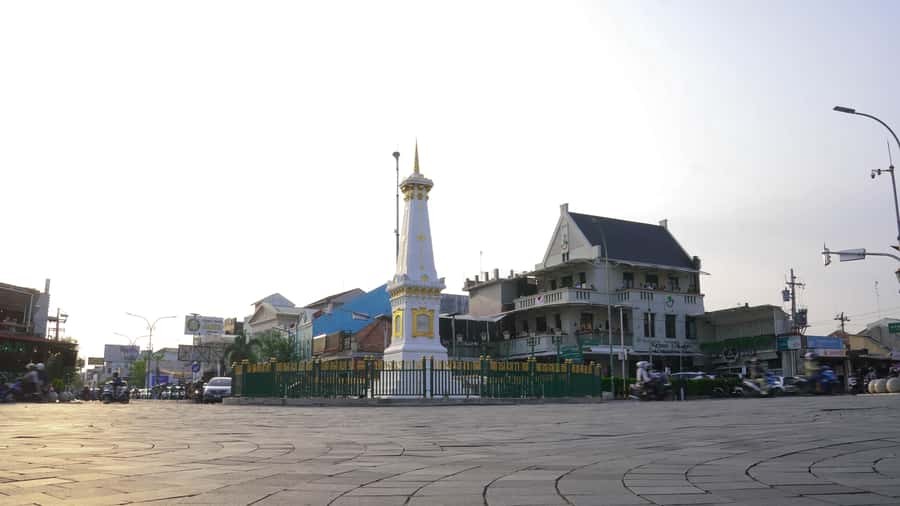
The tour begins at the TOKIO DISTRICT area, and you’ll look for the YKExplore Meeting Point sign. From there, you start at Tugu, the monument tied to unity and resilience, built under Sultan Hamengkubuwono I. The Indonesian reading of Tugu is about independence and the spirit of the city from its early foundation, so even before Dutch rule enters the conversation, you’re building context.
Next comes the walk down Jalan Mangkubumi. This is where the tour earns its “heritage” label. Instead of only showing architecture, the guide points out how power traveled through institutions.
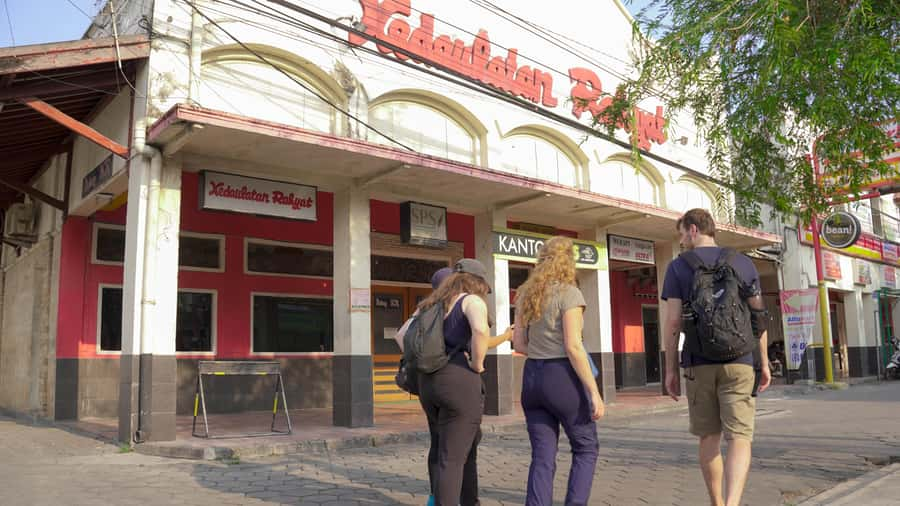
You pass the Kantor Kedaulatan Rakyat, a press-related site where the media played a role in freedom efforts. I like this stop because it frames independence as more than armies and treaties. It is also words, printing, and persuasion.
You’ll also see Hotel Toegoe, which your guide uses as a lens for colonial inequality. The contrast is the point: colonial officials lived in comfort while local people faced heavy pressure under occupation. That theme returns later at banks and government buildings, so it does not feel like one dramatic moment. It becomes a pattern.
Then the route continues toward the Tetengger Yogya Kembali monument. Here, the guide links Yogyakarta’s role in resisting colonial powers to Indonesia’s later independence. It’s a small but important reminder that the city was not just a stage. It contributed.
Main buildings of colonial governance: from DPRD-linked space to multicultural city gates
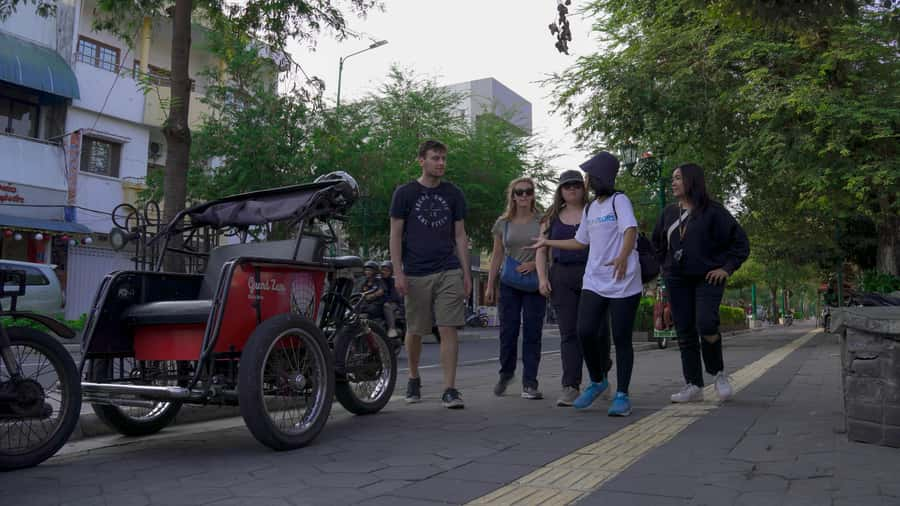
As you keep walking, you shift from symbols to systems. The tour includes stops connected with colonial administration, including the Grand Inna Hotel area and Gedung DPRD. Your guide explains how governance structures from the colonial era helped shape Indonesia’s political landscape. Even if you have never studied colonial administration, you can understand this part on the street, because the guide ties the building’s role to what it controlled in daily life.
One of my favorite “human scale” moments is the visit to Gerbang Kampung Ketandan, the gate that your guide connects to multicultural heritage, especially the Chinese-Indonesian community. Colonial policies affected these communities in specific ways, and this stop helps you see that colonial history was not only about Europeans versus locals. It also created complicated categories and unequal outcomes inside Indonesian society.
You’ll then head toward Pasar Beringharjo, which becomes your “how people survived” stop. Markets are where politics turns into practical choices, because you see how traditional life carried on while colonial economic structures were in place. This is the kind of stop that makes the tour feel grounded. You are not only looking at authority. You are seeing trade, daily routines, and adaptation.
The Monumen Ngejaman clock: why small objects can carry big meanings
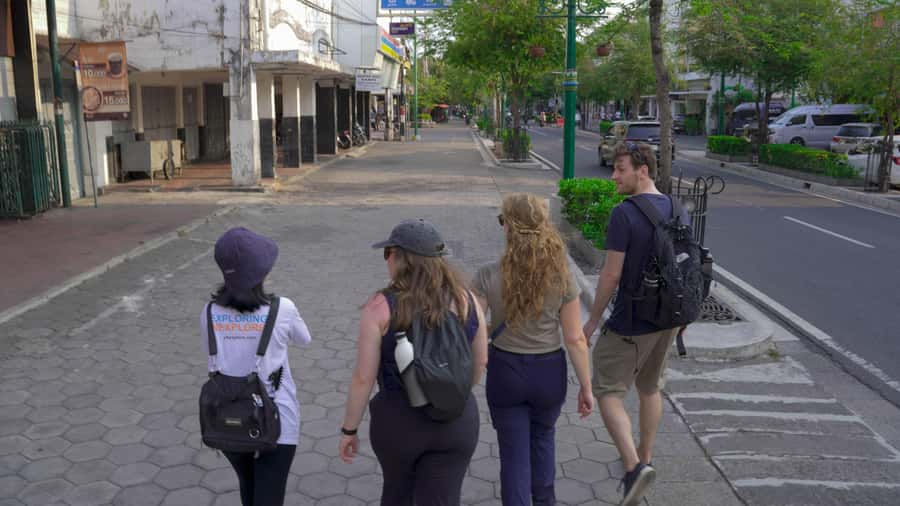
Next is Monumen Ngejaman, also known by the name Wayah Titiyoni. A clock sounds like a random detail until your guide explains the symbolic ties to colonialism and the mixed reception from local Javanese society.
I like this stop because it teaches you to read everyday objects as political statements. Timing is power, and public signals shape behavior. If colonial rule included controlling rhythms, then even a visible public timepiece can become a reminder of control. At the same time, the fact that local society received it in different ways keeps the story from turning into a one-note complaint.
This is also a good moment to ask questions. If you want to understand how guides handle contested history, this is where you can press them politely and get a real conversation, not a script.
More Historical Tours in Yogyakarta:
- Private Borobudur Heritage Tour – Merapi Jeep & Prambanan Temple
★ 5.0 · 36 reviews - Bali: Tanah Lot UNESCO World Heritage Sites Full-Day Tour
★ 4.6 · 1,600 reviews - Bali: Private UNESCO World Heritage Sites Tour
★ 4.9 · 193 reviews - Crafting Heritage Batik Painting Workshops
★ 5.0 · 164 reviews
GPIB Marga Mulya and religion in administration and resistance
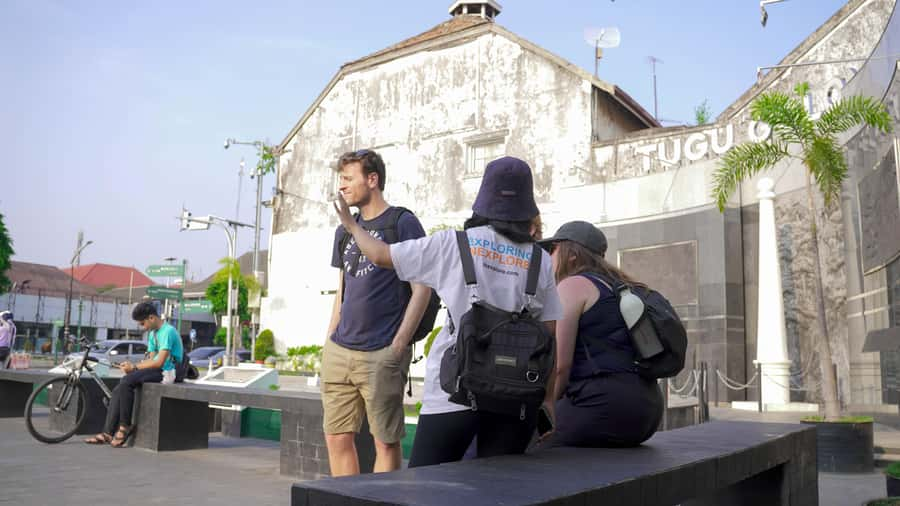
The tour continues near GPIB Marga Mulya, a Protestant church your guide connects to the complex role of religion during colonial administration and local resistance. This matters because many people assume colonialism was only about trade and rule. In reality, religion was tied to education, community organization, and legitimacy.
Your guide’s job here is to show the nuance. In places like Yogyakarta, religious spaces were not just worship sites. They were also social infrastructure, and that can mean both cooperation and friction, depending on the period and the people involved.
If you’re the type of visitor who likes history that feels human, this is one of the best stops on the walk. It brings the story back to real communities rather than only power structures.
Benteng Vredeburg and Gedung Negara: fort walls and how control feels
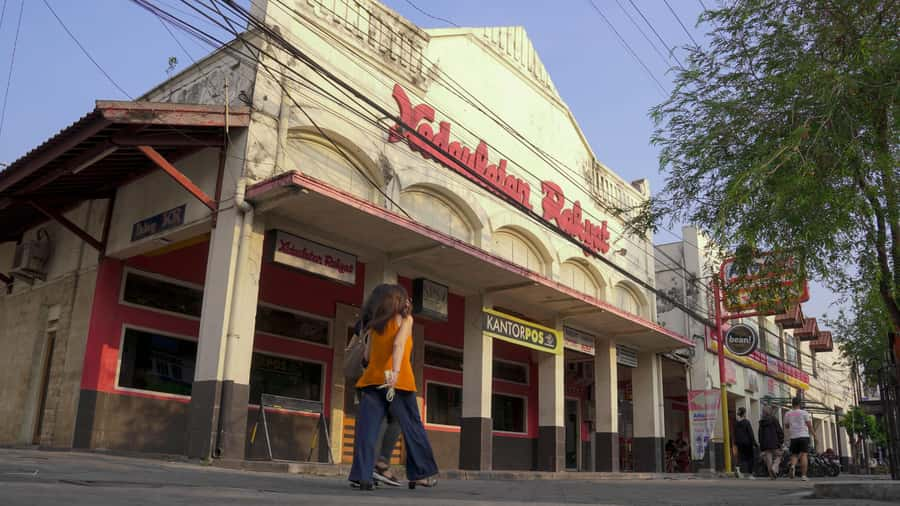
A major shift happens at Benteng Vredeburg, the fort your guide explains as originally built to monitor the Sultan’s court. Later, it became a symbol of the oppressive grip of Dutch rule on Yogyakarta.
Fortifications are easy to admire from the outside. Your guide turns the admiration into understanding. You’ll hear how the fort’s location and purpose placed the court and city under surveillance, and how that changed the political atmosphere.
Nearby, you also visit Gedung Negara. This stop is tied to Dutch officials once residing there, overseeing the colony with a watchful approach. The guide uses these buildings to explain how the physical layout of power reinforced political control.
This is where I’d tell you to slow down and look around. Even if you only catch a part of the explanation, the walls, the positioning, and the sense of authority in the architecture make the story click. It’s not abstract.
Kantor Pos and banks: where colonial economics became everyday pressure
After the fort and government sites, the tour shifts into the money and infrastructure side of colonialism. You visit Kantor Pos Besar Yogyakarta, then Bank Indonesia, and also BNI Yogyakarta.
Your guide frames these stops as part of the economic systems that fueled colonial interests, often at the expense of local prosperity. That phrase matters, because it is not just “colonial rule existed.” It is that economic choices were designed to serve foreign goals.
This part of the tour helps you connect dots. Postal offices relate to communication, banks relate to financing, and together they show how a colony could manage information and resources. If you’ve ever wondered how a distant administration could control local life, these are the practical pieces.
You may also notice that some stops feel more official and less emotional than a monument. That’s normal. The emotion in economic history often shows up indirectly, through what people can afford and what systems determine fairness. Your guide’s job is to make that indirect feeling tangible.
Monumen Serangan 1 Maret and a reflective ending near Gereja Santo Fransiskus Xaverius
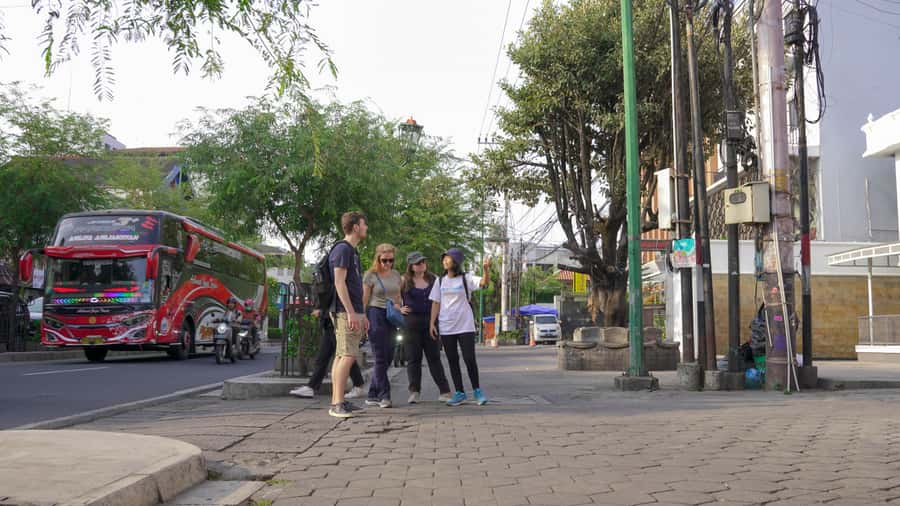
Toward the later part of the walk, you reach Monumen Serangan 1 Maret. Your guide uses it to highlight Indonesia’s struggle to reclaim sovereignty during the Dutch reoccupation in 1949, a turning point on the road to freedom.
This is a strong closing theme because it brings the story forward from colonial-era systems into the push for sovereignty. You’ve spent a lot of time seeing structures and symbols. Now you see the result: the fight to change the system itself.
The tour concludes at Gereja Santo Fransiskus Xaverius, which your guide uses as a poignant reminder of Yogyakarta’s diverse colonial legacy. Ending with a church makes sense here, because it ties back to earlier discussions about religion, institutions, and community life during colonial rule.
If you want one final takeaway, it is this: colonialism is not only European policy. In Yogyakarta, it lived in streets, buildings, schools, markets, and religious and civic institutions.
Price and value: is $18 fair for 2 hours of city storytelling?
At $18 per person for a 2-hour guided walk, you’re paying for two things: an organized route and a guide who can turn sites into a clear timeline.
The included items are simple but useful: water and an English-speaking guide. The tour also skips ticket lines, which can save time if any stop requires entry. You do not get food in this package, so plan to eat before or after, especially since you’ll be walking through the middle of town.
Is it good value? For me, it depends on your goal. If you want a quick highlight walk with minimal context, you might find it overpriced. But if you care about understanding how colonial rule shaped media, governance, economics, and daily life, this price starts looking very reasonable.
The reviews back up the value side too, especially praise for guides who explain clearly and answer questions without rushing. Names like Dora, Hendra, Hery, and Ophan come up with the same pattern: thoughtful delivery, real local insight, and time to slow down when the group has questions.
Who this tour fits best, and who should choose a different plan
This walk is best for you if you like history that connects to the street. If you enjoy seeing how institutions work, you’ll get a lot from the stops tied to press, governance, markets, banks, and fortifications.
It also works well if you’re comfortable with walking in an urban area for around 2 hours. The tour is not suitable for people with mobility impairments, so if walking is a challenge, I’d skip it or look for a more accessible alternative.
If you’re the kind of visitor who likes asking questions, you’ll probably have a great time. The guide style highlighted in feedback emphasizes clarity, pacing, and answering curiosities rather than bulldozing the group through a checklist.
Practical tips so you enjoy every stop
Wear shoes you can trust. This is a city walk, and you’ll spend most of your time moving. Bring a bottle of water, even though water is provided, if you run hot.
Plan your expectations around interpretation. The tour notes that historical accounts can vary based on Indonesian perspectives and cultural viewpoints. That isn’t a flaw. It is an opportunity to compare how people remember the same era.
Finally, if you can, share a WhatsApp number during booking for smoother communication. That small step helps you avoid last-minute confusion.
Should you book this Yogyakarta Colonial Heritage tour?
Book it if you want a clear, guided story of Yogyakarta’s colonial-era timeline, from Dutch-era structures to the independence turning points around 1949, and you want it tied to real buildings you can see on foot.
Skip it if you only want quick photos, or if you need step-by-step accessibility support. Also skip it if you know you will get frustrated by nuanced history. This tour asks you to tolerate complexity, because colonial legacies rarely come in one version.
If you fall in the middle, you’re exactly who this tour is designed for: visitors who like practical history, strong guiding, and a route that makes sense from Tugu to the Kilometer Zero area, with a thoughtful ending at Gereja Santo Fransiskus Xaverius.
FAQ
Where does the tour start?
The tour starts at the TOKIO DISTRICT area. You should look for the YKExplore Meeting Point sign.
How long is the walking tour?
The duration is 2 hours.
What language is the guide?
The guide offers live interpretation in English.
What is included in the price?
The tour includes an English-speaking guide and water. It also notes that it skips the ticket line.
How much does the tour cost?
The price is $18 per person.
Is the tour suitable for people with mobility impairments?
No, it is not suitable for people with mobility impairments.
Will I hear one single version of colonial history?
You may hear varying historical accounts because the tour includes Indonesian perspective and local insights, and narratives can differ from other sources.
Newest reviews out of Yogyakarta
- Ramayana Ballet Performance – Purawisata Jogjakarta★ 4.5 · 12 reviews
- Yogyakarta: Sunrise Inside Borobudur with breakfast★ 5.0 · 12 reviews
- Borobudur Private Tour From Semarang Port★ 4.5 · 12 reviews
- Yogyakarta: Jomblang Cave Day Trip with Pickup and Entry Fee★ 5.0 · 13 reviews
- Yogyakarta: Borobudur Sunrise Inside Temple & Prambanan tour★ 4.9 · 13 reviews
- Traditional Javanese Archery Class★ 5.0 · 13 reviews
- From Yogyakarta: Dieng Plateau Golden Sunrise Private Day Trip★ 5.0 · 13 reviews
- From Yogyakarta: Mount Bromo Sunrise and ijen crater Blue Fire – 3 Days★ 5.0 · 14 reviews
Walking Tours in Yogyakarta, compared.
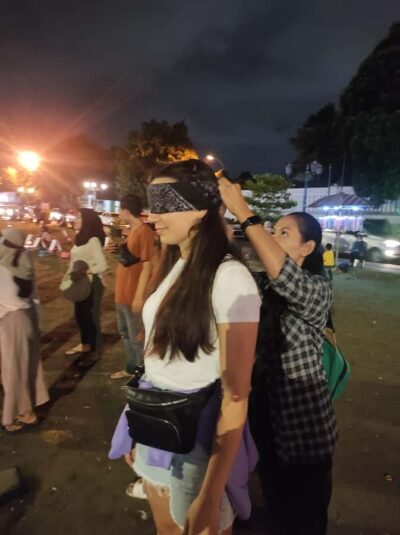
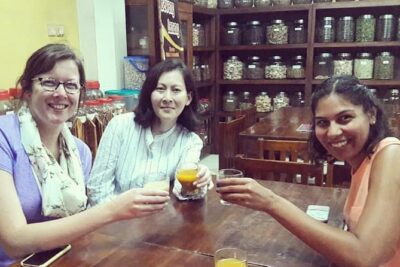
Small-Group Walking and Food Tour by Night in Yogyakarta
Read our review →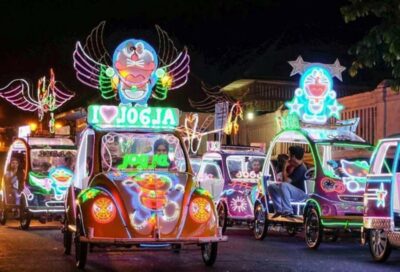
Night Walking Tour-Malioboro street food with guide at Yogyakarta
Read our review →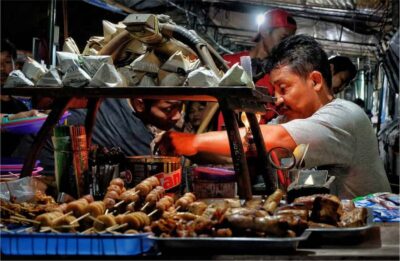
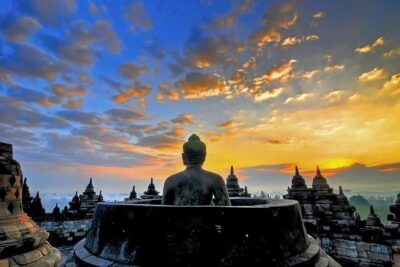
Barede Sunrise- Walking to Borobudur temple-Prambanan temple
Read our review →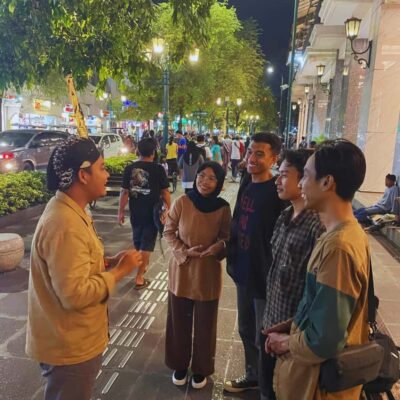
Browse the lists this tour appears in