
Reviewed · WALKING TOURS
Bali: 6-Hour UNESCO Sites Cultural Walking Tour
Bali’s UNESCO sites are usually sold as a checklist. This one feels different, because it links temple rituals with everyday life, from an organic coffee plantation to a priest’s compound. I especially like the coffee and spice tastings and the chance to watch a purification blessing bath at Tirta Empul, with proper cloth and guidance.
The main thing to consider is that this is an active morning. You will walk through villages and temple areas, and it is not suitable for pregnant women, plus sleeveless shirts are not allowed.
Key highlights I’d circle first
- Small group of 6 for a calmer pace and more personal explanations
- Organic plantation coffee tastings with plenty of samples, not just a sales stop
- Tirta Empul purification blessing bath with equipment and Balinese cloths provided
- Gunung Kawi walking route through native villages and an unexploited rainforest valley
- A real compound visit to meet a local priest’s family and see how people live together
- Subak Pulagan rice-field view and the old irrigation story, finished with lunch in Laplapan
Why this Bali UNESCO walking day feels more like real life
If you want Bali that goes beyond photos, this tour is built for that. It connects big-name temple spaces like Tirta Empul and Gunung Kawi with smaller, human-scale moments like charity in a village school and conversations inside a family compound.
Two parts tend to win people over fast. First, the organic plantation stop, where you learn about Balinese coffee and spices and get free tastings instead of just a quick look. Second, the spiritual moment at Tirta Empul, where the purification blessing bath is explained and supported with the right temple visit kit.
One drawback is also pretty clear: you are walking, sometimes through uneven temple and village paths, and your morning starts with pickup. If you prefer a mostly seated day or you need a slower pace, this might feel like too much.
More Walking Tours in Bali:
- Ubud: 3-Hour Walking Tour with Lunch
★ 4.8 · 85 reviews - Bali: Nusa Dua Underwater Sea Walking Experience
★ 4.8 · 69 reviews - Denpasar: Night Street Food Walking Tour
★ 4.5 · 60 reviews
Timing, pickup, and a small group that actually matters
This is a 6-hour experience, and it starts in the morning with hotel pickup. If you are in the Ubud area, pickup is listed around 8:30 to 9:00 AM. Sanur is earlier, about 7:45 to 8:15 AM, and other southern areas like Nusa Dua, Jimbaran, Kuta, Legian, Seminyak, or Canggu start around 7:30 to 8:00 AM.
The group stays intentionally small, limited to 6 participants. That matters because temple and village etiquette is easier to follow when the guide can slow down and check in with you. It also helps with questions, and it is why people mention guides like Wayan being very professional and informative.
You’ll also have a live guide in English, plus French, Italian, and Spanish. And yes, you’ll likely do a lot of photos. One review singled out Wayan for taking a huge number of photos, which is a nice bonus if you want memories without constantly switching from walking to filming.
Charity at a village school, then coffee and spices the Balinese way
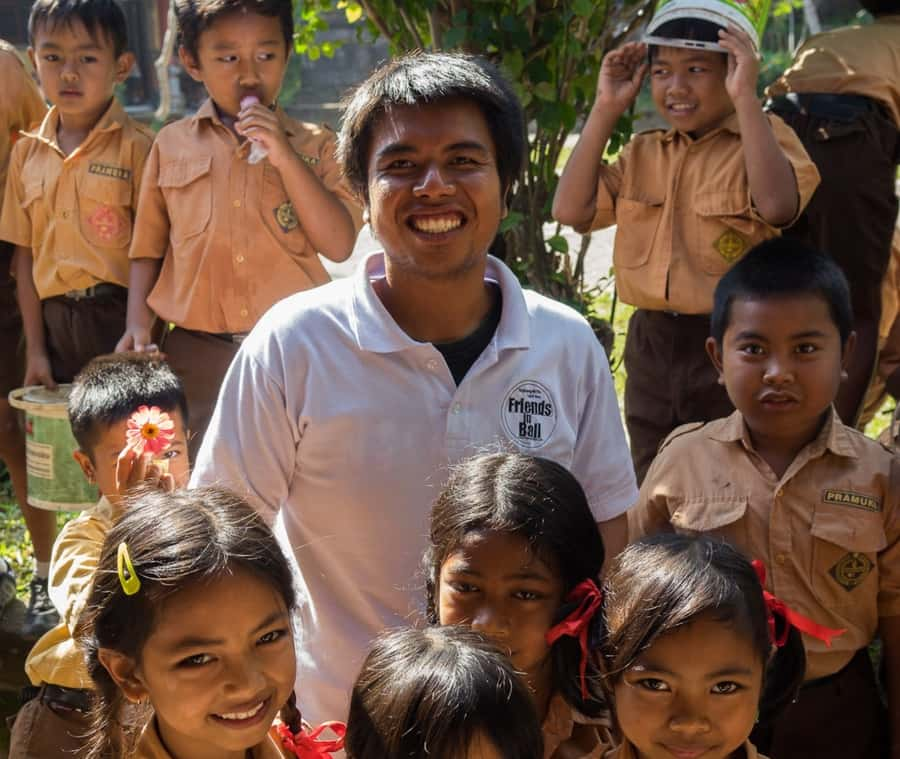
The day starts with a charity visit to a village school in the Tampaksiring area. This is one of the stops that gives the tour its backbone, because it shifts the mindset from tourism to community support. Even if you do not speak much beyond hello, you get a sense of how local life is shaped by education and daily needs.
After that, the tour moves to a local organic plantation. This is not presented as a rushed tasting line. You learn about how coffee and spices fit into Balinese everyday routines, then you get several free tastings. It’s a smart order of operations, because it prepares you for the rest of the morning: temples are spiritual spaces, but Bali also treats plants, food, and daily offerings as part of the same belief system.
A small but useful practical point comes from a non-glamorous truth: coffee plantations can be warm and sunny. The tour includes mineral and coconut water, but you are still responsible for your own comfort. If you run hot, plan accordingly.
Pegulingan Temple and the UNESCO feel without the museum vibe
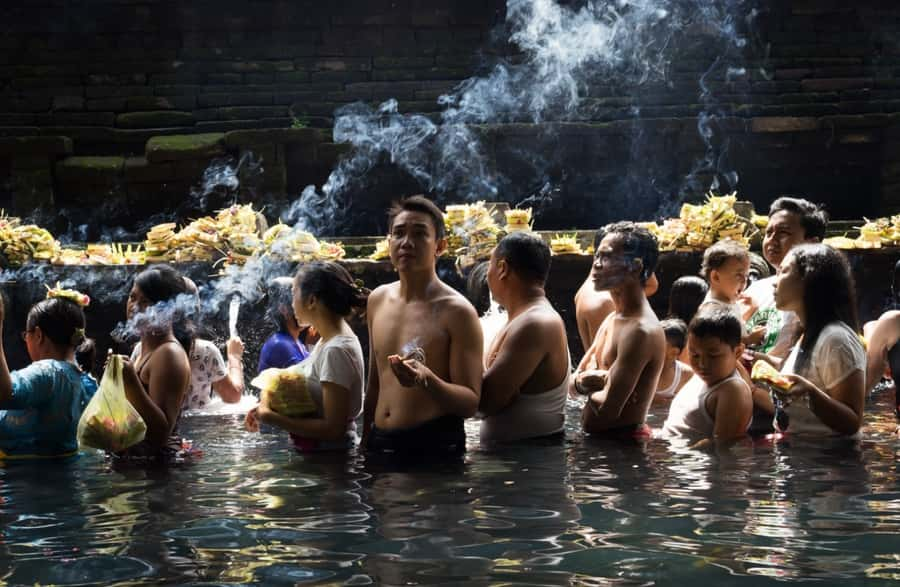
From there, you head to temple areas near Tampaksiring. One highlight is Pegulingan Temple, described as having both archaeological Buddhist and Hinduism temples. That blend is part of what makes this part of Bali so interesting. You see layers, not a single straight line of style or belief.
The guide helps connect what you see to what it means. The best tours make you look longer, not just look harder. Here, you get explanations that help you understand why certain spaces matter and how rituals tie into the broader spiritual landscape.
You will also be moving between stops by a mix of car and walking, so you are not stuck in one long stretch without breaks. The tour includes several breaks, and fresh coconut is served for refreshment during the walk. That matters more than you think on a warm morning, because it helps you keep your energy for temple rules and walking.
Something different for the next Bali day:
- Bali: Sunrise Mount Batur Guided Hike with Breakfast
★ 4.8 · 9,660 reviews - Bali: Mount Batur Sunrise Guided Hike and Natural Hot Spring
★ 4.8 · 9,284 reviews - Bali: Full-Day Instagram Highlights Tour
★ 4.8 · 7,817 reviews - Bali/Nusa Penida: East & West Highlights Full-Day Tour
★ 4.7 · 6,263 reviews
Tirta Empul purification, cloths for the ritual, and how to show respect
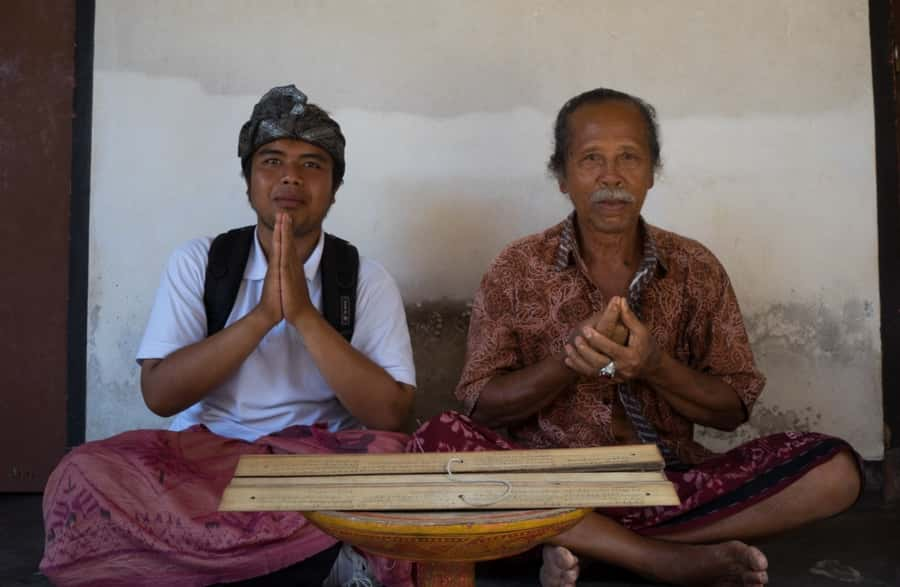
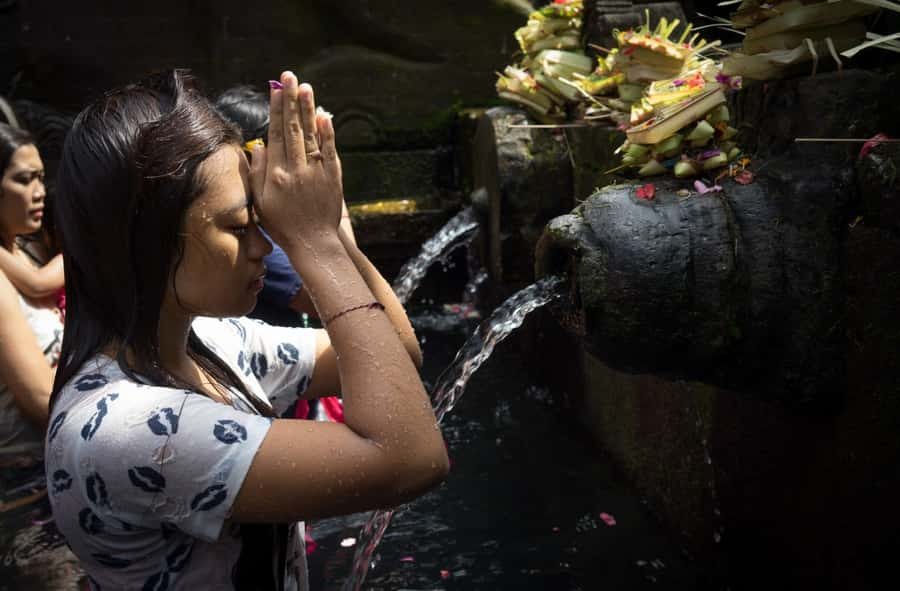
Tirta Empul is the spiritual centerpiece most people remember. The tour includes the chance to witness a purification blessing bath at the holy spring temple, with purification blessing bath equipment provided.
What I like about this is not just the ritual itself, it’s how you are set up for it. The tour provides Balinese cloths for the temple visit, which helps you dress appropriately and follow local expectations. And because a guide is with you, you’re not stuck guessing what to do or where to stand.
Temple etiquette is a small thing that can make a big difference in the experience. One reviewer suggested a practical extra for women, bringing a T-shirt because some temple visits require a minimum level of respect. The tour itself states no sleeveless shirts, so if you’re coming in light summer clothes, pack something with covered shoulders.
Also keep in mind: purification rituals can involve water. Even if you do not get drenched, you should assume you’ll be close enough to get mist or dampness around the ritual area. If you care about staying dry, bring a plan for changing or at least protecting your belongings.
Gunung Kawi: walking through villages and an unexploited rainforest valley

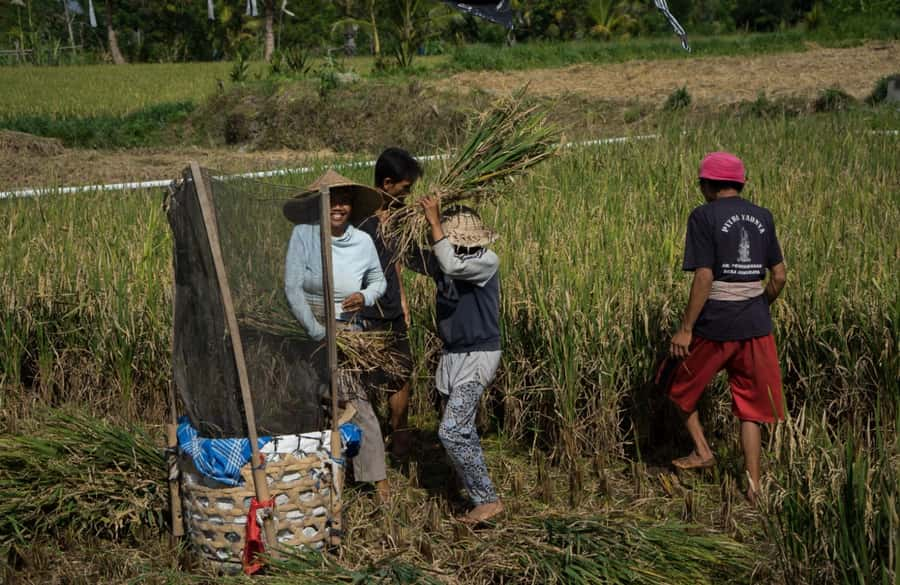
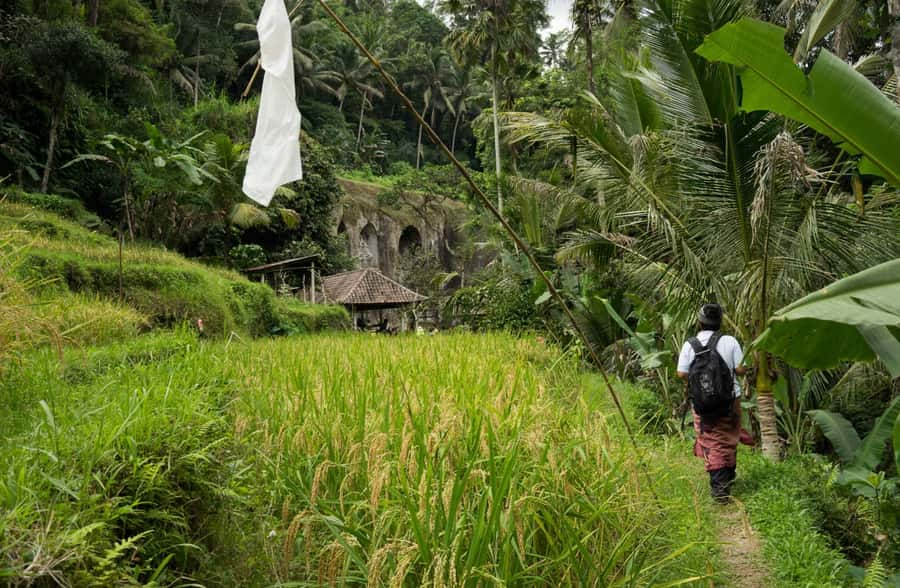
After Pegulingan and Tirta Empul, the walking section shifts from temple viewing to something more like traveling through everyday Bali. The tour continues to Gunung Kawi, described as centuries-old, and the route runs through native villages and an unexploited rainforest valley.
This part is where the tour earns its name. Instead of only hopping between set viewpoints, you see how people live near these sacred sites. You move at a pace that allows for breaks and explanation, which helps the day feel like a story rather than a series of stops.
The pros here are obvious. You get texture, like the feel of narrow village paths and the quieter parts of Bali that do not show up on every postcard. The possible drawback is the obvious one: it’s still a walk. If your knees are sensitive or your shoes are not up to it, this is the part where you’ll feel it.
So bring decent walking shoes. This is not the place for worn flip-flops. And because you are mixing temples and village areas, you also want something that keeps your footing stable.
Inside a priest’s compound: the human scale of Balinese community life
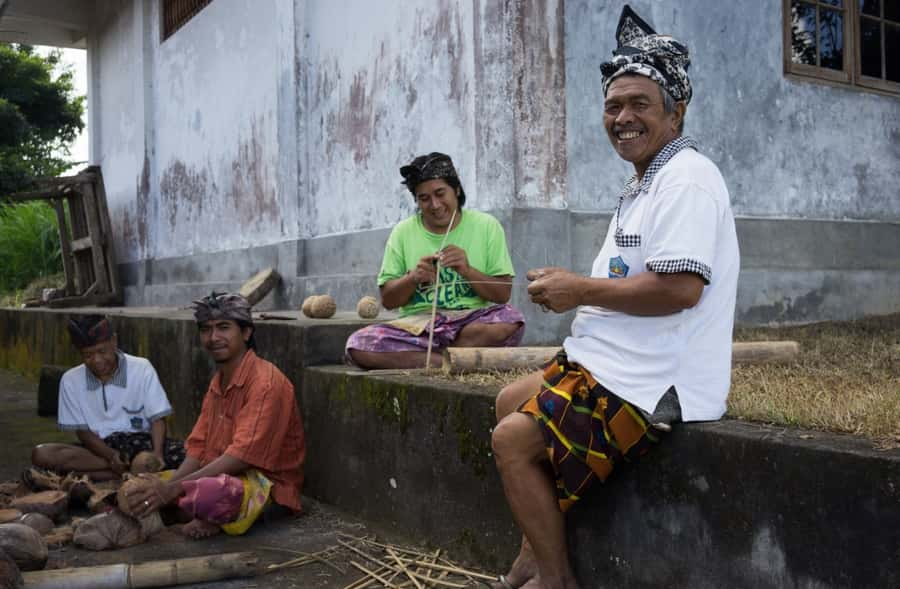
One of the most praised elements is the chance to be a guest in a local priest’s compound and interact with the family. You also learn about the unique community living system of the Balinese people.
This is where the day often becomes personal. Temples are impressive, but compounds are real. You get a sense of how families structure life around shared spaces, daily routines, and spiritual commitments. It’s also a reminder that Balinese religion is not only staged for visitors. It’s practiced at home, in routines, and in relationships.
A review that stands out here mentions that the home visit felt like a truly interesting experience, and that the process was supported by the guide’s explanations. Another review described the guide as professional and friendly, which matters, because compound visits run smoother when you understand what to do and when to be respectfully quiet.
If you tend to be shy, this might still work. You are not being asked to perform. You’re there to observe, learn, and say hello in the right spirit.
Subak Pulagan rice irrigation and the Laplapan lunch break
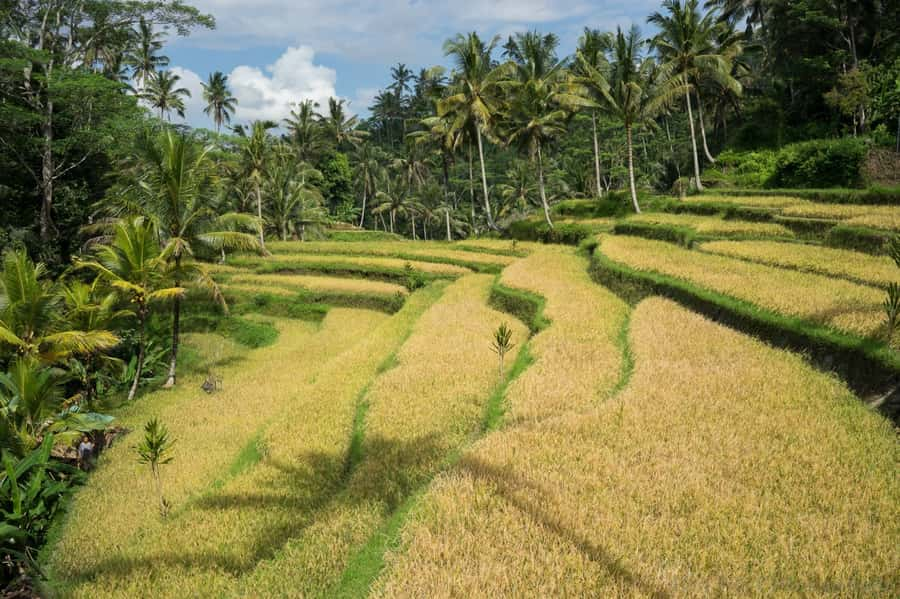
As the morning winds down, you finish with big views and practical context. The tour ends the walk with a view over hectares of rice fields as you learn about the old irrigation system of Subak Pulagan.
This is not just scenery. The point is to understand that rice farming in Bali is connected to community coordination and water management, which mirrors how Balinese life is organized around shared systems. It ties back neatly to what you saw at temples, because the idea of harmony and order runs through more than just ritual.
Then you stop for lunch in Laplapan, at a local restaurant surrounded by rice paddies. This is the payoff moment. You’ve walked, listened, and navigated etiquette rules, and now you get to sit with a meal while the area looks the way it does because people have worked it for generations.
The tour includes Balinese lunch, and mineral and coconut water. What it does not include is alcohol, which is normal for a day that focuses on walking and spiritual sites.
Price and value: what $50 buys you here
At $50 per person for 6 hours, this can be a strong value if you compare what’s included. You get:
- Free round-trip hotel transfers from many areas like Ubud, Sanur, and several southern beach zones
- Mineral and coconut water
- Temple admission fees
- Purification bath equipment and Balinese cloths
- Charity contribution tied to the village school visit
- Balinese lunch
- A live guide
What’s not included is also reasonable: alcoholic beverages, sunblock, souvenirs, and personal expenses.
The best way to judge value is to think about what would cost extra if you did it yourself. Transfers, guide time, temple tickets, and the added complexity of understanding purification etiquette can easily add up. Here, you’re paying for coordination and interpretation, not just transportation.
Who this tour suits best, and who should skip it
This tour fits best if you want a guided day that blends spirituality and everyday life. If you like hands-on learning, like coffee and spice tastings, and you want an explanation-led look at Tirta Empul and Gunung Kawi, you’ll probably enjoy the pace.
It’s also a good pick if you prefer a small group. With only up to 6 participants, the guide can manage questions and keep everyone moving respectfully in temples and compounds.
It is not suitable for pregnant women, and it has a dress requirement: no sleeveless shirts. If you don’t like walking, or if you have mobility issues, consider that the day includes both temple visits and village walking.
Should you book this Bali UNESCO cultural walking tour?
I’d book it if you want more than landmarks, and you like the idea of pairing temple visits with community context. The two most convincing reasons are the coffee and spice tastings plus the Tirta Empul purification blessing bath, both handled with cloths and equipment so you feel less like an outsider.
Also, take seriously the human-factor praise: guides like Wayan are reported as very informative, professional, and friendly, with the ability to adapt to the group’s wishes. And a small group of 6 means the day is less chaotic than the big bus approach.
Skip it if you want a purely relaxed day, or if walking is difficult for you. Also, if you don’t want to follow temple clothing expectations, you may feel annoyed early on. Bring a shirt that covers your shoulders and sturdy shoes, and you’ll set yourself up for an experience that feels genuinely grounded in Bali.
FAQ
What areas include hotel pickup, and when does it start?
Pickup is included from Ubud (around 8:30 to 9:00 AM), Sanur (about 7:45 to 8:15 AM), and Nusa Dua, Jimbaran, Kuta, Legian, Seminyak, or Canggu (about 7:30 to 8:00 AM).
How many people are in the group?
The tour is a small group limited to 6 participants.
What is included in the tour price?
Included are free hotel return transfers from listed areas, mineral and coconut water, temple admission fees, purification blessing bath equipment, Balinese cloths for temple visit, charity in a local school, Balinese lunch, and the guiding fee.
Is the purification blessing bath included?
Yes. The tour includes the purification blessing bath experience equipment for the Tirta Empul visit.
Are sleeveless shirts allowed?
No. Sleeveless shirts are not allowed.
Is this tour suitable for pregnant women?
No. It is not suitable for pregnant women.
Newest reviews out of Bali
- Bali Secret Waterfalls with Ulun Danu Beratan Temple Tour★ 5.0 · 12 reviews
- Bali: Cultural Ritual, Local Cuisine & Firefly Adventure★ 5.0 · 12 reviews
- Canggu: Surfing Class, Tanah Lot & Kecak Dance Sunset Tour★ 3.8 · 12 reviews
- Bali Spiritual: Blessing Ceremony, Pristine Nature and Transfer★ 5.0 · 13 reviews
- Bali: Canyoning Adventure at Aling Waterfall★ 5.0 · 14 reviews
- Bali: Hidden Waterfalls Private Tour (All-Inclusive)★ 4.9 · 14 reviews
- Sunrise Breakfest at kintamani cafe & Ubud private Tour★ 5.0 · 14 reviews
- Bali: Kecak Fire Dance Ticket at Uluwatu Cliff Sunset Point★ 4.1 · 14 reviews
Walking Tours, compared.

Tetebatu Walking Tour – Rice Terraces, Waterfall & Monkey Forest
Read our review →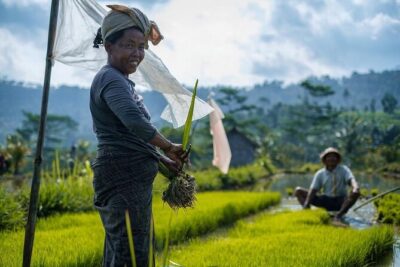
Sidemen Trekking: A Walk from a Different Perspective
Read our review →
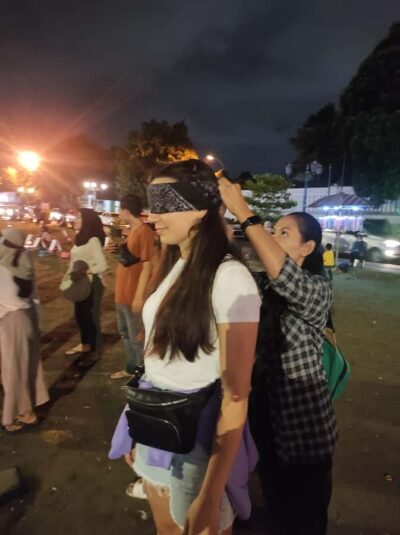
Small-Group Walking and Food Tour by Night in Yogyakarta
Read our review →
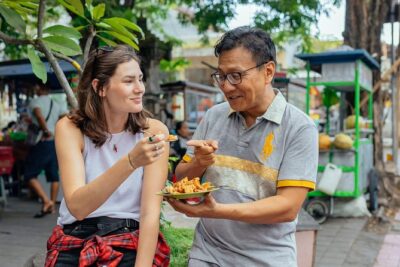
Bali Private Food Walking Tour With Locals: The 10 Tastings
Read our review →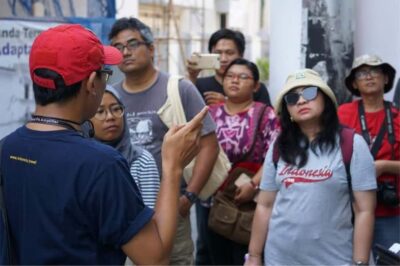
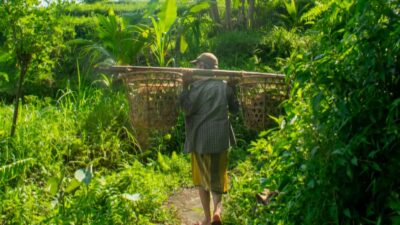
Sidemen Trekking: A Walk from Different Perspective
Read our review →Browse the lists this tour appears in