
Reviewed · COOKING CLASSES
Ubud: Balinese Cooking Class at an Organic Farm
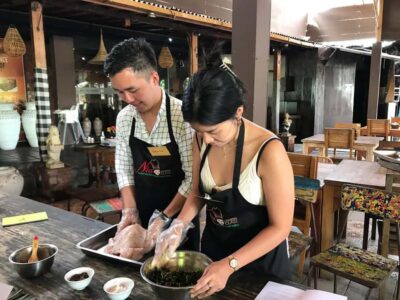
Ubud Balinese Cooking Class at an Organic Farm is interesting because it starts like a real local day, not a staged show. You go from a morning market run into a working organic garden, then you cook in an open-air farm kitchen using ingredients you picked yourself.
I especially love the market-to-farm flow and the way it frames food as daily life. I also like that the class has a clear structure and an end goal you can actually use, a recipe book plus a downloadable PDF. One thing to plan for, the farm is about an hour drive from central Ubud, so traffic can slow you down on the way back after your class.
Key Highlights Worth Marking on Your Map
- Morning market tour (included for morning classes) where you see local ingredients being chosen and traded
- Pick your own produce at an organic farm, then cook what you harvested
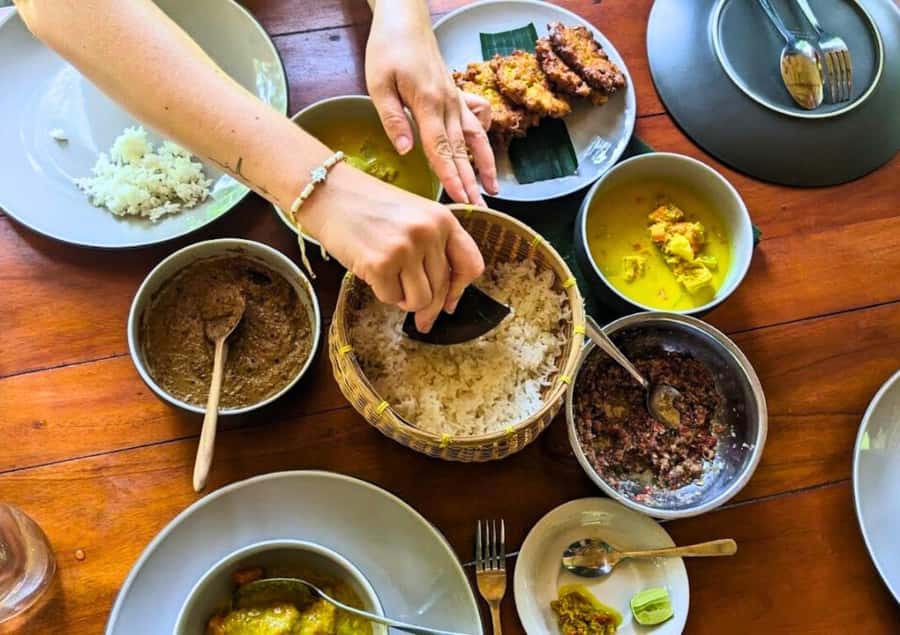
- Six-course Balinese cooking experience with both regular and vegetarian menu options
- Base Gede spice paste as a repeated foundation, so dishes make more sense
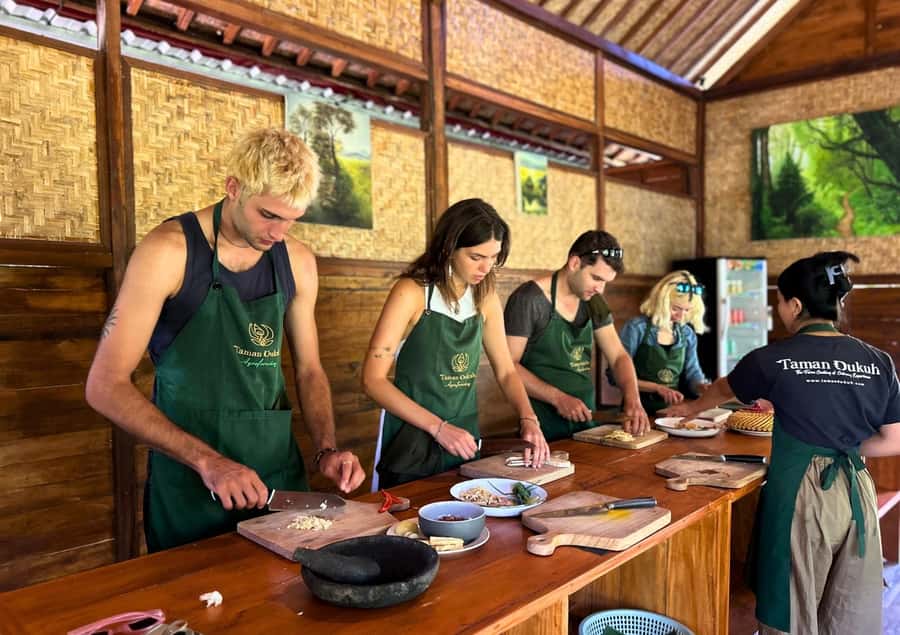
- Small groups with a max of 14 people, plus shared cooking stations (2 people each)
- Take-home recipes in a book and as a downloadable PDF, so you can recreate the food at home
From Ubud Pickup to a Market Morning That Feels Local
Most Ubud food classes stop at a kitchen. This one begins earlier, with pickup from a Ubud meeting point and a drive that can feel like a mini tour in itself. One practical tip from experience with this kind of route: if you want photos without rushing, plan for the fact that the car ride can be part of the day. People often mention passing through rice-terrace areas and small villages on the way up into the jungle.
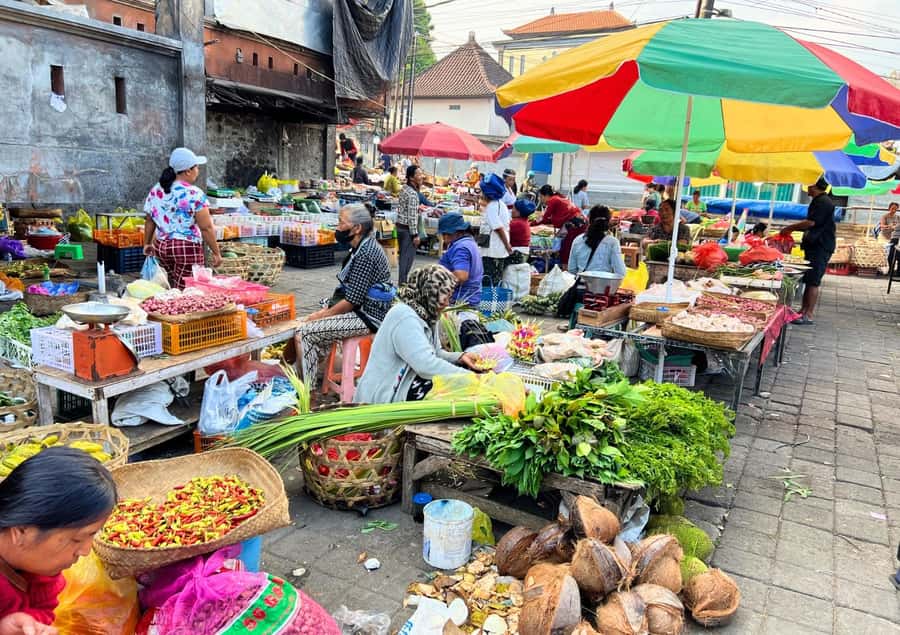
If you book the morning class, you’ll start with a local market tour. This is where the trip stops being just cooking and becomes culture you can taste. You’ll get guided help picking out fruits and vegetables, and you’ll also learn which ingredients show up again and again in Balinese flavor. In the reviews, I saw names like Depi and Buda praised for explaining what you’re looking at and making it make sense, which matters because markets move fast and it’s easy to miss details if nobody explains.
You’ll also get small tastings at this stage, including local fruit. It’s not about stuffing yourself. It’s about training your palate so later, when you’re chopping and pounding, you understand what the ingredients are supposed to do.
Consideration: the market visit is only included for the morning option. If you prefer sleeping in, check which start time you booked before you assume market time is part of your day.
More Cooking Classes in Bali:
- From Ubud: Authentic Cooking Class in a Local Village
★ 4.9 · 1,325 reviews - Seminyak: Balinese Cooking Class & Market Tour
★ 4.9 · 458 reviews - Bali: Private Balinese Cooking Class in a Family Home
★ 4.8 · 87 reviews
The Organic Farm Walk, Harvest Time, and Why It Changes the Food
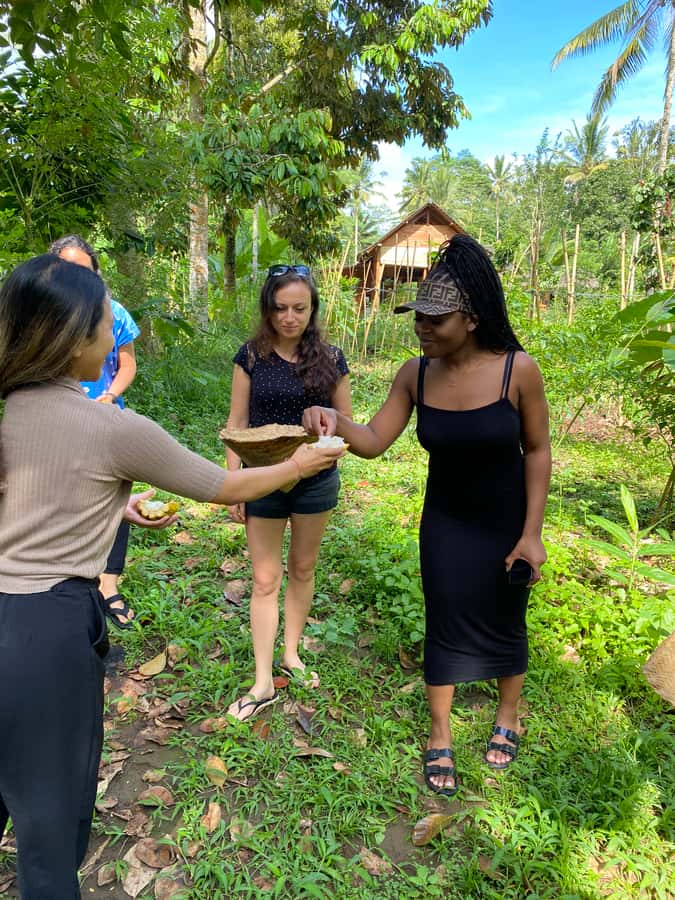
After the market, you head to the organic farm for a premises tour. This part is more than a garden stroll. You’re learning how a local family uses natural resources and grows what they can. That context is the secret sauce for why the class feels different from a typical cooking tour.
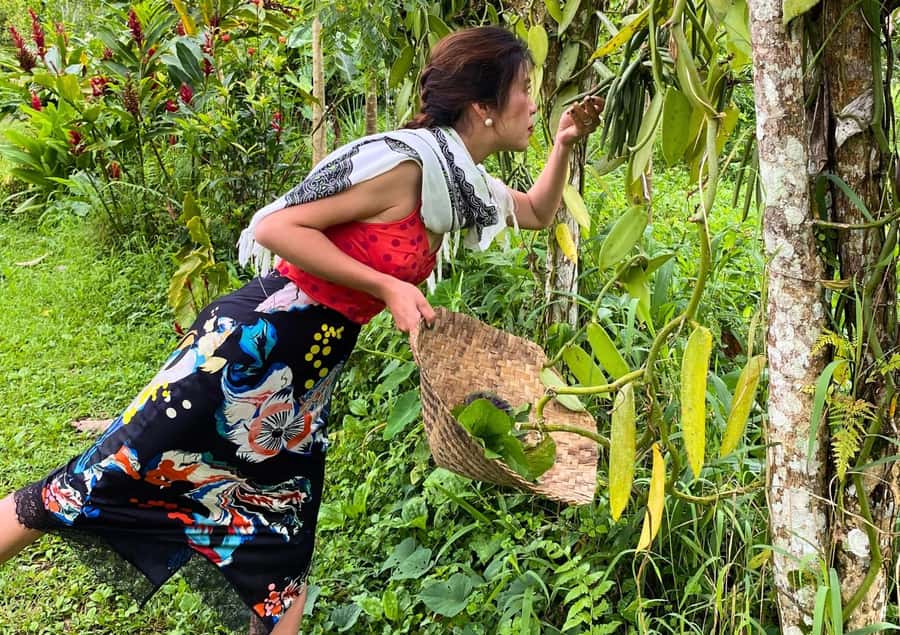
Then comes harvesting. This is the moment you’ll remember even if you forget a single recipe name later. You’ll gather vegetables for your class, and that does two things for your cooking:
- You pay attention. When you pick the produce yourself, you notice texture, ripeness, and smell.
- The flavors feel earned. You can tell what’s fresh, because you saw it grow or at least you handled it moments before cooking.
The farm tour and harvesting are also where smaller-group advantages show up. With a max of 14 people, you’re less likely to feel like a tourist walking through a checklist. You can actually ask questions, and you get more personal attention from your guide and cooking instructor.
A couple of practical notes that come from how these sessions run:
- You’ll be walking around the farm and handling ingredients, so wear comfortable shoes.
- Weather can change the experience. One reviewer mentioned umbrellas being provided during rainy conditions, which is reassuring if Bali weather flips quickly.
Welcome Coffee, Light Breakfast, and Settling Into a Real Working Kitchen
Before the cooking heats up, you’ll arrive, get a welcome coffee or tea, and a light breakfast. This often includes fruit, and sometimes a sweet bite like cake. I like this pacing because it keeps you from arriving hungry and stressed.
Then you’ll get oriented to the cooking setup. This is an open-air farm kitchen, so you’re cooking in a more natural environment than a hotel classroom. It’s part of the charm, and it also means you should expect the rhythm to follow the food rather than a rigid timetable.
One small detail that’s easy to miss when booking: each cooking station is shared between 2 people. That’s not a bad thing, but it does affect how “solo” the experience feels. If you’re traveling with someone, it can be fun. If you’re solo, expect to team up and chat.
How the Cooking Class Actually Runs (And How to Get the Most Out of It)
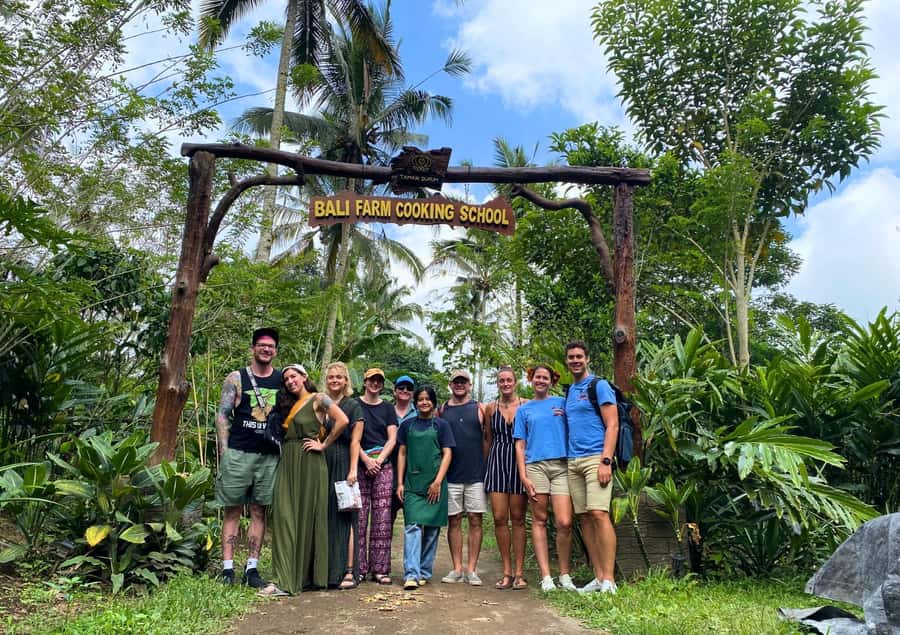
The class has a clear flow: learn, prep, cook, and eat. First, you’ll be introduced to your chef or cooking instructor. In reviews, instructors like Depi, Buda, Wayan, and Wayun are mentioned for being patient and clear, and for keeping energy high without rushing people.
Next, you learn core techniques that repeat across the menu. One big concept is that Balinese cooking often builds flavor in layers. That’s why Base Gede matters. You’re not just making one dish in isolation. You’re learning the logic behind spice paste, coconut, tang, and aromatics.
Then you move through the menu in hands-on steps. You’ll cook multiple dishes yourself, not just watch. Many people also mention having time to enjoy what they cook, not only eating everything at the end.
In a practical sense, this matters for value. You’re not paying for a performance. You’re paying for instruction plus a full meal you prepared.
Something different for the next Bali day:
- Bali: Sunrise Mount Batur Guided Hike with Breakfast
★ 4.8 · 9,660 reviews - Bali: Mount Batur Sunrise Guided Hike and Natural Hot Spring
★ 4.8 · 9,284 reviews - Bali: Full-Day Instagram Highlights Tour
★ 4.8 · 7,817 reviews - Bali/Nusa Penida: East & West Highlights Full-Day Tour
★ 4.7 · 6,263 reviews
Regular Menu: From Base Gede to Sate Lilit
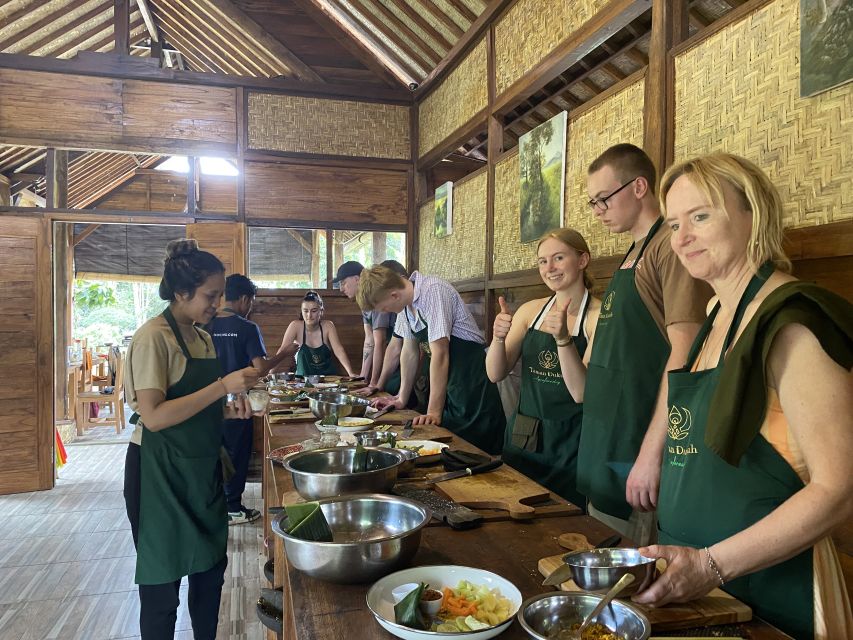
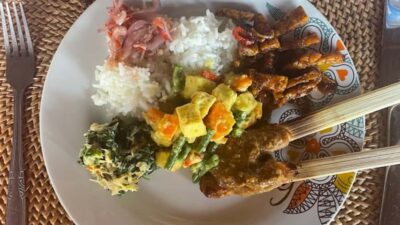
If you choose the regular menu, you’ll cook six Balinese dishes, with savory starters, mains, and dessert. Here’s what you can expect to make:
- Base Gede
This traditional spice paste is the backbone. You’ll learn how to prepare it so later dishes taste cohesive rather than random. Even if you only recreate one paste at home, it can upgrade your cooking.
- Sayur Urab
A mixed green salad with coconut and spices. It’s not just “salad.” It’s a way to learn how coconut and herbs balance bitterness and freshness.
- Opor Ayam
Balinese chicken curry. The flavor lesson here is how curry in Bali can feel fragrant and comforting without being heavy in the same way many Western curries do.
- Sate lilit
Traditional kebab made with meat, coconut, and spice paste. This is a great dish for technique because it pushes you beyond simple frying. It’s also memorable, since it feels more like a Balinese adaptation of sate than the grilled sticks you might expect.
- Pindang base tomat
Fish with tomato sauce. This teaches how acid and seasoning work with fish so it doesn’t get flat.
- Tempe asam manis
Sweet-sour tempe. It’s a reminder that Indonesian flavor often plays with contrast, sweet and tang together instead of separately.
- Dessert: Pisang goreng or Bubur injin
Pisang goreng are banana fritters with coconut and palm sugar syrup. Bubur injin is black rice pudding. Either way, dessert in this class isn’t an afterthought.
Vegetarian Menu: Gado Gado, Opor Tempe, Bergedel, and Vegan Sate Lilit
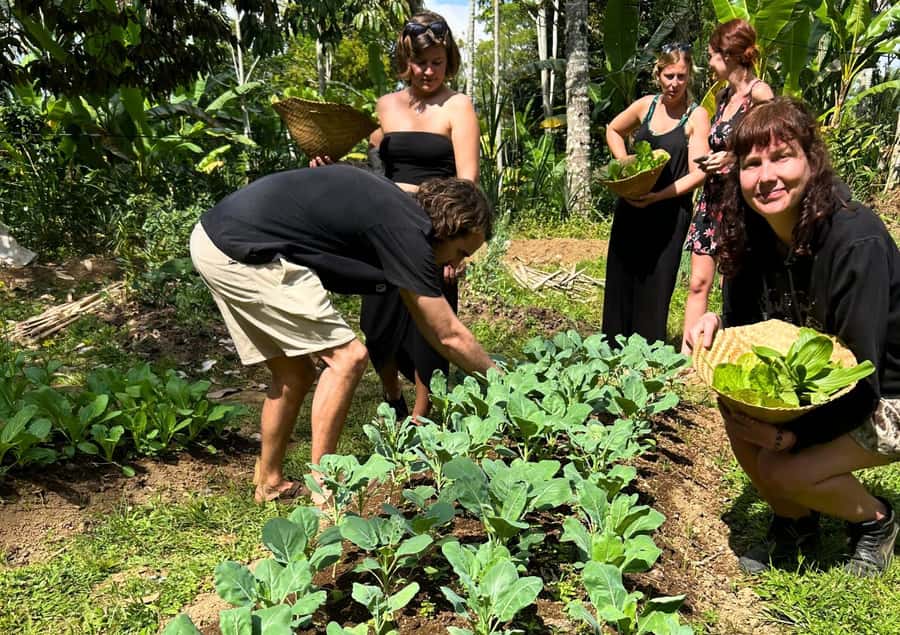
If you select the vegetarian menu, you still get a full six-course experience. The balance shifts to vegetables and plant-based proteins, but the flavor structure stays Balinese.
You’ll start with Base Gede again, which is smart because it makes the vegetarian dishes feel like they belong in the same culinary world as the regular menu.
Then you’ll make:
- Gado gado
Blanched vegetables with traditional peanut sauce. This dish is great for understanding texture, because the vegetables should stay lively while the sauce brings depth.
- Opor tempe
A tempe curry that follows the opor idea in a vegetarian direction.
- Bergedel
Fried corn with Balinese spices. Expect crunch and spice, not something bland.
- Tempe asam manis
Sweet-sour tempe, same concept as the regular menu but a different protein focus.
- Vegan sate lilit
Traditional-style kebab made with jackfruit and spice paste. This is one of the most fun teaching dishes because it shows how Bali adapts texture and umami without meat.
- Dessert: Pisang goreng or Bubur injin
Same dessert choices, so your end reward is still satisfying.
One practical takeaway: if you eat vegetarian, this class isn’t just “one dish swapped.” It has its own lineup and techniques, so you’re not left doing boring sides while others cook the real food.
Eating What You Cook, and Why the Recipe Book Matters
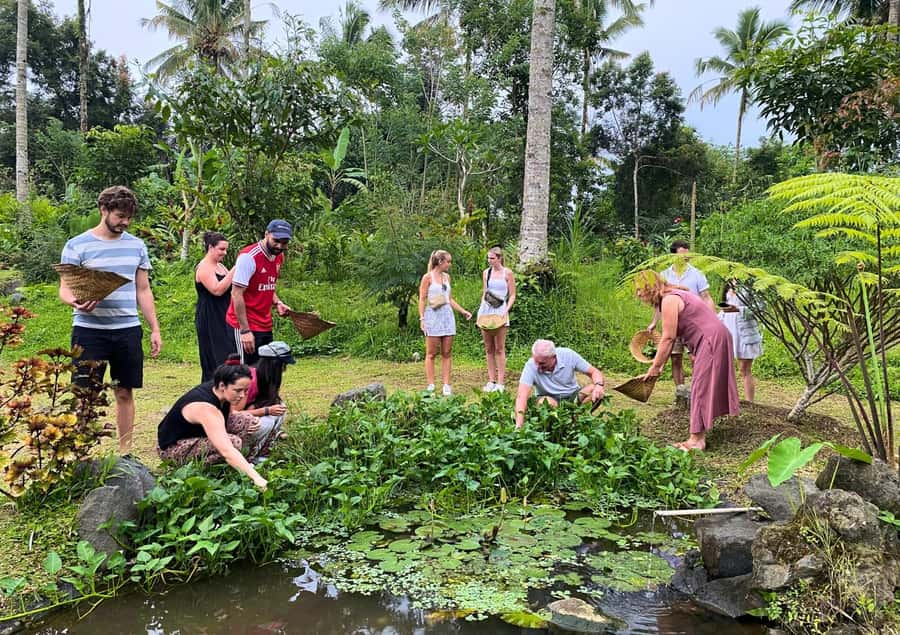
Here’s the part that makes the day worth repeating: you eat the dishes you made. Many people mention the meal is filling, and that the portions and timing let you enjoy food as you go, not only after the final pot is done.
You’ll get a recipe book that you keep, plus a downloadable PDF with the latest recipes. That’s a big deal for making this class practical after you fly home. A good cooking lesson is only half the value if you can’t recreate it. This gives you the structure to do that.
Also, the recipe book approach helps you avoid the most common post-class disappointment: you remember a great flavor, but you can’t match the exact spice proportions. Having written steps and updated recipes makes it easier to do it again without guesswork.
Some hosts also take photos during the experience and send them afterward, and a few people even mention a short video. Not required, but it’s a nice touch because it captures the day without you juggling your phone while chopping garlic.
Price and Value in Real Terms: What $32 Buys You Here
At $32 per person, this isn’t priced like a luxury cooking workshop. You’re buying a full day that includes transportation from Ubud, an organic farm tour, harvesting time, market time (morning option), instruction, and the meal itself.
Let’s translate that into what you get beyond the kitchen:
- You pay for ingredients, not just instruction. Harvesting and preparing multiple dishes means you’re using a lot of real produce and spice paste work.
- You get 6 dishes, not 2 or 3. That’s the easiest way to compare value. If you cook 6 courses, your per-dish cost drops fast.
- You get take-home tools. The recipe book and PDF make the class last longer than a single lunch.
If you love food, this is one of the most cost-effective ways to spend a day in Ubud because it replaces multiple food experiences with one hands-on day.
Timing, Transport to the Jungle, and Planning Around Traffic
The day is about 330 minutes, around 8 hours, depending on the selected session. The key planning point is transport distance. Several reviewers note the farm is about an hour drive from central Ubud, which means:
- the morning can feel full and lively, but
- the return trip can get slow with heavy traffic after you finish.
If you’re staying in Ubud proper, you still might get stuck a bit on the way back, just like you would with any trip around Bali outside peak rural shortcuts. My advice is simple: don’t schedule something tight right after your class. Build in buffer time for the drive back.
Also, because the market is morning-only, choosing morning versus evening isn’t just about sleep. Morning adds a cultural stop and tastings that set up your cooking day.
Who Should Book This Balinese Cooking Class in Ubud
This class is a strong fit if you want:
- a hands-on cooking day (not a demo)
- Balinese dishes you can actually cook again later
- a market and farm setting that feels like day-to-day life
- either regular or vegetarian meals done seriously
It’s especially good for beginners because the class is structured, and the instructors are praised for clear guidance. It can also work for experienced home cooks because learning the Base Gede foundation and techniques like spice paste prep gives you skills that transfer.
It’s not suitable for wheelchair users, and pets are not allowed.
The Quick Decision Check: Should You Book This One
Book it if you want the most authentic Ubud cooking day you can get for the money, with real ingredients and a full meal you cook yourself. If you love markets, this is a top pick because the morning market visit and fruit tastings add context that most cooking classes skip.
Skip or rethink if you have limited time and can’t handle a long day or a drive that may slow on the return. Also, if shared cooking stations sound stressful, plan to enjoy the teamwork element instead.
FAQ
How long is the Ubud Balinese cooking class?
The experience runs about 330 minutes, which is roughly 8 hours.
What is included in the price?
You get shuttle from the Ubud meeting point, a local market tour for morning classes, an organic farm tour, harvesting ingredients, a hands-on cooking class, mineral water and coffee or tea during the class, meals you cook, and a recipe book plus a downloadable PDF.
Is the market tour included in every session?
The local market tour is included for the morning class only.
What dishes will I cook?
You’ll cook 6 Balinese meals. For the regular menu these include Base Gede, Sayur Urab, Opor Ayam, sate lilit, pindang base tomat, tempe asam manis, plus dessert (either pisang goreng or bubur injin). For the vegetarian menu you’ll cook Base Gede, gado gado, opor tempe, bergedel, tempe asam manis, vegan sate lilit (jackfruit-based), plus dessert.
Are the groups large?
No. It is a small group experience with a maximum of 14 people. Each cooking station is shared between 2 people.
Do you get a recipe book to take home?
Yes. You keep a recipe book, and you also get a downloadable PDF of the latest recipes.
Is it wheelchair accessible?
No, it is not suitable for wheelchair users.
Can I cancel and still get a full refund?
Yes. Free cancellation is available up to 24 hours in advance for a full refund.
Are pets allowed?
No, pets are not allowed.
Newest reviews out of Bali
- Bali: Mount Batur Sunrise Hike Including Transfer & All Cost★ 4.8 · 39 reviews
- North Bali: Ulun Danu, Waterfalls, Swing and Monkey Forest★ 5.0 · 39 reviews
- Ubud: Traditional Balinese Painting Class★ 4.2 · 40 reviews
- Bali: Canyon Tubing Adventure★ 4.8 · 40 reviews
- Bali: Jatiluwih Rice Terraces 1 Hour Electric Bike Tour★ 4.7 · 41 reviews
- Bali: 3-Day Private Gili Islands Snorkel Tour with Hotel★ 4.2 · 44 reviews
- Bali: Penglipuran Village, Rice Terrace & Waterfall Tour★ 5.0 · 46 reviews
- Ubud: Kanto Lampo Waterfall, Art Market, Cretya & Tanah Lot★ 4.8 · 47 reviews
Cooking Classes, compared.
Cooking Class with Transfers and Optional Market Visit
Read our review →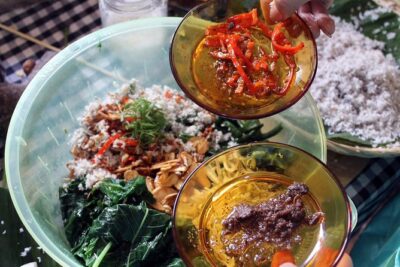
PRIVATE Authentic Balinese Cooking Class in Ubud at Putu’s Home
Read our review →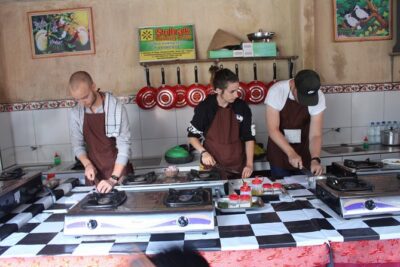
Balinese Ubud cooking school (9 Dish Cooking and Market Tour)
Read our review →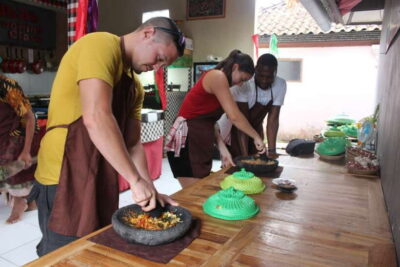
Browse the lists this tour appears in