
Reviewed · COOKING CLASSES
Bali: Private Balinese Cooking Class in a Family Home
This is the kind of Bali day that swaps the usual sightseeing loop for real life skills, cooking in a traditional family home and learning Balinese flavor the way locals do. I especially like the market stop where you pick fresh ingredients, because you can actually taste the difference later, not just see it. You can also choose a full Standard or Vegetarian menu, so you are not stuck with a one-size-fits-all approach.
One consideration: the class time is about 4 hours, but the total day can feel longer because door-to-door travel may be 2 hours or more each way depending on where your hotel is. Another watch-out is language mix in the household setting, since some family members may not speak English as fluently, even when your main guide is great.
Key things I’d circle before you book
- A real local market visit to choose ingredients before you cook
- 5 to 6 recipes, hands-on, not just watching
- Two breaks for tropical fruit plus Loloh Cem Cem, a famous homemade herbal drink
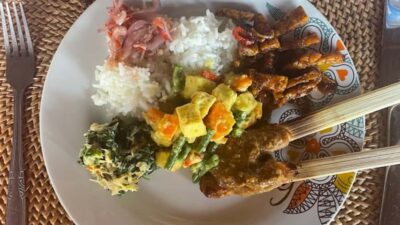
- Balinese classics made from scratch, including sate lilit bawi and pepes ikan (or vegetarian versions)
- Lunch together in a family setting, with leftovers you can take home
- Optional add-ons that can turn the day into massage and coffee too
What “private cooking in a family home” means in Bali
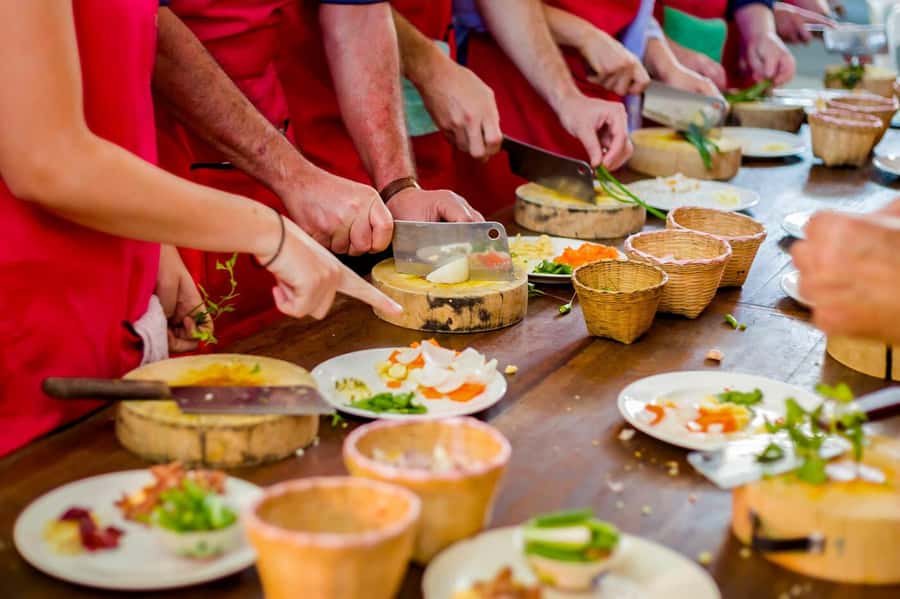
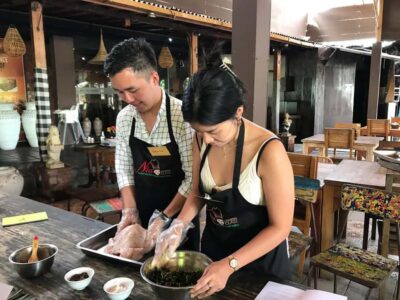
This is not a big restaurant kitchen class. You are taken to a traditional Balinese family home, where the workflow and the pace feel more like visiting someone you respect than attending a staged show. The instructor prepares some dishes for demonstration, then you move to the stove and do the work yourself with tips and assistance.
It also means you should show up ready to follow house rules. This setting is all about respect, so dress neatly, move quietly in shared spaces, and listen when your guide explains what to do and where to stand. One big benefit: you get a cultural layer that goes beyond food, because you are living inside local routines for a few hours.
A final practical note: this is listed as hands-on, and reviews back that up. Many people highlight the calm, welcoming vibe with guides like Indah, Sana, Nyoman, and Putu helping make the day feel personal.
More Cooking Classes in Bali:
- Ubud: Balinese Cooking Class at an Organic Farm
★ 5.0 · 1,786 reviews - From Ubud: Authentic Cooking Class in a Local Village
★ 4.9 · 1,325 reviews - Seminyak: Balinese Cooking Class & Market Tour
★ 4.9 · 458 reviews
The 6-hour timeline, and how to plan your day without stress
The total activity runs about 6 hours, with options in the morning or afternoon. The cooking portion is described as a fun, interactive 4-hour cooking class, and that lines up with how the day is structured: market first, prep and demo, then the stoves, then eating.
You should expect two breaks during the class where you sample fresh tropical fruit and Loloh Cem Cem, the herbal drink that shows up in Balinese everyday life. Those breaks matter because Balinese cooking is spice-forward and ingredient-heavy, so you get a reset instead of going stove-to-stomach nonstop.
Timing is where you need to be smart. Reviews include examples of long drives, including people noting around 2 hours on the road each way from places like Seminyak and Nusa Dua. If you are staying in a farther resort zone, you may want to treat this as a half-day trip with extra travel buffer, not a quick add-on.
Hotel pickup and the ride to East Ubud or Bangli area
The tour includes hotel pickup and drop-off, and it is handled in a private format for your group. That reduces friction, but it does not remove the reality that many family-home locations are outside the busiest tourist strips.
In multiple experiences, the cooking class happens in the east Ubud side and sometimes around Bangli, which helps explain why some guests report longer transit times. If you are short on time, check your hotel location before you commit, and plan your other activities around the ride, not just the cooking.
Market visit: where your dinner starts, and why it matters
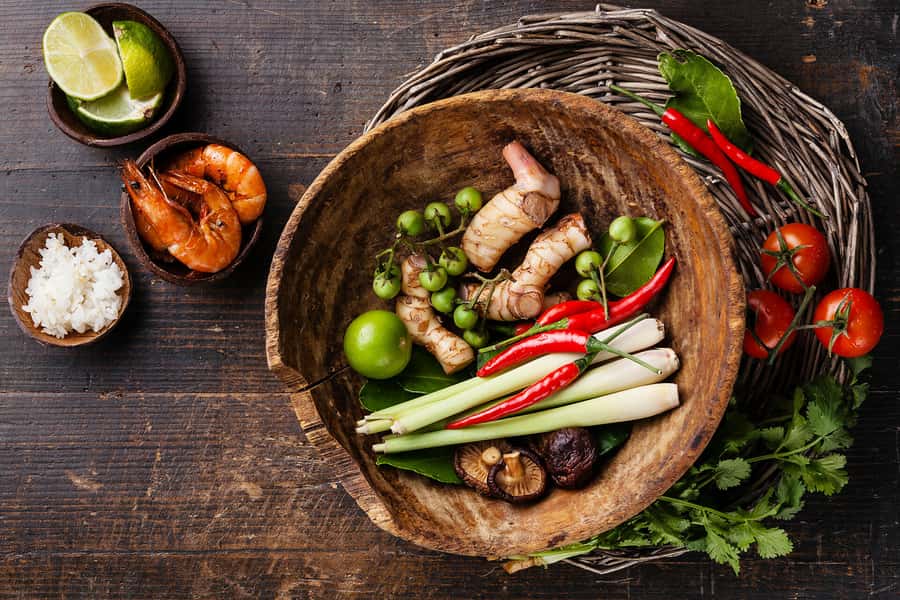
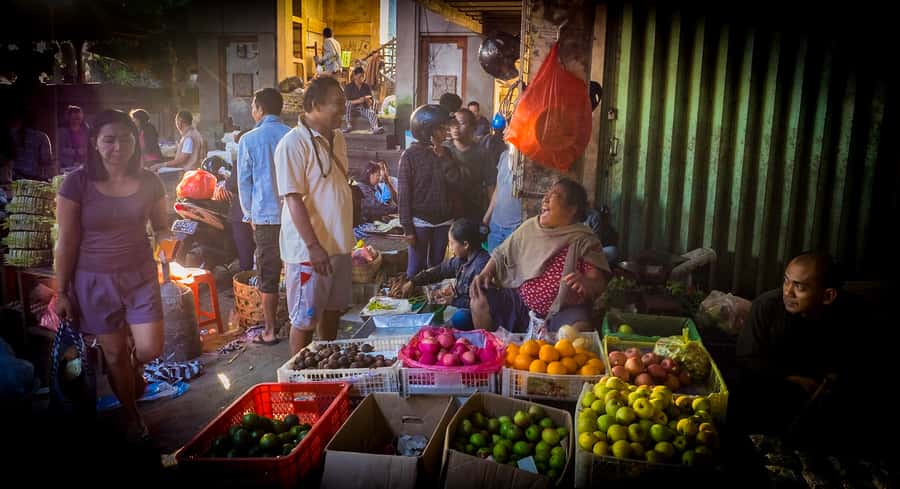
You get a local market visit before you cook. You pick ingredients, which turns the class from a recipe lesson into a sensory education. When you learn which herbs smell like what, which chilies bring heat, and which fish or produce fits the dishes, you gain real cooking instincts you can use later.
Market availability can vary depending on time of day and local regulations, so the market layout might not always look identical. But the goal stays the same: you see how ingredients are chosen, and you understand how Balinese meals depend on fresh, aromatic components.
This is also where your guide’s personality really shows. Reviews consistently call out guides like Indah and Sana for making the market stop more than shopping, with clear explanations and a friendly pace.
Something different for the next Bali day:
- Bali: Sunrise Mount Batur Guided Hike with Breakfast
★ 4.8 · 9,660 reviews - Bali: Mount Batur Sunrise Guided Hike and Natural Hot Spring
★ 4.8 · 9,284 reviews - Bali: Full-Day Instagram Highlights Tour
★ 4.8 · 7,817 reviews - Bali/Nusa Penida: East & West Highlights Full-Day Tour
★ 4.7 · 6,263 reviews
Welcome drink, chef demo, then you take over the stove
After the market, you head back to the cooking space for a welcome drink and a cookery demonstration. Your instructor prepares dishes while you watch, but the class is designed so that watching is only step one.
Then you shift into hands-on mode. You will have a fully-equipped workspace and tools, and you use an apron as part of the included kit. Expect lots of practical guidance, especially during prep. One recurring theme from reviews is that the “secret” is often in technique, like how fine you chop certain ingredients.
Diet check matters here. The menu can include spices, peanuts, soy, and animal products in the Standard menu. If you have allergies or dietary restrictions, tell the team before the class. Also note that the activity is not suitable for people with food allergies.
The menu: what you actually cook (Standard or Vegetarian)
The class is built around 5 to 6 recipes, and you choose between two menu tracks ahead of time: Standard Non-Vegetarian or Vegetarian.
Standard Non-Vegetarian menu items you may cook
- Basic Yellow Sauce and Peanut Sauce with Vegetable
- Sate Lilit Bawi (charcoal grilled pork sticks)
- Pepes Ikan (fish cooked in banana leaves with herbs and spices)
- Chicken Kare (Balinese fried chicken)
- Lawar Bali (a mix of vegetables, coconut, meat, herbs, and spices)
- Mie Goreng (fried noodles)
- Kolak Pisang (braised banana in palm sugar gravy)
Vegetarian menu items you may cook
- Basic Yellow Sauce and Peanut Sauce with Vegetable
- Balinese Vegetables Soup (Balinese green curry style)
- Pepes Tempeh (tempeh in banana leaves with herbs and spices)
- Tempeh Manis (stir-fried tempeh with sweet soy sauce)
- Gado Gado (vegetable salad with peanut dressing)
- Kolak Pisang (same dessert track)
A small but important reality: the description lists more dishes than the “5 to 6 recipes” number, so not every listed item is guaranteed in your personal session. Still, you can expect a blend of savory mains, sauces, and at least one sweet finish.
How Balinese flavors show up in the cooking process
What I like about this class is that it teaches flavors that are hard to fake at home. You work with sauces that act like a foundation, then you build dishes around grilling, wrapping, frying, and braising.
A few examples of what you are learning in practice:
- Two foundational sauces (yellow and peanut) that help you understand how Balinese meals balance savory, nutty, and spice.
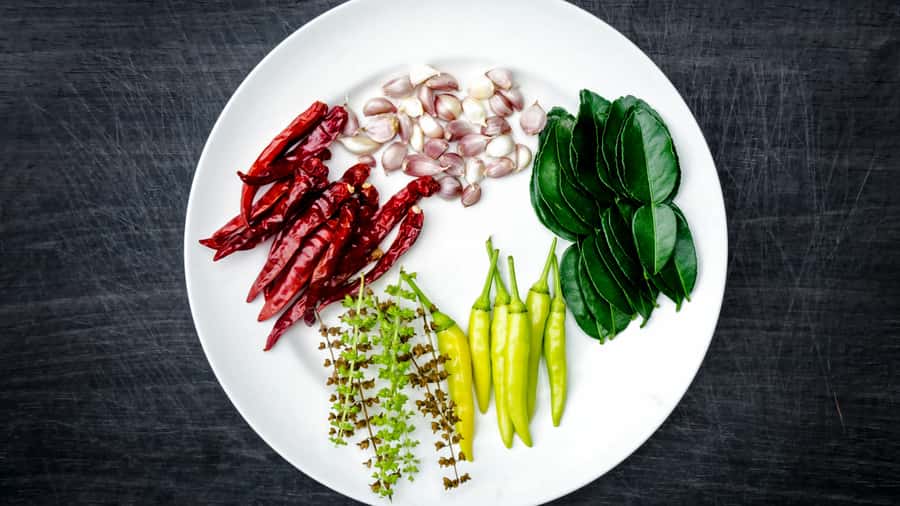
- Pepes style cooking, where banana leaves trap aroma and moisture. You are not just learning a recipe, you are learning a cooking method.
- Sate lilit grilling, where the texture and seasoning matter because it is grilled directly, not served as simple skewer meat.
- Lawar style mixing, where herbs, coconut, and vegetables come together in one bowl, and technique affects the final texture.
You also get a broader sense of why meals are built the way they are. Balinese cuisine leans into aromatics, herbs, and sauces. Once you handle the ingredients yourself, it becomes easier to recreate the vibe later.
Lunch at the table, plus leftovers for later
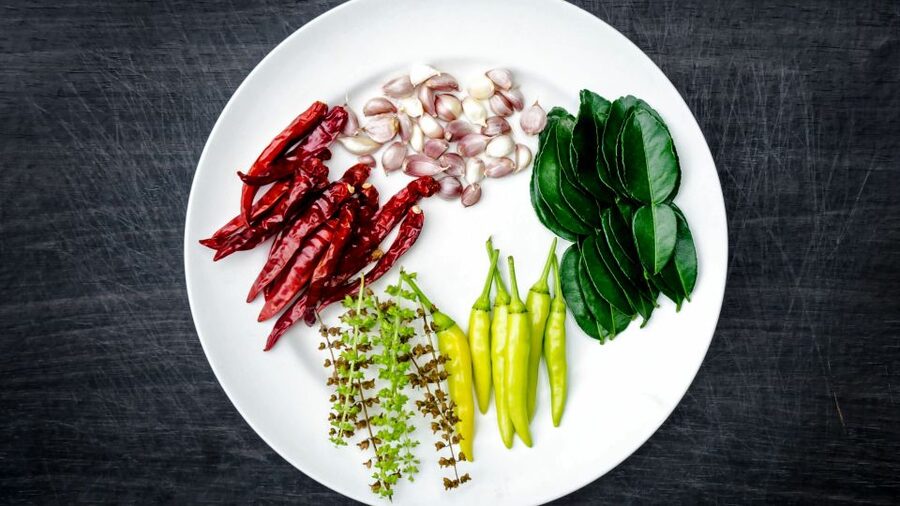
After cooking, you move to the dining area and eat in an informal atmosphere. This is your chance to taste what you made while it is still fresh and to ask questions about what you felt while cooking.
One standout in the highlights: you can take the rest of your dishes home. That is a small thing that makes a big difference. It turns your day into an actual pantry win, not just a one-time meal experience.
Optional add-ons that can turn a cooking class into a full Bali day
This class includes a few optional extras, and some options depend on your session. The big ones are:
- Traditional massage: 1-hour or 2-hour options
- Luwak coffee tasting
- Jungle Swing + coffee
- Polaroid camera with 10 photographs (if selected)
- Language support add-ons: female guide or German-, Japanese-, or Korean-speaking guide (selected options)
If you want the most value, pick add-ons that match your energy. Massage makes sense if you are doing a lot of walking in Bali already. Coffee tasting and Jungle Swing fit better if you like mixing food culture with a bit of Bali activity.
A note for reality checks: some guests mention extra stops along the way in the storytelling of their day, so your guide may shape the route with relevant cultural stops, especially when integrating coffee.
Guides and family hospitality: names you may hear, and why they matter
The most praised part of this experience is the human factor. Many reviews highlight a welcoming family environment and guides who make the day feel respectful, not rushed.
You will likely be guided by someone like Indah, Sana, Nyoman, Putu, Wayan Sana, Sambe, or Dayu, and several mention that the guide explains culture and traditions while driving and during the cooking stop. People also describe being treated like a temporary family member, with warm starts like coffee and local sweets, then calm collaboration in the kitchen.
Language can vary inside the home. One experience notes that a household member did not speak much English, so the guest cooked and ate well but learned less from household explanations. The guide still helped, which is why it helps to choose an add-on if language support is important for you.
Price and value at about $52 per person
At $52 per person, this class feels like strong value if you care about three things: transport convenience, real cooking time, and ingredients included.
Here is the math that matters:
- You get hotel pickup and drop-off
- The class is private
- Ingredients are included
- You cook 5 to 6 dishes
- You get tools and an apron
- You eat what you make, and you can take leftovers home
So you are paying for more than a recipe sheet. You are paying for access to a family kitchen, instruction, and ingredient handling that would take you hours to set up on your own. Optional extras like massage and coffee tasting can increase the total, but the base experience already covers a full meal day.
The only “cost” that shows up for some guests is time due to travel. If you are far from the pickup, budget your schedule as if this is a main activity, not a quick evening detour.
Who should book this, and who should skip it
This is a great fit if:
- You want hands-on Balinese cooking, not passive watching
- You like market experiences where you choose ingredients
- You care about food plus culture in a traditional family setting
- You are comfortable cooking with spices and ingredients that might include peanuts and soy
Consider skipping if:
- You have food allergies (the activity is listed as not suitable)
- You need wheelchair access (it is listed as not suitable)
- You are bringing kids under 10 (it is listed as not suitable for children under 10)
- You hate long car rides and time gaps, because travel from some hotels can be lengthy
Also think about expectations. This is a cooking class where you get your hands working. If you wanted a lecture-heavy food history lesson, you might find the stove time is the point.
Quick tips to get the most out of your Balinese cooking day
- Wear clothes you can move in, since you will stand, chop, and cook.
- Bring a little patience for the schedule. Market and travel can shift slightly with the day’s conditions.
- Tell your guide about allergies and restrictions early, since some dishes include peanuts, soy, animal products, and strong spices.
- If you want extra language support, look at add-ons like a female guide or German-, Japanese-, or Korean-speaking guide.
Should you book this private Balinese cooking class?
I’d book it if you want a Bali day that feels like you actually learned something you can repeat, and you like food that is built from herbs, sauces, and technique. The combination of a market ingredient start, hands-on stove time, and leftovers to take home makes it feel worth it, even with the occasional long drive.
I’d think twice if your schedule is tight, you are staying very far from East Ubud or Bangli area, or you need strict mobility access. Also, if you have food allergies, this is not the right match based on the suitability rules.
If you match the style, this is one of those experiences where the best souvenir is not a photo, it is dinner you cooked yourself.
FAQ
How long is the Bali private Balinese cooking class?
The total activity is listed as 6 hours. The hands-on cooking portion is described as a 4-hour cooking class.
Do I get a private group for this class?
Yes. The experience is a private group cooking class.
Is the market visit included?
Yes. A local market visit is included before the cooking session.
Can I choose a vegetarian menu?
Yes. You can select either the Standard Non-Vegetarian menu or the Vegetarian menu before the class.
Will I eat what I cook, and can I take leftovers home?
Yes. You’ll cook, then enjoy the dishes you prepared in an informal dining area. You can also take the rest of your dishes home after the class.
What add-ons are available?
Optional add-ons can include traditional massage (1 hour or 2 hours), Luwak coffee tasting, Jungle Swing + coffee, and language or guide options (like a female guide or German-, Japanese-, or Korean-speaking guide). A Polaroid camera with 10 photographs is also listed as an add-on.
Is this class suitable for kids?
It is listed as not suitable for children under 10. Children must be accompanied by an adult throughout the activity.
Is this tour refundable if plans change?
It offers free cancellation up to 24 hours in advance for a full refund. It also lists a reserve now, pay later option for flexibility.
Newest reviews out of Bali
- Bali: Mount Batur Sunrise Hike Including Transfer & All Cost★ 4.8 · 39 reviews
- North Bali: Ulun Danu, Waterfalls, Swing and Monkey Forest★ 5.0 · 39 reviews
- Ubud: Traditional Balinese Painting Class★ 4.2 · 40 reviews
- Bali: Canyon Tubing Adventure★ 4.8 · 40 reviews
- Bali: Jatiluwih Rice Terraces 1 Hour Electric Bike Tour★ 4.7 · 41 reviews
- Bali: 3-Day Private Gili Islands Snorkel Tour with Hotel★ 4.2 · 44 reviews
- Bali: Penglipuran Village, Rice Terrace & Waterfall Tour★ 5.0 · 46 reviews
- Ubud: Kanto Lampo Waterfall, Art Market, Cretya & Tanah Lot★ 4.8 · 47 reviews
Cooking Classes, compared.
Cooking Class with Transfers and Optional Market Visit
Read our review →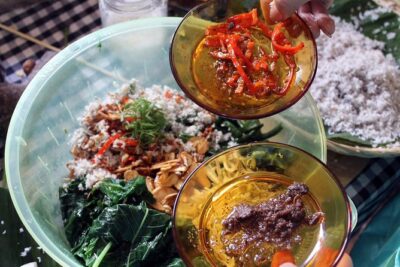
PRIVATE Authentic Balinese Cooking Class in Ubud at Putu’s Home
Read our review →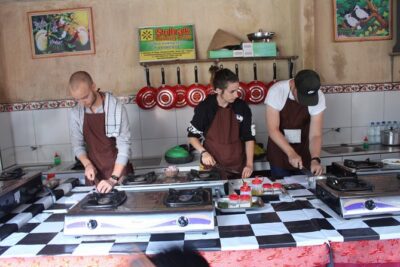
Balinese Ubud cooking school (9 Dish Cooking and Market Tour)
Read our review →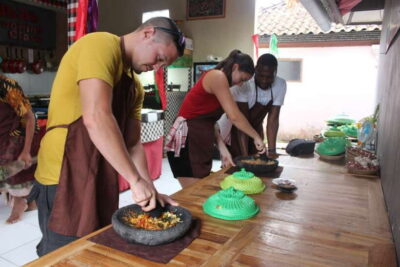
Browse the lists this tour appears in