
Reviewed · WALKING TOURS IN YOGYAKARTA
Yogyakarta: The Oldest Neighborhood Walking Experience
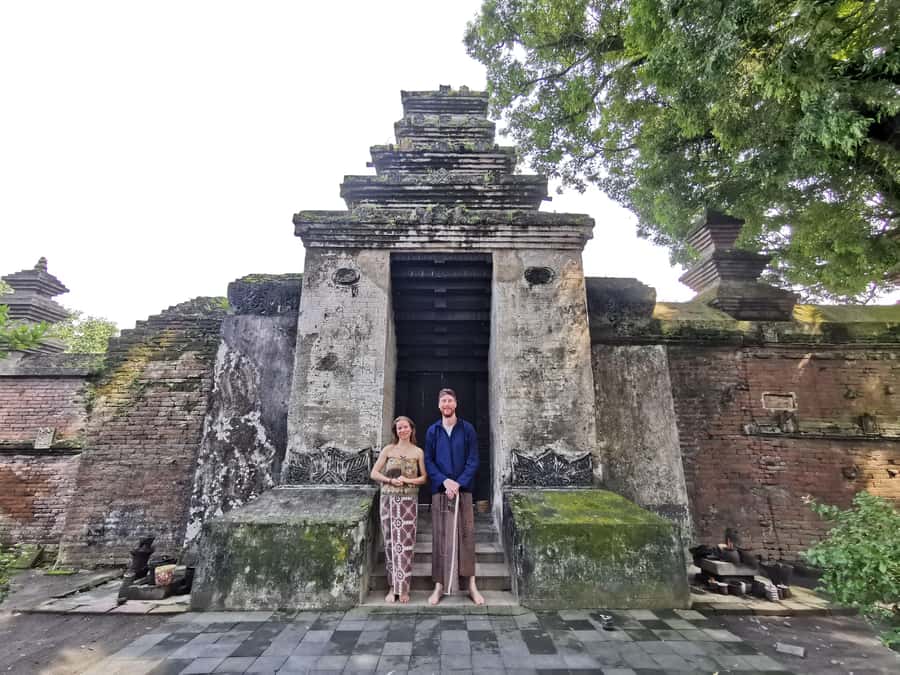
Kotagede is one of those Yogyakarta places that feels everyday, not staged. I love how the walk spotlights Joglo old houses while you’re still among the people who live their lives here, and I love that you get local tastings (not just sightseeing photos). The only drawback is this is a real neighborhood walk, so the sun and sidewalks can feel tiring if you’re not used to short, steady walking.
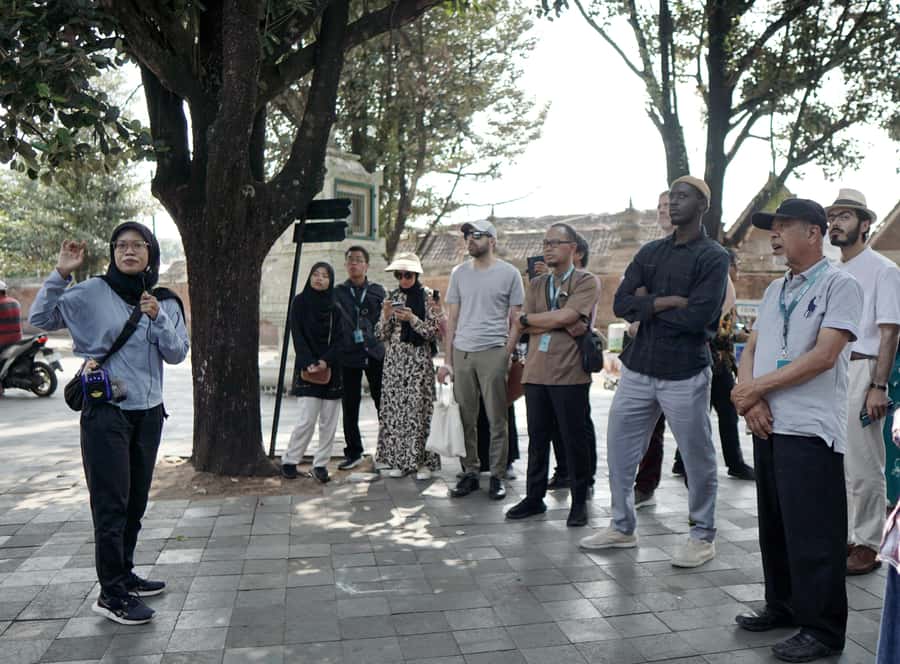
You go with a live English guide, Luthfi Eviani, in a small group capped at 10. That size matters, because you can actually ask questions and get real answers, including what you’re seeing and what it means to Javanese daily life. Do wear good shoes, because you’ll cover a fair bit in just 2 hours.
If you want a Yogyakarta experience that feels like you’re borrowing someone’s local street knowledge, this is it. You’ll move through Kotagede’s older lanes, meet local folks along the way, visit multiple historical sites tied to the 16th-century Mataram Islam Kingdom, and fill the gaps with spontaneous things worth stopping for. Just plan for warm weather and pack for it.
Key points that make this Kotagede walk worth your time
- Joglo houses up close, with explanations that make the architecture feel practical, not decorative
- Snacks, dessert, and drinks that fit right into the neighborhood routine
- Direct conversation with local Javanese, guided so you can understand what you’re seeing
- Ticketed stops connected to the 16th-century Mataram Islam Kingdom era
- Traditional cloth experience included, so you don’t just watch culture, you handle it
- Small group of 10, which keeps the pace friendly and questions easy
Kotagede’s oldest lanes, and why the Joglo houses matter
Kotagede is often described as the oldest neighborhood area in Yogyakarta, and what you feel on the ground is the point. Instead of racing through big attractions, you’re walking inside a living residential setting where old forms still shape daily life.
The headline feature is the Joglo house style. Even if you don’t know building terms, you’ll likely notice the way these homes are arranged around a traditional layout. With your guide, you’ll get context on what the house type represents and why it’s still relevant here. It helps that you see these structures from the street, not behind a fence you never approach.
This is also why the interaction piece works. When you’re physically among local people, questions become natural. Your guide can translate not just language, but intent, so you can ask about daily routines, what’s important in the area, and what certain objects or spaces are used for.
Possible consideration: because this is not a theme park route, you should expect the walk to be flexible. If your ideal day is perfectly timed stops, you may find the “impromptu” moments a little unpredictable.
More Walking Tours in Yogyakarta
- Yogyakarta: Nighttime Walk and Food Tour
★ 5.0 · 401 reviews - Small-Group Walking and Food Tour by Night in Yogyakarta
★ 5.0 · 313 reviews - Yogyakarta: Guided City Walk and Food Tour
★ 4.9 · 278 reviews
Starting at the huge tree: your first 10 minutes set the tone
Your guide meets you close to a huge tree at the parking area. It’s simple, but it’s worth arriving a bit early. In neighborhood areas, that first minute is the difference between starting calm and starting stressed.
Expect a quick orientation before the walk takes off. This is when you’ll learn how the route moves through Kotagede and what to focus on. If you’re sensitive to heat, this is also the moment to settle your plans for shade, water, and breaks.
Because the tour is in English, the guide can point out details as you go. That matters for two reasons. First, you avoid feeling like you’re just passively following. Second, you’re more likely to actually notice the small stuff: shop rhythms, home details, and who’s doing what at a given time of day.
Group size is capped at 10, so you won’t feel like you’re stuck behind a crowd. That tends to create better conversations, especially when local people are nearby and your guide can coordinate the moment without rushing anyone.
The core walking loop through Kotagede’s old neighborhood feel
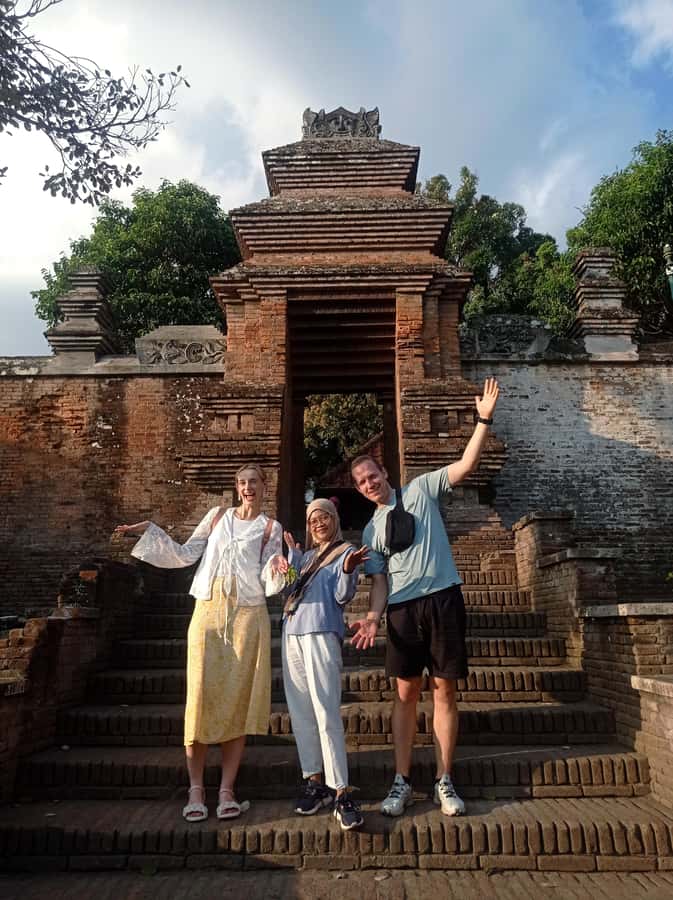
Most of the experience centers on strolling around Kotagede, taking in older houses, side streets, and neighborhood corners where life is visible. You’re not just walking past things, you’re learning how to see them.
Here’s what usually makes this kind of route satisfying:
You get a sense of geography, not just landmarks. Streets in older districts tend to funnel you through the community the way locals might move. You start to understand why certain areas feel connected, and why some spaces are practical for daily life.
You also get a better rhythm for spotting the “story clues.” For example, you might notice how a building’s design relates to privacy, entry space, or family use. You might notice small shops and food stalls appear where you can pause without disrupting the neighborhood flow.
The walk also builds in time for meeting locals directly. With Luthfi Eviani, you’re not left to guess cultural etiquette. She helps you ask questions in a way that feels respectful and understandable.
Practical note: you’re in an environment where sidewalks can be uneven. Comfortable shoes are non-negotiable, especially if you’re traveling in rainy season conditions where surfaces can get slick.
Mataram Islam Kingdom era stops: how the past shows up in real space
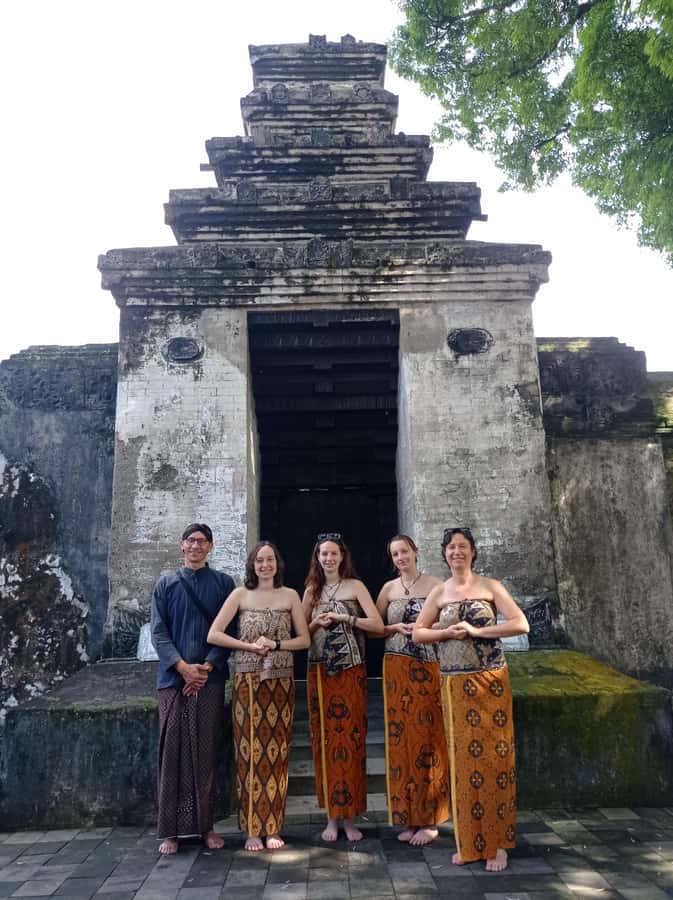
One of the key promises of this experience is visiting several historical sites connected to the Mataram Islam Kingdom era from the 16th century. These aren’t presented as distant facts in a classroom. The value is that history is tied to the physical neighborhood.
You’ll move from place to place with entry tickets included, which signals that these aren’t just viewpoints. Each site adds a layer to the story of how the area developed and why specific locations matter.
What I like about this structure is the pacing. With only 2 hours, you need focused stops, not a long list of random photo spots. By the time you finish, you should understand how the neighborhood fits into a broader historical timeline, and how the architecture and community layout relate to that story.
The tour also includes impromptu moments. Sometimes those become the most memorable parts, because they’re tied to what’s happening right then. You might stop because something relevant to the neighborhood’s culture is taking place, or because your guide can explain an object you would otherwise overlook.
Possible consideration: because multiple sites are ticketed, you should bring the small patience needed for short transitions. You’re moving, entering, and learning in a tight time window.
Something different for the next Yogyakarta day:
- Yogyakarta: Borobudur sunrise(guarantee climb up)& Prambanan
★ 4.9 · 1,545 reviews - Borobudur Sunrise from setumbu Hill , Merapi Volcano & Prambanan Full Day Tour
★ 5.0 · 1,030 reviews - Yogyakarta: Jomblang Cave and Pindul Cave all inclusive Trip
★ 4.9 · 854 reviews - Yogyakarta: Borobudur and Prambanan Temples Guided Tour
★ 4.9 · 828 reviews
Snack stops in Kotagede: local tastes you can’t fake
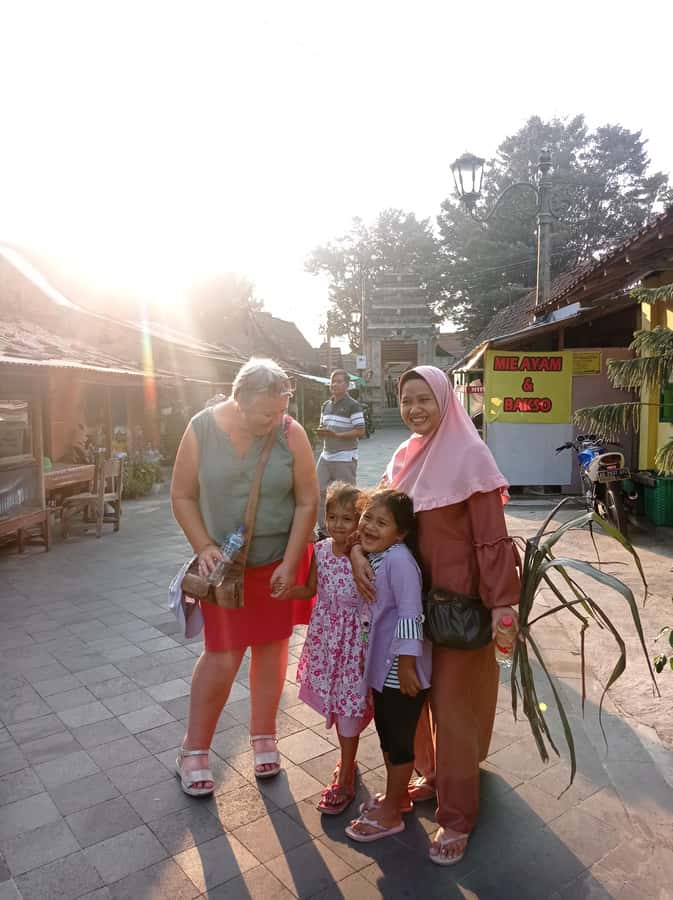
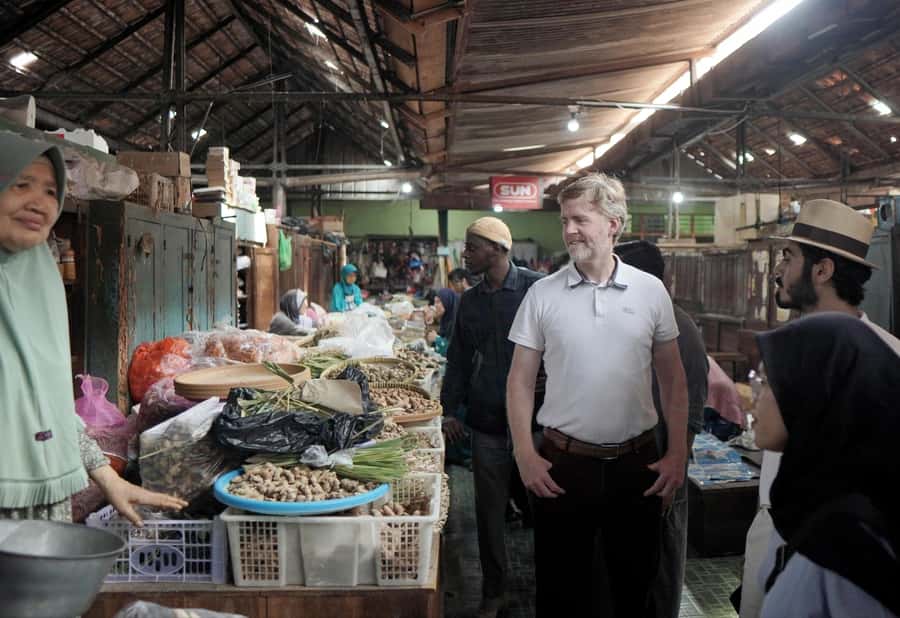
If you care about food culture, this is one of the best reasons to choose this walk. You’ll taste very local snacks, plus dessert or drinks as part of the route. Mineral water is included too, which is handy when the heat turns your “quick stroll” into a hydration mission.
The point here isn’t just taste. It’s learning how food works inside the neighborhood day. With the guide’s help, you can usually connect what you’re eating to the people selling it, the timing, and the reason it fits here.
From the way the tour is guided, you may also end up sampling a special local drink or getting recommendations for what pairs well with other snacks. Even if you’re a cautious eater, you can likely choose small portions so you get the experience without overcommitting.
This is also where conversation becomes easy. Food is a safe topic. You can ask what ingredients mean, what’s popular, and why certain items show up in local routines.
Practical tip: if you’re the type who loves trying everything, you’ll still want to pace yourself. Two hours goes fast, and you’ll likely be walking right after tastings.
Traditional cloth experience: handling culture, not just watching it
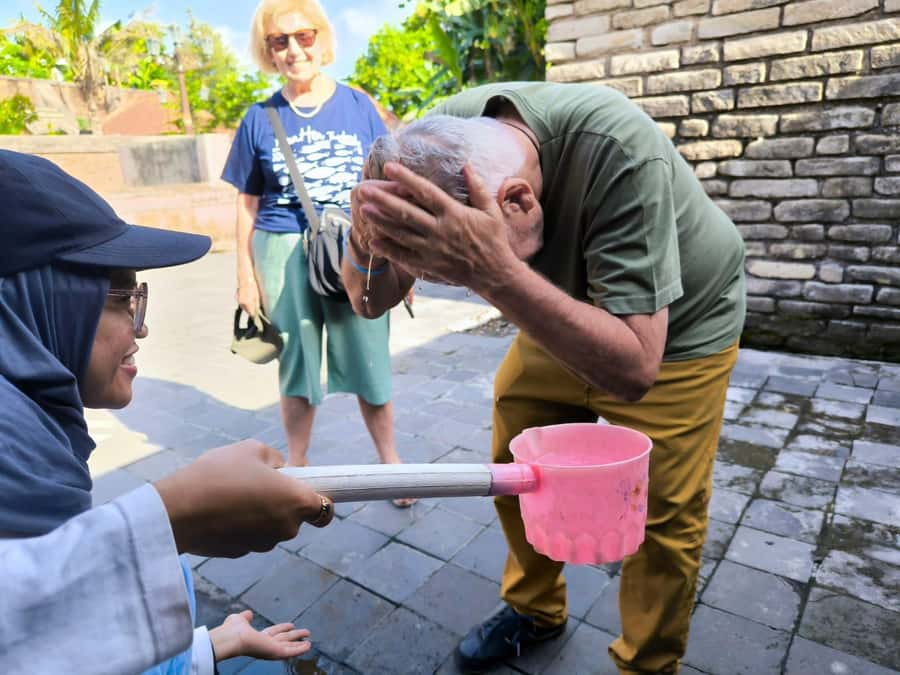
Another standout included activity is a traditional cloth experience. That’s a big deal because it turns “culture appreciation” into a physical interaction, which helps the information stick.
You don’t just learn the name of something. You get to see how cloth is used and how it fits into local ideas about appearance and respect. In a neighborhood tour, that kind of experience lands differently than a museum demo.
Clothing experiences also tend to come with guidance about what feels appropriate and how to hold items comfortably. It’s a practical way to understand the social side of culture, not just the aesthetic side.
Possible consideration: be ready for this to involve short periods where your hands or posture are focused on the cloth. If you have mobility limits, tell the guide upfront so they can guide you through the moment without stress.
Learning to interact with local people without getting lost
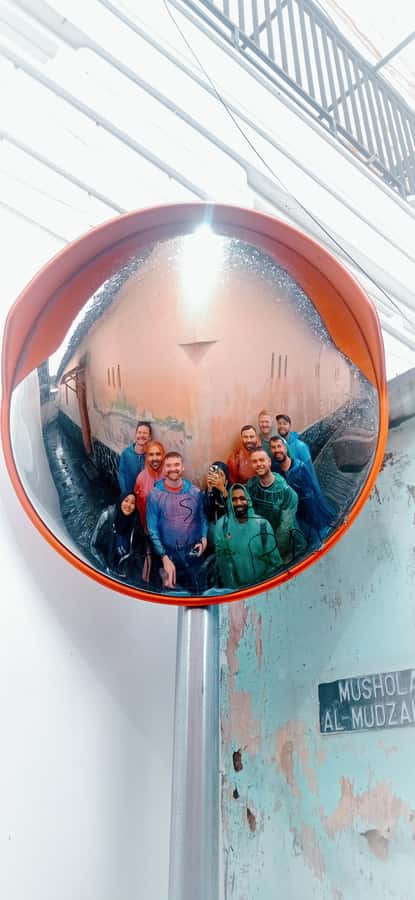
This walk’s biggest emotional advantage is the interaction factor. You’re not wandering alone and hoping someone will explain the world around you. Instead, the guide sets up the flow so you can talk.
In a place like Kotagede, the difference is huge. If you’re by yourself, you see buildings and stalls. If you’re with a guide, you start understanding why certain places feel important and what local people think matters.
Luthfi Eviani is named as the provider, and the experience is built around friendly conversation and clear answers. That’s the kind of guiding style that helps you ask questions you genuinely care about, like how people relate to the old houses, what certain foods represent, or what everyday life looks like here.
There’s also a subtle value in how the tour appears designed to support local livelihoods. When the guide explains food and local crafts, you get context that makes your spending feel more connected to real people, not just souvenirs.
Price and value: what $30 buys you in real terms
At $30 per person for 2 hours, the best value comes from the combination of elements, not one single “wow” moment.
You’re getting:
- An English live guide in a small group
- Entry tickets to multiple historical sites
- Local snack(s), dessert, or drinks
- Mineral water
- A traditional cloth experience
If you tried to do this alone, the guiding would be the hardest part to replicate. You can walk Kotagede on your own, yes, but you’ll miss the historical connections tied to the 16th-century Mataram Islam Kingdom and the cultural context that makes the neighborhood intelligible.
This is exactly the kind of tour that makes sense when you want a short, high-information experience without turning your day into an exhausting all-day route.
Possible consideration: if you dislike tasting food or you strongly prefer only large, famous sites, the value may feel less obvious. This tour is about local everyday life plus history, not big monuments.
What to wear and pack for Kotagede streets
You’ll enjoy the tour more if you plan for comfort and heat.
Bring:
- Comfortable shoes
- Sunglasses and sun hat
- Umbrella (helpful in sun and sudden rain)
- Sunscreen
- Comfortable clothes
Not allowed includes:
- High-heeled shoes
- Shorts and short skirts
- Sleeveless shirts
- Drones
- Non-folding wheelchairs and non-folding strollers
- Alcohol and drugs, plus alcoholic drinks in the vehicle
- Nudity
That dress code list might feel strict, but it’s practical. In residential areas and historical sites, you’ll want to look respectful and comfortable enough to keep moving.
Also, consider light layering. If the sun is strong outside but shaded interiors or historic sites are cooler, you’ll be glad you have options.
How long you should plan, and when this works best
The tour is 2 hours, so it fits nicely between other Yogyakarta plans. It’s a good choice if you want culture without committing to a half-day.
Because it’s walking, you’ll feel it more if you stack it right after another long day tour. I’d aim to keep the day balanced. Put this tour somewhere you can still enjoy snacks and conversation afterward.
This style also works well for solo travelers who want to talk to people without feeling awkward. It’s also a great match if you like small groups and hate feeling rushed.
Who this Kotagede experience is for
This tour is especially suited to you if:
- You want a neighborhood-focused Yogyakarta experience, not just main attractions
- You like food tastings and cultural interaction
- You want historical context connected to real places
- You prefer a small group with time for questions
It may not be the best fit if you:
- Strongly dislike guided conversations or tasting stops
- Want a strictly structured itinerary with no surprise stops
- Can’t manage short-to-moderate walking on local sidewalks
Should you book the Kotagede walking experience with Luthfi Eviani?
I think you should book it if you want a short, high-value slice of Yogyakarta that feels human. The standout combination for me is Joglo house viewing, tastings, and the way the guide helps you interact with local people while connecting it to the 16th-century Mataram Islam Kingdom story. Plus, with a small group of 10, the tour feels personal instead of crowded.
Skip it if your travel style is all about famous landmarks and you don’t care much about neighborhood life, food, or hands-on cultural moments. In that case, you might find the experience too local and too flexible.
If you’re on the fence, here’s the simple decision rule: if you’d rather understand daily culture than collect stamps, this is a strong choice.
FAQ
How long is the Yogyakarta Kotagede walking experience?
The duration is 2 hours.
Where does the tour start?
Your guide will wait close to the huge tree at the parking area.
Is the tour in English?
Yes, the live tour guide speaks English.
How many people are in the group?
The group is small, limited to 10 participants.
What is included in the price?
Included are entry tickets to all sites, local snack, mineral water, and a traditional cloth experience.
Is hotel pickup and drop-off included?
No, hotel pickup and drop-off are not included.
Is free cancellation available?
Yes, you can cancel up to 24 hours in advance for a full refund.
Does the booking offer reserve and pay later?
Yes, the option is available to reserve now and pay later.
What should I bring to the tour?
Bring comfortable shoes, sunglasses, a sun hat, an umbrella, sunscreen, and comfortable clothes.
What is not allowed during the tour?
High-heeled shoes, shorts, short skirts, sleeveless shirts, drones, non-folding wheelchairs, non-folding strollers, alcohol and drugs, alcoholic drinks in the vehicle, and nudity are not allowed.
Newest reviews out of Yogyakarta
- Ramayana Ballet Performance In Prambanan Temple With Dinner★ 5.0 · 41 reviews
- Yogyakarta: Ramayana Ballet Performance with Optional Dinner★ 4.4 · 42 reviews
- Yogyakarta: Batik Making Class with Expert★ 4.7 · 45 reviews
- From Yogyakarta: Borobudur and Prambanan Temples in 1 Day★ 5.0 · 45 reviews
- Yogyakarta: Borobudur Sunset Climb Up Shared Guided Tour★ 4.7 · 46 reviews
- Prambanan Temple Afternoon Tour★ 4.9 · 48 reviews
- Jomblang Cave, Pindul Cave and Oyo River Tour★ 5.0 · 50 reviews
- Yogyakarta: The Jomblang Cave adventure all inclusive tour★ 4.9 · 50 reviews
Walking Tours in Yogyakarta, compared.
Small-Group Walking and Food Tour by Night in Yogyakarta
Read our review →
Night Walking Tour-Malioboro street food with guide at Yogyakarta
Read our review →
Browse the lists this tour appears in