
Reviewed · MOUNT RINJANI TREKS
Mt Rinjani Trekking 4 Days and 3 Nights
Mt. Rinjani trekking is interesting because you’re not just chasing one peak, you’re living on the volcano. I love the mix of crater rim camping and big sunset views, and I love how much the experience depends on the people who guide and carry for you, like Dani and Hadie, who you can see consistently get praised for care and timing. One thing to consider, this is physically serious and it starts early, plus the Day 1 waterfall stop works only if you arrive at least 2 hours before sunset.
For about $469 per person, you get hotel pickup and drop-off, full-board meals and 3 liters of water per day, which is real value when you’re working hard at altitude. This is also a private tour, so it’s only your group. Do confirm what you personally need to pack, because the write-up and gear list conflict on a few items like headlamps and trekking shoes.
Key Things You’ll Notice On This 4D 3N Rinjani Trek
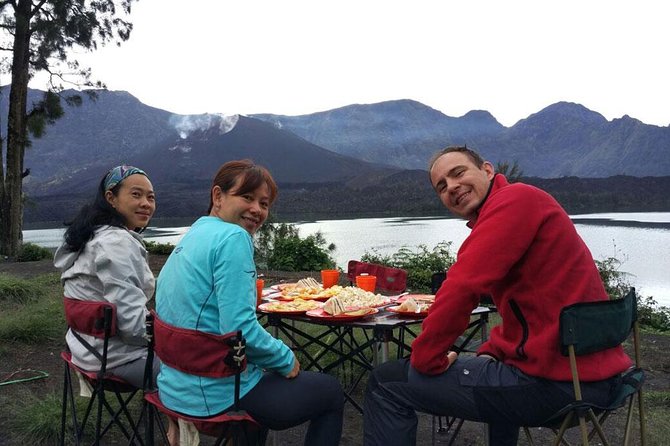
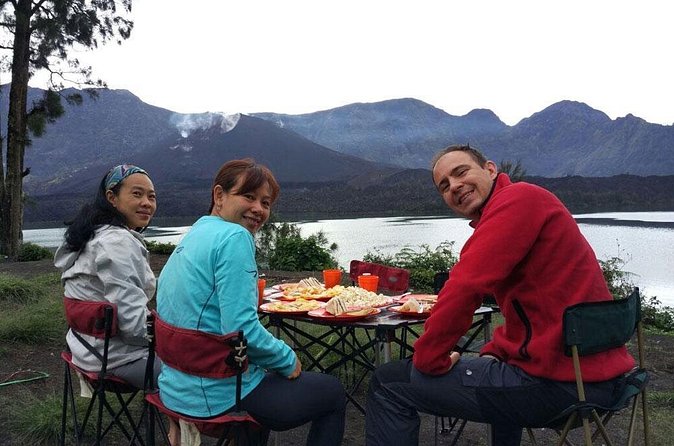
- Crater rim camping at Sembalun and Senaru with downtime that feels built for views, not just pushing forward
- Day 1 waterfall combo (Sendang Gile and Tiu Kelep), but you must be there early enough for the sunset timing window
- Summit day plus Segara Anak Lake and hot springs in one long push, with time for swimming or soaking
- Meals, snacks, and coffee or tea included, plus cooking gear and 3 liters of water daily
- Guides and porters matter a lot, and names like Mul, Edy, Irsyad, Dani, and Hadie show up for good reasons
- A bonus boat transfer to Gili Island after the trek, if you’re heading that way next
Why This Mt Rinjani 4 Days 3 Nights Route Feels Like A Real Adventure
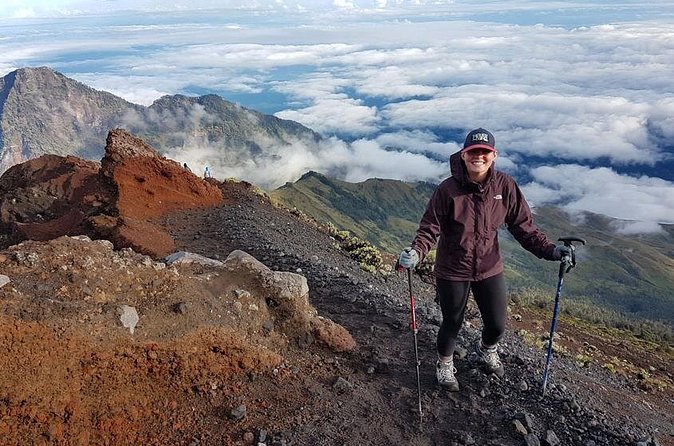
This is a volcano trek that balances exertion with moments that let you actually look around. You camp at the Sembalun crater rim and later at the Senaru crater rim, so you get that slow, high-altitude feeling that’s hard to reproduce on a day-hike. You also get waterfall time early on, then swap to lake and hot spring time later, so the days don’t blur together into one long workout.
What I like most for you is the pacing style. It’s still challenging, but the route gives you a reason to keep going because every big effort is tied to a specific payoff: summit views, Segara Anak Lake time, and the Senaru rim vantage point over the lake.
The other big theme is support. Strong guides and porters are repeatedly praised for safety, encouragement, and keeping luggage moving fast, which is exactly what you want when you’re tired and moving uphill.
More Hiking & Trekking in Lombok
- 2D1N Senaru Crater Rim Trekking
★ 5.0 · 178 reviews - Mount Rinjani Trek 3D-2N To Summit – Lake – Hotspring
★ 4.7 · 111 reviews - Rinjani trekking 2D 1N RIM
★ 5.0 · 94 reviews
The Big Schedule: 5:00 am Start and About 5 Days Total
Plan on meeting at 5:00 am, because Rinjani starts with an early push and the day structure follows that logic. Even though the trip is described as 4 days and 3 nights, you should think of it as about 5 days total once you factor in the approach and the finishing day.
This early start matters because it protects the best parts of Day 1. The waterfall stop at Sendang Gile and Tiu Kelep only works if you arrive by at least 2 hours before sunset. That means you’re not in control of the timing, so your best move is to show up on time for pickup and don’t assume you can “maybe” make it.
You’ll also want to be mentally ready for long walking stretches, then camping days where you still stay active. Camping on the crater rim is part of the fun, but it’s also part of the work.
Day 1: Sendang Gile and Tiu Kelep Waterfalls Before Sunset
Day 1 starts with a waterfall pair that’s often worth the trip by itself. Sendang Gile and Tiu Kelep are the kind of stops that make the rest of the trek feel like the build-up to something gorgeous, not just a hike because you booked a volcano.
Timing is the catch. You need to arrive at least 2 hours before sunset to make this stop possible. If you come late, you risk missing the experience that makes Day 1 feel special and not purely logistical.
You’ll also get the admission ticket included for this day, and the duration is listed as about 30 minutes for each stop. In other words, you don’t get long linger time here, so treat it like a quick, well-timed photo and viewpoint mission, then keep your energy for the next days.
Day 2: Starting The Trek and Camping on the Sembalun Crater Rim
Day 2 is where the trek officially begins. This is your transition day, the “okay, now we’re doing it” moment. You’ll start trekking from the meeting area, then spend the night camping on the Rinjani Sembalun crater rim.
That crater rim camp is a big deal because it changes the feel of the hike. Instead of ending the day at a normal trail stop, you wake up with volcano views around you and you camp close enough to the action that the next day feels connected, not random.
This is also where the support system starts paying dividends. The trip includes local guides and local porters, plus camping equipment and cooking gear. Your job becomes walking, not carrying everything you’d otherwise strap to your body.
One note for planning: the included gear descriptions can be confusing. Some parts say headlamps and small backpacks are included, but the gear list also says head lamps and daily packs are not included. I’d plan as if you need to bring your own headlamp/torch and daily pack, just to avoid any last-minute stress.
More Rinjani treks:
- Mount Rinjani 2 Days 1 Night Senaru Crater Rim
★ 5.0 · 131 reviews - 3D-2N Explore Mount Rinjani – Summit -Lake and Hotspring
★ 5.0 · 112 reviews - Mount Rinjani 2-Day Trek to Senaru Crater Rim
★ 4.8 · 89 reviews - 3D/2N Rinjani trekking summit,lake and hot springs.
★ 5.0 · 85 reviews
Day 3: Summit Time, Then Segara Anak Lake and Hot Springs
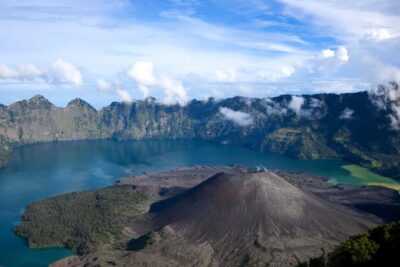
Day 3 is the heavy hitter. You’ll climb up to the peak of Mount Rinjani, with the schedule showing a 30-minute peak-related stop. After that, the day continues with a long downhill sequence to Segara Anak Lake and hot springs.
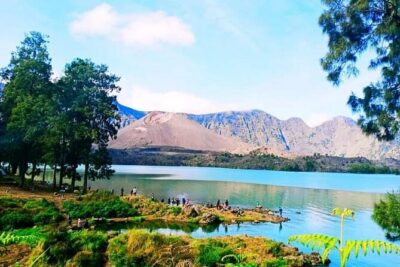
This is one of the coolest feature combos because you get both extremes in the same long day: the altitude challenge of fighting up to the top, then a chance to recover with lake time and warmth from the hot springs. The plan explicitly notes you can swim at Segara Anak Lake or soak in the spring water, which is the kind of payoff that makes a tough day feel fair.
You’ll also spend the night lake side, which helps you stay in the crater-lake atmosphere instead of rushing onward immediately.
From the guide praise you can take a practical lesson: good timing is part of the safety equation. Names like Hadie and Mul show up in praise for timing and encouragement, so you’ll want a guide who keeps the pace realistic and adjusts as needed.
Day 4: Relax by the Lake, Then Head to Senaru Crater Rim
Day 4 gives you a breather built into the schedule. You stay relaxed for a few hours at the lake side, which is not just “rest time,” it’s a chance to enjoy a place you worked hard to reach.
Then you continue toward the Senaru Crater rim, which is described as one of the best places to see Segara Anak Lake. This is your “look back at what you crossed” moment, with the advantage of a viewpoint that frames the lake in a way you likely won’t get the same way from the lake’s edge.
You’ll spend the night at the Senaru crater rim, keeping you close to the viewpoints and finishing stage. If you like your hiking days to have both recovery and scenery, this is the day that delivers it.
Day 5: Still on Senaru Rim, Then Finishing the Trek
Day 5 is the wrap-up day. You’re still at the Senaru crater rim, then the trek finishes. Even though it’s not described with a ton of extra activities, the structure matters: you’re ending where you can take in the final views without instantly jumping into travel chaos.
If you’re heading onward, this is also where the bonus boat transfer can matter. The trip includes a free boat transfer to Gili Island after the trek, so you’re not forced to scramble for your next connection.
What the Guides and Porters Actually Do for You (Safety, Timing, and Vibe)
This trek is one of those experiences where “the guide makes the difference” is not a cliché. You can see it in the specifics of the praise.
Guides like Dani are praised for taking good care, and Hadie for being super nice and carrying people through in a way that keeps you feeling safe. Mul gets mentioned for keeping the vibe light with humor, and for encouragement when the hike gets tough. Edy is praised for careful organization with timing and safety, and porters like Adi and Sana are praised for cooking tasty meals and doing an unbelievable job.
Porter work also affects your stress level. Some accounts highlight porters handling luggage quickly so you’re not stuck fiddling with gear while you’re already tired. That’s a huge quality-of-life factor, and it’s also why this “camping and trekking equipment” package is worth paying for.
So when you pick this trek, you’re not only buying access to Mount Rinjani. You’re buying a team that helps you manage pace, food, and the mechanics of moving through a high-energy environment.
Price and Value: Why $469 Can Make Sense on Rinjani
At $469 per person, this is not a budget casual activity. But you’re paying for more than entry into a trail.
Your included package covers:
- hotel pickup and drop-off
- local guide and local porters
- full-board meals and drinks, including breakfast, lunch, and dinner (4 each)
- snacks plus coffee and tea
- 3 liters of water per day
- camping equipment and cooking gear
When you add up what those costs would be individually in Lombok, the price starts to look less random. The key is that Rinjani is demanding. Extra purchases, slow logistics, or missing support can add time and stress when you least want it. This trip’s structure tries to remove those friction points.
Also, the tour lists group discounts. If you can go with friends or form a group, it may improve value further. And it’s private, so you’re not paying for a cramped shared experience.
Included Food and Water, and Why That Matters on Trek Days
One underrated part of this tour is how clearly it supports your energy needs. You get full-board meals and drinks, plus snacks, coffee or tea, and dinner and breakfast across the days. You also get 3 liters of water a day, which is a lot more comforting than guessing how much to carry.
For you, this means less packing and fewer decision points. You’re not doing constant snack math while climbing. You also don’t have to hunt for basic supplies on a tight schedule.
Vegetarian food is available if you let them know when booking, which is a big plus if your diet requires planning ahead. If you have allergies or strict dietary rules, I’d still communicate clearly during booking, but vegetarian support is explicitly noted.
Gear and Comfort: What You Should Bring Because Some Items Are Not Included
Here’s the practical part. The tour states some core trekking items are not included, including:
- head lamp or hand torch
- small backpack or daily pack
- trekking shoes
- trekking jacket
- long pants or trousers
It also says tips for guides and porters are not included. That doesn’t mean you must overtip, but you should budget something appropriate for the people keeping you safe and moving.
Some earlier description text suggests headlamps and other gear may be included, but the separate gear list marks them as not included. So to avoid a scramble, pack your own headlamp/torch, daily pack, and trekking shoes. Even if they end up providing some items, having your own version usually works better for comfort and fit.
If you’re sensitive to fit issues, bring the exact shoes you plan to walk in for hours. This is not a “break in later” trek.
Who Should Do This Trek, and Who Might Reconsider
This works best for people who want a structured volcano trek with camping, a guide team, and time at multiple major spots, not just a summit chase.
It’s described as suitable for most travelers, but you should read that as “people who are generally able and willing to trek.” You should be ready for early mornings and serious uphill segments.
It’s also a good fit if you like variety:
- waterfalls at the start
- crater rim camping
- summit peak time
- lake and hot springs recovery
- Senaru rim viewpoints
If you’re traveling with kids, note that children must be accompanied by an adult.
If you prefer a super gentle hike, this probably won’t match your pace. This is a volcano, not a stroll, and the schedule reflects that.
Should You Book This Mt Rinjani Trek With HaLoMi Trekker?
Yes, you should consider booking if you want a complete Rinjani experience that includes camping, guide and porter support, and built-in meals and water. The repeated praise for guides like Dani, Hadie, Mul, Edy, and Irsyad is a strong signal that the human side of the trek is handled well, including safety-minded timing and encouragement on tough stretches.
Book this if:
- you’re okay with a 5:00 am start
- you want both crater rim camping and lake and hot springs time
- you value having food, water, and equipment support handled for you
I’d hesitate if:
- you’re not comfortable with a demanding multi-day trek
- you hate uncertainty about gear, because you should plan to bring items listed as not included
- you’re unsure about dates, because the experience is non-refundable and cannot be changed once booked
If your next stop after Lombok is Gili Island, that free boat transfer bonus can also make the whole trip feel smoother.
FAQ
What time does the Mt Rinjani trek start?
The start time is listed as 5:00 am.
What is included in the price?
The package includes hotel pickup and drop-off, a local guide, local porters, full-board meals and drinks, camping equipment and cooking gear, coffee and or tea, snacks, and 3 liters of water a day.
What items are not included that I should plan to bring?
Head lamp or hand torch, a small backpack or daily pack, trekking shoes, a trekking jacket, and long pants or trousers are listed as not included. Tips for guides and porters are also not included.
Is this a private tour?
Yes. It’s described as a private tour or activity, so only your group participates.
Is vegetarian food available?
Yes. Vegetarian options are available if you advise them at the time of booking.
Can I get a refund if I cancel or change my plan?
No. The experience is non-refundable and cannot be changed for any reason, so the amount you paid will not be refunded if you cancel or request an amendment.
Newest reviews out of Lombok
- Lombok: Waterfall Benang Kelambu & River Rafting Trip★ 4.9 · 41 reviews
- Pink Beach and Southeast Gili Islands Full Day Private Tour★ 4.5 · 42 reviews
- Mount Rinjani 2 Days and 1 Night to Senaru Crater Rim★ 5.0 · 42 reviews
- Trekking Rinjani Mountain Summit 2 Days 1 Night – Em Adventure★ 5.0 · 42 reviews
- Trekking Rinjani Volcano To Crater Rim Senaru 2D-1N Private – Syam Trekker★ 5.0 · 45 reviews
- Lombok: Pink Beach, Snorkeling, & Tanjung Ringgit Tour★ 4.7 · 47 reviews
- Hiking Rinjani 3 days 2 nights summit – Lake★ 5.0 · 48 reviews
- 2 Days Hike to Summit with full view of Sunrise and Sunset★ 5.0 · 49 reviews
Mount Rinjani Treks, compared.
3D-2N Explore Mount Rinjani – Summit -Lake and Hotspring
Read our review →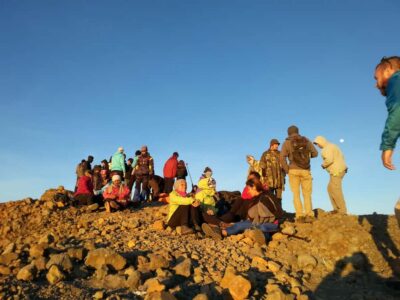
Mount Rinjani Trek 3D-2N To Summit – Lake – Hotspring
Read our review →
3D/2N Rinjani trekking summit,lake and hot springs.
Read our review →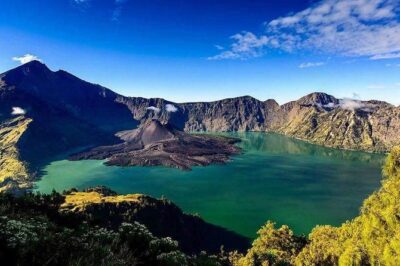
Mt Rinjani Trekking 2 Days 1 Night (Senaru Crater Rim)
Read our review →
Rinjani Trekking 3 Days 2 Nights (Sembalun – Senaru)
Read our review →Browse the lists this tour appears in