
Reviewed · COOKING CLASSES
Bali Cooking Class with Culture Experience
This Bali class is interesting because you start with ingredients and end with a full meal, all inside a real Ubud home. I especially like the market time with a Family Host and the way Dewa kicks things off with pisang goreng and a hot drink. One possible drawback: it starts early (7:30 am), so it may feel like a lot if you are not a morning person.
You will shop for herbs, spices, fruits, and vegetables, then cook a multi-course menu in a dedicated cooking pavilion. Expect a small group of up to 12, round-trip transfers from central Ubud hotels, and enough instruction to recreate the dishes later.
If you hate chopping, stirring, and tasting along the way, a cooking class may not be your best fit. But if you want hands-on food learning, this format is hard to beat.
Key things that make this class special
- Market-first ingredient shopping with a Family Host who helps you understand what you are buying
- Dewa’s welcome of hot coffee or tea plus banana fritters (pisang goreng)
- A full menu, from appetizer and multiple entrees to sides and dessert, not just one dish
- A gift booklet with menu, recipes, directions, photos, tips, plus space for your own notes
- Small-group pacing (maximum 12 travelers) so you get time to cook and ask questions
- A home-and-culture feel, including shared talk about Balinese life and a gratitude ritual after the meal
First stop: Lobong Bali Cooking Class, then straight into Ubud morning rhythm
Your experience begins in central Ubud at Lobong Bali Cooking Class, with a start time of 7:30 am and about 6 hours total. If you are using the pickup, round-trip transfers are offered from central Ubud hotels, which takes a lot of stress out of early-day planning.
That early start matters. The market experience is about fresh ingredients, and the class works best when you get there with enough time to shop, taste, and learn. In other words, this is not a “show up late and watch” kind of class. You are here to eat, learn, and cook while things are at their best.
Also, keep in mind this is a small-group activity, capped at 12 travelers. In a class this size, you can actually see what others are doing and get quick help from the staff when you need it.
More Cooking Classes in Ubud
- Ubud Cooking Class Bali with Balinese Chef
★ 5.0 · 1,609 reviews - Ubud: Cooking Class with Transfers and Optional Market Visit
★ 4.9 · 824 reviews - PRIVATE Authentic Balinese Cooking Class in Ubud at Putu’s Home
★ 5.0 · 644 reviews
Market time with your Family Host: learning spices by sight and smell
The most valuable part for me is the morning market. You start there, where your Family Host buys and explains the herbs, spices, fruits, and vegetables used in the cooking lessons.
This kind of market tour does more than make photos look good. It gives you a mental map for the flavors in Balinese cooking. When you understand what an ingredient looks like and how it is used, the recipes at home stop being vague. You can swap in the right substitutes more confidently too, because you know what you were aiming for.
Here is what you should watch for while you shop:
- What gets used fresh versus what gets dried
- How strong the aromas are when ingredients are crushed, sliced, or toasted
- Which items feel like everyday staples in Balinese cooking and which ones feel more seasonal
If you like food education that is practical, this is the section that sets you up for success later in the pavilion.
The welcome at Dewa’s home: coffee, banana fritters, and Balinese daily life
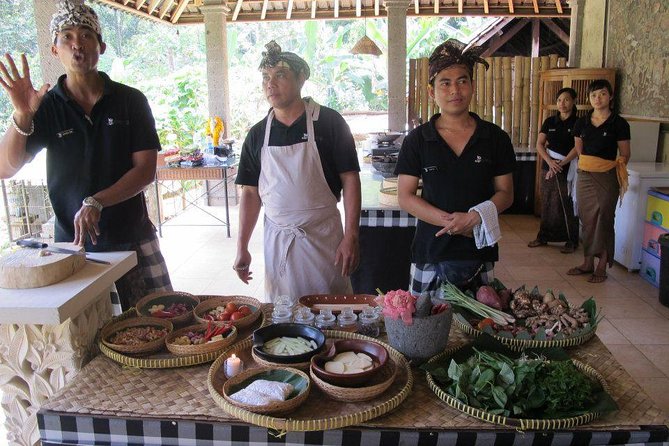
After the market, you head to the family compound area where the class begins in a more relaxed, family-style setting. Dewa greets you with a pipping hot cup of coffee or tea, or mineral water, plus his famous pisang goreng, which are freshly made crispy banana fritters.
This welcome is not just a snack. It is a quick flavor warm-up. Banana fritters introduce the idea of Balinese comfort food, where sweetness, spice, and texture play together. And the hot drink makes the start of the day feel less like work and more like settling in.
While you eat, you learn about Balinese lifestyle, including the role of families and home shrines. The staff also double-checks that the cooking pavilion is ready for your class, so you are not waiting around with a bunch of rules. You will get moving.
Your illustrated booklet: the real reason you can cook this again at home
Before you cook, you receive an illustrated instructional gift booklet. It includes the menu, recipes, directions, photos, tips, and even plenty of space for personal notes.
That last part is underrated. Most cooking guides tell you what to do, but they do not help you remember what you learned in the moment. With notes space, you can write down things like:
- How long you cooked something in your own kitchen
- What you changed when you tasted the seasoning
- Which step was the most important for your results
This is a huge factor in value. A class that gives you food is nice. A class that gives you a reusable plan is better.
Something different for the next Ubud day:
- All-Inclusive Ubud Private Tour
★ 5.0 · 14,344 reviews - Best of Ubud Full-Day Tour with Jungle Swing
★ 5.0 · 8,571 reviews - Ubud: Monkey Forest, Jungle Swing, Rice Terrace, and Water Temple
★ 5.0 · 7,160 reviews - Ubud: Waterfalls, Water Temple & Rice Terraces Private Tour
★ 5.0 · 5,484 reviews
Cooking in the pavilion: building a full Balinese menu, not a side dish
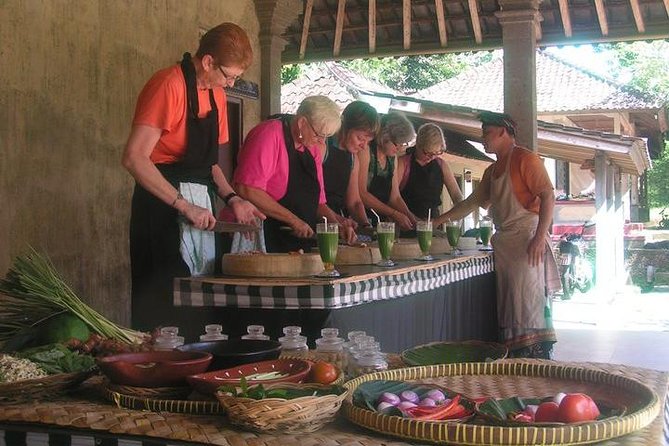
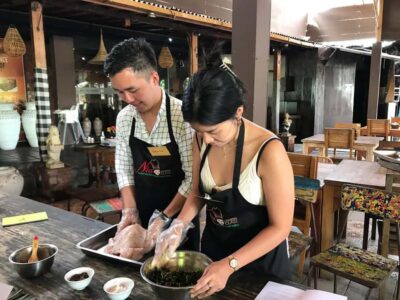
Once it is time to cook, you work with a professional chef in the cooking pavilion. You prepare a complete menu that includes:
- An appetizer
- Multiple traditional entrees
- Accompanying side dishes
- Dessert
The structure matters. Many cooking classes teach you one standout dish and call it a day. Here, you learn how dishes fit together, so the meal feels coherent. Even if you only cook one course at home, you will understand how the flavors relate.
A few practical tips for how to get the most out of this cooking portion:
- Taste during steps, not only at the end. You will learn faster when you notice small differences.
- Keep your notes in the booklet space as you go. Otherwise, you will forget the “small” decisions that actually matter.
- Ask questions about herbs and spices while you are handling them, not after you have moved on. The market knowledge pays off best when it is still fresh.
If you enjoy hands-on cooking more than watching demonstrations, this class is built for you.
Lunch you made, then dessert you made: eating is part of the lesson
When your dishes are ready, you enjoy a meal that includes what you prepared at the pavilion. After lunch, you finish with dessert that you made as part of the class.
From the way the experience is described, the meal also includes a ritual of gratitude after the traditional food. That is a meaningful cultural touch, and it changes the tone of the day from “just cooking” to “understanding what food means in everyday life.”
This matters for authenticity. Food experiences can feel like a staged show. Here, the ceremony element and the family-home setting push it into a more respectful cultural framework.
What the timing feels like in real life (and who it suits best)
The day runs about 6 hours, starting at 7:30 am. Plan on a steady flow rather than long breaks. You will spend time:
- Shopping and learning at the market
- Enjoying the welcome drink and banana fritters
- Cooking in the pavilion
- Eating lunch and finishing with dessert
- Receiving the booklet and taking your final notes
This schedule suits people who:
- Like early mornings or do not mind being up before the sun
- Want a hands-on cooking lesson, not a spectator experience
- Enjoy culture tied directly to food, like family life and home shrines
- Prefer small groups for a more personal feel
If your trip is built around late starts, this one may require an attitude adjustment. But if you want one memorable “Ubud day” that is both tasty and educational, the early timing is part of the point.
Price and value: why $62 can work out well here
At $62 for about 6 hours, the biggest question is value. For me, this price makes sense because you get four things that many cheaper classes do not balance:
1) Market shopping with ingredient explanations, not just a grocery list
2) A full multi-course menu you actually cook, including dessert
3) Round-trip transfers from central Ubud hotels, so you are not stuck figuring out transport
4) A detailed illustrated booklet with recipes, photos, directions, and tips
That booklet is a real cost saver. If you cook even one or two of the courses again at home, you get your money back in the form of meals and skills. And the market understanding helps you repeat the results, not just the names.
The class also runs with a maximum of 12 travelers, which usually means better attention than larger groups. When you can ask questions while chopping and tasting, the lesson sticks.
Small-group logistics that keep the day from feeling chaotic
This tour is described as having a small group of up to 12 travelers and offering mobile tickets. You will also receive confirmation within 48 hours of booking, subject to availability.
It also notes that it is near public transportation, which is helpful if you decide you do not want pickup on a given day. In practice, that flexibility helps you plan your Ubud schedule without over-committing to one transportation strategy.
Because this class mixes market time, cooking time, and meals, it is important to show up ready to move. Wear comfortable clothes you can cook in, and bring a positive attitude for tasting spices. The day is built to be active.
Should you book the Bali cooking class in Ubud?
Book it if you want an early-day food experience that teaches you how Balinese flavors are built, not just what they taste like. The market stop with the Family Host, the welcome with Dewa and banana fritters, and the chef-led pavilion cooking are a strong combination. Add the illustrated booklet, and you end the day with something useful for weeks, not just memories for your camera roll.
Skip it if you dislike mornings or you prefer cooking lessons that focus on one dish only. Also, if hands-on work stresses you out, this format is still interactive from start to finish.
If you fall somewhere in the middle, here is the easiest decision rule: if you want your meal in Bali to come with real learning, this class is worth your time and your budget.
FAQ
What is the location of this cooking class?
It takes place in Ubud, Indonesia, at the Lobong Bali Cooking Class meeting point.
What time does the experience start?
The start time is 7:30 am.
How long is the experience?
It lasts about 6 hours.
How much does it cost?
The price is $62.
Is pickup offered from hotels?
Yes. Round-trip transfers from central Ubud hotels are offered.
How many people are in the group?
The experience has a maximum of 12 travelers.
What is included in the class?
You get market ingredient shopping, a welcome drink with banana fritters, cooking with a professional chef, and a meal you prepared. You also receive an illustrated instructional gift booklet with recipes, photos, and directions.
Can I cancel for a full refund?
Yes. Free cancellation is offered, and you can cancel up to 24 hours in advance for a full refund.
Newest reviews out of Ubud
- Ubud Silver Class: Forge Your Personal Silver Keepsake★ 4.9 · 39 reviews
- Amazing Kuber ATV Quad Bike Experience in Bali and Tunnel★ 5.0 · 39 reviews
- Lempuyang Tour : Heaven gate, Tirta Gangga, Goa Raja waterfall★ 5.0 · 39 reviews
- Make Traditional Bali Coconut Oil with a Balinese Family★ 5.0 · 39 reviews
- Private Tour : Bromo Ijen Tour From Bali★ 5.0 · 39 reviews
- Bali Private Car Charter Tour with English Speaking Driver★ 5.0 · 39 reviews
- Ayung Rafting Ubud (Include Lunch & Return Transportation)★ 4.5 · 40 reviews
- Private Bali Tour: The Most Scenic Places★ 5.0 · 40 reviews
Cooking Classes, compared.
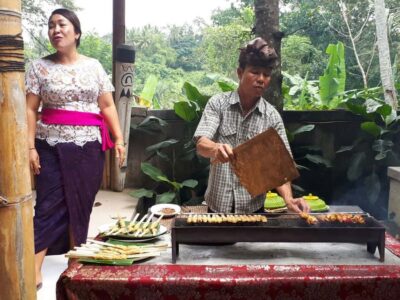
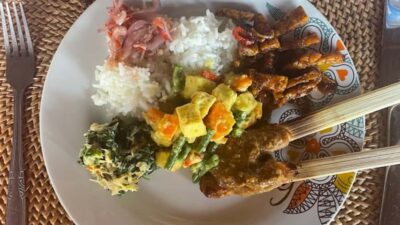
Cooking Class with Transfers and Optional Market Visit
Read our review →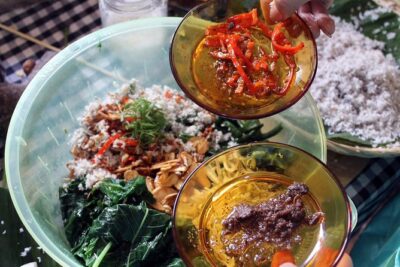
PRIVATE Authentic Balinese Cooking Class in Ubud at Putu’s Home
Read our review →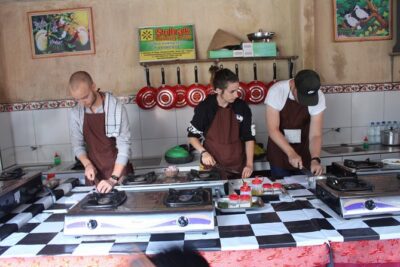
Balinese Ubud cooking school (9 Dish Cooking and Market Tour)
Read our review →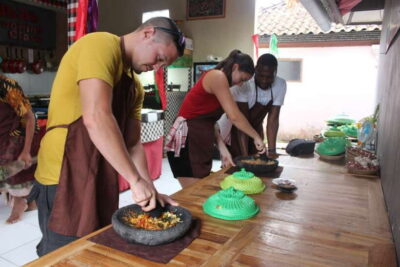
Browse the lists this tour appears in