
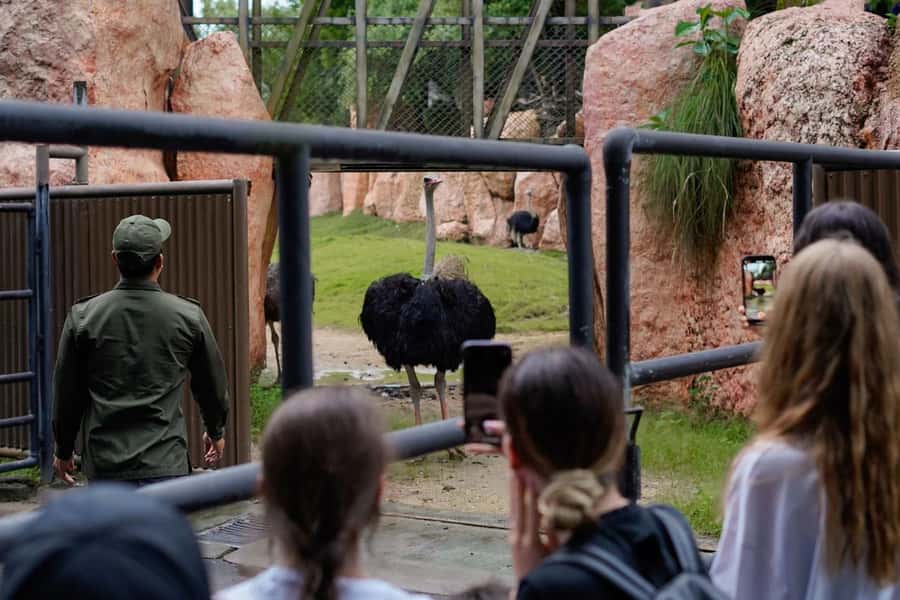
Reviewed · ZOOS & WILDLIFE PARKS
Bali Zoo: Behind Closed Doors Afternoon Safari Guided Tour
What makes Bali Zoo’s Behind Closed Doors safari so interesting is the timing. You get after-hours access when the crowds thin out, and the animals settle into a more private rhythm. I love the idea of close encounters with iconic species like orangutans and elephants, guided at an easy pace in the late afternoon.
The best part is how the tour shifts from daytime excitement to behind-the-scenes animal-care talk as night approaches. You’ll also get light refreshments, including beer, which helps keep the evening feeling calm instead of rushed. One consideration: if you care a lot about natural photos with your own phone or camera, be aware the staff may encourage photo moments and animal posing during close encounters.
Key highlights to look forward to
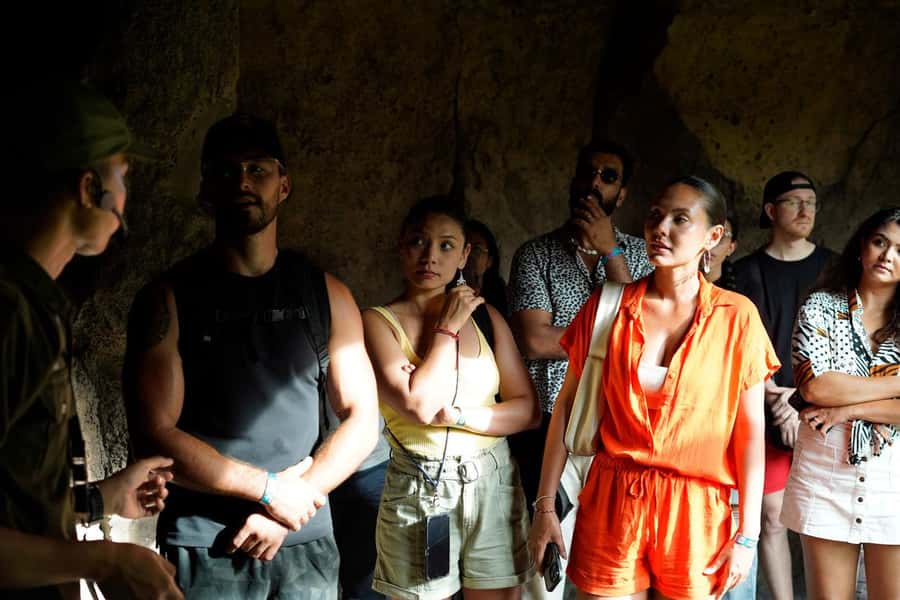
- Exclusive after-hours access for a quieter, more intimate zoo experience
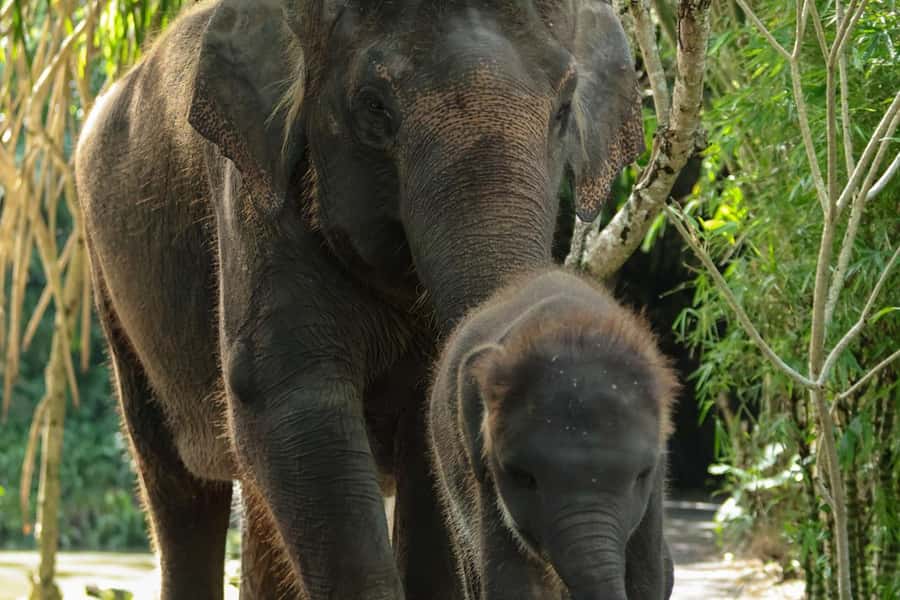
- Orangutan and elephant moments you can see up close, with guide guidance for safe viewing
- Nocturnal behavior insights as the tour moves toward nightfall
- Animal-care and conservation context from zoo staff explanations during the walk
- Snacks and beverages plus beer that keep the pace relaxed while you wait for dusk
Why the after-hours Bali Zoo experience feels different
Daytime zoo visits are usually about energy. Loud kids, tour groups, and that constant feeling of being one more person in the crowd. The Behind Closed Doors program flips that dynamic by operating in a window designed to feel more serene, starting when many visitors have already left.
The real value here is access plus timing. With the zoo opening exclusively for a limited group, you spend more time watching behaviors instead of weaving through people. And because this is an afternoon that carries into evening, the atmosphere changes in a way you do not get at a midday visit.
Even if you have been to zoos before, I think you’ll notice the pacing. You are not sprinting from exhibit to exhibit. You are guided through key areas with a focus on what the animals are doing and why, especially as light levels drop.
Other zoo and wildlife park tickets:
- Ubud: Riverside Spa Treatment near Bali Zoo
★ 4.8 · 227 reviews - Bali Bird Park Admission Ticket
★ 4.5 · 202 reviews - Bali Bird Park Admission Ticket with Hotel Transfer
★ 5.0 · 39 reviews
Your timing: 3 PM check-in, a 4 PM start window, and real-world duration
The program runs daily from 4:00 PM to 6:00 PM. Last check-in is at 3:00 PM, which tells you they want everyone in place before the evening portion begins. If you opt for hotel pickup, plan around that schedule, too.
The listed duration can range from 2 to 7 hours, and that is because your total time depends on pickup timing and whether you arrive early to see daytime attractions. In practice, you should plan on several hours out the door, with the main safari feeling like roughly a 3-hour block from late afternoon through the end at 6:00 PM.
A smart move: if you want more flexibility, arrive earlier and enjoy Bali Zoo’s daytime areas before the Behind Closed Doors portion starts. That way you are not just waiting. You get an extra buffer, and the evening experience still feels special.
Getting oriented at Bali Zoo before dusk
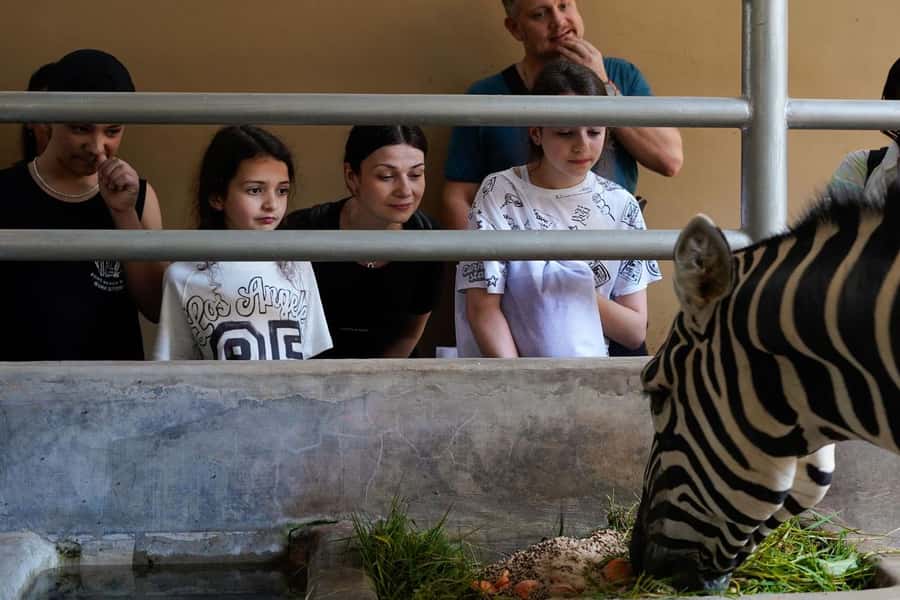
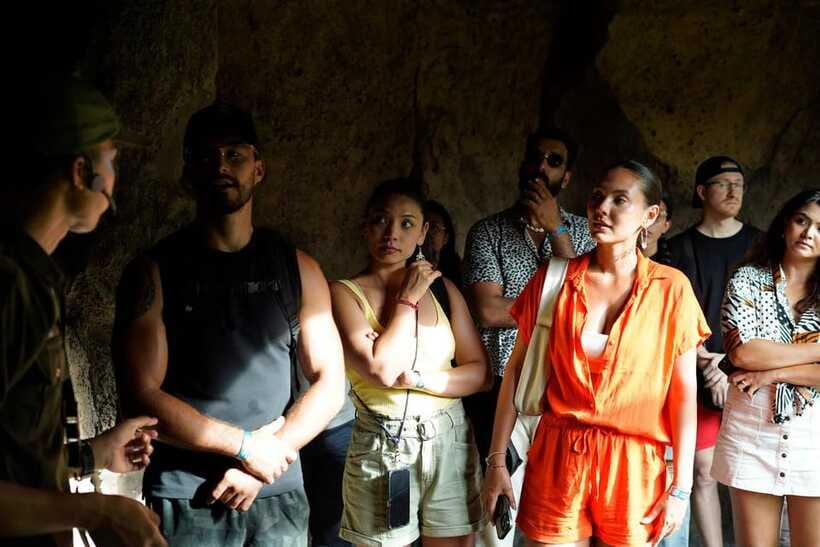
Your adventure begins when the gates open for the limited group. You start with a guided walk that sets the tone right away. Expect the guide to explain what you are about to see, plus how to stay safe and respectful during close encounters.
This early part matters more than you might think. When the staff and guide can manage the group flow, you get better viewing moments. The animals also seem more comfortable when interactions are structured instead of chaotic.
Bring comfortable shoes. Even though the event is only a couple of hours on paper, you will still be walking through multiple areas of the zoo. The terrain is also active enough that flip-flops or thin sandals can feel like a mistake.
Close encounters with orangutans and elephants, plus other feeding moments
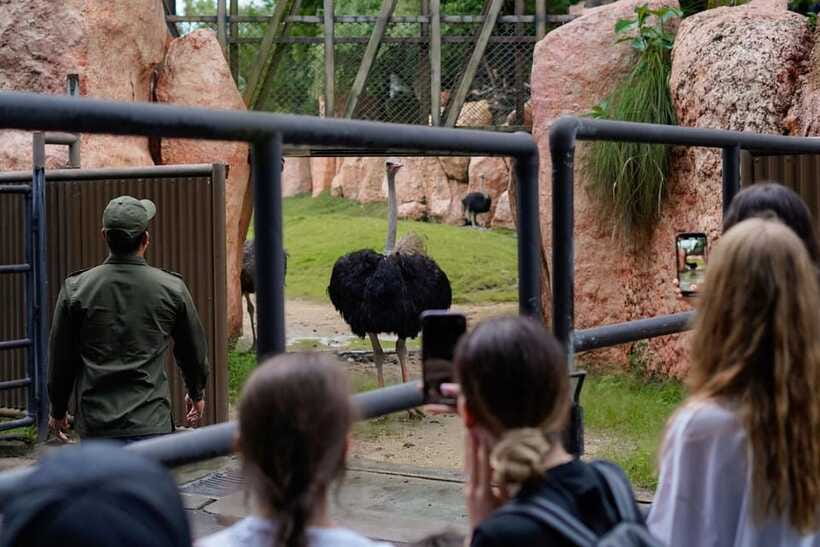
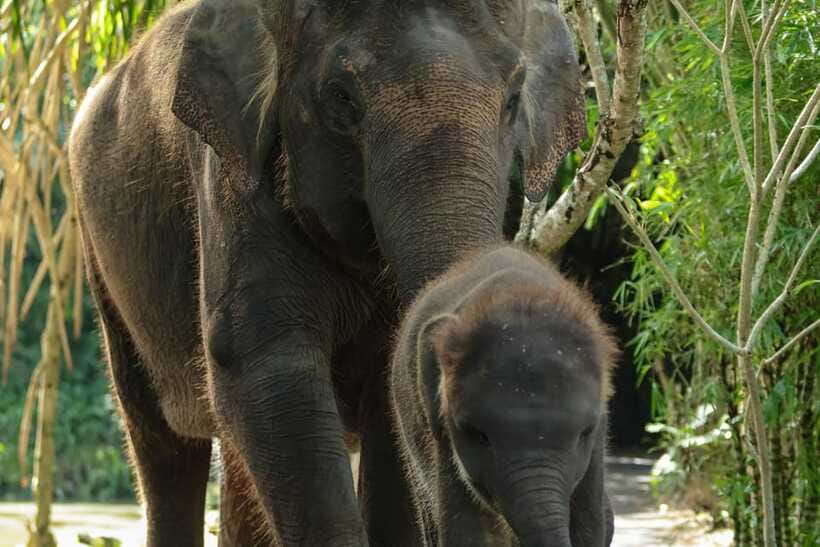
The first phase centers on iconic animals and close viewing opportunities, especially orangutans and elephants. This is where the experience earns its reputation, because you are not just peeking from a distance. You are in the zone where you can see posture, movement, and behavior up close, with guide input on what you are looking at.
One of the most praised elements in real feedback is how close you can get within the safety limits. People highlight moments like elephant feeding and other interactive-style feedings. Some accounts also mention close activities involving snakes and even lion and tiger feeding as part of the guided close-encounter circuit.
Important reality check: the exact sequence and which animals are featured can vary. What I can tell you from the structure is that close animal moments are a core promise of this program, and the guide plus keepers are there to help you interpret what is happening.
If you are visiting with kids, this section is often the best fit. The guide’s role becomes even more valuable here, because it turns animal viewing into a learning moment instead of just a spectacle.
Something different for the next Ubud day:
- All-Inclusive Ubud Private Tour
★ 5.0 · 14,344 reviews - Best of Ubud Full-Day Tour with Jungle Swing
★ 5.0 · 8,571 reviews - Ubud: Monkey Forest, Jungle Swing, Rice Terrace, and Water Temple
★ 5.0 · 7,160 reviews - Ubud: Waterfalls, Water Temple & Rice Terraces Private Tour
★ 5.0 · 5,484 reviews
Behind-the-scenes access as the zoo turns nocturnal
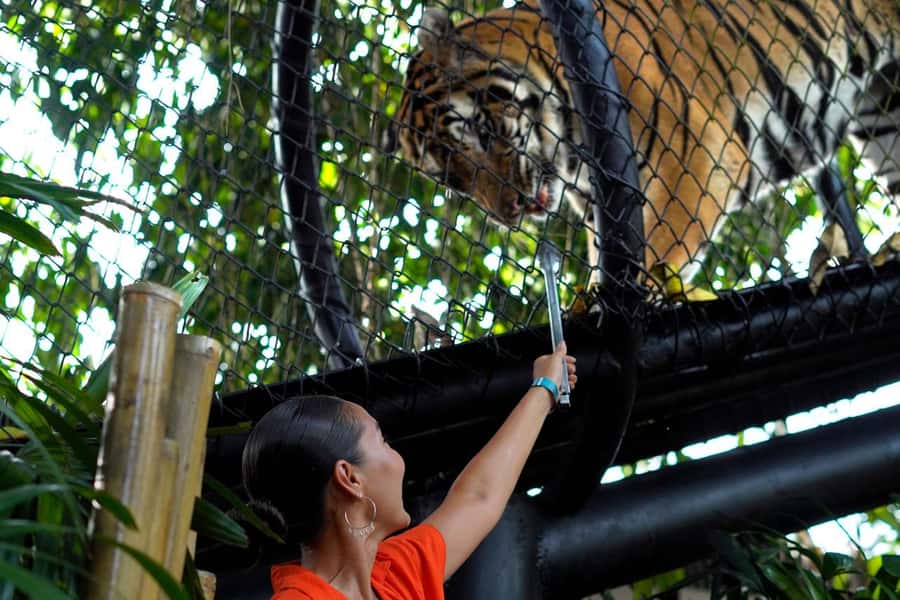
As the sun begins to set, the tour shifts. This is when you get exclusive behind-the-scenes access to see how animals unwind in their habitats. Daytime zoo behavior can look like constant performance. Evening often looks more like routine, rest, and transition.
This is also when nocturnal behavior becomes the focus. The guide shares what animals tend to do as light changes, and how keepers support that rhythm. You might not realize it until you see it explained, but many animals’ activity patterns are tied to weather, temperature, and the timing of feeding and care.
The value for you is perspective. Zoos can be easy to judge from the outside. This part helps you see the care side: how animals are managed, how environments are set up, and why routines matter. It does not turn the zoo into a nature documentary, but it gives context to what you are seeing.
You will also likely notice fewer distractions during this portion. Evening lighting reduces the chaos factor, and the limited-group setting keeps conversations and movement under control. That helps your attention stay on the animals instead of the crowd.
What you eat and drink during the safari, and why it helps
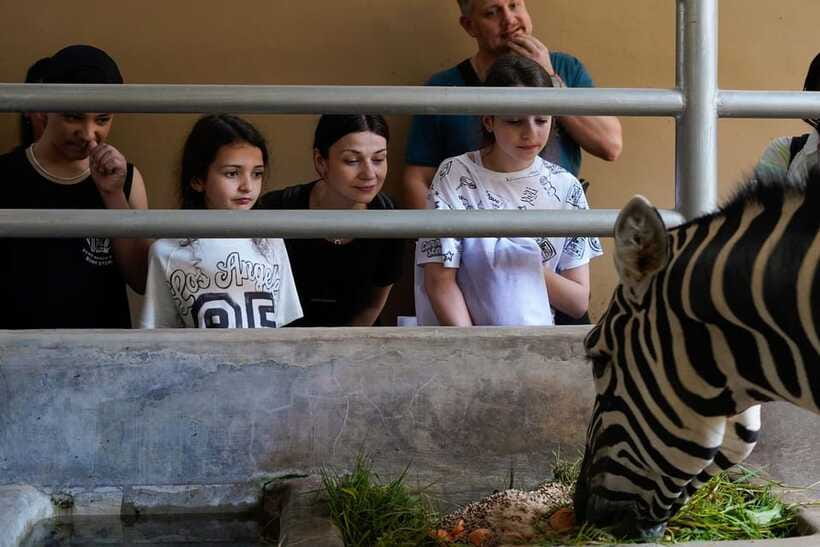
The evening includes light refreshments, including cool beverages and beer. This matters because late-afternoon events can feel oddly tense. People are hungry, the heat is fading, and everyone wants the show to start. Refreshments help you settle into the pace.
They also make the experience more social without being party-like. You can pause when the guide signals a moment, hydrate, and keep your energy up for the walk.
If you are booking as a non-drinker, you can still benefit from the basic snacks and beverages. Just keep your focus on comfort. Comfortable clothes and steady footwear will do more for your enjoyment than any drink.
Guides, keeper talk, and conservation context that actually sticks
A big part of what you pay for is not only access, it is interpretation. The guide provides expert insights, and keepers add information during close encounter segments. In feedback, this is repeatedly praised as “a lot of information,” including answers offered up front or by request.
What I like about this style is that it respects your curiosity. If you want to ask why something is happening, you get a real answer instead of a scripted monologue. That makes the tour feel like a conversation with animal care people, not just a one-way lecture.
You also get a conservation angle. The guide shares wildlife conservation efforts, and those explanations make the animal viewing feel connected to the bigger picture. Even if you are not a conservation specialist, you leave with a clearer sense of why animal welfare and habitat thinking matter.
One practical hint for you: use your camera, but also look with your eyes first. When the guide sets up a moment, you will understand what you are seeing better. Then your photos become more meaningful, not just a quick snapshot.
The photo reality: how to get natural shots without fighting the moment
This is the one drawback worth talking about. Some feedback notes that staff may encourage animals to show tricks or get involved in funny poses to support photo sales. That can make it harder to capture a natural, candid look with your own phone or camera.
You can still get great images. The trick is timing and attitude. When you see a posed moment starting, give yourself permission to take one quick image, then refocus. Look for behavior that happens right after the staff cue, like a shift in posture, grooming, or a pause before movement.
If you really care about natural photos, you can also choose when to engage. Spend your first few seconds watching, not shooting. Then snap once you know what you want. That reduces the chance you will end up with a series of “pose-only” shots.
Getting there from Bali, pickup options, and traffic sanity
Bali Zoo sits in the Singapadu area, with the meeting point listed as Jalan Raya Singapadu, Banjar Seseh, Sukawati, Batuan, Sukawati. If you drive yourself, expect traffic. One review notes traffic is hectic and that they were glad not to drive.
If you do not want to stress about route finding and timing, consider the optional pickup and drop-off. Pickup areas include Kuta, Nusa Dua, Seminyak, and Jimbaran at 1:00 PM, and Sanur and Ubud at 1:30 PM. That schedule matters because your check-in window is 3:00 PM, so you need to be at the zoo with buffer.
Even if you stay near the zoo, traffic and timing can change quickly. A pickup reduces the chance of arriving frazzled and late, which is the opposite of what you want for a calm after-hours program.
What to bring, what not to do, and how to stay comfortable
For what to bring, the basics are clear. Wear comfortable shoes, bring a camera, and choose comfortable clothes for walking and evening light. If you have sun-sensitive skin, plan accordingly even though the event runs late afternoon into night.
What not to do is also important. Do not litter, and do not ride the animals. Those rules keep the experience safe for animals and people, and they protect the calm atmosphere the program is designed to create.
Practical comfort tip: bring your patience. Evening safaris move slower by design. You are waiting for light changes and letting animals do their thing. If you treat it like a race, you will miss the quiet magic.
Price and value: is $52 per person worth it
At $52 per person, this is not a budget activity, but it is also not an extreme luxury ticket for what you receive. You are paying for several things working together: after-hours access, guided interpretation, included entrance fees, and refreshments.
The “value” piece is the limited-group format. If the zoo were open to everyone, the experience would likely feel more like a normal visit with extra talking. Here, the structure gives you more space around animals and a smoother experience during close encounter segments.
You also get practical inclusions that reduce decision fatigue. Entrance fees are covered. Snacks and drinks are included. If you book pickup, transport is handled for certain areas.
Two cost notes to plan around:
Personal expenses are not included.
Professional photography services are not included.
If you are tempted by paid photo packages, remember the earlier photo reality. If you want natural, go heavy on your own shooting, then decide later if you want any staff photos.
Who this tour is perfect for, and who might want a different plan
This experience is a great match for you if you want a quiet, after-hours wildlife experience with real care context. It is also a strong option for families who want memorable animal moments without daytime crowds.
It works well for people who are curious about animal care and nocturnal behavior. The guide’s conservation framing makes it feel educational instead of just entertainment.
If you are only after the absolute cheapest zoo outing, you might decide your money could go elsewhere. And if photography is your top priority, be ready for the photo-encouragement vibe during close encounters. You can still get good photos, just be strategic about when you shoot.
Should you book Bali Zoo Behind Closed Doors?
Book it if you want a calmer zoo visit that leans into close encounters, behind-the-scenes care insights, and the shift into nocturnal behavior. At $52, I see it as solid value because access, guidance, and included snacks and drinks are part of the package, not add-ons you have to hunt for.
Skip or reconsider if your goal is purely independent zoo roaming at your own pace, or if you are extremely sensitive to any staff cueing around photo moments. In that case, a normal daytime visit might feel more controllable for your camera and schedule.
If you want something that feels special without being complicated, Behind Closed Doors is a smart choice. Go with comfy shoes, arrive ready to slow down, and you’ll leave with a different kind of zoo memory than the usual daytime quick pass.
FAQ
What time does the Behind Closed Doors program run?
It runs daily from 4:00 PM to 6:00 PM.
What is the last check-in time?
The last check-in time is 3:00 PM.
How long is the tour?
The duration is listed as 2 to 7 hours, depending on your starting time and whether you use hotel pickup.
Do I get a guided tour and in what language?
Yes. The tour includes a live guide in English.
Is hotel pickup available?
Pickup is optional. Pickup and drop-off are available for Kuta, Nusa Dua, Seminyak, and Jimbaran (1:00 PM) and for Sanur and Ubud (1:30 PM).
Are entrance fees included?
Yes. Entrance fees are included.
What refreshments are included?
Snacks are included, along with beverages and beer.
Is the tour wheelchair accessible?
Yes, it is wheelchair accessible.
Are there any restrictions on animal interactions?
Riding the animals is not allowed, and littering is not allowed.
Newest reviews out of Ubud
- Ubud Silver Class: Forge Your Personal Silver Keepsake★ 4.9 · 39 reviews
- Amazing Kuber ATV Quad Bike Experience in Bali and Tunnel★ 5.0 · 39 reviews
- Lempuyang Tour : Heaven gate, Tirta Gangga, Goa Raja waterfall★ 5.0 · 39 reviews
- Make Traditional Bali Coconut Oil with a Balinese Family★ 5.0 · 39 reviews
- Private Tour : Bromo Ijen Tour From Bali★ 5.0 · 39 reviews
- Bali Private Car Charter Tour with English Speaking Driver★ 5.0 · 39 reviews
- Ayung Rafting Ubud (Include Lunch & Return Transportation)★ 4.5 · 40 reviews
- Private Bali Tour: The Most Scenic Places★ 5.0 · 40 reviews
Also in Zoos & Wildlife Parks
- Bali Zoo: Guided Ethical Elephant Care Experience
- Elephant Care Experience with Mud Bath at Bali Zoo
- Bali Zoo: Guided Breakfast With Observing Orangutans
- Bali Zoo: Breakfast with the Orangutans
- Bali Zoo Entrance Ticket
- Riverside Spa Treatment near Bali Zoo
- Bali Bird Park Admission Ticket
- Bali Bird Park: 1-Day Admission Ticket