
Reviewed · IJEN CRATER TOURS
Banyuwangi: Mt. Ijen Sunrise Hike with Pickup & Health Check
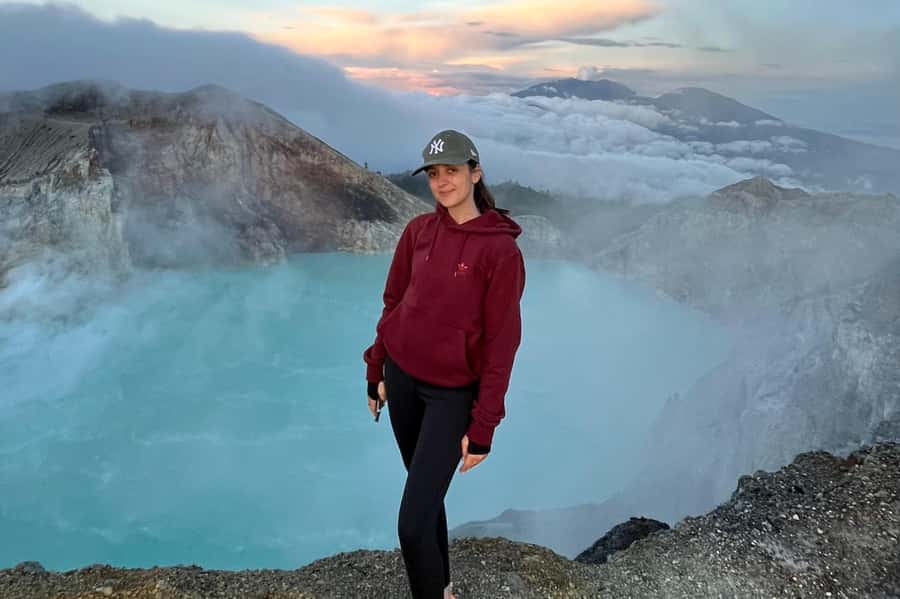
This tour is interesting because it targets one of Java’s most dramatic moments, a sunrise over Ijen’s acid lake, plus the chance to witness the blue fire near the crater. It is also one of those rare trips where you’re not just looking at scenery, you’re walking through a working sulfur landscape where people still do this every day.
I especially like how the experience builds in layers, first the cold, dark climb, then the rim views, and finally the crater-world details like local miners carrying sulfur rock. Guides such as Sopi, Surai, Rafi, and Noven are repeatedly praised for English support and keeping the group steady on the steep parts. The one drawback to plan around is that the hike is moderately challenging and can feel tough when it is steep and chilly, so it is not a good fit for people with heart problems or respiratory issues.
Key points to know before you go
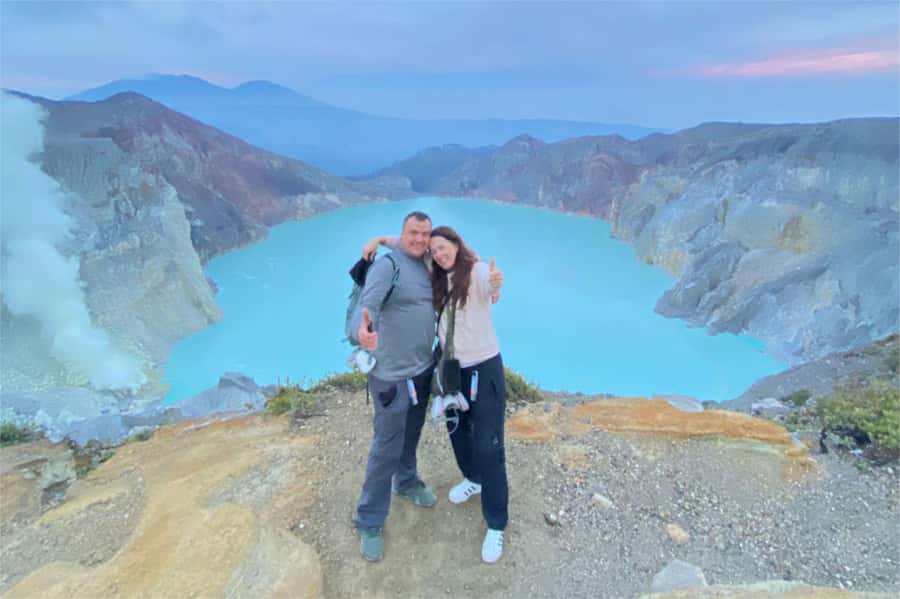
- Hotel pickup and drop-off in Banyuwangi makes the early start feel manageable
- Health check certificate and guide briefing are part of the routine before you hike
- Gas mask and headlamp are included, which matters in the crater zone and night climb
- Blue fire is possible but not guaranteed, so treat it as a bonus, not the goal
- You will see the sulfur miners up close, not just landscapes from afar
- Return is around 8:30 AM, so you still get most of the day after sunrise
Why Ijen Sunrise Feels Different from Other Volcano Trips
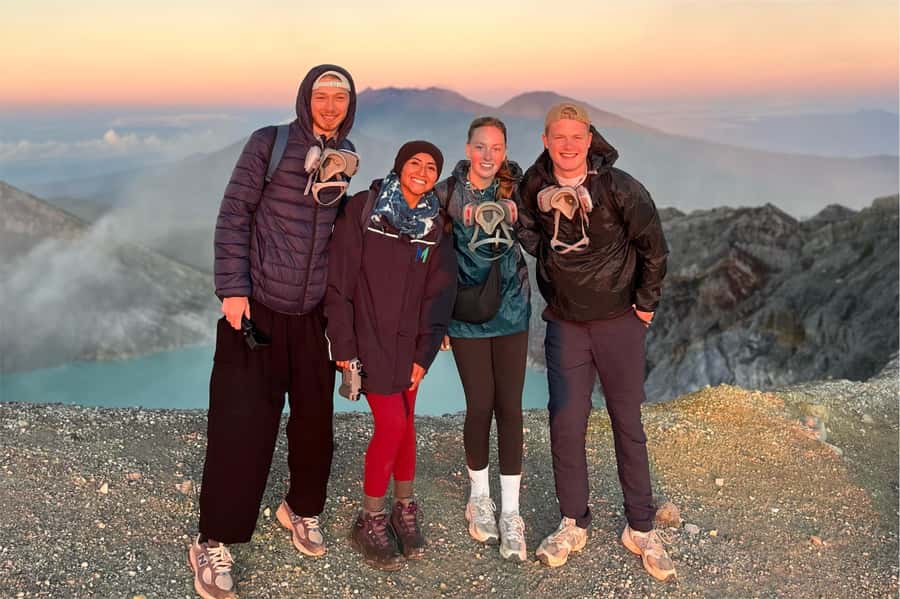
Ijen at sunrise has a specific mood. You start when it is dark and cold, you climb through the quiet, then you crest the summit and the whole crater view opens up in changing light. The payoff is that you’re watching the daylight come up over the largest acid lake of Java and the surrounding Ijen landscape.
What makes this tour stand out is that it is built around real crater work. The sulfur miners are not a “background detail.” You can actually see what they do, including people carrying sulfur rock, and that daily grind hits differently when you are standing above the same crater world they work in. It turns the experience from scenic to human, and that is usually what people remember most.
The blue fire idea is the other big reason. You are given the chance to see those famous light effects, but it is explicitly not guaranteed. I like that the tour frames it correctly. You’re not buying a ticket that promises fireworks. You’re buying access to a sunrise viewpoint and the crater approach that gives you the best odds on a clear day.
More Hiking & Trekking in Banyuwangi
- Banyuwangi : Mt Ijen Hike, Blue Fire & Panoramic Lake Guided
★ 4.9 · 98 reviews - Banyuwangi: Ijen Crater Bluefire and Sunrise Guided Trek
★ 4.9 · 65 reviews - From Banyuwangi or Bali Sunrise Ijen Vulcano Hiking All Inclusive
★ 5.0 · 50 reviews
Pickup from Banyuwangi and the Health Check That Sets the Tone
The day starts in the middle of the night with pickup from your accommodation in Banyuwangi. From there, you ride by van toward Ijen. This transport piece sounds simple, but it is a real value factor here. Getting yourself to an early meeting point and then coordinating the logistics on your own would take energy you want to save for the hike.
Before you really get moving, you go through a health check and you receive a certificate. In practice, this is more than paperwork. It forces the trip to confirm you’re fit enough for the steep conditions and low temperatures that come with a night-to-sunrise climb. If you’ve been carrying health concerns, this process can also give you an honest signal early, before you’re already deep into the schedule.
You also get the core safety gear. The tour includes a gas mask and a headlamp. That matters because you’re dealing with crater fumes and you’re hiking in the dark before sunrise. If you’re sensitive to cold, this is also when to switch on your comfort mode. The climb is not long in total time, but it is steep, so dressing warm and moving steadily is the name of the game.
One more practical point. Your tour information mentions passport (a copy is accepted). That’s worth taking seriously. Even if it seems annoying, being ready avoids the last-minute scramble that can throw off your pace.
The Midnight Climb: 1.5 Hours That Tests Your Legs, Then Clears Your Head
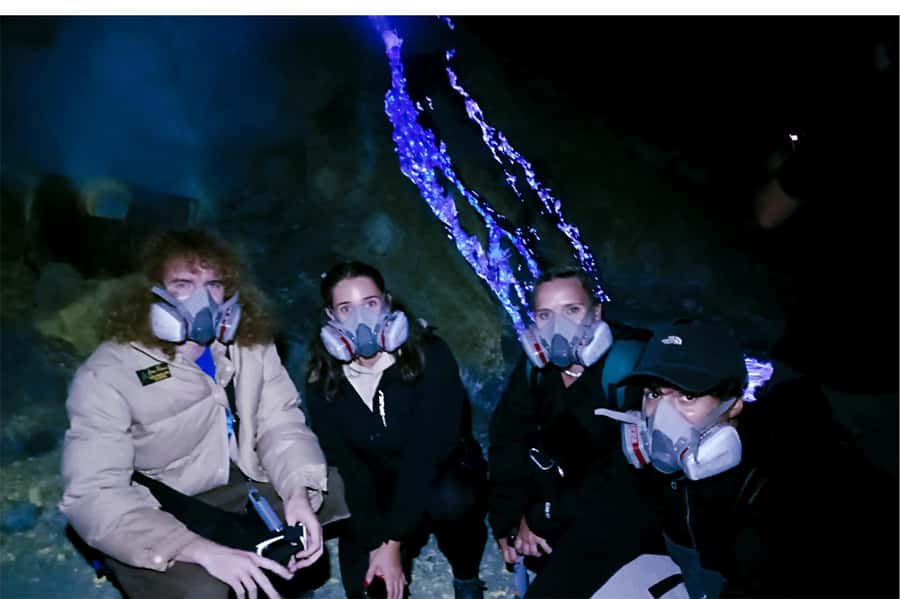
The main hike portion runs about 1.5 hours up to the summit area. You start with your headlamp on and you’re moving in darkness, which changes everything about how you feel on steep terrain. Your brain focuses on footing. That can sound stressful, but with a good guide, it becomes controlled and almost methodical.
This is where guide quality shows up. People repeatedly mention guides like Sopi, Surai, and Rafi for keeping the group together, giving clear instructions, and balancing safety with good energy. That combination matters. You want calm directions when the ground is uneven, but you also want someone to keep the mood up when it feels long and cold.
The climb itself is described as moderately challenging. That wording is honest. You don’t need to be an athlete, but you do need to be willing to work. If you tend to rush, you’ll feel it more. If you go steady and take the small pauses when the guide offers them, the ascent feels more doable.
Also, keep an eye on your own breathing. The tour notes it is not suitable for people with respiratory issues, so this is not a “push through no matter what” hike. If you know you get winded easily, treat this as a safety issue, not pride.
By the time you reach the top, the physical effort starts paying you back immediately. Even before sunrise fully pops, you get a sense of scale. The crater and the surrounding landscapes stretch out in the dark, and then they slowly turn into something you can actually read with your eyes.
Watching the Sunrise Over the Ijen Acid Lake
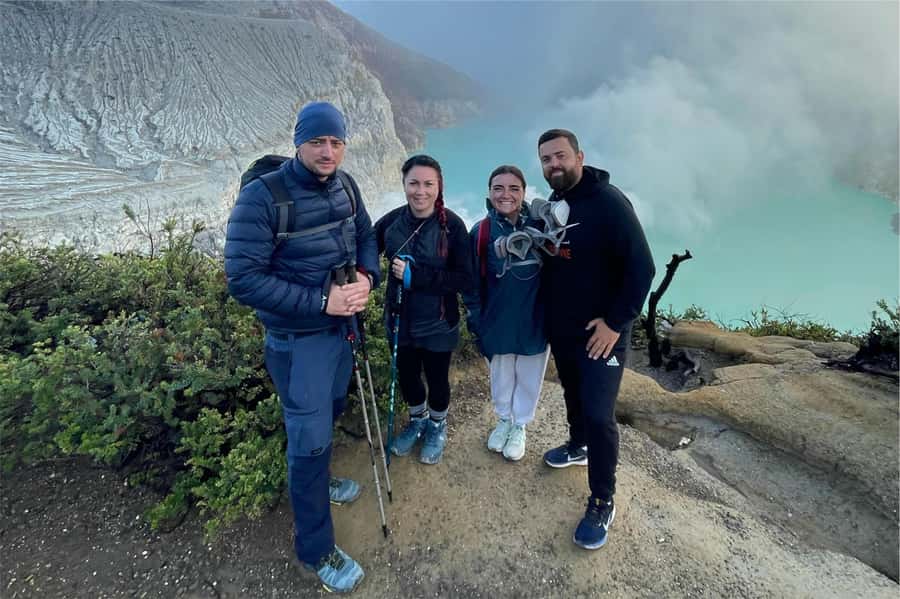
Once you’re in the summit viewing zone, the schedule shifts into viewing mode. The tour includes about 1 hour of sightseeing around the rim area as sunrise develops and the light changes fast.
This is when the largest acid lake in Java becomes more than a fact. In daylight, you can understand why Ijen is such a magnet for early risers. The crater holds a strange mix of color and atmosphere. The views feel raw and industrial, like nature and human work are right on top of each other.
It is also the time when your photos start to make sense. At night you’re relying on headlamps and quick exposure. In morning light, the scene becomes readable, and that’s when your camera and your eyes both get happier.
If you’re lucky with conditions, this is also when blue fire odds climb. The tour clearly says the mystical blue flame is not guaranteed, but you still get the chance on a clear day. That’s the right mindset: you’re going to experience the sunrise either way. Blue fire is the bonus that can turn a great morning into an unforgettable one.
More Ijen crater hikes:
- Banyuwangi/Bali: Ijen Volcano Midnight Blue Fire Guided Tour
★ 5.0 · 502 reviews - Banyuwangi/Bali: Ijen Blue Fire Tour With Transport Option
★ 4.5 · 51 reviews - Ijen Crater Blue Fire Night Hike
★ 5.0 · 49 reviews - Ijen Blue Fire Trekking
★ 5.0 · 44 reviews
Blue Fire Chances and the Miners You See Up Close
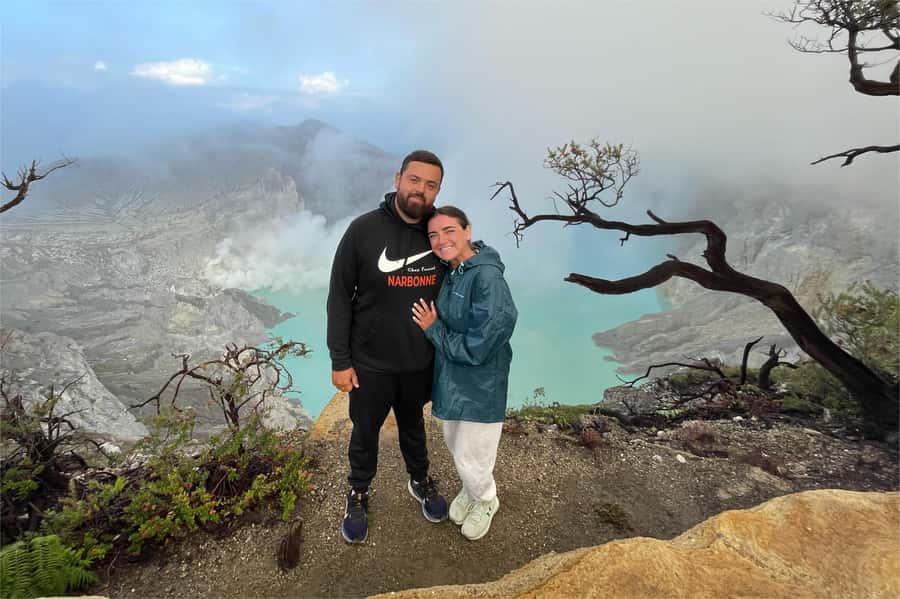
One of the most compelling parts of this experience is that you’re not just hunting effects. You’re walking through the crater zone where the work is visible.
You’ll get to see the sulfur miners carrying sulfur rock, which adds real context to what you are looking at. In these kinds of places, people assume volcano tourism is separate from local livelihoods. Here, it is connected. You can watch the scale of the task and understand why protection gear like the gas mask is taken seriously.
Then there is the blue fire. The tour frames it as a chance, not a promise. That matters because blue fire visibility depends on conditions, and you don’t control weather. The best approach is to treat your crater time as the core experience: sunrise, the acid lake, and the working crater environment. When the blue flames appear, it feels like the volcano is handing you a secret you didn’t expect.
Your guide plays a big role here. People praise guides for knowing the right spots and keeping the group moving in a way that protects your time and your energy. If you want better odds at seeing blue fire, follow your guide’s instructions closely, including timing and where you stand.
Some guides also add small extras that help the morning feel complete. For example, one person mentioned hot tea or coffee shared at the crater after climbing, and another noted banana fritters at the end. Those are not something to plan around, but they fit the vibe of guides who treat the experience like something to enjoy, not just survive.
Getting Back Down: Steep, Dark-ish, and Where Good Support Really Counts
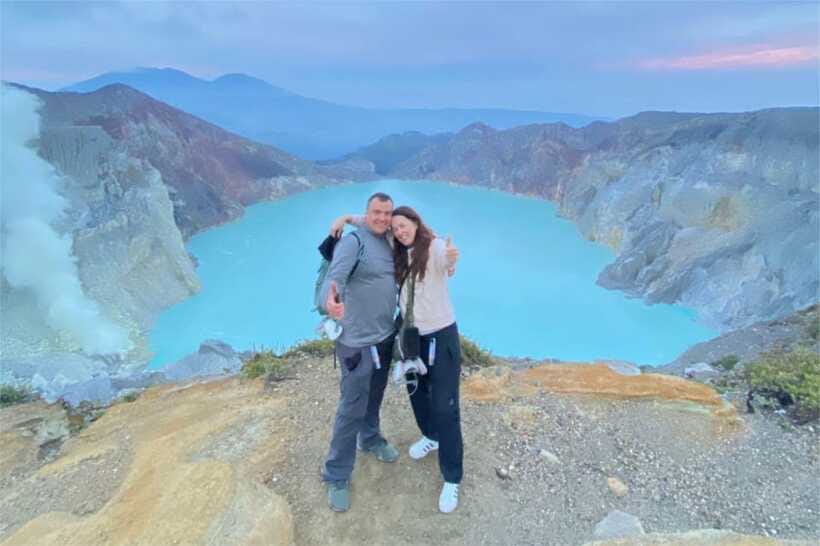
After the crater viewing, the trip includes additional walking time, about 1 hour on foot, followed by the return van ride. This part matters because the hardest part is not always only going up. Going down can feel worse on your knees and ankles, especially after a night of early climbing.
A few reviews highlight how guides stayed with people who needed to take it slower. That is exactly what you want from a good guide. The group dynamic matters here. If you are pushed too fast, you risk tripping, losing your footing, or just draining yourself before the morning is done.
You should also expect that crowds can build on steep terrain. That’s not a deal-breaker, but it does mean you should stay alert and keep your space on narrow paths. If you are the type who hates traffic, you might find it mentally annoying, but it’s part of why a guide matters, they help you move efficiently through the flow.
Gear-wise, you’ll likely depend on your headlamp again during the lower sections or the darker transition moments. One person noted headlamp batteries failing on their tour, which is a useful reminder. If you are sensitive to being without light, pack a small backup flashlight in your day bag, just in case.
Price and Value: $28 for a Full Morning, Not Just a Viewpoint Ticket
At $28 per person, you’re paying for much more than the view. The included items are the real value engine: hotel pickup and drop-off, an English-speaking guide, entry fees, a gas mask, a headlamp, and the health check certificate.
This matters because Ijen is not a casual add-on. You need early transport, you need crater-zone gear, and you need someone to manage timing. If you try to stitch it together independently, you’ll spend money on transport and you’ll still need the safety and logistics side handled for you.
Also, the timing is part of the cost benefit. The tour runs about 8 hours and gets you back to Banyuwangi around 8:30 AM, which means you don’t lose an entire day. You can still eat breakfast, rest, and continue exploring East Java later.
The most praised aspect across guide comments is consistent care, especially safety and group management. That kind of support is hard to price until you feel the steep terrain yourself. Here, you’re paying for a smoother experience.
What to Bring (and What You Should Not Forget)
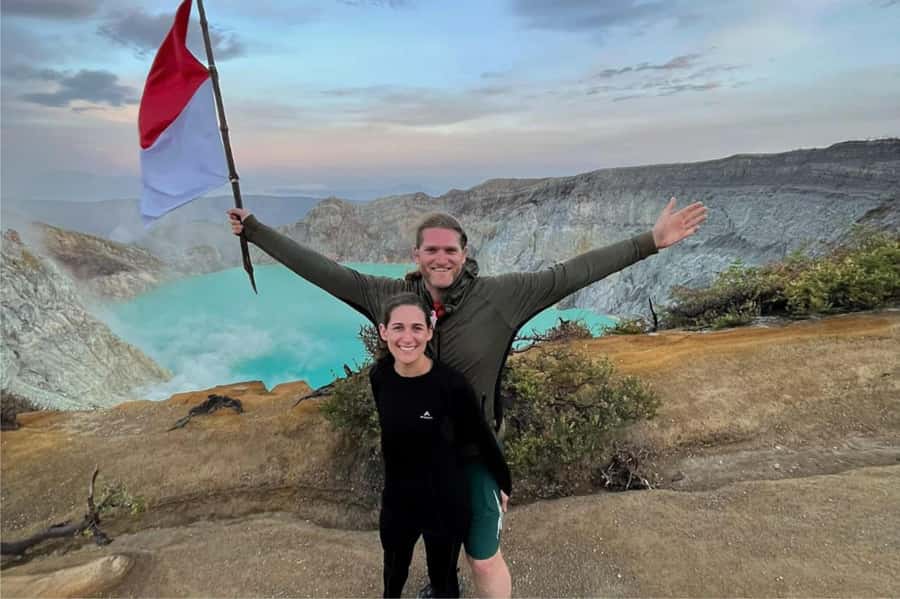
This hike is short on paper, but it is demanding in the ways that count. The tour notes you should bring warm clothing, comfortable shoes, and your passport or a copy.
Here is what you should actually do with that advice:
- Wear warm layers even if you feel fine at pickup. The night start and summit area temperature can surprise you.
- Choose comfortable hiking shoes with grip. Steep, uneven volcanic paths reward traction.
- Bring something for your comfort in cold wind, like a hat or gloves if you run cold easily (the tour focuses on warm clothing, so use your judgment).
- Pack your passport (or a copy). Don’t gamble on remembering it later.
Also, think about your breathing and comfort level. The tour explicitly says it is not suitable for people with heart problems or respiratory issues. If you fall into either category, don’t treat that as a suggestion. Treat it as a stop sign.
Finally, consider a backup light. Even though the tour includes a headlamp, one issue was reported, so a small spare flashlight is cheap insurance if you’re worried about being without reliable light on steep ground.
Who This Mt Ijen Sunrise Trip Fits Best
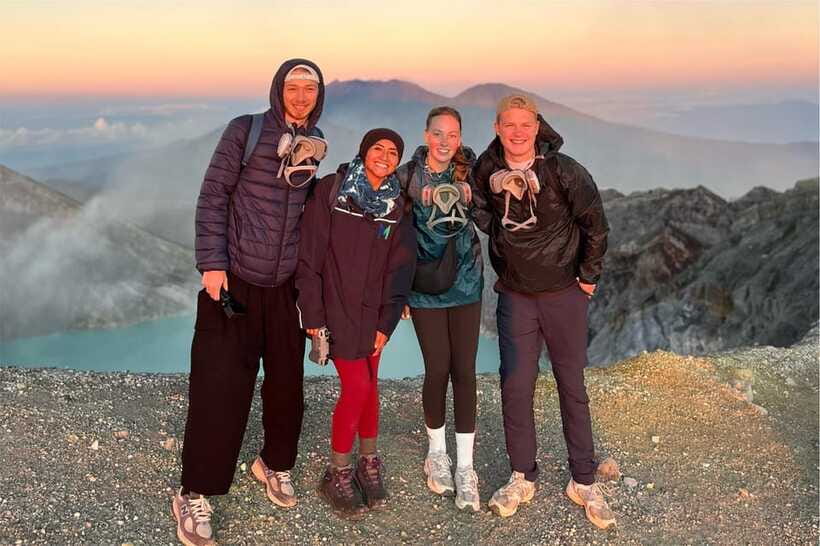
This is best for you if you like sunrise hikes, steep walks, and experiences that connect scenery to local life. If you want a relaxing stroll, this probably won’t match your pace.
It is also best for you if you value a guide who handles the details. The names that show up repeatedly, like Sopi, Surai, Rafi, Noven, Sule, and Qim Qim, are associated with strong English support, humor, and a careful approach. That combination helps when you are tired, cold, and focused on safe steps.
If you are traveling solo, this can work well too. One solo guests said the team support made the hike feel manageable, which is a good sign that the group is handled with care.
It may be tough for you if you have knee trouble or mobility limits, since steep terrain is part of the core experience. It may also be tough for you if you need steady medical comfort, since the tour is not suitable for certain health conditions.
Should You Book This Mt Ijen Sunrise Hike with Pickup and Health Check?
I think you should book it if you want a highly structured sunrise volcano morning, with pickup, gear, and guide support already handled. The value is strong at $28, especially because you’re getting more than a ticket. You’re getting a health check process, crater protection gear, and a guide-led route designed for early visibility.
I would not book if your health makes steep activity a bad idea, or if you’re the kind of person who gets panicky in the dark and on narrow paths. Even the best guides can’t change the fact that Ijen is steep and cold at night.
If your goal is the sunrise, the crater views, and the real working sulfur world, this trip is a smart choice. Blue fire is the cherry on top, and when you get it, it feels like the volcano decided to share a secret. When you don’t, you still get a serious sunrise and a crater experience you will not forget.
FAQ
What time do you return to Banyuwangi?
You return to Banyuwangi roughly by 8:30 AM.
Is the blue fire guaranteed?
No. You can have a chance to see it on a clear lucky day, but it is not guaranteed.
What is included in the tour price?
The tour includes hotel pickup and drop-off, a gas mask, headlamp, entry fee, a hiking guide, and a health check certificate.
How hard is the hike?
The hike to Ijen is described as moderately challenging and requires a good level of fitness, with steep terrain.
Who is this trip not suitable for?
It is not suitable for people with heart problems or respiratory issues.
What should I bring?
Bring comfortable shoes, warm clothing, and your passport (a copy is accepted).
Newest reviews out of Banyuwangi
- Ijen Blue Fire Trekking★ 5.0 · 44 reviews
- Ijen Crater Blue Fire Night Hike★ 5.0 · 49 reviews
- From Banyuwangi or Bali Sunrise Ijen Vulcano Hiking All Inclusive★ 5.0 · 50 reviews
- Banyuwangi/Bali: Ijen Blue Fire Tour With Transport Option★ 4.5 · 51 reviews
- The Authentic Sunset Of Baluran National Park Banyuwangi★ 4.9 · 70 reviews
- Banyuwangi : Mt Ijen Hike, Blue Fire & Panoramic Lake Guided★ 4.9 · 98 reviews
- Banyuwangi: Ijen Crater Bluefire and Sunrise Guided Trek★ 4.9 · 65 reviews
- Banyuwangi/Bali: Ijen Volcano Midnight Blue Fire Guided Tour★ 5.0 · 502 reviews
Ijen Crater Tours, compared.
Surabaya or Malang: Tumpak Sewu Bromo & Ijen 3-Day Trip
Read our review →
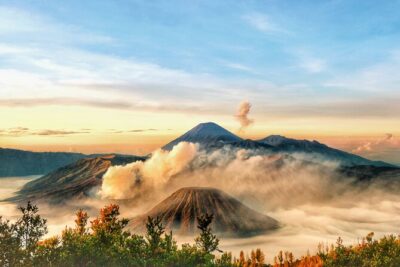
3Days – Tumpaksewu Bromo Ijen Adventure via Malang or Surabaya
Read our review →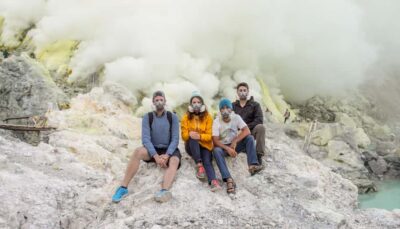
24-Hour Trip to Ijen Crater & Javanese Breakfast
Read our review →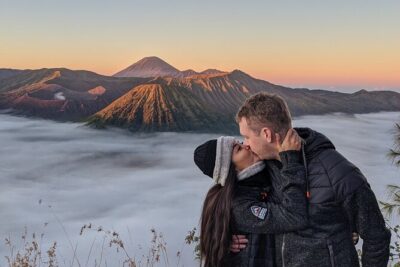
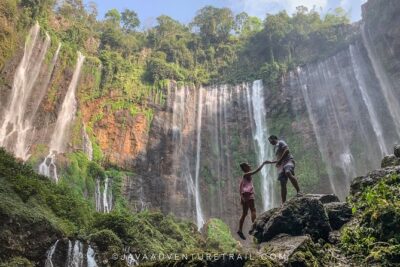
Mount Bromo – Tumpak Sewu Waterfall – Ijen Bluefire Tour – Bali 4d3n
Read our review →
Browse the lists this tour appears in