
Reviewed · COOKING CLASSES
Exclusive Authentic Balinese Cooking Class at Family home
A Balinese cooking class near Ubud is one thing, but doing it at a family home after a real market stop is the real hook. You get the food lessons plus the everyday rhythm of Payangan, then you cook under a traditional open kitchen setup.
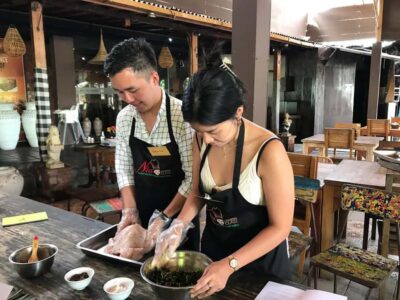
I really like two things here. First, you start at Payangan Market, so you know what the ingredients are before they hit your chopping board. Second, the class is hands-on from the start, with students doing the prep and cooking in their own station.
One thing to plan for: the experience requires good weather, and it is designed for a minimum age of 12. If your group is younger, or if rain disrupts outdoor parts, you may need to adjust your expectations.
Key things I’d circle in the booking notes
- Payangan Market first: you see spices and local produce up close before cooking begins.
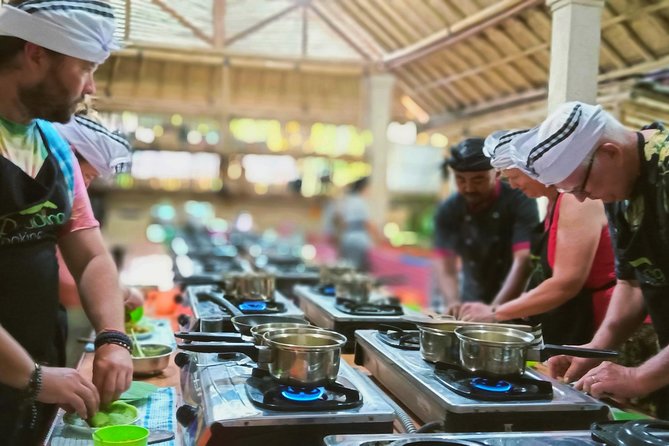
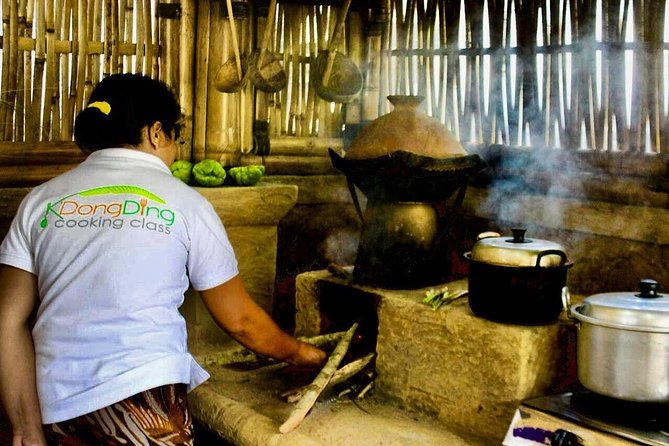
- Family home, open kitchen: you cook in a traditional compound setting, not a polished demo space.
- Stone mortar and wooden pounding: you learn two spice prep styles, not just how to follow a recipe.
- Private group, up to 12: maximum comfort for hands-on work, especially with individual cooking stations.
- Morning class or afternoon class formats: you can end with lunch or dinner you cooked yourself.
- Vegetarian dishes available: you can cook several vegetarian versions if you request in advance.
Payangan Market plus a family open kitchen, the real reason this class works
This is the kind of Bali activity that helps you understand why Balinese food tastes the way it does. You are not just copying flavors from a paper menu. You are learning how ingredients are chosen, processed, and turned into paste, sauce, and full dishes.
The best part is the flow. You begin with the market, where you can spot chilies, aromatics, and vegetables in context. Then you step into the family compound and cook those exact ingredients using traditional tools. That link between market and meal is what makes the final plate feel earned.
Also, you get a true social side of Bali food culture. In the family home setting, the class tends to feel like a warm invitation rather than a scripted performance. In past sessions with the chef team, they have even shared extra personal details during the grounds tour, like meeting a rescued pet monkey. Details like that are not the point of the meal, but they make the experience more human.
More Cooking Classes in Ubud
- Ubud Cooking Class Bali with Balinese Chef
★ 5.0 · 1,609 reviews - Ubud: Cooking Class with Transfers and Optional Market Visit
★ 4.9 · 824 reviews - PRIVATE Authentic Balinese Cooking Class in Ubud at Putu’s Home
★ 5.0 · 644 reviews
The 6-hour flow in Ubud: coffee, market touring, and a meal you fully make
Plan for about 6 hours from start to finish. The core structure is simple: market visit, compound home welcome, then hands-on cooking, ending with the meal you prepared.
You also get a built-in comfort moment at the start. You are welcomed with Balinese coffee or tea, plus Balinese cake. That means you can settle in with something warm and sweet before you start tasting spices.
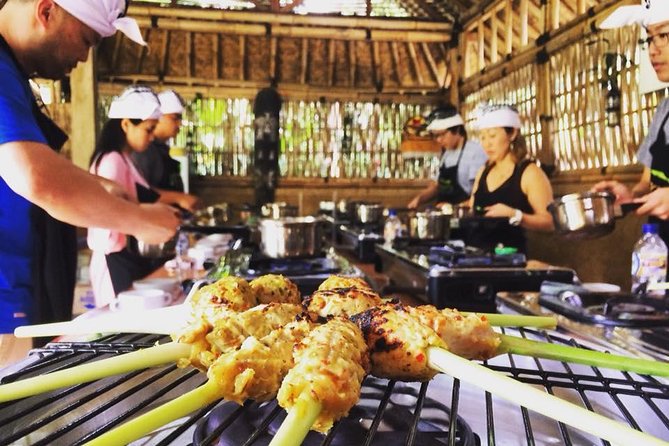
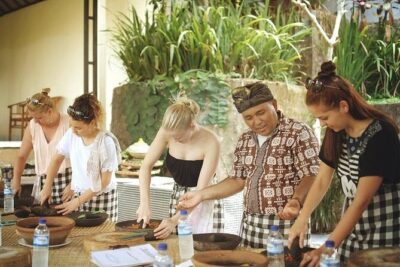
From there, you move into cooking work that is not passive. You chop, pound, process, grill, and plate. The class is designed so students do the work at their own stations, with the chef guiding the technique and flavor choices.
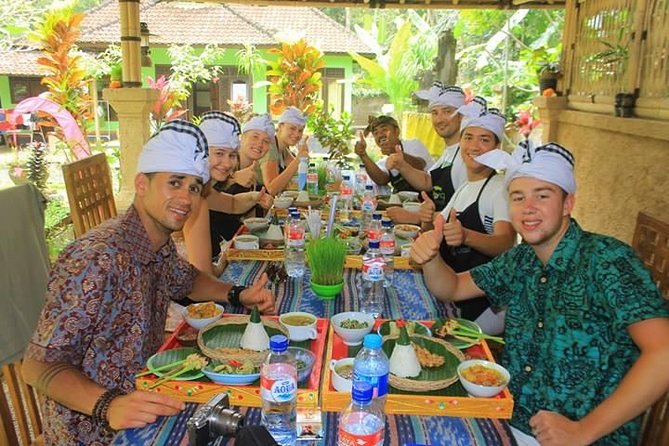
There is also a practical rhythm built into the menu. Morning classes tend to end with lunch, while afternoon classes end with dinner. Either way, the food is cooked by your hands, then you eat what you made.
Stop 1, Payangan Traditional Farmer Market: the ingredient lesson you can taste
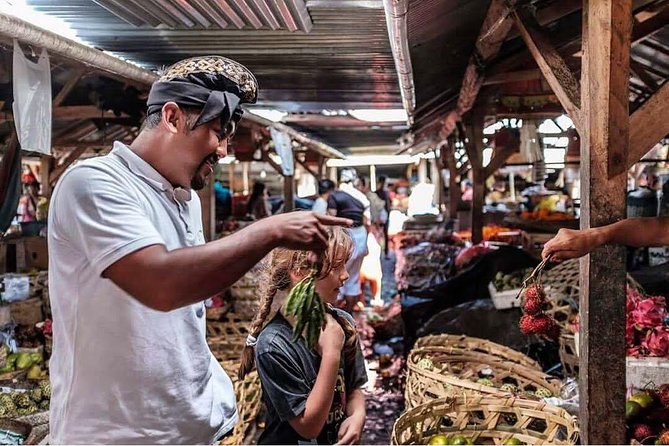
Payangan Market is where you get your first real Bali food upgrade. Instead of guessing at spices, you learn what you are buying and why it matters.
You will see local produce and spice ingredients, then you get explanations that connect those ingredients to Balinese cooking. This is not just a photo stop. You can ask questions, and the chef helps you understand the role of what you are seeing.
A small but smart detail is how the market content supports the cooking part. When you later grind spice paste, chop aromatics, and make sauces, you already know what those items were in the market. That saves you from the common cooking class problem, where the ingredients feel mysterious and you are just following steps.
If you are the type who loves food detail, this is your moment. If you are less into markets, this still helps because it gives you a simple mental map of the flavor building blocks.
The Balinese compound house welcome: coffee, cake, and the open kitchen reality check
After the market, you return to the family compound home setting. This is where the class shifts from public street life to private kitchen life, and that change matters.
You typically get a quick welcome that includes Balinese coffee or tea and Balinese cake. Then there is time for spice-related testing before you start cooking in earnest. Spice testing is key because Balinese flavor often starts before the stove ever heats up.
The open kitchen setup is another big deal. You are not sealed into a classroom. You work in an environment that feels like home cooking, with traditional utensils and space for multiple stations.
In some sessions, the family also shares a short tour of the grounds and introduces you to daily life around the compound. That can include meeting pets kept on the property, like a rescued monkey, in addition to the kitchen area. It is not required for the cooking to work, but it is part of why this class feels more like a cultural visit than a timed workshop.
Something different for the next Ubud day:
- All-Inclusive Ubud Private Tour
★ 5.0 · 14,344 reviews - Best of Ubud Full-Day Tour with Jungle Swing
★ 5.0 · 8,571 reviews - Ubud: Monkey Forest, Jungle Swing, Rice Terrace, and Water Temple
★ 5.0 · 7,160 reviews - Ubud: Waterfalls, Water Temple & Rice Terraces Private Tour
★ 5.0 · 5,484 reviews
Hands-on cooking focus: paste work, stone mortar grinding, and sauce making
This class earns its price by being serious about technique. Balinese spice paste is not an afterthought here. It is the center of the cooking work.
You practice traditional spice preparation in two main styles. One is chopping spice ingredients on a wooden block. The other is grinding them in a stone mortar. Those different textures affect the flavor and the way sauces and pastes behave when cooked.
The class also covers the transition from paste to finished dish. You are guided through processing steps like building base mixtures, then cooking them into sauces or fillings. You will also do tasks like pestling and pounding, then grilling portions as needed for certain dishes.
A detail I appreciate: the class is described as being hands-on with students doing all prep and cooking. The chef is there to correct and guide, but you are not waiting around for the instructor to do everything. That is why the meal at the end feels different. You are not just eating a dish, you are tasting your own process.
In past experiences with chefs such as Nyoman Mahendra, the teaching style has been described as very hands-on in guidance but not micromanaging. You do the steps, you learn the why, and you leave with a sense of control. In other sessions, chefs like Wayan have also led classes with a similar focus on technique and question-friendly explanations.
What you cook: Balinese dishes, vegetarian versions, and what to request early
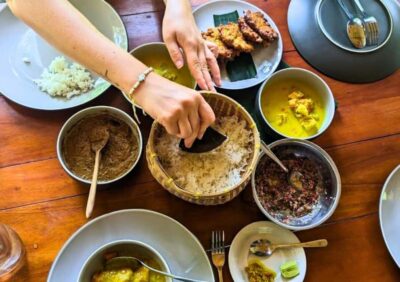
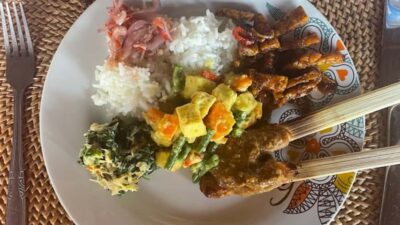
You cook a set of Balinese dishes that can include the following options:
- Jukut Urab (V)
- Sate Lilit Ayam (V/TOFU)
- Calon Be Siap with Chayote Soup (V/TOFU)
- Tahu Mesanten (V)
- Dadar Gulung (V) ala kdongding
The exact menu may vary by class format, but this gives you a strong idea of what kind of flavors and textures you will touch. You are working with vegetable-forward dishes, tofu substitutions for vegetarian options, and Balinese staples that rely on spice paste and coconut elements.
Vegetarian is not an awkward after-change here, but it does require planning. The class asks you to let them know in advance so they can prepare vegetarian versions. If you have other allergies, reach out for special requests before the day of class, not after.
One helpful tip for your own preparation: think about how you want to eat at home afterward. If you want to recreate dishes, the recipe book plus the certificate can be more useful than you might expect. The dishes are not one-bowl, bland, or simplified. You will likely want those written notes when you try it later.
And yes, you will eat well. Morning classes include lunch you cook yourself. Afternoon classes include dinner you cook yourself. Either way, you are tasting the full outcome of your spice work.
Vegetarian food and tofu options: how to make it easy for your host
Balinese cooking can be spice-heavy and ingredient-specific, so vegetarian success is about substitutions that still respect the dish structure.
Here, vegetarian versions include tofu options noted for items like Sate Lilit Ayam (V/TOFU) and Calon Be Siap with Chayote Soup (V/TOFU). That is a good sign, because it means the kitchen is not just swapping ingredients blindly. They are aiming for the flavor and texture profile.
If you are vegetarian, message your needs when booking. If you are not just vegetarian but also have allergies, say so clearly. This matters because the class includes prep work that uses spice ingredients and kitchen tools. You want your host to plan accordingly.
Also, the class includes free water refills at the class. Still, the instruction is to bring your own bottle to cut down on single-use plastic. That is a small change, and it makes the day more comfortable if you step outside during breaks or between market and kitchen.
Price and logistics: $75 value, private group limits, and pickup math
The price is $75 for a private class experience near Ubud, with pickup and drop-off included in the Ubud area. For what you get, I think this is reasonable value.
You are paying for:
- a private chef-led cooking workshop
- a market stop before cooking
- hands-on station time for you, not just watch time
- recipes book and a culinary workshop certificate
- coffee or tea welcome with Balinese cake
- lunch or dinner you cook yourself
- cooking tools, ingredients, and kitchen setup
That is a lot packed into a single half-day style experience.
Now the logistics that can affect your actual cost. The maximum group size is 12 per booking, and it is private, meaning only your group participates. However, the vehicle matters. The car can fit up to 6 passengers. If your party is 7 to 12, there is an additional $15 per person for guests 7 to 12.
Pickup outside the Ubud and Payangan area costs extra. Sanur area hotels have an extra IDR 350k charge per booking, while Kuta, Seminyak, Legian, Nusa Dua, and Jimbaran area hotels have an extra IDR 500k per booking. If you are staying in those areas, ask about the total before you lock in your final plan.
One more practical note: children must be accompanied by an adult, and the minimum age is 12. If you have kids, this is not a drop-in family activity. It is a real cooking session, so age fits matter.
Who should book this Balinese cooking class near Ubud
Book this if you want Bali food with context, not just a tasting class. It is especially ideal for:
- food lovers who like technique, not only flavor
- travelers who want a family home setting and real local life
- vegetarians who want actual dish options, including tofu substitutions
- anyone who likes asking questions during a market stop
If you are short on time, this is still a full 6-hour block. But it is one of the few food experiences that feels like you are learning a repeatable skill. Spice paste work is hard to learn from a standard cooking demo. Here you do it.
If you dislike markets, you might find the Payangan stop a lot. But even if you are not a market person, it still helps you understand the ingredients and makes the rest of the class easier to follow.
Should you book this class or choose a different Ubud food experience?
I would book it if your goal is to leave with technique and recipes, plus a dish you made yourself in a real family kitchen setting. The combination of market-first learning and hands-on paste and sauce preparation is the main reason this works.
Skip it or reconsider if any of these apply:
- your group includes anyone under 12 years old
- weather is a major concern for your travel dates, since the experience requires good weather
- you want a low-effort, mostly seated activity, because this is hands-on cooking work all the way through
If you do book, send your vegetarian needs and any allergy details ahead of time. And if you are in a larger group, do a quick cost check for the vehicle limit so there are no surprise adds.
FAQ
How long is the cooking class near Ubud?
The experience runs for about 6 hours. It starts with the Payangan Market stop and ends back at the meeting point, with your cooking and meal included during the time in between.
Do they offer vegetarian meals?
Yes. Vegetarian options are available, including vegetarian versions and tofu substitutions listed for some dishes. You need to let them know in advance so they can prepare the menu accordingly.
What dishes will we cook?
The class includes teaching recipes for several Balinese dishes such as Jukut Urab (V), Sate Lilit Ayam (V/TOFU), Calon Be Siap with Chayote Soup (V/TOFU), Tahu Mesanten (V), and Dadar Gulung (V) ala kdongding.
Is pickup included from my hotel in Ubud?
Pickup and drop-off are free in the Ubud area. There are also extra charges if your hotel is outside Ubud and Payangan, including Sanur and the Kuta, Seminyak, Legian, Nusa Dua, and Jimbaran areas.
Is this tour private?
Yes. It is a private tour/activity, only your group participates. The booking has a minimum of 1 person and a maximum of 12 people.
What happens if it rains or I need to cancel?
The experience requires good weather. If it is canceled due to poor weather, you will be offered a different date or a full refund. If you cancel or ask for changes, it is non-refundable and cannot be changed for any reason.
Newest reviews out of Ubud
- Ubud Silver Class: Forge Your Personal Silver Keepsake★ 4.9 · 39 reviews
- Amazing Kuber ATV Quad Bike Experience in Bali and Tunnel★ 5.0 · 39 reviews
- Lempuyang Tour : Heaven gate, Tirta Gangga, Goa Raja waterfall★ 5.0 · 39 reviews
- Make Traditional Bali Coconut Oil with a Balinese Family★ 5.0 · 39 reviews
- Private Tour : Bromo Ijen Tour From Bali★ 5.0 · 39 reviews
- Bali Private Car Charter Tour with English Speaking Driver★ 5.0 · 39 reviews
- Ayung Rafting Ubud (Include Lunch & Return Transportation)★ 4.5 · 40 reviews
- Private Bali Tour: The Most Scenic Places★ 5.0 · 40 reviews
Cooking Classes, compared.
Cooking Class with Transfers and Optional Market Visit
Read our review →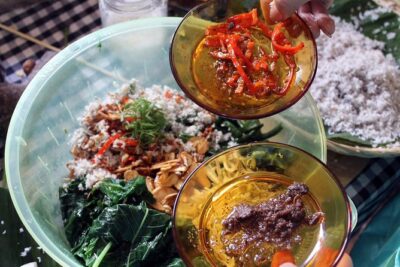
PRIVATE Authentic Balinese Cooking Class in Ubud at Putu’s Home
Read our review →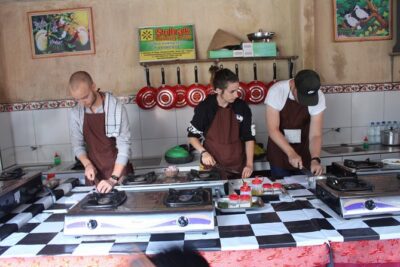
Balinese Ubud cooking school (9 Dish Cooking and Market Tour)
Read our review →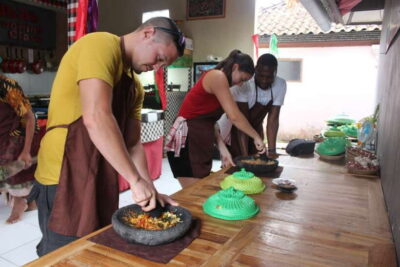
Browse the lists this tour appears in