
Reviewed · COOKING CLASSES
From Ubud : Ubud Balinese cooking class with Market tour
This Ubud Balinese cooking class is interesting because you do not just cook. You also see how locals shop for ingredients in a traditional morning market, and you get a scenic stop at the rice paddies. Then you return to a kitchen for a hands-on session that ends with you eating what you made.
I especially like the small group size (max 12) and the way the class centers on Balinese spice paste, which becomes the flavor base for multiple dishes. A possible drawback is that the food can come out very spicy, so if you want mild flavors, plan to say so early.
Key things to know before you go
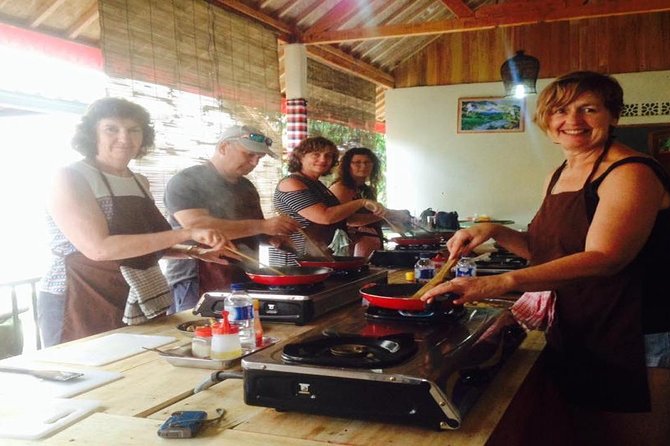
- Max 12 people means more time at your station, not just watching
- Market plus rice paddies (morning option) adds context to what you cook
- Canang offering (afternoon option) gives you a look at Balinese everyday ritual
- Spice paste first helps you understand the shared flavor logic across dishes
- 9-recipe cooking session with a buffet lunch that closes the loop
- Take-home PDF recipes makes it easier to recreate the food later
Why This Ubud Balinese Cooking Class Feels More Real Than Just a Menu
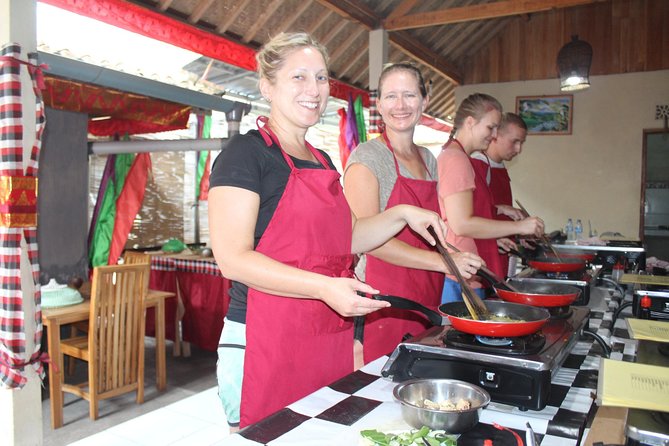
If you only want a cooking demo, skip this. This experience is built around doing the work yourself, while still giving you the cultural setup that makes the flavors make sense.
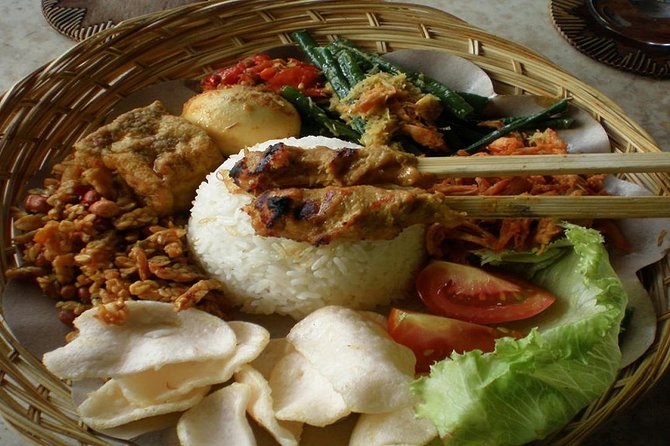
You start with a morning market and rice paddies if you book the morning class. That does something practical. It shows you what people actually buy and how ingredients are handled locally. Then you move into the kitchen and learn to build flavor step by step, starting with a Balinese spice paste that functions like a master ingredient for several recipes. That is the part you remember when you are back home cooking.
The best value here is not just the number of dishes. It is the combination of market context + guided technique + a take-home recipe PDF. For $58 and about 5 hours, you are getting a full half-day culinary experience in Ubud center, with pickup and drop-off included.
One thing to keep in mind, though: Balinese food in this setup can be hot. In one case, even people who like spice struggled to eat. If you are heat-sensitive, tell your guide right away and ask what you can adjust.
More Cooking Classes in Ubud
- Ubud Cooking Class Bali with Balinese Chef
★ 5.0 · 1,609 reviews - Ubud: Cooking Class with Transfers and Optional Market Visit
★ 4.9 · 824 reviews - PRIVATE Authentic Balinese Cooking Class in Ubud at Putu’s Home
★ 5.0 · 644 reviews
The 5-Hour Flow: How Your Day Moves From Hotel Pickup to Recipe Take-Home
Your day typically starts with hotel pickup in Ubud. The tour uses an air-conditioned vehicle with a driver, and the included drop-off is for hotels in Ubud center. Once you arrive, you kick things off with a cold welcome drink, usually iced tea, and bottled water is provided during the experience.
Then it moves in a clear pattern:
1) context outside the kitchen (market, rice paddies, or canang offering depending on the time slot)
2) preparation in the kitchen (spice paste, recipe building)
3) eating what you made (buffet lunch at the Balinese house)
4) leaving with a PDF copy of the recipes (so you can cook again later)
At the end, you head back to your hotel within Ubud center.
This structure matters. It keeps you from feeling like the class is disconnected from the culture. You are not just learning recipes. You are learning how people think about taste, texture, and seasoning.
Morning Class: Tampaksiring Market and Rice Paddies for Ingredient Context
If you book the morning version, you start with a traditional market stop in Tampaksiring village. This is one of the best parts if you like seeing where food begins. Markets here are not just stalls. You get the social energy and the “how locals shop” rhythm.
You also get a scenic pause at local rice paddies. It is not just pretty scenery. Seeing rice fields in Bali helps you connect the dots between agriculture and what ends up on plates, from starches and greens to the overall role of farming in daily life.
In the kitchen later, that context makes you cook with more intention. When you recognize an ingredient you saw earlier, it is easier to understand why it is included and how it changes the dish.
A practical note: the morning stops mean more time outdoors. Wear comfortable shoes and expect some walk time on uneven ground. Bring a hat if you burn easily. The class provides water, but sun adds up.
Afternoon Class: Canang Offering and Why It Matters to Balinese Cooking
If you book the afternoon slot, you skip the market and rice paddies and instead add a cultural stop focused on making canang offerings. These small daily offerings are part of life in Bali, placed in places where people work, live, and travel through.
Even if you are mainly there for food, this piece helps you understand why Balinese cuisine is not treated as separate from everyday ritual. It reminds you that cooking, serving, and eating are woven into daily rhythms.
The hands-on cooking still happens after. The difference is that the morning group spends time on market food sources and the afternoon group spends time on ritual and daily practice. Either option gives you something meaningful, depending on what you want most.
More Shopping Tours in Ubud
- Balinese Ubud cooking school (9 Dish Cooking and Market Tour)
★ 5.0 · 540 reviews - Ubud: Balinese Cooking Class and Market Tour
★ 4.8 · 531 reviews - Balinese Cooking class with traditional morning market visit
★ 5.0 · 161 reviews - PRIVATE Ubud Market Tour & Balinese Cooking Class with Putu
★ 5.0 · 125 reviews
The Spice Paste Lesson: The Base That Links Several Recipes
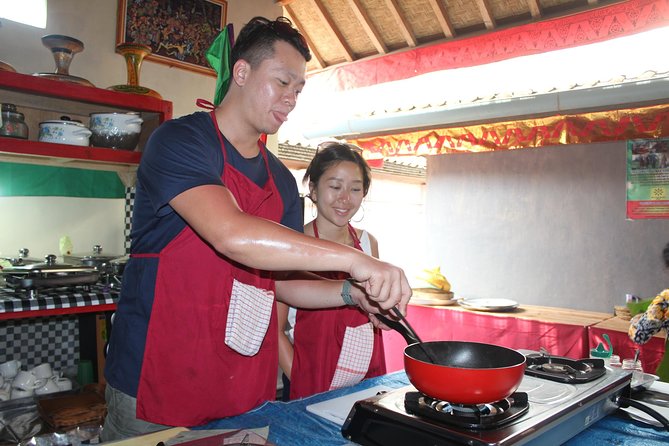
A major strength of this class is the way it starts with a Balinese spice paste. You make the paste as a base sauce used across multiple dishes. That is a smart approach because it teaches a technique, not just a list of ingredients.
You will learn the basics of how Balinese seasoning gets built, and you will see how the same flavor foundation can show up in different forms. This is exactly the kind of lesson that helps when you cook later. Instead of only following steps blindly, you learn what to taste for and how a paste changes a dish.
Also, making paste yourself gives you a reality check. Many people think spice paste is a “quick step.” In practice, it takes effort and attention. You come out better at judging when it is ready.
If you want to manage heat, this is also the moment to speak up. Ask if you can keep the spice level milder for your dishes, or whether there is a way to balance it during cooking.
Cooking 9 Dishes: What You’ll Actually Make and Why Each One Teaches Something
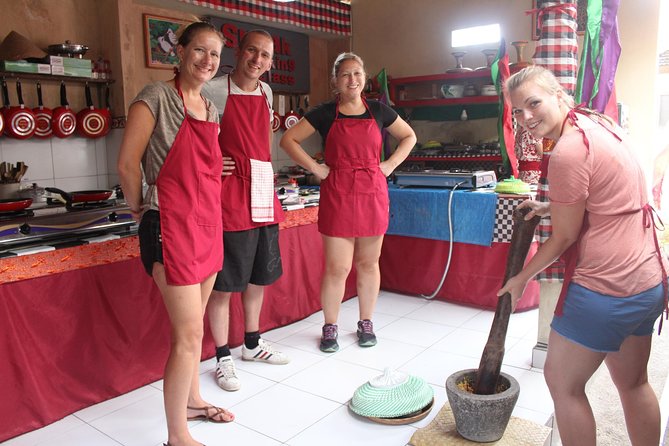
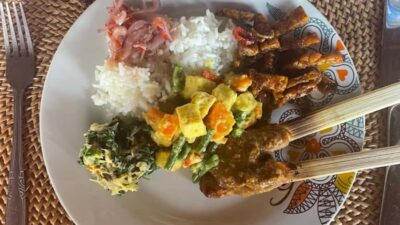
You will cook around 9 Balinese recipes during the class, in an outside kitchen setup. The exact dish list can vary, but you can expect classic Balinese items such as fried tempe, Balinese chicken, and vegetable soup, plus other local dishes.
Here is why the lineup is a good mix:
- Fried tempe teaches texture control and how batter or coating affects crunch.
- Balinese chicken helps you learn how spice paste works with meat, not just as a standalone sauce.
- Vegetable soup shows how flavors carry even when ingredients change, and how seasoning behaves in liquid.
- The variety of dishes helps you see the difference between dishes built for bold punch versus those built for comfort and balance.
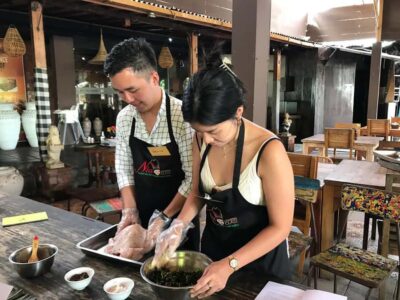
Hands-on cooking is the point. You do not just taste and move on. You work, you adjust, and you learn in real time.
Small-group size also helps here. With max 12 people, you can get correction and tips without waiting forever for the instructor to notice you.
Buffet Lunch: Eating What You Cook, Not Just Watching It Get Served
After the cooking comes a buffet lunch at a Balinese house. This is when the class turns into a full experience, not a workshop.
You get to enjoy what you made, which is more satisfying than a take-away plate. It also lets you compare your expectation to reality. If you thought something would taste a certain way, you learn what balance actually feels like when it hits your plate.
Another practical plus: you are not left scrambling for food later. The tour includes the meal, plus food tasting during the process.
If you are picky about spice or texture, tell the guide during prep. You will have more control early than you will once everything is on your plate.
The PDF Recipe Take-Home: Your Best Tool for Cooking Again
One of the most useful inclusions is the PDF copy of the 9 recipes. It is not just a nice souvenir. It gives you a reference you can actually use when you recreate the dishes later.
This also helps if you are cooking at home with substitutions. When you have the full recipe set, you can compare what you did in class to what you are doing in your kitchen.
The lesson here is simple: take-home materials make the class stick. Without them, you remember flavors but forget exact steps and proportions. With the PDF, you have a way to keep improving.
Pickup, Drop-Off, and the Ubud Center Rule (Read This Part)
Hotel pickup is included, but only for hotels in Ubud center. Drop-off and pickup out of that area can involve additional charges. If you are staying beyond Ubud center, confirm this before you go.
You should also bring cash if you might need to pay for extra transport outside the Ubud area, or for small purchases during the day. One small detail that matters: you are told to bring money cash for buying something or paying additional transport charges.
The vehicle is air-conditioned, which is a real comfort in Bali heat. After a morning market walk or rice paddy sun, you will likely appreciate that ride back.
Normal uniform is mentioned, so you should expect to wear something practical for cooking. Comfortable shoes are still your friend, especially if your feet tend to hurt outdoors.
Who This Tour Suits Best, and Who Might Want to Skip It
This class fits best if you want:
- a real hands-on cooking session with guidance
- market and agriculture context (morning option)
- a small group feel (max 12)
- a take-home PDF that helps you cook later
It is also a solid family option if your kids enjoy food activities. One family-focused experience I saw highlighted that the whole day felt like a shared outing, not a drop-and-hope situation.
Who might want to think twice:
- If you are very spice-sensitive, you will need to communicate early. Some batches can be hot enough to slow people down.
- If you hate markets or prefer only indoor time, choose carefully between morning and afternoon slots.
Tips to Make It Go Smoothly (and Taste Better)
Here are the practical things that make a big difference:
- Tell the guide about your spice level early, ideally at the start of cooking.
- Wear shoes you can walk in on uneven ground if you do the morning rice paddy stop.
- Bring a camera. The tour mentions bringing one for pictures.
- Keep some cash on you for any out-of-Ubud transport additions or small buys.
- If you are vegetarian, request it one day before the class.
If you want to get more out of the market portion, go in curious. Ask questions about the items you see. Even simple observations, like how people group and choose ingredients, help you cook more confidently later.
Price and Value: Is $58 a Good Deal for Ubud Cooking?
For $58 and about 5 hours, this is generally strong value in Ubud. Why? Because you get more than a cooking lesson.
You get:
- pickup and drop-off within Ubud center
- an air-conditioned vehicle and a driver
- a local guide and instruction
- food tasting and a buffet meal
- cooking for about 9 recipes
- a recipe PDF take-home
Many food tours cost similar money but leave you hungry, or they teach with minimal hands-on time. Here, you are actively cooking, tasting, and eating what you made.
The only cost risk is if you are outside Ubud center, where extra pickup can require an additional charge. If you are staying in or near Ubud center, you can plan more confidently.
Should You Book This Ubud Balinese Cooking Class?
Book it if you want a half-day that mixes culture and cooking, not just one or the other. The small group size, the spice paste base, and the 9-recipe hands-on format are exactly what make this kind of experience memorable.
Skip or be cautious if spice heat is your biggest issue. You can still have a great time, but you need to speak up early and ask how your dishes can be adjusted.
If you are the kind of person who enjoys learning by doing, and you want recipes you can actually use later with the PDF, this is a very sensible choice for Ubud.
Newest reviews out of Ubud
- Bali: ATV Rafting Zipline Swing &Sky Bike in Ubud Rice Field★ 4.7 · 12 reviews
- Ubud VW Safari Bali Tour★ 4.6 · 12 reviews
- Royal Family Temple, Monkey Forest, and Tanah Lot Sunset Tour★ 5.0 · 12 reviews
- Ubud rice terrace, waterfall, and temple guided trip Bali★ 5.0 · 12 reviews
- The Popular Of Ubud Private Day Tour★ 5.0 · 12 reviews
- Best Of Ubud Highlights Private Tour★ 5.0 · 12 reviews
- Bali Quad bike ATV passing through Waterfall, Cave & Rice fields★ 5.0 · 12 reviews
- Best of Ubud – Kintamani Volcano View – Private Tour★ 5.0 · 12 reviews
Cooking Classes, compared.
Cooking Class with Transfers and Optional Market Visit
Read our review →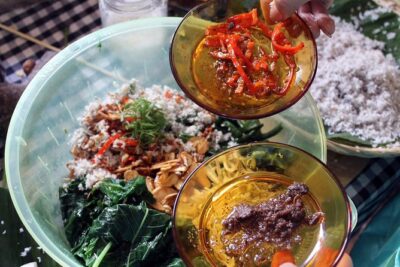
PRIVATE Authentic Balinese Cooking Class in Ubud at Putu’s Home
Read our review →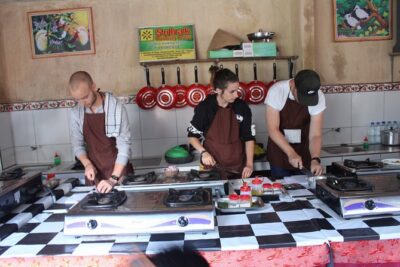
Balinese Ubud cooking school (9 Dish Cooking and Market Tour)
Read our review →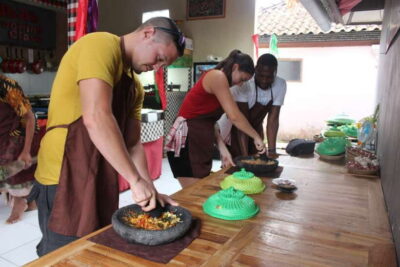
Browse the lists this tour appears in