
Reviewed · COOKING CLASSES
Jambangan Bali Cooking Class
What makes the Jambangan Bali Cooking Class in Ubud interesting is the flow from real local ingredients to a real Balinese kitchen in a real family home. You do the prep, you cook, and you eat what you make, with cultural touches built into the day. It is less like a show and more like learning how people actually feed themselves.
I love two parts most. First, the market-to-cooking approach, where you pick herbs, spices, and even cuts of meat and vegetables, then see how it turns into flavor on the stove. Second, the class is taught in English by Balinese chefs, so you can ask questions and understand why dishes and rituals matter, not just what to stir.
One consideration: timing matters. The class description says you start early at traditional markets, so if you pick a later slot, you may not get the full market experience if market hours do not line up. I’d choose the earlier option if you want the market part to be non negotiable.
Key Things You’ll Notice From Start to Finish

- A true ingredient hunt first: You choose fresh herbs and spices and also decide what goes into the dishes, not just follow along.
- Up to 15 people: A smaller group makes it easier to get attention while you cook.
- English-led by Balinese chefs: Instruction is in English, with chefs who talk confidently about food and culture.
- Open kitchen in a family setting: You cook in a home style setup, with the household context right there.
- Balinese culture add-ons: Coconut oil processing, simple offerings, daily offering viewing, and a bamboo rindik music moment.
- A meal you made yourself: Lunch is included for the standard class format, and you will savor what you cook in the garden.
Why This Ubud Cooking Class Feels Personal (Not Performative)
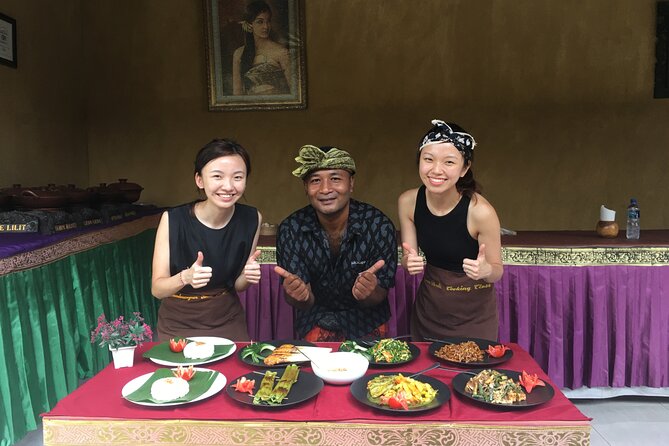
If you’ve been to a cooking class before and it felt like everyone made the same thing in the same way, this one gives you more of the real story. You start with ingredient selection at a traditional market, then you move into a Balinese home kitchen where cooking connects to daily life.
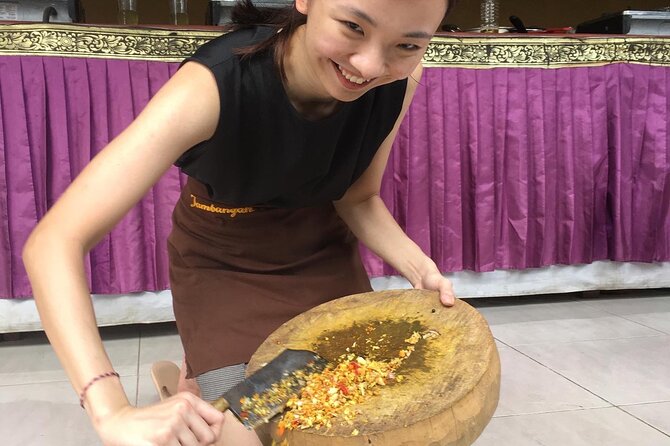
The biggest value is that the food is not treated like a restaurant product. It is treated like something a family works with, buys, cleans, chops, and seasons based on what is fresh and what the day needs. That is why the small details matter, like seeing spices up close before you grind them or getting hands on with the tools and techniques used at home.
Also, the cultural pieces are not thrown in randomly. You learn about simple offerings and can witness the household daily offering. You try coconut oil processing in a practical way, and you get a quick look at rindik music, made from bamboo. That turns your day into a food and culture lesson, but still focused on eating.
More Cooking Classes in Ubud
- Ubud Cooking Class Bali with Balinese Chef
★ 5.0 · 1,609 reviews - Ubud: Cooking Class with Transfers and Optional Market Visit
★ 4.9 · 824 reviews - PRIVATE Authentic Balinese Cooking Class in Ubud at Putu’s Home
★ 5.0 · 644 reviews
The Market Start: Herbs, Spices, and Real Food Choices
Your day starts early in the traditional markets, which is exactly how it should be if you care about Balinese cuisine beyond the final plate. You’ll pick fresh herbs and spices, and you also choose the selection of what goes into your dishes, including choices like cut of meat and vegetables.
This part is more than a photo stop. It is where you learn what ingredients feel like when you are standing in front of them. In markets like these, you can see the difference between dried and fresh, understand what is fragrant when you break it open, and notice how families build flavor with a mix of ingredients rather than one single seasoning.
If you are the kind of traveler who likes to ask practical questions, this is your moment. Even basic choices like how much spice to use or how a certain ingredient is typically handled can make a huge difference later in cooking. This class makes that connection, instead of skipping straight to the recipe steps.
Rice Farmer Views and the Daily Rhythm of Bali
After the market, your schedule includes a look at local agriculture, with a rice farmer doing daily activities. In Ubud and its surroundings, rice farming is not a background detail. It is part of the seasonal rhythm of the whole area, and it quietly affects what people grow, what they sell, and what lands on family plates.
You do not need to be a farming nerd to enjoy this stop. It gives you context for why local ingredients taste the way they do. It also makes the rest of the cooking lesson feel grounded, because you can connect the food to the land rather than treating it as imported produce.
Inside the Balinese Home: Open Kitchen Lessons in English
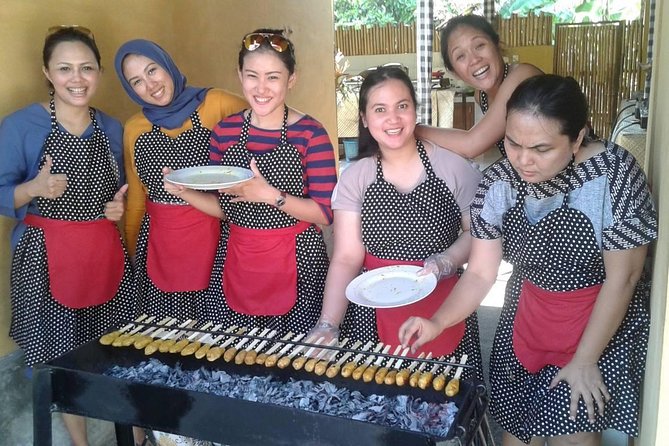
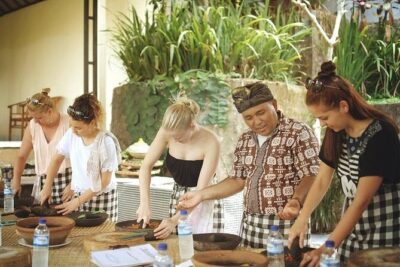
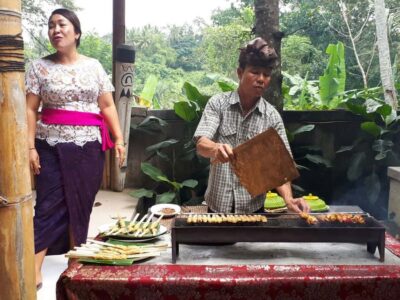
Next you arrive at the Balinese house, where you learn in an open kitchen setting. This is where the class shifts from ingredient selection to hands on cooking.
A key point for your planning: the cooking class is conducted in English by Balinese chefs, fully conversant in Balinese cuisine and culture. That matters because Bali cooking has a lot of small technique decisions. If you can understand those decisions clearly, you can recreate the results later at home instead of just memorizing a list of steps.
You also learn more than cooking. The day is designed to show you family life in the home setting, including activities that often happen as part of daily living. In a practical sense, it means your teacher is not just hovering over your cutting board. They are teaching you a way of thinking about food.
Something different for the next Ubud day:
- All-Inclusive Ubud Private Tour
★ 5.0 · 14,344 reviews - Best of Ubud Full-Day Tour with Jungle Swing
★ 5.0 · 8,571 reviews - Ubud: Monkey Forest, Jungle Swing, Rice Terrace, and Water Temple
★ 5.0 · 7,160 reviews - Ubud: Waterfalls, Water Temple & Rice Terraces Private Tour
★ 5.0 · 5,484 reviews
Coconut Oil Processing and Making Offerings at Home
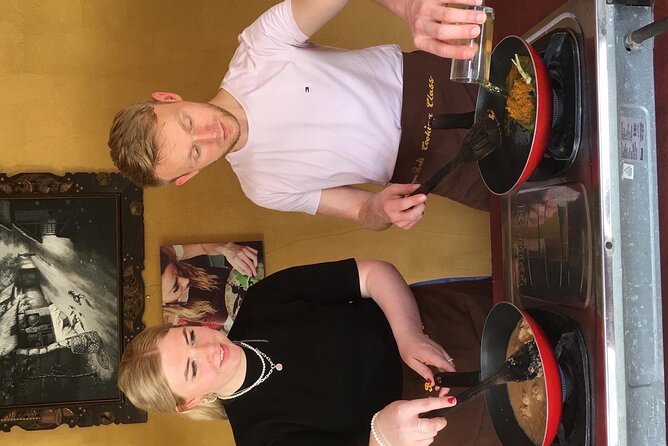
One of the most memorable cultural add-ons is coconut oil processing. Instead of just hearing the words, you experience how coconut oil is processed. This is the kind of hands on activity that makes Balinese cuisine feel real, because coconut products are woven into everyday cooking and household life.
Then there is the offering portion. You can learn how to make a simple offering and you can witness the household daily offering. If you have ever felt like Balinese culture is hard to place beyond dance performances and temples, this helps connect the dots in a calmer, smaller scale way.
You do not need to be religious to appreciate this. Offerings show you how daily routines and respect for the home and community are built into the day. When you’re cooking right after, you will feel the connection between ritual and food preparation.
Rindik Music: A Quick Cultural Credit You Can Feel
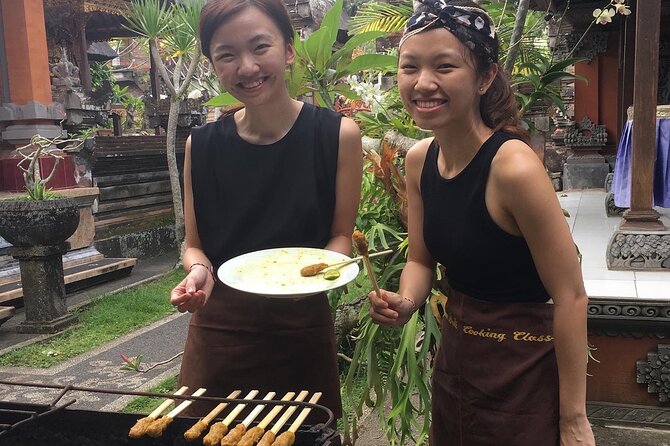
Another fun extra is playing Balinese music called rindik, which is made from bamboo. This is not a long musical workshop, but it is a cultural moment that gives your brain a break from chopping and stirring.
Why it works: it reminds you that this is a living culture. Food, household rituals, and music are all part of the same daily environment. You end the day with more than recipes. You leave with a few mental snapshots of how Balinese life sounds and moves.
What You Cook and How the Meal Actually Works
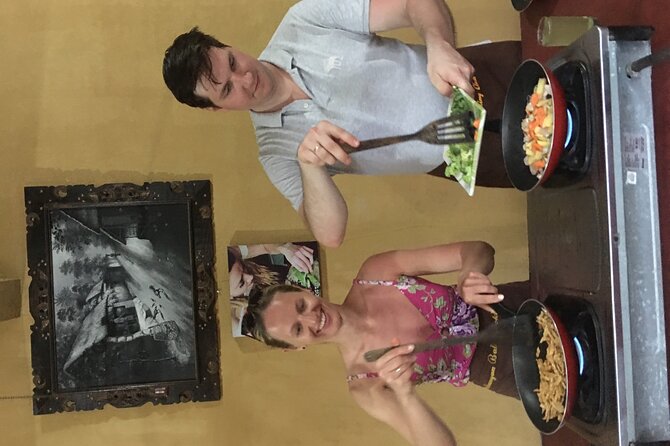
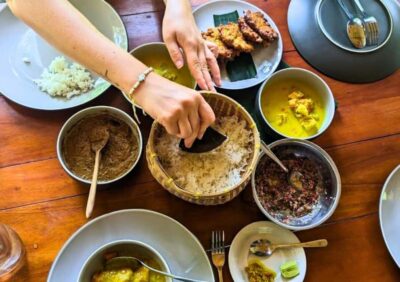
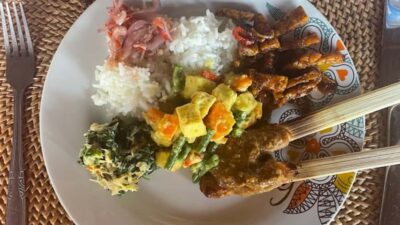
You cook the recipes yourself, then you savor the results for lunch in the garden. That garden meal is the payoff, because you are eating your own work in a setting that feels like someone’s home, not a staged dining room.
The class format is described as offering a choice between a lunch or dinner class. The included section specifically notes lunch, so if you book the dinner option, double check what your chosen time includes. In any case, alcohol is not included, so plan on sticking to water, tea, or whatever non alcoholic options are offered.
In practice, many people end up cooking multiple dishes, and the structure is set up so you get enough variety to feel like you learned something real. One additional helpful detail from real experience: you may receive a recipe copy for the dishes you made, which makes it easier to recreate the flavors later.
If you have dietary restrictions, it’s worth mentioning your needs before the class starts. There is evidence that the hosts have handled specific needs like a chicken allergy by adjusting what the participant cooked and ate.
Price and Value: Why $34 Can Actually Make Sense
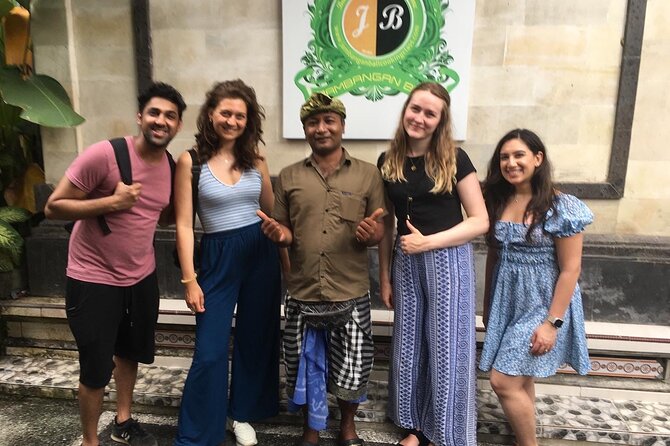
At $34 for about 5 hours, the value comes from three things working together.
First, you pay for more than cooking instruction. You pay for the market ingredient selection time, the home setting, and the cultural add ons like coconut oil processing and offering making.
Second, you get a full meal included for the standard lunch option. Cooking classes can be “hands on” but still end with a small snack. Here, the structure is built around eating what you make, and that is where your money turns into a practical outcome.
Third, group size is capped at 15 travelers, which affects quality. Smaller groups usually mean you spend less time waiting and more time actually cooking with your teacher’s help.
One small cost to factor in: alcohol is not included, so if you like a drink with lunch, you will likely pay extra.
Logistics That Matter: Where to Meet and What to Bring
The start is at Warung JB Jambangan Bali, Jln Kelabang Moding No 713, Tegallalang, Kecamatan Ubud, Kabupaten Gianyar, Bali 80571, Indonesia. The activity ends back at the meeting point.
Because it’s described as a mobile ticket experience, have your ticket ready on your phone. Confirmation is received at booking time, and the max group size is 15.
What to bring is mostly common sense for Ubud. Wear something you can move in, since you will be handling ingredients and cooking on site. If you have sensitive skin, consider bringing a light layer, because cooking spaces can be breezy and outdoors at parts of the experience.
Who This Is Best For (And Who Might Want Another Option)
This is a great fit if you want Balinese cuisine with context. You like learning why ingredients and techniques matter, and you are the type who enjoys a market start rather than skipping straight to a kitchen.
It’s also family friendly, which matters in Bali, because a lot of cooking classes are adult focused or not built for mixed ages. The way this one is structured, with a home environment and hands on activities, makes it easier for different energy levels to find their place.
Choose it if you:
- Want a Ubud cooking class that goes beyond restaurant style dishes
- Like market browsing and ingredient selection
- Want cultural experiences tied to daily household practice
You might pick something else if:
- You strongly prefer a fully indoor class with no outdoor garden meal component
- You need strict timing guarantees for evening slots and cannot risk market timing differences
Should You Book Jambangan Bali Cooking Class in Ubud?
If you want a cooking class that feels like part of a real day in Bali, I think this is a strong booking. The combination of a market start, English instruction by Balinese chefs, hands on cooking, and cultural add ons like coconut oil processing and offerings is exactly the kind of value you remember later.
The ratings are also very high, with a 5 star score and a 99 percent recommendation rate based on a large set of reviews. That does not replace good judgment, but it does suggest the experience consistently lands well for many different people.
My advice: book the earlier class if market time is a must for you. If you book dinner, be flexible and accept that the market portion might be affected by opening hours. Either way, show up hungry, ask questions, and take notes on the flavors you love. You will be able to recreate the dishes, not just describe them.
FAQ
How long is the Jambangan Bali Cooking Class?
The cooking class lasts about 5 hours.
Where does the class start, and how do you get back?
The meeting point is Warung JB Jambangan Bali, Jln Kelabang Moding No 713, Tegallalang, Ubud area. The activity ends back at the meeting point.
What is included in the price?
The standard included item is lunch. Alcohol is not included.
Can I choose a lunch or dinner class?
Yes, you can choose between a lunch or dinner class.
Is the cooking class taught in English?
Yes. The class is conducted in English by Balinese chefs.
How big is the group?
The experience has a maximum of 15 travelers.
Is the class family-friendly?
Yes, it’s described as family-friendly and designed for food lovers.
What cultural activities are included besides cooking?
You can experience coconut oil processing, learn how to make a simple offering and witness the daily household offering, and try a bamboo music activity called rindik.
What if the weather is bad?
The experience requires good weather. If it is canceled due to poor weather, you will be offered a different date or a full refund.
Newest reviews out of Ubud
- Ubud Silver Class: Forge Your Personal Silver Keepsake★ 4.9 · 39 reviews
- Amazing Kuber ATV Quad Bike Experience in Bali and Tunnel★ 5.0 · 39 reviews
- Lempuyang Tour : Heaven gate, Tirta Gangga, Goa Raja waterfall★ 5.0 · 39 reviews
- Make Traditional Bali Coconut Oil with a Balinese Family★ 5.0 · 39 reviews
- Private Tour : Bromo Ijen Tour From Bali★ 5.0 · 39 reviews
- Bali Private Car Charter Tour with English Speaking Driver★ 5.0 · 39 reviews
- Ayung Rafting Ubud (Include Lunch & Return Transportation)★ 4.5 · 40 reviews
- Private Bali Tour: The Most Scenic Places★ 5.0 · 40 reviews
Cooking Classes, compared.
Cooking Class with Transfers and Optional Market Visit
Read our review →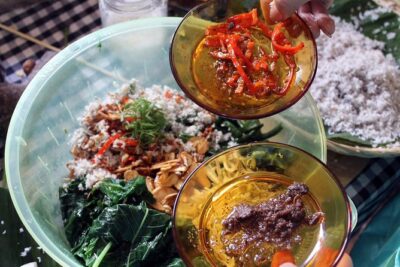
PRIVATE Authentic Balinese Cooking Class in Ubud at Putu’s Home
Read our review →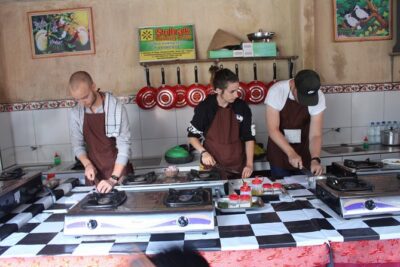
Balinese Ubud cooking school (9 Dish Cooking and Market Tour)
Read our review →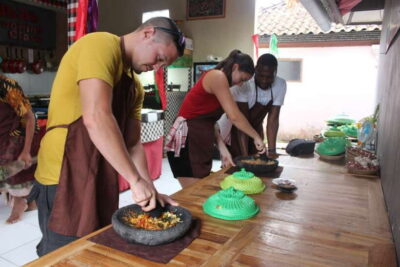
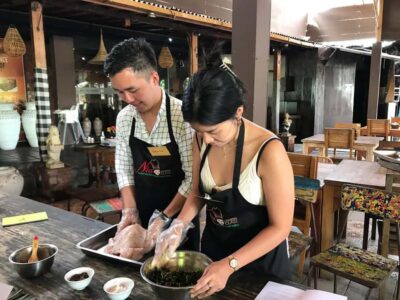
Browse the lists this tour appears in