
Reviewed · MOUNT RINJANI TREKS
mount rinjani One day trek
A one-day hike to Mount Rinjani’s crater rim from Senaru is interesting because you get high-mountain views without the “several nights” commitment. You’ll work for it too, with a climb that pushes you up toward 3000m viewpoints.
I especially love the crater-rim vantage, where the view opens over the Rinjani world and on clear days you can spot sights like the Gili Islands and even Mount Agung in Bali. I also like that the trip is set up as a tight day loop, from early pickup to being back in Senaru by late afternoon, with lunch handled at the rim.
The big drawback is simple: this is not a casual walk. It’s a serious, heat-and-height type of trek, and the one-day format can leave your legs feeling it for days, even if you’re fit.
Key things you’ll notice on this Rinjani one-day trek
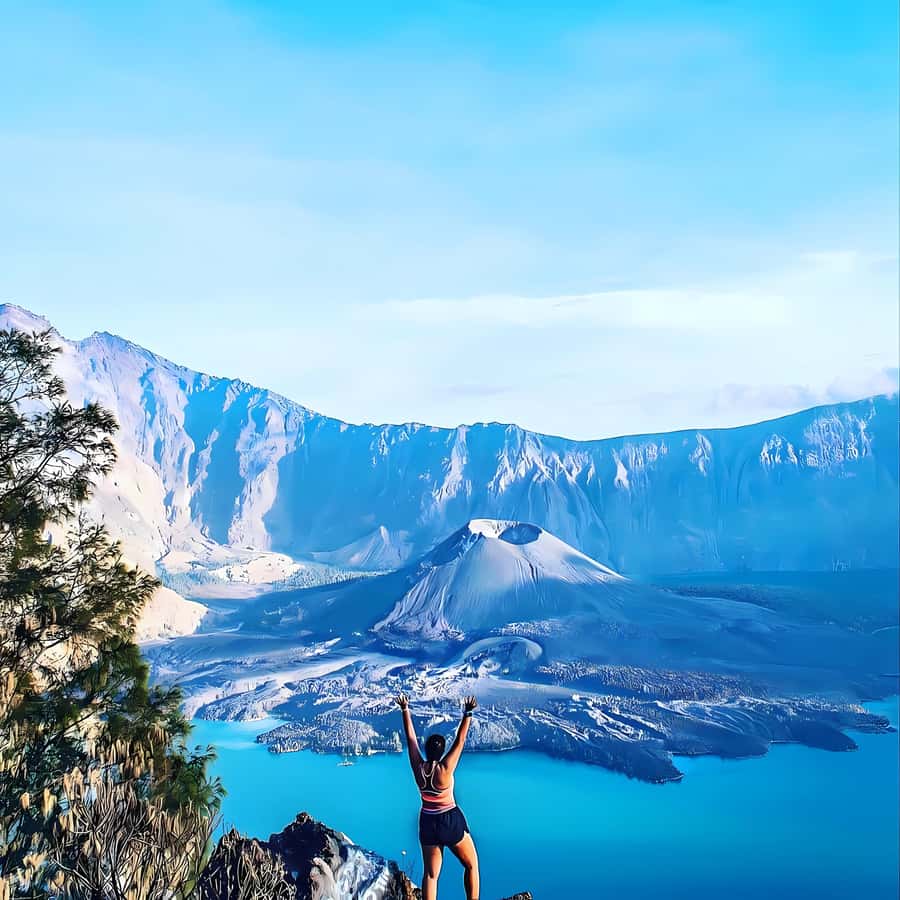
- Crater rim payoff: long climbs, then wide views from the rim area.
- Early start timing: pickup around 6:30am, so you’re hiking in cooler morning hours.
- Lunch at the rim: your guide prepares food around midday when you reach the top.
- You get the gear essentials: headlamp, trekking poles, plus guide and entrance fee are included.
- A long day on uneven ground: steep sections, roots, sand, and rocks can slow you down.
- Guide quality varies: some guides like Fendi and Arid are praised for professionalism and cooking, while English ability can be inconsistent with certain guides you might meet.
Entering The Rinjani Crater Rim Game From Senaru
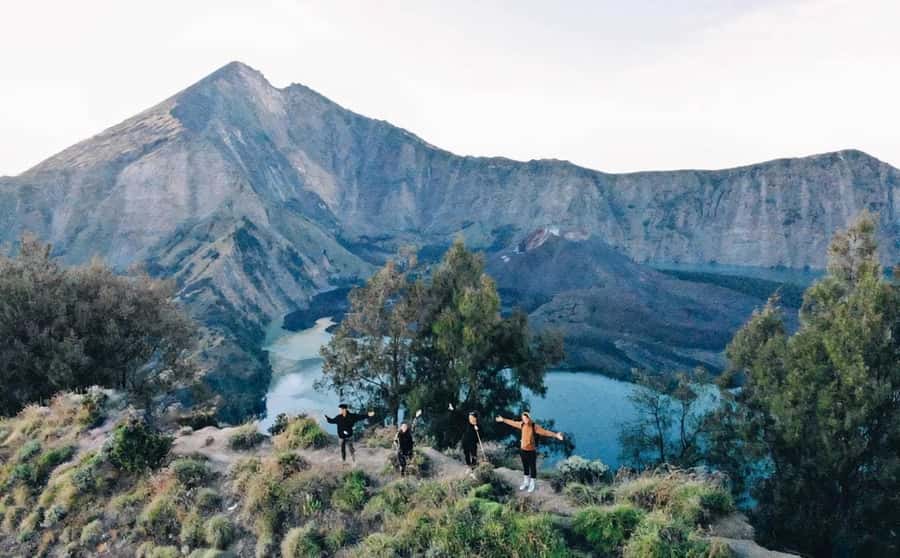
Mount Rinjani is famous for a reason, and this one-day Senaru option is basically the “best views, tight time window” play. You’re not planning for days in tents. You’re committing to a hard day that starts early, hits the crater rim around midday, then gets you down before dark.
The route begins in Senaru, then heads uphill toward the crater rim. Along the way, the air changes fast, the ground gets uneven, and your pace becomes your main tool for staying steady. If you like hikes where you earn the view with effort, this scratches that itch.
What makes this program feel worthwhile is the mix of structure and freedom. You have a guide, meal, and poles that remove common hassles. At the same time, you still control your breathing rate, your breaks, and how quickly you move through steep sections.
More Day Trips in Lombok
- Day Trip 5 Secret Gilis : Layar, Rengit, Nanggu, Tangkong, Kedis
★ 5.0 · 192 reviews - From Lombok: Gili Islands Snorkeling Day Trip
★ 4.9 · 178 reviews - Day Trip Gili Trawangan, Gili Meno, Gili Air (Depart Lombok)
★ 5.0 · 167 reviews
From 6:30am Pickup to 5:00pm Return: How the day really flows
Here’s the rhythm you can expect, with the timing that matters most for planning:
- 6:30am pickup from your hotel area in Senaru
- 7:00am arrival at the starting point
- About 7 hours of hiking total (as the program is described), with the hard part mostly uphill
- Around 12:00pm at the Senaru crater rim, with lunch prepared by your guide
- 5:00pm back down to Senaru Village
In plain terms: you’re out for a full day. You start early enough to avoid the worst heat, but you still finish with a long descent that asks for good balance.
That lunch stop at the rim is not just a break. It’s also a chance to regroup, reset your feet, and let your headlamp be ready for the end-of-day timing if the trail runs late. Even without sunset goals, eating while you’re already at altitude helps you avoid the “hike yourself empty” mistake.
The climb to the rim, and why 3000m feels different
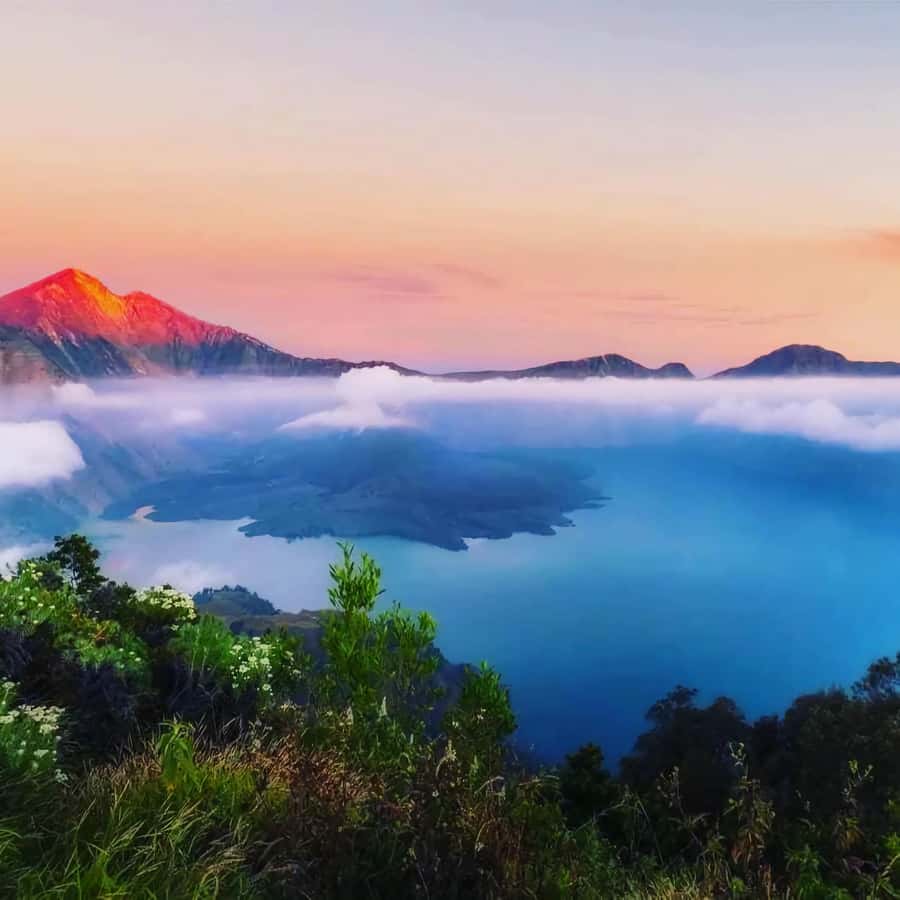
The highlight that people remember is the view from the top near the Sengkareang Rinjani second summit area at about 3000m. That elevation is where Rinjani starts to feel like a different world. The air can feel thinner, your breathing works harder, and every steep segment becomes a test of pacing.
Your ascent is described as steep, and the ground can be rough: expect things like tree roots, sandy patches, and rocky uneven spots. This is one of those treks where shoes and poles matter because the trail is not forgiving. If you’ve only hiked on smooth paths, you’ll notice the difference fast.
The good news is that the guide is there for route guidance and support. Some guides are praised for adapting to your pace, and others are described as very active storytellers while walking. Either way, the practical win is that you get someone focused on getting you safely up and down.
Crater rim views: what you’re aiming to see
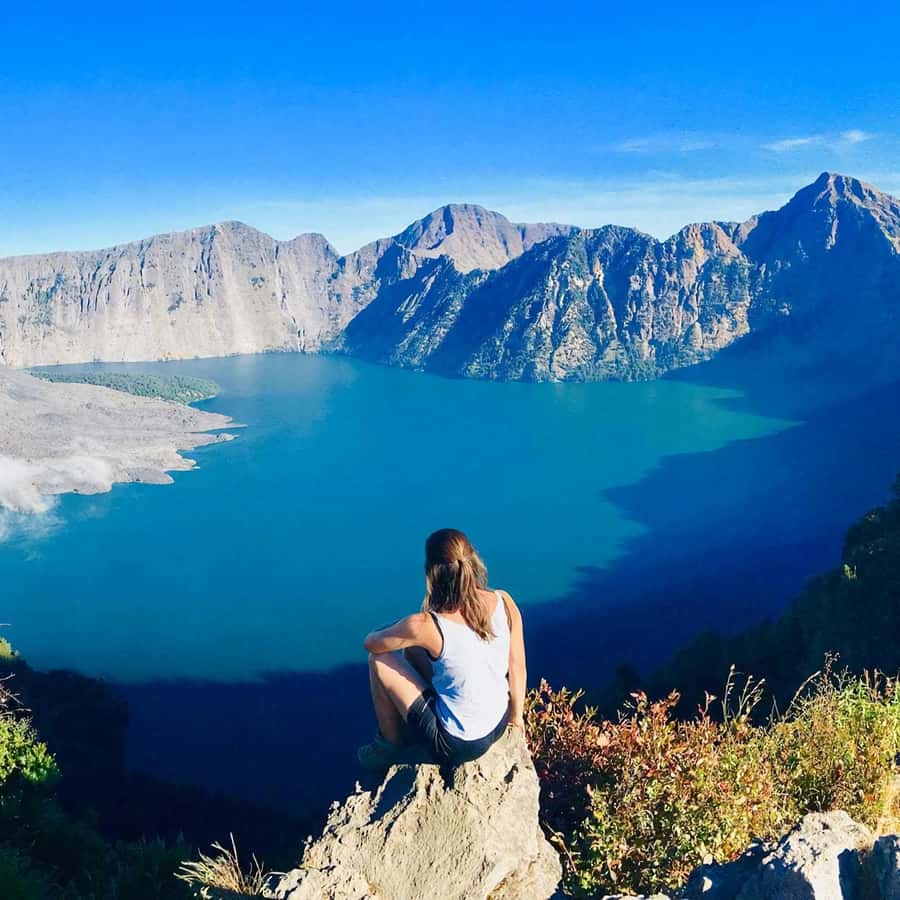
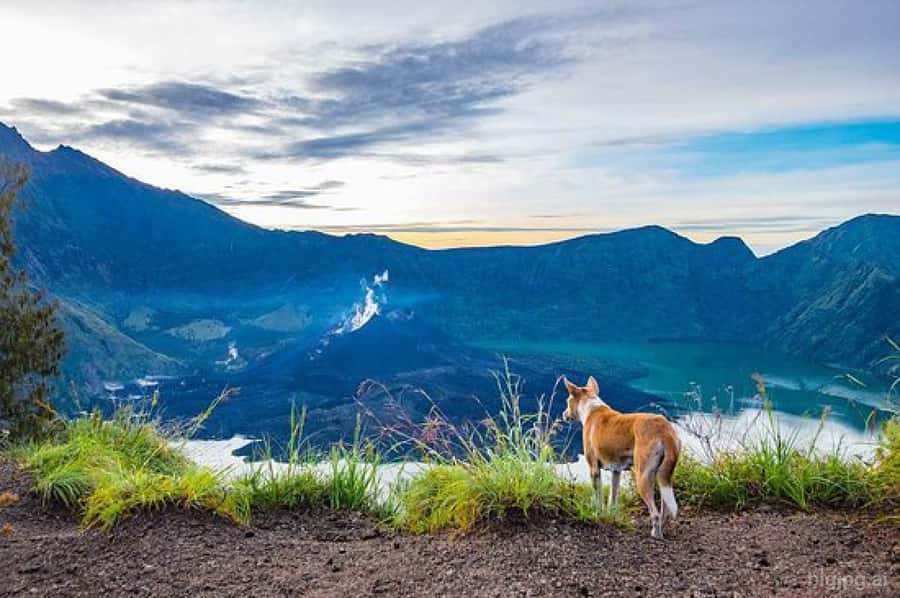
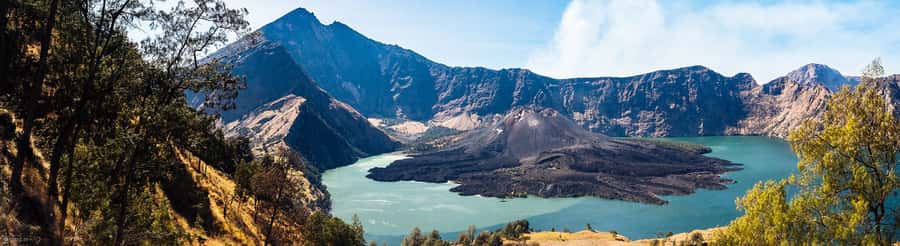
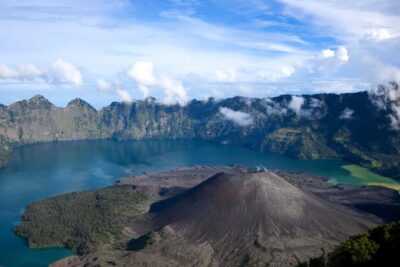
When you reach the Senaru crater rim, the day’s work turns into something you can point at. You’re looking out over the Rinjani system, with the crater area and lake views commonly part of what you see from the rim.
This is also where the “big name” views can happen on clear days. The program highlights include the chance to see the Gili Islands and Mount Agung in Bali. That doesn’t mean it’s always perfectly visible, but the outlook direction is part of why people book this version instead of a less scenic route.
One useful mindset: treat the rim like a photo and resting zone, not like a place to sprint around. Temperatures can drop a bit as you climb, and if you stop too long you can feel cold. Take photos early, eat lunch, hydrate, then prepare your body for the downhill.
More Hiking & Trekking in Lombok
- 2D1N Senaru Crater Rim Trekking
★ 5.0 · 178 reviews - Mount Rinjani Trek 3D-2N To Summit – Lake – Hotspring
★ 4.7 · 111 reviews - Rinjani trekking 2D 1N RIM
★ 5.0 · 94 reviews - Mount Rinjani 2-Day Trek to Senaru Crater Rim
★ 4.8 · 89 reviews
Lunch at the top: a simple detail that changes everything
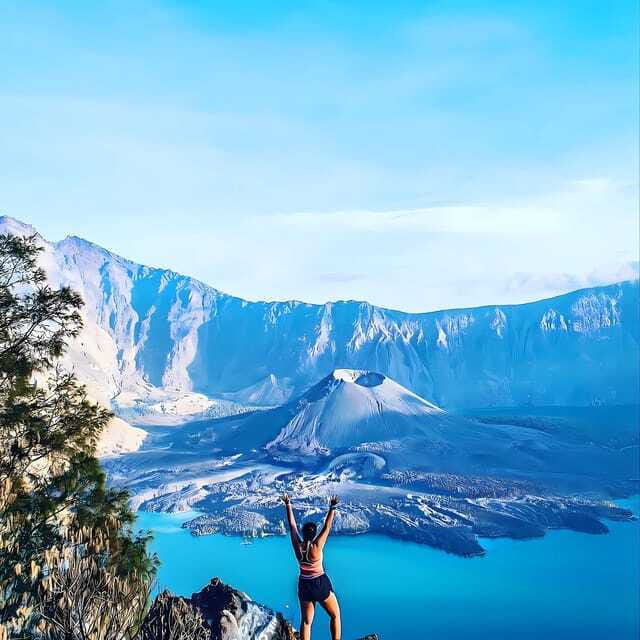
Lunch at the crater rim is one of the highest-value parts of the day. Food is included, and your guide prepares it when you arrive at the rim around midday.
That matters because a one-day trek can go wrong if you rely on snacks only. If you arrive hungry, you might push the descent too hard or lose focus when you need it most. A warm meal at the top is also a morale boost, and it helps you reset your strength before the long way back down.
In the field, guide performance can really show here. Guides like Aiwan, Fendi, and Arid are specifically praised for professionalism and for cooking at the summit area. Another guide, Anton, is described as helpful with pacing and care on the way back down. Even if you don’t get the same person, you can look for those traits: clear instructions, steady pace, and good attention during the descent.
The descent back to Senaru: where most people feel it
Going down is harder than you expect, even if you felt okay on the way up. Your calves, knees, and feet take a beating on steep descents, especially when the trail has roots and rocks.
This is where the included trekking poles earn their keep. They give you extra stability when footing changes quickly. If you tend to skip poles, this trek is exactly the kind where you’ll miss them.
A good guide watches more than just your speed. They help you avoid injury by keeping you aware of where to place your feet and how to slow down on tricky sections. In past experiences described with this program, people mention guides taking care that they do not get hurt on the way down, which is the right priority for a one-day plan.
What’s included, what’s not, and the cost logic
The price is $138 per person, and to judge value you should look at what’s bundled.
Included:
- English live tour guide
- Headlamp (useful for early starts and low-light navigation)
- Trekking poles
- Food and drinking
- Hotel pickup and drop-off in the Senaru area
- Entrance fee to the national park
Not included:
- Trekking jacket
- Trekking shoes
- Small day pack
- One night accommodation in Senaru before the trek
Here’s why that matters for value. If you tried to do the trek independently, you’d still need local park access, a guide for routing, and the gear support that makes the descent safer. Poles and headlamp are also basic items that add up if you have to rent or buy last minute.
Where value can feel weaker is if you arrive with the wrong kit. If you show up without proper shoes or a rain plan, you pay with discomfort and risk, not just money. So treat the “included” list as the package, and the “not included” list as your preparation checklist.
Packing like you mean it: gear that will save your day
You’re given a headlamp and poles, which helps a lot. Still, you should bring the rest that affects comfort and safety.
Bring:
- Hiking shoes (not just sneakers)
- Rain gear
- A camera if you care about the crater rim views
- Cash
- Your passport
Also plan for:
- A small day pack for water, snacks, and layers (even though the listing says it’s not included)
- A trekking jacket, since that’s not included
If you’re wondering what makes people miserable on this trek, it usually comes down to two things: wet conditions and sore feet. Rain gear plus the right shoes reduces both problems, even if the forecast changes.
Choosing the right pace, and why guide style matters
The program is designed for people with limited time in Lombok who still want the core Rinjani crater rim experience. That usually means you’ll hike fast enough to cover distance, but not so fast that you burn out early.
Guide style can make or break your comfort level. Some guides are praised for:
- adjusting to your tempo
- explaining routes and what you’re walking through
- preparing lunch carefully at the rim
- staying attentive on the way down
Names that came up in positive experiences include Fendi and Arid, noted for professionalism and cooking. Aiwan is praised for helpful explanations along the way and lunch preparation at the crater rim. Anton is described as responsive to pace and helpful on the return.
One practical tip: even if the trip is listed as English-guided, English comfort can still vary by guide. If you want the best outcome, be ready to use simple words about your pace and needs, and don’t be shy about asking for slower breaks.
Fitness reality check: who this suits, and who should skip it
This trek is challenging, even for capable hikers. You should be comfortable with steep uphill and steep downhill over uneven ground.
It’s noted as not suitable for people over 70. Beyond that, use a common-sense filter:
- You should have a baseline of hiking fitness
- You should be okay with long hours on your feet
- You should know how your knees and ankles handle descents
One person called it too long for comfort for a one-day format, even with decent training. That tells me the cutoff is not just fitness level, it’s also how you recover. If you want the crater rim but also want more rest, a longer itinerary might serve you better than this compressed plan.
The view is worth it, but respect the trail
One less pleasant detail that comes with Rinjani hikes is that the mountain can suffer from visible waste and pollution. That is disheartening to see, and it also means you should act like the mountain matters, even when you’re tired.
Carry out what you carry in. Stay mindful of where you step so you don’t add to erosion. Small choices help, and they also help you feel better about the effort you’re putting in.
Price and logistics: is $138 a smart deal for this one day?
At $138, the cost feels fair when you compare it to the included basics: guide, entrance fee, pickup and drop-off, headlamp, trekking poles, and food. If you had to source those separately, you’d likely spend more and lose the convenience of having everything organized.
That said, one real-world factor affects how good the deal feels: the quality and reliability of the operation around your pickup and timing. Some experiences mention pickup that felt a bit confusing in the moment, while others describe smooth organization. That doesn’t mean the trek is unsafe, but it does mean you should show up ready and communicate clearly, especially if your hotel pickup is your only transport plan that morning.
Should you book this one-day Senaru Rinjani trek?
Book it if:
- you have limited time in Lombok and want the crater rim experience
- you like hard climbs and you want the payoff at 3000m
- you’re prepared for a full day and you can handle steep, uneven ground
- you want an all-in-one package where guide, food, poles, and entrance fee are already covered
Skip it if:
- you want an easy hike or lots of downtime
- your legs do not recover well from long descents
- you are not comfortable managing rough footing and steep sections
- you’re over 70, since it’s listed as not suitable
If you do book, do two things that make a big difference. First, train or at least prep with some stairs and uphill walking. Second, bring shoes and rain protection that match real hiking conditions. The view is waiting at the top, but your comfort and safety are what get you there.
FAQ
What time does the trek start, and when do I return?
Pickup is scheduled for about 6:30am in the Senaru area. You’re expected to reach the crater rim around 12:00pm for lunch, and you should return to Senaru Village by about 5:00pm.
How long do I walk on this one-day trek?
The trek is described as a one-day hike with about 7 hours of walking in total, including the steep ascent and the descent back down.
What is included in the $138 price?
The price includes an English live guide, food and drinking, trekking poles, a headlamp flashlight, hotel pickup and drop-off in Senaru, and the national park entrance fee.
What should I bring since trekking shoes and a jacket are not included?
Bring hiking shoes, rain gear, a small day pack, passport, camera, and cash.
Is the guide definitely English-speaking?
The tour info states there is a live tour guide in English. Still, if you rely on detailed communication, it’s smart to be prepared to keep requests simple and direct about pace and breaks.
Is this trek suitable for older hikers?
It is listed as not suitable for people over 70. If you’re close to that age range, you should think carefully about steep uphill and downhill effort.
More Rinjani routes
- Mount Rinjani 2 Days 1 Night Senaru Crater Rim
★ 5.0 · 131 reviews - 3D-2N Explore Mount Rinjani – Summit -Lake and Hotspring
★ 5.0 · 112 reviews - 3D/2N Rinjani trekking summit,lake and hot springs.
★ 5.0 · 85 reviews - Rinjani Trekking 3D2N Summit
★ 4.5 · 85 reviews
Newest reviews out of Lombok
- Lombok: Waterfall Benang Kelambu & River Rafting Trip★ 4.9 · 41 reviews
- Pink Beach and Southeast Gili Islands Full Day Private Tour★ 4.5 · 42 reviews
- Mount Rinjani 2 Days and 1 Night to Senaru Crater Rim★ 5.0 · 42 reviews
- Trekking Rinjani Mountain Summit 2 Days 1 Night – Em Adventure★ 5.0 · 42 reviews
- Trekking Rinjani Volcano To Crater Rim Senaru 2D-1N Private – Syam Trekker★ 5.0 · 45 reviews
- Lombok: Pink Beach, Snorkeling, & Tanjung Ringgit Tour★ 4.7 · 47 reviews
- Hiking Rinjani 3 days 2 nights summit – Lake★ 5.0 · 48 reviews
- 2 Days Hike to Summit with full view of Sunrise and Sunset★ 5.0 · 49 reviews
Mount Rinjani Treks, compared.
3D-2N Explore Mount Rinjani – Summit -Lake and Hotspring
Read our review →
Mount Rinjani Trek 3D-2N To Summit – Lake – Hotspring
Read our review →
3D/2N Rinjani trekking summit,lake and hot springs.
Read our review →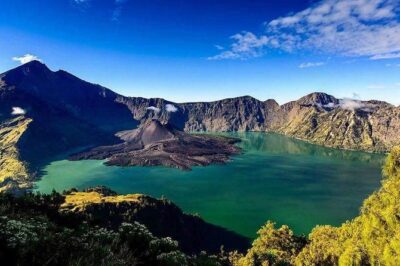
Mt Rinjani Trekking 2 Days 1 Night (Senaru Crater Rim)
Read our review →
Rinjani Trekking 3 Days 2 Nights (Sembalun – Senaru)
Read our review →Browse the lists this tour appears in