
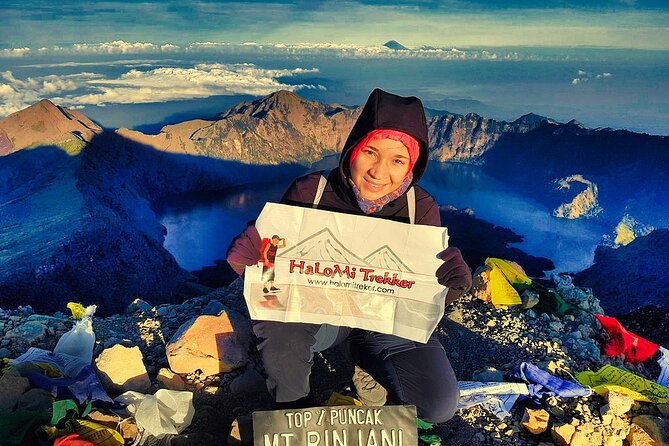
Reviewed · MOUNT RINJANI TREKS
Mt Rinjani Trekking 2 Days 1 Night Summit
Mt Rinjani trekking is interesting because you get a serious summit goal in a short time, with crater-rim camping as your overnight base. The plan moves fast: you start from Sembalun, work through the night climb rhythm, then aim for sunrise on summit day.
I especially like that this is private, so you hike as just your group, not a shuffle through strangers. I also like how much is handled for you: meals, bottled water, camping setup, park fees, and even a professional photographer guide who helps you get pictures without slowing you down too much.
The main drawback is the reality of a hard, cold, early climb. Gear like a head lamp, trekking shoes, and a trekking jacket is not included, so you need to show up prepared for night and summit conditions.
Key things I’d zero in on
- 2-day summit push from Sembalun with crater-rim camping, built for people who want a focused challenge
- Waterfall warmup on arrival day at Sindang Gile and Tiu Kelep, so you are not just jumping straight into hiking
- Photo support included via a professional photographer guide, plus your regular guides and porters doing the logistics
- All major costs covered like national park fees, local taxes, and the environmental management charge (Reef Tax)
- Free Gili transfer after the trek, which saves you a bunch of coordination headache
Mt Rinjani 2 days 1 night, the kind of challenge that feels real
This is the version of Mt Rinjani that suits travelers who want to feel progress each day. Day 1 is about getting oriented and stacking up your stamina with a scenic waterfall stop, Day 2 is your climb into camp, and Day 3 is the summit push and then the long walk back down.
You’ll be camping on the crater rim, which is a big deal. It means you sleep close to the action, not far away, and you wake up knowing the hardest part is next. And from the way guides are described in the experience feedback, the team approach matters here. People repeatedly credit their guides for keeping the pace sensible, staying together, and helping the climb feel organized rather than random.
More Evening Experiences in Lombok
- Mount Rinjani 2 Days 1 Night Senaru Crater Rim
★ 5.0 · 131 reviews - Mt Rinjani Trekking 2 Days 1 Night (Senaru Crater Rim)
★ 5.0 · 85 reviews - Lombok : Sharing Whale Shark Tour 2 Day 1 Night Sumbawa
★ 3.9 · 53 reviews
Price and value: what $280 buys you on Lombok
At $280 per person, this trek is not a bargain deal. It is priced like a service package, and that is the point. You are paying for someone else to handle planning, permits, food, camp operations, and transport across the island.
Here’s what stands out as value for your money:
- Meals and bottled water during the trek (breakfast, lunch, dinner), plus snacks, coffee and tea
- Overnight accommodation and camping included, so you’re not figuring out where to stay or how to set camp
- Guides and photographers on the ground, including a professional photographer guide so you don’t just rely on self-timed shots
- National park fees, local taxes, and environmental management charge (Reef Tax) are included, which reduces surprise add-ons
- Pickup and drop-off by private vehicle across mainland Lombok that works for you
- Free boat transfer to Gili Island after the trek, which is a meaningful bonus if your plan includes the Gilis
If you were to DIY it, the hard part would not only be the hiking. It would be stitching together guides, permits, food logistics, camp support, and transport. Even if you find components separately, you’d still need to confirm everything lines up for sunrise summit timing.
Pickup, homestay timing, and how the bonus stops fit
Your day starts around 8:00 am at the meeting time. But the experience also includes mainland Lombok pickup the day before departure, with drop-off to your next destination after the trek. In practice, that usually means fewer stressful hours trying to coordinate rides after a physically intense hike.
Two bonus elements help this trek feel like more than just summit math:
- Waterfall tour on arrival day: Sindang Gile and Tiu Kelep. This is a smart move because it breaks up the travel energy. It also gives you a taste of Lombok nature before your legs are fully committed to climbing.
- Gili transfer after the trek: You get a free boat transfer to Gili Island. That is especially useful if you want an easier travel day right after descent when you’d rather be thinking about sand and cold drinks, not bus schedules.
In multiple experiences, people highlight that organization matters. They mention smooth pickup, the team handling transportation, and a clean, comfy place the night before the summit attempt. That kind of planning is part of the value, even if it is not the most exciting thing to talk about over dinner.
Day 1: briefing, Sindang Gile, and Tiu Kelep waterfall reality check
Day 1 begins with briefing, then you visit Sindang Gile and Tiu Kelep Waterfall. This is your warmup and your orientation day.
Why I like this structure for a 2 days 1 night summit trek:
- You get scenery first, not just “go to camp and suffer.”
- Your body is already moving and adjusting to humidity and trail conditions.
- You have a chance to ask questions before the summit night climb.
A practical note: waterfalls days can still involve uneven ground. Bring shoes you can walk in confidently. If you’re tempted to show up in sandals, don’t. You want your feet ready for Day 2.
Also, pay attention to what you wear and what you eat today. This trek is physically demanding, and the goal is to arrive on Day 2 feeling like you can build speed rather than repair yourself.
More Hiking & Trekking in Lombok
- 2D1N Senaru Crater Rim Trekking
★ 5.0 · 178 reviews - Mount Rinjani Trek 3D-2N To Summit – Lake – Hotspring
★ 4.7 · 111 reviews - Rinjani trekking 2D 1N RIM
★ 5.0 · 94 reviews - Mount Rinjani 2-Day Trek to Senaru Crater Rim
★ 4.8 · 89 reviews
Day 2: the crater rim camp at Sembalun, where pacing becomes everything
Day 2 starts with the trek from Sembalun to the campsite on the crater rim. This is the day where good guides really earn their keep.
From guide names that show up again and again in experience feedback, you may hike with leaders like Mul, Adi, or Wir, supported by porters who handle a lot of the heavy lifting. People also describe porters such as Wirnadi and Jitrani as hard working and able to make the climb feel more manageable.
That matters because Rinjani does not reward a reckless pace. You need steady breathing. You need consistent steps. And you need enough energy left for the summit push on Day 3.
What you can expect on this day:
- Your team handles core logistics like camp setup and meal prep.
- You have water supplied for the trekking portion (bottled water is included).
- The trekking experience is guided, not wandering. The best moments are when the team helps you keep together and maintain a rhythm.
If you’re prone to rushing at the start, this is the day to resist. You’ll feel it later if you burn too much energy too fast.
Day 3: summit effort and the long walk down to village life
Day 3 is the payoff and the workout. You hike up to the summit, then walk down to the village.
Several experiences highlight sunrise summits, which makes sense. A sunrise attempt is exactly the kind of timing that turns a hard hike into a once-in-a-lifetime view. It also explains why gear like a head lamp matters. Even if you are not told everything upfront, you should assume you will need a reliable light for early hours.
The descent is no joke. Even when the view is worth everything, your knees and feet still do the complaining. Your team will keep you moving, but your job is to slow down enough to avoid turning the descent into a blister festival.
If you feel tempted to compare yourself to other hikers, don’t. The summit is not a race. Your best goal is to finish with control, not bravado.
The guides and porters: why this trek depends on people, not just scenery
This is one of those hikes where the “human layer” matters. People give strong credit to guides and porters for:
- keeping groups safe and together
- cooking and feeding the team well
- managing the pace across rough terrain
- making the experience feel fun, not just exhausting
You’ll see guide names like Mr Sinjan and Uki, Wir, Adi, Mul, Edi/Eddie, Andy, Aji, and Hendri showing up in experience feedback. That tells me one thing: guide style varies, and your best outcome comes from matching up with a strong communicator and a calm leader.
If you want a practical strategy, here it is:
- Ask your guide how they plan to handle weather changes and the night climb pace.
- Follow their packing advice closely. One piece of feedback specifically urged people to ask for Hendri and to follow the packing list.
And yes, there is also a cautionary note in the feedback. One negative experience described poor handling when someone developed hypothermia about an hour from the summit, which is unsettling. I’m not saying this happens often, but I am saying you should treat health and safety questions as normal, not annoying. If you have any medical issues, tell your guide team before the climb starts, and insist on a clear plan for what happens if someone needs to turn back.
What to pack for Mt Rinjani in 2 days
Even though a lot is included, key hiking gear is not. Here’s what you should plan to bring:
- Head lamp or hand torch (not included)
- Trekking shoes
- Trekking jacket
- Long pants or trousers
- A small bag or daily pack for your personal items
Also, note that tips for guide and porters are not included. That is standard on treks, but it is still something you should budget for.
Two packing tips based on how hikers describe the experience:
- Keep your personal load light. Many setups let porters carry camp gear while you carry your own essentials. If you show up with a heavy pack, you’ll feel it more than you expect.
- Bring what you need for night and summit conditions. The summit is usually where cold and darkness show up in full force.
Pace, weather, and staying comfortable enough to reach the top
Rinjani weather can turn the trail into a different climb from hour to hour. Even when forecasts look fine, the summit attempt often comes with colder air and tougher visibility.
Your best move is to treat Day 3 like an endurance event, not a sprint:
- Keep your breathing steady.
- Use short breaks only when your guide suggests.
- Don’t ignore early signs of fatigue or cold.
If you get nausea, dizziness, or shaky energy, say something early. The trek is guided, and a good team will respond before it becomes a crisis.
And remember: this is a hike designed for most travelers, but it still requires real fitness. If you struggle with steep, rocky paths for sustained time, consider a longer option with more acclimation time or lower daily elevation stress.
Is it private, and who should choose this HaLoMi trek?
This activity is private, meaning only your group participates. That matters because you get more control over your pace and your questions, and you are not squeezed into the gaps between other hikers.
It also suits travelers who:
- want a focused 2 days 1 night summit plan
- like having guides handle camp, meals, and logistics
- want an included waterfall stop before the big climb
- plan to visit Gili Islands next
It may not be ideal if you want a slow, relaxed nature hike with lots of free time. This trek is about progress and summit timing. Expect long walking days and a night climb style effort.
Children must be accompanied by an adult, so families should only consider it if the child can handle a demanding hike and the plan fits the adult’s fitness and safety comfort.
Should you book this Mt Rinjani 2 days 1 night summit trek?
If you’re aiming for the Rinjani summit in a tight window, this is a strong option. The included meals, bottled water, camping, guides, photographer support, and fees remove a lot of the stress that usually makes “just book a trek” go sideways. The bonus waterfall stops and free Gili transfer make the overall trip feel efficiently connected.
I’d book if:
- you’re comfortable with a hard climb and early hours
- you want a private group setup
- you value having your logistics handled, especially camp operations and meals
- you’re planning on Gili right after
I would pause before booking if:
- you’re not able to bring key gear like head lamp, trekking shoes, and a jacket
- you have medical concerns or limited experience with steep climbs, and you cannot confidently explain your needs to the guide team
If you do book, do one smart thing: ask your guide how they handle cold, health symptoms, and turning points on summit day. On a mountain like this, clarity before you start is part of getting to the top safely.
FAQ
How long is the Mt Rinjani 2 days 1 night summit trek?
The trek is listed as about 3 days total, built around a 2 days 1 night summit hike from Sembalun to the crater rim and up to the summit before descending.
What time do we start?
The meeting start time is 8:00 am.
What is included in the price?
The price includes overnight accommodation, national park fees, local taxes, an environmental management charge (Reef Tax), bottled water, beverages, breakfast lunch and dinner during the trek, coffee and/or tea, snacks, and guide support. Transport by private vehicle and pickup and drop-off are also included.
Does it include camping and meals?
Yes. Breakfast, lunch, and dinner are included for the trekking days, plus snacks and bottled water. Camping and overnight accommodation are also included.
Are the waterfall and Gili Island transfer included?
Yes. You’ll visit Sindang Gile and Tiu Kelep Waterfall on Day 1, and you get a free boat transfer to Gili Island after the trek.
Is there a photographer with the group?
Yes. A professional photographer guide is included.
Can I request vegetarian meals?
Yes. A vegetarian option is available if you advise when booking.
What gear is not included that I should bring?
Not included items include a head lamp or hand torch, trekking shoes, trekking jacket, long pants or trousers, and a small bag or daily pack.
Is this a private tour, and are children allowed?
It is a private tour/activity, meaning only your group participates. Children must be accompanied by an adult.
What happens if I cancel?
This experience is non-refundable and cannot be changed for any reason. If you cancel or ask for an amendment, the amount you paid will not be refunded.
More Rinjani routes
- 3D-2N Explore Mount Rinjani – Summit -Lake and Hotspring
★ 5.0 · 112 reviews - 3D/2N Rinjani trekking summit,lake and hot springs.
★ 5.0 · 85 reviews - Rinjani Trekking 3D2N Summit
★ 4.5 · 85 reviews - Rinjani Trekking 3 Days 2 Nights (Sembalun – Senaru)
★ 5.0 · 84 reviews
Newest reviews out of Lombok
- Lombok: Waterfall Benang Kelambu & River Rafting Trip★ 4.9 · 41 reviews
- Pink Beach and Southeast Gili Islands Full Day Private Tour★ 4.5 · 42 reviews
- Mount Rinjani 2 Days and 1 Night to Senaru Crater Rim★ 5.0 · 42 reviews
- Trekking Rinjani Mountain Summit 2 Days 1 Night – Em Adventure★ 5.0 · 42 reviews
- Trekking Rinjani Volcano To Crater Rim Senaru 2D-1N Private – Syam Trekker★ 5.0 · 45 reviews
- Lombok: Pink Beach, Snorkeling, & Tanjung Ringgit Tour★ 4.7 · 47 reviews
- Hiking Rinjani 3 days 2 nights summit – Lake★ 5.0 · 48 reviews
- 2 Days Hike to Summit with full view of Sunrise and Sunset★ 5.0 · 49 reviews
Mount Rinjani Treks, compared.
3D-2N Explore Mount Rinjani – Summit -Lake and Hotspring
Read our review →
Mount Rinjani Trek 3D-2N To Summit – Lake – Hotspring
Read our review →
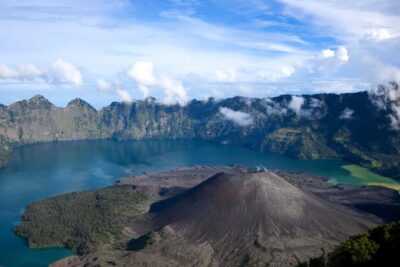
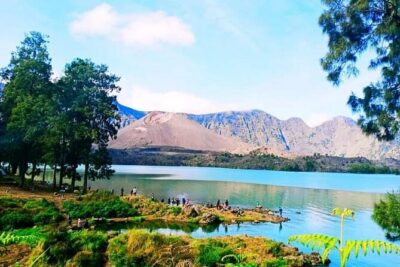
3D/2N Rinjani trekking summit,lake and hot springs.
Read our review →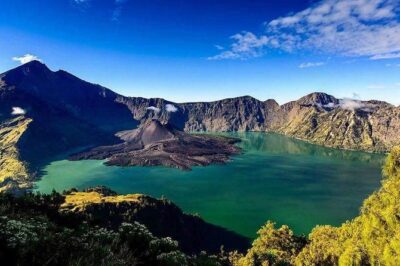
Mt Rinjani Trekking 2 Days 1 Night (Senaru Crater Rim)
Read our review →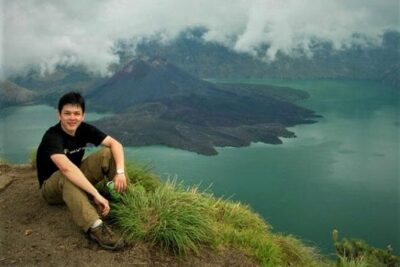
Rinjani Trekking 3 Days 2 Nights (Sembalun – Senaru)
Read our review →Browse the lists this tour appears in