
Reviewed · COOKING CLASSES
PRIVATE Balinese Cooking Class in Ubud with Dewa with Transfers
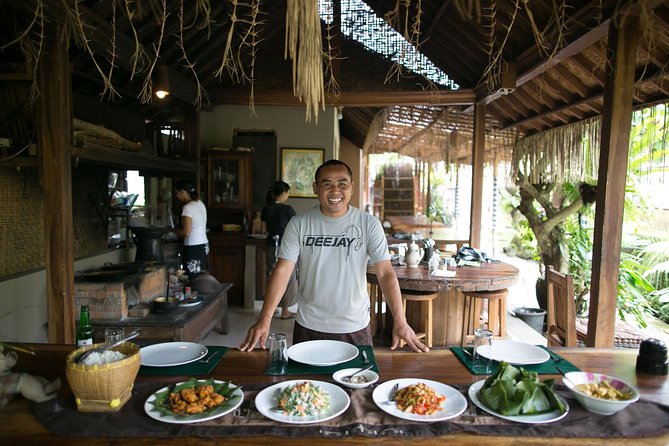
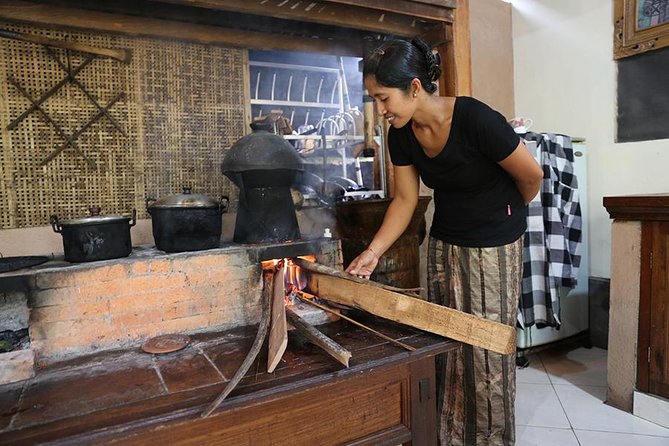
A Balinese cooking class can be fun. This one is more interesting because it’s built like a family day in the village near Keliki, not like a restaurant demo. You start with a garden tour and ingredient stories, then you cook on a traditional wood-fired stove inside a traditional Balinese compound, and you eat what you make.
I particularly like that the host, Dewa, teaches the why behind flavors by tying plants to daily life and traditional beliefs, including how ingredients are used for health and medicine. I also like that the meal includes local beer and that you go home with recipes you can actually repeat later. One possible drawback is that this is not a professional, step-by-step culinary school, so if you want a strict technique class, you may find the pace more “host-led and cultural” than “chef-led and timed.”
Quick take: what makes this class worth your time
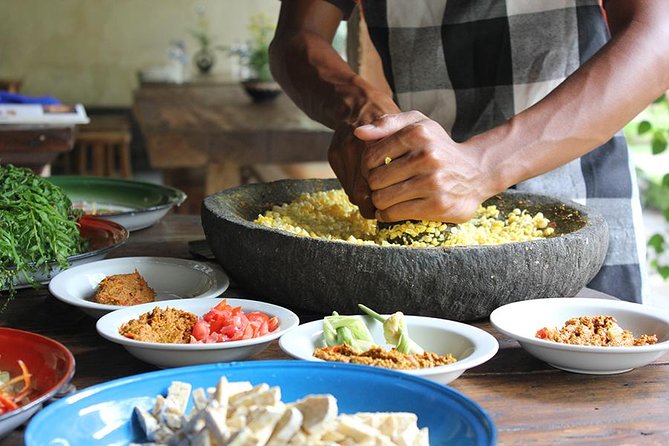
- Keliki family home setting in a walled compound with open pavilions around a central courtyard
- Garden first, stove second, learning fruits, herbs, and spices like galangal, cacao, and nutmeg
- Traditional tools like pestle and mortar, plus cooking over a wood-fired stove
- Private 2-way transfers from Ubud, with meeting and pick-up centered around Ubud access
- Alcohol included with local beer, plus water, at the meal
A family home cooking class in Keliki, just north of Ubud
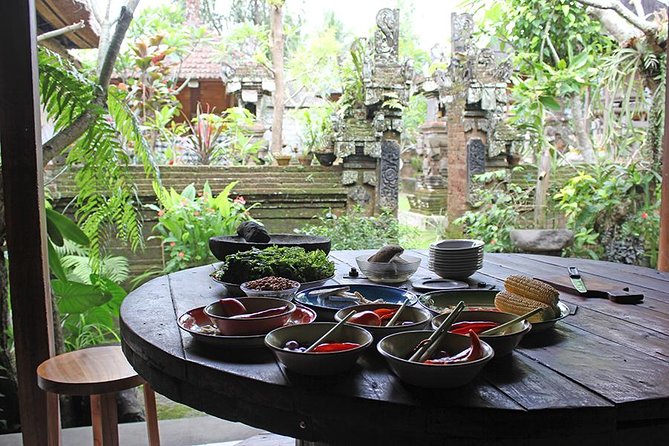
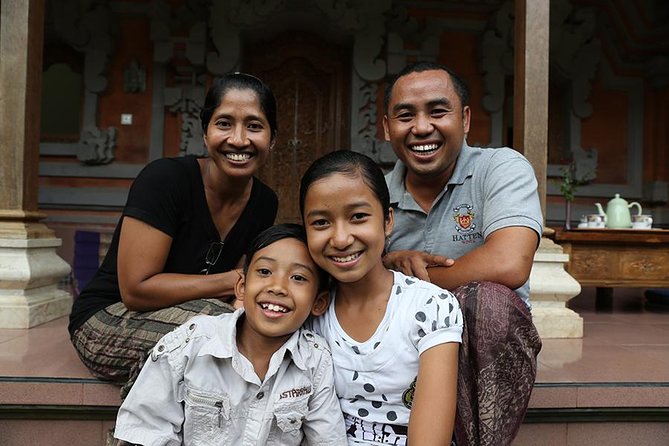
This experience runs on one simple idea: you learn Balinese cooking best when you’re in the place where it belongs. You’ll be welcomed into Dewa’s traditional family compound, described as several open pavilions around a central courtyard, inside a village in the terraced foothills north of Ubud.
That setting matters. It changes the whole feel. Instead of “watch the class, take photos, leave,” you move through a routine that looks like locals doing locals things. The garden walk is part education, part social time. The cooking happens in the family kitchen space, not behind glass.
It also helps that it’s private. Only your group participates, so you can ask questions, slow down to watch what’s happening, and get explanations without feeling like you’re sharing airspace with strangers.
A key detail to know up front: if Dewa isn’t available, you’ll still go with a host who works with Dewa’s wife Jero. So you’re not gambling on the entire day depending on one person alone, even though Dewa is the main draw.
More Cooking Classes in Ubud
- Ubud Cooking Class Bali with Balinese Chef
★ 5.0 · 1,609 reviews - Ubud: Cooking Class with Transfers and Optional Market Visit
★ 4.9 · 824 reviews - PRIVATE Authentic Balinese Cooking Class in Ubud at Putu’s Home
★ 5.0 · 644 reviews
The ingredient garden tour: fruits, herbs, and “why this grows here”
The day begins with a garden tour, and this is where the class gets its soul. You’ll explore exotic Balinese fruits, herbs, and spices and learn how they’re used, including the medicinal or health-related properties people associate with them.
Some specific ingredients mentioned include galangal, cacao, and nutmeg. Even if you’ve cooked with similar ingredients at home, you’re not just learning names. You’re learning how they connect to the family’s local environment and everyday health thinking.
I like that this isn’t framed as mystical marketing. It’s practical learning. You see and smell the ingredients first, then you cook with them. By the time the stove starts, you already know what you’re reaching for and why it matters.
One more useful point from the way the experience is described: you travel by private vehicle through terraced foothills to reach the village. Even before food, the drive acts like a transition. You go from Ubud’s busy rhythm into a slower village pace, and that makes the rest of the day feel more grounded.
Cooking on a wood-fired stove: expect traditional pastes and hands-on prep
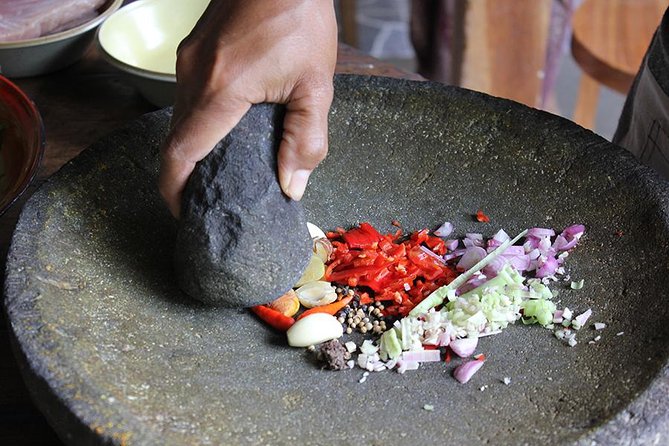
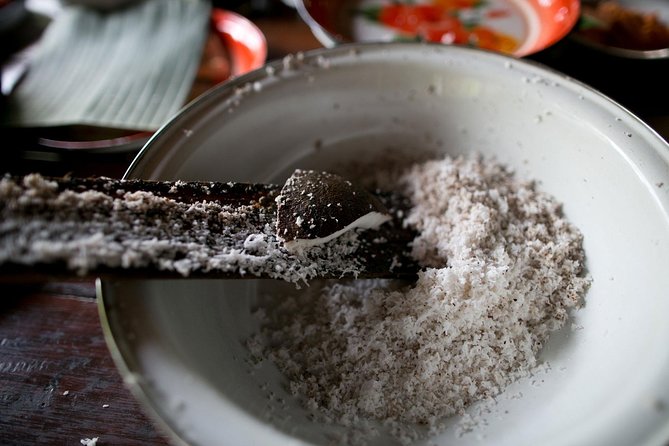
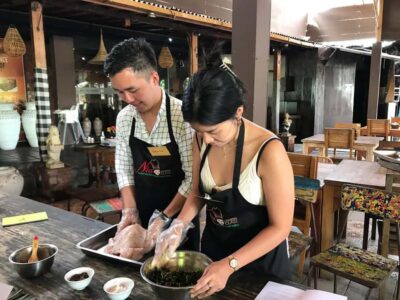
After the garden tour, you head into the open kitchen where Dewa’s wife cooks with you and teaches alongside the host. The cooking happens using traditional equipment, including pestle and mortar for grinding. Then the food goes onto a traditional wood-fired stove.
This is the part of the day that most people remember. It’s tactile. You’re not only tasting. You’re making pastes. You’re handling fresh ingredients. You’re working in the same kitchen flow the family uses.
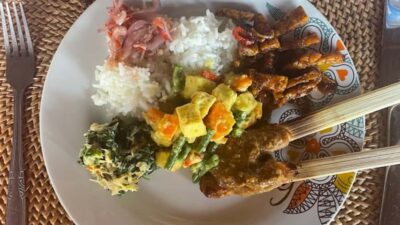
The class focuses on authentic, home-cooked Balinese dishes. Examples provided include:
- Pepes Ikan, grilled tuna in banana leaves
- Bumbu kuning, chicken in a turmeric and coconut milk sauce
- Bregedel, hand-ground corn fritters
From the way dishes are discussed, you should expect several dishes in total, not just one or two. Some accounts describe cooking around 5 to 6 dishes, and at times people reference up to 7 recipes. Either way, it’s enough variety that your take-home cooking isn’t just one sauce or one technique.
Important reality check: this is described as an authentic cultural experience more than a professional cooking class. The teaching style is “family kitchen, step-by-step with context,” not “restaurant kitchen, chef curriculum.” If you like food history, local practices, and learning by doing, that’s a plus. If you only care about exact measurements and fast plating, you might want a more technique-heavy class.
Lunch or dinner on the family table: what you eat and how it feels
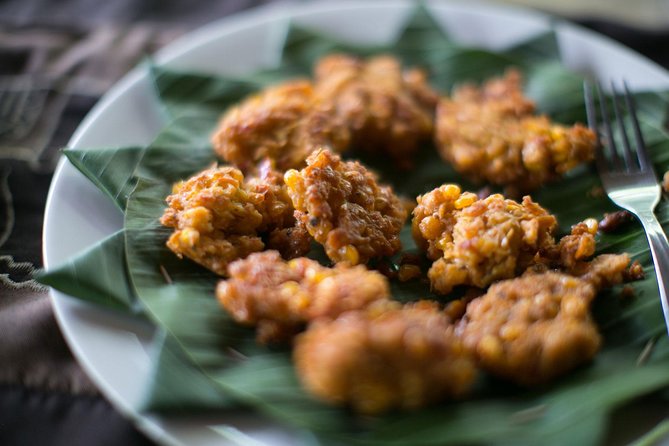
Once you finish cooking, you eat the meal you helped prepare. The food is served as part of the family experience, which means it’s not just about the dishes, it’s about the atmosphere.
The included drinks help set the tone. Alcoholic beverages are included, specifically local beer, along with water. You’ll get to relax after the hands-on work, in the lush greenery setting of the compound grounds.
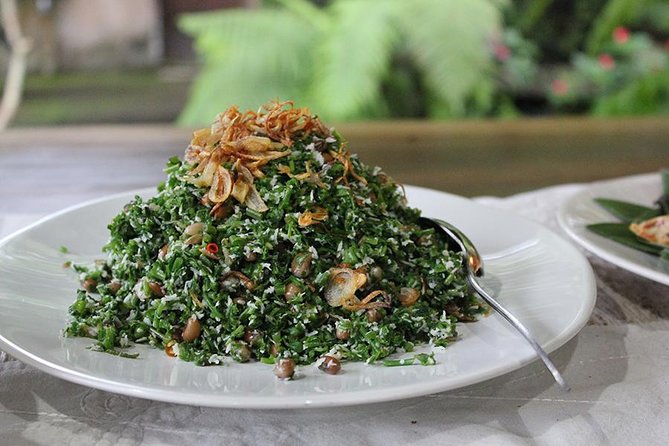
One detail I’d treat as a positive unless you’re picky about salt levels: the cooking is described as being more health- and tradition-based, not loaded for maximum taste at all costs. That aligns with how many traditional cuisines work. The flavors come from the fresh ingredients and the balanced spice work, including pastes made with ground aromatics.
Also, you’re not just eating and leaving. You’re getting an inside look at life in a walled compound, plus time with the people who live there. People often walk away talking about the hospitality as much as the food, and the experience is designed for that.
Something different for the next Ubud day:
- All-Inclusive Ubud Private Tour
★ 5.0 · 14,344 reviews - Best of Ubud Full-Day Tour with Jungle Swing
★ 5.0 · 8,571 reviews - Ubud: Monkey Forest, Jungle Swing, Rice Terrace, and Water Temple
★ 5.0 · 7,160 reviews - Ubud: Waterfalls, Water Temple & Rice Terraces Private Tour
★ 5.0 · 5,484 reviews
Transfers and timing: making sure you start in the right place
This is a private half-day experience, about 4 hours. It includes round-trip transfers from Ubud, but the exact transfer rules matter.
Here’s the practical version:
- If you’re staying in Ubud hotels, Dewa can provide round-trip transportation.
- If you’re staying outside Ubud, Dewa meets you directly at his home in Keliki, and there’s no transportation included.
The meeting point listed is Rumah Makan Jero Nini in Keliki (Jl. Arjuna, Keliki, Kec. Tegallalang, Kabupaten Gianyar, Bali). The activity ends back at the same meeting point.
So even though it’s described as “from Ubud,” you should plan your schedule around the fact that your day anchors around that Keliki area. If your pickup is included, you’ll still spend time traveling from Ubud to the village. If your pickup isn’t included, you’ll want to build in extra time to get to Keliki on your own.
This tour also uses a mobile ticket, and you’ll receive confirmation within 48 hours of booking, subject to availability. If you’re a “calendar first” planner, that 48-hour confirmation window is something to keep in mind.
What to wear, what to ask, and how to get the most out of the day
Because you’ll tour a garden and walk through parts of the village area, wear shoes that handle uneven ground. Comfortable walking shoes are the smart call. Also, plan for humid weather. Even if the class timing is short, you’ll be outside before you’re cooking.
Bring questions. This experience is built around stories tied to food, farming, and belief systems. Dewa is described as sharing spiritual and cultural wisdom, including how food connects to local religion and animism influences. People also talk about discussion of Buddhism and Hinduism. You can ask direct questions like:
- What plants grow in the family garden and what do they use them for?
- Which ingredient is most important for the paste and why?
- How do they decide what to cook for a day like this?
Also, ask about the vegetarian meal option if that matters for your group. A vegetarian option is available if you advise at booking.
Because it’s a private experience, you can also request attention to your preferences. If you’re taking notes for future cooking, tell the host you’d like time to write as you go.
Pricing and value: is $69 a good deal for a private family kitchen?
At $69 per person for a private class with transfers, the value comes from what’s included and what you’re actually buying.
You get:
- Private round-trip transfers when you’re staying in Ubud
- A garden tour with a local host
- Hands-on cooking on traditional tools
- A meal with local beer and water
- Recipe take-home materials
For a lot of Ubud food tours, you end up paying for a short demo plus a quick meal. Here, you’re paying for time in the family compound, time in the garden, and time cooking multiple dishes. That’s why people rate it so highly for being more meaningful than the typical “class.”
If you’re traveling as a couple, the private setup can feel like better value because you aren’t dividing attention between a crowd. If you’re solo, it can still make sense because the experience is structured to feel personal and host-led.
The biggest “value risk” is location. If you’re outside Ubud and don’t qualify for round-trip transfers, you’ll need to factor in your own travel to Keliki. That doesn’t change the cost of the class, but it changes your total day cost and convenience.
Who should book this private Balinese cooking class with Dewa
This is a great fit if you want food plus culture in one package. It’s also a good choice if you like learning from a host who treats cooking as daily life, not just a performance.
You’ll likely enjoy it if:
- You’re a foodie who wants traditional dishes like pepes ikan and bregedel
- You like ingredient education, especially garden-grown spices and herbs
- You want private attention and a calm, family-home setting
- You’re happy with a cultural pace rather than a strict culinary workshop
You might choose something else if:
- You expect a heavily technical, professional cooking school with timed drills
- You need transfers no matter where you stay, since transportation is tied to Ubud hotels
- You prefer a meal experience with no alcohol, though beer is included and you can still choose not to drink
Should you book this Balinese cooking experience in Ubud?
I think it’s a strong booking when you want a real family-kitchen day, not a generic “Ubud cooking class.” The combination of garden tour, traditional wood-fired stove cooking, and a host-led cultural explanation makes it feel like more than food.
Book it if you’re curious about how Balinese ingredients connect to daily life and you’ll enjoy hands-on grinding, pastes, and cooking multiple dishes. If you’re outside Ubud, double-check how you’ll get to Keliki so your day stays easy and stress-free.
If you want one clear decision rule: if you’re excited to learn from Dewa and cook in a traditional village home, this is worth it.
FAQ
What is the duration of the private cooking class?
The experience lasts about 4 hours.
Is round-trip pickup included?
Round-trip transfers from Ubud are included. If you are staying outside Ubud, transportation is not included and Dewa meets you directly at his home in Keliki.
Where does the experience start and end?
It starts at Rumah Makan Jero Nini in Keliki and ends back at the same meeting point.
What will I cook during the class?
You’ll cook several Balinese dishes using a traditional wood-fired stove. Examples listed include pepes ikan (grilled tuna in banana leaves), bumbu kuning (chicken in turmeric and coconut milk sauce), and bregedel (hand-ground corn fritters).
Are drinks included?
Yes. Local beer and water are included.
Is there a vegetarian option?
Yes, a vegetarian option is available. You should advise at booking if you need it.
Can I get a full refund if I cancel?
Yes. Free cancellation is available. You must cancel at least 24 hours in advance for a full refund.
Newest reviews out of Ubud
- Ubud Silver Class: Forge Your Personal Silver Keepsake★ 4.9 · 39 reviews
- Amazing Kuber ATV Quad Bike Experience in Bali and Tunnel★ 5.0 · 39 reviews
- Lempuyang Tour : Heaven gate, Tirta Gangga, Goa Raja waterfall★ 5.0 · 39 reviews
- Make Traditional Bali Coconut Oil with a Balinese Family★ 5.0 · 39 reviews
- Private Tour : Bromo Ijen Tour From Bali★ 5.0 · 39 reviews
- Bali Private Car Charter Tour with English Speaking Driver★ 5.0 · 39 reviews
- Ayung Rafting Ubud (Include Lunch & Return Transportation)★ 4.5 · 40 reviews
- Private Bali Tour: The Most Scenic Places★ 5.0 · 40 reviews
Cooking Classes, compared.
Cooking Class with Transfers and Optional Market Visit
Read our review →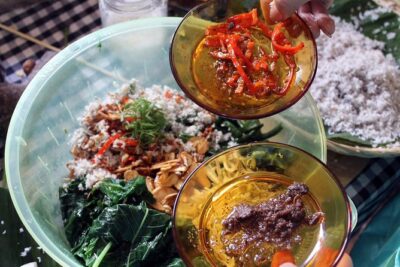
PRIVATE Authentic Balinese Cooking Class in Ubud at Putu’s Home
Read our review →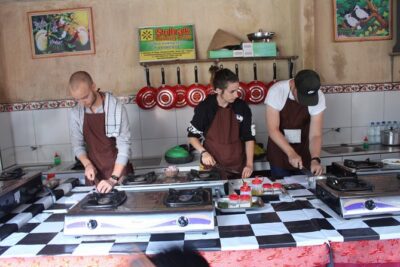
Balinese Ubud cooking school (9 Dish Cooking and Market Tour)
Read our review →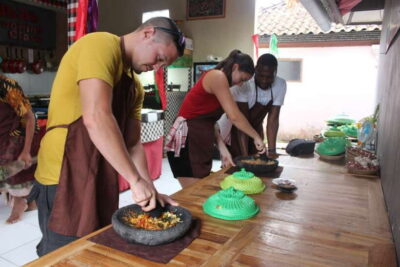
Browse the lists this tour appears in