
Reviewed · MOUNT RINJANI TREKS
Sembalun/Senaru: Mt. Rinjani Summit 2-Day Trekking Tour
Mt. Rinjani in just two days sounds intense, and it is. What makes this trek interesting is how quickly you go from village life to high crater rim nights, then to a 1:30am summit push for sunrise over Bali, Lombok, the Gilis, and beyond. It is one of those itineraries where timing matters as much as fitness.
I especially like the way the Sembalun route is set up for big early scenery, including the savanna views as you start. And I like that you do not just hike, you also get real downtime at the camp for sunset over Segara Anak and a proper morning break with coffee or tea before the dark summit hike. One possible drawback: it is a demanding climb, and the summit section includes sand and gravel, so you will feel it in your legs even with a guide.
Key things to know before you go
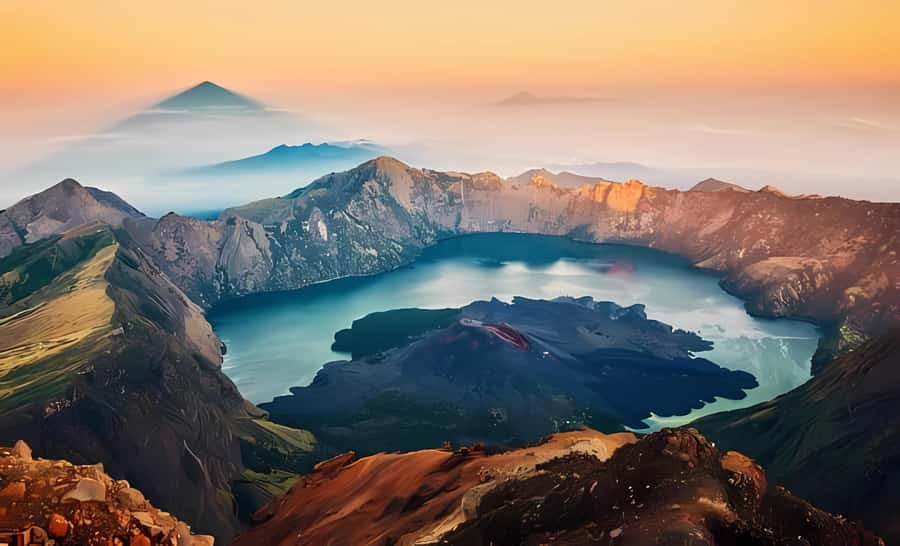
- Sembalun Crater Rim (2,639 m) is your night base, with sunset and lake views.
- Summit at 3,726 m means an early alarm, dark hiking, and a hard final stretch.
- Porters handle cooking gear and camping items, so you carry less than you expect.
- Your success depends on weather. Clear skies make sunrise worth the effort.
- Gloves, long pants, flashlight/headlamp, and good shoes are not optional if you want comfort.
- National park entrance fees are not included, so budget extra per day.
Rinjani in Two Days, What You Are Really Signing Up For
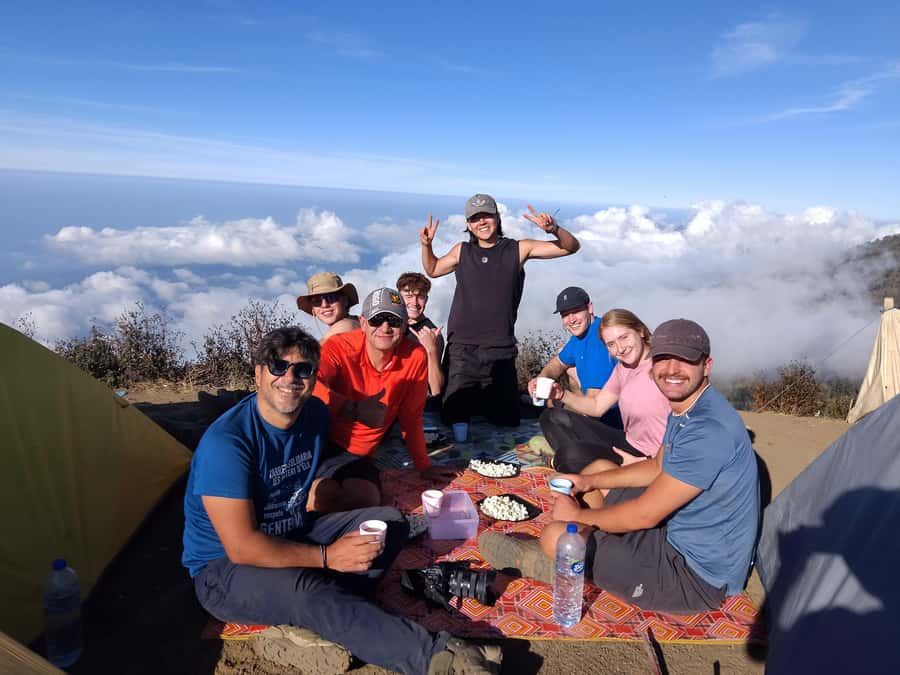
This tour is built around two big moments: the night on the crater rim and the sunrise from the summit. The schedule is tight, so you get less “wandering time” and more “keep moving” time. If you like trekking that feels structured, with planned rests and meals, you will probably appreciate how the day is broken into clear checkpoints.
Day 1 focuses on getting you from the village start up to the crater rim, with stops at POS-1 (1,300 m), POS-2 (1,500 m), and POS-3 (1,800 m). Day 2 is the real test: waking around 1:30am, trekking in the dark to the summit at 3,726 m, then turning around and descending.
You should also understand the altitude reality. This is not listed as suitable for altitude sickness, and it is not suitable for pregnant women or people over 70. If you have altitude risk in your background, you will want to talk to a clinician before going, not just hope you’ll be fine.
More Hiking & Trekking in Lombok
- 2D1N Senaru Crater Rim Trekking
★ 5.0 · 178 reviews - Mount Rinjani Trek 3D-2N To Summit – Lake – Hotspring
★ 4.7 · 111 reviews - Rinjani trekking 2D 1N RIM
★ 5.0 · 94 reviews
Day 1 From Pickup to Sembalun Crater Rim (2,639 m): The Climb That Builds the Payoff
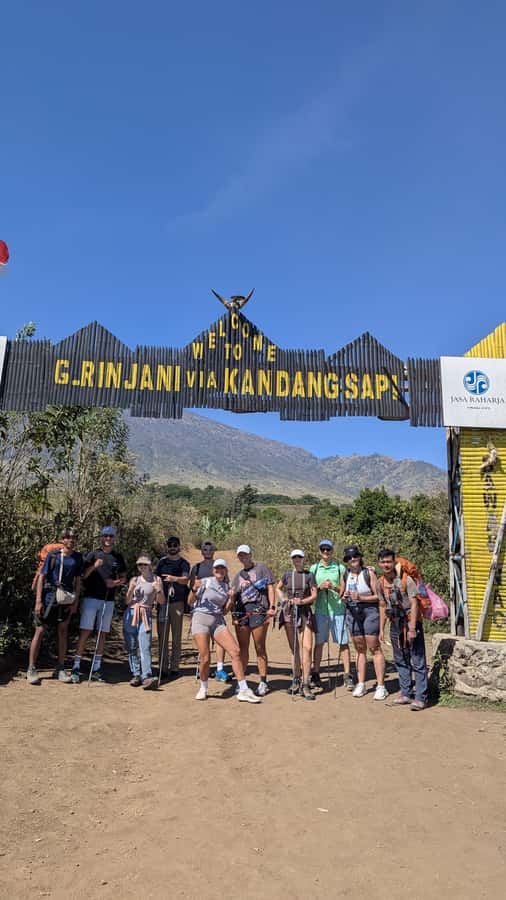
You start with hotel pickup in Senaru or Sembalun, depending on your choice. The tour typically includes breakfast before the drive, then about an hour to Sembalun Village. From there, you register at the Rinjani Information Center (RIC). That first step is more than a formality, it helps set the stage and confirms you are in the right system for permits and local rules.
Once the trek starts, the route climbs in stages:
- POS-1 (1,300 m) after about 2 hours
- A short rest (around 5 to 10 minutes)
- POS-2 (1,500 m) about 1 hour later
- Another brief break
- POS-3 (1,800 m) about 1 hour after that
At POS-3, you rest for about 2 hours. This matters. It gives your body time to settle before you continue higher. You also get lunch plus something warm like tea, coffee, hot chocolate, or lemon tea. On a trek like Rinjani, a warm drink does more than taste good. It helps you stop feeling chilled and it keeps you functioning for the final push.
Then comes the longest jump: roughly 3 hours to reach Sembalun Crater Rim (2,639 m). This is the point where the scenery starts to feel huge in a different way. On the Sembalun route, you get grand views over the savanna over the eastern entrance. It is a strong early reward, and it gives you something to look at besides your next step.
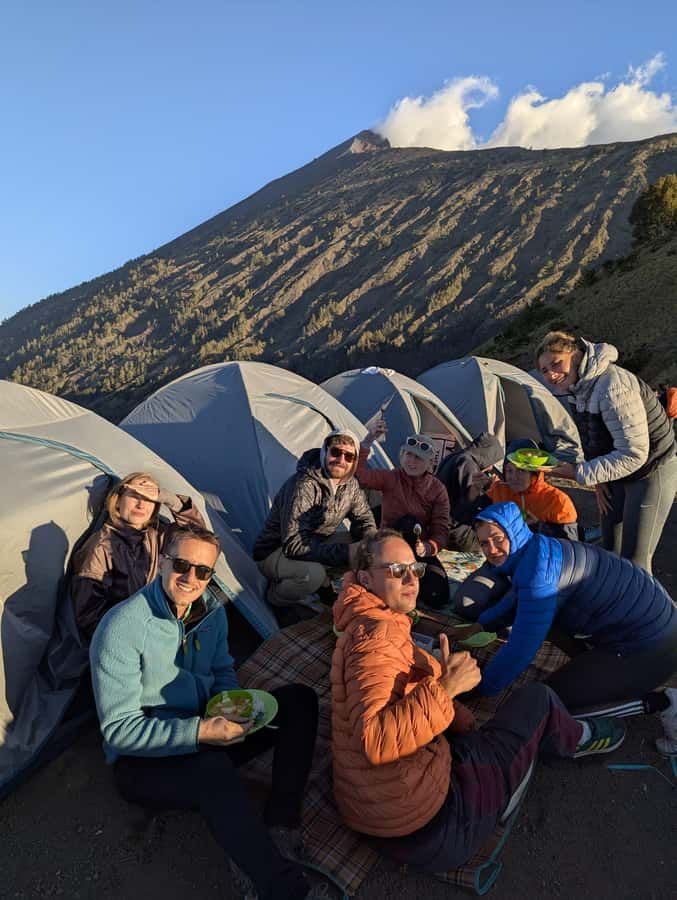
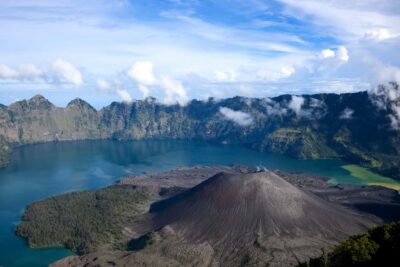
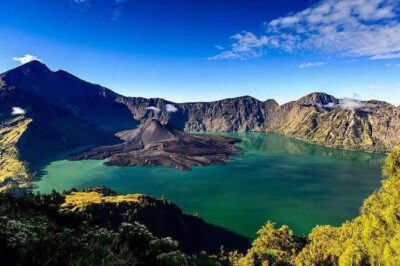
You spend the night on the rim, which is the entire vibe of this tour. From camp, you can watch for sunset and take in wide views of Segara Anak and much of North Lombok Island. If the weather cooperates, this is where the trek starts to feel like more than a hike. It becomes an experience.
One practical note: you are at 2,639 meters at night, so temperature swings can be real. The tour includes sleeping bags, mattresses, and tents, but you still need your jacket and rain gear.
Day 2 The Summit Push: 1:30am Starts and a Dark, Sand-and-Gravel Challenge
Day 2 starts early for sunrise. You wake at around 1:30am, with coffee or tea and a light breakfast. That matters because you will be moving in darkness for a while before you get any payoff. You need fuel in your system, even if it is small.
The summit trek normally takes about 3 hours, depending on your pace. You will be trekking in the dark, and this is where preparation makes a big difference. The tour specifically says you need a flashlight for this section. So bring it, and do not assume your phone is your backup plan.
The summit route includes sections of sand and gravel, and those can be some of the most tiring parts of the trek. Even if you feel strong on steady ground, loose material drains energy fast. This is one reason I like that guides stay with you the whole time. When the path gets slow, you want someone to help you pace, pick lines, and keep you from burning out too early.
Once you reach the summit at 3,726 m, you get a short break and photo time. The view is the headline, and the tour description calls out panoramas of Bali, Sumbawa, Lombok, and the Gilis. This is the moment that makes the early start feel rational.
Then you head back to the crater rim campsite. Your porters have breakfast ready. After that, you descend toward Sembalun Village. You will still be hiking, so think of the summit as the high point, not the end. The legs do not get a day off just because the biggest view is done.
Guides and Porters: Why This Trek Can Feel Manageable Instead of Miserable
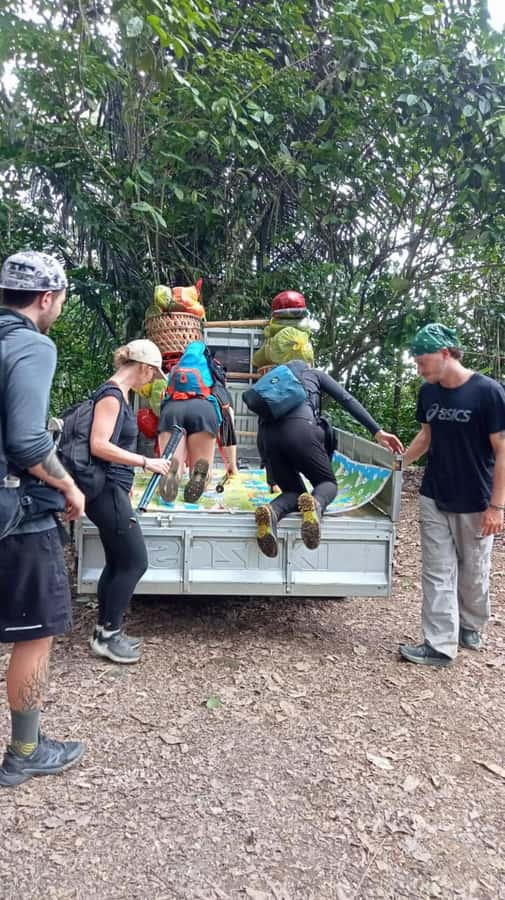
The human factor on Rinjani matters a lot. The trek is challenging, but the tour is designed to offload the heavy camp work. Porters carry cooking gear and camping equipment, and you also get tent, toilet tent, sleeping bag, and mattress. In plain terms, you hike more, and you haul less.
That is a big deal when you are already dealing with tired calves and high altitude. One of the strongest praises from guide-led experiences is how guides like Cakra keep the group moving and help make the climb fun even when it is tough. Another set of experiences highlights guides like Anji and Reno for keeping things positive and supported with lots of delicious food and big portions.
Porters also get credit for cooking. Multiple experiences describe porter meals as surprisingly good, not just fuel. If you have ever been disappointed by “mountain food,” you will appreciate that emphasis here.
There is also an important reality check: the trek is hard enough that not reaching the summit can happen if you are not trained. That does not mean you wasted your money. Getting crater rim sunset and sunrise views from camp can still be memorable, and the guides help navigate difficult paths.
More Rinjani treks:
- Mount Rinjani 2 Days 1 Night Senaru Crater Rim
★ 5.0 · 131 reviews - 3D-2N Explore Mount Rinjani – Summit -Lake and Hotspring
★ 5.0 · 112 reviews - Mount Rinjani 2-Day Trek to Senaru Crater Rim
★ 4.8 · 89 reviews - 3D/2N Rinjani trekking summit,lake and hot springs.
★ 5.0 · 85 reviews
Packing Tips That Will Save Your Comfort on the Rim and in the Dark
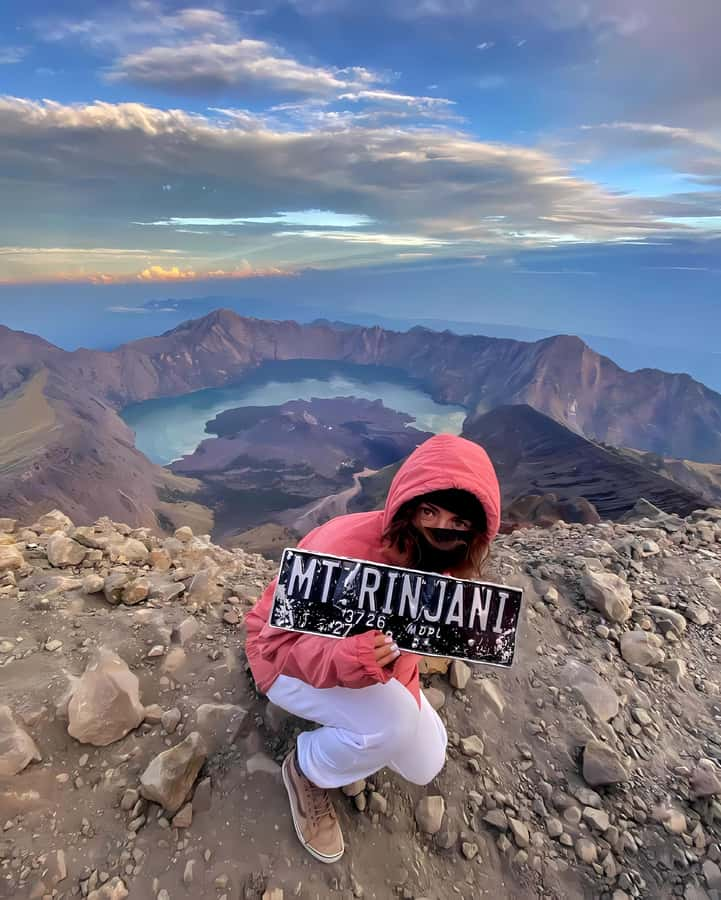
The included gear helps, but you still need to bring the items that protect you from the mountain’s friction points. The tour lists key items you should pack: passport, hat, hiking shoes, jacket, rain gear, gloves, long pants, flashlight, camera, and a power bank.
Based on what works well in practice, I would treat these as non-negotiable:
- Gloves: useful for cold and for hand protection when surfaces get dusty or rough.
- Long pants: they help with comfort during dusty sections and general abrasion.
- Flashlight or headlamp: the summit hike is in the dark, and you want reliable light.
- Good hiking shoes: the route includes sand and gravel, so comfort and grip matter.
Some people also specifically recommend a face mask to reduce dust irritation and to bring spare batteries for your head torch. That advice fits what this trek actually feels like on the ground.
One more practical tip: bring a camera plan that does not slow you down. You will want photos at the summit, and you will want sunrise and crater views. If your camera gear is fiddly, practice with it at home or keep it simple.
Price and Value: What $141 Covers, and What You Should Budget Extra
The listed price is $141 per person for a 2-day trek. That is a lot of vertical effort, plus pickup and drop-off, guiding, and camp setup.
What is included:
- Hotel pickup and drop-off in Senaru and Sembalun
- Trekking guide
- Porters for cooking gear and camping equipment
- Food and drinking water on the trek, with 3 liters of mineral water per day per person
- Tent, toilet tent, toilet paper, sleeping bags, and mattress
What is not included:
- National park entrance fee: IDR 200,000 per day per person
- Flashlight/headlamp, backpacks
- Trekking shoes, rain jacket, long pants, gloves
- Extra porter for your own luggage
The value comes from the combination of things people usually underestimate: the camp support and porter help. You are not just buying a guide. You are paying for the logistics that let you focus on stepping uphill.
Also, since the national park fee is per day, you should calculate that extra cost as part of the real total.
Weather, Sunrise Dreams, and Realistic Expectations
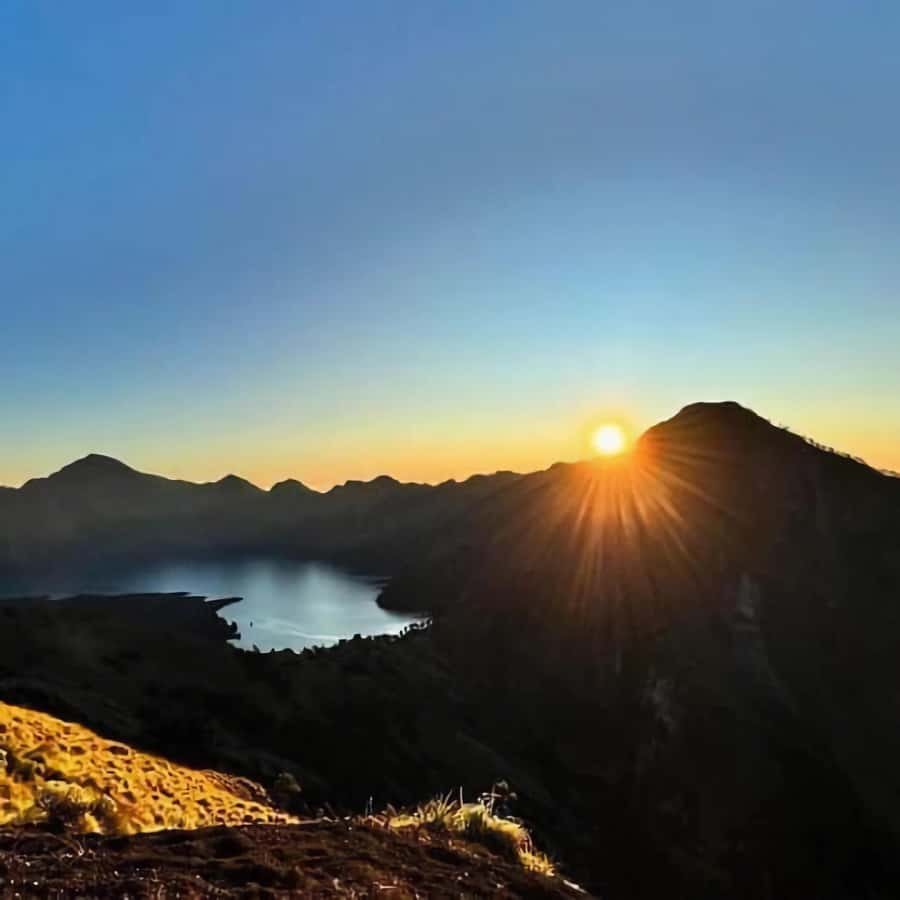
You are aiming for sunrise from the summit. That means clear skies make a huge difference, and cloud cover can turn the view into a foggy silhouette. This tour does not control weather, so you need to accept that sunrise is a weather-dependent payoff.
Your best strategy is to go in with a mindset that even a less perfect summit view still rewards you with crater rim sunset, Segara Anak scenery, and the physical achievement of finishing the route. When conditions are good, the panorama of Bali, Sumbawa, Lombok, and the Gilis is exactly the kind of view that makes you remember why you tolerate early alarms.
Who This Trek Fits (and Who Should Rethink It)
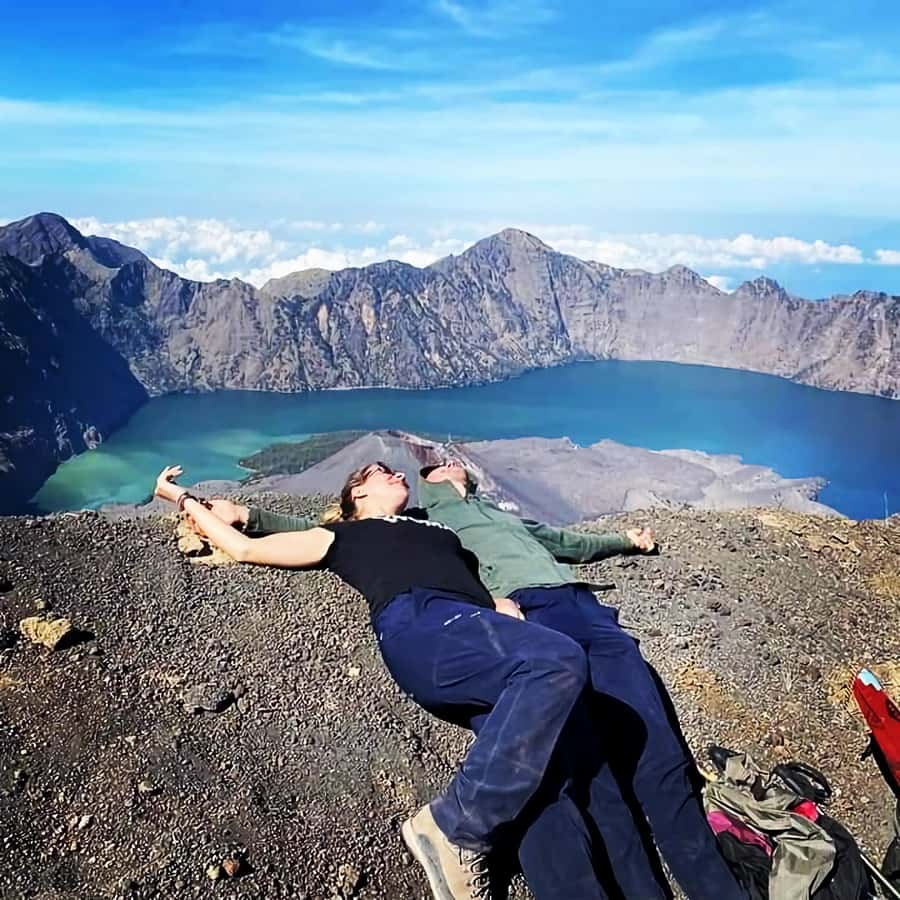
This trek is for you if you:
- Can handle a multi-hour climb plus an early dark summit push
- Like structured hiking with planned breaks and meals
- Want the crater rim night experience, not just day hiking
It may not be the right fit if you:
- Have altitude concerns or a history of altitude sickness
- Are pregnant, or are older than the tour considers suitable
- Want an easy walk. This is not framed as gentle.
If you are not very trained, you still might enjoy the crater rim portion. But be honest with yourself about your stamina for the final summit stretch and for sand-and-gravel footing.
Should You Book This Mt. Rinjani 2-Day Trek?
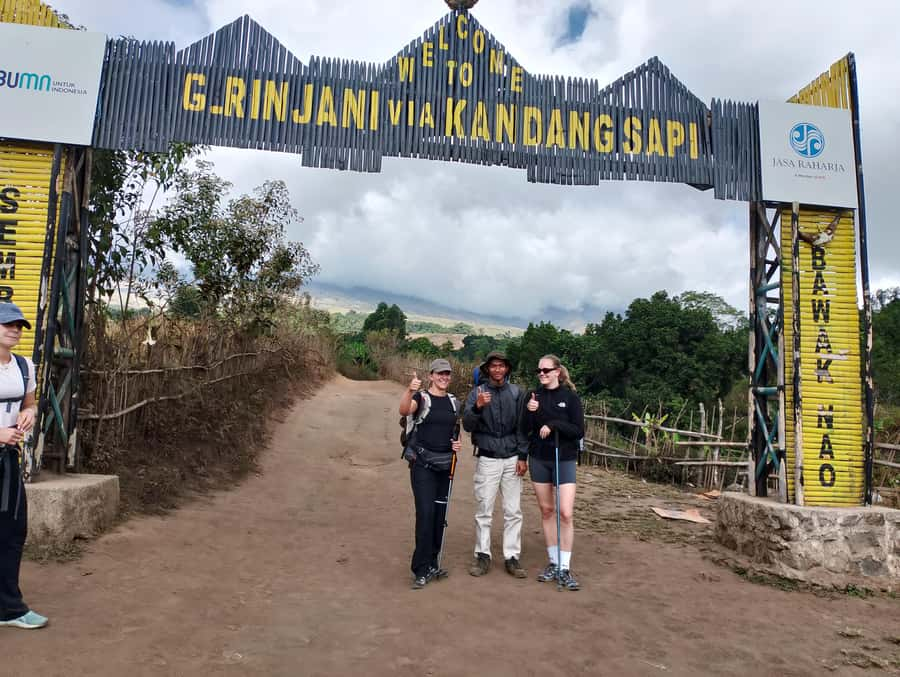
I think you should book this tour if you want a compact plan with clear goals: crater rim sunset and sunrise summit views, and enough support that you can focus on the hike instead of the logistics.
I would not book it if you are uncomfortable with early starts, dark hiking, or you have any reason to worry about altitude. And I would only go if you can commit to the gear basics like flashlight, gloves, and good shoes.
If you do book, plan your mind for effort, not just photos. The best Rinjani moments usually come when you stop rushing for the summit and start appreciating the ride, POS-1 to POS-3 breathing breaks, warm drinks at lunch, and that crater rim night when the island feels very far below.
FAQ
Do I get picked up from both Senaru and Sembalun?
Yes. Hotel pickup and drop-off are included for Senaru and Sembalun.
What is included for sleeping and basic camping needs?
The tour includes a tent, toilet tent, toilet paper, sleeping bags, and mattresses.
Is the national park entrance fee included in the price?
No. The national park entrance fee is IDR 200,000 per day per person and is not included.
Do I need my own flashlight for the summit hike?
Yes. The summit section happens in the dark, and you should bring a flashlight. Head lamps are also listed as not included.
How long does the summit trek take on Day 2?
The trek to the summit normally takes about 3 hours, depending on your pace.
Is this trek suitable for everyone?
It is not suitable for pregnant women, people with altitude sickness, and people over 70 years old.
Newest reviews out of Lombok
- Mount Rinjani: 3D/2N Trekking to Summit, Lake and Hot Spring★ 4.8 · 12 reviews
- Lombok Wildlife Park Ticket★ 5.0 · 12 reviews
- Conquer Mount Rinjani Second Summit: A 2-Day, Lombok-Indonesia★ 5.0 · 12 reviews
- Mount Rinjani 3D2N Private Trek – Summit, Crater Rim & Hot Spring★ 5.0 · 13 reviews
- Gili Nanggu, Sudak and Kedis Island Snorkeling Tour★ 5.0 · 13 reviews
- Private Day Trip Tour To Secret Gilis★ 5.0 · 13 reviews
- Best of Lombok: Native, Culture, Nature & Waterfall Day Trip★ 4.5 · 13 reviews
- Tetebatu : Waterfall, Rice Fields & Monkey Forest Full day★ 4.9 · 14 reviews
Mount Rinjani Treks, compared.
3D-2N Explore Mount Rinjani – Summit -Lake and Hotspring
Read our review →
Mount Rinjani Trek 3D-2N To Summit – Lake – Hotspring
Read our review →
Mt Rinjani Trekking 2 Days 1 Night (Senaru Crater Rim)
Read our review →
3D/2N Rinjani trekking summit,lake and hot springs.
Read our review →
Rinjani Trekking 3 Days 2 Nights (Sembalun – Senaru)
Read our review →Browse the lists this tour appears in