
Reviewed · COOKING CLASSES
Ubud: Authentic Traditional Balinese Village Cooking Class
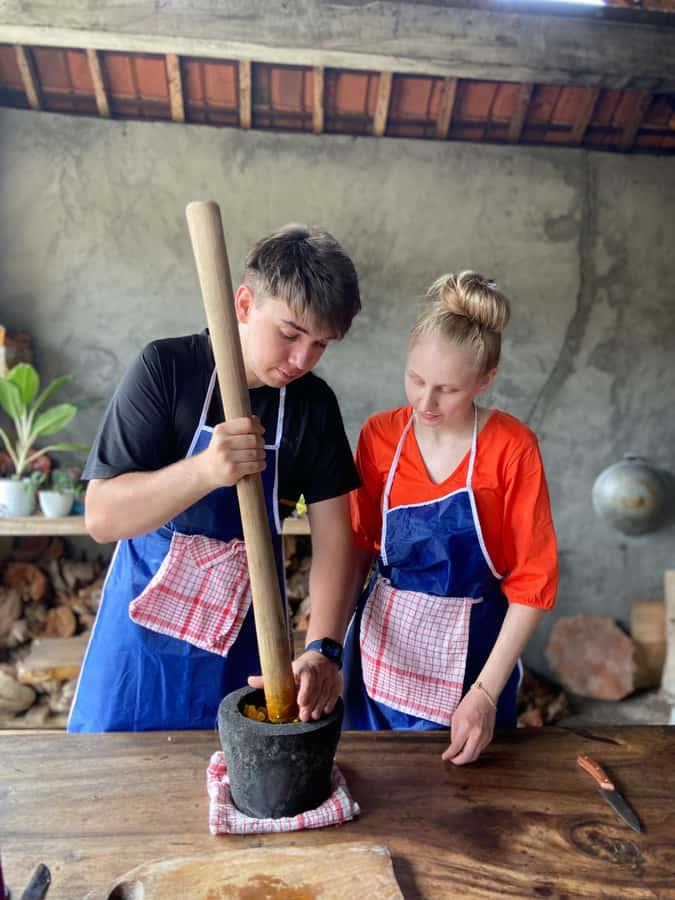
What makes this Ubud-area cooking class interesting is the setting: a real small village day in Delodsema, with food sourced from the family’s own organic farm ingredients. I especially love the open air, hands-on cooking where you do the work, not just watch a show. One possible drawback to plan for is that lunch is served on the ground, and you’ll eat in the local style, which may feel awkward if you want a strict table-and-plates setup.
You’ll likely meet family hosts who guide the process step by step, and names like Kadek and Sangayu may come up. The vibe is relaxed and practical, with a strong focus on food safety and healthy cooking.
Key things I think you’ll notice fast
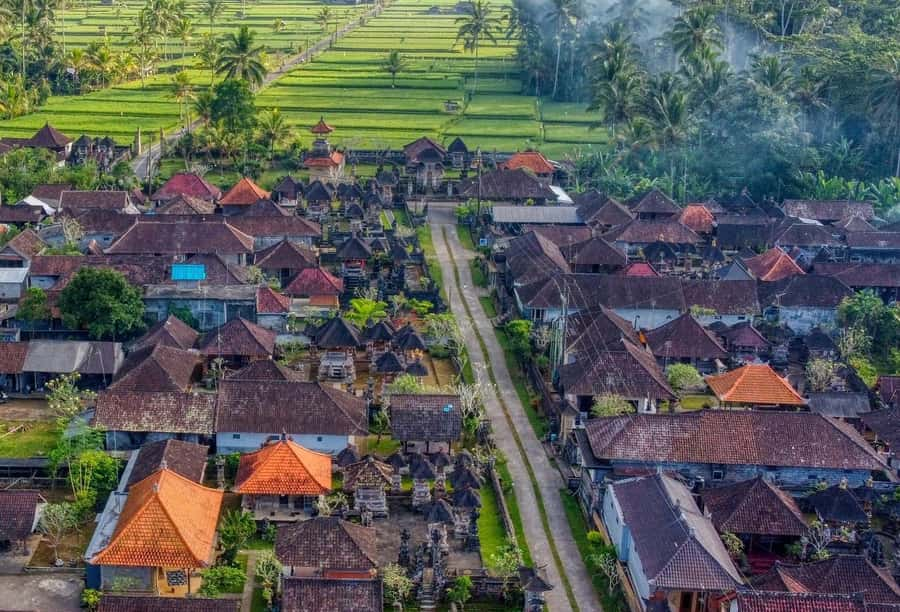
- Delodsema is small, with only about 60 families living there, so it feels like everyday village life, not a staged attraction
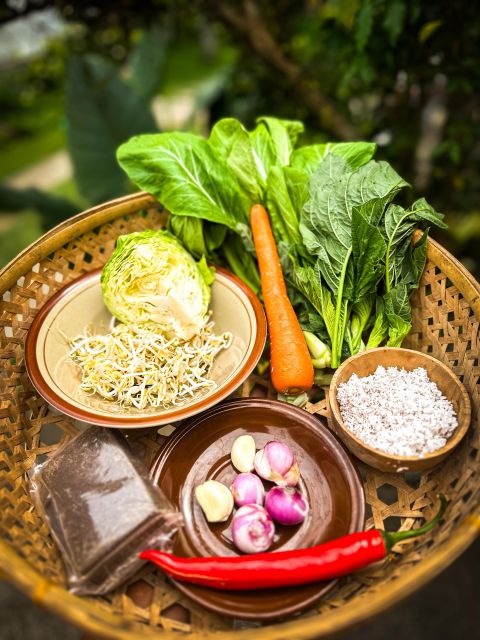
- Spice and herb learning before cooking, starting at the organic farm with fresh ingredients in your hands
- Cooking happens in an open-air kitchen, where you prep and cook alongside your hosts
- Lunch is a local ritual, served with an explanation of how to eat like a Balinese household
- You keep exploring after the cooking, including a temple visit and time at the rice terraces in Taro village
- You leave with the recipes as a PDF, so you can recreate your favorites at home
Why Delodsema village makes this cooking class feel real
This isn’t just a culinary lesson in a kitchen. The day is built around visiting Delodsema Village, a traditional Balinese community where you can see how the village works day to day. Because the village is small, around 60 families, you get a calmer feel and less of that mass-tour rhythm.
The second thing I like is that the food knowledge isn’t abstract. You’re not handed a list of ingredients and told to memorize names. You start with spices, traditional herbs, and fresh produce, so by the time you’re cooking, the flavors already make sense. That one step makes the class more useful if you plan to cook again later.
Finally, the format stays practical. You do prep, you cook, and you eat what you make. It’s a private group experience, so you’re not squeezed into a big line of people all trying to chop at the same time.
More Cooking Classes in Ubud
- Ubud Cooking Class Bali with Balinese Chef
★ 5.0 · 1,609 reviews - Ubud: Cooking Class with Transfers and Optional Market Visit
★ 4.9 · 824 reviews - PRIVATE Authentic Balinese Cooking Class in Ubud at Putu’s Home
★ 5.0 · 644 reviews
From Ubud to the organic farm and village welcome
Most people base themselves in Ubud or nearby areas like Tegallalang. This experience runs from there, but transport isn’t automatically included unless you choose the pickup option. If you don’t select pickup, you’ll arrive at Delodsema Traditional Village and look for the Bali Cococnut Oill sign at the meeting point.
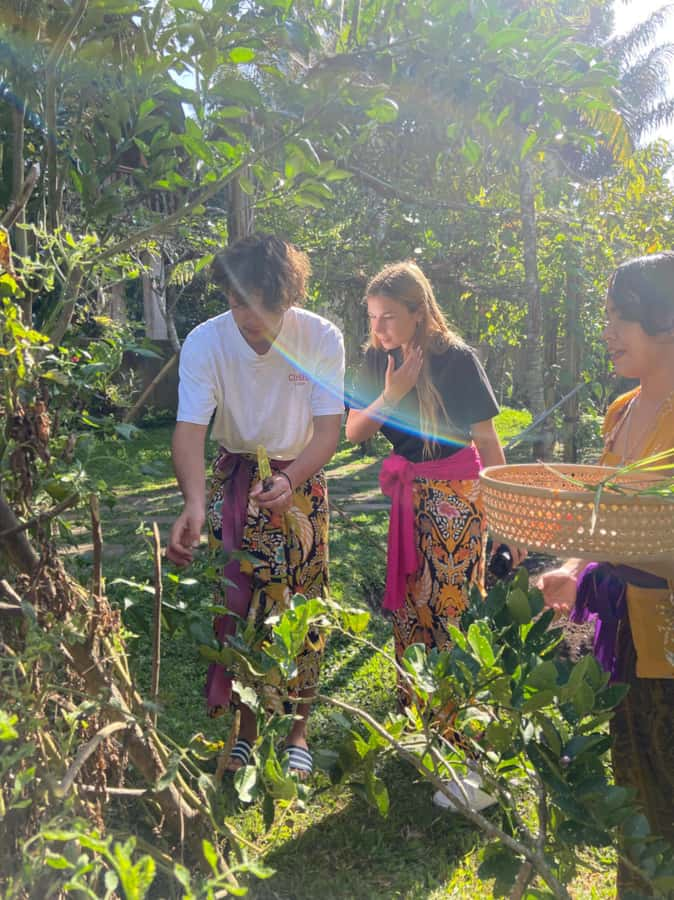
Once you’re there, your morning begins with a warm welcome. You’ll be served a Balinese drink and you’ll start exploring the organic farm. This is where you learn the “why” behind Balinese cooking. You get to see spices and herbs up close, and you may hold fresh ingredients before cooking with your family hosts.
Then you move into village life at Delodsema. The group size is private, which helps you ask questions without feeling rushed. You’ll also visit a temple during the day, so you get more context than food alone.
The open-air cooking session: what you’ll actually learn
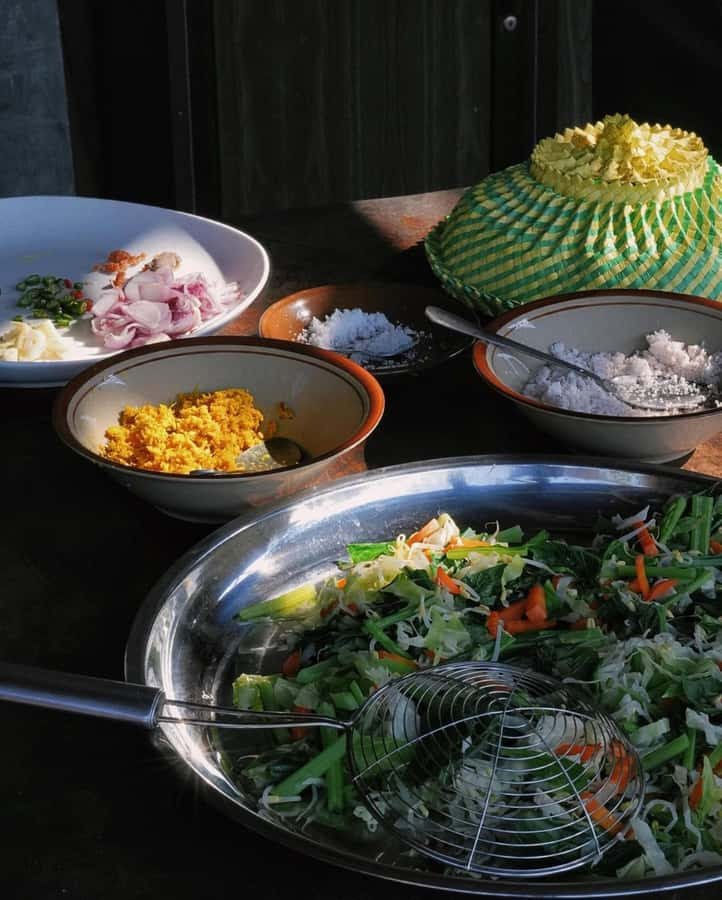
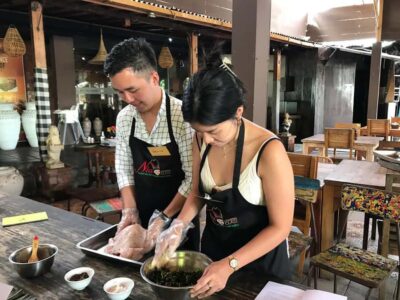
The cooking takes place in an open air setting, and it’s set up so you can cook comfortably and safely. Based on what people describe from past sessions, the food prep is organized, and you’re guided through each step rather than dumped into the deep end.
Here’s what you should expect to learn hands-on:
- how to work with fresh aromatics and spices
- how to make key paste components for dishes (think curry base type work)
- how to assemble and cook meats and sides that are common in Balinese meals
- how to balance flavor using herbs, spice, and cooking technique
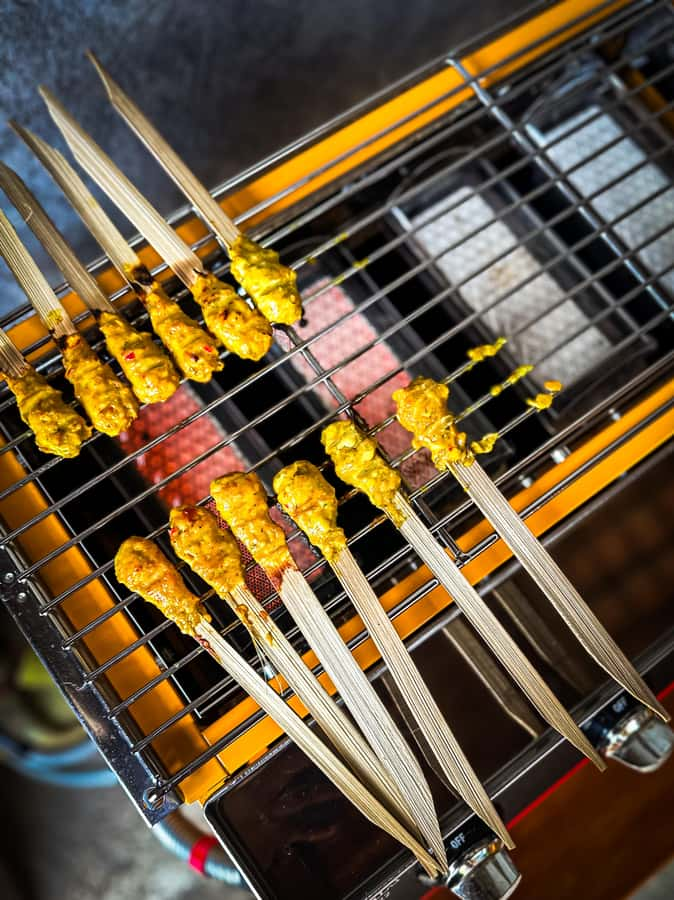
In some sessions, you may make dishes like spice paste for a curry and chicken satay. If you eat vegetarian, you might see substitutions such as tofu prepared in a banana leaf style. Your hosts also explain what each ingredient does, so you can taste the difference and not just follow instructions.
One small but important detail: the class prioritizes safety and healthy cooking. That means the process stays clear and you’ll be coached on how to handle ingredients and cook properly, not just “try it and hope.”
Lunch on the ground, and how to eat like local
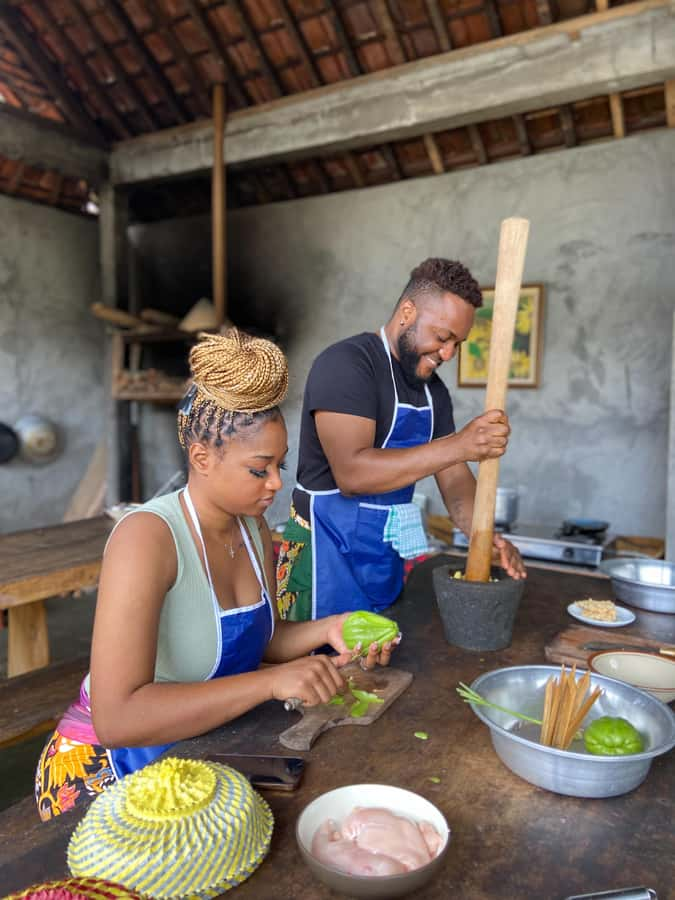
After cooking, you’ll eat the meal you prepared. What makes this lunch special is the way it’s served. Dishes are set out on the ground, and you’ll be shown how to eat like locals.
This is more than a cute photo moment. Eating in the local way changes how you pace the meal. You tend to share and sample, and you’ll notice how dishes work together, not as separate “courses” that each get ignored after a few bites.
Some sessions also include ceremonial moments around offerings. For example, you may be invited to watch or join an offering activity as part of the village rhythm. If you’re curious, follow your hosts’ cues. If you’d rather watch quietly, you can usually do that too.
And yes, expect drinks along the way. You’ll get Balinese coffee and tea, and in past sessions people note coconut water being opened fresh. It’s a nice refresher between cooking and eating.
Something different for the next Ubud day:
- All-Inclusive Ubud Private Tour
★ 5.0 · 14,344 reviews - Best of Ubud Full-Day Tour with Jungle Swing
★ 5.0 · 8,571 reviews - Ubud: Monkey Forest, Jungle Swing, Rice Terrace, and Water Temple
★ 5.0 · 7,160 reviews - Ubud: Waterfalls, Water Temple & Rice Terraces Private Tour
★ 5.0 · 5,484 reviews
The rice terraces and irrigation lesson at Taro village
You don’t stop after lunch. The experience continues to fresh air time at the rice terraces in Taro village. This part is great if you want Bali beyond temples and tourist rice-paddy viewpoints.
What you should expect here:
- learning about local irrigation water systems
- understanding how rice growing depends on water management
- sometimes joining locals to harvest rice or help plant a new rice crop, depending on conditions
Even if you don’t get hands-on planting, the irrigation explanation is useful. It gives you a better mental model for what you see when you walk through terraces later in your trip.
Price and value: is $30 a good deal?
At $30 per person for a class that runs around 2 hours to about 150 minutes, this can be good value in Bali, especially because it’s not only “cook and go.”
Here’s where the value comes from:
- you get a private group experience, which usually means more attention
- all ingredients are included
- you get cooking equipment, plus tea and coffee
- lunch is included
- you receive recipes as a PDF, which helps you take the learning home
- you also get village time plus a temple visit and rice terrace segment
The main cost you might compare is the extra time and, if you don’t choose pickup, the effort of getting to the meeting point at Delodsema. If you’re already in Ubud or Tegallalang and can choose transport, it becomes even more straightforward.
In practical terms, I think it’s worth it if you want a real meal experience, not a quick demo. If you only want a short class with no cultural stops, you might prefer something shorter or more centrally located.
What kind of traveler this fits best
This works best for you if you like:
- learning by doing, especially with spice and paste-based cooking
- small village settings and family-led hospitality
- eating lunch as an actual part of the culture, not just a bonus
It’s also a strong fit for couples and solo travelers who want a calmer experience, since the group is private.
It might be less comfortable if you:
- dislike meals served on the ground
- want a class that moves fast without any village exploring
- need fully fixed dietary planning beyond what your hosts can provide on the day
Practical tips so you feel comfortable
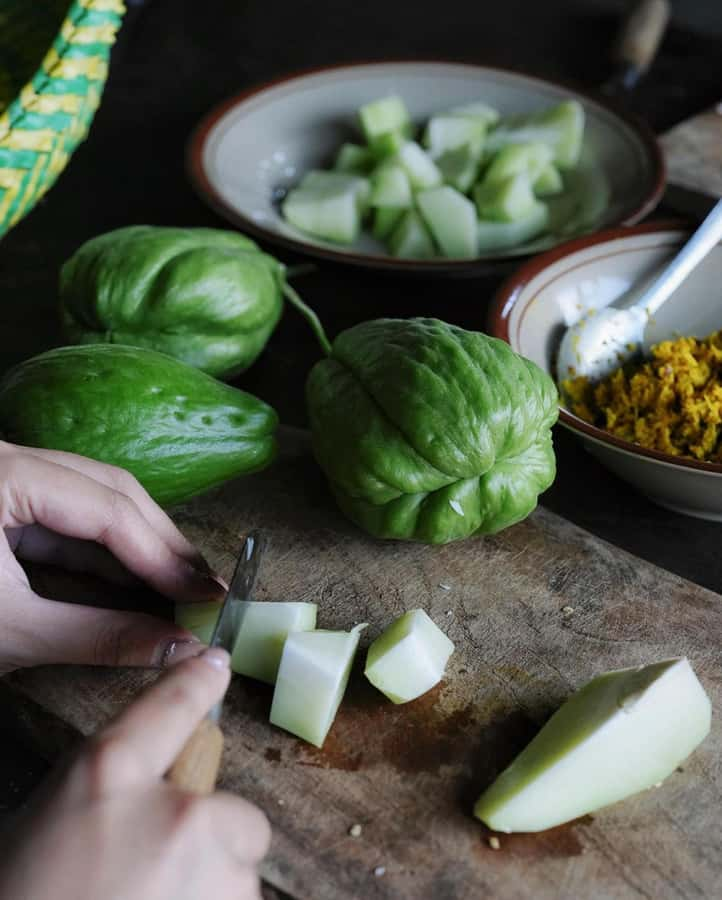
A few details will help you enjoy the day more smoothly:
- Wear shoes you can walk in around village paths and terrace areas, since terrain can be uneven.
- Bring light layers. Open air cooking and outdoor walking can swing between warm and breezy.
- Have cash or a simple payment plan ready if transport isn’t selected, since getting to the meeting point is on you.
- If you’re vegetarian or have dietary restrictions, mention it ahead of time so your hosts can plan appropriate substitutions. In some sessions, tofu swaps are possible.
Also, take your time tasting. Balinese cooking often uses layers of spice and herbs, and the best way to learn is to pay attention to the change from paste to cooked dish to finished meal.
Should you book this Balinese village cooking class?
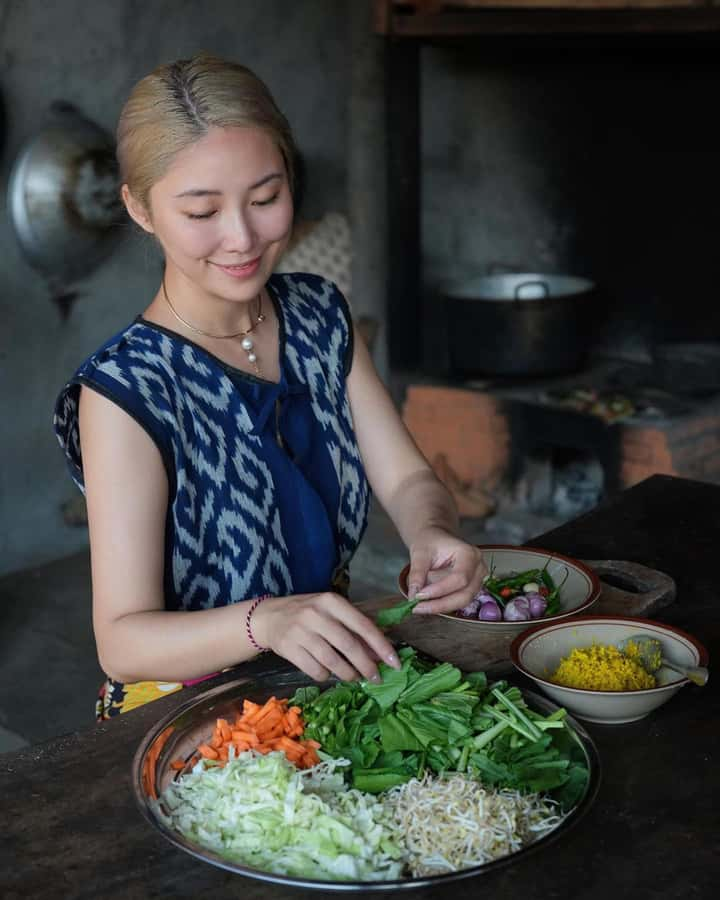
If you’re booking a cooking class in the Ubud area and you want it to feel like a real day with a Balinese family, this is a strong choice. The family garden and organic farm ingredient focus, the hands-on open-air cooking, and the extra village stops to a temple and rice terraces create value that goes beyond food instruction.
I’d book it if you want to eat what you make, learn how key ingredients behave, and leave with recipes you can try later. I’d skip it only if the ground-lunch format sounds unpleasant or if you prefer a very standardized, studio-style class with minimal village time.
FAQ
How long is the cooking class?
The experience runs about 2 hours, with a duration listed as around 150 minutes.
What is included in the price?
Included are a private cooking class, cooking equipment, Balinese tea and coffee, the cooking lesson, all ingredients, lunch, and recipes provided as a PDF.
Is transportation from Ubud included?
Transportation from Ubud Central or the Tegallalang area is not included unless you select the pickup option.
Is this class a private group?
Yes, it is a private group experience.
Can I cancel and get a full refund?
Yes. You can cancel up to 24 hours in advance for a full refund.
Does the booking offer a pay-later option?
Yes. You can reserve now and pay later, meaning you can book and pay nothing today.
Newest reviews out of Ubud
- Bali: ATV Rafting Zipline Swing &Sky Bike in Ubud Rice Field★ 4.7 · 12 reviews
- Ubud VW Safari Bali Tour★ 4.6 · 12 reviews
- Royal Family Temple, Monkey Forest, and Tanah Lot Sunset Tour★ 5.0 · 12 reviews
- Ubud rice terrace, waterfall, and temple guided trip Bali★ 5.0 · 12 reviews
- The Popular Of Ubud Private Day Tour★ 5.0 · 12 reviews
- Best Of Ubud Highlights Private Tour★ 5.0 · 12 reviews
- Bali Quad bike ATV passing through Waterfall, Cave & Rice fields★ 5.0 · 12 reviews
- Best of Ubud – Kintamani Volcano View – Private Tour★ 5.0 · 12 reviews
Cooking Classes, compared.
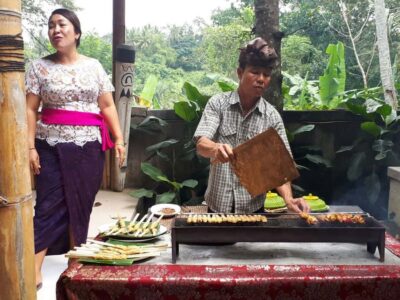
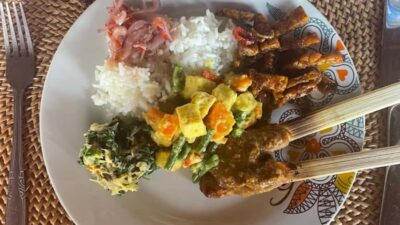
Cooking Class with Transfers and Optional Market Visit
Read our review →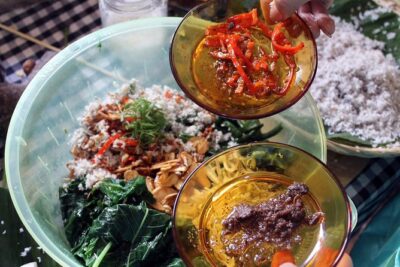
PRIVATE Authentic Balinese Cooking Class in Ubud at Putu’s Home
Read our review →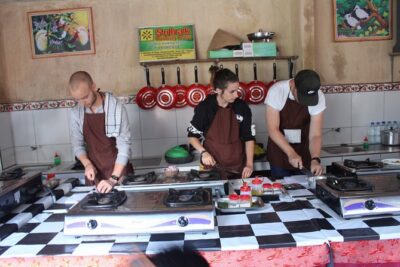
Balinese Ubud cooking school (9 Dish Cooking and Market Tour)
Read our review →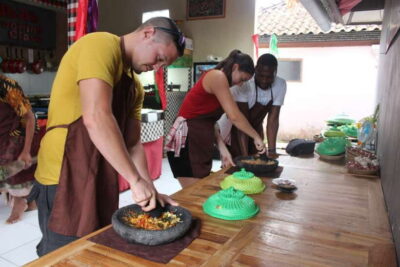
Browse the lists this tour appears in