
Reviewed · COOKING CLASSES
Ubud: Balinese Cooking Class with Hotel Transfers
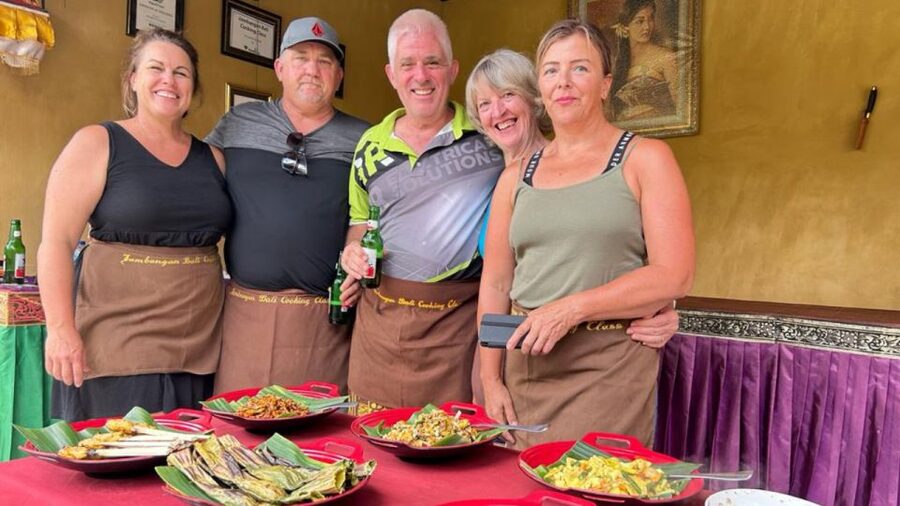
A Ubud Balinese cooking class is interesting because it treats food like a whole local system, not just a recipe sheet. You start with hotel transfers and end by eating in the garden, so you get a full arc from ingredient to plate. I also like that you shop for real supplies first, including fresh herbs, crisp vegetables, and choice cuts of meat.
I really like the family-style setting, where English instruction comes from local chefs who know the Balinese approach to cooking. In my experience of this kind of day, you also get stories that make the food feel personal, not staged. One drawback to plan for: the market visit is morning-only, and the class is not set up for heavy bags, so pack light.
Key Points That Make This Class Worth Your Time
- Market shopping you can taste later with fresh herbs, spices, and produce picked with your guide
- A paddy field stop that connects your lunch to the way rice grows in Bali
- A local family-home atmosphere that feels lived-in, not like a demo for tourists
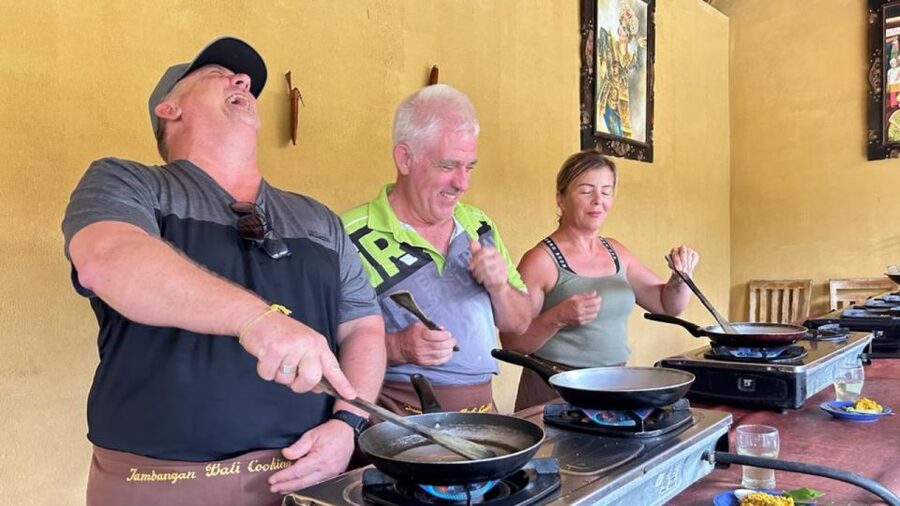
- English instruction from local chefs, with time to ask questions while you cook
- Real value at $26 because you’re paying for transfers, food, and hands-on cooking
- Flexible-feeling end time at drop-off, so you are not rushed straight out the door
Why This Ubud Cooking Class Feels More Like a Day Out Than a Workshop
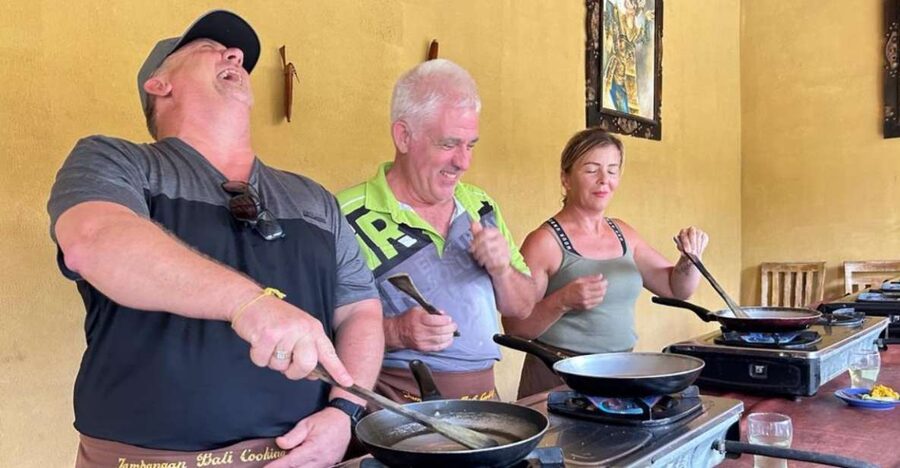
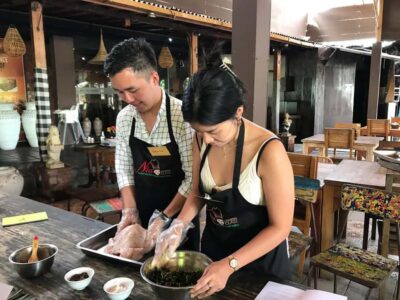
This is one of those cooking experiences where you can tell someone cared about the flow. It is not just chopping and stirring in a studio. You get a guided start, you see where key ingredients come from, then you cook and eat in a relaxed home setting.
You will love the way the market visit sets the tone. When you pick herbs and spices yourself, the dishes later make more sense, and you remember what to look for at home. And the meal lands with extra satisfaction because you are not eating someone else’s work, you are eating your own.
If you are hoping for a strictly timed, “cook for exactly 90 minutes, then leave” kind of tour, this may feel a bit more human and less clockwork. That is usually a plus, but if you are trying to squeeze in a packed afternoon elsewhere, leave some breathing room.
More Cooking Classes in Ubud
- Ubud Cooking Class Bali with Balinese Chef
★ 5.0 · 1,609 reviews - Ubud: Cooking Class with Transfers and Optional Market Visit
★ 4.9 · 824 reviews - PRIVATE Authentic Balinese Cooking Class in Ubud at Putu’s Home
★ 5.0 · 644 reviews
Hotel Transfers in Ubud, Plus the Right Start Time Mindset
The day begins with convenient pickup from your hotel or villa lobby. You wait in the lobby about 10 minutes before your scheduled pickup time, and the driver waits no longer than 5 minutes after that. That short buffer matters in Ubud, where traffic and walking distances can shift.
Plan to wear comfortable shoes, even before you start cooking. You will be doing market walking and moving around outdoor spaces like the rice area and the garden. Bring a small bag for your essentials. This activity does not allow luggage or large bags, so keep it simple.
Once everyone is together, the guide sets the tone quickly, usually with a friendly, story-forward approach. In one day like this, the guide was funny and kind and kept the group engaged throughout, which honestly makes a big difference in a hands-on class.
Morning Market Shopping for Herbs, Spices, and Meat Choices
If you book the morning class, you get a local market visit where you select fresh herbs and spices, crisp vegetables, and choice cuts of meat. This is the part I’d treat like the foundation of the whole day, because Balinese flavor depends on mixes, aromas, and the quality of fresh ingredients.
Your guide helps you pick what you need, but you are not just being handed items. You are learning how the market choices affect the final taste. You might also hear practical talk about ingredients you often see only by name on menus or cooking videos.
A simple tip: go in hungry for curiosity, not for food. You’ll get a welcome drink, but the real meal is later. If you arrive tired or distracted, you may miss the ingredient lesson that makes the rest of the day click.
Paddy Field Visit, Seeing Rice as Part of the Flavor Story
After the market and during the rest of the morning flow, there is a paddy field visit. It is not a long trek described in detail, but it gives you the right context. Rice farming is part of Bali’s daily life, and it ties into why Balinese meals feel grounded in what the land produces.
This stop is also a helpful reset between busier market streets and quieter cooking time. You get a chance to slow down, look around, and ask questions in a less rushed setting.
For photographers, this is your natural-light window. For everyone else, it is your best reminder that the ingredients in your lunch are not abstract. They are grown, tended, and harvested by people doing their daily work.
Something different for the next Ubud day:
- All-Inclusive Ubud Private Tour
★ 5.0 · 14,344 reviews - Best of Ubud Full-Day Tour with Jungle Swing
★ 5.0 · 8,571 reviews - Ubud: Monkey Forest, Jungle Swing, Rice Terrace, and Water Temple
★ 5.0 · 7,160 reviews - Ubud: Waterfalls, Water Temple & Rice Terraces Private Tour
★ 5.0 · 5,484 reviews
Entering a Balinese Family Home Setting to Cook
At the heart of the experience is a welcome into a local home with a beautiful setting. This is where the class shifts from “tour” to “relationship,” because you are cooking in a space that feels like real life.
What you care about here is not luxury, it is comfort and access. You can watch, ask, and learn without the sense that you’re standing behind glass. English is used throughout, and the chefs are local, meaning they teach the Balinese way, not a generic Southeast Asian cooking template.
One guide name that stands out from an excellent day was Goose. His style came through as humble and kind, and the group learned a lot about Balinese culture and cooking. That kind of guide makes even basic steps feel meaningful.
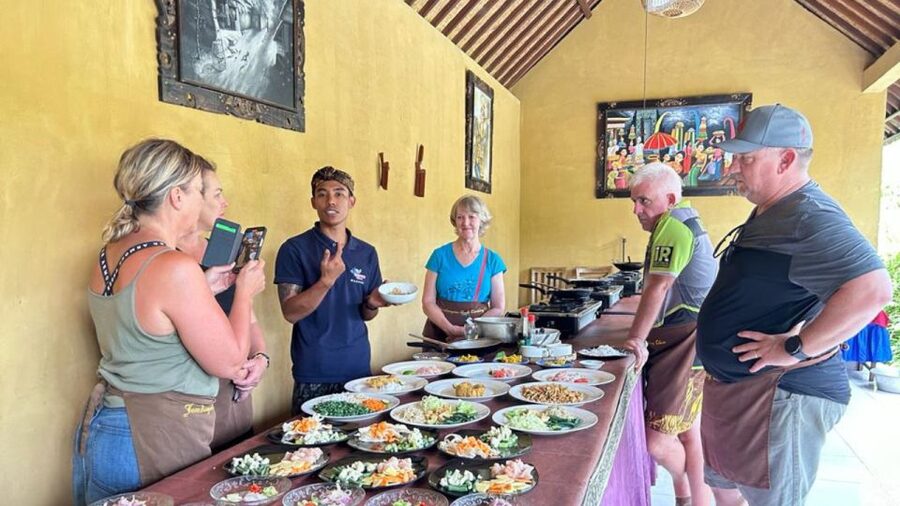
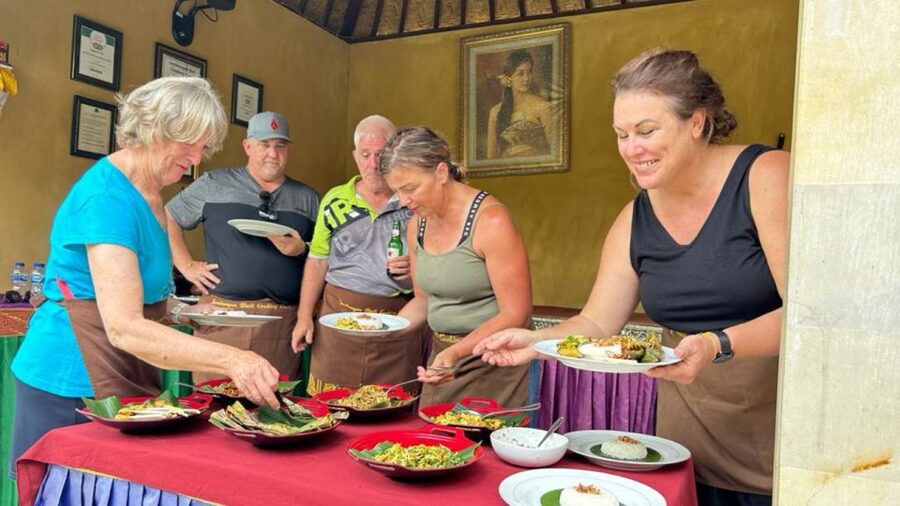
You’ll likely notice the class structure is organized: you start with ingredient basics, you move into cooking stages, and you finish with a meal you can recognize as your own. If you want to understand why Balinese cooking tastes the way it does, this format helps.
What You Actually Cook: Signature Balinese Dishes, Soup, Mains, and Dessert
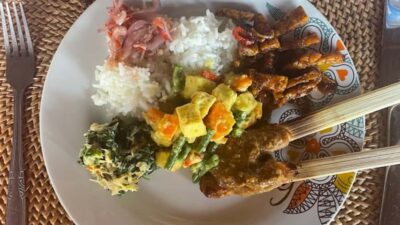
The big promise here is making signature Balinese dishes, using traditional ingredients and techniques. The exact menu can vary, but the structure is consistent: you make several quintessential dishes, then you sit down for lunch to eat what you created.
On one class, the cooking lineup ran 1 soup, 6 mains, and 1 dessert, with an initial choice of vegetarian or meat options. That is a strong sign you are not just doing a single dish as a souvenir. You leave feeling like you learned a range, including how Balinese cooking balances flavors across different course types.
Here’s how I’d think about the value: you are paying for time with a chef plus your own repetition. That means you can later recreate the dishes more confidently, because you remember the order of steps and the flavor decisions, not just the ingredients list.
If you have dietary needs, the most important part is to communicate upfront. Vegetarian or meat options are indicated, but you should confirm your preference when you book so you get the plan that matches you.
Lunch in the Garden: Eating Your Own Work Beats a Typical Demo
Once the recipes are made, you savor your creations at lunch, usually in an outdoor garden setting. This is where the experience becomes more than educational. You get the satisfaction of tasting something you prepared, then sharing it with your guide and group.
A welcome drink is included, and in at least one great day people were greeted with complimentary coffee while waiting. I’d treat that as a bonus that can happen, but the key fact is that you are not arriving to cook on an empty stomach.
Pay attention to how the lunch differs from restaurant food. It is usually fresher and simpler in a good way because you followed the same ingredients you shopped earlier. That market-to-plate connection is exactly what makes this class worth it.
English Instruction and Group Pace, What That Means for You
All classes are conducted in English by local chefs familiar with Balinese cuisine. That matters because Balinese cooking relies on more than “add spice and hope.” You benefit from understanding the steps and why the chefs treat certain ingredients a certain way.
Pacing is also a factor. The class is listed as a total 5 hours, and the full experience includes pickup, market visit (morning class only), paddy field visit, and then cooking and lunch.
You should also know that the final handoff back to your hotel can feel flexible. One example shared from a great day had the group collected about 1.5 hours after the cooking class and then dropped back whenever they were ready to leave. If you like not being rushed, that flexibility is a plus.
Small practical note: you are not allowed alcohol and drugs. This keeps the focus on cooking and staying alert, especially around outdoor walking areas.
What to Bring (and What Not to), So You Stay Comfortable
Your packing list is simple. Bring comfortable shoes and comfortable clothes that can handle outdoor walking and kitchen time. You may get involved in tasks like chopping or handling ingredients, so choose clothes you can move in without stress.
Do not bring luggage or large bags. Keep your stuff minimal and bring only what you need for the day: phone, a light layer, and any essentials.
If you are sensitive to heat, plan for it. Bali warms quickly, especially in outdoor market areas. A hat and sunscreen are not listed, but using common sense here is smart, since you will be outside for at least part of the day.
Price and Value: Why $26 Can Be a Serious Bargain Here
At $26 per person, this is one of the better value cooking experiences in Bali, mainly because so much is bundled. You are getting hotel pickup and drop-off, food, a welcome drink, a market visit (morning class only), and a paddy field stop, plus English instruction and hands-on cooking time.
For comparison, many cooking classes elsewhere charge close to this for the cooking portion only, without market access or transfer support. Here, the price feels more like you are buying the whole flow of the day, including transportation and meals that you did not have to plan or pay for separately.
The real “value” metric is also what you learn. If the day helps you understand ingredient choices and technique, you can recreate dishes later at home. And since the dishes are Balinese signature plates, it is not just generic cooking knowledge.
Who This Fits Best (and Who Might Feel It Is Not Right)
This class is ideal if you want Balinese food in a way that feels personal and practical. I’d especially recommend it to people who like markets, enjoy asking questions, and want more than a cookbook version of learning.
You should also go if you like social, family-style environments. One of the best-rated days described making friends and getting welcomed onto a family property with a friendly, engaged team. That kind of atmosphere makes the time pass fast.
It is not suitable for children under 12. It is also not suitable for people over 95, so if you are traveling with older relatives, double check the fit.
If you hate walking on uneven ground or standing outdoors, the market and paddy field parts may feel like too much. In that case, weigh whether your time in Ubud is better spent on a more indoor-focused activity.
Quick Booking FAQs You Actually Need
FAQ
How long is the cooking experience?
It runs for 5 hours total.
Is the market visit included, and does it happen every day?
The local market visit is included only for the morning class.
Do I get hotel pickup and drop-off?
Yes. Hotel pickup and drop-off are included, and you should wait in your hotel lobby 10 minutes before the scheduled pickup time.
Is the class taught in English?
Yes. The instructor and chefs teach in English.
Is there a vegetarian option?
Yes. You are given the choice of vegetarian or meat options.
Can I cancel for a refund?
Yes. You can cancel up to 24 hours in advance for a full refund.
Should You Book This Ubud Balinese Cooking Class?
Book it if you want a hands-on Balinese food day that starts with real ingredients and ends with a meal you made yourself. The best reason to choose this is the full connection between market shopping, a rice farming context, cooking instruction in English, and then eating in a garden setting.
Skip it only if you are very sensitive to walking outdoors, traveling with large luggage, or you need something strictly fast and purely indoor. And since the market visit is morning-only, confirm your preferred start time so you get the experience you’re expecting.
If your schedule is flexible, this is also the kind of activity where being able to cancel without stress helps. At $26 with transfers and included food, it is a low-risk way to experience Ubud beyond temple photos and scooter traffic.
Newest reviews out of Ubud
- Ubud Silver Class: Forge Your Personal Silver Keepsake★ 4.9 · 39 reviews
- Amazing Kuber ATV Quad Bike Experience in Bali and Tunnel★ 5.0 · 39 reviews
- Lempuyang Tour : Heaven gate, Tirta Gangga, Goa Raja waterfall★ 5.0 · 39 reviews
- Make Traditional Bali Coconut Oil with a Balinese Family★ 5.0 · 39 reviews
- Private Tour : Bromo Ijen Tour From Bali★ 5.0 · 39 reviews
- Bali Private Car Charter Tour with English Speaking Driver★ 5.0 · 39 reviews
- Ayung Rafting Ubud (Include Lunch & Return Transportation)★ 4.5 · 40 reviews
- Private Bali Tour: The Most Scenic Places★ 5.0 · 40 reviews
Cooking Classes, compared.
Cooking Class with Transfers and Optional Market Visit
Read our review →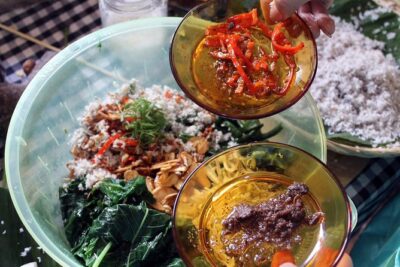
PRIVATE Authentic Balinese Cooking Class in Ubud at Putu’s Home
Read our review →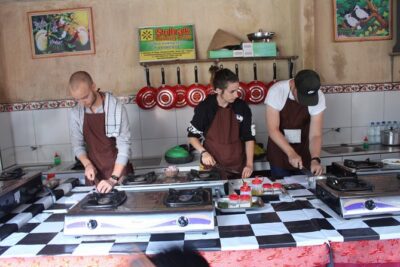
Balinese Ubud cooking school (9 Dish Cooking and Market Tour)
Read our review →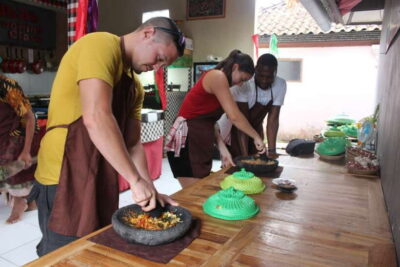
Browse the lists this tour appears in