
Reviewed · COOKING CLASSES
Yogyakarta Cooking Class and Market Tour
Yogyakarta Cooking Class and Market Tour is interesting because it starts before the stove. You first shop for spices and herbs in a traditional food market, then you cook Javanese dishes at a local home. The pace feels like a real day in Central Java, not a rushed demo.
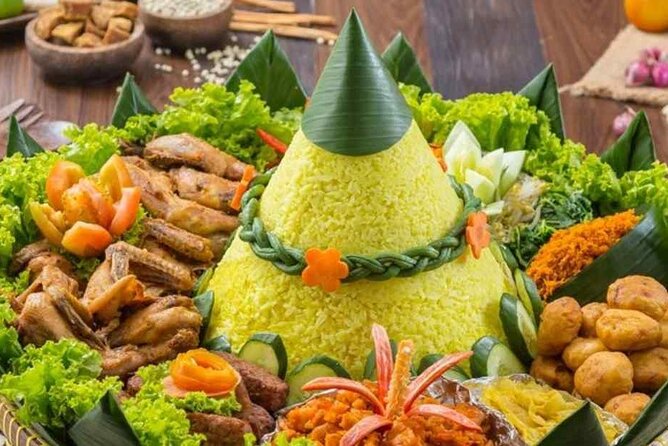
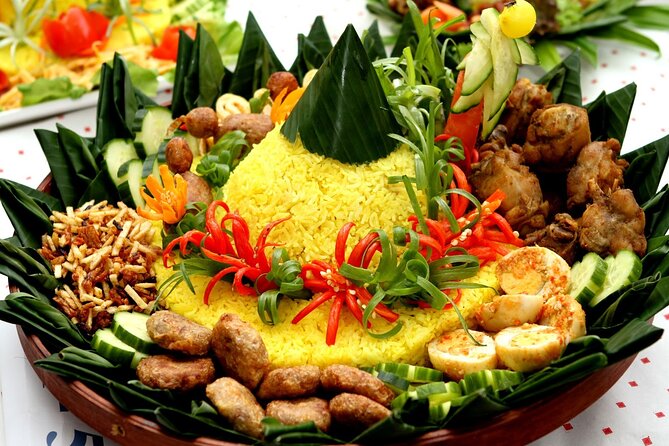
I love the market ingredient hunt and the way it turns cooking into a story you can taste. I also love that you get an English-speaking chef teacher who explains what you are doing and why, including cultural context around dishes like tumpeng yellow rice.
One possible drawback is that the class format may not satisfy you if you want lots of free-form creativity. A few people felt there was not enough explanation or room to experiment, so go with a curious, ask-questions mindset.
Key things I’d zoom in on
- Market tour first, so you cook with ingredients you actually chose
- Javanese dishes with cultural context, not just step-by-step instructions
- Hotel pickup and drop-off in Yogyakarta, so you lose less time to logistics
- A structured menu (1 starter, 4 main courses, 1 dessert) with a sit-down meal
- Small group size, capped at 15 people for more personal attention
- Optional extras may happen if you ask, like coffee stops arranged by the host family
A 3-hour food day that starts with the shopping
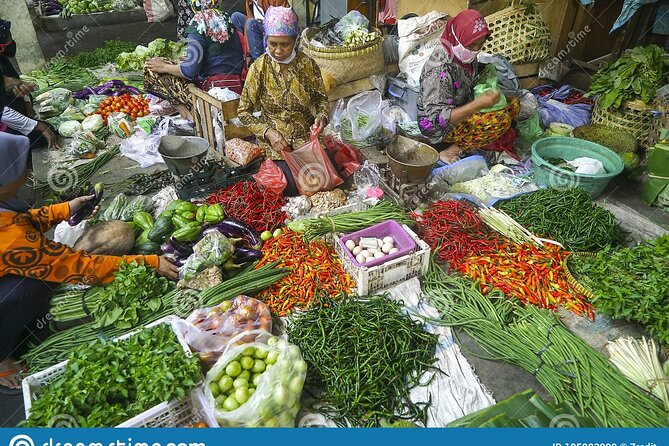
This experience is built around a simple idea: if you understand the ingredients, you cook better and remember more. You get picked up from your hotel, then you head to a traditional market early enough that you can still see the ingredients at their freshest and most lively. It also helps that Yogyakarta markets are social spaces, so even the waiting and walking time feels part of the experience.
You will get a briefing and a handbook, then the cooking fun begins. The tour runs about 3 hours, and the schedule includes a market portion plus cooking and eating what you make.
If you are the type who loves spices, sauces, and the smell of herbs in a wet market, this is your lane. If you only care about eating at the end, you might still enjoy it, but the ingredient shopping is the heart of the day.
More Cooking Classes in Yogyakarta:
- Yogyakarta: 3-hour Cooking Class with Market Tour
★ 4.9 · 84 reviews - Yogyakarta: Cooking Class with Market Visit and Hotel Pickup
★ 5.0 · 9 reviews - Ubud: Balinese Cooking Class at an Organic Farm
★ 5.0 · 1,786 reviews
Hotel pickup and the traditional market ingredient hunt
Pickup is included, and that matters more than it sounds. In Yogyakarta, traffic and distance can eat your time, so starting with pickup lets you focus on food instead of figuring out transport.
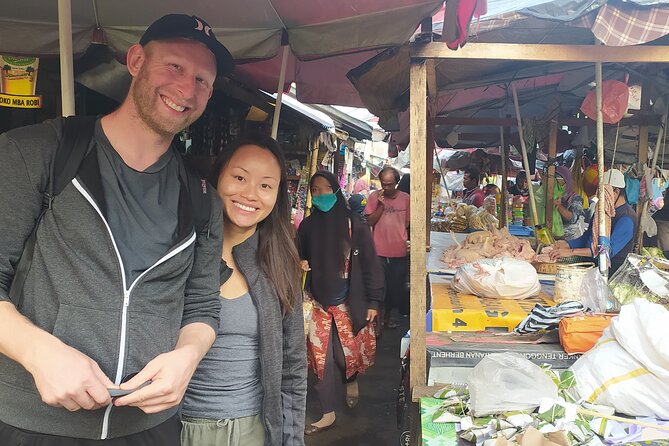
At the market, you choose your ingredients from what is on display. The tour description frames it as vegetables, herbs, meat, and spices, and the overall goal is to help you learn what each ingredient contributes. You are not just collecting groceries. You are learning how Javanese cooking thinks about balance.
A smart practical tip from the experience: have WhatsApp loaded on your phone. People suggested it for communication, which is useful in any situation where schedules shift slightly or the meeting point needs quick confirmation.
What to watch for at the market:
You will likely see ingredients you recognize and ingredients you do not. If you are the type to ask questions, this is where the chef teacher can turn confusion into confidence. Even if you cannot pronounce everything, you can learn how to describe the taste and texture you want.
Rice plantation and Bantul, the setting behind the flavors
After the market, you visit a rice plantation. The tour says you will learn how the staple crop is cultivated and prepared, plus you get scenic views along the way. This is not random sightseeing. Rice is the base for so much of Javanese food, so connecting the meal to how it grows helps the cooking class feel more grounded.
Next comes Bantul, specifically a traditional village welcome on arrival. The pacing shifts from shopping to getting oriented in the local rhythm. This stop also helps explain why the cooking class is hosted in a family setting rather than a commercial kitchen.
If you are short on time and prefer strictly food-only stops, this extra context might feel like “side quests.” But it is usually worth it. It gives you a fuller picture of why the dishes use certain spices, how meals fit into community life, and why the class includes cultural notes.
Cooking class flow: your menu, your hands, your teacher

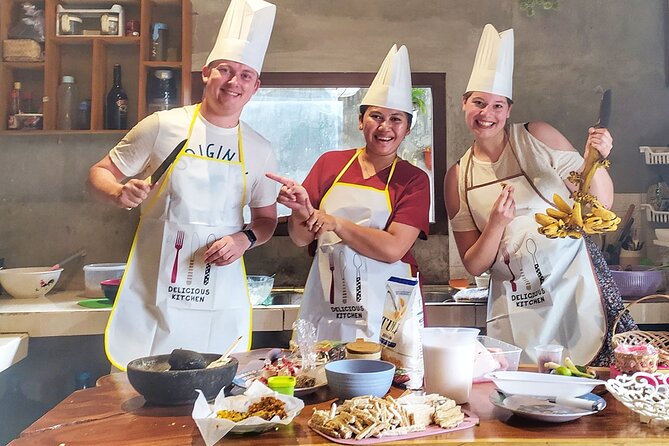
The cooking class is offered as a half-day morning or afternoon option. Either way, you will cook under guidance from an expert chef, with an emphasis on learning the secrets of preparing Javanese meals. That wording is marketing, but the reviews back up the practical part: clear instruction, lots of food, and teachers who patiently explain what to do next.
More Shopping Tours in Yogyakarta:
- Ubud: Cooking Class with Transfers and Optional Market Visit
★ 4.9 · 824 reviews - Balinese Ubud cooking school (9 Dish Cooking and Market Tour)
★ 5.0 · 540 reviews - Ubud: Balinese Cooking Class and Market Tour
★ 4.8 · 531 reviews - Active Volcano, Rice Field, Hot Spring, Fruit market, Tea Plantation with Lunch
★ 5.0 · 513 reviews
What you cook
You prepare 1 starter, 4 main courses, and 1 dessert, then you eat together. One specific dish called out in the description is tumpeng yellow rice, framed as a food offering used in ceremonies long ago. That cultural framing changes how you look at the rice, even if you are not making a formal offering yourself.
From the reviews, there are hints about the variety. One person mentioned becoming a tempeh lover, which suggests legumes and soy-based ingredients may show up in some menus. Your exact dishes can vary by class day, but the structure stays the same: you leave having cooked multiple components, not just one.
The chef-teacher names that come up
In the feedback, guide and teacher names appear:
- Arma gets praised for stories about the history of Yogyakarta and Indonesia, plus a fun, engaged style while cooking.
- Desy is praised for being patient and knowledgeable, with clear guidance that makes it easy to follow along.
That matters because the best classes are not only about recipes. They are about someone translating technique into everyday understanding.
Where the smaller moments show up
Some of the best-rated sessions describe cooking in a comfortable home kitchen and feeling welcomed into the family routine. If you get paired with a smaller group, you may even have a more private vibe, with attention that feels more personal than a big class.
One helpful warning based on a mixed review: if you expect a lot of freedom to customize dishes on the spot, you might be disappointed. The pace can feel structured, and you may be nudged toward the chef’s approach. If you like creativity, ask early which steps you can personalize.
Lunch and drinks: eat what you made, then take the recipe home
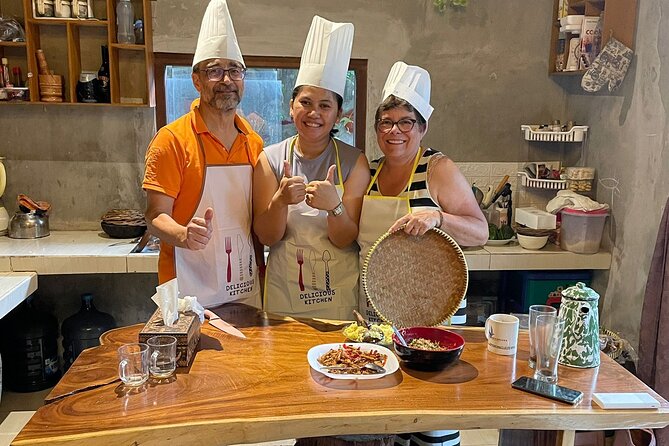
The tour includes lunch (or dinner, depending on the time slot you choose). After cooking, you sit down to enjoy the meal, which is the simplest satisfaction in the world: you made it, so you know what you contributed.
You also get drinks, including homemade hibiscus tea or wedang uwuh, an eucalyptus drink. That is a nice touch because these are not just random beverages. They connect the class to local flavors that go beyond spice-level intensity.
You also receive a recipe, which is where the value becomes practical. You can rebuild the flavors later without relying on memory. If you have ever cooked a dish you loved once and then lost track of the details, this is a big deal.
Portion-wise, the feedback hints that you should come hungry. People praised the amount of food, which is common in family-style cooking experiences. You are not just tasting. You are eating.
Price and value: $35 for pickup, market time, and a full meal
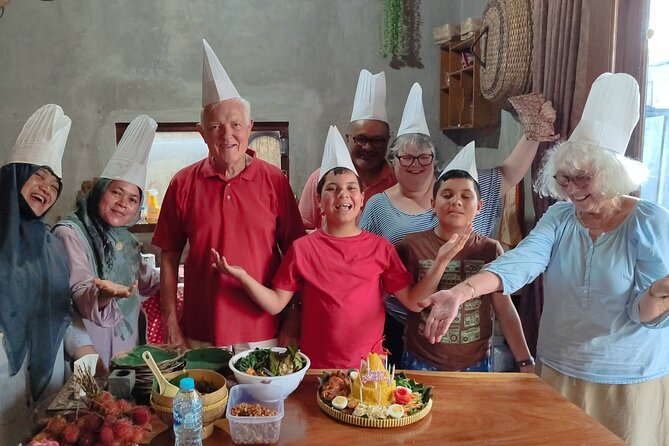
At $35 per person, this class is priced more like a complete food experience than a basic cooking demo. You are paying for several included pieces:
- market tour
- hotel pickup and drop-off in Yogyakarta
- English-speaking chef teacher
- all ingredients
- recipe
- lunch (or dinner)
For a 3-hour experience, that is a strong mix of “learning time” plus “hands-on time” plus “food time.” You also get the benefit of a capped group size of 15 travelers max. Smaller group numbers usually translate into fewer bottlenecks in the kitchen.
The tour also lists group discounts and a mobile ticket option. Group discounts can be worth it if you are traveling with friends or family. A mobile ticket can also reduce stress on the day, especially when your pickup and meeting point need to move smoothly.
Is this the right fit for you?
This is a great choice if you want real Javanese cooking skills, not just a photo-op meal. You will learn how to choose ingredients and cook multiple dishes, with cultural context woven in by the chef teacher. Based on the standout reviews, what really wins people over is the combination of patient instruction and stories, especially with teachers like Arma and Desy.
It is also a good fit if you like small group energy. The cap of 15 travelers helps, and a few reviews describe a more personal setup when the class is small.
Consider a different option if you strongly prefer:
- lots of free experimentation
- minimal walking and fewer stops
- only a single dish with lots of spare time
One mixed review suggested the class could have used more explanation and more room to be creative. So if you want maximum technique breakdown and customization, go in ready to ask questions, and do not assume every step will be open-ended.
Should you book Yogyakarta Cooking Class and Market Tour?
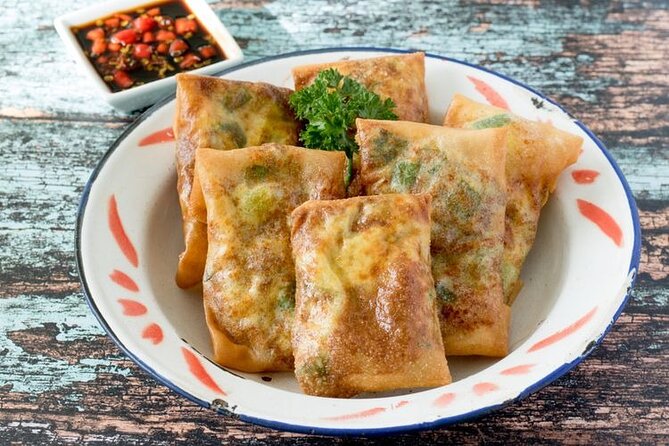
Book it if you want a morning or afternoon food day that combines market shopping, Javanese cooking, and a proper meal in one package. The $35 price makes sense because pickup, ingredients, recipe, and food are included, and the group size stays small.
I would also book it if you like learning from the people teaching you, especially if you enjoy the kind of storytelling that helps food feel tied to a place. With teachers like Arma and Desy showing up in the best-rated feedback, you are likely to get a class with personality, patience, and context.
Skip it or temper expectations if you need lots of improvisation time or you dislike structured instruction. Go with a curious mindset, ask questions at the market, and you will get the most out of the experience.
FAQ
How long is the Yogyakarta Cooking Class and Market Tour?
It lasts about 3 hours.
Is hotel pickup and drop-off included?
Yes. Pickup and drop-off in Yogyakarta are included.
What do you cook during the class?
You prepare 1 starter, 4 main courses, and 1 authentic dessert. The description also specifically mentions cooking tumpeng yellow rice.
What food and drinks are included?
The tour includes your lunch (or dinner, depending on the time slot). You also get homemade hibiscus tea or traditional wedang uwuh (eucalyptus drink).
How many people are in the group?
The class has a maximum of 15 travelers.
What is the cancellation window for a full refund?
You can cancel up to 24 hours before the experience for a full refund. If you cancel less than 24 hours before, the amount paid is not refunded.
Newest reviews out of Yogyakarta
- Ramayana Ballet Performance In Prambanan Temple With Dinner★ 5.0 · 41 reviews
- Yogyakarta: Ramayana Ballet Performance with Optional Dinner★ 4.4 · 42 reviews
- Yogyakarta: Batik Making Class with Expert★ 4.7 · 45 reviews
- From Yogyakarta: Borobudur and Prambanan Temples in 1 Day★ 5.0 · 45 reviews
- Yogyakarta: Borobudur Sunset Climb Up Shared Guided Tour★ 4.7 · 46 reviews
- Prambanan Temple Afternoon Tour★ 4.9 · 48 reviews
- Jomblang Cave, Pindul Cave and Oyo River Tour★ 5.0 · 50 reviews
- Yogyakarta: The Jomblang Cave adventure all inclusive tour★ 4.9 · 50 reviews
Cooking Classes, compared.
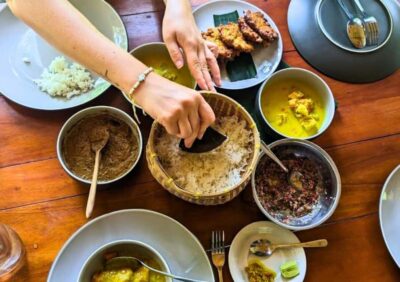
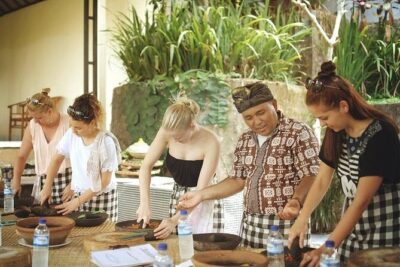
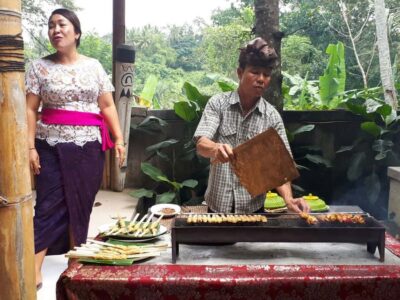
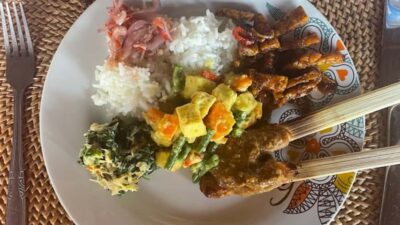
Cooking Class with Transfers and Optional Market Visit
Read our review →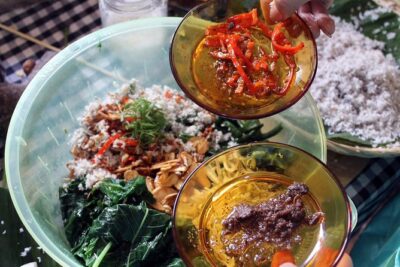
PRIVATE Authentic Balinese Cooking Class in Ubud at Putu’s Home
Read our review →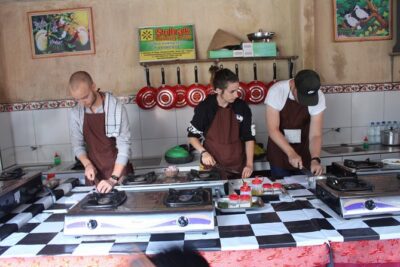
Balinese Ubud cooking school (9 Dish Cooking and Market Tour)
Read our review →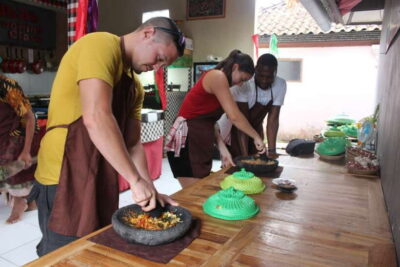
Browse the lists this tour appears in