
Reviewed · COOKING CLASSES
Yogyakarta: Cooking Class with Market Visit and Hotel Pickup
This experience is interesting because you get the full food loop, market to meal, without needing to know the first thing about Javanese cooking. You start with an easy, practical hotel pickup option, then you head out to choose ingredients before you cook. One thing to consider, the afternoon option is shorter, and it skips the market part.
I especially like the way the day is built around real choices, not just instructions, you pick herbs, vegetables, meat, and spices you will actually use. The class is led by an English-speaking instructor, and you end by eating what you make, so you leave with flavors you can copy later. A possible drawback is that this is a hands-on cooking experience, so you’ll want comfortable clothes and an appetite for learning by doing.
If you choose the afternoon class, plan around a faster pace. It’s still a cooking class in a traditional village setting, but it does not include the fresh market tour, which is a big part of the morning experience.
Key things that make this cooking class worth it
- Market shopping first, so you cook what you pick, not generic ingredients
- Village welcome in Bantul and Laplapan, a friendly setting that makes the class feel personal
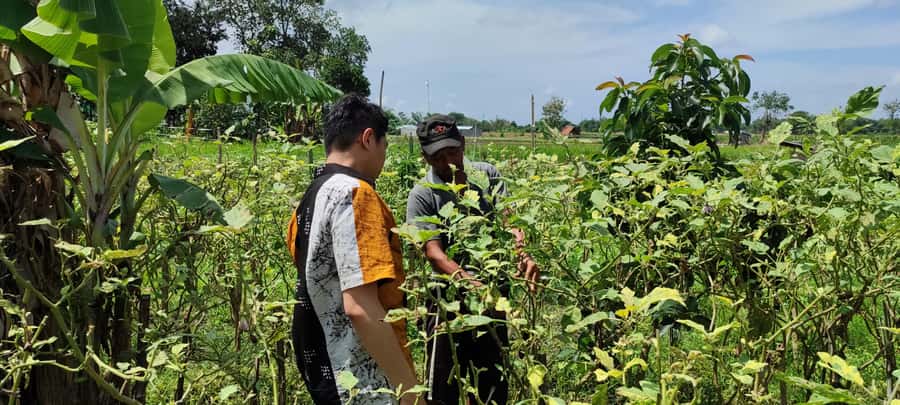
- Rice plantation stop, a practical look at where Java’s staple crop comes from
- 1 starter, 4 main courses, and 1 dessert, structured so you taste a range of styles
- Meat or vegetarian choice, with the same core class format
- Recipe notes to keep, useful if you want to recreate dishes at home
A smart way to learn Javanese cooking in Yogyakarta
Cooking classes can be either showy or useful. This one leans useful. You don’t just watch recipes explained. You shop for ingredients at a local fresh food market, then you go to a village to cook, and finally you sit down and eat what you made.
That structure matters because Javanese flavors are tied to ingredients and technique. When you choose the produce and spices yourself, you learn what to look for. Then, when the instructor guides you through chopping, mixing, and cooking, you connect the taste to the raw materials.
I also like the time commitment. At 3 to 4 hours, it’s long enough to feel like a real experience, not a quick demo. It’s also short enough that it won’t steal your whole day when you’re in Yogyakarta for temples, palaces, or shopping.
More Cooking Classes in Yogyakarta:
- Yogyakarta Cooking Class and Market Tour
★ 5.0 · 99 reviews - Yogyakarta: 3-hour Cooking Class with Market Tour
★ 4.9 · 84 reviews - Ubud: Balinese Cooking Class at an Organic Farm
★ 5.0 · 1,786 reviews
Hotel pickup that keeps your morning stress-free
You can add hotel pickup in Yogyakarta. Pickup happens 15 minutes before the activity start at your hotel lobby. If you don’t choose pickup, there is a set meeting point at the front gate of the traditional market, and your guide will contact you 1 day before the trip.
For most visitors, this is the best part of the logistics. You get a smooth start, you don’t waste time figuring out where to go, and you arrive ready to participate. It also means you can keep your schedule realistic, especially if you’re combining this with other Yogyakarta sights.
One practical tip: wear shoes you can stand in comfortably. Even though you’re not hiking, you may walk through market aisles and village paths.
The traditional fresh food market stop, where your choices matter
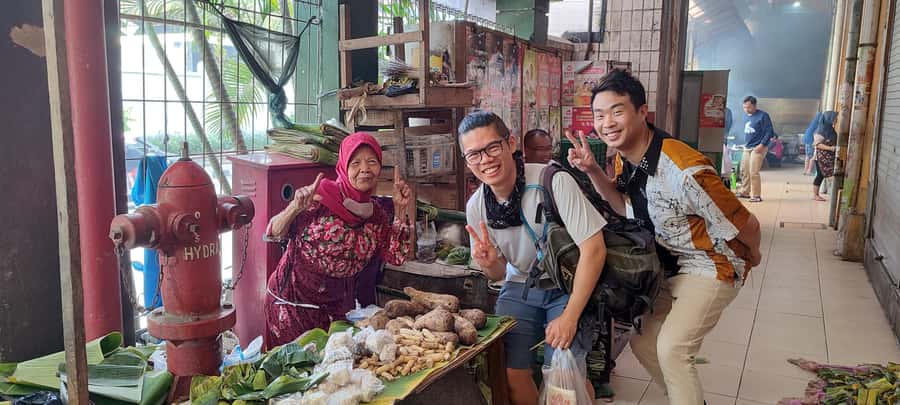
For the morning class, the itinerary includes a fresh food market visit for about 30 minutes. This is not a passive sightseeing stop. You select ingredients from what’s on display, including vegetables, herbs, meat, and spices.
This matters for two reasons. First, market shopping teaches you how ingredients look and feel in real life. Second, it builds confidence. When you later cook the dishes, you already recognize the ingredients, which makes the class flow easier and more fun.
In the market, pay attention to how vendors group items. You will likely see bundles of herbs and produce that look similar to each other but are used differently in Indonesian cooking. You might also spot the kind of spices that are common in Javanese dishes, and how they’re sold in manageable amounts for everyday cooking.
Even if you are vegetarian, you’re not stuck. The class includes a choice of meat or vegetarian dishes, so your market selections can match your meal.
A small consideration: personal expenses in the market are not included. The goal is to pick ingredients for your cooking class, but if you decide you want extra snacks or add-ons, keep that in mind.
A rice plantation visit that explains Java’s staple crop
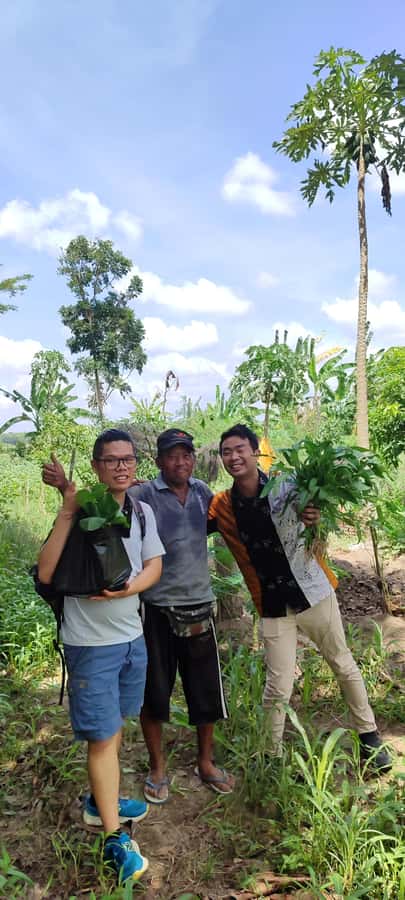
After the market and village welcome, the tour includes a visit to a rice plantation. The point isn’t to turn it into a lecture. It’s to give you a sense of how the staple crop is cultivated and prepared, and to show you the surrounding area.
This stop is valuable because rice is more than a side dish in Java. It’s the base that shapes everyday eating habits. Understanding the basics of rice cultivation and how it ends up on plates makes the cooking class feel grounded.
Also, it’s a nice rhythm change. You go from a lively market, to a calmer village setting, to open plantation views. Even in a short half-day, it breaks up your attention in a good way.
If you’re the kind of traveler who loves food but also likes context, this plantation stop is a strong add-on. If you mainly want the fastest path to cooking, you may treat it as a quick breathing moment before you get hands-on again.
More Shopping Tours in Yogyakarta:
- Ubud: Cooking Class with Transfers and Optional Market Visit
★ 4.9 · 824 reviews - Balinese Ubud cooking school (9 Dish Cooking and Market Tour)
★ 5.0 · 540 reviews - Ubud: Balinese Cooking Class and Market Tour
★ 4.8 · 531 reviews - Active Volcano, Rice Field, Hot Spring, Fruit market, Tea Plantation with Lunch
★ 5.0 · 513 reviews
Bantul and Laplapan village time, the warm welcome factor
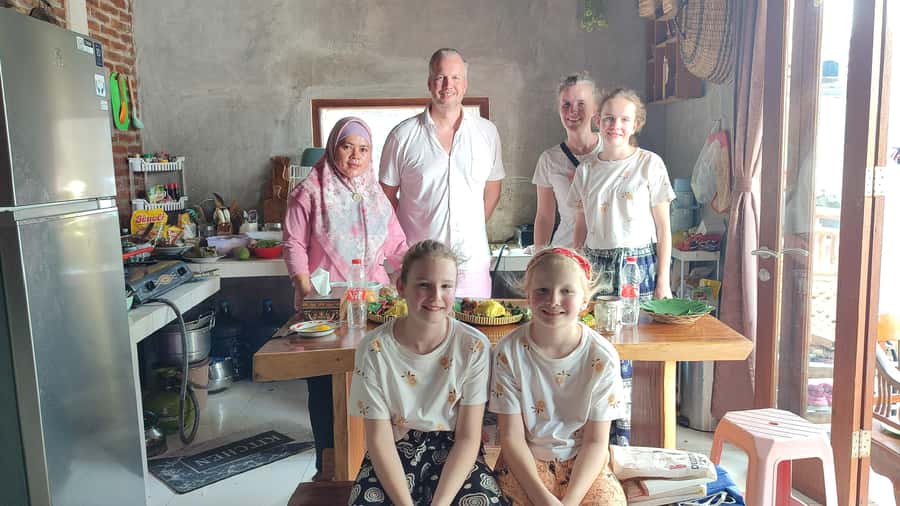
The tour continues to traditional villages in the Bantul and Laplapan areas. On arrival, you get a warm welcome from locals. The vibe here is part of the value, because it changes the cooking class from a classroom feel to something closer to a home-style experience.
This is where you often learn the small cultural pieces that make cooking make sense. Recipes aren’t just numbers and steps. They’re habits, tools, and ways of tasting that connect to daily life.
I also appreciate the setting choice. A traditional village environment tends to feel quieter and less rushed than a big restaurant kitchen. That gives you more time with the instructor and helps you ask questions while you work.
The cooking class itself: 1 starter, 4 mains, 1 dessert
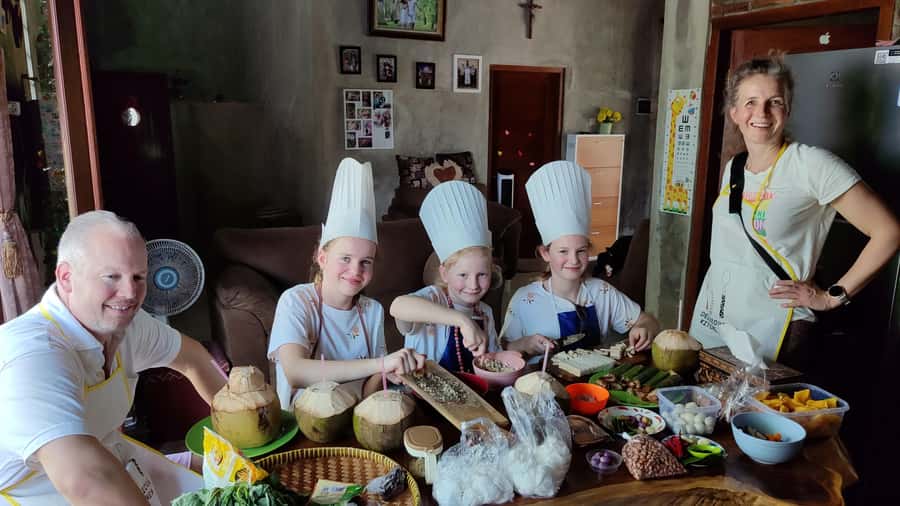
The heart of the experience is a half-day cooking class in the traditional village, guided by an English-speaking instructor. Many classes are led by hosts and chefs such as Arma or Desy, and you may also experience pickup support from drivers like Widi, depending on your session.
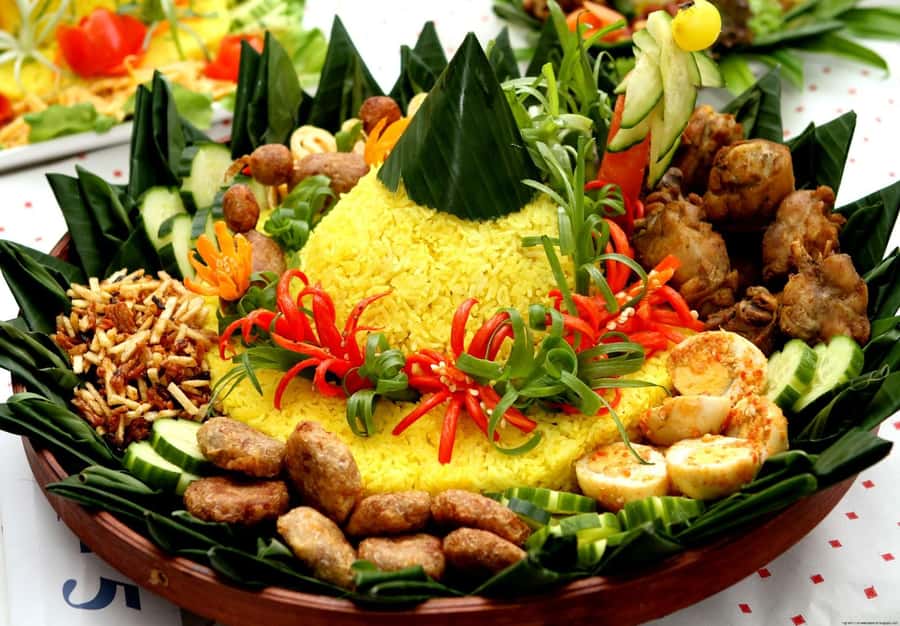
What you cook is specific and structured: 1 starter, 4 main courses, and 1 authentic dessert. That’s a lot for 3 to 4 hours, but the menu structure helps. You are not repeating the same dish over and over. You’ll likely move through different techniques and flavor profiles, so the class stays interesting.
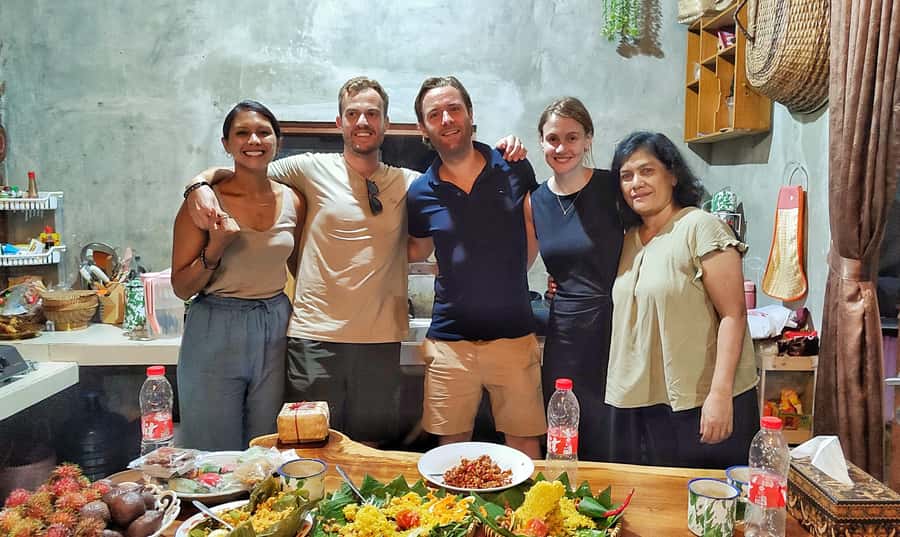
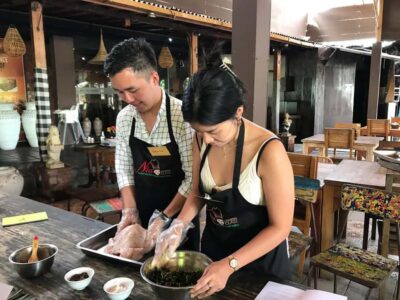
You’ll also interact with your fellow cooks. You’ll be working side by side, passing ingredients, tasting, and comparing notes as you go. This matters for learning. Cooking by yourself is slower and easier to mess up. Cooking in a group creates momentum.
If you have food allergies or dietary restrictions, notify the organizer in advance. The class notes that they want you to share this ahead of time, so you can get the right choices.
How the instructor help typically shows up
You’ll get guidance and assistance while you cook. You’ll also learn handy techniques as you prepare the dishes. The best part about this kind of teaching is that you’re not just memorizing steps. You’re getting feedback while you work, so you adjust in real time.
Bring your curiosity, not perfectionism. Cooking classes like this reward people who try, even if the first attempt isn’t pretty.
The meal you make, and why you’ll remember it
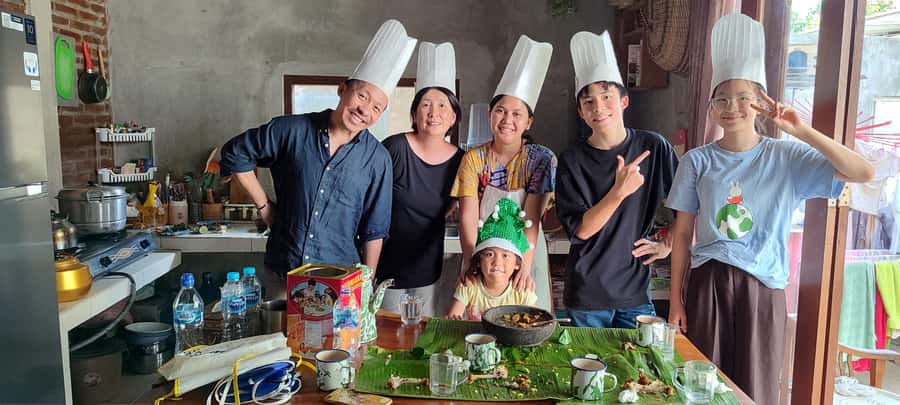
After cooking, you sit down and eat. This is a meal of your creations, so you get to taste the results of what you just made. That sounds obvious, but it’s a major difference from classes where you cook and someone else eats or where you get only a small sample.
Eating your own food does two things. It closes the learning loop, and it gives you a reference point for future cooking. When you later buy similar ingredients at home, you can connect them to the taste you made in Java.
It’s also a morale booster. A hands-on class takes energy, and sitting down afterward makes the whole thing feel complete.
One practical point: the tour includes the meal related to what you cook. The listing also notes lunch as not included, so think of this meal as part of the class experience, not a separate restaurant lunch added on top.
Afternoon vs morning: what changes and what doesn’t
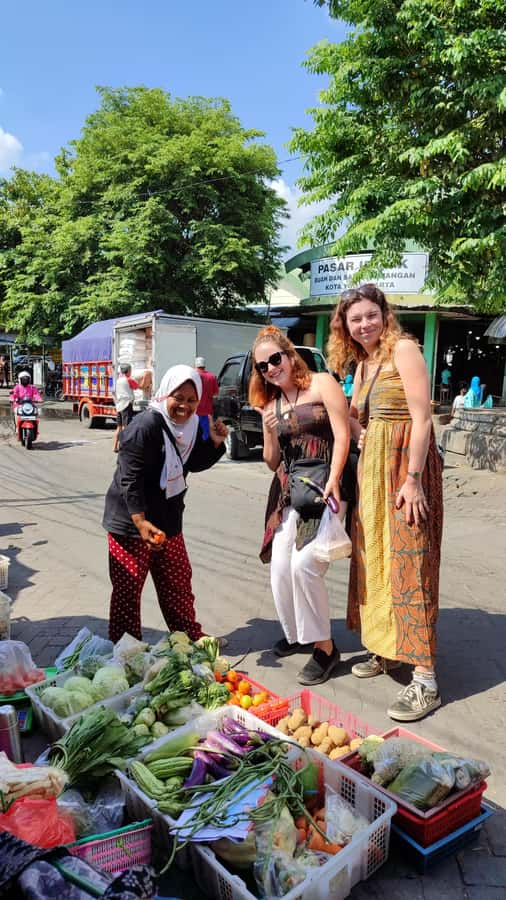
You can choose a morning or afternoon class. Here’s the key difference: the afternoon class is shorter because it does not include the market tour.
That means if you care most about ingredient selection and market atmosphere, book the morning. The market visit is only about 30 minutes, but it sets up the whole cooking experience. You’ll also likely feel more comfortable with the ingredients when it’s time to cook.
If you’re on a tighter schedule, the afternoon option still delivers the cooking class experience in a village setting. You’ll miss the market piece, but you still get the cooking time, the meals, and the broader cultural experience that comes with visiting the village area.
Price and value: why $33 feels fair for what you get
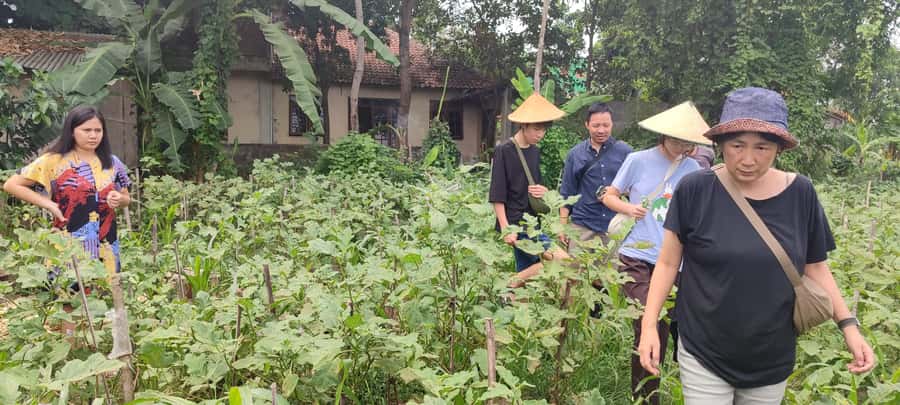
At $33 per person for a 3 to 4 hour experience with hotel pickup, market ingredients selection, a rice plantation stop, a guided cooking class, and the meal you make, the value is pretty solid.
Here’s why. Many cooking classes charge similarly but skip the market connection, or they include a meal that’s separate from what you cooked. This one ties everything together. You pick ingredients in a fresh market, you cook guided by an instructor, and you eat the finished dishes.
Also, the class provides recipes and notes to keep. That’s underrated value. It means the class doesn’t disappear the moment you leave. If you cook at home even once, you’ll use those notes.
You do pay for any personal extras at the market, but that’s normal. You’re not forced into additional spending to make the class happen.
What to bring, how to prepare, and small comfort tips
The essentials are simple. Wear comfortable clothes suitable for cooking. You may get splashes or work near heat, so avoid delicate fabrics. The tour also suggests bringing ingredients, which might mean anything needed for your dietary setup, so if you’re unsure, confirm with the organizer when you book.
Other practical tips:
- Plan to stand and move a bit during the market and village parts.
- If you’re vegetarian, choose the vegetarian option ahead of time so the instructor can guide your menu properly.
- Notify the team in advance about food allergies or dietary restrictions.
- Leave pets at home. Pets are not allowed.
- Keep your recipe notes. The tour supplies them so you can recreate dishes later.
Who should book this cooking class
This tour is a great fit if you want:
- Real ingredient learning, not just recipes on paper
- A half-day activity that fits around temple days or cultural tours
- An English-speaking guide who can explain ingredients and techniques clearly
- A hands-on meal experience, so you eat what you cook
It’s also a good option if you like food but feel nervous about “figuring it out” alone. The structure does that work for you. Even if you’re a beginner cook, the class format gives you steps, guidance, and a clear menu.
If you hate cooking mess, or if you want to spend your time only sightseeing, you might find this too hands-on. But for most food-minded travelers, the trade is worth it.
Should you book it? My decision guide
Book it if you want a balanced half-day where the food is the main character. The market visit plus structured cooking plus meal is a clean learning path. It’s also strong value for the time, since hotel pickup and the meal are baked into the experience.
I would skip it or consider the afternoon option only if your schedule is tight and you don’t care about market shopping. Losing the market tour is a real change, and the market part is one of the best ways to understand what you’re eating.
If you’re traveling as a couple or solo and you like small-group, practical experiences, this fits well. Just go in with comfy clothes, a curious mindset, and a willingness to taste and adjust.
FAQ
How long is the Yogyakarta cooking class experience?
The duration is about 3 to 4 hours, depending on the selected option.
Is hotel pickup included?
Yes, hotel pick-up and drop-off are included. Pickup is typically 15 minutes before the activity start at your lobby hotel, if pickup is chosen.
Do I visit a market?
You visit a local fresh food market as part of the experience. The market tour is included in the morning class, and the afternoon class is shorter and does not include the market tour.
What will I cook during the class?
The class includes preparing 1 starter, 4 main courses, and 1 authentic dessert.
Can I choose vegetarian dishes?
Yes. You will have a choice of meat or vegetarian dishes.
Is the instructor available in English?
Yes. The cooking lesson instructor speaks English.
Is there a meal included?
Yes. You eat the meal made from your creations as part of the experience.
What should I bring?
Bring comfortable clothes. The activity information also says to bring ingredients, and you should notify the team in advance if you have any food allergies or dietary restrictions.
Is the tour wheelchair accessible?
Yes, the activity is listed as wheelchair accessible.
Where do I meet the guide?
Your guided will stand by in front of the gate traditional market. You will be contacted 1 day before the trip.
Newest reviews out of Yogyakarta
- Ramayana Ballet Performance In Prambanan Temple With Dinner★ 5.0 · 41 reviews
- Yogyakarta: Ramayana Ballet Performance with Optional Dinner★ 4.4 · 42 reviews
- Yogyakarta: Batik Making Class with Expert★ 4.7 · 45 reviews
- From Yogyakarta: Borobudur and Prambanan Temples in 1 Day★ 5.0 · 45 reviews
- Yogyakarta: Borobudur Sunset Climb Up Shared Guided Tour★ 4.7 · 46 reviews
- Prambanan Temple Afternoon Tour★ 4.9 · 48 reviews
- Jomblang Cave, Pindul Cave and Oyo River Tour★ 5.0 · 50 reviews
- Yogyakarta: The Jomblang Cave adventure all inclusive tour★ 4.9 · 50 reviews
Cooking Classes, compared.
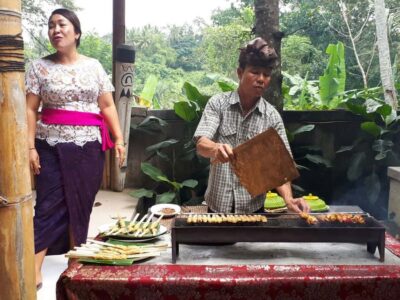
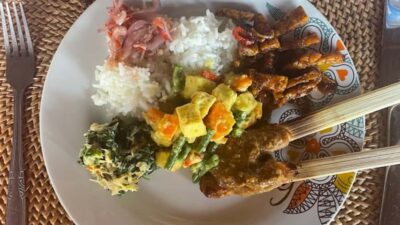
Cooking Class with Transfers and Optional Market Visit
Read our review →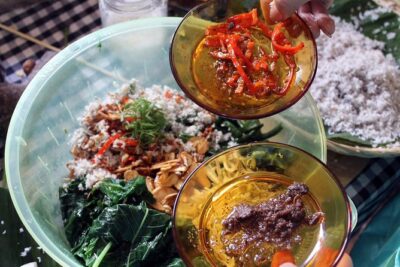
PRIVATE Authentic Balinese Cooking Class in Ubud at Putu’s Home
Read our review →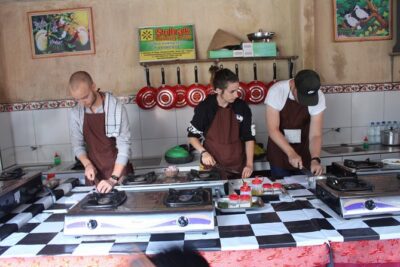
Balinese Ubud cooking school (9 Dish Cooking and Market Tour)
Read our review →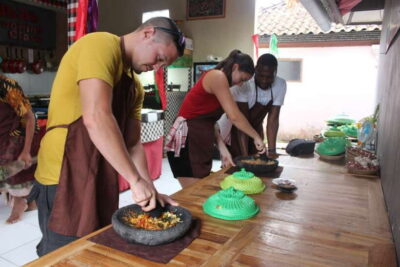
Browse the lists this tour appears in