
Reviewed · MOUNT RINJANI TREKS
Mount Rinjani: 2-day 1-night Guided Summit Trek with Meals
Mount Rinjani is one of those hikes that turns your body into a metronome, and this 2-day, 1-night summit plan from Senaru makes it feel doable with a small group and an English-speaking guide.
I especially like that the climb comes with the practical stuff you do not want to figure out on your own: tents, mattresses, toilet tents, plus proper meal support with snacks and water between pushes. I also like the human factor, with guides such as Apok and Ijan leading the way, and porters who carry real weight so you can focus on breathing.
One real consideration: the summit day is tough. The final ascent is hard enough that not everyone makes it all the way up, so you should show up with solid fitness, and be ready for a bumpy truck ride before you even start walking.
Key highlights you will feel on the trek
- Small group, up to 4 participants: easier pacing and more attention when the terrain gets steep
- English-speaking local guidance with leaders like Apok, Ijan, Arif, and Salma
- Meals plus snacks and water included across the trek, not just a token lunch
- Camping support included: tents, toilet tents, mattresses, and cooking gear
- Senaru-area transport support with pickup included, plus storage and parking at the start point
- Season matters: January, February, and March are closed due to the rainy season
Mount Rinjani summit trek: why this one is a good value
This is a guided summit trek that stays focused on the main event. You are not paying for showy extras. You are paying for a workable system, from a local guide and porters to the gear that lets you camp on the mountain.
At about $126 per person, it is a sensible budget option when you look at what is included. You get the guide, porter support, trekking insurance, meals (breakfast, lunch, dinner), and basic camp setup like tents and mattresses. For many people, those inclusions are the difference between enjoying the experience and spending your time trying to solve logistics in a place where you really want to be in hiking mode.
The group size is small, capped at 4 participants, which matters on a route like this. You avoid the feeling of being shuffled along by a big crowd, and you can usually set a pace that is realistic for your breathing and stamina.
More Rinjani treks:
- Mount Rinjani Trekking 2D/1N Summit Sunrise & Sunset Views
★ 4.7 · 67 reviews - Mount Rinjani Climbing 2D/1N Summit Trek 3726M
★ 4.9 · 8 reviews - Mount Rinjani 2 Days 1 Night Senaru Crater Rim
★ 5.0 · 131 reviews
Getting to Senaru and starting the first day with less stress
The trek includes pickup from selected hotels, and there is also transportation pick-up from Senaru. That combination saves you from the common frustration of trying to coordinate rides while you are already tired.
In practice, the team tends to keep you informed before you hit the trail. One of the biggest wins here is that you get clear support about what you need and what you can rent or bring. If you are missing things, you are not left guessing.
Once you are at the trail start area, you will be organized quickly. You have a guide who manages the plan, and porters who handle the heavy items. That means your job is simple: keep moving, drink water, and eat when the timing makes sense.
One small drawback to mention up front: the ride in the pickup truck can be uncomfortable for your back. It is not the end of the world, but it is worth wearing or bringing something you can sit on comfortably, because you will feel it more on the first day when you are already waking up early.
Day 1: the climb begins, with porters, guide pacing, and real meal timing
Your first day is about getting up into hiking rhythm. With a local English-speaking guide, you are not translating everything in your head, and that reduces stress when the terrain shifts.
Porters take care of load and logistics. That is huge on a summit trek, because your strength goes to the uphill, not to carrying gear you would rather pack into a backpacking brain that works better than your legs.
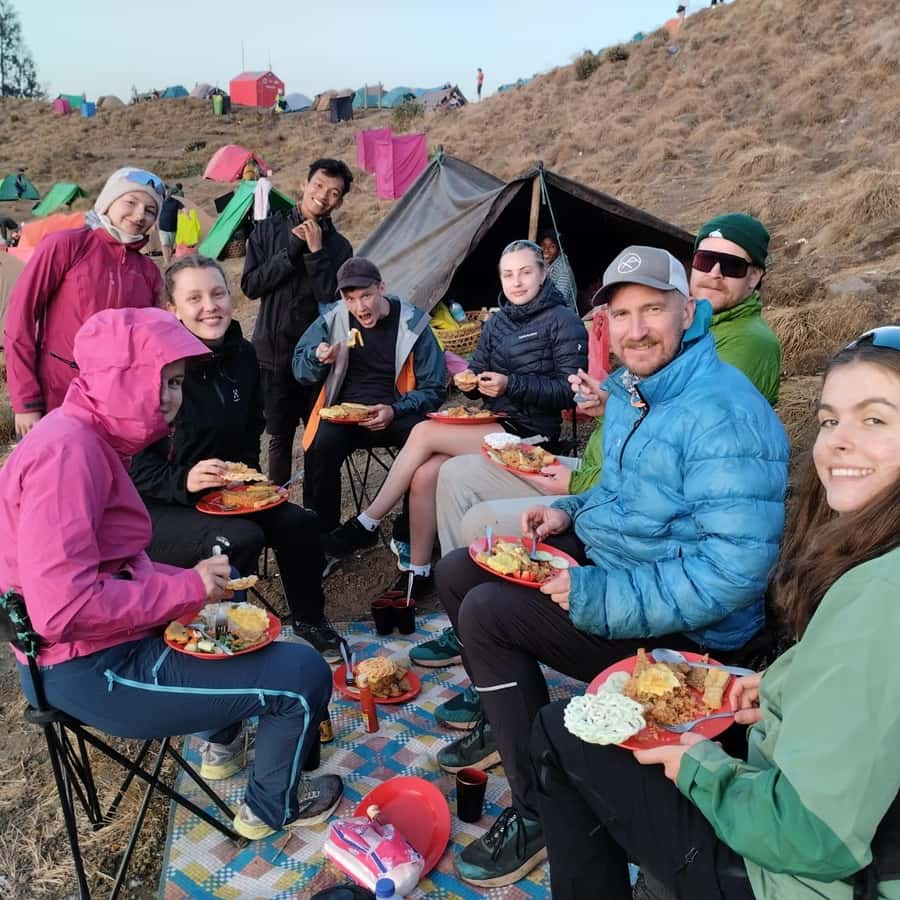
Meals are built into the trek plan: breakfast, lunch, and dinner are included during the hike period. On top of that, you also get extra snacks and water between main meals. This matters more than people think. When you are climbing at altitude, your energy dips fast if you wait too long between bites.
The best part is how this feeding schedule supports the hardest part later. You are basically training your body to expect fuel at the right moments, instead of relying on willpower when your legs start to feel heavy.
Overnight on the mountain: what included gear really means at night
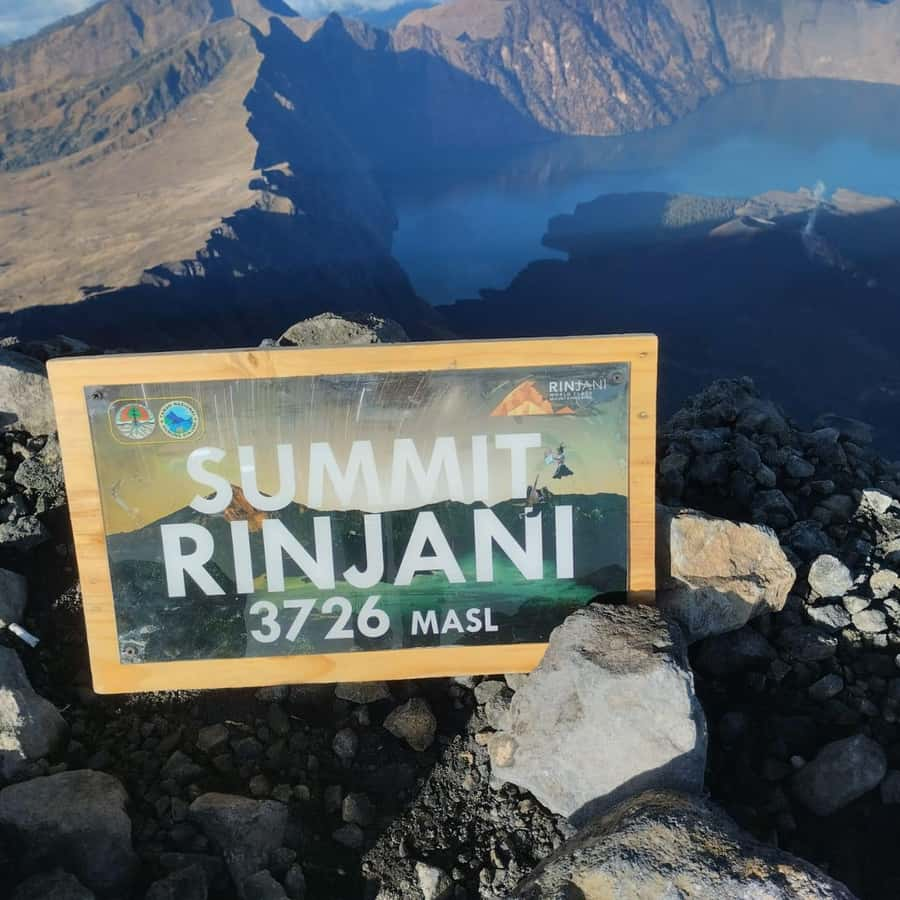
This trek includes an overnight stay on the mountain and provides the camping setup: tents, toilet tents, and mattresses. It also includes cooking gear, which is the unglamorous part that keeps dinner from becoming a snack you regret.
Comfort levels on a mountain camp are always basic, but included gear makes the difference between manageable roughing it and a miserable night where you are cold, damp, or trying to figure out your sleep system.
There can be minor issues with tent fit or closure if conditions are windy or messy. On at least one trek, tent closure was not perfect even after attempts to fix it, which is a reminder that you should not plan on your camp feeling like a hotel room. Still, you have the right gear in place, which is the main point.
Bring a change of clothes so you can reset after sweaty hiking. Pack it where you can reach it without unpacking your whole world. Also, bring a flashlight since head light is not included. A charged smartphone helps too, not just for photos but for keeping track of your own routine when it gets dark.
More Hiking & Trekking in Indonesia:
- From Bali : The Majestic Mount Ijen Sunrise Trekking
★ 4.6 · 17 reviews - Bali: Sunrise Mount Batur Guided Hike with Breakfast
★ 4.8 · 9,660 reviews - Bali: Mount Batur Sunrise Guided Hike and Natural Hot Spring
★ 4.8 · 9,284 reviews - Bali: Mount Batur Sunrise Trek With Guide and Breakfast
★ 4.8 · 3,461 reviews
Day 2: the summit push, and the reality check you should respect
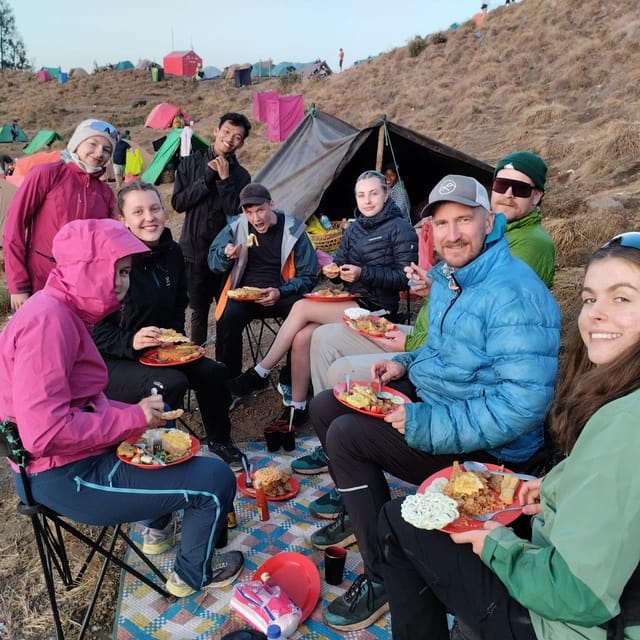
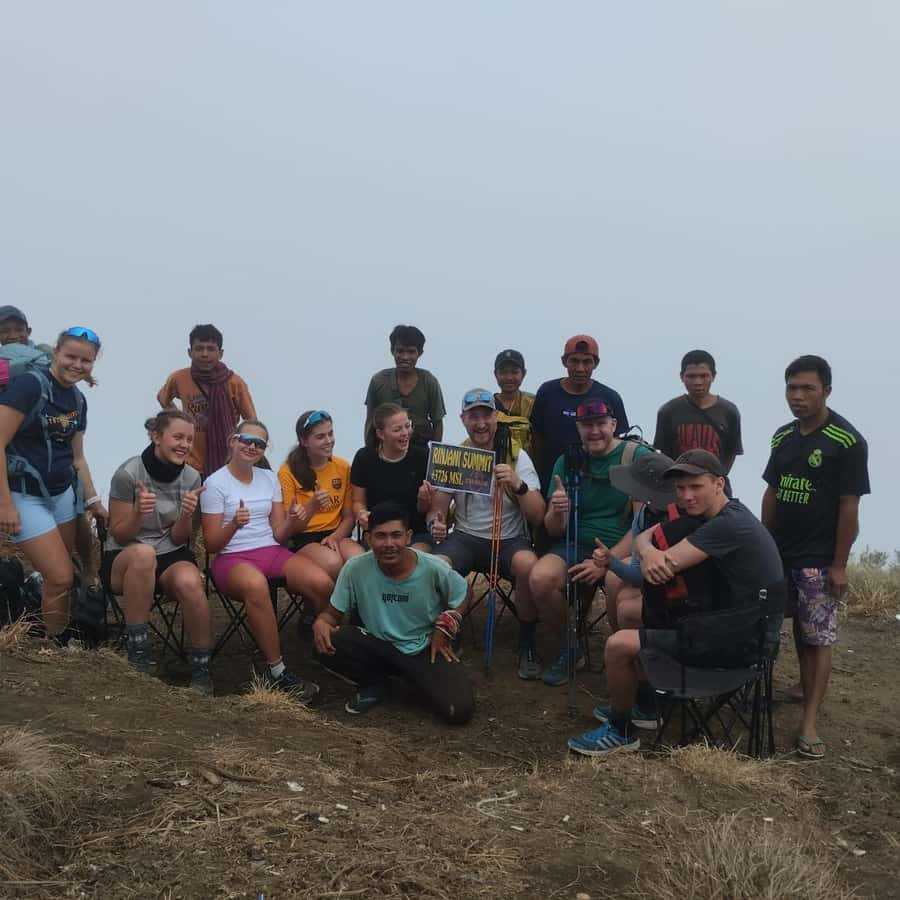
Day 2 is the big one. The final ascent is where the trek earns its reputation. It is really hard, and not everyone makes the summit.
That sounds blunt, but it is useful information. If you go in thinking you will definitely reach the top, you could feel angry or disappointed if your body says no. If you go in prepared for the possibility of turning back, you keep your mindset flexible and the experience stays positive.
Your guide can make this feel safer and clearer. Leaders such as Apok, Ijan, and Arif are the kind of guides who keep the group moving and respond when people need adjustments. Having a local guide also helps with pacing decisions, like when to take breath breaks and how to manage the steep sections without burning out too early.
On summit day, water and snacks matter even more than on day 1. You will feel it when you eat on time. You will also feel it if you try to power through without fuel, because your energy will drop fast on a route like this.
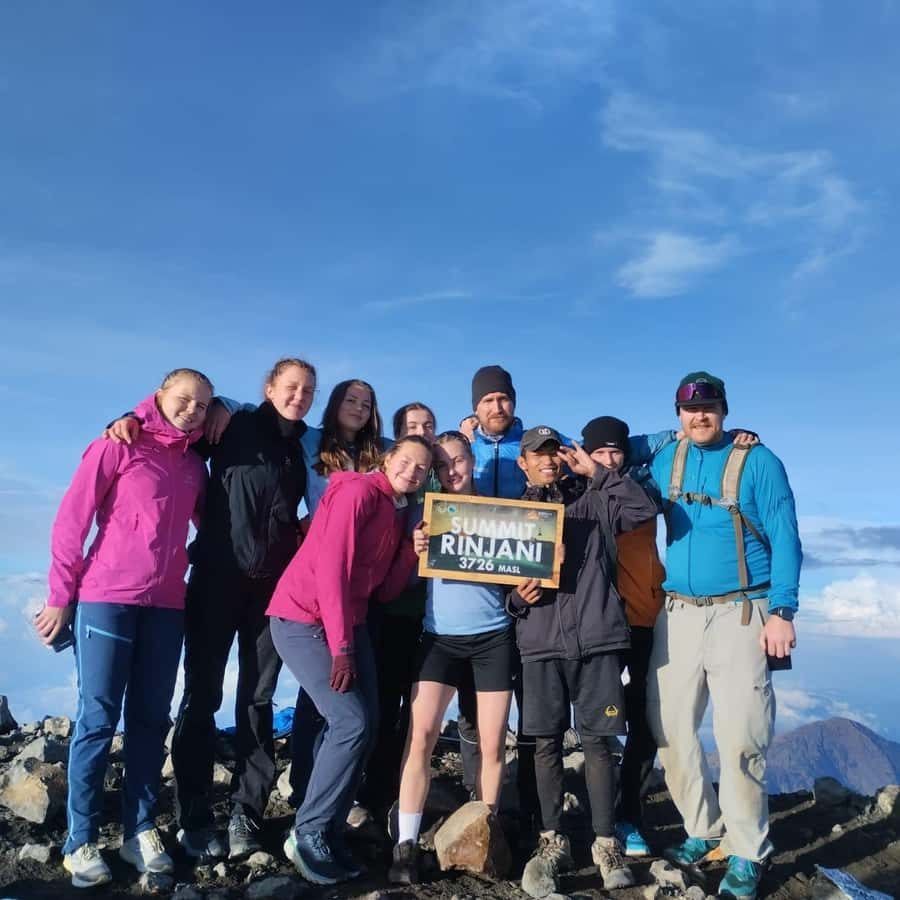
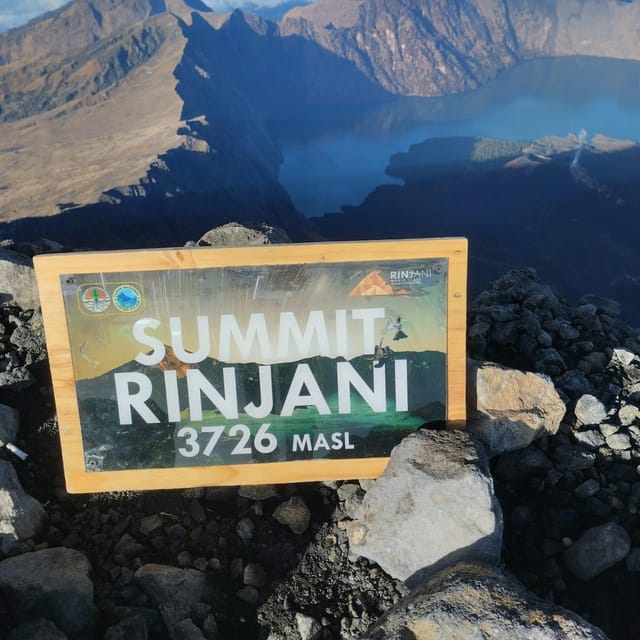
And when you do make it, the views are the reward you remember. Multiple guides and crews are praised for keeping you fed and motivated along the way, so you are not left doing the hard parts alone.
Meals, water, and snacks: where this trek earns trust
Food on mountain hikes is often a disappointment. Here, it is a strength.
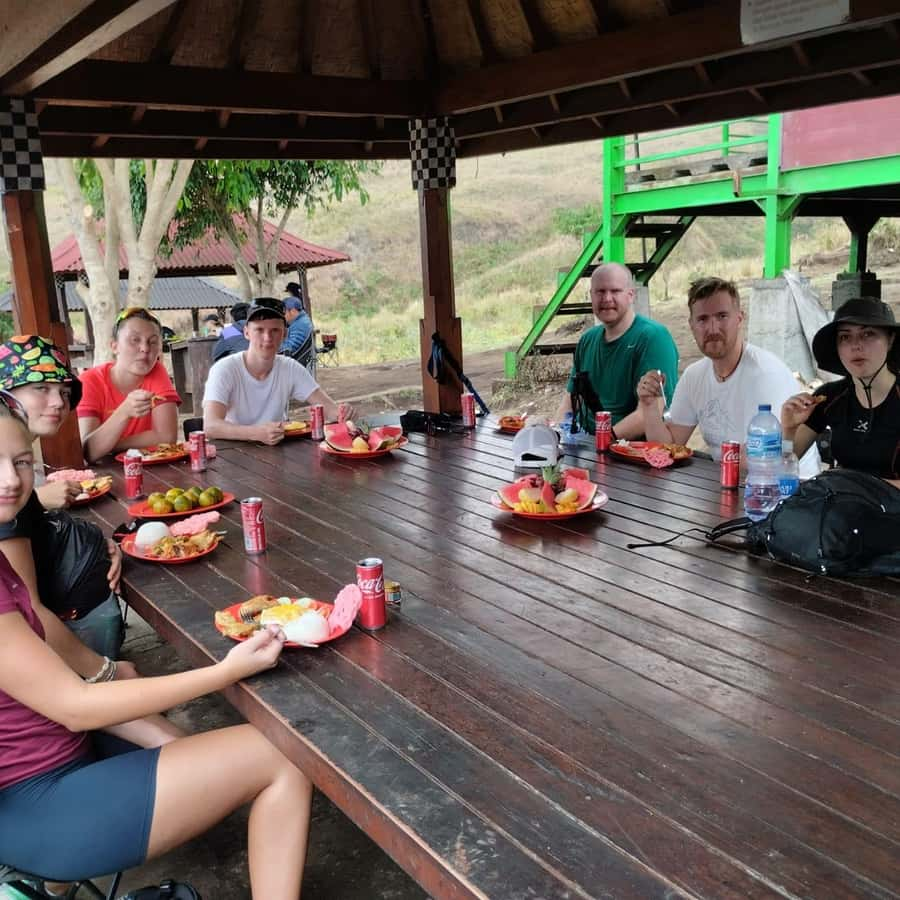
You get breakfast, lunch, and dinner during the trek, plus extra snacks and water. That is a solid setup for summit trekking because it reduces the risk of under-eating. When you are working hard at altitude, you cannot count on a single meal to carry you across long stretches.
Also, you will likely appreciate how the crew times snacks between the bigger meal moments. That is exactly what you want when the trail gets steep and your energy drops in waves.
If you are picky about food, you should still plan to eat. The trek pace depends on it. Bring a water habit too: take sips often rather than chugging only at stops.
Guides, porters, and small-group teamwork
The small group cap at 4 participants changes the feel of the whole trek. It is easier to manage slower hikers, and it is easier for you to ask questions without feeling like you are interrupting a factory line.
You also get a real sense of team effort. Porters are treated like essential muscle, not background help. In the stories shared by people who did this trek, porters are described with real respect, basically as the warriors who make the trip run.
Guides get named for a reason. Apok is remembered as fun and attentive. Ijan, along with his father, is described as sweet and helpful. Salma is credited as a perfect leader. The owner, Sa, also comes up as kind and supportive. That suggests you are not just buying a route, you are joining a group that cares about how the trek feels.
One practical takeaway: the guide can only help if you communicate. If you feel dizzy, stop, tell them, and do not try to be a hero.
Price and logistics: what you pay for in the real world
Let’s talk value, not just cost.
For $126, you are getting a lot of what usually adds up on your own:
- local guide in English
- porter support
- trekking insurance
- camping gear like tents, toilet tents, mattresses
- meals (breakfast, lunch, dinner) plus snacks and water
- cooking gear
- pickup from selected hotels and transport pick-up from Senaru
- storage room and parking area
What you do not get is also important:
- no pickup drop-off after the trek is listed as included
- no night accommodation before the trek
- trekking poles are not included
- flashlight is not included, and head lights are not listed as included
- jacket and clothing are not included
- the trek is closed in January, February, and March due to rainy season
So, for the best value, you need to bring or rent the missing essentials yourself, and you should plan your return transport in advance. If you do that, this trek is a very fair price for a real summit climb with infrastructure built in.
What to pack (and what to skip) for a summit-ready kit
Here is what you should bring, based on what the trek expects:
- comfortable shoes that have already been worn in
- change of clothes
- camera
- cash (so you can handle small needs without stress)
- clothes that can get dirty
- flashlight (headlight is not listed as provided)
- a daypack
- charged smartphone
A couple of simple tips:
- Keep your daypack light enough that it does not become another workout.
- Pack your flashlight so you can find it quickly at camp.
- Bring something for warmth even if the daytime feels okay, because nights on the mountain can feel colder than you expect.
Not allowed on the trek: alcohol and drugs. That rule exists for safety and respect for the environment and team.
Also note: trekking poles are not included. If you use them, bring them or rent them locally.
Who should book this, and who should not
This trek is not for everyone.
Not suitable if you are pregnant, have altitude sickness, or you have a low level of fitness. That is not meant to scare you, it is a warning that a summit trek is physically demanding and altitude can make normal exertion dangerous.
If you are generally active and comfortable with long, steep climbs, this can be a great challenge. The small group size and included camp setup make it easier to focus on the climb rather than on gear problems.
If you are recovering from an injury, or you know you struggle on steep ascents, consider a gentler hike plan. A summit trek is a commitment.
Weather and seasonal reality: Rinjani has a closed window
The route is closed in January, February, and March because of the rainy season. That means you need to plan outside those months if you want this exact style of summit trek.
If you are traveling in the shoulder seasons, you might still hit rough weather. When conditions are messy, your tent comfort and trail footing can change quickly, so pack like it might be damp or windy.
Also, do not leave your flashlight and warm layers to the last minute. Those small items can make the difference between tolerating camp and enjoying it.
Should you book this Mount Rinjani guided summit trek?
Book it if you want:
- a guided summit trek with an English-speaking guide and porter support
- a small group, capped at 4, so you get real attention on tough sections
- meals, snacks, water, and camping gear included so you can focus on walking
Think twice if:
- you are not confident in steep uphill endurance, because the final ascent is genuinely hard
- you have altitude sickness risk or you are pregnant
- you need your full transport after the trek handled, since drop-off after the hike is not listed as included
If you fit the physical profile and you plan for the missing essentials (like trekking poles and a flashlight), this is a strong value way to experience Rinjani with a team that clearly knows what matters: safety, food timing, and getting you to the summit day as prepared as possible.
FAQ
How long is the Mount Rinjani trek?
It is a guided 2-day, 1-night Mount Rinjani summit trek. The start time can vary based on availability, so you should check the available starting times for your date.
What is the group size?
This is a small group trek limited to 4 participants.
Are meals included during the trek?
Yes. Meals included are breakfast, lunch, and dinner, plus extra snacks and water during the hike.
What transport is included?
Pickup from selected hotels is included. Transportation pick-up from Senaru is also included, but pickup or drop-off after the trek is not listed as included.
What trekking gear is provided?
Included gear covers camping items such as tents, toilet tents, and mattresses, along with cooking gear. The trek also includes trekking equipment in general, with ability to request additional mountain gear.
Do I need to bring a flashlight?
Yes. Head light or flash light is not listed as included, so you should bring your own flashlight.
Are trekking poles included?
No. Trekking poles are not included.
Is the trek available in January, February, and March?
No. Mount Rinjani trekking is listed as closed in January, February, and March due to the rainy season.
More Evening Experiences in Indonesia
- Kecak Dance at Uluwatu Temple – Sunset Fire Dance in Bali
★ 4.3 · 15 reviews - Uluwatu Sunset, Kecak Dance, and Dinner Jimbaran Beach
★ 5.0 · 3,681 reviews - Bali Sunset: Uluwatu Temple, Kecak Dance and Jimbaran Bay
★ 4.7 · 2,397 reviews - Bali Hai Sunset Dinner Cruise
★ 5.0 · 1,173 reviews
Newest reviews out of Indonesia
- Bali: Kuta Beach Surfing Lesson (2 Hours, Local Instructor)★ 4.7 · 12 reviews
- Scenic Cycling Tours Through Bali’s Sidemen Countryside★ 5.0 · 12 reviews
- Day Trip 5 Secret Giilis in West South of Lombok★ 4.8 · 12 reviews
- Visit Lombok Sasak Tribe Village, Waterfall And Selong Hill★ 4.5 · 14 reviews
- Nusa Penida: Full-Day Guided Snorkeling & Island Tour★ 3.5 · 14 reviews
- Nusa Dua: Luxury Balinese Massage with Hotel Transfers★ 4.8 · 14 reviews
- Lombok: Gili Nanggu, Tangkong, Sudak, and Kedis Islands Tour★ 4.8 · 15 reviews
- Kecak Dance at Uluwatu Temple – Sunset Fire Dance in Bali★ 4.3 · 15 reviews
Mount Rinjani Treks, compared.
3D-2N Explore Mount Rinjani – Summit -Lake and Hotspring
Read our review →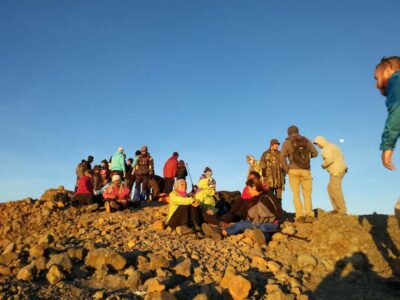
Mount Rinjani Trek 3D-2N To Summit – Lake – Hotspring
Read our review →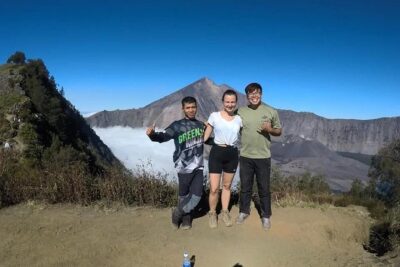
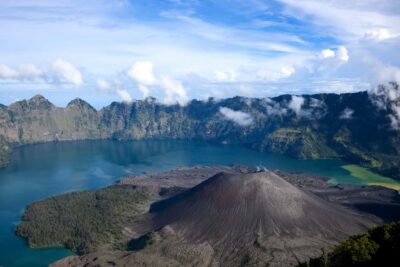
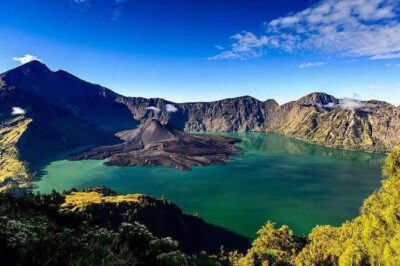
Mt Rinjani Trekking 2 Days 1 Night (Senaru Crater Rim)
Read our review →
3D/2N Rinjani trekking summit,lake and hot springs.
Read our review →
Rinjani Trekking 3 Days 2 Nights (Sembalun – Senaru)
Read our review →Browse the lists this tour appears in